Why Are Gen 5 Glocks Illegal in California? Laws, Restrictions, and Explained Reasons
California enforces strict firearm regulations in the United States, particularly for modern handgun designs and safety requirements. These laws often impact newer Glock generations and similar semi-automatic pistols.
Pistol roster rules, drop safety tests, and microstamping requirements create barriers for many new handgun models entering the state market. These technical standards shape what firearms are considered compliant and available for civilian purchase in California.
Gen 5 Glock pistols often fail to meet California’s specific requirements such as loaded chamber indicators and magazine disconnect mechanisms, depending on model variations. As a result, many of these handguns are not listed on the state’s approved roster.
Because of these combined regulatory restrictions, consumers often search for clarity on why certain models are unavailable, and confusion arises around why are gen 5 glocks illegal california under current state firearm laws.
This topic continues to be widely discussed among firearm owners and collectors who want to understand how California’s handgun roster affects availability, compliance, and the differences between modern Glock generations and older approved models.
California Handgun Laws
California handgun laws are among the most regulated firearm frameworks in the United States, designed to control what types of handguns can be sold, transferred, and owned within the state. These rules focus heavily on safety features, testing standards, and official approval lists that manufacturers must follow. Because of these requirements, not every modern handgun is automatically allowed for retail sale. The system affects both gun buyers and manufacturers, creating a unique market where only approved models are legally available through licensed dealers.
California Handgun Roster System
The California Handgun Roster is a state-maintained list of handguns approved for sale to civilians. To be included, firearms must pass specific safety and performance tests conducted by certified laboratories. Manufacturers must also pay fees and submit models for evaluation before they can be listed.
This roster is updated regularly, but only models that meet strict criteria are allowed. Many newer handgun designs fail to qualify because they include features that do not align with California’s regulatory standards, even if they are widely accepted in other states.
As a result, the roster limits consumer access to certain modern firearms, shaping the availability of popular handgun generations and influencing purchasing decisions across the state.
Firearms not listed on the roster cannot be sold by licensed dealers in California, although some exceptions exist for law enforcement and private transfers.
Safety and Compliance Requirements
California law requires handguns to meet several safety standards before they can be approved for sale. These include drop safety tests, chamber load indicators, and magazine disconnect mechanisms designed to enhance user safety during handling and storage.
Manufacturers must also comply with microstamping requirements for newer models, a rule intended to help trace shell casings. However, limited implementation has made compliance difficult for many firearm companies, restricting new model submissions.
These requirements often go beyond federal firearm standards, meaning handguns that are legal elsewhere may not qualify for California approval. This creates a clear distinction between compliant and non-compliant models in the marketplace.
What Makes Gen 5 Glocks Different
Gen 5 Glock pistols introduce a series of refinements that improve usability, durability, and overall shooting experience compared to earlier generations. These updates focus on both internal engineering and external handling, making the platform more refined for modern users. While the core Glock design philosophy remains the same, Gen 5 models incorporate noticeable improvements in accuracy, comfort, and maintenance. These changes reflect years of feedback from law enforcement, military users, and civilian shooters who demanded better ergonomics and enhanced performance without losing simplicity.
Gen 5 Ergonomics and Frame Improvements
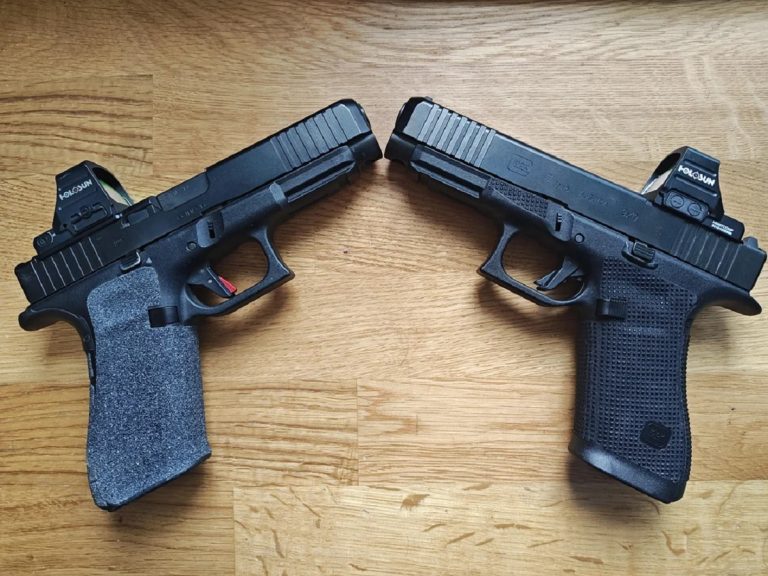
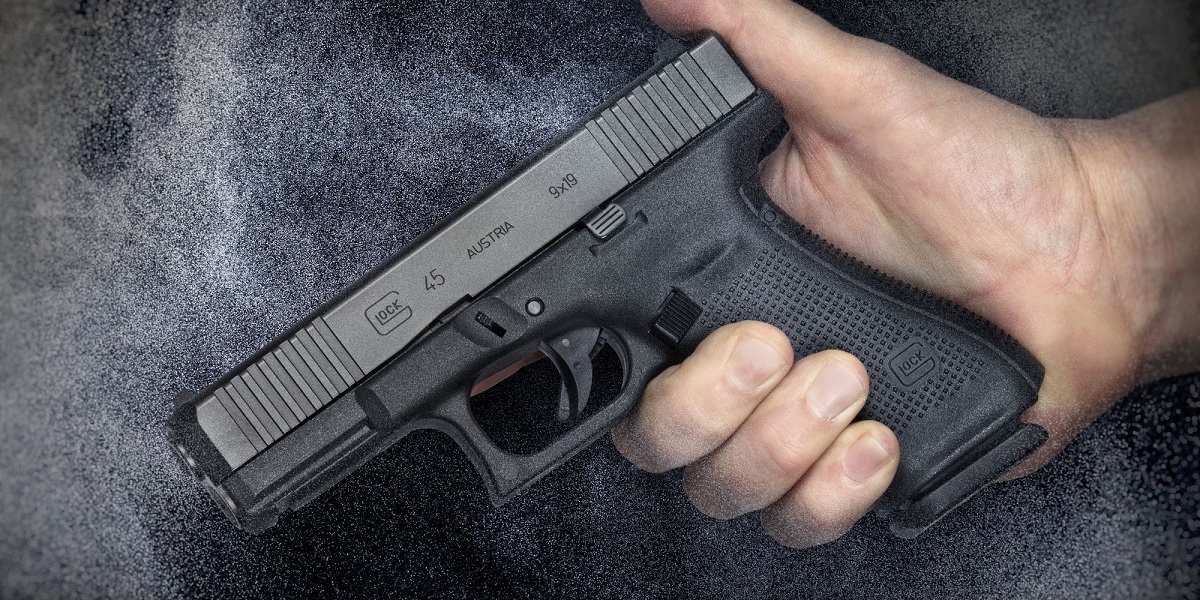
Gen 5 Glocks feature a redesigned frame that removes finger grooves, offering a more universal grip feel. This adjustment allows shooters with different hand sizes to achieve a more natural and consistent hold. The frame also includes an enhanced texture pattern that improves control during rapid firing or wet conditions.
Another major change is the flared magazine well, which helps speed up reloads by guiding magazines into place more efficiently. This is especially useful in high-pressure situations where quick magazine changes matter. The ambidextrous slide stop lever also improves accessibility for both left and right-handed shooters.
These ergonomic upgrades make Gen 5 models feel more adaptable compared to earlier generations. The changes may appear subtle, but they significantly impact handling comfort and shooting confidence during extended use.
Internal Mechanism Enhancements
Inside the Gen 5 Glock, several mechanical improvements have been introduced to increase reliability and reduce wear. One of the most notable updates is the redesigned Marksman barrel, which improves rifling consistency and enhances accuracy over longer distances.
The trigger mechanism has also been refined, offering a smoother pull and more predictable break compared to previous generations. This helps shooters achieve better shot control, especially in precision shooting scenarios.
Glock also updated internal coatings to reduce friction between moving parts. These enhancements help minimize fouling buildup and improve overall durability under heavy use.
Together, these internal changes ensure that Gen 5 models maintain Glock’s reputation for reliability while offering improved precision and reduced maintenance requirements.
Performance and Real World Handling
Gen 5 Glocks are designed to perform consistently under a wide range of conditions, from dry environments to extreme humidity and dirt exposure. The improved internal tolerances help maintain smooth cycling even after extended firing sessions.
Shooters often notice reduced recoil perception due to better weight distribution and frame balance. This makes follow-up shots faster and more controlled, especially in defensive or competitive shooting situations.
The combination of ergonomic and mechanical upgrades creates a more refined shooting experience overall. While the design still stays true to Glock’s simplicity, the Gen 5 platform feels more modern and responsive in real-world use, appealing to both new shooters and experienced firearm users.
The California Roster Problem
The California handgun roster creates one of the most debated challenges in the state’s firearm regulations. It determines which handguns are legally allowed for sale to civilians, based on strict safety testing and certification rules. While intended to improve public safety, the system also limits the availability of modern handgun models. Over time, this has created a growing gap between what manufacturers produce and what consumers in California can legally purchase.
Barriers Created by the Approved Handgun Roster
The approved handgun roster sets strict requirements that every new pistol must meet before being sold in California. Manufacturers must submit each model for testing, pay associated fees, and ensure compliance with state-defined safety features. This process can be costly and time-consuming, discouraging companies from introducing newer models.
Many firearms that are widely available in other states never reach California shelves. Even small design changes can require re-approval, which slows down product updates. As a result, consumers often see older generations of handguns remaining on the roster while newer versions are excluded.
This creates a limited marketplace where choice is reduced, even though modern firearm technology continues to evolve rapidly.
The roster system therefore acts as a gatekeeping mechanism that shapes what is considered legally accessible within the state.
Microstamping and Compliance Challenges
One of the most controversial requirements tied to California’s roster is microstamping technology. This rule expects new semi-automatic pistols to imprint identifying marks on shell casings when fired. The intention is to assist law enforcement in tracing firearms used in crimes.
However, the technology has not been widely implemented due to technical limitations and reliability concerns. Many manufacturers argue that microstamping is difficult to produce at scale and may not function consistently in real-world conditions.
Because of this requirement, several companies have stopped submitting new models for approval altogether. This has significantly slowed the introduction of updated handgun designs in California.
The compliance burden has become one of the biggest obstacles preventing modern firearms from entering the state’s approved roster system.
Impact on Consumers and Market Availability
The roster restrictions directly affect consumers by limiting the range of handguns available for purchase. Many newer models, even if popular and reliable elsewhere, are not legally sold in California. This forces buyers to choose from a smaller selection of approved firearms.
As a result, demand often concentrates on older models that have remained on the roster for years. These models may lack newer safety features, ergonomic improvements, or performance upgrades found in modern designs.
Gun owners sometimes rely on private transfers or secondary markets to access off-roster firearms, although these options come with legal limitations and higher costs.
Are Gen 5 Glocks Actually Illegal in California
The question of whether Gen 5 Glock pistols are illegal in California often comes from confusion around the state’s handgun roster system rather than an outright ban. California does not broadly outlaw Gen 5 Glocks by name, but it heavily restricts which specific models can be sold through licensed dealers. The legality depends on compliance with state approval requirements, not just the generation of the firearm itself.
Legal Status of Gen 5 Glocks in California
Gen 5 Glocks are not universally illegal in California, but most models are not listed on the state’s approved handgun roster for civilian sale. This means they cannot be sold new through licensed firearm dealers within the state. The restriction is based on compliance with California’s safety testing rules, including features like chamber indicators and other mandated design requirements.
However, legality changes depending on how the firearm is acquired. Some Gen 5 models may still be legally owned in California if they are brought in through lawful private transfers or were acquired under specific exemptions, such as law enforcement channels. The key issue is not possession itself, but retail availability and transfer pathways regulated by state law.
This creates a situation where Gen 5 Glocks exist legally in the state, but are not easily accessible through standard retail purchase methods.
Why Gen 5 Models Struggle to Meet California Requirements
One of the main reasons Gen 5 Glock models are not widely available in California is their lack of compliance with certain state-specific requirements. California mandates features such as loaded chamber indicators and magazine disconnect mechanisms for handguns to be added to the official roster. Many Gen 5 designs do not include these elements in the required configuration.
In addition, California’s microstamping requirement for newer handgun approvals creates another barrier. This technology has not been widely adopted in commercial firearms due to technical limitations, making it difficult for manufacturers to submit updated models for approval.
As a result, Glock and other manufacturers often choose not to modify Gen 5 models specifically for California compliance. Instead, they maintain older approved versions on the roster, leaving newer generations outside standard retail availability.
Comparison With Older Glock Generations
Comparing Gen 5 Glocks with earlier generations highlights how the platform has evolved in terms of ergonomics, internal engineering, and overall performance. Each generation introduced incremental upgrades, but Gen 5 represents one of the most refined versions of the design. Older models still maintain strong reliability, yet they differ in handling feel, feature set, and compatibility with modern user expectations and regulatory requirements.
Gen 3 and Gen 4 vs Gen 5 Design Changes
Gen 3 Glocks are known for their simplicity and rugged reliability, featuring finger grooves and a basic grip texture that defined the classic Glock feel. Gen 4 introduced interchangeable backstraps and a dual recoil spring assembly, improving recoil control and allowing better customization for different hand sizes.
Gen 5 removes the finger grooves entirely, offering a smoother and more universal grip. This change alone significantly improves comfort for a wider range of shooters. The frame texture is also enhanced, providing a more secure hold during rapid firing or adverse conditions.
Compared to both Gen 3 and Gen 4, Gen 5 feels more refined and adaptable, especially for users who prioritize consistent grip positioning and modern ergonomics.
These design shifts reflect Glock’s effort to modernize the platform without abandoning its core simplicity.
Internal Engineering and Performance Differences
Internally, Gen 3 models use a more traditional barrel and trigger setup that prioritizes durability over refinement. Gen 4 improved recoil management with a dual recoil spring system, reducing muzzle flip and extending component life.
Gen 5 takes internal performance further with the Marksman barrel, which enhances rifling precision and improves overall shot accuracy. The trigger system is also smoother and more consistent compared to earlier generations.
Another important change is the upgraded internal coating and reduced friction design, which helps minimize wear during extended use. This results in better long-term reliability and easier maintenance under heavy firing schedules.
While all generations are known for reliability, Gen 5 provides a more polished shooting experience with noticeable improvements in control and precision.
Handling, Maintenance, and User Experience Differences
From a handling perspective, Gen 3 models feel more basic and utilitarian, while Gen 4 adds flexibility with modular grip options. Gen 5 builds on both by offering a cleaner grip design, ambidextrous controls, and improved magazine insertion through a flared magwell.
Maintenance is also more streamlined in Gen 5 due to reduced internal friction and improved component durability. This means less fouling buildup and smoother long-term operation compared to earlier models that may require more frequent cleaning under heavy use.
User experience differences are especially noticeable during extended shooting sessions. Gen 5 models reduce fatigue and improve consistency, while older generations still rely heavily on the shooter’s adaptation to the firearm’s original design limitations.
These differences make Gen 5 feel more modern and user-friendly, even though older generations remain widely respected for their proven reliability and simplicity.
Law Enforcement and Exemptionss
California handgun regulations include several exemptions that apply primarily to law enforcement officers and certain restricted transfer scenarios. These exemptions exist within the broader handgun roster system, allowing specific individuals and agencies to access firearms that are not available to the general public. While the rules remain strict, they recognize operational needs for law enforcement personnel and limited legal pathways for ownership outside standard retail channels. Understanding these exemptions helps clarify how restricted firearms still circulate legally within the state under controlled conditions.
Law Enforcement Access to Off-Roster Handguns
Law enforcement officers in California are permitted to purchase and use handguns that are not listed on the state’s approved roster. This exemption exists because officers require access to a wider range of duty firearms that meet evolving operational needs, tactical requirements, and departmental standards. As a result, many modern handgun models, including those not available to civilians, can be legally acquired by certified law enforcement personnel through authorized channels.
In many cases, these firearms are purchased through specialized distributors or department-approved programs. Once acquired, officers may also be allowed to retain certain off-roster firearms for personal use, depending on departmental policies and state regulations. This creates a legal distinction between civilian and law enforcement access to the same firearm models.
The exemption has also influenced the secondary market, as some off-roster firearms may later enter private circulation through lawful transfers. However, strict rules govern how and when such transfers can occur, ensuring that the exemption is not misused outside its intended purpose.
Private Transfers, Intra-Familial Transfers, and Other Exemptions
Beyond law enforcement access, California law allows several limited exemptions that enable certain off-roster handguns to be legally transferred between private parties. One of the most common is the private party transfer conducted through a licensed firearm dealer, where both parties must meet legal eligibility requirements and complete background checks. These transfers are tightly regulated but provide a legal pathway for ownership outside the roster system.
Intra-familial transfers also serve as another exemption, allowing handguns to be passed between immediate family members under specific conditions. These transfers must still be properly documented and reported to comply with state law, even though the firearm itself may not be roster-approved. This ensures traceability while recognizing familial ownership rights.
Other exemptions include specific legal circumstances such as law enforcement retirement transfers or certain federally regulated transactions. While these pathways exist, they remain limited in scope and do not function as general alternatives to the handgun roster. Instead, they operate as controlled exceptions within California’s broader firearm regulatory framework.
Private Party Transfers and Legal Workarounds
Private party transfers and other legal exemptions play an important role in California’s handgun system, especially when it comes to firearms that are not listed on the approved roster. While the roster restricts new retail sales, certain legal pathways still allow individuals to buy, sell, or transfer handguns under tightly controlled conditions. These processes must follow strict state and federal rules, including background checks and dealer oversight, ensuring that every transaction remains documented and compliant with California law.
How Private Party Transfers Work in California
A private party transfer in California occurs when two eligible individuals complete a firearm sale or transfer through a licensed firearms dealer. Even though the transaction is between private individuals, it must be processed by an authorized dealer to ensure full legal compliance. The dealer conducts background checks, verifies eligibility, and registers the firearm transfer with the state.
This process allows the transfer of certain handguns that may not be available for new retail purchase, including some off-roster models. However, both parties must be legally allowed to own firearms, and the transaction must take place in person at the dealer’s location.
Private party transfers do not bypass California law; instead, they operate within the legal framework to ensure accountability while still allowing limited movement of off-roster firearms between individuals.
Legal Workarounds and Limitations in Firearm Ownership
Beyond private party transfers, California law includes several narrow exemptions that function as legal workarounds within the handgun roster system. These include intra-familial transfers, law enforcement retirement transfers, and certain out-of-state acquisition rules when firearms are lawfully imported and properly registered.
However, these pathways are not loopholes in the unrestricted sense. Each method comes with strict documentation requirements, eligibility checks, and reporting obligations to state authorities. Attempting to bypass these rules can lead to serious legal consequences.
Because of these limitations, legal workarounds are often misunderstood. They do not open unrestricted access to off-roster handguns but instead provide carefully regulated exceptions designed to balance ownership rights with California’s firearm control policies.
Frequently Asked Questions
Why Are Gen 5 Glocks Illegal In California?
Gen 5 Glocks are often described as “illegal” in California, but that is not fully accurate. The real issue is California’s handgun roster system, which controls what new firearms can be sold by licensed dealers. Gen 5 models from Glock are not on this approved list. Because of that, they cannot be sold as new retail handguns in the state. However, they are not universally banned, and ownership is still possible through limited legal channels.
What Makes Gen 5 Glocks Not Approved In California?
The main reason Gen 5 Glocks are not approved is California’s strict certification requirements. Any handgun sold must pass drop safety tests and include features like chamber indicators and magazine disconnects. A major barrier is the microstamping requirement, which mandates that pistols imprint identifying marks on shell casings. Gen 5 Glock designs do not meet these requirements, so they cannot be added to the roster. As a result, they are excluded from dealer sales even though they are widely legal elsewhere in the United States.
Can You Legally Own A Gen 5 Glock In California?
Yes, you can legally own a Gen 5 Glock in California under certain conditions. The restriction applies mainly to new retail sales, not possession itself. You may acquire one through a private party transfer inside the state or bring one with you if you move to California, following registration rules. Law enforcement officers also have separate purchasing exemptions. So while access is limited, ownership is still legal when obtained through approved legal pathways.
Why Are Older Glock Generations Legal But Gen 5 Is Not?
Older models like Gen 3 Glocks remain on California’s approved handgun roster because they were certified before newer regulations became stricter. When Gen 5 models were released by Glock, they introduced updated features such as redesigned frames and ambidextrous controls. These changes require new testing and compliance under California law. Since Gen 5 pistols have not been re-certified under current rules, they are excluded even though earlier generations remain available for sale.
Are Gen 5 Glocks Considered Banned In California?
No, Gen 5 Glocks are not officially banned in California. The correct classification is that they are “not on the roster,” meaning they cannot be sold by licensed dealers to the general public. This distinction is important because banned implies illegal possession, which is not the case. You can still legally own one if obtained through lawful exemptions. The restriction is about distribution and retail approval, not criminal possession of the firearm itself.
How Do People In California Get Gen 5 Glocks?
Even with restrictions, there are legal ways people in California can obtain Gen 5 Glocks. One common method is a private party transfer conducted through a licensed dealer, where both buyer and seller are California residents. Another method is law enforcement exemption purchases. Additionally, individuals moving into California can bring legally owned firearms with them, provided they follow registration requirements. These limited pathways allow access, but they are much more restricted than in most other states.
Will Gen 5 Glocks Ever Be Available For Sale In California?
It is unclear whether Gen 5 Glocks will ever be widely available for retail sale in California. Any change would require updates to the state’s handgun roster laws or successful legal challenges to the current system. Manufacturers like Glock would also need to comply with requirements such as microstamping technology. Until those conditions change, Gen 5 models will likely remain restricted from dealer sales, even though legal ownership through exemptions continues to exist.
Final Words
The restrictions surrounding Gen 5 Glock pistols in California are mainly tied to the state’s handgun roster system rather than a direct ban on the firearms themselves. California law requires handguns to meet specific safety standards, testing procedures, and approval listings before they can be sold through licensed dealers.
Many Gen 5 models do not meet all of California’s roster requirements, such as certain mandated safety features and compliance standards like microstamping. Because of this, they are not included on the approved list, which limits their availability for retail purchase within the state.
This situation often leads to confusion among firearm owners who assume the models are completely prohibited. In reality, ownership and possession may still be legal under certain conditions, but new sales are heavily restricted. That is the core reason behind why are gen 5 glocks illegal california under the state’s regulatory framework.