Is It Illegal To 3D Print A Glock Lower? Laws, Risks, And Legal Alternatives Explained
The rise of 3D printing technology has brought significant attention to its use in creating firearm components, especially among hobbyists and gun enthusiasts. As access to digital blueprints and printing tools becomes more common, questions about legality and responsibility continue to grow in public discussion.
One of the most frequently asked questions in this area is is it illegal to 3d print a glock lower, as the lower frame or receiver is often considered the core regulated part of a firearm. This has created confusion for many people trying to understand what is legally allowed and what crosses legal boundaries.
Laws surrounding firearm parts made with 3D printers vary widely depending on the country, state, or region. In many places, the firearm frame or receiver is treated the same as a complete gun, meaning strict rules may apply regarding manufacturing, ownership, and serialization.
Because of these legal differences, understanding compliance is essential before engaging with any form of firearm-related 3D printing. Regulations are often strict and can carry serious consequences when misunderstood, making awareness and caution an important part of the conversation.
What A Glock Lower Is?
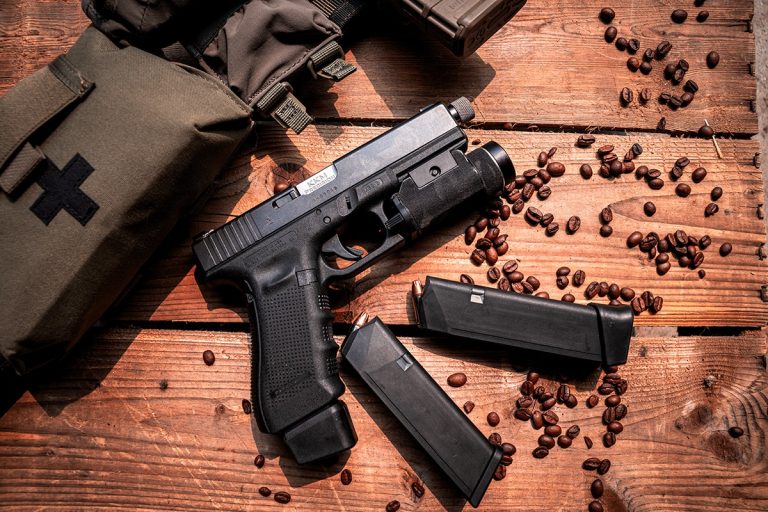
A Glock lower refers to the portion of a Glock-style handgun that forms the main structural and functional base of the firearm. It typically houses the trigger assembly, magazine well, and grip frame, making it a critical part of how the pistol operates. Understanding this component is important because it plays a central role in firearm classification and regulation in many regions. The lower section is often discussed in legal and technical contexts due to its functional importance.
Role In Glock Firearm System
The Glock lower serves as the foundational housing that connects and supports several key firing components. It contains the trigger mechanism, which controls the firing sequence, and the magazine well, where ammunition is inserted for feeding into the chamber. This structure also forms the grip, allowing the user to hold and control the firearm securely during operation.
In the overall firearm system, the lower works alongside the slide and barrel to complete the firing cycle. When the trigger is pulled, internal components within the lower interact with the upper assembly to discharge a round safely and efficiently. Because it holds these essential mechanisms, any damage or modification to the lower can significantly affect the firearm’s performance and safety. Its design is engineered for durability and precise alignment with other parts.
Why It Is A Regulated Component
The Glock lower is often considered a regulated part of a firearm because it functions as the serialized or legally recognized frame in many jurisdictions. This means it may be treated as the official firearm itself under certain laws, even without other attached components. As a result, its transfer, sale, and manufacture are often subject to strict legal controls.
Regulatory agencies focus on the lower because it contains the operational structure that defines the firearm’s identity. This classification helps authorities track ownership and ensure compliance with firearm laws. Because of its legal status, handling or altering a Glock lower is typically governed by specific rules that vary by region. Understanding its regulatory importance is essential for responsible ownership and awareness of applicable legal requirements.
Legal Status Of 3D Printing Firearm Parts
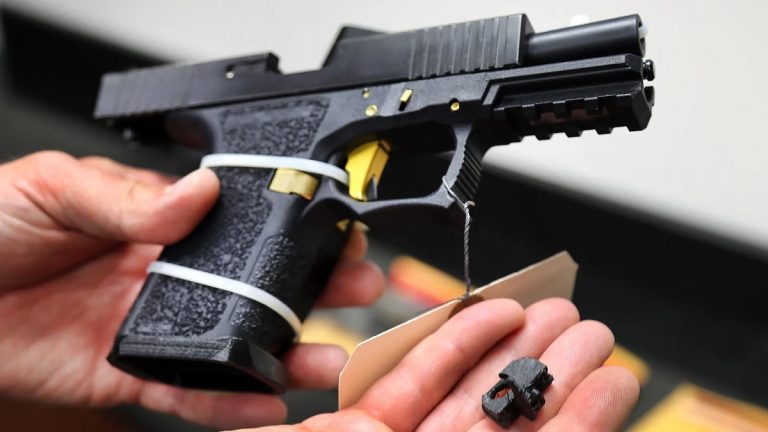
The legal status of 3D printing firearm parts is a complex issue that varies widely across different countries and regions. Laws are constantly evolving as technology advances, making it important to understand how firearm components are classified under local regulations. In many places, 3D printed firearm parts are treated under the same legal framework as traditionally manufactured gun components, especially when they affect the function of the weapon.
How Laws Classify 3D Printed Firearm Components
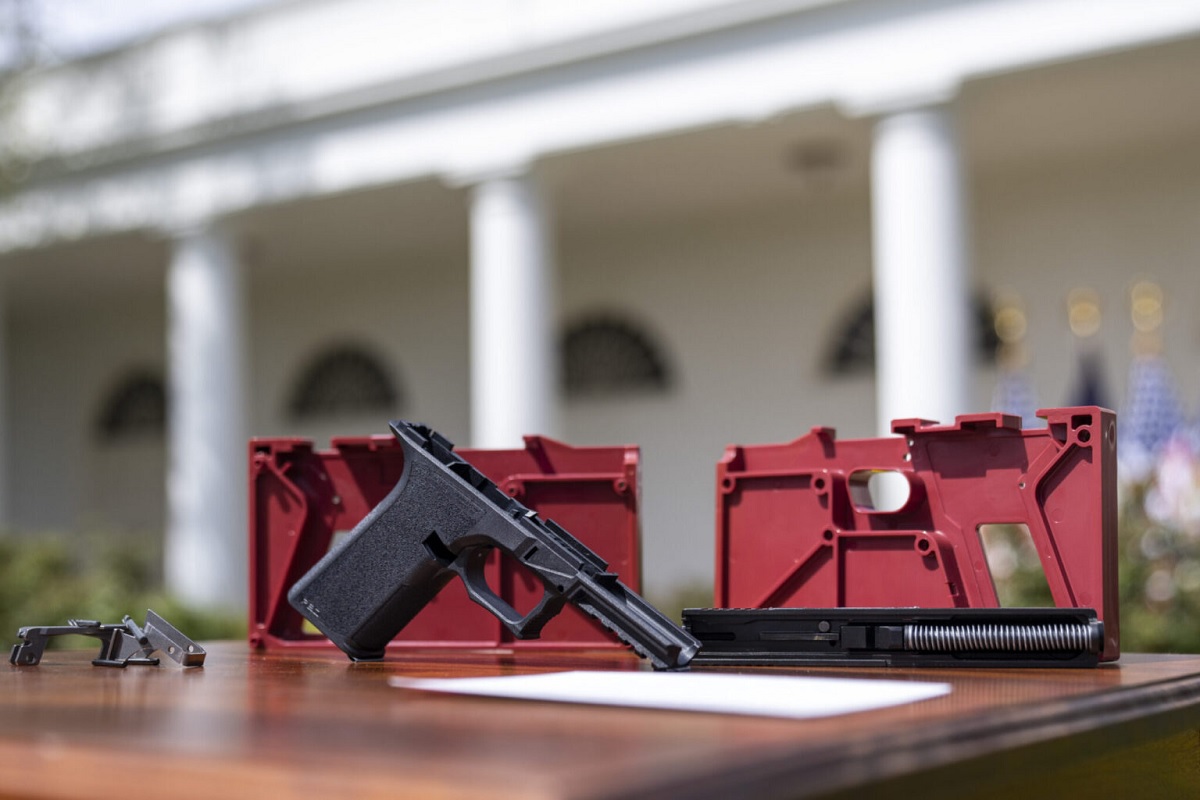
In many jurisdictions, firearm laws focus on the function and classification of parts rather than how they are made. This means a 3D printed firearm component may still be legally considered a regulated part if it serves as a receiver, frame, or essential operating mechanism. Authorities often classify these components based on their role in the firearm system rather than the manufacturing method used.
Because of this, certain printed parts may require serialization, registration, or background checks depending on local laws. Some regions strictly regulate the production of firearm frames, even for personal use. Others may allow limited private manufacturing under specific conditions. This legal variation creates confusion for many individuals, making it essential to verify local laws before engaging in any form of firearm-related 3D printing activities.
Regulations On Homemade And Privately Manufactured Firearms
Many countries regulate homemade or privately manufactured firearms under strict legal frameworks. In some areas, individuals may be allowed to produce firearm parts for personal use, but they are often required to comply with registration rules or obtain prior authorization. Other regions may prohibit private firearm manufacturing entirely, regardless of intent or usage.
3D printing adds another layer of complexity because it allows individuals to create functional components without traditional manufacturing oversight. Governments may classify these parts as equivalent to commercially produced firearm components, meaning they fall under the same legal restrictions. In some cases, even possessing digital blueprints for certain firearm parts can raise legal concerns. Understanding these regulations is crucial to avoid unintentional violations of firearm manufacturing laws and ensure compliance with local legal standards.
Is It Illegal To 3D Print A Glock Lower For Personal Use?
The legality of 3D printing a Glock lower for personal use depends heavily on local firearm laws, which vary by country and even by state or region. In many jurisdictions, the firearm frame or receiver is treated as a regulated firearm component, regardless of how it is manufactured. This means personal use does not automatically make the activity legal or exempt from regulation.
Personal Use Laws And Firearm Manufacturing Rules
In some regions, laws may allow individuals to manufacture firearm components for personal use, but this permission is often subject to strict conditions. These conditions can include restrictions on the type of firearm, requirements for serialization, or limitations on transferring the finished product. Even when personal manufacturing is permitted, the lower or frame is still typically classified as a controlled firearm part.
Other jurisdictions take a much stricter approach and prohibit private firearm manufacturing altogether, regardless of intent. This includes using 3D printing technology to produce a Glock lower. The key legal issue is not whether the item is sold or distributed, but whether it is created in compliance with firearm manufacturing laws. Because of this variation, personal use does not guarantee legality, and misunderstanding these rules can lead to serious legal consequences.
Legal Risks And Compliance Concerns
3D printing a Glock lower for personal use can carry significant legal risks depending on local regulations. In some places, even possessing unregistered firearm frames or unfinished receivers may be considered a violation of the law. Authorities often focus on whether the part functions as a regulated firearm component rather than how it was produced.
Another major concern is compliance with serialization and identification requirements. Many laws require firearm receivers to have serial numbers for tracking and ownership verification. A 3D printed lower without proper registration may be considered illegal in certain jurisdictions. Additionally, importing or downloading digital files intended for firearm manufacturing can also fall under regulatory scrutiny in some regions. These factors make legal compliance a critical consideration before engaging in any form of 3D printed firearm component creation.
What Makes 3D Printed Firearm Parts Legally Problematic
3D printed firearm parts create legal challenges because they fall into a rapidly evolving area of firearm regulation that many laws were not originally designed to address. Authorities focus on how these parts function rather than how they are made, which means a printed component can still be treated as a regulated firearm part. This creates uncertainty for users and strict enforcement in many regions.
Lack Of Serialization And Traceability
One of the main legal concerns with 3D printed firearm parts is the lack of serialization and traceability. In many countries, firearm receivers and key components must carry a unique serial number that allows law enforcement to track ownership and origin. 3D printed parts are often produced without any official marking, making them difficult to trace within legal systems.
This absence of identification can cause a printed part to be considered non-compliant with firearm regulations, even if it is intended for personal use. Authorities rely on serialization to maintain accountability and prevent illegal distribution. When a firearm component lacks this required identification, it may fall into a restricted or unregulated category depending on local law. This legal gap is one of the primary reasons 3D printed firearm parts are heavily scrutinized.
Ease Of Unregulated Production And Distribution
Another major legal issue is the ease with which 3D printed firearm parts can be produced and shared without oversight. Digital design files can be distributed online, allowing individuals to manufacture firearm components outside traditional regulatory systems. This bypasses established controls used in licensed firearm manufacturing.
Because of this accessibility, governments often treat certain 3D printed firearm parts as high-risk items. Even when individuals claim personal use, the ability to replicate and share designs raises concerns about uncontrolled production. Some jurisdictions attempt to regulate not only the physical parts but also the digital files used to create them. This creates a complex legal environment where both manufacturing and distribution of design data may fall under firearm control laws.
Difficulty In Enforcing Consistent Legal Standards
3D printed firearm parts also create enforcement challenges because laws differ significantly between regions. What may be legal in one jurisdiction could be strictly prohibited in another, even within the same country. This inconsistency makes it difficult to apply uniform regulations to printed firearm components.
Law enforcement agencies often face difficulties determining intent, origin, and compliance when dealing with 3D printed parts. Since these items can be produced privately, there is limited oversight compared to traditional firearm manufacturing. This lack of consistent enforcement contributes to legal uncertainty and increases the likelihood of violations occurring unintentionally. As a result, regulators continue to adapt laws to address the evolving nature of 3D printing technology in firearm production.
Penalties For Illegal 3D Printed Firearm Components
Penalties for illegal 3D printed firearm components can be severe, depending on the jurisdiction and the specific laws violated. Since firearm regulations are strictly enforced in many regions, unauthorized manufacturing or possession of regulated parts can lead to criminal charges. The severity of punishment often depends on intent, type of component, and whether the item is functional or unregistered.
Criminal Charges And Legal Consequences
Illegal production or possession of 3D printed firearm components can result in serious criminal charges in many areas. These charges may include illegal manufacturing of firearms, possession of unregistered firearm parts, or violation of controlled weapons laws. In some jurisdictions, even attempting to create regulated firearm components without proper authorization may be considered a criminal offense.
The consequences can range from misdemeanors to felony-level charges depending on the severity of the violation. Felony convictions may lead to long-term legal consequences, including loss of firearm ownership rights and restrictions on future purchases. Courts often consider whether the individual intended to distribute the parts or use them privately when determining penalties. Because firearm laws are strictly enforced, even small violations related to 3D printed components can carry significant legal risks.
Fines, Seizure, And Equipment Confiscation
In addition to criminal charges, individuals found with illegal 3D printed firearm components may face substantial financial penalties. Fines can vary widely based on local laws and the nature of the violation, but they are often imposed alongside other legal consequences. Authorities may also seize any illegal firearm parts, including completed prints, design files, and printing equipment used in the process.
Confiscation of equipment is common in cases involving unlicensed firearm manufacturing. This can include 3D printers, computers, and storage devices containing firearm design files. In some situations, law enforcement may also investigate digital activity related to the production or distribution of firearm components. These actions are intended to prevent further violations and enforce compliance with firearm regulations, making penalties both financial and practical in nature.
Legal Alternatives To 3D Printing Firearm Frames
When dealing with firearm frames or lower components, many legal alternatives exist that comply with regulated manufacturing standards. Instead of using 3D printing methods, individuals can rely on licensed manufacturers and approved purchasing channels that ensure compliance with local firearm laws. These alternatives are designed to maintain safety, traceability, and proper legal documentation while avoiding regulatory risks.
Purchase From Licensed Firearm Manufacturers And Dealers
One of the most reliable legal alternatives is purchasing firearm frames directly from licensed manufacturers or authorized dealers. These companies operate under strict regulations that require serialization, background checks, and compliance with national firearm laws. Every frame or receiver sold through these channels is properly documented and traceable.
Buying from licensed sources ensures that the firearm component meets all safety and manufacturing standards. It also eliminates the legal uncertainty associated with unregulated production methods. Dealers typically provide guidance on legal ownership requirements, transfer procedures, and registration rules depending on local jurisdiction. This makes the process safer, more transparent, and fully compliant with applicable firearm regulations while avoiding potential legal complications.
Use Factory-Assembled Or Certified Firearm Components
Another legal alternative is using factory-assembled firearms or certified replacement components provided by manufacturers. These parts are produced under controlled industrial standards and are designed to meet strict quality and legal requirements. Factory components ensure compatibility, durability, and compliance with safety regulations.
Certified replacement frames or parts are often available through authorized service centers or firearm retailers. These components come with proper documentation and serial numbers where required by law. Using approved factory parts helps maintain the legal integrity of the firearm while reducing the risks associated with unregulated manufacturing methods. It also ensures that the firearm continues to operate safely and within manufacturer specifications, making it a practical and compliant option for firearm owners.
People Also Asked
Is It Illegal To 3D Print A Glock Lower In The United States?
Whether it is illegal to 3D print a Glock lower depends on federal and state laws, as well as how the item is used. Under federal law, individuals may generally manufacture a firearm for personal use if they are legally allowed to own one, but the firearm must comply with all regulations.
However, the situation becomes complex with modern “ghost gun” laws, which regulate unserialized firearms. Some states require serialization or registration, making private manufacturing more restricted. You must always check local laws before attempting anything related to firearm frames or receivers to avoid serious legal consequences.
Do You Need A Serial Number For A 3D Printed Glock Lower?
In many cases, yes, you may need a serial number depending on your jurisdiction. Federal rules allow personal firearm manufacturing in limited cases without a serial number, but once certain state laws apply, serialization becomes mandatory. Some states require even privately made firearms to be registered and marked.
If you transfer or sell a 3D printed firearm component, federal law requires serialization in most cases. Without proper marking, the item may be considered illegal. You should never assume anonymity is allowed, because enforcement around unserialized firearms has become stricter in recent years.
Can You 3D Print A Glock Lower For Personal Use?
You may be allowed to 3D print a Glock lower for personal use in some regions, but only if you comply with all applicable firearm laws. Federal law may permit personal manufacturing for lawful owners, but the firearm must still meet safety and legal standards.
However, many states have introduced restrictions that prohibit or limit ghost gun production. Even if personal use is allowed, you cannot sell, distribute, or transfer the firearm without following legal requirements. You should always verify both federal and state rules before proceeding.
What Are The Risks Of 3D Printing A Glock Lower?
One major risk is legal exposure, especially if you unknowingly violate ghost gun or serialization laws. Depending on your location, possession of an unserialized firearm component can result in criminal charges. Enforcement varies, but penalties can be severe in strict jurisdictions.
Another risk is safety and reliability. 3D printed materials may not withstand the pressure and stress of firearm use, leading to structural failure. This can cause dangerous malfunctions. You should also consider that improper design or materials can create serious safety hazards for the user and others nearby.
Are “Ghost Gun” Laws The Same In Every State?
No, ghost gun laws are not the same across all states. Some states have strict bans or require serialization, background checks, and registration for privately made firearms. Other states follow federal guidelines more closely and allow limited personal manufacturing.
This inconsistency creates confusion for many people considering 3D printed firearm parts. You should never assume rules are the same everywhere. Even moving between states with a homemade firearm can create legal issues. Always check your specific state laws before engaging in any form of firearm construction.
Can You Sell Or Transfer A 3D Printed Glock Lower?
In most cases, selling or transferring a 3D printed Glock lower is heavily restricted or illegal without proper serialization and compliance with firearm laws. Federal regulations typically require serial numbers and background checks when firearms or major components are transferred.
If you attempt to sell or give away an unserialized firearm part, you may be violating federal and state laws. Even online discussions or private exchanges can lead to legal consequences. You should treat any homemade firearm component as highly regulated and avoid transfer unless fully compliant with legal requirements.
Should You Consult A Lawyer Before 3D Printing Firearm Parts?
Yes, consulting a qualified firearm law attorney is strongly recommended before you attempt anything involving 3D printed firearm components. Laws vary widely by state, and they can change frequently, especially regarding ghost guns and unserialized parts.
A lawyer can help you understand whether your intended actions are legal in your area and what compliance steps you must follow. This includes serialization, registration, or manufacturing limits. Seeking legal advice helps you avoid unintentional violations and ensures you stay within both federal and state firearm regulations.
Conclusion
Understanding firearm laws around 3D printing is essential because regulations vary widely depending on location. Components like a Glock lower are often treated as regulated firearm parts, which means their creation, ownership, or modification may fall under strict legal controls. This makes awareness of local laws the most important factor in staying compliant.
The question is it illegal to 3d print a glock lower does not have a universal answer, since legality depends on jurisdiction, intent, and compliance with firearm manufacturing rules. In many areas, even personal use can still be subject to serialization, registration, or outright restrictions, especially when it involves critical firearm components like receivers or frames.
Because of these differences, careful research and adherence to official regulations are necessary before engaging with any firearm-related 3D printing activities. Staying informed helps avoid legal risks while ensuring responsible handling of firearm technology and components in a lawful and safe manner.