How to Open a Gun Safe – Easy and Safe Methods That Actually Work
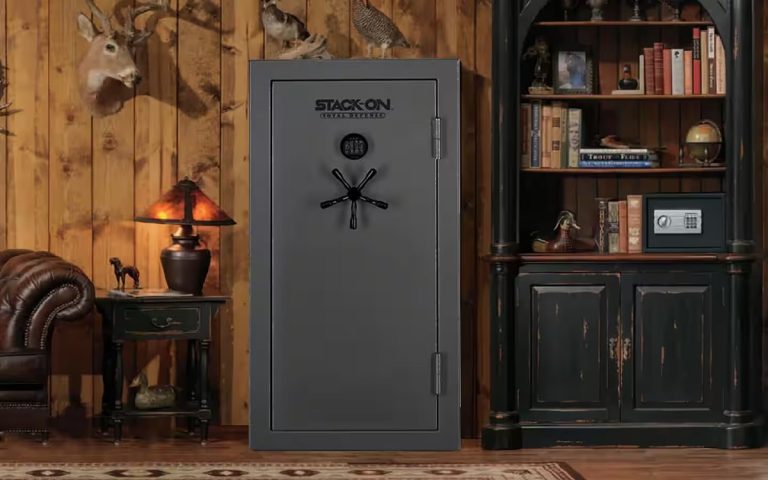
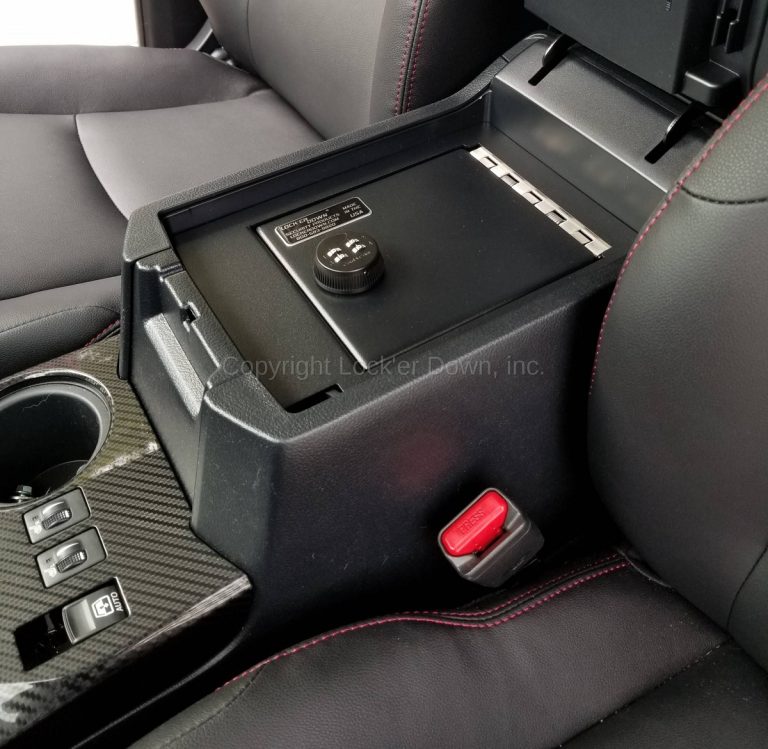
A gun safe is designed to protect firearms, important documents, and valuable belongings from unauthorized access. While its security features provide peace of mind, knowing the correct way to access the safe is just as important. Learning how to open a gun safe ensures you can retrieve your belongings safely without damaging the locking mechanism or compromising security.
Modern gun safes come with different locking systems, including combination dials, electronic keypads, biometric scanners, and traditional key locks. Each type requires a specific opening method, making it essential to understand how your particular safe operates before using it regularly.
Opening a gun safe correctly also helps extend the life of the lock and prevents unnecessary wear caused by rushed or improper handling. Following the proper steps makes daily access smoother while reducing the chances of lock-related problems.
This guide explains how to open a gun safe using different locking systems, covers common issues you may encounter, and shares practical tips to help you access your safe quickly, safely, and with confidence.
Identify the Type of Gun Safe Lock
Before you attempt to access your gun safe, it is important to identify the type of locking system it uses. Every lock operates differently and requires a specific opening method. Understanding your safe’s lock helps you avoid unnecessary mistakes, reduces wear on the mechanism, and allows you to open the safe safely and efficiently whenever access is needed.
Mechanical Combination Lock
A mechanical combination lock is one of the most common locking systems found on traditional gun safes. It uses a rotating dial and a preset sequence of numbers to unlock the safe. Since the lock operates without batteries or electronic components, it is known for its long-term reliability and durability.
To identify this type of lock, look for a round dial mounted on the front of the safe door. The dial usually contains evenly spaced numbers and rotates in both clockwise and counterclockwise directions. Opening the safe requires turning the dial in a precise pattern according to the manufacturer’s instructions.
Mechanical combination locks require patience and accuracy because even a small mistake in the dialing sequence can prevent the lock from opening. Keeping the dial clean and avoiding excessive force helps maintain smooth operation for years.
Electronic Keypad Lock
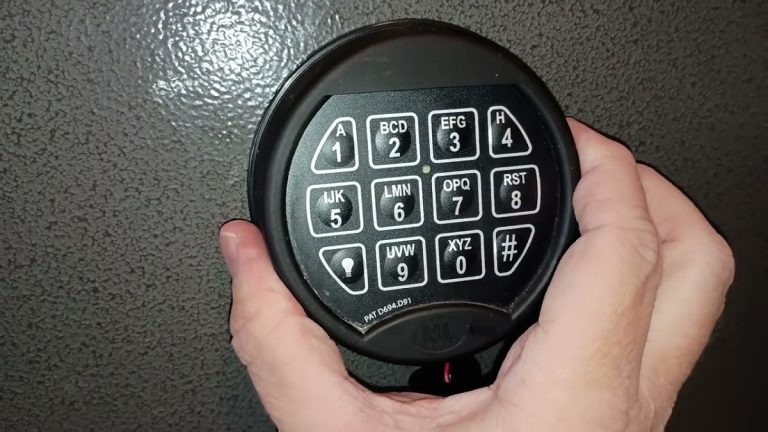
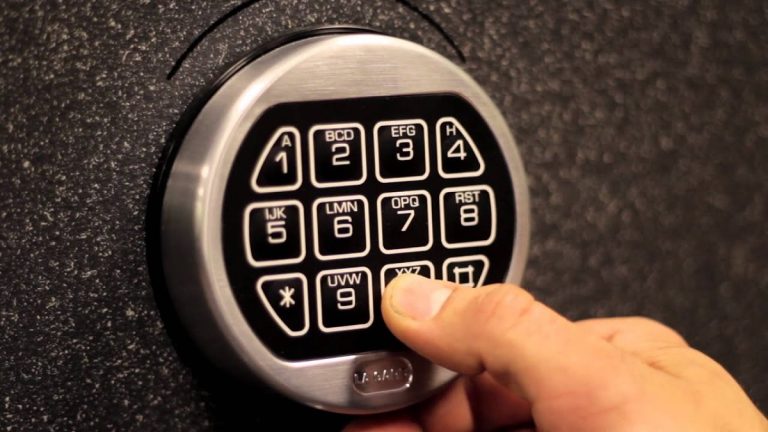
Electronic keypad locks have become increasingly popular because they offer fast and convenient access. Instead of rotating a dial, you enter a personal security code using a numeric keypad mounted on the front of the safe. After entering the correct code, the lock releases and allows the handle to turn.
You can identify this lock by its digital keypad, which typically contains numbered buttons and sometimes additional function keys. Many models also include battery compartments located on or behind the keypad, allowing the electronic system to operate independently of household power.
Electronic locks require regular battery replacement to ensure dependable performance. Keeping fresh batteries installed and memorizing your access code helps prevent delays when opening the safe and reduces the likelihood of electronic lockouts.
Biometric Fingerprint Lock
Biometric gun safe locks use fingerprint recognition technology to provide quick and secure access. Instead of entering a combination or code, you simply place a registered finger on the fingerprint scanner. The lock compares the fingerprint to stored data before unlocking the safe.
This locking system is easy to identify because it features a fingerprint sensor located near the handle or keypad. Many biometric safes also include backup entry methods such as a keypad or emergency override key, providing additional access options when needed.
For reliable performance, keep the fingerprint scanner clean and free from dust, moisture, and fingerprints left by repeated use. Registering multiple fingerprints can also improve convenience by allowing access from more than one authorized finger.
Key Lock and Dual-Lock Systems
Some gun safes use a traditional key lock, while others combine two locking methods for added security. A key-operated safe typically has a visible keyhole located beneath a protective cover or near the handle. Opening the safe requires inserting the correct key and turning it before operating the handle.
Dual-lock systems often combine a key with an electronic keypad or a mechanical combination lock. This design adds an extra layer of protection by requiring two separate unlocking steps before the safe can be opened. These systems are commonly found on high-security gun safes intended for enhanced firearm protection.
Store spare keys in a secure location separate from the safe to reduce the risk of lockouts. Regularly checking both locking components helps ensure dependable operation and allows you to identify potential maintenance needs before they affect access.
Things to Check Before Opening a Gun Safe
Before opening your gun safe, taking a few moments to inspect the lock and surrounding conditions can save time and prevent unnecessary problems. Simple checks help ensure the locking system functions properly and reduce the risk of accidental lockouts or damage. Preparing before unlocking the safe also makes the process smoother and more reliable.
Confirm You Have the Correct Access Method
The first step is making sure you have the correct way to unlock your gun safe. Depending on the model, this may involve a combination dial, electronic keypad, biometric scanner, or a traditional key. Using the proper access method helps prevent unnecessary wear on the locking mechanism and reduces the chance of repeated failed attempts.
Verify that you remember the correct combination or PIN before beginning. For safes that use keys, inspect the key for bends, cracks, or other damage that could prevent it from turning smoothly inside the lock. For biometric safes, ensure your registered fingerprint is clean and dry for accurate recognition.
Taking a few seconds to confirm your access method improves efficiency and helps you avoid mistakes that could temporarily lock the safe or delay access to its contents.
Inspect the Lock and Handle
Before attempting to unlock the safe, examine the lock and handle for any visible signs of damage, dirt, or obstruction. Dust, debris, or moisture around the locking mechanism can affect smooth operation, especially on safes located in garages, basements, or other humid environments.
Gently test the handle to make sure it is not already under tension. Avoid forcing the handle before the lock has fully disengaged, as excessive pressure may place unnecessary strain on the internal components. A smooth-moving handle often indicates the locking system is functioning correctly.
Regular inspection also allows you to notice loose screws, worn keypads, or damaged dials before they develop into larger mechanical problems. Early maintenance helps extend the life of the locking system and improves long-term reliability.
Check Battery Power for Electronic Locks
Electronic gun safes rely on battery power to operate the keypad and locking mechanism. Before entering your access code, confirm that the batteries still have sufficient power. Many electronic safes provide a low-battery warning through flashing lights or audible signals, making it easier to identify when replacement is needed.
Replacing weak batteries before they become completely depleted helps prevent unexpected lockouts. Always use fresh, high-quality batteries recommended by the safe manufacturer to ensure dependable performance. Avoid mixing old and new batteries, as this can reduce overall battery life.
Keeping spare batteries in a secure and easily accessible location allows you to restore power quickly whenever replacement becomes necessary, minimizing interruptions when accessing your safe.
Make Sure the Safe Is Free From Obstructions
Before opening the door, check the area around the gun safe for anything that could interfere with its movement. Furniture, storage boxes, or other objects placed too close to the safe may prevent the door from opening fully or create unnecessary pressure on the hinges.
Inspect the floor around the safe for loose items that could become tripping hazards while handling firearms or valuables. Maintaining a clean and organized space improves safety and provides enough room to access the contents comfortably.
Also, confirm that the safe door has enough clearance to swing open completely without contacting walls or nearby objects. Keeping the surrounding area clear protects both the safe and your belongings while making routine access easier and more convenient.
How to Open a Gun Safe With an Electronic Keypad
An electronic keypad gun safe offers quick and convenient access while maintaining a high level of security. Opening this type of safe is straightforward when you follow the correct procedure and use the proper access code. Understanding each step helps prevent lockouts, reduces unnecessary strain on the locking mechanism, and keeps the safe operating reliably over time.
Wake Up the Keypad and Check Battery Status
Begin by activating the electronic keypad according to your safe’s design. Some keypads become active when you press any button, while others require pressing a specific wake-up key before accepting your access code. Wait for the keypad lights or display to indicate that the system is ready before entering any numbers.
Take a moment to check for warning lights or low-battery indicators. Many electronic gun safes alert you when the batteries are running low, allowing you to replace them before they become completely depleted. Fresh batteries help maintain consistent performance and reduce the chance of the keypad failing during normal use.
Using high-quality batteries recommended by the manufacturer also helps ensure stable operation. Replacing batteries at regular intervals is a simple maintenance habit that improves the reliability of the electronic locking system.
Enter the Correct Security Code Carefully
Once the keypad is active, enter your personal security code slowly and accurately. Press each button firmly to ensure every number registers correctly. Rushing through the sequence or accidentally pressing the wrong key may result in an error tone or temporary delay before another attempt is allowed.
Many electronic safes include audible beeps or indicator lights that confirm each keypress. Watch and listen for these signals while entering the code to verify that every digit has been accepted. After the final number is entered, the safe will usually provide another confirmation sound or light to indicate that the lock has disengaged.
Avoid repeatedly entering incorrect codes because some safes activate a temporary security lockout after multiple failed attempts. Taking your time improves accuracy and helps protect the electronic locking system.
Turn the Handle and Open the Safe
After the lock releases, turn the safe handle smoothly in the direction recommended by the manufacturer. The handle should rotate easily once the electronic locking bolts have retracted. Avoid forcing the handle because resistance may indicate that the lock has not fully disengaged.
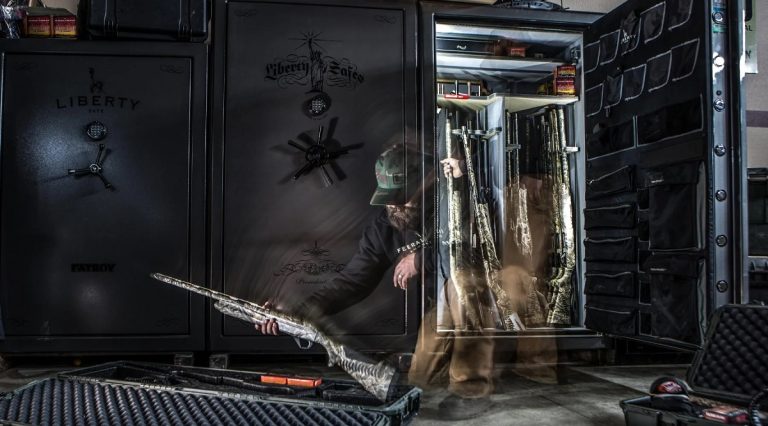
Pull the door open carefully while supporting its weight. Gun safe doors are often much heavier than standard cabinet doors due to their reinforced construction and internal locking components. Opening the door gently reduces stress on the hinges and helps preserve proper alignment.
Once the safe is open, access your firearms or valuables carefully while maintaining an organized storage arrangement. Keeping the interior neat makes future access faster and helps prevent items from interfering with the locking mechanism when the door is closed.
Close and Lock the Safe Properly
After removing or storing your belongings, close the safe door completely until it sits flush against the frame. Turn the handle back to its locked position according to the manufacturer’s instructions. Many electronic safes automatically engage the locking bolts as soon as the handle is returned, while others require pressing a dedicated lock button.
Before leaving the safe unattended, test the handle gently to confirm that the door is fully secured. The handle should not rotate freely once the lock has engaged. A quick check ensures the safe is properly locked and your valuables remain protected.
Regularly clean the keypad with a soft, dry cloth and inspect it for signs of wear or loose buttons. Routine maintenance helps preserve responsive operation and keeps the electronic locking system functioning smoothly for years.
How to Open a Gun Safe With a Mechanical Combination Lock
A mechanical combination lock is one of the most dependable locking systems used on gun safes. It operates without batteries or electronic components, making it a reliable choice for long-term firearm storage. Opening this type of safe requires patience and precision because every number in the combination must be entered in the correct order using the dial.
Verify the Combination and Reset the Dial
Before turning the dial, confirm that you have the correct combination provided by the manufacturer or the one you have personally set. Reading the numbers carefully helps prevent mistakes during the unlocking process. Keep the combination in a secure location so it is available whenever needed.
Begin by resetting the dial. Rotate it clockwise several full turns to clear any previous input from the internal lock mechanism. This step ensures the lock starts from its default position before you enter the combination. Skipping the reset may cause the internal wheels to remain out of alignment, preventing the safe from opening.
Turn the dial smoothly without rushing. Maintaining a steady pace helps you stop accurately on each number and reduces the chance of accidentally passing the correct position.
Enter the Combination in the Correct Sequence
After resetting the dial, enter the combination exactly as instructed for your specific lock. Most mechanical combination locks require turning the dial clockwise to the first number, counterclockwise to the second number, and then clockwise again to the third number. Some models include additional numbers, so always follow the sequence designed for your safe.
Pass the required numbers the correct number of times before stopping on the target number. Each lock has a specific dialing pattern, and missing a turn or stopping too early can prevent the internal wheels from aligning correctly.
Focus on precision while turning the dial. Small errors in positioning can keep the locking mechanism engaged, requiring you to reset the dial and begin the entire sequence again.
Turn the Handle After the Lock Releases
Once the final number has been entered correctly, gently turn the safe handle in the direction recommended by the manufacturer. The handle should move smoothly because the internal locking bolts have disengaged after the correct combination was entered.
Avoid forcing the handle when resistance is present. Excessive pressure can place unnecessary stress on the locking mechanism and may make troubleshooting more difficult. When the combination has been entered accurately, the handle should rotate with minimal effort.
Open the safe door carefully after the handle turns. Gun safe doors are heavy due to reinforced steel construction, so supporting the door while opening helps protect the hinges and maintains proper alignment over time.
Close the Safe and Protect the Combination
After accessing your firearms or valuables, close the safe door completely until it rests securely against the frame. Rotate the handle back to the locked position, then spin the dial several full turns. This action scrambles the internal wheels and clears the combination from the active position, preventing unauthorized access.
Store the combination in a secure place that is separate from the gun safe. Avoid writing it directly on the safe or keeping it where others can easily find it. Periodically practice opening the safe to stay familiar with the dialing sequence while maintaining smooth, confident operation.
Regularly inspect the dial and handle for signs of wear, dust, or looseness. Routine maintenance helps preserve the accuracy of the mechanical lock and ensures dependable performance for many years.
How to Open a Gun Safe With a Biometric Lock
A biometric gun safe provides fast and convenient access by using fingerprint recognition instead of a traditional key or combination. This modern locking system is designed to identify authorized users within seconds while maintaining a high level of security. Understanding the proper way to use the fingerprint scanner helps ensure reliable performance and reduces the chances of failed scans.
Prepare the Fingerprint Scanner
Before placing your finger on the scanner, inspect the fingerprint sensor for dust, fingerprints, or moisture. A clean scanner reads fingerprints more accurately and minimizes recognition errors. Wipe the sensor gently with a soft, dry microfiber cloth to remove any residue that could interfere with the scanning process.
Make sure your finger is also clean and dry before attempting to unlock the safe. Dirt, oil, sweat, or moisture can reduce the scanner’s ability to capture fingerprint details. Using the same finger that was originally registered during setup improves recognition speed and consistency.
Many biometric gun safes also display an indicator light that confirms the scanner is active. Wait until the scanner is ready before placing your finger on the sensor for the best results.
Place Your Finger Correctly on the Scanner
Position your registered finger flat against the fingerprint sensor, covering as much of the scanning area as possible. Applying even pressure allows the scanner to capture the complete fingerprint pattern instead of only a small portion. Holding your finger steady for a brief moment also improves recognition accuracy.
Avoid sliding or quickly lifting your finger from the sensor during the scan. Sudden movement may interrupt the reading process and cause the scanner to reject the fingerprint. Most biometric safes provide a confirmation light or audible beep once the fingerprint has been successfully recognized.
Registering multiple fingerprints during the initial setup is also a practical precaution. This allows you to use another authorized finger in case one finger is wet, dirty, or temporarily difficult for the scanner to recognize.
Open the Safe After Successful Authentication
Once the fingerprint has been verified, the locking mechanism will disengage automatically. Turn the safe handle smoothly in the recommended direction and pull the door open carefully. The handle should move without resistance because the locking bolts have already retracted.
Support the safe door as you open it, especially on larger gun safes with heavy steel doors. Controlled movement reduces strain on the hinges and helps maintain proper door alignment. Access your firearms or valuables carefully while keeping the contents organized to prevent items from obstructing the door when closing.
Take note of any unusual sounds or resistance while opening the safe. Identifying small mechanical issues early helps maintain reliable operation and prevents more significant problems from developing.
Secure the Safe and Maintain the Biometric System
After using the safe, close the door firmly until it sits flush against the frame. Turn the handle back to the locked position according to the manufacturer’s instructions. Many biometric safes automatically lock once the handle is returned, providing immediate protection for your stored firearms and valuables.
Test the handle gently after closing the door to confirm that the locking mechanism has engaged completely. A quick inspection ensures the safe is properly secured before leaving it unattended. Regularly replace the batteries according to the manufacturer’s recommendations to keep the biometric system operating consistently.
Clean the fingerprint scanner periodically and update registered fingerprints whenever necessary. Routine maintenance helps preserve fast recognition, dependable performance, and long-term reliability for everyday use.
How to Open a Gun Safe After a Battery Failure
A dead battery is one of the most common reasons an electronic gun safe will not open. Fortunately, most electronic safes include backup access methods that allow you to regain entry without damaging the lock. Knowing the correct steps to take after a battery failure helps you restore access safely while protecting the locking mechanism from unnecessary wear.
Confirm That the Batteries Are the Problem
Before assuming the safe has malfunctioned, check whether the batteries are simply depleted. Many electronic gun safes display warning lights, emit repeated beeps, or become completely unresponsive when battery power is too low. These signs usually indicate that the locking system needs fresh batteries rather than repair.
Inspect the keypad for any visible low-battery indicator or attempt to activate the display. A dim screen or weak response often points to insufficient battery power. Replacing old batteries with new, high-quality batteries recommended by the manufacturer is usually the first step toward restoring normal operation.
Avoid repeatedly entering your access code when the batteries are nearly exhausted. Continuous attempts may drain the remaining power and make the safe more difficult to access.
Replace the Batteries Correctly
Locate the battery compartment according to your gun safe’s design. Many electronic safes place the compartment directly on the keypad, behind the keypad cover, or inside a removable battery housing. Open the compartment carefully and remove the old batteries before installing fresh ones.
Insert the replacement batteries according to the positive and negative markings inside the compartment. Incorrect battery orientation prevents the keypad from receiving power and may cause the lock to remain inactive. Close the battery compartment securely after installation to ensure proper electrical contact.
Once the new batteries are installed, allow the keypad to power up completely before entering your access code. Many safes perform a brief system check during startup, and waiting a few seconds helps ensure the lock is ready for normal operation.
Use the Emergency Override Key When Available
Many electronic gun safes include an emergency override key that provides access during a battery failure. The keyhole is often hidden behind the keypad, beneath a removable cover, or inside a small protective panel on the front of the safe. Consult your owner’s manual to locate it if necessary.
Insert the correct override key fully into the lock and turn it gently in the recommended direction. Once the key releases the locking mechanism, turn the safe handle to open the door. Avoid forcing either the key or the handle, as unnecessary pressure can damage the lock.
Store the emergency key in a secure location away from the gun safe. Keeping it accessible but separate from the safe ensures you can use it during unexpected battery failures without compromising security.
Test the Lock After Restoring Power
After opening the safe and replacing the batteries, test the electronic lock several times before closing the door completely. Enter your security code and verify that the locking mechanism responds consistently. Repeated testing confirms that the keypad, batteries, and internal electronics are functioning properly.
Check the battery compartment to ensure it is securely closed and that the batteries remain firmly seated. Loose battery connections can interrupt power and cause future access problems. It is also a good idea to replace the batteries on a regular schedule rather than waiting until they become fully depleted.
Routine battery maintenance and periodic testing help keep the electronic lock dependable, reducing the likelihood of unexpected lockouts and ensuring quick access whenever you need to open your gun safe.
People Also Asked
How Do You Open A Gun Safe Correctly?
To open a gun safe correctly, you should first identify the type of lock installed on your safe. It may use a mechanical combination dial, an electronic keypad, a biometric fingerprint scanner, or a traditional key. Following the manufacturer’s recommended unlocking procedure helps prevent damage to the locking mechanism and reduces the chance of user error.
Always enter the correct combination, code, or fingerprint carefully before turning the handle. Once the lock disengages, open the door smoothly without forcing it. After accessing your belongings, close the door securely and lock the safe properly to maintain maximum security.
What Should You Do When Your Gun Safe Won’t Open?
When your gun safe will not open, remain patient and avoid forcing the handle or lock. Start by confirming that you are using the correct combination, access code, key, or registered fingerprint. For electronic safes, check whether the batteries are weak or completely discharged, as this is a common cause of access problems.
Inspect the keypad, dial, or handle for visible damage or obstruction. Review the owner’s manual for troubleshooting steps specific to your model. Careful inspection often helps you identify the problem without causing unnecessary damage to the safe.
How Do You Open A Gun Safe With A Dead Battery?
Many electronic gun safes include backup methods for battery failure. Begin by replacing the batteries with fresh ones that meet the manufacturer’s recommendations. After installing the new batteries, wait for the keypad to power up completely before entering your security code again.
Many models also include an emergency override key hidden behind the keypad or a protective cover. Using this key allows you to unlock the safe while restoring battery power. Keeping spare batteries and the emergency key in separate secure locations helps you avoid unexpected lockouts.
Can You Open A Gun Safe Without The Combination?
Opening a gun safe without the correct combination depends on the locking system and available backup access methods. Many electronic safes include emergency override keys, while some models provide factory-authorized recovery procedures after ownership verification. These options are designed to help legitimate owners regain access.
You should avoid attempting to force the lock or use unauthorized methods, as doing so can permanently damage the safe and may void the warranty. Keeping a secure copy of your combination greatly reduces the likelihood of future access issues.
Why Is Your Electronic Gun Safe Keypad Not Working?
An electronic keypad may stop working because of weak batteries, poor battery connections, worn keypad buttons, or internal electronic issues. Low battery power is the most common cause and is usually easy to resolve by installing fresh, high-quality batteries.
Check the battery compartment for corrosion or loose contacts and make sure the batteries are installed correctly. Cleaning the keypad gently and replacing batteries regularly helps maintain dependable operation and reduces the chance of unexpected failures.
How Many Wrong Code Attempts Can You Make On A Gun Safe?
Many electronic gun safes include a security feature that temporarily locks the keypad after several incorrect code entries. The exact number of attempts varies by manufacturer and model, but the temporary lockout is designed to discourage unauthorized access and protect the safe.
When the keypad enters lockout mode, wait for the specified delay before trying again. Enter your code carefully rather than rushing through the sequence. Accurate input reduces repeated mistakes and helps prevent unnecessary delays when accessing your safe.
How Often Should You Replace Gun Safe Batteries?
Replacing the batteries in your electronic gun safe at least once every six to twelve months is a good maintenance practice, even when the keypad still appears to function normally. High-quality alkaline batteries generally provide more consistent performance than older or partially used batteries.
Many safes display a low-battery warning before power becomes critically low. Replacing the batteries promptly after receiving this warning helps prevent lockouts and ensures the electronic locking system continues operating reliably whenever you need access.
What Should You Check Before Opening A Gun Safe?
Before opening your gun safe, make sure you have the correct key, combination, access code, or registered fingerprint ready. Inspect the lock, keypad, or handle for dirt, damage, or anything that could interfere with normal operation. Electronic safe owners should also verify that the batteries have sufficient power.
Check that the area around the safe is free from obstacles so the door can open fully without striking nearby furniture or walls. Taking a few moments to complete these simple checks makes opening the safe smoother, safer, and more reliable every time.
Conclusion
Opening a gun safe correctly helps protect both your firearms and the locking mechanism from unnecessary damage. Whether your safe uses a keypad, combination dial, biometric scanner, or key lock, following the proper steps ensures reliable access whenever you need it. Understanding how to open a gun safe also reduces frustration when minor issues arise.
Regular maintenance, such as replacing batteries, cleaning the lock, and checking moving parts, can prevent many common access problems. Keeping backup keys and your combination in a secure location also makes it easier to regain access without risking damage to the safe.
Knowing how to open a gun safe gives you confidence that you can access your firearms safely while maintaining the security your safe is designed to provide. With the right approach and routine care, your gun safe will continue to perform reliably and protect your valuables for years to come.