Sig P228 vs P229 Holster – Key Differences to Choose the Perfect Fit
Choosing the right holster plays a major role in comfort, firearm retention, and everyday usability. Although the SIG P228 and SIG P229 share many similarities, their slight differences in dimensions and design can affect holster compatibility. Understanding sig p228 vs p229 holster helps you avoid purchasing a holster that does not provide the proper fit or performance.
Many gun owners assume these two pistols use identical holsters because of their similar appearance. However, factors such as slide profile, rail configuration, and manufacturing variations can influence how securely each firearm fits inside a holster. Paying attention to these details leads to a better carrying experience.
A properly fitted holster improves safety by keeping the firearm securely in place while allowing a smooth and consistent draw. It also increases comfort during extended wear and reduces unnecessary movement that can cause wear on both the pistol and the holster.
This guide explores sig p228 vs p229 holster compatibility, highlights the key differences between the two models, and explains what to consider before selecting the best holster for your specific firearm and carrying style.
Sig P228 vs P229 Holster Compatibility
Although the SIG P228 and SIG P229 look very similar, holster compatibility is not always identical. Their comparable frame size allows many holsters to fit both models, but differences in slide dimensions, accessory rails, and manufacturing variations can affect retention and comfort. Understanding these differences helps you select a holster that provides a secure fit and reliable performance for your specific pistol.
Overall Size and Frame Similarities
The SIG P228 and SIG P229 share nearly identical frame dimensions, grip shape, and overall profile. Because of these similarities, many holsters designed for one model can physically accommodate the other. This is especially true for leather holsters and hybrid designs that naturally mold around the firearm over time.
Despite the similar frame size, slight differences in slide construction may influence how tightly the firearm fits inside the holster. A snug fit improves retention while allowing a smooth and consistent draw. Loose-fitting holsters may reduce stability during movement and affect everyday carry comfort.
Before purchasing a holster, verify that the manufacturer specifically lists compatibility with both models. Product descriptions usually indicate whether a single holster supports both the P228 and P229 or whether separate versions are recommended.
Slide Design and Fit Differences
One of the primary differences between the two pistols is the slide design. The SIG P228 traditionally uses a stamped carbon steel slide, while many SIG P229 models feature a heavier machined stainless steel slide. This design difference creates slight variations in slide dimensions that can affect holster retention.
Rigid Kydex holsters are more sensitive to these dimensional differences because they are molded to closely match a specific firearm. A holster designed for one slide profile may fit the other pistol, but retention can feel tighter or looser depending on the exact model and manufacturer.
Leather holsters generally offer greater flexibility and often accommodate both slide types with minimal adjustment after a short break-in period. Even so, confirming compatibility before purchase helps ensure the best fit and avoids unnecessary returns.
Rail and Accessory Compatibility
Another important consideration is whether the pistol includes an accessory rail. Early SIG P228 pistols typically have a non-railed frame, while many later SIG P229 models include an integrated Picatinny-style accessory rail. This additional feature changes the shape of the dust cover and affects holster compatibility.
Holsters molded for railed pistols usually provide extra clearance around the frame. A non-railed P228 may fit inside such a holster, but retention may not be as precise. On the other hand, a railed P229 generally will not fit properly in a holster designed only for a non-railed P228.
The same consideration applies when using weapon-mounted lights or lasers. Holsters designed for light-bearing pistols are molded specifically around both the firearm and the attached accessory, making proper model selection essential.
Choosing the Right Holster for Both Models
When comparing sig p228 vs p229 holster options, selecting a holster from a reputable manufacturer is the best approach. Many manufacturers test their products with multiple SIG variants and clearly identify compatible models. Reading the compatibility list carefully helps you avoid purchasing a holster that only partially fits your firearm.
Your preferred carry style also influences compatibility. Inside-the-waistband, outside-the-waistband, shoulder, and duty holsters each use different retention methods and molding techniques. Choosing a holster designed specifically for your carry method improves comfort and accessibility throughout daily use.
Before carrying the firearm regularly, insert the unloaded pistol into the holster several times to check retention, trigger coverage, and draw consistency. A properly fitted holster should hold the firearm securely while allowing a smooth, predictable draw without excessive resistance or unwanted movement.
Key Differences Between Sig P228 and P229 Holsters
Although many holsters are marketed as compatible with both the SIG P228 and SIG P229, there are several important differences that can affect fit, comfort, and performance. Factors such as slide dimensions, rail configuration, retention design, and holster construction all influence compatibility. Understanding these distinctions helps you choose a holster that offers secure retention, reliable access, and comfortable everyday carry.
Slide Profile and Holster Molding
One of the biggest differences between SIG P228 and P229 holsters involves the way the holster is molded around the slide. The P228 traditionally features a stamped slide with a slightly different contour, while the P229 commonly uses a machined stainless-steel slide that is generally thicker and heavier. These subtle dimensional changes can affect how tightly the firearm fits inside a molded holster.
Kydex holsters are manufactured with precise measurements, making them less forgiving when the firearm differs from the original mold. A P228 placed in a holster molded specifically for a P229 may feel slightly loose, while a P229 inserted into a P228-specific holster may create excessive friction during the draw. Proper molding ensures consistent retention and minimizes unnecessary movement.
Leather holsters provide more flexibility because the material gradually conforms to the firearm after repeated use. Even so, selecting a holster designed specifically for your pistol generally produces better long-term fit and more predictable performance.
Rail Configuration and Dust Cover Design
Another major difference involves the frame design, particularly the presence or absence of an accessory rail. Most original SIG P228 pistols feature a smooth, non-railed dust cover, while many SIG P229 models include an integrated accessory rail for mounting tactical lights or lasers. This structural difference changes the overall shape of the front portion of the pistol.
Holsters designed for railed pistols include additional clearance around the dust cover. While a non-railed P228 may fit inside some railed holsters, the retention may not be as precise because the holster lacks contact points where they are needed. Conversely, a railed P229 often cannot fit correctly into a holster molded for a non-railed P228.
This distinction becomes even more important when using weapon-mounted accessories. Holsters made for light-bearing pistols are specifically shaped around both the firearm and the attached light, making compatibility dependent on the exact pistol and accessory combination.
Retention Performance and Carry Security
Holster retention plays a critical role in firearm safety and everyday usability. Since the SIG P228 and P229 have slightly different external dimensions, the amount of retention provided by the same holster can vary. Proper retention keeps the firearm securely in place during walking, sitting, bending, and other daily activities while still allowing a smooth draw.
Passive retention systems rely on precise molding around the trigger guard and slide. Small dimensional differences between the two pistols may influence how firmly the firearm locks into place. Active retention holsters that use thumb breaks, locking mechanisms, or release buttons may also require model-specific designs for optimal performance.
Testing retention with an unloaded firearm before regular use helps confirm that the holster provides the correct balance between security and accessibility. A properly fitted holster should hold the pistol securely without requiring excessive force during the draw.
Material Choices and Everyday Comfort
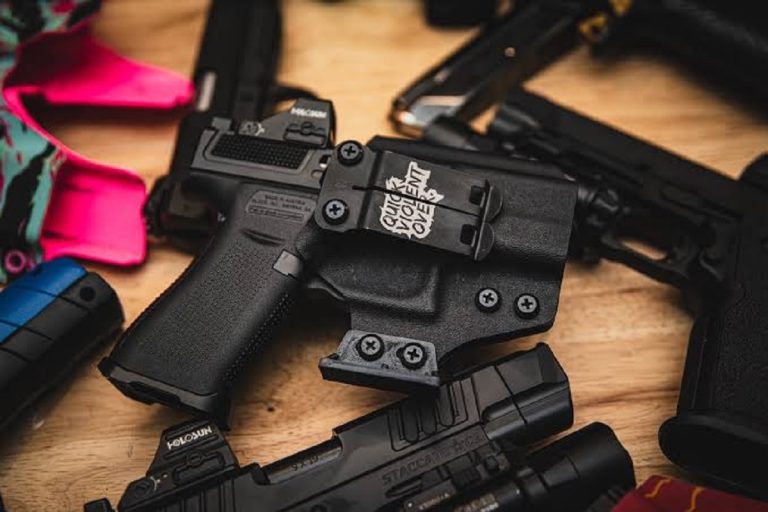
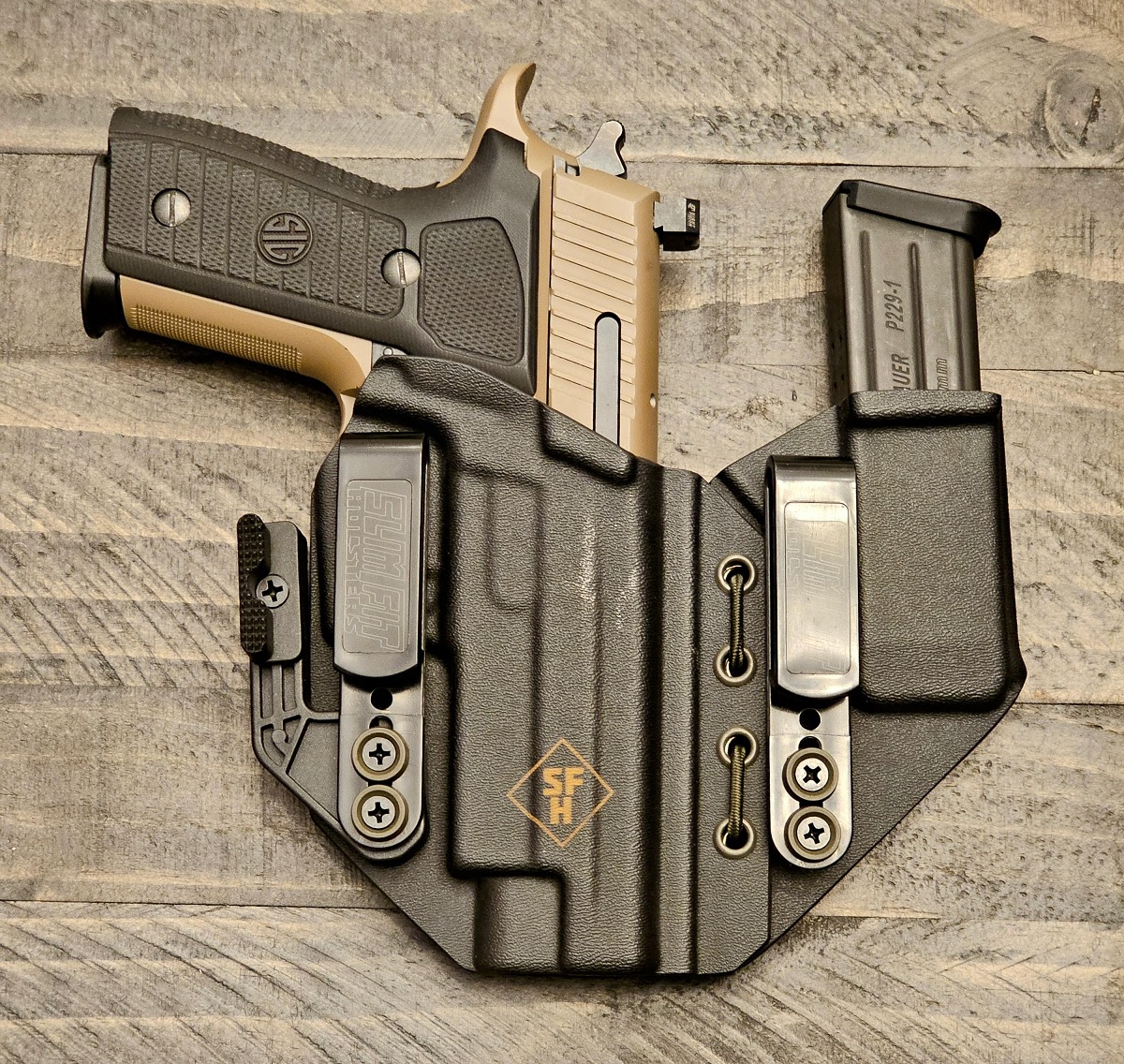
Holster material also affects how the SIG P228 and P229 fit during everyday carry. Kydex holsters offer rigid construction, consistent retention, and excellent resistance to moisture and wear. Because they are molded with tight tolerances, selecting the correct model for your specific pistol is especially important.
Leather holsters provide a softer feel against the body and gradually conform to the firearm through regular use. This flexibility allows leather to accommodate minor dimensional differences more easily than rigid materials. Hybrid holsters combine a Kydex shell with a leather or synthetic backing, offering a balance of retention and comfort for extended wear.
Your preferred carry position also influences overall comfort. Whether you carry inside the waistband, outside the waistband, or on a duty belt, choosing a holster specifically designed for your SIG P228 or SIG P229 improves stability, reduces unnecessary movement, and provides a more consistent drawing experience throughout daily use.
Holster Types Available for Sig P228 and P229
The SIG P228 and SIG P229 are compatible with a wide range of holster styles designed for concealed carry, open carry, duty use, and range practice. Choosing the right holster depends on your intended purpose, comfort preferences, and carry position. Understanding the advantages of each holster type helps you select an option that provides secure retention, easy access, and reliable daily performance.
Inside-the-Waistband (IWB) Holsters
Inside-the-waistband holsters are among the most popular choices for concealed carry because they position the firearm inside the waistband, making it easier to hide beneath everyday clothing. Both the SIG P228 and SIG P229 work well with quality IWB holsters that provide full trigger guard coverage and dependable retention.
Most IWB holsters are available in Kydex, leather, or hybrid designs. Kydex models deliver excellent retention and maintain their shape during repeated draws, while leather options provide a softer feel that becomes more comfortable after a break-in period. Hybrid holsters combine the advantages of both materials by pairing a rigid shell with a comfortable backing.
Proper ride height, cant angle, and belt attachment also contribute to overall comfort. Selecting an IWB holster designed specifically for your pistol helps improve concealment while allowing a smooth and consistent draw throughout the day.
Outside-the-Waistband (OWB) Holsters
Outside-the-waistband holsters carry the firearm on the outside of the belt, making them a preferred option for range shooting, open carry, and extended wear. Their design provides quick access to the pistol while distributing weight comfortably across the belt, which is especially beneficial for all-day use.
OWB holsters for the SIG P228 and SIG P229 are available with both passive and active retention systems. Passive retention relies on precise molding around the firearm, while active retention adds features such as thumb breaks or locking mechanisms for increased security during movement.
Many shooters appreciate OWB holsters because they offer a faster draw and greater comfort than concealed carry holsters. Choosing a model that matches your firearm’s rail configuration and slide profile ensures optimal retention and a secure fit.
Shoulder Holsters
Shoulder holsters provide an alternative carrying method by suspending the firearm beneath the arm using an adjustable harness. This style distributes the pistol’s weight across both shoulders, making it a practical choice for long periods of wear, vehicle travel, or situations where waistband carry is less convenient.
The SIG P228 and SIG P229 fit well in properly designed shoulder holsters that include adjustable retention straps and balanced magazine pouches on the opposite side. This balanced design improves comfort while keeping the firearm stable during movement.
Proper adjustment is essential for effective use. The holster should hold the pistol securely while allowing an unobstructed draw without excessive movement. Selecting a shoulder holster designed specifically for your pistol helps maintain safe trigger coverage and dependable accessibility.
Duty and Tactical Holsters
Duty and tactical holsters are built for professional use, training, and situations where maximum firearm security is required. These holsters often feature advanced active retention systems that prevent unauthorized removal while still allowing a fast, controlled draw by the user.
Many duty holsters designed for the SIG P229 also accommodate railed models equipped with weapon-mounted lights or other accessories. When selecting a tactical holster, verify that it matches your exact pistol configuration, including any mounted equipment, to ensure proper fit and retention.
Constructed from durable polymer or reinforced composite materials, duty holsters are designed to withstand demanding conditions and frequent use. Adjustable belt attachments, drop-leg platforms, and modular mounting options further enhance versatility, making them a dependable choice for law enforcement, security professionals, competitive shooters, and firearm enthusiasts seeking reliable performance.
Best Holster Materials
The material of a holster has a significant impact on comfort, durability, retention, and overall performance. Whether you carry a SIG P228 or SIG P229, choosing the right material helps ensure a secure fit and a smooth drawing experience. Each material offers unique advantages, making it important to select one that matches your carrying style, daily activities, and personal preferences.
Kydex Holsters
Kydex is one of the most popular holster materials because of its durability and precise firearm retention. This thermoplastic material is molded specifically to match the dimensions of a particular handgun, creating a secure fit that remains consistent over time. It also resists moisture, sweat, and temperature changes, making it suitable for everyday carry in various environments.
Another advantage of Kydex is its ability to maintain its original shape after repeated use. Unlike softer materials, it does not stretch or collapse, allowing safe one-handed reholstering. Many Kydex holsters also feature adjustable retention screws, giving you greater control over how tightly the firearm is held.
The rigid construction provides excellent trigger guard protection while producing a smooth and predictable draw. For shooters who value consistency and low maintenance, Kydex remains one of the best choices available.
Leather Holsters
Leather holsters have remained popular for decades because they combine durability with exceptional comfort. High-quality leather gradually molds to the shape of your firearm through regular use, creating a custom-like fit that improves both comfort and retention over time.
Many users appreciate the classic appearance and quiet draw provided by leather holsters. The material is gentle on firearm finishes and typically feels more comfortable against the body during extended periods of wear. Properly maintained leather also offers impressive long-term durability.
Leather requires occasional cleaning and conditioning to prevent drying or cracking. With routine care, a well-made leather holster can provide reliable performance for many years while maintaining its appearance and structural integrity.
Hybrid Holsters
Hybrid holsters combine two different materials to take advantage of their individual strengths. Most designs feature a molded Kydex shell attached to a leather or synthetic backing. This combination provides the secure retention of Kydex while increasing comfort through a flexible backing that rests against the body.
The larger backing distributes the firearm’s weight more evenly, reducing pressure points during long hours of concealed carry. Adjustable clips, ride height, and cant angle allow you to customize the fit according to your preferred carrying position.
Hybrid holsters are especially popular among concealed carriers who want both comfort and dependable retention. They provide a balanced solution for everyday use while accommodating extended wear without sacrificing accessibility or firearm security.
Nylon Holsters
Nylon holsters are lightweight, affordable, and highly versatile. They are commonly used for casual carry, range sessions, or temporary firearm storage because they fit a variety of handgun sizes. Many nylon holsters include adjustable retention straps, allowing them to accommodate different firearm models with reasonable security.
The soft construction makes nylon comfortable to wear, particularly for extended periods. It also resists moisture and dries quickly, making it suitable for outdoor activities and changing weather conditions. Many designs feature reinforced stitching that improves durability while keeping the overall weight low.
Although nylon offers excellent flexibility and affordability, it generally does not provide the same level of precise retention as molded Kydex or premium leather. Choosing a well-constructed nylon holster from a reputable manufacturer helps ensure reliable performance and safe everyday use.
Choosing the Right Holster for Everyday Carry
Selecting the right holster for everyday carry involves more than simply finding one that fits your firearm. The ideal holster should provide excellent retention, long-lasting comfort, and easy accessibility throughout the day. Considering factors such as carry position, material, concealment, and overall fit helps you choose a holster that supports safe and consistent daily use.
Prioritize Comfort and Proper Fit
Comfort is one of the most important factors when choosing an everyday carry holster. A holster that fits both your firearm and body properly is easier to wear for extended periods without causing unnecessary pressure or discomfort. Whether you carry a SIG P228 or SIG P229, a model-specific holster provides better stability and improves overall confidence during daily activities.
The holster should completely cover the trigger guard while holding the firearm securely in place. Excessive movement inside the holster can affect retention and make drawing less consistent. At the same time, the fit should not be so tight that it creates unnecessary resistance when accessing the firearm.
Trying different ride heights and cant angles can also improve comfort. Small adjustments often make a noticeable difference in concealment, accessibility, and how naturally the holster fits your preferred carry position.
Choose the Right Carry Position
Your preferred carry position has a significant impact on comfort, concealment, and draw speed. Inside-the-waistband carry is one of the most popular choices because it keeps the firearm close to the body while reducing printing under everyday clothing. Outside-the-waistband carry offers greater comfort and faster access but generally requires additional cover garments for concealment.
Appendix carry places the firearm near the front of the waistband, providing quick access for many users. Strong-side hip carry remains a traditional option that balances accessibility with comfort during extended wear. Shoulder holsters and ankle holsters serve more specialized roles depending on clothing style and intended use.
Experimenting with different carry positions helps you determine which option provides the best combination of comfort, concealment, and accessibility without interfering with your daily routine.
Focus on Retention and Safety Features
A quality everyday carry holster should provide dependable retention that keeps the firearm securely in place during walking, sitting, driving, and other routine movements. Passive retention systems rely on precise molding around the firearm, while active retention designs include additional locking mechanisms such as thumb breaks or release devices.
Complete trigger guard coverage is equally important because it helps prevent accidental contact with the trigger while the firearm is holstered. The holster should also maintain its shape after the firearm is drawn, allowing safe and consistent reholstering without collapsing.
Regularly inspect your holster for signs of wear, loose hardware, or reduced retention. Routine maintenance helps preserve both safety and performance while extending the life of your everyday carry equipment.
Match the Holster to Your Lifestyle
The best everyday carry holster is one that fits naturally into your daily routine. Your clothing style, work environment, activity level, and preferred firearm all influence which holster design will perform best. Someone who spends long hours sitting may prioritize flexibility and comfort, while another user may value faster access during active movement.
Material choice also plays a role in long-term satisfaction. Kydex offers consistent retention with minimal maintenance, leather provides classic comfort and flexibility, and hybrid designs combine the strengths of both. Selecting a holster that complements your lifestyle encourages consistent carry and improves your overall experience.
Before relying on any holster for daily use, practice drawing and reholstering with an unloaded firearm in a safe environment. Becoming familiar with your equipment helps build confidence, improves consistency, and ensures the holster performs as expected throughout everyday carry.
Sig P228 vs P229 Holster for Concealed Carry
When comparing concealed carry options, the SIG P228 and SIG P229 are both well-suited for everyday use with the right holster. Their similar size allows many carry methods to work for either model, but slight differences in slide design and frame configuration can influence comfort, concealment, and retention. Choosing a holster designed for your specific pistol helps ensure a secure fit while making concealed carry more comfortable and dependable.
Inside-the-Waistband Holsters for Better Concealment
Inside-the-waistband (IWB) holsters remain the most popular option for concealed carry because they position the firearm inside your waistband, making it easier to hide under everyday clothing. Both the SIG P228 and SIG P229 perform well in quality IWB holsters that provide complete trigger guard coverage and secure retention. A properly fitted holster keeps the firearm close to your body while reducing unnecessary printing through clothing.
Holsters made specifically for your pistol provide a more consistent draw and improved stability during daily movement. While some universal holsters may accommodate both firearms, model-specific designs generally offer better retention and greater comfort. Adjustable cant and ride height also allow you to customize the carry position according to your body type.
Selecting a sturdy gun belt further improves concealed carry by supporting the weight of the firearm and preventing the holster from shifting. This combination creates a more comfortable and reliable everyday carry setup.
Comfort During Extended Daily Carry
Comfort is one of the most important factors when carrying a firearm throughout the day. Although the SIG P228 and SIG P229 have similar grip dimensions, the slightly heavier slide found on many P229 models may create a different balance depending on the holster and carry position. Choosing a holster with proper weight distribution helps reduce fatigue during extended wear.
Holster material also affects long-term comfort. Leather gradually conforms to your body and firearm, while Kydex maintains a rigid shape with consistent retention. Hybrid holsters combine both materials, offering a comfortable backing with a molded shell that securely holds the pistol.
Features such as padded backing, rounded edges, and adjustable belt clips can further improve comfort. A well-designed concealed carry holster should remain stable whether you are walking, sitting, driving, or performing everyday activities.
Retention and Secure Concealed Carry
Reliable retention is essential for concealed carry because it keeps your firearm securely in place while allowing a smooth and controlled draw. Both the SIG P228 and SIG P229 benefit from holsters that are molded specifically around the trigger guard and slide. Proper retention prevents unnecessary movement without making the firearm difficult to access.
Passive retention systems rely on the precise shape of the holster, while some concealed carry models include adjustable retention screws that allow you to fine-tune the draw resistance. This adjustment helps create a balance between security and accessibility based on your personal preference.
Before carrying your firearm daily, test the holster with an unloaded pistol to verify that it remains secure during bending, walking, and sitting. A properly fitted holster should retain the firearm confidently without excessive looseness or resistance.
Selecting the Best Concealed Carry Holster
Finding the right concealed carry holster involves considering your firearm model, carry position, clothing style, and daily routine. Whether you carry a SIG P228 or a SIG P229, selecting a holster designed specifically for your pistol provides better retention, improved concealment, and greater comfort than using a generic alternative.
Pay attention to important features such as adjustable cant, ride height, reinforced mouth design, and durable belt attachments. These details improve accessibility while helping the holster remain securely positioned throughout the day. Choosing between Kydex, leather, or hybrid construction depends on your comfort preferences and maintenance expectations.
Practicing safe drawing and reholstering with an unloaded firearm helps you become familiar with your equipment before carrying it regularly. Consistent practice, combined with a quality holster, supports safer handling and a more confident concealed carry experience.
FAQs
Can The SIG P228 And P229 Use The Same Holster?
Many SIG P228 and P229 holsters are interchangeable because both pistols share very similar frame dimensions and overall size. However, compatibility depends on the exact pistol variant, slide design, and whether the P229 has an accessory rail. Some holsters fit both models perfectly, while others are molded specifically for only one.
Before purchasing a holster, check the manufacturer’s compatibility list. Choosing a holster that is designed for your exact firearm provides better retention, a smoother draw, and improved comfort during everyday carry.
Why Are Some SIG P229 Holsters Not Compatible With The P228?
Although the SIG P228 and P229 look nearly identical, several design differences can affect holster compatibility. Many P229 models feature a machined stainless-steel slide and an accessory rail, while the traditional P228 typically has a stamped slide and a non-railed frame. These differences change the external dimensions slightly.
Rigid Kydex holsters are especially sensitive to these variations because they are molded to match a specific firearm. Confirming compatibility before buying helps you avoid poor retention or an improper fit.
Which Holster Material Is Best For The SIG P228 And P229?
The best holster material depends on your intended use and personal preference. Kydex offers excellent durability, precise retention, and minimal maintenance, making it a popular choice for everyday concealed carry. Leather provides outstanding comfort and gradually molds to the shape of your pistol with regular use.
Hybrid holsters combine a Kydex shell with a leather or synthetic backing to balance comfort and retention. Selecting a quality holster made from durable materials helps improve safety, reliability, and long-term carrying comfort.
Is A Kydex Holster Better Than A Leather Holster For The SIG P228 And P229?
Kydex holsters provide consistent retention because they maintain their original shape over time. They resist moisture, require very little maintenance, and allow safe one-handed reholstering. Many concealed carriers choose Kydex because of its durability and predictable draw performance.
Leather holsters offer greater flexibility and often feel more comfortable during extended wear. They also provide a classic appearance and become more personalized as the material conforms to your firearm. Your choice depends on whether you prioritize rigid retention or long-term carrying comfort.
Can You Carry A SIG P228 Or P229 Concealed Comfortably?
Yes, both the SIG P228 and SIG P229 are suitable for concealed carry when paired with a properly fitted holster and a sturdy gun belt. Their compact design makes them easier to conceal than full-size pistols while still providing a comfortable grip and dependable handling.
Choosing the correct carry position, such as inside the waistband or appendix carry, improves concealment and reduces printing under clothing. A model-specific holster also enhances comfort by holding the firearm securely against your body throughout the day.
What Should You Look For When Buying A SIG P228 Vs P229 Holster?
When comparing sig p228 vs p229 holster options, focus on compatibility, retention, comfort, and overall build quality. A good holster should fully cover the trigger guard, provide secure retention, and allow a smooth, consistent draw. It should also match your firearm’s rail configuration and any mounted accessories.
Adjustable ride height, cant angle, and durable belt clips can improve both comfort and accessibility. Selecting a holster from a reputable manufacturer helps ensure dependable performance and a proper fit for your specific pistol.
Do Weapon Lights Affect SIG P228 And P229 Holster Compatibility?
Yes, attaching a weapon-mounted light significantly changes holster compatibility. A holster designed for a standard SIG P228 or P229 usually will not fit properly once a tactical light is installed because the light changes the shape of the firearm around the trigger guard and dust cover.
You should always purchase a holster specifically molded for your pistol and the exact light model you plan to use. This ensures proper retention, maintains safe trigger coverage, and provides a smooth draw without unnecessary movement or interference.
Final Words
Choosing the right holster comes down to more than just the firearm model. Factors such as rail configuration, carry style, material, and retention all play an important role in achieving a secure and comfortable fit. Understanding the differences in a sig p228 vs p229 holster comparison helps you avoid compatibility issues and make a smarter purchase.
Whether you carry daily, visit the range regularly, or need a dependable holster for professional use, selecting a model designed specifically for your pistol improves both safety and accessibility. A well-fitted holster also enhances comfort while reducing unnecessary wear on your firearm.
Taking the time to compare sig p228 vs p229 holster options ensures you choose a holster that matches your needs and carry preferences. With the right combination of fit, retention, and durability, you can confidently carry your SIG pistol while maintaining reliable performance every day.