How to Change Gun Safe Combination: Step-by-Step Guide for Secure Access
Resetting and updating security codes is an important part of keeping firearms properly protected at home or in storage. Many gun owners prefer changing their safe combination from time to time to maintain better control over access and enhance overall security. Understanding the correct process helps ensure the safe continues to function smoothly without locking issues.
Most modern gun safes come with built-in systems that allow users to update their access code using a master key, keypad, or mechanical dial depending on the model. Each system has its own method, and following the correct steps is essential to avoid mistakes during the reset process.
Learning how to change gun safe combination gives you better control over who can access your firearms and adds an extra layer of protection against unauthorized entry. It also helps when you need to update codes after moving, sharing access, or replacing old combinations that may no longer feel secure.
With the right approach, changing a gun safe combination is a straightforward task that improves safety and peace of mind while keeping your stored firearms properly secured.
Gun Safe Lock Type
Gun safes come with different locking mechanisms designed to balance security, convenience, and reliability. Choosing the right lock type affects how quickly you can access your firearms and how secure they remain from unauthorized entry. Understanding these lock types helps you maintain better control over your safe and ensures you select a system that matches your lifestyle and usage needs.
Mechanical Dial Locks
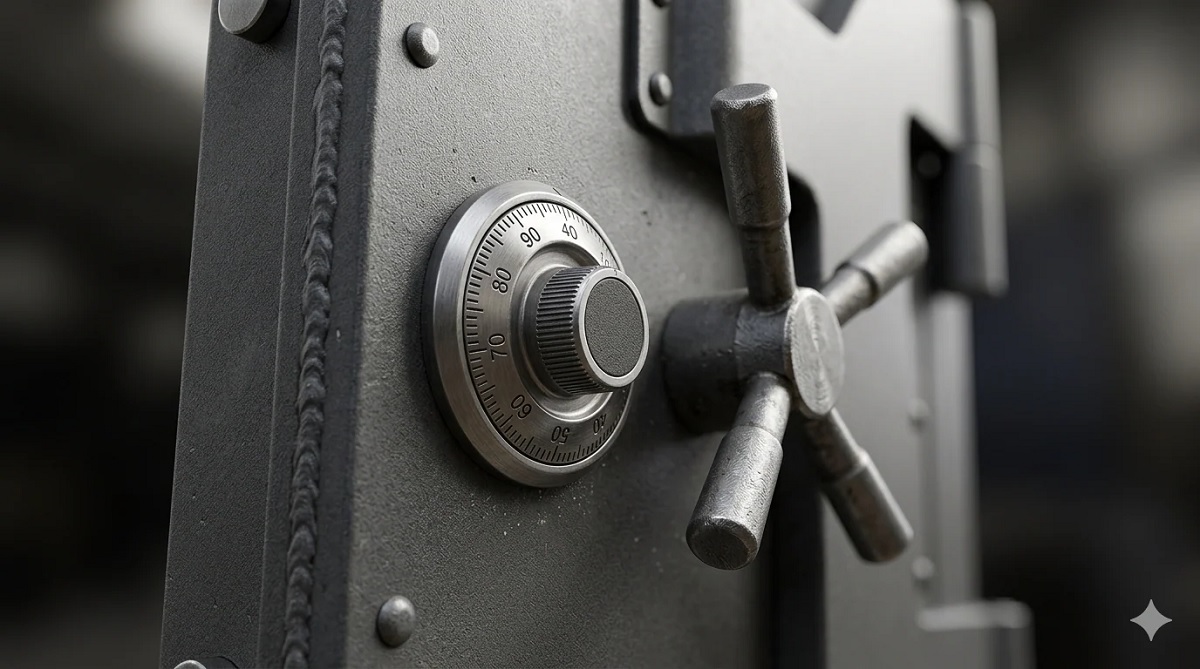
Mechanical dial locks are one of the most traditional and reliable locking systems used in gun safes. They operate using a rotating dial that must be turned in a precise sequence to align internal tumblers. This design does not rely on batteries or electronics, making it highly dependable over long periods of use.
Many users prefer mechanical locks because they are resistant to hacking and electronic failure, providing consistent security in demanding environments.
However, they require careful dialing and can take longer to open compared to modern electronic systems during urgent access situations.
Regular maintenance and correct usage ensure smooth operation and help preserve the long-term reliability of the locking mechanism over time period.
Electronic Keypad Locks
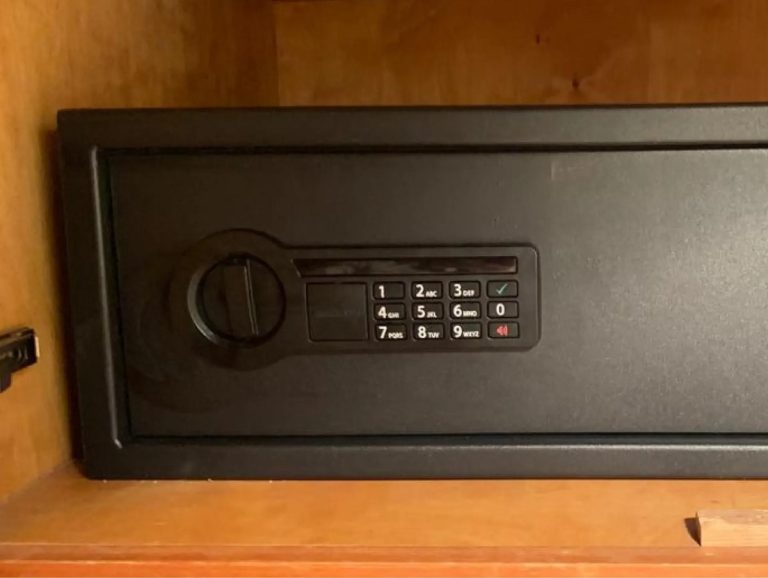
Electronic keypad locks are widely used in modern gun safes due to their speed and convenience. They allow users to enter a numeric code on a digital keypad to unlock the safe quickly without turning a dial. This makes them ideal for situations where fast access is important.
They often include programmable features that let users reset or change combinations easily based on their security needs frequently updated.
Many electronic safes also include lockout features after multiple incorrect attempts, adding another layer of protection against unauthorized access attempts breach.
Battery monitoring ensures reliable performance and prevents unexpected lockouts during use today.
Biometric Locks
Biometric locks use fingerprint recognition technology to provide quick and secure access to gun safes. They eliminate the need for remembering combinations and reduce the risk of unauthorized access through shared codes or forgotten passwords.
Most biometric systems store multiple fingerprints and allow fast unlocking once a registered print is recognized by the scanner.
These locks are popular for quick access situations, especially in low-light conditions where entering a code may take longer and reduce reaction speed during emergency home defense use scenarios.
Proper maintenance includes sensor cleaning and ensuring batteries remain charged to avoid failure during critical moments. Regular use helps maintain accuracy and ensures consistent recognition performance over time stability reliability.
Preparing to Change Your Gun Safe Combination
Changing a gun safe combination requires careful preparation to ensure the process goes smoothly and securely. Before making any adjustments, it is important to understand your safe’s lock type, gather the right tools, and confirm that you have proper access. Proper preparation reduces the risk of errors and helps prevent accidental lockouts during the reset process.
Identify Your Safe Model And Lock Mechanism
The first step in preparation is identifying the exact model of your gun safe and the type of locking system it uses. Different safes use mechanical dials, electronic keypads, or biometric systems, and each requires a different method for changing the combination. Checking the user manual or manufacturer label helps you understand the correct procedure for your specific model.
Mechanical dial locks usually require a reset key or internal change mechanism, while electronic keypads often use a programming code or reset button inside the battery compartment. Some safes may also require factory codes or override keys for access during changes. Knowing your lock type prevents mistakes and ensures you follow the correct sequence during the combination change process.
Gather Necessary Tools And Access Codes
Before starting the process, it is important to gather all required tools and access credentials. This may include the current combination, a reset key, screwdriver, or even a master override code depending on the safe design. Having everything ready helps avoid interruptions once the process begins.
For electronic safes, ensure that fresh batteries are installed to prevent power loss during programming. A weak battery can interrupt the reset process and potentially lock you out. For mechanical safes, make sure you are working in a well-lit area so you can clearly see dial markings and alignment points. Being fully prepared improves accuracy and reduces the chance of mistakes.
Ensure Safe And Controlled Working Conditions
Creating the right environment is an important part of preparing to change your gun safe combination. Choose a quiet, distraction-free space where you can focus completely on the process. Avoid rushing, as even small errors in code entry or dial movement can result in failed resets or temporary lockouts.
It is also important to ensure the safe is properly positioned and stable before beginning. If possible, keep the door open and secure during the setup process to prevent accidental locking. Some users prefer writing down steps or keeping instructions nearby for reference. Staying organized and focused helps maintain control and ensures the combination change process is completed correctly and safely.
Step-by-Step Process to Change Gun Safe Combination
Changing a gun safe combination requires a careful and structured approach to ensure security and prevent lockout issues. Each step must be followed according to your safe’s specific lock type, whether it is mechanical, electronic, or biometric. Taking your time during the process helps maintain accuracy and keeps your firearms safely secured throughout the update.
Enter The Current Combination And Access Programming Mode
The first step in changing your gun safe combination is entering the current working code or dialing the correct mechanical sequence to unlock the safe. This confirms that you have authorized access before making any changes. Once the safe is open, locate the reset button, programming panel, or internal mechanism depending on the lock type.
For electronic safes, programming mode is usually activated by pressing a reset button inside the battery compartment or on the inner door panel. Mechanical safes may require turning the dial to a specific position or using a reset key. Always refer to the manufacturer instructions to avoid incorrect steps. Entering programming mode correctly ensures the system is ready to accept a new combination without triggering lockout protection features.
Set And Confirm Your New Combination
After entering programming mode, you can begin setting your new combination. Choose a code that is secure but easy for you to remember, avoiding overly simple patterns like repeated numbers or birthdays. Carefully input the new combination using the keypad or dial according to your safe’s instructions.
Most electronic safes will require you to enter the new code twice to confirm accuracy. Mechanical systems may require repeating the dial sequence to lock in the new settings. It is important to follow each step slowly and carefully, as mistakes during this stage can result in an unusable or incorrect combination. Once confirmed, the system should indicate successful programming through a beep, light signal, or mechanical stop response.
Test The New Combination Before Locking The Safe
Before closing and locking the gun safe, always test the new combination several times with the door open. This step ensures that the new code works correctly and prevents accidental lockouts. Testing also allows you to confirm smooth operation of the locking mechanism without resistance or delay.
Enter the new combination slowly and deliberately to check consistency. Repeat the process at least two to three times to ensure reliability. For mechanical safes, rotate the dial through the full sequence carefully and confirm proper alignment. If any issue occurs during testing, re-enter programming mode and correct the error immediately. This step ensures that the safe will function correctly when it is fully locked and needed for secure storage.
Troubleshooting Gun Safe Combination Issues
Gun safe combination problems can happen due to incorrect entry, system glitches, or mechanical wear over time. When a safe does not open as expected, it is important to stay calm and follow a structured troubleshooting process. Understanding common issues helps you quickly identify the cause and restore access without damaging the locking system or compromising security.
Incorrect Code Entry And User Errors
One of the most common reasons a gun safe fails to open is simple incorrect code entry. Even a small mistake in pressing buttons or turning a dial can prevent the lock from disengaging. Many electronic safes also have timing requirements, meaning the code must be entered within a specific sequence or speed to register correctly.
Users often accidentally press the wrong buttons or forget the updated combination after changing it recently. In mechanical safes, miscounting dial rotations or skipping a number can also prevent unlocking. Carefully re-entering the code while following the correct sequence helps eliminate user error as the cause. Taking a slow, deliberate approach usually resolves most entry-related problems without needing technical intervention.
Low Battery Or Power-Related Malfunctions
Electronic gun safes often rely on batteries to power the keypad and locking mechanism. When batteries become weak or completely drained, the safe may not respond to correct code entry. This can create the false impression that the combination is wrong when the issue is actually power-related.
Replacing batteries with fresh, high-quality ones is usually the first step in troubleshooting electronic safes. Some models include external battery terminals or backup keys to restore temporary access during power failure. It is also important to check for corrosion inside the battery compartment, as this can disrupt electrical flow. Regular battery maintenance helps prevent unexpected lockouts and ensures consistent safe performance.
Mechanical Lock Jamming Or Internal Resistance
Mechanical gun safes can experience issues due to internal wear, dust buildup, or misalignment of the locking components. Over time, the dial mechanism or bolt system may become stiff, making it difficult to enter the correct combination smoothly. This can result in the safe not opening even when the code is correct.
In some cases, excessive force or rapid dialing can cause internal components to misalign temporarily. Gently reattempting the combination while maintaining smooth, controlled movements often resolves the issue. Avoid forcing the dial or handle, as this may cause further damage. If the problem persists, professional servicing may be required to realign or lubricate the internal locking system for proper function.
Best Practices for Gun Safe Security
Maintaining strong gun safe security goes beyond simply locking the door. It involves consistent habits, proper setup, and regular maintenance to ensure your firearms remain protected from unauthorized access. Following best practices helps reduce risks, improve reliability, and keep your safe functioning properly over the long term in both home and storage environments.
Use Strong And Unique Combination Codes
One of the most important security practices is choosing a strong and unique combination for your gun safe. Avoid using simple patterns like repeated numbers, birthdates, or easily guessed sequences. A complex combination makes it significantly harder for unauthorized individuals to access your safe, even if they are familiar with common lock behaviors.
It is also important to change your combination periodically, especially if you suspect it may have been exposed. Keeping the code private and limiting who knows it adds an additional layer of protection. For electronic safes, take advantage of multi-code features if available, and avoid storing your combination in easily accessible locations. Strong code management is a simple but highly effective way to improve overall security.
Maintain Regular Inspection And Maintenance
Regular inspection of your gun safe ensures that all locking mechanisms are functioning correctly. Over time, dust, wear, or mechanical strain can affect performance, especially in frequently used safes. Checking the keypad, dial, hinges, and locking bolts helps identify issues early before they become serious problems.
For electronic safes, battery checks are essential to avoid unexpected lockouts. Replace batteries on a scheduled basis rather than waiting for them to fail. Mechanical safes benefit from occasional cleaning and light lubrication to keep internal parts moving smoothly. Consistent maintenance not only improves reliability but also extends the lifespan of the safe’s locking system, ensuring long-term protection for stored firearms.
FAQs
How Do You Change Gun Safe Combination?
Changing your gun safe combination depends on the lock type, such as electronic keypad, mechanical dial, or biometric system. You typically start by opening the safe with the current code, then entering a programming mode using a reset button, key, or dial sequence. After that, you set a new combination and confirm it according to the manufacturer’s instructions. Always test the new code multiple times before closing the door to ensure it works correctly and avoids accidental lockouts.
What Tools Do You Need To Change A Gun Safe Combination?
Most gun safes require minimal tools, but it depends on the model you own. For electronic safes, you usually only need fresh batteries and access to the programming panel inside the door. Mechanical safes may require a reset key or screwdriver for internal access. Some advanced models include factory override keys. You should always keep the user manual nearby because each safe has a specific process. Proper preparation ensures the combination change is smooth and reduces the risk of mistakes or lockouts during setup.
Why Won’t My Gun Safe Combination Change?
A gun safe may fail to update its combination due to incorrect programming steps, low batteries, or entering the wrong reset mode. In electronic models, weak power is one of the most common causes of failure. Mechanical systems may not accept changes if the dial sequence is not performed accurately. You should also check if the safe is still in locked mode instead of programming mode. Carefully restarting the process and following each step slowly usually resolves most combination change issues.
Can You Reset A Gun Safe Without The Old Combination?
In most cases, you cannot change the combination without the current code unless you have a factory override key or master reset access. Manufacturers design safes this way to prevent unauthorized changes. Some electronic safes include emergency access options, but these are limited and require verification steps. If you have lost the combination, you may need to contact the manufacturer or a professional locksmith. Always store your code securely to avoid needing emergency reset procedures in the future.
How Often Should You Change Your Gun Safe Combination?
You should change your gun safe combination whenever there is a security concern, such as sharing access, moving homes, or suspecting unauthorized exposure. Many users also update their code every 6 to 12 months as a preventive security habit. Regular changes help maintain better control over who can access your firearms. However, avoid changing it too frequently without need, as this increases the chance of forgetting the code or making setup errors during programming.
What Should You Do If You Forget Your Gun Safe Combination?
If you forget your gun safe combination, your first step is to check any stored records or backup documentation where you may have written it down. Many safes also come with a master override key or emergency access method. If those options are not available, you may need to contact the manufacturer for recovery instructions. In some cases, a certified locksmith can help open the safe without damaging it, but proof of ownership is usually required before assistance is provided.
Is It Safe To Change Gun Safe Combination Frequently?
Yes, it is safe to change your gun safe combination frequently as long as you follow the correct procedure each time. Regular updates can actually improve security by reducing the risk of unauthorized access. However, changing it too often without a strong reason may increase the chance of mistakes or forgetting the new code. It is best to balance security needs with practicality. Always test the new combination thoroughly before relying on it for daily access to your firearms.
Final Thoughts
Updating your safe’s access code is an important step in maintaining long-term security and ensuring only authorized users can access the contents. Whether you are using an electronic, mechanical, or biometric model, understanding the correct process helps you avoid mistakes that could lead to lockouts or system errors. Taking time to follow proper instructions also protects the integrity of the locking mechanism.
When learning how to change gun safe combination, it is essential to follow the manufacturer’s guidelines carefully and confirm each step before finalizing the new code. Testing the updated combination multiple times with the door open ensures everything is working correctly before you rely on it fully. This simple habit can prevent unnecessary stress and security risks.
In the end, regularly updating your access code improves overall safety and gives you better control over your firearm storage. By applying the right method for your specific safe type, you can confidently manage security without compromising convenience or protection.