Can I Put a Gun Safe Upstairs Safe Installation Guide, Risks, and Best Practices
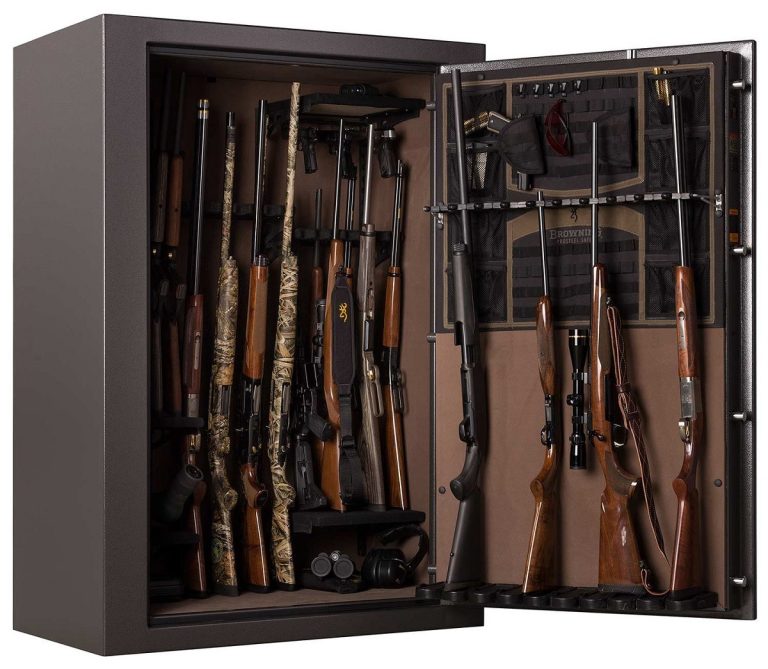
Placing a gun safe in an upstairs room is a common consideration for homeowners who want both security and convenience. Upper floors often provide more privacy and can keep valuable firearms away from easy access, especially in busy households. However, weight distribution and structural strength become important factors in such decisions.
Many modern gun safes are extremely heavy, even before they are loaded with firearms and accessories. This raises questions about whether a standard residential floor can safely support the load without causing damage over time. Planning ahead helps avoid unnecessary risk to flooring, joists, and overall home stability.
Homeowners also think about accessibility and emergency situations. An upstairs location might offer better concealment, but it can also make quick access more difficult when it matters most. Balancing safety, practicality, and structural limits is key when evaluating storage options.
Because of these factors, many people carefully research whether can i put a gun safe upstairs is a safe and practical choice for their specific home layout. Understanding load capacity and proper placement ensures both safety and long-term peace of mind.
Structural Load Capacity of Upstairs Floors
Understanding the structural load capacity of upstairs floors is essential before placing heavy items like a gun safe. Every floor in a home is designed to handle a specific amount of weight, but that capacity depends on construction materials, joist spacing, and overall design. Ignoring these limits can lead to long-term damage, sagging floors, or even structural failure. Careful evaluation ensures safety and stability.
How Floor Joists Affect Weight Support
Floor joists are the main support system beneath upstairs flooring, and they directly determine how much weight the structure can handle. Most residential homes use wood or engineered joists spaced evenly to distribute load across a wider area. However, these joists have limits, especially when dealing with concentrated weight like a gun safe placed in one spot.
When heavy objects are added upstairs, the load is not just the total weight but how that weight is distributed across joists. A gun safe placed directly over a single joist creates stress points that may lead to bending or cracking over time. Reinforcement or placement near load-bearing walls can improve stability. Understanding joist layout is a key step in preventing structural strain.
Dead Load and Live Load Considerations
Floors are designed to handle two types of weight: dead load and live load. Dead load refers to the permanent weight of the structure itself, while live load includes furniture, people, and movable objects. A gun safe significantly increases the live load in one area, which can push the floor beyond its intended capacity.
Most residential floors are built to handle around 30 to 40 pounds per square foot of live load. A heavy gun safe concentrated in a small footprint can exceed this rating in one spot. This imbalance can cause long-term stress even if immediate damage is not visible. Spreading weight or reinforcing the floor helps maintain structural safety.
Impact of Safe Placement on Structural Stress
Where a gun safe is placed upstairs plays a major role in how the floor handles its weight. Positioning it near load-bearing walls or directly above foundation supports helps transfer weight more efficiently to the structure below. Centering a heavy safe in open floor areas increases the risk of sagging or uneven pressure distribution.
Over time, concentrated weight in the wrong location can lead to visible signs such as creaking floors, cracks in drywall, or doors that no longer close properly. These are early warnings of structural strain. Choosing the right placement reduces stress and helps maintain the integrity of the upstairs flooring system under heavy loads.
Weight Distribution and Floor Reinforcement Needs
Understanding weight distribution and floor reinforcement needs is essential when placing heavy objects like a gun safe upstairs. Floors are not designed to carry concentrated loads in a single spot without support considerations. Proper planning helps spread weight evenly across structural elements, reducing stress on joists and subflooring. Reinforcement becomes important when the load exceeds normal residential expectations.
How Weight Distribution Prevents Structural Damage
Proper weight distribution is the key to preventing damage when placing heavy items upstairs. A gun safe creates a concentrated load, which can stress a small section of flooring if not managed correctly. Spreading the weight across multiple joists reduces pressure points and helps maintain balance in the structure.
Using support platforms or load-spreading bases can help distribute weight more evenly. These additions increase the surface area in contact with the floor, lowering the risk of sagging or long-term deformation. Even small adjustments in placement can significantly improve load handling.
Positioning also matters because placing heavy objects near load-bearing walls helps transfer weight more efficiently to the foundation. This reduces strain on unsupported floor sections. Careful planning ensures that the floor remains stable even under heavy, stationary loads over time.
Floor Reinforcement Methods for Heavy Safe Installation
Reinforcing an upstairs floor may be necessary when installing a heavy gun safe. One common method is adding additional joists or sistering existing ones to increase strength. This improves load-bearing capacity and reduces flexing under pressure. Reinforcement should be done in line with the home’s original structural design.
Another approach involves installing plywood subflooring layers to create a stronger base. This helps distribute weight across a wider area and minimizes stress on individual joists. In some cases, structural beams may be added underneath to support high-load zones more effectively.
Professional evaluation is often needed before modifying flooring structures. Engineers or contractors can assess whether reinforcement is required based on safe weight and location. Proper reinforcement ensures long-term stability and reduces the risk of floor damage caused by heavy, concentrated loads.
Safety Risks of Upstairs Gun Safe Placement
Placing a gun safe upstairs introduces several safety risks that go beyond simple weight concerns. While upper floors may seem convenient for security and privacy, the added stress on flooring systems, accessibility issues, and emergency challenges must be carefully considered. Understanding these risks helps prevent structural damage, personal injury, and long-term complications in home safety.
Structural Strain and Long Term Floor Damage
One of the primary risks of placing a gun safe upstairs is the constant structural strain it creates. Even if the floor initially supports the weight, long-term pressure can gradually weaken joists and subfloor materials. This may lead to sagging, uneven flooring, or visible cracks in ceilings below.
Because gun safes are extremely dense and often placed in a single location, the load is not evenly spread across the floor system. This concentrated weight increases stress on specific joists, which can lead to fatigue over time. Homes not designed for heavy static loads are especially vulnerable.
In some cases, damage may not appear immediately but develops slowly, making it harder to detect early warning signs. Creaking sounds, slight floor dips, or sticking doors can indicate underlying structural stress caused by prolonged heavy loads.
Accessibility and Emergency Safety Concerns
Accessibility is another major safety concern when a gun safe is installed upstairs. In an emergency situation, quick access to firearms may be delayed due to stairs, obstacles, or limited mobility. This delay can reduce response effectiveness when timing is critical.
Carrying heavy items such as ammunition or firearms up and down stairs also increases the risk of accidents, especially in low-light or high-stress situations. Slips and falls become more likely when movement is rushed or visibility is poor.
Additionally, if multiple family members rely on the safe, an upstairs location can create unnecessary complications. Limited accessibility may affect usability and introduce risks that are often overlooked during initial placement decisions.
Fire and Structural Emergency Hazards
In the event of a fire or structural emergency, an upstairs gun safe can become a serious hazard. High heat weakens building materials, and added weight from the safe can contribute to faster floor collapse in extreme conditions. This creates additional danger for both occupants and first responders.
During emergencies, stairways may also become blocked, making it difficult to reach or move the safe quickly. If evacuation is required, heavy objects upstairs can complicate escape routes and slow down response time.
Even in non-fire emergencies such as earthquakes or severe structural shifts, elevated heavy loads increase instability. The combination of height and weight makes upstairs placement more vulnerable compared to ground-level storage options.
Staircase Access and Installation Challenges
Installing a heavy gun safe upstairs is not only about floor strength but also about the practicality of moving it into place. Staircases often create one of the biggest challenges due to limited space, tight turns, and weight constraints. Careful planning is required to avoid damage to both the home and the safe during installation.
Difficulty of Moving Heavy Safes Through Stairways
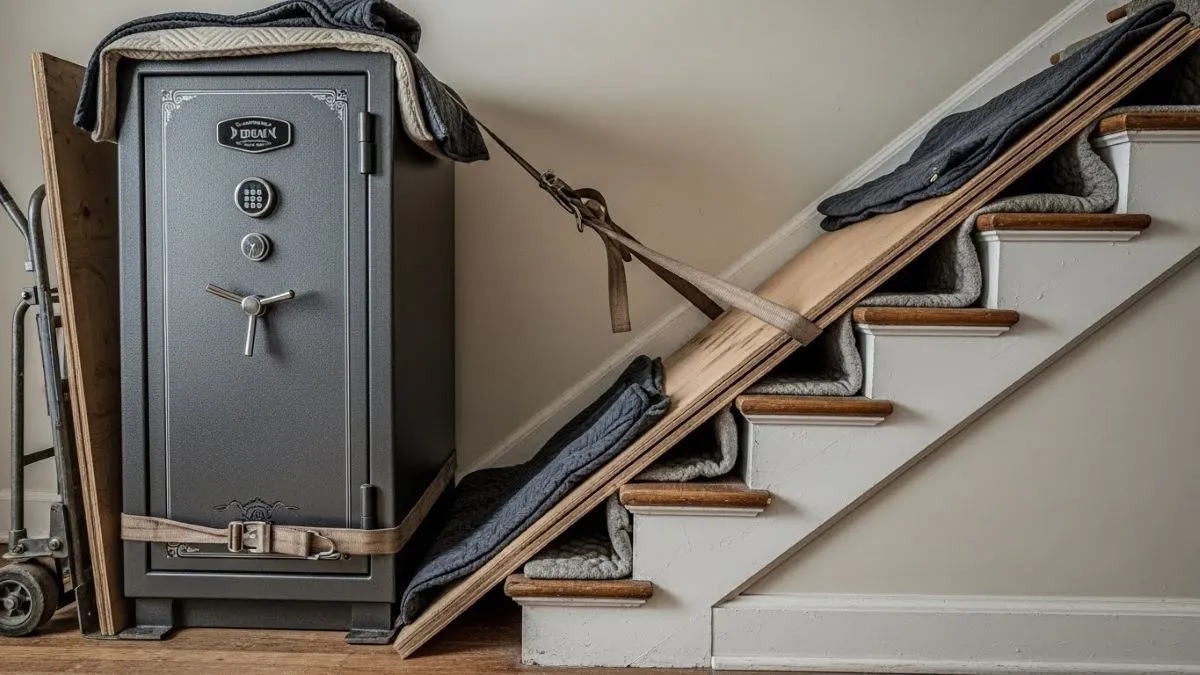
Moving a gun safe upstairs through a staircase is one of the most physically demanding parts of installation. Gun safes are extremely heavy, often weighing several hundred pounds, which makes manual lifting nearly impossible without equipment. Even with dollies or straps, stairs create uneven angles that increase the risk of slipping or dropping.
Tight stairwells, low ceilings, and sharp turns further complicate the process. Many residential staircases are not designed to accommodate large, bulky objects, which can lead to scraping walls, damaging railings, or injuring individuals involved in the move. This makes careful measurement and planning essential before attempting installation.
In many cases, professional movers are required to handle the task safely. They use specialized equipment such as stair climbers or hydraulic lifts to reduce risk. Without proper tools and experience, attempting to move a gun safe upstairs can become dangerous very quickly.
Structural Stress on Staircases During Installation
Staircases themselves are not always designed to handle extreme concentrated weight. When a gun safe is moved upstairs, each step may temporarily bear a significant portion of the load. This creates stress points that can weaken treads, risers, or supporting stringers if not managed properly.
Wooden staircases are especially vulnerable to cracking or flexing under heavy loads. Even if the stairs appear sturdy, repeated pressure during installation can cause hidden damage that worsens over time. This is particularly true in older homes where materials may already be weakened.
To reduce structural stress, installers often use protective boards or distribute weight across multiple steps. This helps prevent direct pressure on individual stair components. Proper technique ensures that both the staircase and surrounding structure remain intact during the moving process.
Space Limitations and Turning Radius Issues
Space limitations are another major challenge when installing a gun safe upstairs. Staircases often have narrow widths and sharp turns that make it difficult to maneuver large objects. A gun safe may not fit through landings or around corners without careful angle adjustments.
The turning radius of the staircase plays a critical role in whether installation is even possible. If the safe is too large, it may require alternative entry points such as windows or balconies, which introduces additional risk and complexity.
Measuring both the safe and staircase beforehand is essential to avoid costly mistakes. Even small miscalculations can result in blocked movement or damage to walls and fixtures. Proper planning ensures smoother installation and reduces unnecessary strain on both the structure and equipment.
Environmental Factors and Room Conditions
Environmental factors and room conditions play an important role when placing a gun safe upstairs. Beyond structural strength, the surrounding environment can affect the safe’s durability, security, and long-term performance. Temperature changes, humidity levels, ventilation, and room usage all influence how well both the safe and the stored items remain protected over time.
Humidity and Moisture Control in Upper Floors
Humidity is one of the most important environmental factors to consider when placing a gun safe upstairs. Upper floors can sometimes experience higher temperature fluctuations, which can lead to moisture buildup. This creates a risk of rust and corrosion for firearms if the safe is not properly sealed or dehumidified.
Moisture control becomes even more important in regions with high humidity levels. Without proper ventilation or moisture-absorbing tools, condensation can form inside the safe, especially during seasonal changes. This hidden moisture can slowly damage metal components and reduce the lifespan of stored firearms.
Using dehumidifiers, silica gel packs, or electric safe heaters can help regulate internal conditions. Ensuring the room itself is dry and well-maintained also supports better long-term protection. Proper humidity management is essential for keeping both the safe and its contents in optimal condition upstairs.
Temperature Fluctuations and Structural Impact
Temperature changes on upper floors can be more extreme compared to ground levels due to roof exposure and sunlight. These fluctuations can affect both the gun safe and the surrounding room materials. Metal safes may expand and contract slightly with temperature shifts, which can impact seals and locking mechanisms over time.
Extreme heat can also increase internal temperatures inside the safe if it is placed in an uninsulated room. This can create unfavorable storage conditions for sensitive items such as ammunition or optics. Cold conditions, on the other hand, may lead to condensation when temperatures rise suddenly.
Maintaining a stable indoor climate helps reduce these risks. Proper insulation, curtains, or climate control systems can minimize temperature swings. A stable environment ensures the safe operates efficiently while preserving the condition of its contents.
Ventilation and Room Usage Considerations
Ventilation plays a key role in maintaining a safe environment for a gun safe upstairs. Poor airflow can trap moisture and heat, increasing the risk of internal condensation and long-term damage. Rooms with limited ventilation may require additional air circulation methods to maintain balance.
The way a room is used also affects environmental stability. Rooms with frequent activity may experience more temperature changes due to doors opening and closing, while unused storage rooms may lack airflow altogether. Both situations require different management approaches to maintain consistent conditions.
Proper room selection is important when installing a heavy safe upstairs. Choosing a space with good airflow, moderate temperature stability, and limited exposure to direct sunlight helps create a more controlled environment. This reduces long-term risks and supports better preservation of stored items.
Best Practices for Safe Upstairs Installation
Installing a gun safe upstairs requires careful planning, proper assessment, and safe handling techniques to avoid structural damage and personal injury. Following best practices helps ensure that both the home and the safe remain secure during and after installation. From load evaluation to professional assistance, each step plays a key role in maintaining stability and long-term safety.
Conducting a Proper Structural Assessment Before Installation
A proper structural assessment is the first and most important step before installing a gun safe upstairs. This involves evaluating the floor’s load-bearing capacity, joist layout, and overall condition of the structure. Understanding how weight is distributed helps determine whether reinforcement is needed before placement.
Homeowners should look for signs of weakness such as creaking floors, uneven surfaces, or visible sagging. These indicators may suggest that the structure is not suitable for heavy loads without modification. Ignoring these signs can lead to long-term damage or safety risks once the safe is installed.
In many cases, consulting a structural engineer or experienced contractor is recommended. They can assess whether the floor can handle the combined weight of the safe and its contents. This ensures that installation decisions are based on accurate structural data rather than assumptions.
Choosing the Right Location for Load Balance
Selecting the right location upstairs is essential for maintaining load balance and structural stability. Placing a gun safe near load-bearing walls or directly above foundational support points helps transfer weight more effectively through the structure. This reduces stress on weaker floor sections.
Avoid placing the safe in the center of large, unsupported floor areas. These locations tend to experience more flexing and can lead to uneven pressure distribution over time. Even small adjustments in placement can significantly improve stability and reduce long-term strain on the floor system.
It is also important to consider room layout and accessibility. The location should allow for safe movement around the area while maintaining structural efficiency. A well-planned position helps balance both practicality and safety.
Using Professional Installation and Moving Equipment
Using professional installation services is one of the safest approaches when placing a gun safe upstairs. Professionals have the training and equipment needed to handle extreme weight safely, reducing the risk of injury or property damage. This includes stair climbers, heavy-duty dollies, and lifting straps.
Attempting to move a gun safe without proper tools can lead to accidents, especially on staircases or narrow hallways. Professionals are trained to manage tight spaces and awkward angles while maintaining control of the load. This ensures the safe is transported without damaging walls, floors, or railings.
Hiring experienced movers also reduces the risk of improper placement inside the room. They can position the safe accurately based on structural considerations, ensuring optimal weight distribution. This adds an extra layer of safety and efficiency to the entire installation process.
Professional Assessment and Installation Advice
A professional assessment and installation process is essential when dealing with heavy gun safes, especially for upstairs placement. Experts can evaluate structural integrity, identify risks, and recommend safe positioning strategies. Their experience helps prevent costly mistakes, ensures proper load distribution, and improves overall safety. Relying on professional guidance adds confidence to the entire installation process.
Importance of Structural Evaluation by Experts
A structural evaluation by a qualified professional is one of the most important steps before installing a gun safe upstairs. Experts can accurately determine whether the floor system can handle the combined weight of the safe and its contents. They analyze joists, beams, and subfloor materials to assess load-bearing capacity.
Unlike basic visual inspection, professionals use technical knowledge and sometimes measurement tools to identify hidden weaknesses. This helps detect issues such as insufficient support, aging materials, or improper construction. These factors are often overlooked by homeowners but can significantly impact safety.
Based on their findings, experts may recommend reinforcement, relocation, or alternative installation methods. Their assessment ensures that decisions are based on engineering principles rather than guesswork, reducing the risk of long-term structural damage.
Benefits of Professional Installation Services
Professional installation services provide both safety and efficiency when moving and placing a heavy gun safe upstairs. Trained installers use specialized equipment designed to handle extreme weight, reducing the risk of injury or property damage during transport. This includes stair climbing tools, protective padding, and secure lifting systems.
Professionals also understand how to navigate tight staircases, sharp corners, and narrow hallways without damaging the home. Their experience allows them to complete the installation smoothly while maintaining full control of the load at all times. This greatly reduces the chance of accidents.
In addition to safe transport, professionals ensure correct placement inside the room based on structural and practical considerations. This helps optimize weight distribution and improves long-term stability, making the entire installation more reliable and secure.
FAQs
Can You Put A Gun Safe Upstairs Safely?
You can put a gun safe upstairs, but safety depends on how strong your floor structure is and how heavy the safe is. Many modern homes can support significant weight, but older buildings may struggle with concentrated loads. You should always evaluate the floor before placing a heavy safe in an upstairs room.
It is important to consider joist direction, spacing, and whether the safe will sit over a load-bearing wall. If needed, reinforcement can help distribute weight more evenly. A professional assessment is the safest way to avoid long-term structural issues or floor damage.
How Much Weight Can An Upstairs Floor Hold For A Gun Safe?
An upstairs residential floor typically supports around 30 to 40 pounds per square foot, but this can vary depending on construction type and materials. A gun safe often weighs several hundred pounds, which creates a concentrated load that may exceed safe limits in one small area.
To reduce risk, you should place the safe near structural support points such as load-bearing walls or beams. Spreading the weight with a reinforced platform can also help. When in doubt, a structural engineer can confirm whether your floor can safely handle the added load.
Is It Hard To Move A Gun Safe Upstairs?
Moving a gun safe upstairs is very difficult due to its weight, size, and awkward shape. Even smaller safes can weigh hundreds of pounds, requiring multiple people, proper lifting equipment, and careful coordination. Staircases add extra difficulty because of tight angles and limited space.
There is also a high risk of injury or damage to walls, floors, and stairs during the move. Without proper tools and experience, the process becomes unsafe quickly. Hiring professional movers with safe-handling experience is often the most reliable and secure option.
Does Putting A Gun Safe Upstairs Affect Fire Safety?
Placing a gun safe upstairs does not directly reduce fire protection, but it can influence accessibility during emergencies. Fire and heat often rise, so upper floors may experience faster exposure depending on where a fire starts in the home.
To improve safety, you should position the safe in an interior room away from windows and stairways. A fire-rated gun safe adds an extra layer of protection for firearms and valuables. You should also ensure the location does not block evacuation routes or delay emergency access.
Is An Upstairs Gun Safe More Secure Than Downstairs?
An upstairs gun safe can sometimes be more secure because it is harder for intruders to access quickly, especially during a break-in on the ground floor. The added challenge of carrying heavy equipment upstairs can also discourage theft attempts.
However, security depends more on the safe’s quality, anchoring, and concealment than its location. A well-bolted safe in a hidden downstairs area may be just as secure. You should balance accessibility for yourself with protection against unauthorized access when choosing the placement.
Will An Upstairs Gun Safe Damage The Floor?
A gun safe placed upstairs can damage the floor if the weight is too concentrated or if the structure is not strong enough. Over time, you may notice sagging, creaking, or stress on the joists if the load exceeds safe limits.
To prevent damage, you should position the safe over load-bearing beams or reinforced areas. Using a weight distribution base can also help spread the load. Professional evaluation ensures the floor can handle the pressure and reduces the risk of long-term structural issues.
Should You Hire Professionals To Install A Gun Safe Upstairs?
Hiring professionals is strongly recommended when installing a gun safe upstairs because of the weight, risk, and complexity involved. Even a small misstep on stairs can cause injury or serious damage to your home.
Professional installers use specialized equipment and proven techniques to move heavy safes safely. They can also assess structural safety and choose the best placement for stability. This ensures the safe is installed correctly, reduces risk, and helps protect both your property and personal safety during the process.
Final Words
Placing a heavy gun safe on an upper floor requires careful consideration of structural strength, weight distribution, and long-term safety. While many homes can technically support significant loads, not every upstairs floor is designed for concentrated heavy weight. This makes planning and evaluation an important part of the decision-making process.
Before deciding can i put a gun safe upstairs, it is essential to think about joist capacity, reinforcement needs, and how the load will be spread across the floor. Proper placement near load-bearing walls and using professional guidance can greatly reduce the risk of structural damage or instability over time.
Safety, accessibility, and installation challenges also play a major role in the final decision. Staircase limitations, environmental conditions, and emergency access should all be considered together. With the right preparation and expert advice, upstairs placement can be managed more safely and effectively when conditions are suitable.