How To Turn A Closet Into A Gun Safe: A Complete Step By Step Guide
Many homeowners look for smart and discreet ways to store firearms without investing in expensive storage units. A regular closet can often become a practical and hidden storage space when it is properly reinforced and organized for security purposes. The key is to focus on safety, structure, and controlled access.
Planning how to turn closet into gun safe involves more than just placing firearms inside a locked door. It requires attention to locking systems, interior protection, and stability to ensure weapons are stored responsibly. A simple closet can be upgraded with stronger materials and secure compartments to improve overall safety.
Proper firearm storage also helps reduce the risk of unauthorized access, especially in homes with children or visitors. Adding reinforced locks, shelves, and protective padding can significantly improve security while keeping firearms organized and easy to access for authorized users only.
This guide explains practical steps and important considerations for how to turn closet into gun safe, helping create a safer and more controlled storage solution within a standard home setup.
Legal And Safety Requirements
Turning a closet into a firearm storage area is not only a home improvement task but also a responsibility that involves legal compliance and strict safety standards. Firearm storage laws vary by region, and homeowners must ensure that any modified storage space meets required safety guidelines. Proper planning helps prevent accidents, unauthorized access, and potential legal issues while improving overall home security.
Follow Local Firearm Storage Laws And Regulations
Before modifying a closet for firearm storage, it is essential to understand and follow local firearm storage laws. Many regions require firearms to be stored in locked containers or secured areas that prevent access by minors or unauthorized individuals. These laws are designed to reduce accidental injuries, theft, and misuse of firearms within the home environment.
A closet used for firearm storage must be equipped with proper locking systems that meet legal standards for secure storage. In some cases, additional requirements may include trigger locks, cable locks, or reinforced locking doors. Homeowners should also ensure that ammunition is stored separately or according to legal guidelines. Consulting local authorities or legal resources helps confirm compliance and avoid penalties related to improper firearm storage practices.
Ensure Structural Security Of The Closet Space
A standard closet is not originally designed for secure firearm storage, so reinforcing its structure is a critical step. The walls, doors, and hinges should be strengthened to resist forced entry. Installing solid-core doors with heavy-duty locking systems can significantly improve security and make unauthorized access much more difficult.
Interior reinforcement may also include adding steel panels, secure shelving, and anchoring systems to keep firearms stable and organized. Weak closet doors or hollow structures can easily be compromised, which reduces overall safety. Proper lighting and controlled access also help improve usability while maintaining security. Strengthening the closet structure ensures it functions more like a secure storage unit rather than a basic household space.
Implement Safe Storage Practices Inside The Closet
Even after securing the closet, proper firearm storage practices remain essential for safety. Firearms should always be stored unloaded, with ammunition kept separately unless legal guidelines allow otherwise. Using gun racks, foam padding, or locked containers inside the closet helps prevent accidental damage and keeps firearms organized.
Access control is another important factor in safe storage. Only authorized individuals should have access to keys, codes, or locking mechanisms. Children and visitors must never be able to access the storage area. Regular inspections of locks, hinges, and security features help ensure everything remains in proper working condition. Safe storage habits significantly reduce risks while maintaining responsible firearm ownership.
Choosing The Right Closet For Conversion
Selecting the right closet is one of the most important steps when planning to convert it into a secure firearm storage space. Not every closet is suitable for this purpose, so careful evaluation of size, structure, location, and accessibility is necessary. A well-chosen closet improves both security and functionality while making long-term firearm storage more practical and reliable.
Evaluate Closet Size And Internal Layout
The size and layout of the closet play a major role in determining whether it can effectively store firearms. A narrow or shallow closet may not provide enough room for rifles, safes, or organized storage systems. On the other hand, a larger closet allows better arrangement of gun racks, locking cabinets, and protective padding.
The internal layout should support organized storage rather than cluttered placement. Adjustable shelving or removable racks can help customize the space according to firearm types and accessories. It is also important to ensure that firearms can be stored without overcrowding, as tight spaces increase the risk of damage. A well-planned layout improves accessibility and enhances overall safety during use and maintenance.
Choose A Structurally Strong And Secure Location
The structural strength of the closet is essential for safe firearm storage conversion. Closets built with solid walls and strong framing provide a better foundation for reinforcement compared to lightweight or hollow structures. Closets located against interior walls are often more secure than those placed near exterior entry points.
A strong closet reduces the risk of forced entry and makes reinforcement upgrades more effective. Door quality is equally important, as hollow doors are easier to break through and may require replacement with solid-core or metal-reinforced versions. Positioning the closet in a low-traffic area of the home also helps improve privacy and reduces visibility to visitors. A secure location adds an additional layer of protection for stored firearms.
Consider Accessibility And Practical Usage
While security is a priority, accessibility should also be considered when choosing a closet for conversion. The closet should allow quick and easy access for authorized users while still maintaining strong protection against unauthorized entry. Overly hidden or difficult-to-reach closets may reduce usability during important situations.
Lighting and internal organization also contribute to practical use. Installing motion lighting or battery-powered lights can improve visibility inside the closet, especially in low-light conditions. The space should allow safe handling and movement of firearms without obstruction. Balancing accessibility with security ensures the closet remains both functional and reliable for everyday firearm storage needs.
Choosing The Right Closet For Conversion
Selecting the right closet is one of the most important steps when planning to convert it into a secure firearm storage space. Not every closet is suitable for this purpose, so careful evaluation of size, structure, location, and accessibility is necessary. A well-chosen closet improves both security and functionality while making long-term firearm storage more practical and reliable.
Evaluate Closet Size And Internal Layout
The size and layout of the closet play a major role in determining whether it can effectively store firearms. A narrow or shallow closet may not provide enough room for rifles, safes, or organized storage systems. On the other hand, a larger closet allows better arrangement of gun racks, locking cabinets, and protective padding.
The internal layout should support organized storage rather than cluttered placement. Adjustable shelving or removable racks can help customize the space according to firearm types and accessories. It is also important to ensure that firearms can be stored without overcrowding, as tight spaces increase the risk of damage. A well-planned layout improves accessibility and enhances overall safety during use and maintenance.
Choose A Structurally Strong And Secure Location
The structural strength of the closet is essential for safe firearm storage conversion. Closets built with solid walls and strong framing provide a better foundation for reinforcement compared to lightweight or hollow structures. Closets located against interior walls are often more secure than those placed near exterior entry points.
A strong closet reduces the risk of forced entry and makes reinforcement upgrades more effective. Door quality is equally important, as hollow doors are easier to break through and may require replacement with solid-core or metal-reinforced versions. Positioning the closet in a low-traffic area of the home also helps improve privacy and reduces visibility to visitors. A secure location adds an additional layer of protection for stored firearms.
Consider Accessibility And Practical Usage
While security is a priority, accessibility should also be considered when choosing a closet for conversion. The closet should allow quick and easy access for authorized users while still maintaining strong protection against unauthorized entry. Overly hidden or difficult-to-reach closets may reduce usability during important situations.
Lighting and internal organization also contribute to practical use. Installing motion lighting or battery-powered lights can improve visibility inside the closet, especially in low-light conditions. The space should allow safe handling and movement of firearms without obstruction. Balancing accessibility with security ensures the closet remains both functional and reliable for everyday firearm storage needs.
Planning Closet Gun Safe Setup
Planning a closet gun safe setup requires careful attention to layout, security features, and long-term usability. A well-designed setup ensures firearms are stored safely while remaining accessible to authorized users. Proper planning also helps avoid structural weaknesses and reduces the risk of unauthorized access. Every detail, from shelving to locking systems, plays an important role in creating a secure storage environment.
Design A Functional Internal Layout
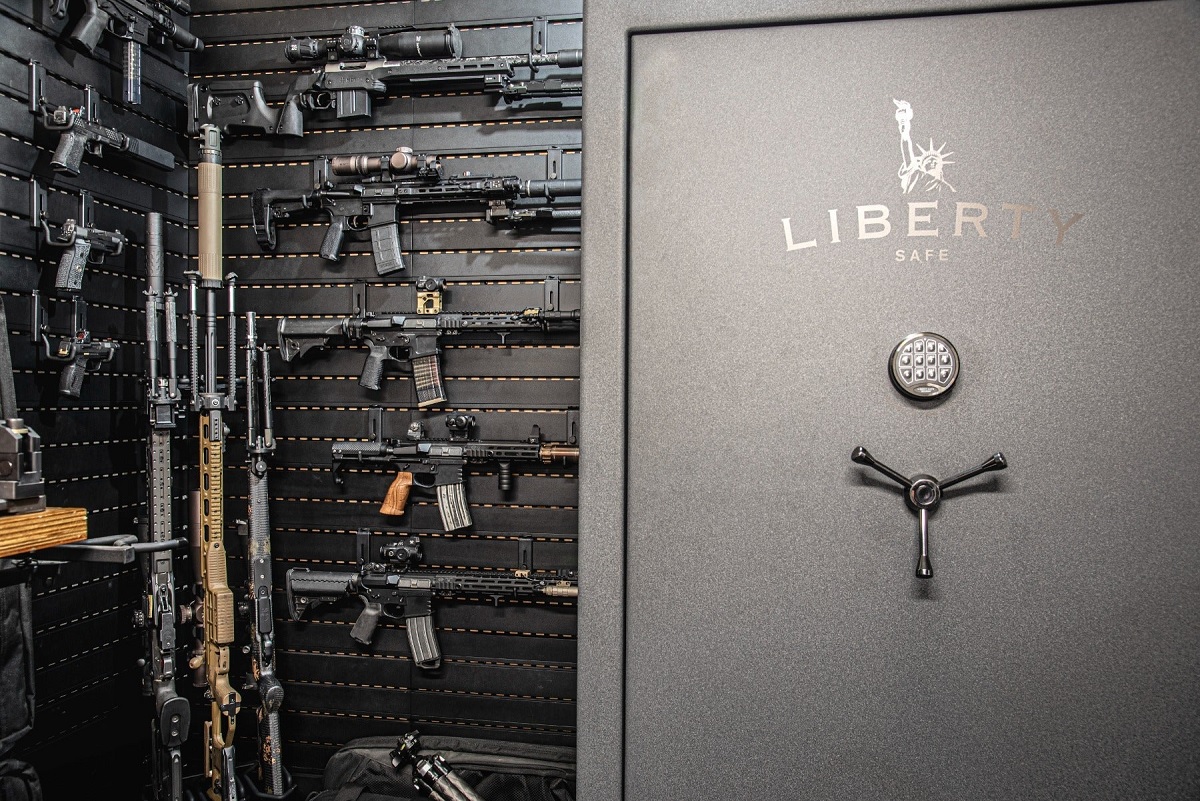
A functional internal layout is essential for organizing firearms and related accessories inside a converted closet. The space should be arranged to separate rifles, handguns, and ammunition using dedicated storage sections. Gun racks, wall mounts, and padded shelving can help keep firearms stable and prevent accidental damage during storage or retrieval.
Proper spacing is also important to avoid overcrowding, which can lead to scratches or misalignment of firearms. Adjustable shelves allow flexibility as storage needs change over time. It is also helpful to leave clear pathways inside the closet so firearms can be accessed safely without obstruction. A well-planned layout improves both safety and efficiency while maintaining order within the storage area.
Install Strong Locking And Reinforcement Systems
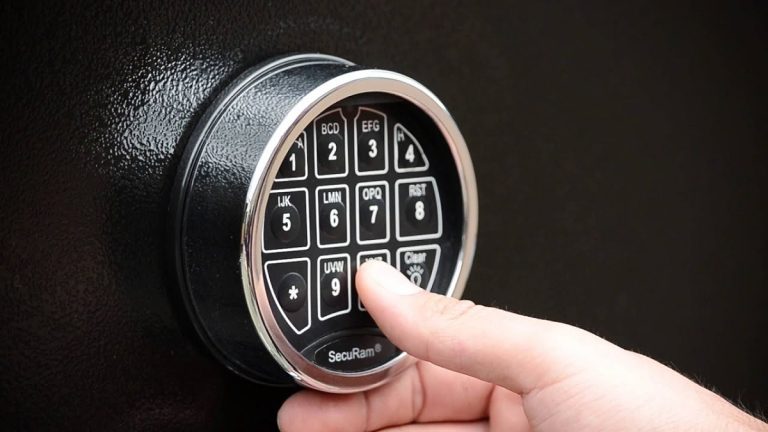
Security is a top priority when converting a closet into a gun safe, making strong locking and reinforcement systems essential. A solid-core or steel-reinforced door significantly improves protection against forced entry compared to standard hollow doors. Heavy-duty deadbolts, biometric locks, or electronic keypad systems can further enhance security and controlled access.
Reinforcing the closet frame and hinges helps prevent tampering or break-ins. Metal strike plates and reinforced screws add extra strength to weak points around the door. Interior walls may also be strengthened using steel panels or plywood backing for added durability. A properly reinforced closet acts as a secure containment space, reducing vulnerability and improving overall firearm safety within the home environment.
Add Environmental Protection And Organization Features
Environmental protection is often overlooked but plays an important role in firearm storage planning. Closets may be exposed to humidity, dust, or temperature changes that can affect firearm condition over time. Adding moisture control solutions such as dehumidifiers or silica gel packs helps protect firearms from rust and corrosion.
Interior organization features like foam padding, gun socks, and protective cases help prevent scratches and surface damage. Proper ventilation also supports long-term maintenance by reducing trapped moisture inside the closet. Installing soft lighting improves visibility and makes handling firearms safer and more efficient. Combining environmental protection with organized storage ensures firearms remain in good condition while the closet functions as a reliable storage solution.
Installing Gun Storage Systems
Installing proper gun storage systems inside a converted closet is a critical step in creating a safe and organized firearm storage space. The right setup improves security, prevents accidental damage, and ensures quick access for authorized users. A well-installed system also helps maintain compliance with safety expectations while maximizing the usability of the available closet space.
Install Gun Racks And Wall Mount Systems
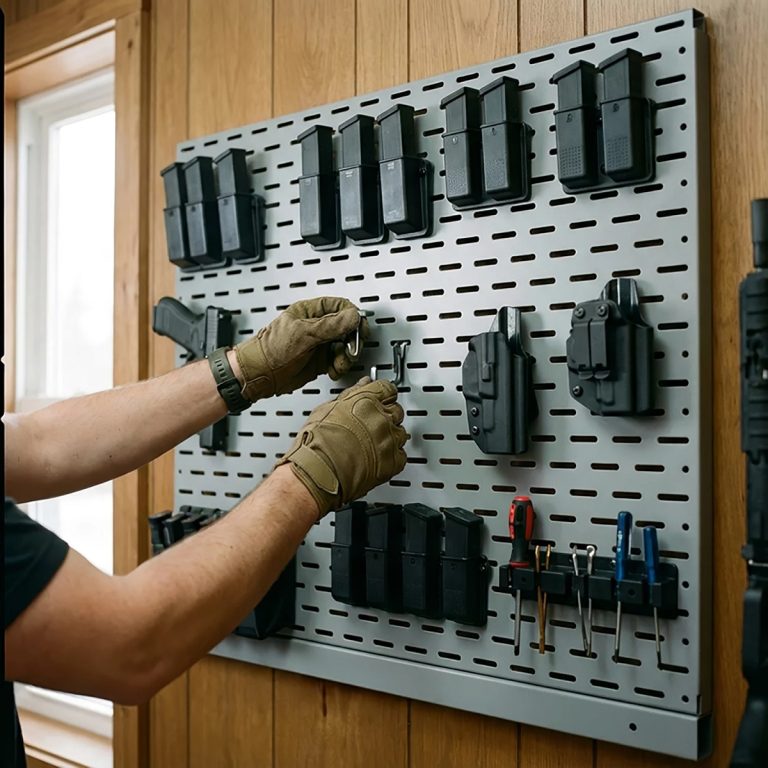
Gun racks and wall-mounted systems are commonly used to store rifles and shotguns in an organized and secure manner. These systems help keep firearms upright, separated, and protected from scratches or accidental falls. Wall mounts can be installed vertically or horizontally depending on closet dimensions and firearm types, offering flexibility in design.
Proper installation requires anchoring racks securely into wall studs or reinforced panels to ensure they can support the weight of firearms. Using padded hooks or rubber-lined mounts helps prevent surface damage to gun barrels and stocks. It is also important to position racks at appropriate heights for safe handling. A well-installed rack system improves organization and allows easy identification and access to each firearm.
Add Lockable Cabinets And Secure Compartments
Lockable cabinets and secure compartments provide an additional layer of protection within a closet gun storage setup. These cabinets are especially useful for storing handguns, ammunition, and sensitive firearm accessories. Using separate compartments helps reduce clutter and improves overall organization while enhancing security for smaller or more valuable items.
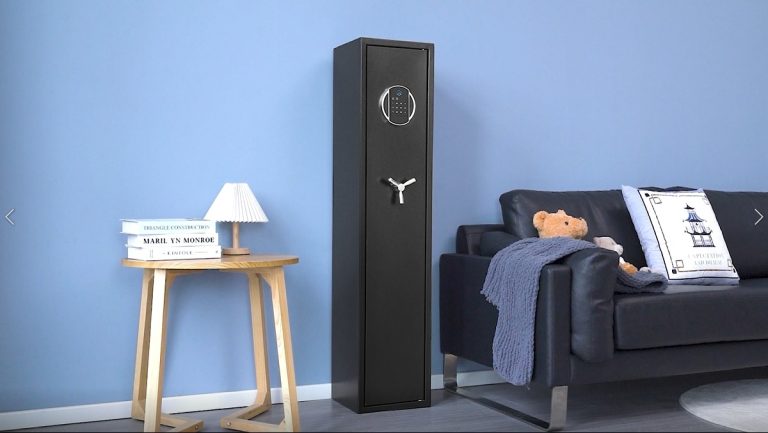
Steel or reinforced wooden cabinets with secure locking mechanisms are commonly preferred for firearm storage. Installing cabinets inside the closet should include proper anchoring to prevent movement or removal during forced entry attempts. Multiple locking options such as keyed locks, electronic keypads, or biometric systems can be used depending on security needs. Organized compartmental storage also ensures firearms and accessories remain separated and easy to manage.
Use Interior Padding And Protective Storage Materials
Interior padding and protective storage materials play an important role in maintaining firearm condition inside a closet gun storage system. Foam inserts, rubber mats, and gun socks help prevent scratches, dents, and moisture exposure that can damage firearms over time. These materials also reduce noise and movement when firearms are stored or retrieved.
Closet shelves and cabinet interiors should be lined with protective material to create a soft and secure surface for all stored items. Moisture-resistant padding helps minimize the risk of rust, especially in humid environments. Proper spacing between firearms also improves airflow and reduces the chance of surface wear. Using protective materials consistently ensures firearms remain in excellent condition while stored securely within the closet system.
Fireproofing And Environmental Protection
Fireproofing and environmental protection are essential elements when converting a closet into a secure firearm storage space. Firearms are highly sensitive to heat, humidity, and moisture, which can cause long-term damage if not properly controlled. A well-protected closet setup helps maintain firearm condition while also improving overall safety during unexpected environmental events such as fire or flooding.
Add Fire Resistant Materials And Barriers
Fire-resistant materials help reduce the risk of damage in case of a house fire, making them an important part of closet gun storage planning. Installing fire-rated drywall, insulation, or protective panels can slow down heat transfer and provide extra time for emergency response. These materials help create a safer barrier between stored firearms and external heat sources.
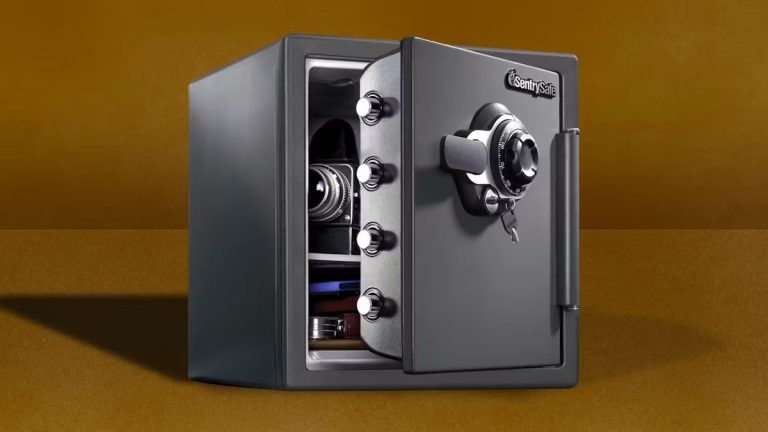
Fire-resistant safes or lockable containers can also be placed inside the closet for added protection. Some homeowners choose fireproof linings for walls, ceilings, and doors to increase resistance against extreme temperatures. While no setup is completely fireproof, combining multiple fire-resistant elements significantly improves protection. Proper installation ensures the materials remain effective and do not compromise the structural integrity of the closet storage system.
Control Humidity And Moisture Levels
Humidity control is critical for preventing rust, corrosion, and long-term firearm damage inside a closet storage system. Closets are often enclosed spaces with limited airflow, which can trap moisture and create unfavorable storage conditions. Using dehumidifiers or moisture absorbers helps maintain a stable environment inside the closet.
Silica gel packs, rechargeable desiccant units, or electric dehumidifiers can be placed strategically to reduce moisture buildup. Regular monitoring of humidity levels ensures the environment stays within safe limits for firearm storage. Proper sealing of the closet door also helps prevent external humidity from entering the space. Consistent moisture control plays a key role in preserving firearm quality and extending their usable lifespan.
Improve Ventilation And Air Circulation
Proper ventilation is important for maintaining a balanced environment inside a closet gun storage system. Without adequate airflow, moisture and heat can accumulate, increasing the risk of rust and material degradation. Small ventilation systems or air gaps can help improve circulation while maintaining security.
Installing discreet vents or using passive airflow solutions allows fresh air movement without compromising safety. In some setups, battery-operated fans or ventilation devices can be used to improve air distribution. Care should be taken to ensure that added ventilation does not reduce the security integrity of the closet. Balanced airflow combined with moisture control creates a stable environment that protects firearms and maintains long-term storage quality.
Maintenance And Regular Security Checks
Maintaining a closet gun safe setup requires consistent attention to both security features and storage conditions. Over time, locks, hinges, and environmental controls can wear down or become less effective. Regular inspections help identify issues early and ensure firearms remain safely secured. A well-maintained system reduces risks of unauthorized access, mechanical failure, and environmental damage.
Inspect Locks And Access Systems Regularly
Locks and access systems should be checked on a routine basis to ensure they are functioning correctly. Whether using electronic keypads, mechanical locks, or biometric systems, each component can develop issues over time. Keypads may become unresponsive, batteries may weaken, or mechanical parts may stiffen due to lack of use or dust buildup.
Testing access systems periodically helps confirm that all entry methods are working as intended. Batteries in electronic locks should be replaced before they fully drain to avoid unexpected lockouts. Mechanical locks may require light lubrication to maintain smooth operation. Biometric systems should be cleaned and recalibrated if fingerprint recognition becomes inconsistent. Regular inspection ensures reliable access when needed while maintaining strong security.
Check Structural Integrity Of The Closet
The structural integrity of the closet plays a major role in firearm safety and security. Over time, hinges, door frames, and reinforced panels may loosen due to repeated use or environmental pressure. Checking these components helps ensure the closet remains resistant to forced entry and continues to provide secure storage conditions.
Door alignment should be examined to confirm that it closes tightly and locks properly. Any signs of warping, cracking, or weakening should be addressed immediately. Reinforced screws, strike plates, and mounting hardware should also be inspected for stability. Maintaining strong structural integrity helps preserve the effectiveness of the entire storage system and prevents potential vulnerabilities that could compromise firearm security.
Monitor Environmental Conditions And Storage Quality
Environmental conditions inside the closet should be monitored regularly to protect firearms from long-term damage. Humidity, temperature fluctuations, and dust buildup can all affect firearm condition if not properly controlled. Using a hygrometer can help track moisture levels and ensure they remain within a safe range.
Dehumidifiers or moisture-absorbing materials should be replaced or recharged as needed to maintain effectiveness. Firearms should also be inspected periodically for signs of rust, corrosion, or surface wear. Storage materials like foam padding and protective covers should be checked for deterioration. Consistent monitoring of environmental conditions ensures firearms remain in good condition while maintaining a safe and reliable storage environment.
People Also Asked
Is It Legal To Turn A Closet Into A Gun Safe?
Yes, you can turn a closet into a gun safe, but legality depends on your local firearm storage laws. You must ensure the space meets safe storage requirements, especially if you have children or unauthorized individuals in the home. Many regions require firearms to be secured with locking systems that prevent easy access.
Before starting the conversion, you should check regulations regarding firearm storage, especially rules about locked containers and accessibility. Even if laws are flexible, you are still responsible for preventing theft and accidental access. A properly reinforced and locked closet can meet legal expectations if it is designed with security in mind.
How Do You Reinforce A Closet To Make It Secure Enough For Guns?
You should start by strengthening the closet door because standard hollow doors are not secure enough for firearms. Replace it with a solid-core or steel door and install heavy-duty deadbolts. Reinforcing the door frame with strike plates and long screws into wall studs will also increase resistance against forced entry.
Inside the closet, you can strengthen walls by adding plywood or steel panels. This makes it harder for someone to break through drywall. The goal is to slow down forced access, giving your security systems or alarms time to respond. A well-reinforced closet becomes much closer to a secure gun storage environment.
What Type Of Storage System Should You Use Inside A Gun Closet?
You should use organized and secure storage systems that keep firearms stable and inaccessible to unauthorized users. Gun racks mounted to studs are one of the most common options because they keep firearms off the floor and prevent accidental damage. Lockable cabinets inside the closet add another layer of protection.
You can also use modular shelving for accessories and ammunition. Pegboards with locking hooks help keep items organized while maintaining visibility. The key is to ensure firearms are not loosely stored and cannot be easily grabbed or moved. A structured layout improves both safety and accessibility for you.
How Can You Make A Gun Closet Fire And Moisture Resistant?
You should focus on protecting firearms from environmental damage because humidity and heat can cause rust and deterioration. Installing a dehumidifier inside the closet is one of the most effective solutions, especially in humid climates. You can also use moisture-absorbing packs as additional protection.
For fire resistance, you should consider adding fire-rated drywall or fire-resistant panels to the walls and ceiling. Sealing gaps in the closet helps slow smoke and heat penetration. Proper ventilation also helps maintain air quality while reducing moisture buildup. These steps help preserve both firearm safety and long-term condition.
What Security Features Should You Add To A Gun Closet?
You should consider upgrading your closet with modern security features to improve protection. A biometric or keypad lock on the door can prevent unauthorized access while allowing quick entry for you. Adding motion sensors or alarms provides alerts if someone tries to open the closet.
You can also install surveillance cameras near the closet area for added monitoring. Smart locks connected to mobile devices give you remote control and notifications. These features work together to create a layered security system. The more barriers you add, the harder it becomes for unauthorized access to occur.
How Much Does It Cost To Turn A Closet Into A Gun Safe?
The cost varies depending on how secure and advanced you want the setup to be. A basic conversion using a stronger door, simple gun racks, and basic locking hardware can be relatively affordable. Mid-range setups with reinforced walls, dehumidifiers, and better storage systems increase the cost.
High-end conversions that include biometric locks, fireproof materials, and surveillance systems can be significantly more expensive. You should plan your budget based on your security needs rather than appearance alone. Investing in proper reinforcement and locking systems is more important than decorative upgrades when it comes to firearm safety.
What Are Common Mistakes To Avoid When Converting A Closet Into A Gun Safe?
You should avoid using weak materials like hollow doors or thin drywall because they do not provide real security. Another common mistake is overcrowding the closet, which makes firearms harder to store safely and increases the risk of damage or accidents.
You should also avoid ignoring humidity control, as moisture can quickly damage firearms over time. Failing to secure the door frame properly is another serious issue because most break-ins target weak entry points. Finally, you should not skip legal checks, since compliance with firearm storage laws is essential for responsible ownership and safety.
Final Thoughts
Converting a regular closet into a secure firearm storage space requires careful planning, proper materials, and a strong focus on safety. From choosing the right closet to installing storage systems and reinforcing security, every step contributes to building a reliable and controlled environment for firearm storage inside the home.
Understanding the structural, legal, and environmental factors is essential for creating a setup that protects both the firearms and the household. Proper locking systems, fire resistance, humidity control, and regular maintenance all work together to improve long-term safety and functionality. Without these elements, even a well-designed closet may not provide adequate protection.
Learning how to turn closet into gun safe helps homeowners create a practical and discreet storage solution that meets safety expectations. With consistent upkeep and responsible storage practices, the converted closet can serve as a dependable system for secure firearm organization and access control.