How To Open A Gun Safe Without A Key Safely And Legally
Losing access to a safe can create stress, especially when important documents, valuables, or firearms are locked inside. Many people start searching for safe opening methods after misplacing a key or dealing with a damaged lock. Understanding the right approach can help you avoid costly damage and unnecessary frustration during the process.
Knowing how to open a gun safe without a key becomes important when traditional access methods stop working. Electronic failures, worn-out locking systems, and broken backup keys are common reasons safe owners look for alternative solutions. A careful approach can protect both the safe and the items stored inside.
Different gun safes use different locking mechanisms, which means there is no single method that works for every model. Some safes include reset options, override codes, or emergency entry systems that make access easier. Others may require manual troubleshooting or professional help.
This guide explains practical and safe ways to handle lockout situations while reducing the risk of damaging your safe. You will learn useful tips, common mistakes to avoid, and important details about how to open a gun safe without a key using reliable methods.
Different Types Of Gun Safes
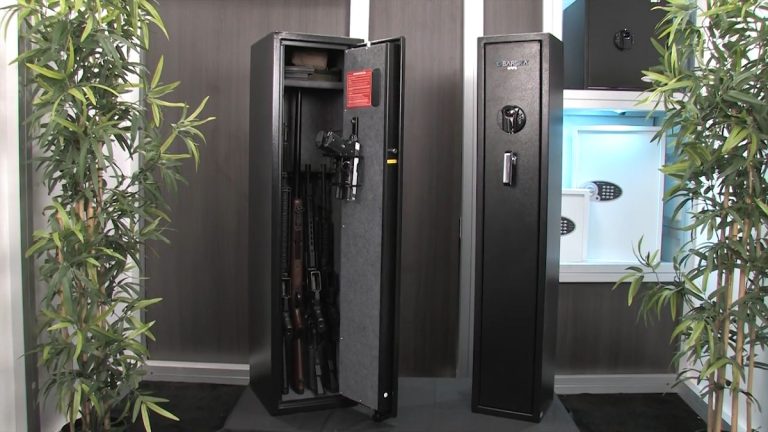
Gun safes come in several styles, sizes, and locking systems designed for different storage needs. Some are built for quick firearm access, while others focus more on long-term protection and security. Understanding the differences between common gun safe types can help you choose the right option for your home, lifestyle, and firearm collection. The type of safe you own also affects how you handle lockouts, maintenance, and emergency access situations.
Biometric Gun Safes
Biometric gun safes use fingerprint recognition technology to unlock the safe quickly and securely. These safes are popular among gun owners who want fast access during emergencies without relying on physical keys or remembering combinations. Many biometric safes can store multiple fingerprints, making them useful for households with more than one authorized user. Compact biometric models are often placed near beds, desks, or inside closets for convenient access.
One major advantage of biometric safes is speed. A properly programmed fingerprint scanner can unlock the safe within seconds, which makes it ideal for personal defense situations. Most models also include backup key access or keypad entry in case the scanner fails or the batteries die unexpectedly. Regular maintenance and battery replacement help keep the locking system reliable over time.
Biometric safes vary in quality, and cheaper models may struggle with fingerprint recognition. Dirt, moisture, or damaged fingerprints can sometimes prevent the scanner from reading correctly. Higher-end models usually provide better scanning accuracy and stronger security features. Safe owners should test their fingerprint access regularly to reduce the chances of being locked out during critical situations.
Electronic Keypad Gun Safes
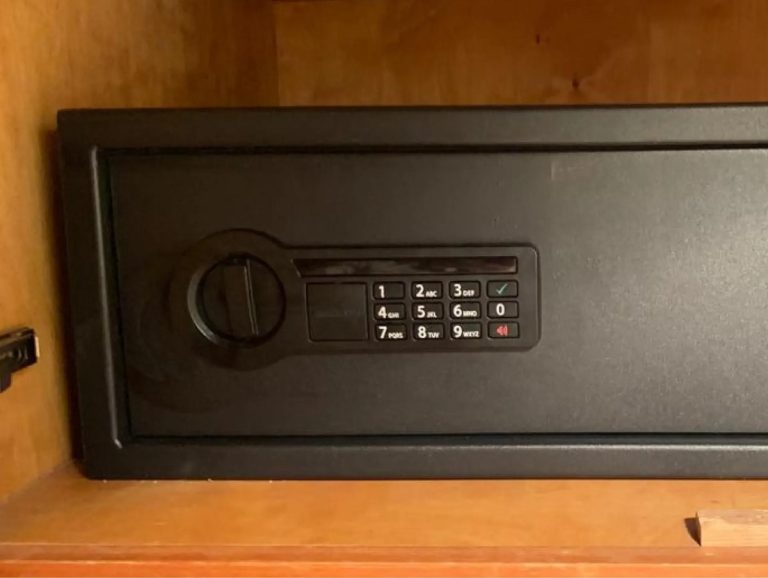
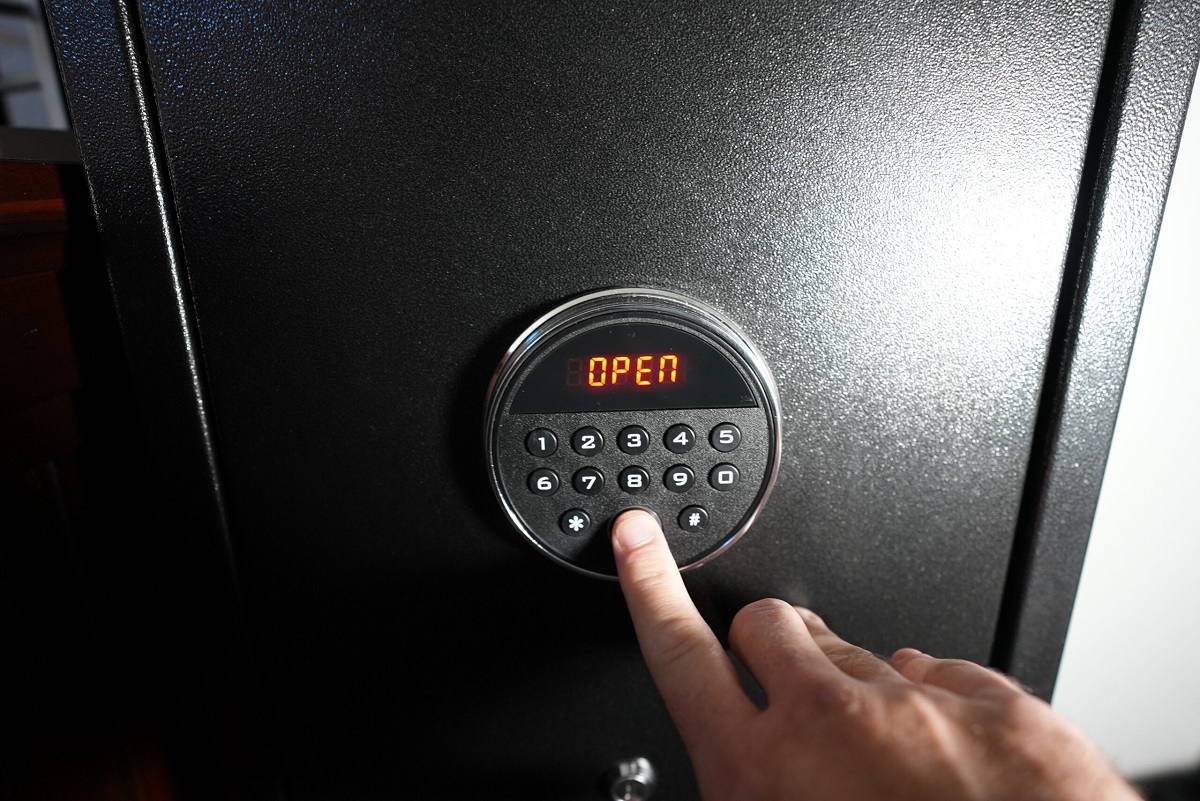
Electronic keypad gun safes use digital number pads that require a passcode for entry. These safes are widely used because they combine convenience with reliable security. Users can quickly unlock the safe by entering a custom code, making them a practical option for both handgun and rifle storage. Many modern electronic safes also include interior lighting, silent mode settings, and automatic locking systems.
One benefit of keypad safes is the ability to change the passcode whenever needed. This helps improve security and allows owners to update access information without replacing locks or keys. Most electronic safes include override keys that can open the safe during battery failure or electronic malfunctions. Keeping those keys stored safely outside the safe is important for emergency access.
Electronic safes still depend heavily on battery power and internal electronics. Dead batteries, wiring problems, or keypad damage may create access issues over time. Some users experience lockouts after entering incorrect codes too many times. Routine battery replacement and proper care of the keypad system help reduce these risks and keep the safe functioning properly.
Combination Lock Gun Safes
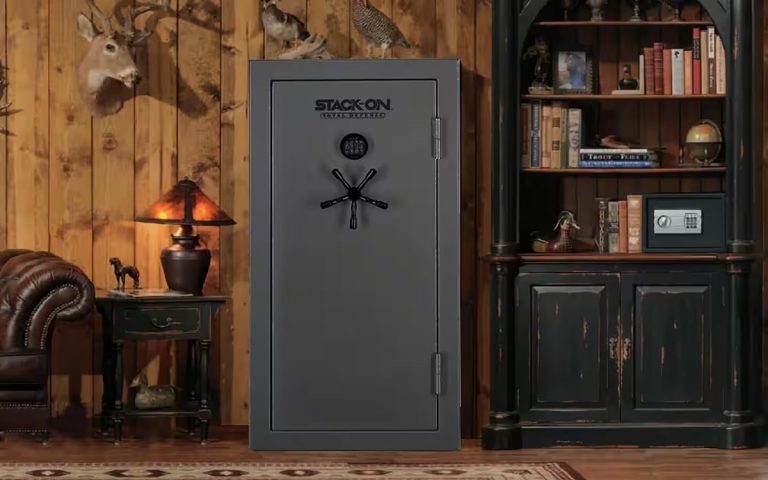
Combination lock gun safes use mechanical dial systems instead of electronic components. These safes have been trusted for decades because they are durable and less dependent on power sources. Owners unlock the safe by turning the dial in a specific sequence to match the correct combination. Many people choose mechanical safes for long-term reliability and reduced risk of electronic failure.
Mechanical combination safes are often considered highly dependable because they continue working even during power outages or dead battery situations. Since they do not rely on electronics, they are less vulnerable to hacking or electrical damage. High-quality mechanical locks can last for many years with minimal maintenance when handled correctly.
The main drawback is slower access compared to biometric or electronic keypad safes. Entering the combination carefully takes more time, especially during stressful situations. Forgotten combinations or incorrect dialing can also create lockout problems. Some safe owners keep written records of combinations in secure locations to avoid losing access to their firearms and valuables.
Portable And Travel Gun Safes
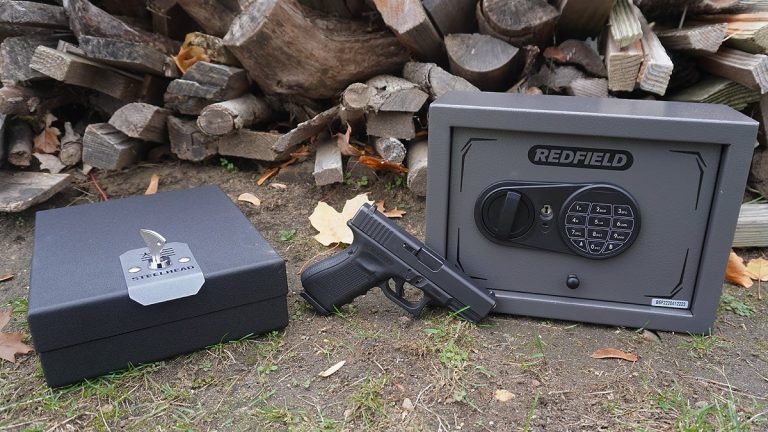
Portable gun safes are lightweight and compact, making them useful for travel, vehicles, or temporary firearm storage. These safes are commonly used for handguns and personal defense weapons. Many portable models include steel security cables that allow the safe to be attached to fixed objects inside cars, hotel rooms, or luggage areas for added protection.
Travel gun safes are designed for convenience and mobility rather than heavy-duty burglary resistance. Most models use key locks, combination locks, or electronic keypad systems depending on the design. Their compact size makes them easy to hide under seats, inside bags, or in small storage spaces while traveling.
Although portable safes provide helpful short-term security, they are generally not as strong as large home safes. Thin steel walls and smaller locking mechanisms may offer limited protection against determined theft attempts. Choosing a well-built model with reinforced construction and reliable locking systems improves overall safety and helps protect firearms during transport or travel situations.
Common Reasons A Gun Safe Will Not Open
A gun safe may stop opening for several reasons, ranging from simple user mistakes to serious mechanical failures. Understanding these common problems can help you troubleshoot the issue safely and avoid damaging the locking system. Different safe models use different security mechanisms, so the cause of the problem often depends on the type of lock, maintenance history, and overall condition of the safe.
Dead Batteries In Electronic Safes
Dead batteries are one of the most common reasons an electronic gun safe will not open. Many owners forget to replace batteries regularly because the keypad may continue working until the remaining power becomes too weak to unlock the safe properly. A fading display screen, delayed response time, or unusual beeping sounds often signal that the batteries are running low and should be replaced immediately.
Electronic locks depend entirely on consistent power to operate the internal locking mechanism. When batteries fail completely, the keypad may stop responding or reject correct passcodes. Some safes include external battery terminals or backup key access to help users regain entry during power failure situations. Using high-quality batteries and replacing them every few months helps reduce the chances of sudden lockouts and keeps the electronic system functioning reliably.
Incorrect Combination Or Passcode Entry
Entering the wrong combination or passcode is another frequent reason a gun safe remains locked. Many digital safes temporarily disable the keypad after several incorrect attempts as a security feature to prevent unauthorized access. Mechanical combination locks can also fail to open when the dial sequence is entered too quickly or inaccurately. Stress and panic often make these mistakes more common during emergency situations.
Some users accidentally change their passcodes and later forget the updated numbers. Others may confuse multiple combinations when using more than one safe. Mechanical dials require careful and precise turning, and even small mistakes can prevent the lock from disengaging correctly. Keeping a secure written record of combinations in another protected location can help prevent long-term access problems and reduce frustration during lockout situations.
Jammed Bolts Or Locking Mechanisms
A jammed locking mechanism can prevent a gun safe door from opening even when the correct code or key is used. Internal bolts sometimes become misaligned because of pressure from items stored inside the safe. Overpacked safes may push against the door from the inside, creating extra tension that prevents the locking bars from retracting properly during opening attempts.
Mechanical wear can also cause parts inside the lock to stick or fail over time. Dirt, rust, or lack of lubrication may increase resistance within the locking system. In some situations, gently pulling or pushing the safe door while entering the code can relieve pressure on the bolts and help the mechanism release. Regular maintenance and careful organization inside the safe help reduce strain on the locking system and improve long-term reliability.
Safety And Legal Considerations
Opening a gun safe without a key involves more than just gaining access to locked items. Safe owners must also consider firearm safety, legal responsibilities, and the risk of damaging security systems during the process. Using safe and lawful methods protects both the firearms inside and the people around you. Understanding these considerations can help prevent accidents, legal problems, and unnecessary repair costs.
Follow Firearm Safety Rules During Access Attempts
Firearm safety should always remain the top priority when attempting to open a locked gun safe. Many safes contain loaded firearms, ammunition, and other sensitive equipment that can become dangerous when handled carelessly. Keeping children, visitors, and unauthorized individuals away from the safe during access attempts helps reduce the risk of accidents or unsafe firearm handling situations.
Using excessive force or improper tools may cause sudden door movement or damage to internal firearm storage systems. Owners should work carefully and stay focused throughout the process. Once the safe is opened, every firearm should be checked immediately to confirm its condition and storage position. Safe handling procedures, including keeping firearms pointed in a safe direction and verifying unloaded status, remain important after gaining access to the safe.
Understand Local Firearm Storage Laws
Gun safe ownership often comes with legal responsibilities related to firearm storage and access control. Many regions require firearms to remain secured in locked containers to prevent unauthorized access, especially in homes with children. Failing to store firearms properly can lead to legal penalties, liability issues, or criminal charges after accidents involving unsecured weapons.
Attempting to bypass a safe lock using unauthorized methods may also create legal concerns in certain situations. Safe owners should always confirm they have legal ownership of both the safe and the firearms stored inside before using locksmith services or advanced entry methods. Keeping purchase records, serial numbers, and ownership documents available can help verify lawful ownership during professional safe opening or repair services.
Avoid Damaging The Safe Or Locking System
Improper attempts to force open a gun safe may damage the lock, internal bolts, door frame, or fireproof sealing system. Once these components become damaged, the safe may lose its ability to protect firearms from theft, moisture, or fire exposure. Repair costs for heavily damaged safes can sometimes exceed the value of replacing the safe entirely.
Using drills, pry bars, or aggressive tools without proper knowledge often creates permanent structural damage. Many modern safes also include relocking systems that activate after tampering attempts, making the safe even harder to open. Contacting the manufacturer or a qualified locksmith is usually safer than attempting destructive entry methods. Proper maintenance, regular inspections, and secure backup access methods help reduce the chances of serious lockout situations in the future
How To Open A Gun Safe Without A Key
Getting locked out of a gun safe can happen because of lost keys, dead batteries, forgotten codes, or mechanical failures. The safest approach is always to use approved access methods that protect both the locking system and the firearms stored inside. Understanding the correct steps can help you regain access while reducing the risk of permanent damage to the safe or accidental firearm handling issues.
Use The Backup Key Or Override System
Many modern gun safes include a backup key or override entry system designed for emergency access situations. Electronic safes often hide the override key slot behind the keypad or manufacturer logo for added security. Checking the owner’s manual can help you locate the emergency access point and understand the proper unlocking process for your specific safe model.
Using the backup key is usually the quickest and safest solution during a lockout. Owners should insert the key carefully and avoid forcing the lock if resistance occurs. Bent keys or damaged cylinders can make the problem worse and increase repair costs. Safe manufacturers often provide replacement keys after verifying ownership details and safe serial numbers. Keeping spare override keys stored securely outside the safe can prevent future access problems and reduce stress during emergencies.
Replace Dead Batteries In Electronic Safes
Electronic gun safes commonly fail to open because of weak or dead batteries. A keypad that stops lighting up, responds slowly, or produces unusual sounds often indicates low battery power. Most safe manufacturers recommend replacing batteries regularly even when the lock still appears functional. Fresh batteries can restore normal operation and solve many electronic access problems immediately.
Some electronic safes contain internal battery compartments located behind the keypad, while others include external battery ports for emergency power connections. Carefully following the manufacturer’s battery replacement instructions helps prevent accidental lock damage. High-quality batteries usually provide more reliable performance than cheaper alternatives. After replacing the batteries, users should test the keypad several times to confirm the locking mechanism is working correctly before closing the safe again.
Contact The Manufacturer Or A Professional Locksmith
Professional assistance may become necessary when the safe remains locked after basic troubleshooting attempts. Many manufacturers offer customer support services that help owners regain access safely. Providing the safe model number, serial number, and proof of ownership often allows the company to suggest approved unlocking methods or replacement parts for damaged locking systems.
Certified locksmiths who specialize in safes can also diagnose mechanical failures, broken lock components, or electronic malfunctions without causing unnecessary structural damage. Attempting aggressive entry methods without proper experience may activate internal relocking systems or permanently damage the safe. Professional safe technicians use specialized tools and safe-opening techniques that protect the overall structure and maintain the safe’s security features whenever possible.
Methods For Opening Electronic Gun Safes
Electronic gun safes provide quick and secure firearm storage, but access problems can happen when the keypad, batteries, or internal components fail. Many lockout situations can be solved using safe and manufacturer-approved methods without damaging the safe. Understanding the proper ways to troubleshoot electronic gun safes helps protect the locking system while allowing you to regain access more efficiently and safely.
Replace Or Recharge The Power Source
Dead or weak batteries are one of the most common reasons electronic gun safes stop working. Many users overlook battery maintenance because the keypad may continue operating until power becomes too low to activate the locking mechanism. A dim keypad display, delayed response, or repeated error beeps often signal that the batteries need immediate replacement.
Most electronic safes allow battery access from the outside of the safe door, making replacement easier during lockouts. Some models include emergency power terminals where a temporary battery can restore power long enough to enter the correct code. Using fresh, high-quality batteries improves lock reliability and reduces future access problems. After replacing the batteries, testing the keypad several times helps confirm the electronic system is functioning properly before locking the safe again.
Use The Emergency Override Key
Many electronic gun safes include a hidden override key system designed specifically for emergency access situations. The override key slot is commonly placed behind the keypad, under a removable panel, or beneath the manufacturer logo to keep it concealed from unauthorized users. Checking the safe manual can help locate the override system quickly.
The override key provides direct mechanical access when the electronic system fails completely. Users should insert the key carefully and avoid using excessive force while turning the lock. Forcing the key may damage internal components and make the lockout more severe. Keeping the backup key in a secure but accessible location outside the safe helps prevent future emergencies and allows quicker access during electronic failures or forgotten passcodes.
Reset The Keypad Or Contact Professional Support
Some electronic safes include reset procedures that help restore normal operation after keypad malfunctions or incorrect code entry lockouts. Certain models temporarily disable access after multiple failed attempts, requiring users to wait before trying again. Reviewing the manufacturer instructions carefully can help identify reset steps that may solve the issue safely.
When troubleshooting does not restore access, contacting the safe manufacturer or a certified locksmith is often the safest solution. Professional technicians can diagnose electronic failures, damaged wiring, or malfunctioning locking components without causing unnecessary structural damage. Attempting advanced repairs without proper experience may activate additional security systems or permanently damage the safe’s internal mechanisms.
Methods For Opening Combination Gun Safes
Combination gun safes are known for their durability and long-term reliability because they do not depend on batteries or electronic systems. However, lockouts can still happen because of forgotten combinations, dialing mistakes, or worn mechanical parts. Understanding safe and proper methods for accessing a combination gun safe can help prevent unnecessary damage while improving the chances of restoring access successfully.
Carefully Reenter The Combination
One of the most effective ways to open a locked combination safe is to carefully repeat the dialing sequence. Mechanical combination locks require precise movements, and even small dialing errors can prevent the lock from disengaging. Turning the dial too quickly, stopping slightly off the correct number, or reversing directions incorrectly often causes access problems even when the combination itself is correct.
Safe owners should start from the beginning and slowly enter the combination exactly as instructed by the manufacturer. Many locks require multiple full turns before stopping on each number in the proper sequence. Staying calm and avoiding rushed movements helps improve accuracy during the process. Cleaning dust from the dial and ensuring the handle moves freely can also improve the lock’s responsiveness and reduce minor mechanical resistance during opening attempts.
Check For Pressure On The Safe Door
Pressure against the safe door can sometimes prevent a combination safe from opening properly. Overfilled safes may place stress on the locking bolts from the inside, making it difficult for the mechanism to retract after the correct combination is entered. This issue commonly happens when firearms, shelves, or stored items shift and press directly against the door.
Applying gentle pressure while turning the handle can sometimes help release tension from the internal locking system. In some situations, carefully pulling or pushing the door during the unlocking process may allow the bolts to move more freely. Excessive force should always be avoided because it can damage the lock or internal bolt system. Organizing the safe carefully and avoiding overcrowding helps reduce future pressure-related opening problems.
Contact A Safe Technician Or Manufacturer
Professional assistance may be necessary when a combination safe remains locked despite repeated correct attempts. Mechanical lock components can wear down over time, causing internal failures that prevent the lock from disengaging properly. Lost combinations, damaged dials, or broken relockers may also require specialized repair tools and professional experience to resolve safely.
Many safe manufacturers offer support services for recovering lost combinations after verifying ownership information and serial numbers. Certified safe technicians can diagnose mechanical issues and use non-destructive methods whenever possible to restore access. Attempting advanced repairs without proper training may permanently damage the safe or trigger additional security systems. Professional servicing also helps preserve the safe’s long-term security and structural integrity.
Best Practices For Gun Safe Security
Proper gun safe security involves more than simply locking firearms inside a steel container. Safe placement, maintenance, access control, and routine inspections all play an important role in protecting firearms from theft, unauthorized access, and accidental misuse. Following proven security practices can improve the reliability of your gun safe while helping maintain safe firearm storage conditions for long-term protection.
Store Backup Access Information Securely
Many gun safe owners overlook the importance of properly storing backup keys, override codes, and combination records. Keeping all access information inside the safe defeats the purpose of having emergency entry options during lockouts. Backup access materials should always remain stored in a separate secure location that only authorized individuals can access when necessary.
Safe owners often use locked document boxes, secure drawers, or trusted off-site storage for spare keys and combination details. Digital copies of important access information may also help during emergencies, but they should remain protected with strong passwords and secure storage methods. Regularly checking backup access tools ensures they remain usable and prevents unexpected lockout situations caused by missing or damaged emergency entry systems.
Perform Routine Safe Maintenance
Regular maintenance helps prevent many common gun safe problems, including jammed locks, keypad failures, and damaged bolt systems. Dust, moisture, and mechanical wear can slowly affect safe performance over time, especially in humid or poorly ventilated areas. Cleaning the safe exterior and inspecting moving parts regularly helps identify small issues before they develop into major security problems.
Electronic safes require periodic battery replacement to maintain reliable operation. Mechanical combination locks may also benefit from occasional professional servicing to keep internal components working smoothly. Checking door alignment, bolt movement, and handle operation helps confirm the locking system functions correctly. Consistent maintenance improves the lifespan of the safe while reducing the chances of sudden access failures during emergencies.
Limit Unauthorized Access To The Safe
Controlling who can access the gun safe is one of the most important parts of firearm security. Sharing combinations, keypad codes, or backup keys with too many people increases the risk of unauthorized access and accidental firearm handling. Safe owners should carefully limit access only to trusted and legally authorized individuals within the household.
Changing access codes periodically helps improve overall security, especially after household changes or security concerns. Children should never know the safe combination or have unsupervised access to firearms. Placing the safe in a discreet and secure location inside the home also reduces visibility to visitors and potential intruders. Strong access control practices help protect both firearms and the people living around them.
FAQs
Can You Open A Gun Safe Without A Key?
Yes, you can open a gun safe without a key in certain situations, but the method depends on the type of lock your safe uses. Many modern safes include backup access options such as override codes, digital keypads, or combination dials. Before trying anything, you should confirm that you legally own the safe and have permission to access it.
You should always begin with non-destructive methods first. Checking for spare keys, replacing dead batteries, or using the manufacturer’s recovery process are safer options than forcing the lock. If you damage the locking mechanism, the repair costs can become expensive and may permanently weaken the security of your safe.
What Should You Do If You Lost Your Gun Safe Key?
If you lost your gun safe key, you should first search for any spare keys that may have been stored separately when the safe was purchased. Many manufacturers provide duplicate keys or emergency access instructions in the owner’s manual. You should also check whether your safe includes a serial number that can help the manufacturer issue a replacement key.
Before contacting the manufacturer, gather proof of ownership and identification because many companies require verification for security reasons. If replacement keys are unavailable, a professional locksmith may help you regain access without damaging the safe. Avoid using force or improvised tools because they can break the internal lock components.
How Do You Open An Electronic Gun Safe Without A Key?
You can often open an electronic gun safe without a key by troubleshooting the electronic locking system. The first thing you should do is replace the batteries because dead or weak batteries are one of the most common causes of lockouts. Some safes also include external battery terminals that provide temporary power to the keypad.
If the keypad still does not respond, check your owner’s manual for reset instructions or backup entry methods. Certain models allow access through override codes or emergency keys hidden behind a panel. You should avoid repeatedly entering random codes because many safes activate temporary lockout modes after several failed attempts, making access even more difficult.
Is It Safe To Drill Open A Gun Safe?
Drilling open a gun safe can work, but it should only be considered as a last resort because it may permanently damage the locking system and reduce the safe’s security. Most gun safes are designed with reinforced steel plates and anti-drill features, so improper drilling may take longer than expected and create expensive repairs.
You should never attempt drilling unless you understand the safe’s lock placement and internal structure. A professional safe technician can usually drill a precise access point and repair the safe afterward. If you try drilling without experience, you risk damaging firearms, documents, or valuables stored inside the safe.
Can A Locksmith Open A Gun Safe Without The Key?
Yes, a qualified locksmith can often open a gun safe without the original key using professional tools and safe manipulation techniques. Locksmiths are trained to work with different lock systems, including key locks, electronic keypads, and combination dials. In many cases, they can unlock the safe without causing major damage.
Before hiring a locksmith, you should verify that the technician specializes in safes rather than standard household locks. Safe locks are more complex and require specialized experience. You should also ask about service costs, response times, and whether repairs are included if the safe must be drilled or partially disassembled during the opening process.
How Long Does It Take To Open A Locked Gun Safe?
The time required to open a locked gun safe depends on the type of lock, the problem causing the lockout, and the opening method used. Simple issues such as dead batteries or incorrect keypad settings may be resolved within a few minutes. More complex problems involving broken locks or forgotten combinations can take much longer.
If a locksmith is needed, the process may range from thirty minutes to several hours depending on the safe’s security level. High-end safes with reinforced locking systems require more careful handling and advanced tools. You can reduce delays by keeping your safe model number, proof of ownership, and any available backup information ready beforehand.
How Can You Prevent Getting Locked Out Of A Gun Safe Again?
You can prevent future gun safe lockouts by creating a secure backup access plan. Store spare keys in a separate locked location and keep digital combinations recorded in a protected place that only trusted individuals can access. Regularly checking your safe’s batteries and lock condition also helps prevent unexpected failures.
You should also perform routine maintenance on the safe to keep the locking mechanism operating smoothly. Avoid slamming the door or forcing the handle because repeated stress may damage internal components over time. If your safe uses an electronic keypad, replacing batteries once or twice a year can greatly reduce the risk of sudden lockouts.
Final Thoughts
Regaining access to a locked gun safe can feel stressful, especially when important firearms or valuables are secured inside. Most situations involving lockouts are caused by simple issues like dead batteries, incorrect combinations, or lost backup keys. Taking a calm and methodical approach helps reduce the risk of damaging the locking system or the safe itself.
Understanding different safe mechanisms also makes it easier to handle access problems more effectively. Whether the safe uses electronic, biometric, or mechanical locking systems, each type has specific troubleshooting steps that can restore entry safely. Relying on manufacturer guidelines or professional support is often the most reliable way to avoid unnecessary damage.
Learning practical and safe methods related to how to open a gun safe without a key helps prepare owners for unexpected situations. At the same time, maintaining proper security habits and backup access options ensures fewer lockouts in the future while keeping firearms stored responsibly and securely.