How to Open a Gun Safe Without a Key Safely and Legally
Getting locked out of a gun safe can feel stressful, especially when important documents, valuables, or legal firearms are stored inside. Many people search for practical solutions after losing a key, dealing with a damaged lock, or facing a jammed safe door. Understanding how to open a gun safe without key can help you stay calm and avoid making costly mistakes.
Modern gun safes are designed with strong security features, which means opening them without the original key is not always simple. Some safes include backup entry methods, while others may require professional assistance depending on the locking system and condition of the safe.
Before trying any method, it is important to know the type of gun safe you own. Mechanical locks, electronic keypads, biometric systems, and dual-lock safes all work differently. Using the wrong approach can damage the lock or even permanently seal the safe.
This guide explains safe and realistic ways to understand how to open a gun safe without key while helping you protect both your valuables and the safe itself.
Common Reasons You May Not Have the Key
Losing access to a gun safe key is more common than many people realize. Over time, keys can disappear during moves, daily routines, or emergency situations. Some owners also inherit older safes without receiving the original key or lock information. Understanding the most common reasons behind missing keys can help you figure out the safest and quickest way to regain access without causing unnecessary damage to the safe.
Lost During a House Move
Moving to a new home is one of the biggest reasons people lose important keys. Gun safe keys are often placed in temporary boxes, drawers, or storage containers during packing. In the middle of handling furniture, documents, and household items, small objects like safe keys can easily disappear without notice. Many people only realize the key is missing after they try to access the safe weeks later.
Another common issue happens when multiple family members help with the move. Someone may place the key in a different location for safety, but later forget where it was stored. This creates confusion and makes tracking the key difficult. Stress and exhaustion during relocation also increase the chances of misplacing valuables.
Some gun safe owners store the backup key separately from the main key. During a move, these backup locations may also change. A hidden envelope, locked drawer, or small container can be overlooked while unpacking. This is especially true when moving quickly or dealing with a large number of boxes.
Older safes add another layer of difficulty because the owner may not remember where the spare key was originally stored years ago. In many cases, the safe itself survives the move perfectly, but the key disappears somewhere between the old and new home.
Key Was Accidentally Damaged or Bent
Gun safe keys are usually strong, but they are not impossible to damage. Keys can bend when placed under heavy items, dropped on hard surfaces, or forced into locks incorrectly. Once the key changes shape even slightly, it may stop turning properly inside the safe lock. Many owners continue trying to force the key, which can worsen the problem and damage the lock mechanism.
Daily wear is another major reason keys fail over time. Older keys may weaken after years of regular use. Tiny cracks can form in the metal, especially around the grooves or teeth. Eventually, the key may snap while opening the safe, leaving part of it stuck inside the lock cylinder.
Moisture and rust can also affect metal keys. Safes stored in garages, basements, or humid rooms sometimes expose keys to corrosion. Rust weakens the key structure and can make unlocking the safe more difficult. Even dirt buildup inside the lock can create resistance that bends the key during use.
Some people attempt to duplicate worn-out keys at local hardware stores, but copied keys are not always accurate. Poor-quality duplicates may fail to align with the lock correctly, creating additional problems and increasing the risk of getting locked out completely.
Safe Purchased Second-Hand Without Original Key
Buying a used gun safe can save money, but it sometimes creates access problems later. Many second-hand safes are sold without original documentation, spare keys, or manufacturer details. The previous owner may have lost the key long before selling the safe, especially when the safe has been sitting unused for years.
Estate sales and auctions are common places where people buy older safes. In some situations, the original owner is unavailable, and nobody knows where the key is located. Buyers may assume the safe only needs a simple fix, only to discover that replacement keys are harder to obtain than expected.
Older gun safe brands may no longer exist or may have outdated locking systems. This makes ordering replacement parts more complicated. Some manufacturers require proof of ownership and specific serial numbers before helping with replacement keys. Without proper paperwork, the process can become time-consuming.
Another issue appears when the safe has been modified by a previous owner. Replacement locks, damaged cylinders, or missing serial labels can make identification difficult. Even though the safe itself may still function properly, the missing key becomes a major obstacle for the new owner trying to gain access safely.
Check Whether Your Gun Safe Has a Backup Access Method
Many gun safes include secondary entry options that owners forget about until they lose the main key or access code. Before trying complicated solutions, it is important to inspect the safe carefully and review any available documentation. Backup access features are designed to help owners regain entry safely while reducing the risk of damaging the locking system or the safe door.
Look for a Hidden Backup Key Slot
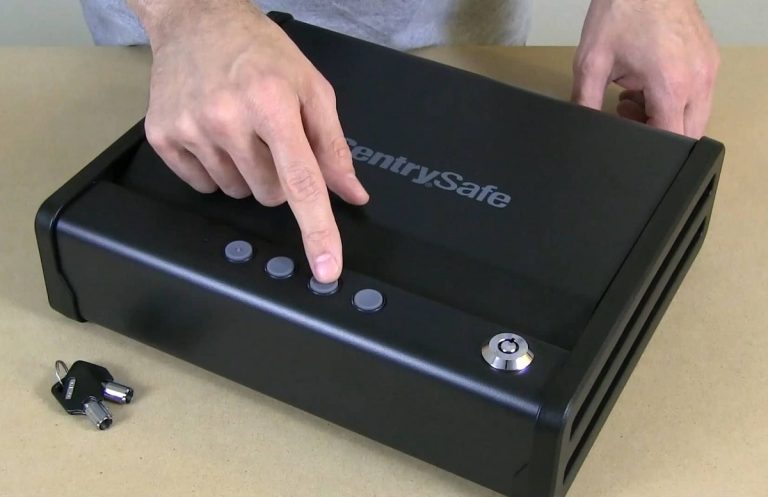
Some electronic gun safes come with a hidden backup key slot placed behind the keypad, logo plate, or battery compartment. Manufacturers often design these keyholes to stay concealed for security reasons. At first glance, the safe may appear to rely entirely on a digital keypad, but a physical override key can sometimes provide quick access during emergencies or battery failure.
Carefully inspect the front panel of the safe for removable covers or sliding sections. Many owners overlook these hidden compartments because they blend into the safe’s exterior design. Reading the user manual can also help identify the exact location of the backup key slot. In some models, the override keyhole sits underneath a small magnetic panel that can be removed by hand.
Backup keys are usually provided when the safe is purchased. Owners sometimes store them in a drawer, file cabinet, or separate lockbox for security purposes. Checking these common storage locations may save time before attempting other access methods.
It is also important to avoid forcing objects into suspected keyholes. Using the wrong key or inserting tools can damage the cylinder and make future unlocking much harder. A gentle inspection is always safer than rushing into aggressive methods.
Check the Battery Compartment and Power Options
Electronic gun safes often stop responding because of dead batteries rather than actual lock failure. Many owners assume they are locked out permanently when the keypad becomes inactive, but the issue may simply involve lost power. Checking the battery compartment should always be one of the first steps before exploring more complicated solutions.
Most electronic safes place the battery pack either inside the keypad housing or behind the front panel. Replacing old batteries with fresh, high-quality ones can restore keypad function immediately. Some safes also provide external power terminals that allow temporary power from a battery pack without opening the safe.
Battery corrosion can create additional problems. Leaking batteries may damage the contacts and interrupt power flow to the keypad. Cleaning corrosion carefully and installing new batteries may solve the issue without requiring professional repair. It is important to avoid using excessive force while opening battery covers because plastic compartments can crack easily.
Many modern safes provide warning signals before the batteries fully die, but these alerts are sometimes ignored or misunderstood. A keypad that flashes dimly, beeps weakly, or responds slowly may simply indicate low power rather than a serious lock malfunction.
Review the Safe Manual or Manufacturer Information
The original user manual often contains valuable information about emergency access options. Many gun safe owners store manuals in filing cabinets, email folders, or packaging boxes without realizing how helpful they become during lockouts. A quick review of the manufacturer’s instructions may reveal hidden unlocking features or recovery procedures specific to the safe model.
Some manufacturers provide replacement keys or reset instructions after verifying ownership. This process usually requires the safe’s serial number, model information, and proof of purchase. The serial number is commonly found on the back panel, inside the door frame, or near the locking mechanism. Keeping this information available can speed up the support process significantly.
Manufacturer websites may also include downloadable manuals for older safe models. Even when the printed booklet is missing, online support pages sometimes explain battery replacement steps, override key locations, or keypad reset methods. Customer support representatives can also help identify backup access options based on the safe’s design.
Older safes may have limited online support, especially when the manufacturer has changed ownership or stopped producing that model. In these cases, locksmiths with safe experience often rely on manual diagrams and serial numbers to understand the locking system and possible backup entry points.
Locate the Gun Safe Model and Serial Number
Finding the model and serial number of your gun safe is an important step before contacting the manufacturer, ordering replacement keys, or requesting technical support. These details help identify the exact locking system and safe design. Many gun safe owners skip this step at first, but accurate identification can save time and prevent confusion when dealing with lockout situations or repair services.
Check the Exterior of the Safe
Many gun safes display the model number on the outside of the door, near the handle, or around the keypad area. Manufacturers often place small labels or engraved plates in visible spots so owners can quickly identify the safe. Looking carefully around the front and side panels may reveal important information without needing to open the safe.
The serial number is sometimes printed on a sticker attached to the back or side of the safe body. Dust, paint, or poor lighting can make the label difficult to notice, especially on older safes. Using a flashlight and wiping away dirt carefully can help expose faded information. Some safes also include metal identification plates instead of paper stickers for added durability.
It is important to write the numbers down exactly as shown. Even a small mistake in the serial number can lead to incorrect replacement parts or delays when contacting customer support. Taking a photo with a phone can also help preserve the information for future use.
Some owners accidentally confuse the model name with marketing labels or decorative branding. The actual model number usually contains a combination of letters and numbers that specifically identify the safe version and locking system.
Inspect the Door Frame and Interior Edges
On many gun safes, the serial number is hidden along the inside edge of the door frame. Owners often discover this information only after carefully examining the corners and metal seams around the door. Manufacturers place these numbers in less visible locations to protect them from damage or tampering.
When the safe is slightly open or partially accessible, checking the inner frame may reveal engraved numbers or factory stickers. These markings are often placed near the hinges, locking bolts, or lower corners of the frame. Older safes sometimes use stamped metal serial plates instead of adhesive labels.
The inside door panel may also contain important details about the lock type or safe specifications. Warranty information, manufacturing dates, and model references are sometimes attached behind storage pockets or document holders inside the door. These details become useful when requesting replacement keys or technical assistance.
Care should be taken while inspecting tight spaces around the lock area. Scraping tools or sharp objects against the metal surface can damage labels or remove faded serial markings. A gentle inspection with proper lighting is usually enough to locate the needed information.
Use Purchase Records or Manufacturer Documents
Purchase receipts, registration cards, and original manuals often include the gun safe model and serial number. Many owners overlook these documents until they need replacement keys or customer support. Searching through old paperwork, email confirmations, or warranty documents can sometimes provide the information faster than physically inspecting the safe.
Some manufacturers encourage owners to register their safes online after purchase. Registered accounts may store the serial number, purchase date, and product details automatically. Logging into the manufacturer’s website or checking confirmation emails may help recover missing information during a lockout situation.
Retailers that sold the safe may also have transaction records connected to the model number. Large sporting goods stores and safe dealers sometimes maintain customer purchase histories for warranty purposes. Providing your name, phone number, or approximate purchase date may help locate the original safe details.
For inherited or second-hand safes, paperwork may still exist inside household filing cabinets or storage boxes. Previous owners sometimes keep manuals and spare documents separate from the safe itself, making these records valuable when the physical labels are damaged or unreadable.
Contact the Gun Safe Manufacturer
Reaching out to the gun safe manufacturer is often one of the safest and most reliable ways to regain access to a locked safe. Manufacturers understand their locking systems better than anyone else and may provide replacement keys, reset instructions, or technical support. Having the correct model and serial number ready can make the process smoother and help avoid unnecessary delays.
Prepare Your Safe Information Before Calling
Before contacting the manufacturer, gather all important information related to the gun safe. This usually includes the model number, serial number, proof of ownership, and purchase details if available. Customer support teams often require these details to confirm that the safe belongs to you before discussing replacement keys or access options.
Taking clear photos of the safe, lock area, and serial label can also help during the support process. Some companies ask customers to email images for verification purposes. Having everything prepared ahead of time reduces back-and-forth communication and speeds up the request.
Older safes sometimes have faded labels or missing paperwork. In those situations, describing the safe’s size, lock type, color, and brand markings may still help support agents identify the correct model. Accurate information becomes especially important when ordering replacement parts or override keys.
It is also helpful to write down any previous repairs or lock changes made to the safe. Modified locking systems can affect compatibility with replacement keys and manufacturer recommendations.
Ask About Replacement Keys or Override Options
Many gun safe manufacturers offer replacement keys for safes with backup key systems. After verifying ownership, the company may cut a new key using the serial number or lock code connected to the safe. This process is common for electronic safes that include hidden override key access.
Some manufacturers also provide reset instructions for electronic keypads or biometric systems. These steps may involve changing batteries, entering factory reset codes, or using emergency recovery procedures specific to the safe model. Following official instructions is safer than experimenting with random unlocking methods.
Shipping times for replacement keys can vary depending on the manufacturer and safe age. Older or discontinued models may require extra processing time because replacement parts are harder to locate. Certain companies may also require notarized documents before sending access tools for security reasons.
Customer support representatives sometimes recommend certified locksmiths for complex lock issues. This is especially common when the lock is damaged, the keypad has failed completely, or the safe uses advanced anti-tamper features that prevent standard recovery methods.
Use Official Support Channels Carefully
When contacting a gun safe company, it is important to use official websites, verified phone numbers, or authorized dealers. Scam websites sometimes pretend to offer replacement keys or unlocking services while collecting personal information or payment details. Using trusted contact methods helps protect both your information and your safe.
Most manufacturers provide support through phone, email, or online request forms. Some companies respond faster through customer service portals that allow document uploads and tracking updates. Keeping copies of receipts, emails, and support tickets can help if additional follow-up becomes necessary.
Patience is often required during the verification process because gun safe companies take security seriously. Support teams may ask multiple questions to confirm ownership before releasing sensitive lock information. While the process may seem slow, these checks help prevent unauthorized access and protect safe owners from potential security risks.
Hire a Professional Locksmith
When simple recovery methods do not work, hiring a professional locksmith can be the safest option for opening a gun safe. Experienced locksmiths understand different locking systems and often have specialized tools designed for safes. Instead of risking damage by forcing the lock, professional assistance can help restore access while protecting the safe’s structure and locking mechanism from unnecessary harm.
Choose a Locksmith With Safe Experience
Not every locksmith specializes in gun safes, so it is important to choose someone with experience handling safes and vault-style locks. Gun safes often use advanced locking systems that require special knowledge beyond standard home door locks. A locksmith trained in safe work is more likely to understand electronic keypads, combination locks, and override systems.
Before hiring anyone, ask about their experience with your safe brand or lock type. Some locksmiths focus mainly on automotive or residential locks and may not have the right tools for safe opening. Reading reviews and checking certifications can also help confirm their reliability and professional background.
Many locksmiths provide emergency services for lockouts, but pricing may vary depending on the safe complexity and the time required for the job. Getting a clear estimate before work begins can help avoid unexpected costs later.
Understand What the Locksmith May Need
A professional locksmith will usually ask for proof of ownership before attempting to open the gun safe. This step helps protect against unauthorized access and confirms that the safe legally belongs to you. Documents such as purchase receipts, identification, or serial numbers may be requested during the process.
Depending on the safe type, the locksmith may use non-destructive methods first. These can include lock manipulation, keypad resets, or safe-specific opening techniques designed to preserve the lock. In more difficult situations, drilling may become necessary, especially when the lock is severely damaged or completely unresponsive.
After the safe is opened, the locksmith may also recommend replacing the lock or upgrading the locking system. This can help prevent future lockouts and improve the overall security of the safe moving forward.
Safe and Legal Alternatives to Forced Entry
Trying to force open a gun safe can create serious problems, including permanent damage to the lock, destroyed contents, and expensive repair costs. In some situations, aggressive entry attempts may also create legal concerns depending on firearm storage laws in your area. Exploring safe and legal alternatives first gives you a better chance of regaining access without harming the safe or compromising its security features.
Request a Replacement Key From the Manufacturer
One of the safest alternatives to forced entry is requesting a replacement key directly from the gun safe manufacturer. Many modern safes are built with unique key codes or serial-number-based systems that allow manufacturers to create replacement keys for verified owners. This method protects the safe from damage while maintaining the original locking system.
Most companies require proof of ownership before processing replacement requests. Owners may need to provide identification, purchase receipts, or clear photos of the safe and serial number. Although the process may take several days, it is usually far less expensive than repairing a damaged safe after a failed forced-entry attempt.
Replacement key services are especially useful for safes with backup override locks hidden behind the keypad or front panel. In many cases, the safe itself works perfectly, and only the missing key prevents access. Using official replacement services helps preserve warranties and prevents unnecessary lock damage.
Older safes may require additional verification because some manufacturers no longer keep records for discontinued models. Even then, customer support teams can often recommend compatible solutions or authorized locksmiths familiar with that specific safe design.
Use Authorized Locksmith Services
Professional locksmiths trained in safe opening provide another reliable alternative to damaging the safe through forced methods. Safe locksmiths understand different locking systems and often use specialized tools designed to open safes while minimizing structural damage. This approach is much safer than attempting random drilling or prying methods without proper knowledge.
Authorized locksmiths usually begin with non-destructive techniques whenever possible. These may include lock manipulation, keypad troubleshooting, or manufacturer-approved bypass procedures. Many lockouts are caused by dead batteries, jammed components, or worn keys rather than complete lock failure.
Hiring a qualified locksmith also reduces the risk of personal injury. Gun safes are heavy, tightly sealed, and built with reinforced steel. Using excessive force on the lock or door can create dangerous situations, especially if the safe suddenly shifts or damaged metal parts break unexpectedly.
It is important to choose a licensed locksmith with safe-specific experience. Reputable professionals normally ask for proof of ownership before opening a firearm safe. This verification process protects both the safe owner and the locksmith from unauthorized access concerns.
Check Warranty and Insurance Coverage
Some gun safe owners forget that warranties or insurance policies may help cover lock repairs, replacement keys, or professional unlocking services. Before attempting forced entry, reviewing the safe’s warranty information can save money and prevent accidental damage that voids manufacturer protection.
Many safe warranties include support for defective locks, electronic keypad failures, or damaged components caused by normal use. Manufacturers may repair or replace faulty parts at reduced cost when the safe remains within the warranty period. This option is often safer than trying risky opening methods that permanently damage the safe.
Home insurance policies may also provide limited coverage in certain situations. For example, safes damaged during theft attempts, fires, or natural disasters could qualify for repair assistance depending on the policy details. Contacting the insurance provider before making major changes to the safe can help clarify available support options.
Keeping records of previous repairs, purchase receipts, and serial numbers becomes very important during warranty or insurance claims. Organized documentation can speed up approvals and reduce delays when arranging professional service or replacement parts.
Consider Professional Safe Repair Services
In some situations, the safest option involves working directly with a professional safe repair technician rather than focusing only on opening the safe quickly. Specialized repair services can diagnose problems such as failed lock mechanisms, damaged bolts, or electrical issues without immediately resorting to destructive methods.
Safe repair technicians often collaborate with manufacturers and locksmiths to identify the most effective recovery approach. They may replace electronic keypads, repair jammed locking systems, or restore damaged internal components after years of wear. This helps extend the safe’s lifespan instead of creating further problems through aggressive entry attempts.
Professional repair services are especially useful for expensive or high-security gun safes. Premium safes often contain reinforced anti-drill systems that make forced entry difficult and costly. Improper drilling can permanently damage the fireproof lining, locking bars, or electronic systems inside the safe door.
Many repair professionals also test the safe after unlocking it to ensure the locking mechanism still works correctly. This extra step helps prevent repeated lockouts and improves long-term security for firearms, documents, and valuables stored inside the safe
FAQs
Can You Open a Gun Safe Without the Original Key?
Yes, you may still be able to open your gun safe even when the original key is missing. Many gun safes include backup access methods such as override keys, digital reset systems, or manufacturer support options. The safest approach is to first identify the safe model and check whether it has an emergency access feature.
You should avoid forcing the lock because this can damage the internal mechanism and make the problem worse. In many situations, contacting the manufacturer or hiring a professional locksmith is the safest and most reliable solution. Modern safes are designed to resist tampering, so patience and proper identification are very important.
What Should You Do First After Losing a Gun Safe Key?
The first thing you should do is stay calm and carefully retrace where the key may have been stored. Many gun safe owners eventually find the missing key in drawers, filing cabinets, storage boxes, or hidden backup locations they forgot about over time.
After searching nearby areas, inspect the safe for any backup access options. Some safes have hidden override key slots or external battery connections that restore keypad function. You should also gather the safe’s serial number and model information before contacting customer support. Avoid experimenting with sharp tools or random objects because these attempts can permanently damage the lock and increase repair costs later.
Can A Locksmith Open a Gun Safe Without Damaging It?
A professional locksmith can often open a gun safe without causing major damage, especially when the safe uses a standard locking system or electronic keypad. Experienced safe locksmiths use specialized tools and safe-opening methods designed to protect the lock and door structure whenever possible.
You should choose a locksmith who specifically works with safes rather than general household locks. Safe technicians understand how different locking systems operate and may use non-destructive methods before considering more invasive repairs. In some difficult situations, drilling may still be required, but skilled locksmiths usually keep damage minimal and may also repair or replace the lock after opening the safe.
How Do You Find the Serial Number on a Gun Safe?
You can usually find the serial number on the outside or inside edge of the safe door. Many manufacturers place identification stickers near the hinges, door frame, back panel, or lower corners of the safe body. A flashlight may help if the label is faded or difficult to read.
Some safes also include the model and serial information inside the user manual or warranty paperwork. You should write the number down carefully or take a clear photo for future reference. Accurate serial numbers are important because manufacturers and locksmiths often require them before providing replacement keys, technical support, or unlocking assistance.
Why Is Your Electronic Gun Safe Not Opening?
An electronic gun safe may stop opening because of dead batteries, keypad failure, damaged wiring, or incorrect code entry. In many cases, the lock itself still works properly, but the keypad no longer receives enough power to operate the mechanism correctly.
You should first replace the batteries with fresh, high-quality ones and check for corrosion inside the battery compartment. Some safes also include external power terminals for emergency battery access. If the keypad still does not respond, reviewing the manual or contacting the manufacturer may help identify reset procedures or backup access methods designed for your specific safe model.
Can You Get a Replacement Key for a Gun Safe?
Yes, many gun safe manufacturers provide replacement keys after verifying ownership. You usually need the safe’s serial number, model information, and proof of purchase before the company agrees to create a new key. This process helps prevent unauthorized access and protects firearm security.
You should contact the manufacturer directly through its official website or customer support service. Some companies require additional paperwork or identity verification before shipping replacement keys. Older or discontinued safe models may take longer because replacement parts are harder to locate. Keeping your serial number and warranty documents organized can make the replacement process much faster and smoother.
Is It Legal to Open Your Own Gun Safe Without a Key?
In most cases, it is legal for you to open your own gun safe as long as you are the rightful owner and follow local firearm storage laws. Many people lose keys or experience electronic lock failures, so legal recovery methods such as locksmith services or manufacturer support are common.
You should avoid unsafe or destructive methods that could damage the safe or create dangerous situations around stored firearms. Some areas also have strict regulations regarding firearm access and storage, especially when children are present in the home. Using legal and professional recovery options helps protect both your property and your compliance with local safety requirements.
How Can You Prevent Future Gun Safe Lockouts?
You can reduce the risk of future lockouts by storing backup keys in a secure but easy-to-remember location. Many owners use lockboxes, secure document folders, or separate safes to keep spare keys protected while still accessible during emergencies.
Regular maintenance also helps prevent lock problems over time. You should replace electronic safe batteries before they fully drain and test backup access methods occasionally to ensure they still function properly. Keeping a written record of the safe’s serial number, model, and manufacturer contact information can also save time later if you ever lose access again or need replacement support.
Final Thoughts
Losing access to your firearm storage can be stressful, but there are safe and legal ways to regain entry without causing unnecessary damage. Whether you contact the manufacturer, use a backup access method, or hire a certified locksmith, the goal should always be to protect both your valuables and the safe itself. Understanding how to open a gun safe without key the right way can save you time, money, and frustration.
It is also important to avoid risky methods that could damage the locking mechanism or void the warranty. Professional assistance is often the safest option, especially for modern electronic or biometric gun safes. Taking shortcuts may lead to expensive repairs or create safety concerns around firearm storage.
To prevent future lockouts, keep spare keys in a secure place, maintain your locking system regularly, and store important ownership documents safely. By following responsible practices, you can ensure that learning how to open a gun safe without key remains a one-time issue rather than a recurring problem.