How to Open a Winchester Gun Safe Safely and Correctly
Winchester gun safes are widely used for securing firearms, documents, and valuables in homes and businesses. They are designed with strong locking systems and durable construction to protect against unauthorized access and environmental damage, making them a trusted storage option.
Understanding the proper process becomes important when you need access without causing damage to the mechanism or compromising safety. Many owners search for reliable guidance on how to open a winchester gun safe when they forget combinations or face keypad issues during emergencies or maintenance situations.
Different models may use mechanical dials or electronic keypads, each requiring a specific approach to regain entry. Knowing the correct steps helps prevent unnecessary damage and ensures the locking system continues to function properly after use. Regular care also improves long-term reliability.
Safe owners are encouraged to follow manufacturer instructions and avoid forcing the lock, as this can lead to costly repairs. Proper handling maintains both security and usability over time. Professional support is recommended when standard methods do not work for safety.
Winchester Safe Lock Type
Winchester safes come with different lock types designed to balance convenience and security for firearm and valuables storage. Each lock system offers a unique method of access, depending on the model and user preference. Understanding these lock types helps owners operate their safe correctly, avoid unnecessary damage, and choose the right maintenance approach for long-term reliability and consistent protection.
Mechanical Dial Combination Lock
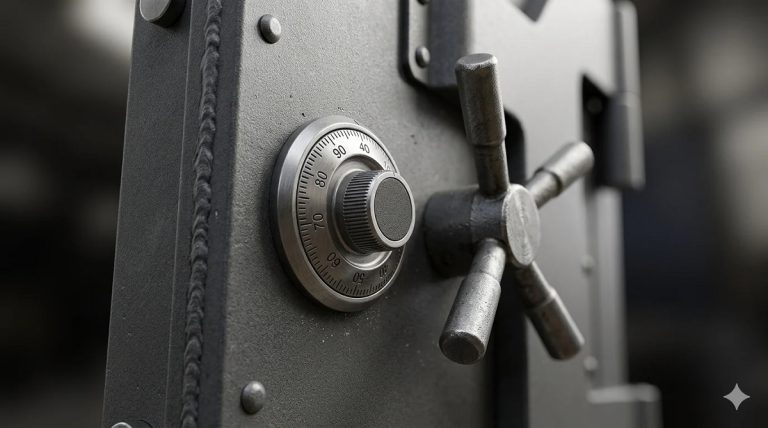
A mechanical dial combination lock is one of the most traditional systems used in Winchester safes. It operates without batteries or electronics, relying instead on a rotating dial and a preset sequence of numbers. Users must carefully align the dial to specific positions in the correct order to unlock the safe. This system is known for its durability and resistance to electronic failure, making it a dependable choice for long-term use.
Many owners prefer this lock type because it does not depend on power sources, reducing the risk of lockouts due to dead batteries or circuit issues. However, it requires patience and precision during operation. Even small dialing mistakes can prevent access, which is why users often practice their combination regularly. Proper care, including keeping the dial clean and avoiding forceful turning, helps maintain smooth functionality over time.
Mechanical locks are also valued for their strong resistance to tampering. Since there are no digital components, hacking risks are extremely low. Still, if the combination is forgotten, recovery can be more complex and may require professional assistance. Regular familiarity with the dialing process ensures smoother access and reduces the chances of operational errors.
Electronic Keypad Lock System
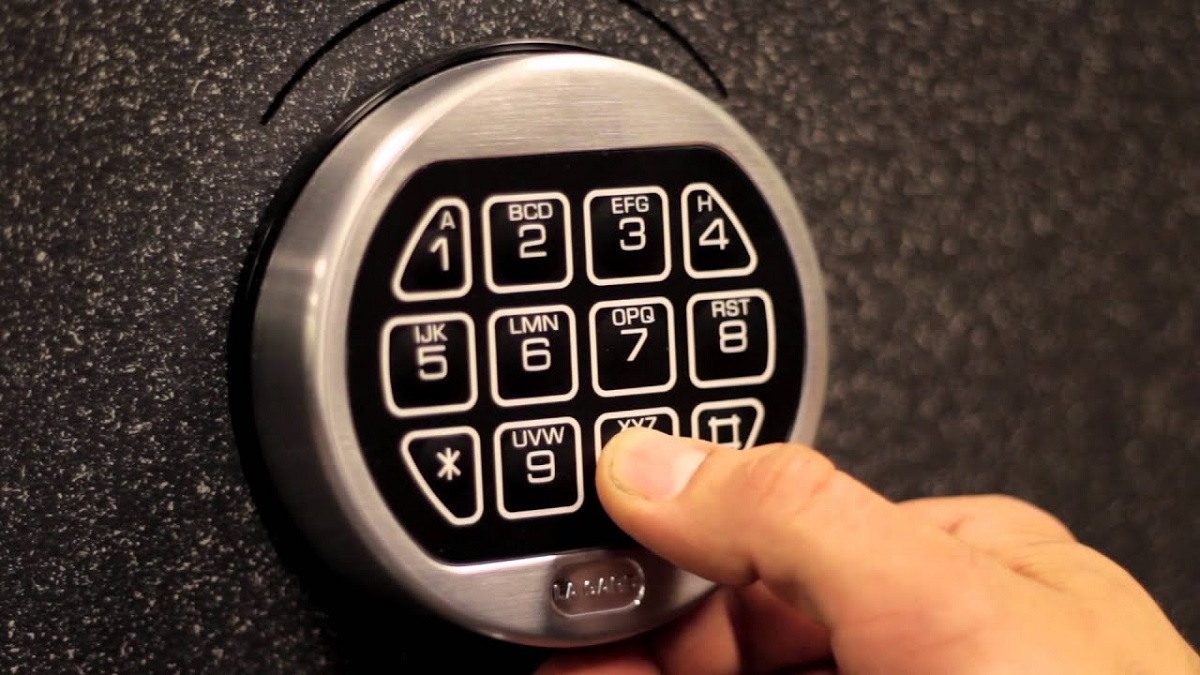
Electronic keypad locks are a modern solution used in many Winchester safe models. They allow users to enter a numeric code directly on a digital keypad, offering faster access compared to traditional dials. These systems are designed with user-friendly interfaces and often include features like backlit keys, timeout protection, and multiple user codes for added flexibility.
One of the main advantages of this lock type is convenience. Users can unlock the safe within seconds by entering the correct code, making it especially useful in situations where quick access is needed. However, since the system relies on batteries, regular power checks are essential. A low battery can sometimes cause delays or prevent the keypad from responding correctly.
Electronic locks also provide added customization, allowing users to change combinations more frequently for improved security. Some advanced models include lockout features after multiple incorrect attempts, which enhances protection against unauthorized access. Despite their convenience, these systems require proper maintenance and occasional battery replacement to ensure consistent performance.
Biometric Fingerprint Lock System
Biometric fingerprint lock systems are among the most advanced options available in Winchester safes. They use fingerprint recognition technology to grant access, making them highly secure and convenient. Instead of remembering codes or combinations, users simply register their fingerprints in the system, allowing for quick and personalized entry.
This lock type is especially useful for users who want fast access without the risk of forgetting passwords. It can store multiple fingerprints, making it suitable for shared access among trusted individuals. However, the sensor must remain clean and free from dust or moisture to ensure accurate readings. Poor maintenance can lead to recognition errors or delays.
Another important aspect is battery dependency, as biometric systems also rely on electronic power. Regular monitoring of battery levels ensures uninterrupted performance. While highly secure, these systems may occasionally require recalibration if fingerprint recognition becomes inconsistent. Proper setup and routine care help maintain reliability and long-term usability.
Basic Steps to Open a Winchester Gun Safe
Opening a Winchester gun safe involves following a clear and correct procedure based on the type of lock installed. These safes are designed to provide strong protection, so proper handling is important to ensure smooth access without damaging the locking mechanism. Knowing the basic steps helps users avoid common mistakes and maintain the safe’s long-term performance.
Understanding your specific model and lock type is the first step before attempting to unlock the safe. Whether it uses an electronic keypad, mechanical dial, or biometric system, each requires a different approach. With the right method, you can access your belongings efficiently while keeping the security system fully functional and reliable.
Electronic Keypad Entry Steps
Electronic keypad Winchester safes are designed for quick and convenient access using a programmed access code. The first step is to ensure the keypad has sufficient battery power, as low battery levels can prevent proper function. Once confirmed, the user should wake the keypad by pressing any button and wait for the system to respond with a light or beep indicating readiness.
After activation, carefully enter your preset security code using steady and deliberate presses. Avoid rushing or pressing multiple keys at once, as this may trigger a lockout mode in some models. Once the correct code is entered, the safe will typically release the locking mechanism, allowing you to turn the handle and open the door smoothly.
It is important to listen for confirmation signals such as a click or green light, which indicate successful entry. If the code is entered incorrectly, wait for the system to reset before trying again. Regularly updating and testing your code helps ensure consistent access and reduces the risk of being locked out unexpectedly.
Mechanical Dial Combination Steps
Mechanical dial Winchester safes rely on a precise rotation sequence to align internal locking components. Begin by turning the dial slowly to clear any previous settings and ensure a clean start. The user must then follow the factory-set combination sequence, rotating the dial in the correct direction and stopping accurately at each number.
Each number in the combination must be aligned exactly at the indicator mark. Even slight deviations can prevent the locking bolts from disengaging properly. After completing the full sequence, the dial should feel free, indicating that the internal mechanism has released and the handle can be turned to open the safe door.
Patience is essential when using a mechanical dial system, as rushing can lead to errors and repeated attempts. It is recommended to practice the combination periodically to maintain familiarity. Keeping the dial clean and free from dust also ensures smoother operation and reduces long-term wear on internal components.
Troubleshooting Access and Backup Methods
When standard entry methods do not work, troubleshooting becomes necessary to regain access safely. For electronic safes, the first step is to check battery strength and replace them if needed. Weak batteries are a common reason for keypad failure or delayed response. Ensuring proper power often resolves most access issues quickly.
If the correct code is not working, users should verify that they are entering it slowly and accurately. Some Winchester safes include lockout timers that activate after multiple incorrect attempts, requiring a waiting period before trying again. Allowing the system to reset helps restore normal function without damaging the electronics.
For mechanical or hybrid models, double-checking the combination sequence is important. Misalignment or skipping steps can prevent the safe from opening. If all standard methods fail, contacting professional support is the safest option. Attempting forced entry can damage the locking system and reduce the safe’s security effectiveness over time.
Using Backup Keys and Emergency Access Options
Winchester gun safes are often equipped with backup keys and emergency access features to help users regain entry when the primary locking method fails. These options are designed as secondary solutions for situations like forgotten codes, dead batteries, or system malfunctions. Knowing how these alternatives work ensures safe access without damaging the locking mechanism or compromising the security of stored valuables.
Backup Key Entry Method
Backup keys are a common emergency feature included in many Winchester gun safe models, especially those with electronic keypad systems. These keys are designed to override the digital lock when the keypad is not functioning due to battery failure or technical errors. The keyhole is usually hidden behind a small cover panel to enhance security and prevent unauthorized access.
To use the backup key, first locate and remove the protective cover on the lock face. Insert the key fully into the keyway and turn it gently in the direction indicated by the manufacturer. This action disengages the electronic locking mechanism and allows the handle to rotate freely. Once the lock is released, the safe door can be opened without entering a digital code.
It is important to handle the backup key with care and avoid forcing it into the lock. Excess pressure can damage the internal pins or break the key inside the cylinder. Keeping the backup key in a secure but accessible location is essential for emergencies, as losing it can complicate recovery efforts and require professional locksmith assistance.
Regular testing of the backup key system helps ensure it remains functional when needed. Over time, dust or lack of use can affect smooth operation, so occasional maintenance is recommended. Users should also avoid storing the backup key inside the safe, as this defeats its emergency purpose.
Emergency Access and Manufacturer Override Options
Emergency access systems in Winchester gun safes may include manufacturer override codes or electronic reset procedures. These options are typically reserved for situations where both the keypad and backup key fail or are unavailable. The override system is designed to restore access while maintaining the integrity of the safe’s security features.
In many electronic models, the manufacturer provides a master code or reset sequence that can be used after verifying ownership. This process often involves contacting customer support and providing identification or proof of purchase. Once verified, instructions are given to temporarily bypass or reset the existing combination without damaging the locking system.
Some advanced safes may also include external power contacts that allow a temporary battery connection. This feature enables users to power the keypad externally when internal batteries are completely drained. By connecting a compatible power source, the keypad can be activated long enough to enter the correct code and unlock the safe safely.
While these emergency methods are highly useful, they must be handled carefully and only when necessary. Improper use or repeated attempts without guidance can trigger lockout features or security delays. Following manufacturer instructions ensures that the emergency access process remains safe, controlled, and effective without compromising the safe’s protective design.
Troubleshooting Winchester Safe Lock Problems
Winchester gun safes are built for strong security, but like any mechanical or electronic system, they can sometimes experience lock problems. These issues may include keypad failure, stuck dials, low battery warnings, or unresponsive locking mechanisms. Understanding basic troubleshooting steps helps users resolve common problems quickly while avoiding unnecessary damage to the safe.
Proper troubleshooting also ensures that the safe continues to function smoothly over time. Most lock issues are related to simple causes such as power loss, user error, or lack of maintenance. Identifying the root cause early can save time and prevent more serious access complications.
Electronic Lock Malfunctions and Battery Issues
One of the most common problems with Winchester safes involves electronic lock malfunctions caused by low or dead batteries. When the battery power drops, the keypad may become unresponsive, display weak lights, or fail to accept the correct code. In many cases, simply replacing the batteries resolves the issue immediately and restores normal operation.
To troubleshoot, first check the battery compartment and ensure the batteries are installed correctly with proper polarity. Even slightly loose connections can interrupt power flow. Replacing old batteries with high-quality fresh ones is recommended to ensure consistent performance. After replacement, test the keypad by entering the access code slowly and carefully.
If the keypad still does not respond, it may be due to internal wiring issues or moisture exposure. In such cases, allowing the system to dry or reset can sometimes help. However, persistent failures often require professional inspection to avoid damaging sensitive electronic components inside the lock system.
Mechanical Dial Problems and Misalignment
Mechanical dial issues in Winchester safes usually occur due to incorrect alignment or rushed operation. If the dial is not turned precisely according to the combination sequence, the internal locking bolts may not disengage properly. This can make the safe feel stuck even when the correct combination is known.
To troubleshoot, start by slowly resetting the dial several times to clear any partial movements. Then carefully re-enter the combination, ensuring each number is aligned exactly with the indicator mark. It is important to maintain steady, controlled movements without skipping or over-rotating the dial, as precision is key to proper unlocking.
Dust buildup or lack of lubrication can also cause stiffness in the dial mechanism. Cleaning the exterior dial area and ensuring smooth rotation can improve performance. If the dial continues to resist movement or the combination fails repeatedly, internal misalignment may be present, requiring expert servicing to restore proper function.
Lockout Mode and Safety Reset Features
Many Winchester electronic safes include a lockout mode designed to protect against repeated incorrect attempts. When multiple wrong codes are entered, the system temporarily disables access to prevent unauthorized entry. During this period, the keypad may stop responding or display a warning indicator, which can confuse users unfamiliar with the feature.
To troubleshoot lockout mode, the first step is to wait for the system’s automatic reset period to expire. This duration varies depending on the model but usually lasts several minutes. Once the timer resets, the keypad becomes active again, allowing the correct code to be entered carefully without rushing.
In some models, removing and reinstalling the batteries can also help reset the system. However, this should only be done according to manufacturer guidance to avoid further issues. If lockout mode continues frequently, it may indicate repeated input errors or keypad sensitivity problems that require recalibration or professional evaluation.
Maintenance Tips for Smooth Safe Operation
Regular maintenance plays an important role in keeping a Winchester gun safe operating smoothly and reliably over time. Proper care helps prevent common issues such as lock malfunctions, keypad failure, and mechanical stiffness. By following simple upkeep practices, users can extend the lifespan of the safe and ensure consistent performance whenever access is needed.
Good maintenance also improves security by reducing the risk of unexpected breakdowns. Whether the safe uses a mechanical dial, electronic keypad, or biometric system, routine attention keeps all components in proper working condition and reduces long-term repair costs.
Cleaning and External Care Practices
Keeping the exterior of a Winchester gun safe clean is one of the simplest yet most effective maintenance steps. Dust, dirt, and moisture buildup can gradually affect both the appearance and function of the locking system. Regularly wiping the surface with a soft, dry cloth helps maintain its condition and prevents debris from entering sensitive areas like the keypad or dial.
It is important to avoid using harsh chemicals or abrasive cleaning tools, as these can damage the finish and weaken protective coatings. Instead, mild cleaners designed for metal surfaces can be used sparingly when necessary. Special attention should be given to the keypad or dial area, as these components are used frequently and are more prone to dirt accumulation.
Moisture control is also essential, especially in humid environments. Using dehumidifiers or silica gel packs inside the safe can help protect internal components and stored valuables from rust or corrosion. A clean and dry environment ensures that the locking system remains responsive and reliable over time.
Lock System Inspection and Battery Maintenance
Regular inspection of the lock system is essential for ensuring consistent safe operation. For electronic keypad safes, checking battery levels is a key part of maintenance. Weak batteries can cause delayed responses, keypad glitches, or complete lock failure. Replacing batteries every few months, even before they fully drain, helps maintain uninterrupted performance.
Mechanical dial systems should also be inspected periodically for smooth rotation. If the dial feels stiff or inconsistent, it may require gentle cleaning or minor lubrication as recommended by the manufacturer. Avoid forcing the dial, as this can damage internal components and affect combination accuracy over time.
For biometric systems, keeping the fingerprint sensor clean is crucial. Dust, oil, or moisture on the sensor can reduce recognition accuracy. Wiping it gently with a microfiber cloth ensures better performance. Routine checks across all lock types help identify early signs of wear, preventing larger issues and ensuring the safe remains dependable in daily use.
Frequently Asked Questions
How Do You Open A Winchester Gun Safe If The Code Is Correct But It Won’t Open?
When you enter the correct code but the Winchester gun safe still does not open, the issue is often mechanical or power-related rather than a wrong combination. You should first check if the handle is being turned in the correct direction and fully engaged after entering the code. Many users stop too early or apply uneven pressure. If the safe has an electronic lock, weak batteries can also prevent the locking bolts from retracting even when the code is accepted.
Next, inspect whether the lock is in a delay or lockout mode due to multiple incorrect attempts. In that case, you may need to wait several minutes before trying again. If the problem continues, gently test the handle without forcing it and consider replacing the batteries before attempting further entry.
What Should You Do If Your Winchester Gun Safe Battery Dies?
If the battery in your Winchester gun safe dies, the electronic keypad will not respond, even if your code is correct. In most models, you can use the external battery contact points or override key system to restore temporary power. You should locate the emergency power terminal, usually found near the keypad, and connect a fresh 9V battery to activate the lock system.
Once power is restored, enter your code as usual to open the safe. After opening, immediately replace the internal batteries to prevent future lockouts. Keeping spare batteries nearby is a good habit to avoid unexpected access issues.
How Do You Use The Backup Key On A Winchester Gun Safe?
To use the backup key on a Winchester gun safe, you first need to locate the key override slot, which is often hidden near the keypad or under a small cover. Insert the backup key fully and turn it gently in the correct direction as specified by your model. This action disengages the electronic or mechanical lock system and allows access to the handle.
After unlocking with the key, turn the handle to open the door. You should avoid forcing the key, as it can bend or damage the lock cylinder. Always store the backup key in a secure but accessible location separate from the safe.
Why Is Your Winchester Gun Safe Beeping But Not Opening?
If your Winchester gun safe is beeping but not opening, it usually indicates an incorrect code entry, low battery, or lockout mode activation. The beeping sound is designed to alert you that the system has detected an issue and is preventing access for security reasons. You should stop entering codes repeatedly and carefully check your input.
In many cases, replacing the batteries resolves the issue quickly. If the beeping continues, wait for the lockout timer to reset before trying again. Persistent beeping may also indicate a keypad malfunction, in which case you may need to contact customer support for further assistance.
How Do You Reset A Winchester Gun Safe Lock?
To reset a Winchester gun safe lock, you typically need to use the reset button located inside the safe door panel. First, open the safe using your current code or backup key. Once inside, press the reset button until you hear a beep or see a light indicator. This signals that the system is ready for a new combination.
Next, enter your new code carefully and confirm it according to your model’s instructions. After setting the new combination, test it several times before closing the door. Always ensure the door is open during reset to avoid accidental lockout situations.
What Should You Do If The Handle Of Your Winchester Gun Safe Feels Stuck?
If the handle of your Winchester gun safe feels stuck, avoid forcing it, as this can damage the internal locking bolts. First, confirm that the correct code has been entered and the lock has actually disengaged. Sometimes the bolts remain under pressure if the door is tightly sealed, especially in humid conditions.
Try gently wiggling the handle while ensuring it is fully unlocked. If it still does not move, check for battery issues or a jammed bolt mechanism. Light pressure adjustments often help, but if resistance continues, you may need professional service to prevent internal damage.
How Can You Prevent Getting Locked Out Of A Winchester Gun Safe?
To prevent getting locked out of your Winchester gun safe, you should regularly check and replace the batteries before they are fully drained. Keeping a scheduled maintenance routine ensures the electronic lock remains responsive. You should also avoid entering incorrect codes repeatedly, as this can trigger temporary lockout mode.
It is also important to store your backup key in a separate secure location and periodically test it. Familiarizing yourself with the correct unlocking process reduces mistakes during urgent situations. Taking these preventive steps helps maintain reliable access and long-term safe performance.
Final Thoughts
Understanding the correct approach to accessing a Winchester safe is essential for maintaining both security and functionality. Each lock type, whether mechanical, electronic, or biometric, follows a specific process that must be handled carefully to avoid damage. Knowing these differences helps users respond correctly when access is needed in routine or emergency situations.
When dealing with situations where entry becomes difficult, following proper steps is always safer than attempting force. Issues like low batteries, incorrect combinations, or lockout modes are common and usually have simple solutions when handled patiently. This is why learning the right methods for how to open a winchester gun safe is important for every owner.
Proper maintenance and familiarity with backup options also reduce the chances of being locked out unexpectedly. Regular care, correct usage, and awareness of emergency access features ensure smooth operation over time. Staying informed not only protects your belongings but also keeps the safe working reliably for years.