How to Install a Gun Safe Dehumidifier: Step-by-Step Guide for Moisture Protection
Proper moisture control is an important part of maintaining any gun safe. Excess humidity inside a sealed environment can lead to rust, corrosion, and long-term damage to firearms and metal accessories. That is why many gun owners rely on dehumidifiers to keep internal conditions stable and dry.
Different types of dehumidifiers are used in gun safes, including rechargeable silica gel units, electric rod dehumidifiers, and mini plug-in systems. Each type works differently, but the goal remains the same, which is reducing moisture buildup and protecting stored firearms from environmental damage.
Understanding how to install a gun safe dehumidifier is essential for getting the best performance out of the device. Proper placement and installation ensure even moisture control throughout the safe, preventing hidden damp spots that can cause corrosion over time.
With the right setup, a dehumidifier helps extend the life of your firearms and keeps your gun safe environment consistently dry, secure, and well-maintained for long-term storage.
Gun Safe Humidity Problems
Humidity inside a gun safe is one of the most common threats to firearm storage safety. Even a well-built safe can trap moisture, especially in humid climates or areas with frequent temperature changes. Over time, this trapped moisture can lead to rust, corrosion, and damage to both firearms and accessories stored inside.
How Moisture Builds Up Inside A Gun Safe
Moisture builds up inside a gun safe when warm air enters and cools down, causing condensation on metal surfaces. This is especially common when the safe is opened in humid environments, allowing outside air to mix with the cooler interior air. Once the safe is closed again, that moisture becomes trapped inside.
Another common cause is the natural humidity in the surrounding environment. Basements, garages, and non-climate-controlled rooms often have higher moisture levels, which slowly seep into the safe over time. Even temperature fluctuations between day and night can create repeated condensation cycles. Without proper humidity control, this ongoing process can silently damage firearms and reduce their lifespan.
Effects Of High Humidity On Firearms
High humidity inside a gun safe can cause serious damage if not controlled. The most common issue is rust formation on metal surfaces, especially on barrels, slides, and internal components. Even small amounts of moisture can start corrosion that spreads over time and affects firearm performance.
Wooden stocks and grips are also affected, as they can swell, crack, or warp when exposed to fluctuating moisture levels. Ammunition is not immune either, as humidity can degrade powder quality and reduce reliability. Over time, these effects can lead to reduced accuracy, mechanical issues, and costly repairs. Consistent humidity control is essential to maintaining long-term firearm condition.
Why Gun Safes Trap Moisture Easily
Gun safes are designed to be airtight for security, but this same feature also makes them prone to trapping moisture. Once humid air enters, it has very limited ways to escape, causing condensation to build up over time. This is especially problematic in sealed steel environments where temperature changes quickly affect internal conditions.
Another reason is that firearms themselves can carry moisture inside the safe after being handled or cleaned. Residual oils, cleaning solvents, and even fingerprints can contribute to internal humidity levels. Without ventilation or a dehumidifying system, this trapped moisture accumulates slowly and increases the risk of corrosion. Proper moisture control tools are necessary to balance security with environmental protection.
Types of Gun Safe Dehumidifiers
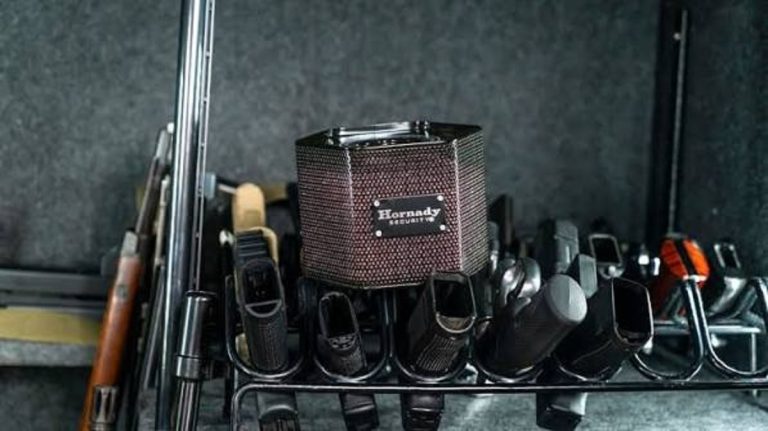
Gun safe dehumidifiers come in different designs, each created to reduce moisture buildup and protect firearms from rust and corrosion. The right type depends on your safe size, environment, and maintenance preference. Some models require electricity, while others use passive moisture absorption methods. Understanding each type helps you choose the most effective option for long-term firearm protection.
Desiccant And Silica Gel Dehumidifiers
Desiccant and silica gel dehumidifiers are one of the simplest and most widely used moisture control solutions for gun safes. These units absorb humidity from the air using moisture-absorbing materials like silica crystals. As they collect moisture, the beads often change color, indicating when recharging or replacement is needed.
These dehumidifiers are completely non-electric, making them easy to place anywhere inside the safe. They are ideal for small to medium-sized safes or as a secondary moisture control method. Once saturated, they can be recharged by heating them in an oven or replacing them entirely depending on the design. While simple, they are effective for reducing mild to moderate humidity levels in controlled environments.
Electric Rod Dehumidifiers
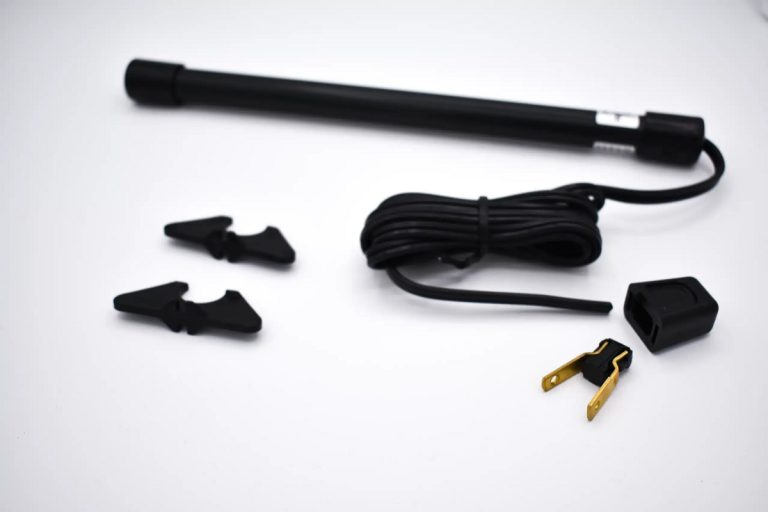
Electric rod dehumidifiers, also known as GoldenRod-style heaters, work by gently raising the internal temperature of the gun safe. This slight heat increase prevents condensation from forming on metal surfaces by keeping the air inside the safe slightly warmer than the surrounding environment. This continuous process helps maintain a dry internal atmosphere.
These dehumidifiers are typically mounted inside the safe and plugged into a power source. They are highly effective for long-term use and are commonly recommended for larger safes or humid climates. Because they work continuously, they require minimal maintenance once installed. However, proper cable routing and safe electrical setup are important to ensure both safety and efficiency during operation.
Rechargeable Plug-In Dehumidifiers
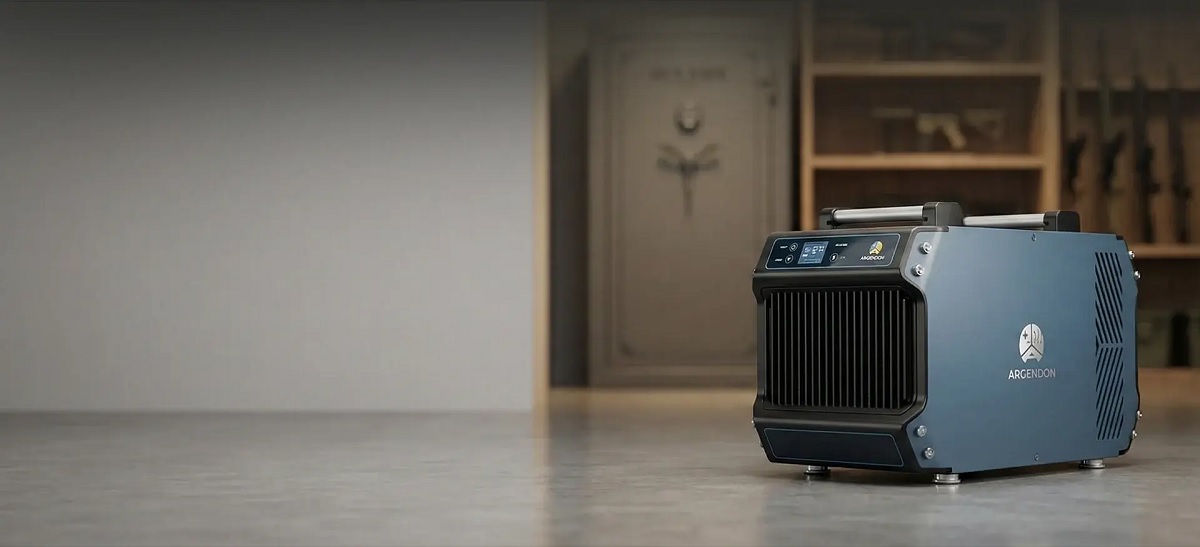
Rechargeable plug-in dehumidifiers combine convenience with active moisture removal. These devices usually contain absorbent materials that collect moisture and can be recharged by plugging them into a power outlet. During the recharging process, the unit releases trapped moisture and resets for reuse.
They are popular among gun owners who want a reusable and low-maintenance solution. Many models include indicator lights that show when the unit needs recharging. These dehumidifiers are compact and easy to position inside the safe without taking up much space. While not as continuous as electric rod systems, they provide strong moisture control when maintained properly and recharged on a regular schedule.
Passive Moisture Absorber Containers
Passive moisture absorber containers are simple devices filled with moisture-absorbing materials like calcium chloride or silica crystals. They work by naturally pulling humidity from the surrounding air without requiring electricity or recharging cycles in most cases. These containers are often placed on shelves or corners inside the safe.
They are an affordable option for basic humidity control and are easy to replace when full. Some models include spill-proof designs to prevent moisture leakage inside the safe. While not as powerful as electric systems, they are useful for smaller safes or as supplemental protection alongside other dehumidifiers. Regular monitoring ensures they remain effective and do not become saturated over time.
Tools and Preparation Before Installation
Proper preparation before installing a gun safe dehumidifier ensures the device works efficiently and safely from the start. Different dehumidifier types may require slightly different setup steps, but having the right tools and understanding the process helps avoid mistakes. Good preparation also improves moisture control performance and extends the life of both your safe and stored firearms.
Identify Your Dehumidifier Type And Safe Layout
Before installation, it is important to identify the exact type of dehumidifier you are using, whether it is a silica gel unit, electric rod, or rechargeable system. Each type has different placement and setup requirements. Understanding this helps you determine the best installation approach and prevents incorrect positioning inside the safe.
You should also evaluate the internal layout of your gun safe. Look at shelf spacing, firearm placement, and available power access if using an electric model. This step helps you decide where the dehumidifier will work most effectively without interfering with stored firearms or accessories. Proper planning ensures even moisture distribution and avoids blocking airflow inside the safe.
Gather Necessary Tools And Accessories
Depending on the type of dehumidifier, you may need basic tools and accessories for installation. Electric rod dehumidifiers often require mounting brackets, screws, or adhesive strips to secure the unit inside the safe. A screwdriver or drill may also be needed for proper installation. Cable clips or ties help manage power cords safely and neatly.
For silica gel or passive dehumidifiers, no complex tools are usually required, but having a clean cloth for surface preparation is helpful. Ensuring the interior of the safe is clean and dry before placement improves absorption efficiency. Rechargeable units may require access to a power outlet for periodic recharging, so planning cable routing is also important. Proper preparation tools make the installation process smoother and more reliable.
Ensure Proper Safety And Working Conditions
Creating safe working conditions is an important part of preparation before installation. Always ensure the gun safe is unloaded or securely closed while working inside it. If using electric dehumidifiers, make sure the power source is safely accessible and away from moisture or potential damage points.
It is also important to work in a well-lit environment so you can clearly see mounting points and internal surfaces. Avoid rushing the process, as careful installation helps prevent damage to both the safe interior and the dehumidifier unit. Checking manufacturer instructions before starting ensures you follow the correct steps and avoid installation errors that could reduce performance or safety over time.
Step-by-Step Installation Process
Installing a gun safe dehumidifier correctly is essential for maintaining a dry internal environment and protecting firearms from rust and corrosion. Each type of dehumidifier follows a slightly different installation method, but the overall process requires careful placement, secure mounting, and proper testing. Taking a structured approach ensures long-term efficiency and reliable moisture control inside your safe.
Position The Dehumidifier In The Optimal Location
The first step in installation is selecting the best location inside your gun safe. Proper positioning is crucial because airflow and moisture distribution vary within different areas of the safe. The goal is to place the dehumidifier where it can effectively circulate dry air or absorb moisture evenly across all stored items.
For electric rod dehumidifiers, placement near the bottom of the safe is common because warm air naturally rises, helping circulate dry conditions throughout the interior. Silica gel or passive dehumidifiers should be placed on shelves or corners where airflow is unrestricted. Avoid blocking vents, locking mechanisms, or firearm contact points. Proper placement ensures consistent humidity control and reduces the risk of moisture buildup in hidden areas of the safe.
Secure The Device Properly Inside The Safe
Once the ideal location is selected, the next step is securing the dehumidifier in place. Electric rod models typically come with mounting brackets, screws, or adhesive strips that allow you to fix the unit to the safe wall or base. It is important to ensure the device is tightly secured so it does not shift during safe door movement or handling.
For rechargeable or silica gel units, secure placement may simply involve positioning the container in a stable, flat area. However, it should still be placed in a way that prevents tipping or accidental contact with firearms. Proper securing not only protects the dehumidifier itself but also ensures it operates efficiently without obstruction or movement over time.
Connect Power Source Or Activate The Unit
For electric dehumidifiers, the next step involves connecting the power source. Carefully route the power cord through the designated safe opening or cable port to avoid pinching or damage. Ensure the cord is not stretched tightly, as this can cause wear over time. Plug the unit into a reliable power outlet and confirm that it begins operating correctly.
Rechargeable dehumidifiers may require an initial charging cycle before first use. Follow the manufacturer’s instructions to fully activate the unit before placing it inside the safe. Silica gel units do not require activation but should be checked to ensure they are dry and ready for moisture absorption. Proper activation ensures the dehumidifier begins working at full efficiency from the start.
Test Moisture Control And Internal Conditions
After installation, it is important to test the internal conditions of the gun safe to ensure the dehumidifier is functioning properly. Close the safe door and allow the unit to operate for several hours or overnight. This gives the device time to stabilize humidity levels inside the enclosed space.
You can use a small hygrometer to monitor humidity levels and confirm that moisture is being reduced effectively. Ideal safe humidity levels should remain low enough to prevent condensation on metal surfaces. If moisture levels remain high, adjust placement or check power connection and device functionality. Regular testing helps ensure long-term performance and consistent firearm protection.
Maintain Regular Inspection And Adjustments
Even after successful installation, ongoing inspection is necessary to maintain optimal performance. Check the dehumidifier regularly to ensure it is functioning correctly and that no obstructions are blocking airflow. For silica gel units, monitor color indicators or moisture levels and recharge or replace them as needed.
Electric models should be inspected for dust buildup, loose connections, or cable wear. Rechargeable units should follow a consistent charging schedule to maintain effectiveness. Adjust placement if you notice uneven moisture control inside the safe. Regular maintenance ensures the dehumidifier continues working efficiently and provides long-term protection for firearms and accessories stored inside the safe.
Best Placement for Maximum Efficiency
Proper placement of a gun safe dehumidifier plays a major role in how effectively it controls moisture inside your safe. Even a high-quality unit can perform poorly if it is positioned incorrectly. Understanding airflow patterns, heat distribution, and storage layout helps you maximize efficiency and protect your firearms from rust and corrosion over time.
Positioning Based On Airflow And Heat Movement
Airflow and heat movement inside a gun safe directly influence how well a dehumidifier performs. Warm air naturally rises, while cooler air settles at the bottom, which is why placement strategy matters. Electric rod dehumidifiers are often installed near the bottom of the safe so they can gently warm the air and allow it to circulate upward, reducing condensation across all levels.
For passive or silica gel units, airflow is more about exposure. These should be placed where air can freely move around them without obstruction from firearms or shelving. Avoid tight corners with no circulation, as stagnant air can trap moisture. Strategic positioning ensures even distribution of dry air or absorption, preventing hidden damp spots that may lead to corrosion over time.
Strategic Placement Around Firearms And Accessories
Where you store firearms and accessories inside the safe also affects dehumidifier placement. Ideally, the unit should be positioned so that moisture control reaches all metal surfaces evenly, including rifles stored vertically and handguns placed on shelves or racks. Uneven coverage can leave certain areas vulnerable to rust.
Avoid placing dehumidifiers directly against firearms, optics, or ammunition. Direct contact can create localized dryness while leaving other areas untreated. Instead, position the device in a central or slightly lower area of the safe where air can circulate around stored items. This balanced placement ensures consistent protection for all contents, regardless of how they are arranged inside the safe.
Avoiding Obstructions And Restricted Areas
Obstructions inside a gun safe can significantly reduce dehumidifier efficiency. Items such as gun cases, foam inserts, or tightly packed accessories can block airflow and limit moisture absorption. Ensuring open space around the dehumidifier allows it to function properly and maintain consistent humidity levels.
It is also important to avoid placing the unit near locking mechanisms, hinges, or door edges where movement may interfere with operation. Electrical models should have clear access to power cords without bending or pressure points. Keeping the surrounding area free from clutter ensures the device can operate without restriction and maintain stable conditions throughout the entire safe interior.
People Also Asked
How Do You Install A Gun Safe Dehumidifier?
Installing a gun safe dehumidifier depends on the type you are using, such as electric rod, silica gel, or rechargeable units. You typically start by choosing a proper location inside the safe where airflow is not blocked. Electric models are mounted using brackets or adhesive strips, while silica gel units are simply placed on shelves. You then connect power if required and close the safe to allow the system to regulate humidity. Proper placement ensures even moisture control and protects firearms from rust and corrosion over time.
Where Should You Place A Gun Safe Dehumidifier?
You should place a gun safe dehumidifier in an area where air can circulate freely around it. For electric rod models, the bottom or side wall is usually ideal because it allows warm air to rise naturally. Silica gel or passive units should be placed on shelves or corners without blocking airflow. You should avoid direct contact with firearms or ammunition. Proper placement ensures balanced humidity control throughout the entire safe, preventing moisture buildup in hidden or tightly packed areas.
Do You Need Tools To Install A Gun Safe Dehumidifier?
The tools you need depend on the type of dehumidifier. Electric rod models may require a screwdriver, mounting brackets, or adhesive strips for secure installation. You may also need cable clips to manage power cords safely. Silica gel dehumidifiers usually do not require tools at all and can be placed directly inside the safe. Rechargeable units may need access to a power outlet for charging. Preparing the right tools ensures a smooth installation process and prevents damage to your safe interior.
How Long Does It Take For A Gun Safe Dehumidifier To Work?
A gun safe dehumidifier usually begins working immediately after installation, but noticeable humidity reduction may take several hours to a full day. Electric rod models maintain continuous temperature control, while silica gel units gradually absorb moisture over time. The speed of performance depends on safe size, humidity level, and airflow inside the safe. You should allow the system to stabilize for at least 24 hours before checking results. Consistent use ensures long-term moisture protection and stable internal conditions.
Can You Install A Dehumidifier In A Small Gun Safe?
Yes, you can install a dehumidifier in a small gun safe, but you must choose the right type and size. Silica gel units or compact rechargeable dehumidifiers work best for limited space. Electric rod models may also fit, but installation must ensure there is enough clearance for airflow and wiring. Avoid overcrowding the safe, as blocked air circulation reduces efficiency. Proper installation in small safes still provides strong moisture control and helps protect firearms from rust and humidity damage.
How Do You Know If Your Gun Safe Dehumidifier Is Working?
You can tell your gun safe dehumidifier is working by monitoring humidity levels and checking for signs of moisture inside the safe. A hygrometer is often used to measure internal humidity, which should remain low and stable. You should also inspect metal surfaces for rust or condensation. Electric models usually feel slightly warm, while silica gel units change color when saturated. Regular checks help ensure the system is functioning properly and maintaining a dry storage environment.
How Often Should You Maintain A Gun Safe Dehumidifier?
Maintenance frequency depends on the type of dehumidifier you use. Electric rod models require minimal maintenance but should be checked periodically for dust buildup and power connection issues. Silica gel units need to be recharged or replaced once they become saturated with moisture. Rechargeable models should follow a regular charging schedule based on usage and humidity levels. Consistent maintenance ensures the dehumidifier continues working efficiently and provides long-term protection for your firearms and safe interior.
Final Thoughts
Proper moisture control plays a major role in keeping your firearms and accessories in excellent condition over time. A well-installed dehumidifier helps prevent rust, corrosion, and internal damage that can develop inside a sealed gun safe. Choosing the right type and placing it correctly ensures consistent protection in all weather conditions.
Understanding how to install a gun safe dehumidifier allows you to maximize its effectiveness and maintain a stable internal environment. Whether you are using an electric rod, desiccant pack, or plug-in unit, correct placement and regular maintenance are essential for reliable performance. Small installation mistakes can reduce efficiency and leave hidden moisture risks.
In the long run, taking the time to install and maintain your dehumidifier properly helps extend the life of your firearms and storage system. With the right setup and routine checks, you can keep your gun safe dry, clean, and fully protected year-round.