What Ammo Does the FBI Use? Official Calibers, Duty Rounds, and Firearm Choices
Law enforcement agencies carefully choose their ammunition based on reliability, accuracy, and performance in real-world situations. The Federal Bureau of Investigation is known for using extensive testing before selecting duty ammo for its agents. That attention to detail has made many firearm enthusiasts curious about what ammo does the FBI use.
People often search this topic because FBI ammunition choices influence law enforcement trends across the United States. Many police departments look at FBI testing standards when choosing their own duty rounds, especially for defensive and tactical purposes.
The agency focuses heavily on penetration, expansion, and consistent performance under different conditions. Ammunition used by federal agents must function reliably in service pistols while maintaining strong stopping capability during critical situations.
Understanding what ammo does the FBI use also gives shooters insight into modern defensive ammunition technology. From hollow point design to caliber selection, FBI-approved rounds are often considered among the most trusted options for professional law enforcement use.
What Ammo Does the FBI Use Today
The FBI currently uses modern 9mm duty ammunition designed for reliability, penetration, and consistent performance in defensive situations. Advances in bullet technology have made 9mm hollow point rounds highly effective for law enforcement use. The agency carefully tests its ammunition to ensure agents have dependable rounds that perform well under different real-world conditions and tactical environments.
Modern FBI Duty Ammo and Performance
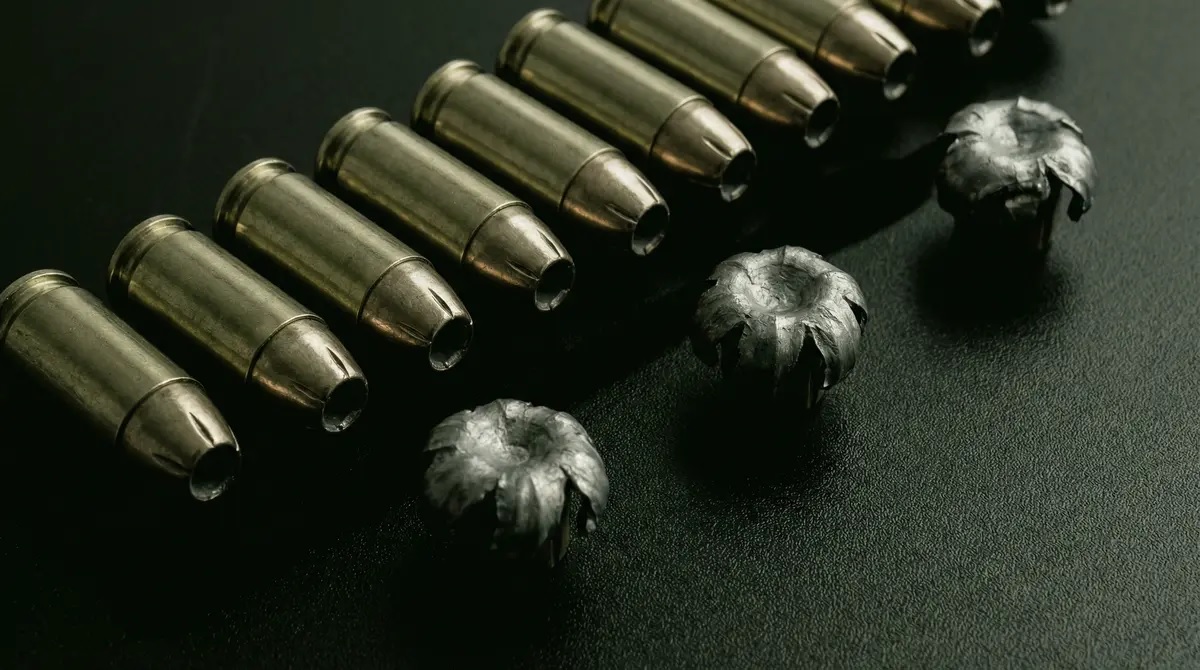
The FBI mainly carries premium 9mm jacketed hollow point ammunition in its standard service pistols. These rounds are designed to expand after impact while maintaining enough penetration to meet strict law enforcement testing standards. The agency focuses heavily on ammunition that performs consistently through barriers like heavy clothing, glass, and wall materials.
Modern 9mm rounds provide several advantages for agents in the field. Reduced recoil helps improve accuracy and allows faster follow-up shots during stressful situations. Higher magazine capacity also gives agents additional rounds without increasing handgun size or weight. These benefits played a major role in the FBI’s decision to continue using advanced 9mm ammunition instead of larger calibers.
The FBI also conducts extensive ballistic testing before approving duty rounds. Ammunition must function reliably in service pistols without feeding issues or performance failures. This testing process has influenced many local police departments that follow similar standards when selecting defensive ammunition for officers and tactical teams.
FBI Ammunition Choices
The FBI selects its ammunition based on strict testing standards focused on reliability, accuracy, and defensive performance. Every duty round used by the agency must function consistently under demanding conditions. These ammunition choices influence many law enforcement agencies across the country because FBI testing protocols are widely respected in the firearms and tactical training community.
Why the FBI Chooses Premium Duty Ammo
The FBI uses premium defensive ammunition because agents need reliable performance during high-pressure situations. Duty rounds must penetrate effectively while also expanding properly after impact. This balance helps improve stopping capability while reducing the risk of excessive over-penetration in crowded environments.
Modern FBI ammunition is typically loaded with jacketed hollow point bullets designed specifically for law enforcement use. These rounds undergo extensive ballistic testing involving barriers such as heavy clothing, wallboard, auto glass, and sheet metal. Ammunition that fails to meet penetration or expansion standards is usually rejected during the evaluation process.
The agency also values consistency across different service pistols and environmental conditions. Reliable feeding, stable pressure levels, and dependable accuracy are essential factors during ammunition selection. Because of these requirements, the FBI often works with well-known manufacturers that specialize in premium law enforcement ammunition.
Many local and state police departments study FBI ammunition choices before selecting their own duty rounds. The bureau’s testing standards have helped shape the modern defensive ammunition market and influenced how manufacturers design high-performance law enforcement cartridges today.
Types of Ammo the FBI Uses
The FBI uses several types of ammunition depending on the firearm platform, operational role, and mission requirements. Every round selected by the agency must meet strict standards for reliability, penetration, and accuracy. From duty handgun ammo to rifle cartridges used by tactical units, the FBI focuses on ammunition that performs consistently in real-world law enforcement situations.
9mm Hollow Point Duty Ammunition
The most commonly discussed FBI ammunition is modern 9mm jacketed hollow point ammo used in standard service pistols. The bureau returned to the 9mm platform after extensive ballistic testing showed that modern bullet technology provided excellent defensive performance. These rounds are designed to expand reliably after impact while maintaining enough penetration to meet FBI testing standards.
Hollow point bullets are preferred because they reduce the risk of excessive penetration compared to traditional full metal jacket rounds. Controlled expansion helps improve stopping effectiveness while also making the ammunition safer for crowded environments. The FBI carefully evaluates how these bullets perform through barriers such as heavy clothing, drywall, and auto glass.
Reduced recoil is another reason the agency favors modern 9mm duty ammo. Lower recoil allows agents to maintain better control during rapid-fire situations and helps improve follow-up shot accuracy. This advantage becomes especially important during high-stress encounters where fast and accurate shooting is critical.
Many local police departments follow the FBI’s lead and adopt similar 9mm hollow point ammunition for duty use. Because the bureau’s ballistic testing standards are widely respected, ammunition approved for FBI use often gains popularity throughout the law enforcement community.
Training Ammunition Used by the FBI
In addition to defensive duty rounds, the FBI also uses specialized training ammunition for firearms practice and qualification exercises. Training ammo is usually less expensive than premium defensive ammunition because agents fire thousands of rounds during regular practice sessions. The agency focuses on ammunition that delivers reliable performance while helping agents build consistent shooting skills.
Most training ammunition uses full metal jacket bullets instead of hollow points. These rounds are commonly chosen because they feed reliably in semi-automatic pistols and produce less barrel fouling during high-volume range sessions. Full metal jacket rounds also cost less to manufacture, which helps reduce overall training expenses.
The FBI places heavy importance on realistic firearms training, so practice ammo is often selected to mimic the recoil and shooting characteristics of duty ammunition. Similar recoil patterns help agents maintain muscle memory and improve performance when transitioning between training and real-world duty situations.
Range safety and reliability are major concerns during training operations. Ammunition must cycle properly in service pistols without causing excessive malfunctions or inconsistent pressure levels. The bureau also conducts regular firearm maintenance because high-volume shooting can increase wear on both pistols and rifle platforms.
Training exercises often include close-range drills, tactical movement courses, and scenario-based simulations. Reliable training ammunition allows agents to focus on decision-making, accuracy, and weapon handling under pressure without worrying about inconsistent firearm performance.
Rifle Ammunition for FBI Tactical Units
The FBI also uses rifle ammunition for tactical teams, special response units, and high-risk operations. Many of these units rely on rifles chambered in 5.56 NATO because the cartridge offers a balance of accuracy, manageable recoil, and dependable performance in tactical environments.
5.56 ammunition used by federal law enforcement is carefully selected for penetration and reliability. Tactical rifle rounds may vary depending on mission requirements, but they are typically designed to maintain accuracy while performing consistently through barriers. Some loads focus on controlled expansion, while others prioritize penetration and long-range stability.
Rifle platforms provide greater accuracy and range compared to standard service pistols, which makes them valuable during specialized operations. FBI tactical teams train extensively with their rifles to ensure reliable shot placement in complex situations. Ammunition performance becomes especially important when operating in urban environments or around vehicles and structural barriers.
The bureau also evaluates rifle ammunition for reliability during rapid-fire scenarios. Heat buildup, magazine feeding, and environmental conditions can all affect firearm performance during tactical deployments. Consistent ammunition quality helps reduce malfunctions and supports operational readiness during critical incidents.
Certain FBI units may use different rifle platforms depending on assignment type or mission profile. However, 5.56 NATO remains one of the most recognized rifle calibers associated with modern federal law enforcement operations because of its versatility and proven effectiveness.
Specialty Ammunition for Specific Operations
Beyond standard duty and training rounds, the FBI may also use specialty ammunition designed for unique operational needs. Certain missions require ammunition with specific penetration characteristics, reduced over-penetration risks, or specialized tactical applications. These rounds are chosen carefully based on the environment and nature of the operation.
Some specialty ammunition is engineered for improved barrier penetration, especially during situations involving vehicles or reinforced structures. Other loads may focus on minimizing ricochet risks during close-quarters engagements inside buildings. Tactical teams often evaluate these rounds extensively before using them in operational settings.
Less-lethal ammunition may also be used during crowd control or crisis response situations where deadly force is not appropriate. These rounds are designed to help agents manage dangerous scenarios while reducing the likelihood of fatal injuries. Proper training is essential because even less-lethal ammunition can still cause serious harm under certain conditions.
Shotgun ammunition is another category sometimes associated with FBI tactical operations. Depending on the mission, agents may use buckshot, slugs, or breaching rounds designed for forced entry situations. Each type serves a different tactical purpose and requires specialized firearm training for safe and effective use.
The FBI continues updating its ammunition choices as firearm technology and ballistic research evolve. Manufacturers regularly develop new bullet designs that improve expansion, penetration, and reliability. Ongoing testing helps ensure federal agents have access to ammunition capable of meeting modern law enforcement performance standards.
FBI Duty Handguns and Compatible Ammo
The FBI selects duty handguns and ammunition based on reliability, accuracy, and field performance. Every firearm issued to agents must function consistently under stressful conditions while remaining compatible with high-quality defensive ammunition. The agency spends years testing handgun platforms and duty rounds to ensure agents carry equipment capable of meeting modern law enforcement standards.
FBI Service Pistols and 9mm Ammunition
The FBI currently uses 9mm service pistols for standard duty carry because the caliber offers strong defensive performance with manageable recoil. Modern 9mm handguns provide a balance of accuracy, magazine capacity, and durability, which makes them practical for daily law enforcement operations. These pistols are designed to function reliably during extensive training and real-world field use.
Compatible duty ammunition usually includes premium jacketed hollow point rounds engineered for controlled expansion and consistent penetration. The FBI tests these rounds through barriers such as heavy clothing, wallboard, and auto glass to ensure dependable performance in different environments. Reliable feeding and stable pressure levels are also critical factors during ammunition selection.
The lower recoil of 9mm ammunition helps agents maintain faster follow-up shots and better accuracy during stressful encounters. Reduced recoil also supports longer training sessions with less fatigue, allowing agents to build consistent firearm handling skills. These advantages played a major role in the FBI’s long-term transition back to the 9mm platform.
Many law enforcement agencies across the country follow similar handgun and ammunition choices because FBI testing standards are considered highly influential within the firearms industry and tactical training community.
Why Ammo Compatibility Matters for FBI Handguns
Ammunition compatibility is essential because even high-quality duty pistols depend on reliable cartridges for proper performance. The FBI carefully evaluates how ammunition cycles through service handguns before approving any duty load for agents. Feeding issues, inconsistent pressure, or poor expansion can reduce effectiveness during critical incidents.
Duty ammunition must operate consistently in different firearm conditions, including rapid-fire training, adverse weather, and extended storage periods. FBI-approved handguns are tested extensively with defensive rounds to confirm reliable chambering, extraction, and ejection under demanding circumstances. This process helps reduce the risk of malfunctions during field operations.
The FBI also focuses on balancing penetration and expansion. Compatible hollow point rounds are designed to expand after impact while still penetrating deeply enough to meet federal testing requirements. Proper ammunition performance helps improve safety and operational effectiveness during defensive situations.
Training ammunition compatibility matters as well. Agents often practice with full metal jacket rounds that closely match the recoil and handling characteristics of duty ammo. Similar shooting performance between training and defensive ammunition helps maintain accuracy, muscle memory, and firearm control during stressful encounters.
FBI Ammo Testing Standards Explained
The FBI uses one of the most respected ammunition testing systems in modern law enforcement. These testing standards help determine whether a cartridge performs reliably in real-world defensive situations. Ammunition selected by the agency must demonstrate proper penetration, expansion, and consistent function under difficult conditions before it can be approved for duty use by federal agents.
How the FBI Tests Duty Ammunition
The FBI evaluates ammunition through multiple ballistic tests designed to simulate realistic shooting conditions. During testing, bullets are fired through barriers such as heavy clothing, wallboard, plywood, sheet metal, and automobile glass. These scenarios help determine whether the ammunition can maintain reliable performance after encountering common obstacles.
One of the agency’s main goals is achieving balanced penetration and expansion. Ammunition must penetrate deeply enough to remain effective while also expanding properly after impact. Bullets that expand too early may fail to reach the necessary depth, while excessive penetration can create additional safety concerns in crowded environments.
The FBI also measures bullet weight retention and consistency after impact. High-quality duty rounds are expected to maintain structural integrity instead of fragmenting unpredictably. Reliable expansion patterns help improve defensive performance and make the ammunition more dependable during tactical situations.
Firearm reliability is another critical part of testing. Duty ammunition must feed, fire, and eject consistently in FBI-issued pistols without causing malfunctions. Even small reliability problems can become serious during high-pressure encounters, which is why the bureau performs extensive evaluations before approving any service round.
Why FBI Standards Influence Law Enforcement Ammo
Many police departments follow FBI ammo testing standards because the process is considered one of the most detailed systems in the firearms industry. Agencies across the country often use FBI ballistic protocols when selecting their own duty ammunition for officers and tactical units.
Manufacturers design many modern hollow point rounds specifically to meet FBI testing requirements. Ammunition companies focus on improving expansion, penetration, and barrier performance because passing these evaluations increases credibility among law enforcement buyers. Rounds that perform well in FBI-style tests often become popular choices for defensive carry and police use.
The testing process has also influenced civilian defensive ammunition markets. Firearm owners frequently choose ammunition that meets federal law enforcement standards because they trust the extensive research behind the selection process. FBI-approved performance characteristics are often viewed as a benchmark for reliable defensive ammo.
Regular testing remains important because ammunition technology continues evolving. Bullet designs, materials, and manufacturing methods improve over time, and the FBI reviews new developments to maintain dependable performance standards for agents operating in modern law enforcement environments.
Tips for Choosing FBI-Style Defensive Ammo
Choosing defensive ammunition requires more than picking the most popular brand on the shelf. FBI-style defensive ammo is designed around reliability, penetration, and consistent expansion under realistic conditions. Understanding the features that make duty ammunition effective can help you select rounds that perform safely and dependably in your personal defense firearm.
Look for Proven Hollow Point Performance
One of the most important things to consider when choosing FBI-style defensive ammo is bullet design. Modern jacketed hollow point rounds are commonly preferred because they are built to expand after impact while maintaining controlled penetration. This balance helps improve defensive effectiveness and reduces the chance of excessive over-penetration.
Many premium defensive rounds are tested through barriers like heavy clothing, wallboard, and auto glass to evaluate their reliability under difficult conditions. Ammunition that performs consistently in these tests is often considered more dependable for defensive carry and law enforcement use.
You should also pay attention to the reputation of the manufacturer. Well-known companies spend years improving bullet technology and quality control standards. Trusted defensive ammo brands are more likely to provide consistent expansion, stable pressure levels, and reliable feeding in semi-automatic pistols.
Before carrying any defensive round, it is important to test it in your firearm. Even high-quality ammunition may perform differently depending on the handgun model, magazine type, or barrel length. Reliable cycling and accuracy should always be confirmed during range testing.
Match Defensive Ammo to Your Handgun
Defensive ammunition should always match your firearm’s caliber and operating characteristics. FBI-style duty rounds are typically designed for common service calibers like 9mm, .40 S&W, or .45 ACP, but not every handgun performs the same way with every load. Testing compatibility helps reduce the risk of feeding issues or malfunctions.
Recoil management is another important factor during ammo selection. Some defensive loads produce stronger recoil than others, which may affect your control and follow-up shot accuracy. Many shooters prefer modern 9mm defensive ammo because it balances strong performance with manageable recoil during stressful situations.
You should also consider barrel length when selecting ammunition. Certain hollow point rounds are optimized for compact carry pistols, while others perform better from full-size handguns. Bullet velocity and expansion characteristics can change depending on the firearm setup you use regularly.
Regular practice matters just as much as ammunition quality. Training with ammunition that produces similar recoil and handling characteristics to your defensive load can help improve accuracy and confidence. Consistent practice helps ensure you can handle your firearm safely and effectively under pressure.
Frequently Asked Questions
What Ammo Does The FBI Use Today?
You will find that the FBI primarily uses 9mm ammunition for its standard service pistols. Modern FBI-issued duty rounds are designed for strong penetration, reliable expansion, and consistent performance during defensive situations. The agency carefully tests ammunition to ensure it performs well through barriers like glass, heavy clothing, and wallboard.
Many FBI agents carry high-performance hollow point rounds because they provide controlled expansion and improved stopping effectiveness. Over time, advances in bullet technology made 9mm ammunition more effective while also reducing recoil compared to larger calibers. This balance helps agents shoot more accurately and carry more rounds in their firearms during daily operations.
Why Did The FBI Switch Back To 9mm Ammo?
You may remember that the FBI once used larger calibers like 10mm and .40 S&W before returning to 9mm ammunition. The main reason for the switch was the improvement in modern bullet technology. Newer 9mm hollow point rounds offered excellent penetration and expansion while producing less recoil than larger handgun calibers.
Reduced recoil allows agents to fire faster and more accurately under stress. The FBI also found that agents generally qualified better with 9mm pistols because they are easier to control during rapid shooting. In addition, 9mm ammunition costs less and allows higher magazine capacity, making it practical for training, duty carry, and overall law enforcement effectiveness.
Does The FBI Use Hollow Point Ammunition?
You will see that the FBI commonly uses hollow point ammunition for duty purposes because it is designed for controlled expansion after impact. Hollow point bullets help reduce over-penetration while improving stopping performance during defensive encounters. This makes them suitable for law enforcement situations where accuracy and safety are critical.
The FBI conducts extensive ballistic testing before approving duty ammunition for agents. These tests include shooting through barriers like auto glass, plywood, and heavy clothing to evaluate bullet consistency. Modern hollow point rounds provide reliable penetration while maintaining expansion in different conditions. Many civilian self-defense ammunition choices today are influenced by the same testing standards used by the FBI.
What Guns Does The FBI Use With Their Ammo?
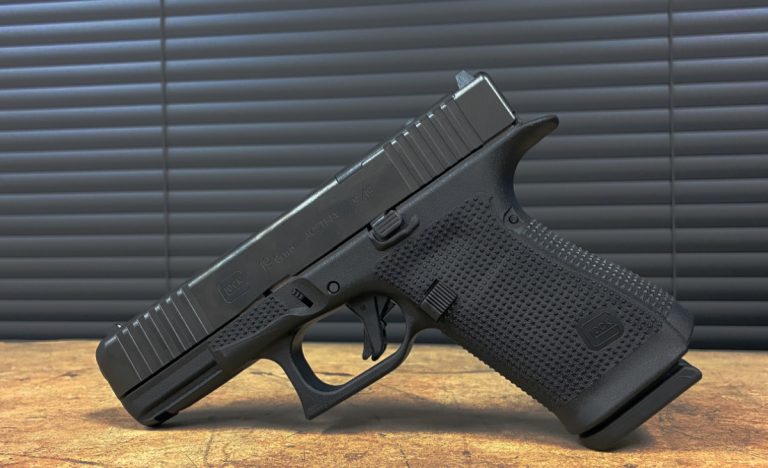
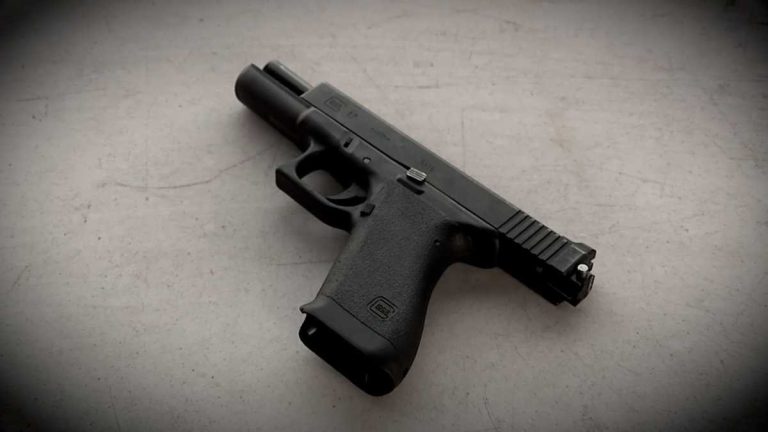
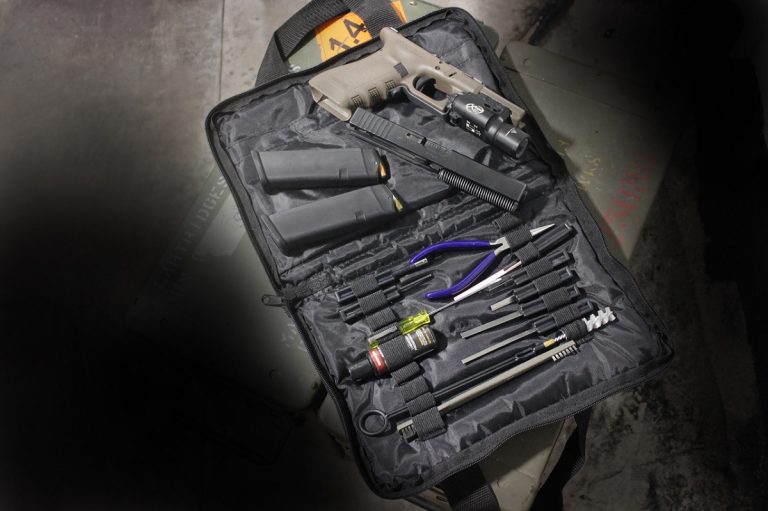
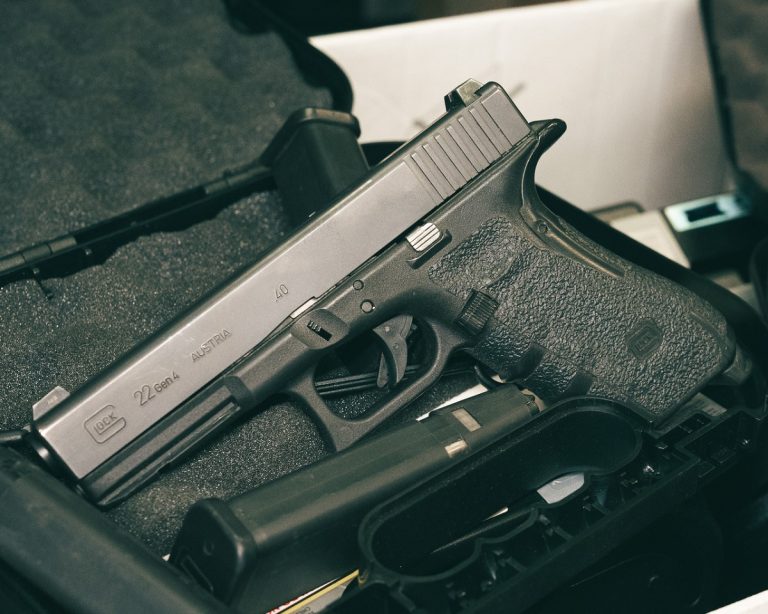
You will often find FBI agents carrying Glock pistols chambered in 9mm ammunition. Popular models include the Glock 19M and Glock 17M, which were selected for reliability, durability, and consistent performance. These pistols are paired with carefully tested duty ammunition designed to function properly during high-pressure situations.
Specialized FBI units may also use compact backup pistols, rifles, and shotguns depending on mission requirements. Tactical teams often rely on additional firearms for specific operations where longer range or greater firepower is needed. Every firearm and ammunition combination undergoes detailed testing to ensure reliability under demanding conditions like extreme weather, heavy use, and stressful tactical environments.
Can Civilians Buy The Same Ammo The FBI Uses?
You can often purchase ammunition similar to the rounds used by the FBI because many law enforcement duty loads are commercially available. Manufacturers such as Federal, Speer, Winchester, and Hornady produce defensive ammunition that follows similar performance standards used in FBI testing protocols.
While civilians may not always access exact contract-issued law enforcement ammunition, many equivalent hollow point loads are sold through firearm retailers and online stores. These rounds are commonly chosen for home defense and concealed carry because they provide dependable expansion and penetration. Before purchasing, you should always confirm local laws regarding hollow point ammunition and ensure the ammo functions reliably in your firearm.
Why Does The FBI Test Ammunition So Carefully?
You may wonder why the FBI spends so much time testing duty ammunition before approving it for field use. Ammunition reliability can directly affect officer safety during critical situations. The FBI uses detailed ballistic testing procedures to measure penetration, expansion, accuracy, and barrier performance under controlled conditions.
Testing includes firing rounds through materials like steel, drywall, automotive glass, and heavy clothing to simulate real-world scenarios. The agency wants ammunition that performs consistently in different environments without excessive recoil or feeding issues. These strict testing standards have influenced ammunition development across the firearm industry and helped improve the quality of modern law enforcement and civilian defensive rounds.
Is FBI Ammo Good For Self-Defense?
You will notice that many people consider FBI-style ammunition an excellent option for self-defense because it is designed for dependable real-world performance. The same qualities valued by law enforcement, such as controlled expansion, reliable penetration, and consistent accuracy, are also important for civilian defensive use.
Many self-defense shooters choose ammunition inspired by FBI testing standards because it performs well in ballistic gel and barrier tests. However, you should always test defensive ammunition in your own firearm before relying on it for protection. Reliable cycling, manageable recoil, and accuracy all matter when selecting personal defense ammo. Choosing trusted manufacturers and quality hollow point loads can help improve confidence and overall shooting performance.
Final Thoughts
Modern FBI ammunition choices reflect years of ballistic testing, field research, and law enforcement experience. The agency focuses heavily on reliability, penetration, and consistent expansion to ensure agents carry dependable defensive rounds during critical situations. These strict standards have influenced both police departments and civilian firearm owners across the country.
Understanding what ammo does the FBI use gives you a better idea of why modern 9mm hollow point ammunition has become so popular in professional law enforcement. Reduced recoil, improved accuracy, and strong real-world performance continue to make advanced 9mm duty rounds a trusted option for defensive use.
Many shooters research what ammo does the FBI use because the bureau’s testing protocols are considered some of the most respected in the firearms industry. From handgun compatibility to barrier testing, FBI ammunition standards continue shaping the future of defensive ammo technology and law enforcement training.