Where Can I Not Carry a Concealed Weapon in PA Complete Guide
Pennsylvania has specific laws governing concealed carry that every gun owner is expected to follow carefully. These rules define where firearms are allowed and where restrictions apply in public and private spaces across the state.
Understanding public safety regulations becomes important for responsible gun ownership, especially when discussing where can i not carry a concealed weapon in pa, since different locations such as schools, government buildings, and certain private properties have strict prohibitions.
Violating these restrictions can lead to serious legal consequences, including fines, license suspension, or criminal charges depending on the situation. Knowing the boundaries helps gun owners avoid unintentional violations while ensuring compliance with Pennsylvania firearm laws at all times in daily life.
This guide breaks down essential locations and rules so readers can better understand public and restricted areas across Pennsylvania. It offers a clear overview of legal boundaries, helping clarify where can i not carry a concealed weapon in pa within everyday scenarios.
Pennsylvania Concealed Carry Laws
Pennsylvania concealed carry laws establish the legal framework that allows eligible individuals to carry a firearm in public while setting clear boundaries on where and how it can be done. These regulations are designed to balance personal protection rights with public safety concerns. Understanding the licensing process, restricted areas, and enforcement rules is essential for anyone who wants to carry responsibly within the state.
License Requirements and Eligibility Rules
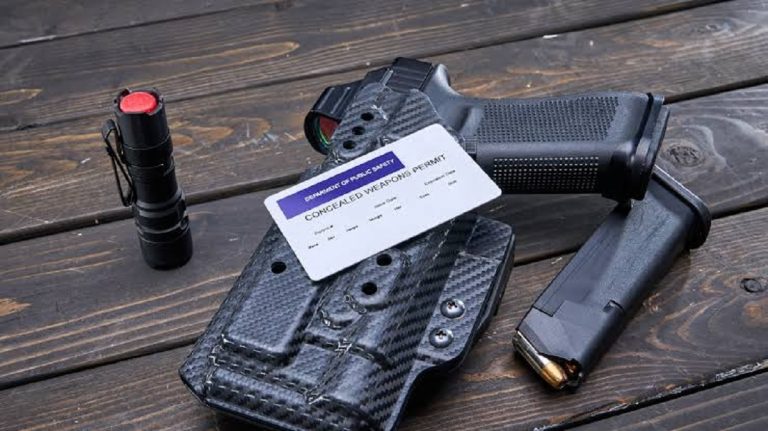
Pennsylvania requires most individuals to obtain a License to Carry Firearms (LTCF) before carrying a concealed weapon in public. Applicants must meet eligibility criteria such as being at least 21 years old, passing a background check, and having no disqualifying criminal history. The application process is handled through county sheriffs or the Philadelphia Police Department.
Once approved, the LTCF allows concealed carry throughout most of the state, but it does not override federal or state restrictions. Certain individuals, such as those with specific restraining orders or mental health prohibitions, are not eligible to obtain the license. Even with approval, the responsibility to understand where firearms are prohibited remains with the license holder.
The license also comes with renewal requirements, typically every five years. During renewal, authorities may reassess eligibility based on updated records. Carrying without a valid license can lead to serious legal consequences, including arrest and confiscation of the firearm. Understanding these requirements helps ensure compliance and supports lawful concealed carry practices in Pennsylvania.
Restricted Locations and Legal Boundaries
Pennsylvania law clearly defines several locations where carrying a concealed weapon is prohibited, even with a valid license. These include public and private schools, courthouses, certain government buildings, and federal properties such as post offices. These restrictions are strictly enforced and are intended to maintain heightened security in sensitive environments.
Private property owners also have the right to prohibit firearms on their premises. This means businesses, entertainment venues, and residential properties can restrict entry to armed individuals through posted signage or verbal notice. Ignoring these restrictions may result in trespassing charges in addition to firearm-related penalties.
Some transportation hubs and secured areas, such as airport terminals beyond security checkpoints, are also off-limits for concealed carry under federal law. Law enforcement agencies are authorized to enforce these restrictions, and violations are treated seriously. Even temporary entry into these locations with a concealed firearm can lead to legal consequences.
Understanding these boundaries is essential for lawful carry in everyday life. Gun owners must remain aware of changing environments and posted restrictions to avoid unintentional violations. Awareness of restricted zones helps ensure responsible behavior while maintaining compliance with Pennsylvania concealed carry regulations.
Government Buildings and Courthouses
Pennsylvania maintains strict rules regarding firearms in government buildings and courthouses to ensure public safety and secure operations. These locations are considered sensitive areas where heightened security measures are enforced. Understanding how concealed carry laws apply in these settings is essential for avoiding violations. The restrictions vary depending on building type, access level, and federal or state jurisdiction governing the property.
Government Buildings and Security Restrictions
Government buildings in Pennsylvania include a wide range of facilities such as state offices, city halls, licensing centers, and administrative departments. These locations often handle official records, public services, and government operations. Because of their sensitive nature, they are treated as restricted zones where firearm regulations are strictly enforced.
In most cases, concealed firearms are not permitted inside government buildings, even for individuals holding a valid License to Carry Firearms. Security checkpoints, metal detectors, and posted signage commonly reinforce these restrictions. Entry with a firearm is typically prohibited from the moment you pass controlled access points or security screening areas.
Violating firearm restrictions in government buildings can lead to serious legal consequences, including arrest, firearm confiscation, and potential criminal charges. Security personnel and law enforcement officers are authorized to enforce these rules immediately. Even accidental entry with a concealed weapon can escalate into legal complications depending on the circumstances and intent.
To stay compliant, individuals should always check posted notices before entering government facilities and secure their firearm in a lawful storage location beforehand. Awareness of building policies helps avoid confusion at entry points. When in doubt, contacting the facility in advance ensures clarity regarding concealed carry restrictions.
Courthouses and Judicial Facility Rules
Courthouses and judicial facilities in Pennsylvania are among the most restricted locations for firearm possession due to the sensitive nature of legal proceedings. These buildings handle criminal, civil, and administrative cases where security and order are essential. As a result, concealed carry regulations in these environments are significantly more stringent than in many other public spaces.
Firearms are generally prohibited inside courthouses, including hallways, courtrooms, and judicial offices, regardless of licensing status. This restriction applies to judges, staff, visitors, and attorneys unless specifically authorized under rare legal exceptions. Security protocols are designed to maintain a controlled environment where no weapons are present during proceedings.
Most courthouses use security screening systems at all entrances, including metal detectors and armed court officers who enforce entry rules. Individuals attempting to enter with a concealed firearm will be stopped at the entrance and may be required to secure the weapon outside the facility. These measures ensure that all participants in court proceedings remain safe and unarmed.
Legal penalties for bringing a firearm into a courthouse can include arrest, charges for unlawful possession, and possible revocation of carry privileges. Even unintentional violations are treated seriously due to the security risks involved. Law enforcement treats courthouse security breaches as high priority incidents.
To avoid violations, individuals should plan ahead before attending court-related appointments and ensure firearms are left in secure storage off-site. Understanding courthouse rules helps maintain compliance with Pennsylvania law. Checking local court security guidelines before arrival provides clarity and reduces the risk of accidental entry with a weapon.
Schools and Educational Institutions
Schools and educational institutions in Pennsylvania are considered highly sensitive environments where strict firearm regulations are enforced to protect students, staff, and visitors. Both state and federal laws impose significant restrictions on carrying concealed weapons within or near school property. These rules apply across public and private schools, as well as colleges and universities. Understanding these limitations is essential for anyone who may travel through or work near educational environments while carrying a firearm.
Public and Private School Firearm Prohibitions
Firearm possession is strictly prohibited on the grounds of public and private K-12 schools in Pennsylvania, even for individuals who hold a valid License to Carry Firearms. This restriction includes school buildings, classrooms, playgrounds, athletic fields, and any property used for educational activities. The intent is to maintain a completely weapon-free environment where students can learn without safety concerns or disruptions.
Under both state law and federal regulation, schools are designated as protected zones where concealed carry is not permitted. This aligns with broader national standards, including the principles established under the Gun-Free School Zones Act. These rules are enforced strictly, and violations are treated as serious criminal offenses regardless of intent or licensing status.
School security policies are often reinforced by local districts through additional administrative rules. Many schools implement controlled entry systems, visitor check-ins, and visible signage to clearly indicate firearm restrictions. Even individuals passing through school property unknowingly, such as during drop-off or event attendance, are expected to comply fully with these regulations.
Consequences for carrying a concealed weapon on school property can include arrest, criminal charges, and long-term restrictions on firearm ownership rights. Law enforcement agencies treat such violations as high-risk incidents due to the presence of minors and the need for immediate response. Awareness of these rules is critical for lawful behavior in and around school zones.
College and University Campus Policies
Colleges and universities in Pennsylvania operate under a mix of state law, institutional policy, and federal guidelines, which together shape firearm restrictions on campus. While policies may vary between institutions, most public and private campuses prohibit concealed carry in academic buildings, dormitories, dining halls, and administrative offices. These restrictions are designed to maintain a controlled and safe learning environment for students and faculty.
Unlike K-12 schools, some higher education institutions may allow limited firearm possession in certain outdoor areas, depending on local policy and state regulations. However, even in these cases, strict rules apply regarding storage, transportation, and disclosure of firearms. Campus security departments often provide designated storage options or specific procedures for individuals who may lawfully possess a firearm.
Campus security personnel and university police are responsible for enforcing firearm policies. They conduct routine patrols, respond to incidents, and ensure compliance with posted regulations. Entry into restricted buildings with a concealed weapon typically results in immediate intervention, and individuals may face disciplinary action in addition to legal consequences.
Violations of campus firearm policies can lead to suspension, expulsion, arrest, and permanent bans from university property. Educational institutions prioritize safety and are quick to respond to any perceived threats involving weapons. Because campuses are dynamic environments with large populations, enforcement tends to be consistent and highly visible.
Students, staff, and visitors are encouraged to review individual campus policies before bringing any item that could be classified as a weapon. Many universities publish detailed guidelines online or through campus safety offices. Understanding these rules helps ensure compliance while navigating Pennsylvania’s educational environments responsibly.
Federal Restricted Areas and Special Zones
Federal restricted areas and special zones in Pennsylvania are governed by strict national regulations that override most state concealed carry permissions. These areas include federal buildings, transportation hubs, secured facilities, and other high-security environments where firearms are prohibited to maintain public safety. Understanding these federal rules is essential because violations can lead to severe penalties, including federal charges that carry more serious consequences than state-level offenses.
Federal Facilities and Government-Controlled Spaces
Federal facilities in Pennsylvania include buildings operated by agencies such as the United States Postal Service, federal courthouses, and administrative offices managed by federal departments. In these locations, firearms are strictly prohibited regardless of whether an individual holds a valid state License to Carry Firearms. Entry with a concealed weapon into these buildings is considered a violation of federal law and is enforced consistently across all states.
The United States Postal Service facilities are among the most commonly visited federal properties, and firearms are not permitted inside postal buildings or in secured postal areas. This restriction extends to post offices, mail distribution centers, and certain postal-owned properties. Security signage is typically posted at entrances to clearly indicate firearm restrictions, and compliance is expected from all visitors.
Federal courthouses also maintain strict no-firearm policies similar to state courthouses but enforced under federal jurisdiction. These buildings handle sensitive legal matters involving federal law, requiring a completely secure environment. Security screening systems, including metal detectors and armed federal officers, are standard at entry points. Even licensed carriers must secure firearms before entering these facilities.
Violating firearm restrictions in federal facilities can result in immediate arrest, confiscation of the weapon, and prosecution under federal law. These penalties are often more severe than state-level consequences. Law enforcement agencies treat these violations as high-priority offenses due to the national security implications involved in protecting federal property and personnel.
Transportation Hubs and High-Security Zones
Transportation hubs such as airports and certain federal transit areas are classified as high-security zones where concealed carry is strictly regulated. These environments are controlled by federal agencies to ensure passenger safety and maintain secure travel operations. Firearms are prohibited beyond designated security checkpoints, and strict enforcement is carried out at all times.
The Transportation Security Administration plays a central role in enforcing firearm restrictions in airports and transportation facilities across the United States. The Transportation Security Administration implements screening procedures that detect firearms and other restricted items before passengers enter secure boarding areas. Even licensed firearm owners must declare and properly store firearms before traveling.
Airports in Pennsylvania follow federal guidelines that prohibit carrying concealed weapons into secure passenger zones, including boarding gates, terminals beyond security checkpoints, and aircraft cabins. Firearm possession within these areas is treated as a serious security violation. Travelers who arrive with a concealed weapon must follow strict procedures for lawful transport, typically involving checked baggage protocols approved by federal aviation regulations.
Other high-security zones may include military installations, nuclear facilities, and certain government research centers. These locations enforce access control systems that prevent unauthorized entry and ensure weapons are not brought inside. Security personnel are authorized to detain individuals who violate firearm restrictions in these areas.
Failure to comply with transportation and high-security zone regulations can result in arrest, federal prosecution, and permanent travel restrictions. Enforcement is strict because these areas are considered critical infrastructure. Understanding these rules ensures lawful behavior while traveling through or near federally regulated spaces in Pennsylvania.
How to Stay Compliant with Pennsylvania Concealed Carry Laws
Staying compliant with Pennsylvania concealed carry laws requires consistent awareness of state rules, federal restrictions, and private property rights. Responsible firearm ownership is not only about holding a valid license but also about understanding where carrying is prohibited and how to respond in restricted areas. Careful attention to legal boundaries helps prevent violations and ensures safe, lawful carry in everyday situations.
Understanding Laws, Permits, and Legal Responsibilities
Compliance with Pennsylvania concealed carry laws begins with understanding the requirements of a License to Carry Firearms (LTCF). This license allows individuals to carry concealed weapons in most public areas, but it does not override restricted zones or federal laws. Holders are expected to remain familiar with both state regulations and local enforcement practices.
The LTCF process includes background checks, eligibility verification, and periodic renewals. Maintaining an active and valid license is essential because carrying without it can result in criminal penalties. However, even with a valid license, responsibility extends beyond paperwork. Awareness of where carrying is prohibited is a continuous obligation for every firearm owner.
Legal responsibility also includes respecting posted restrictions on private property and business establishments. Property owners have the authority to prohibit firearms, and those rules must be followed once clearly communicated. Ignoring these conditions can result in trespassing charges or removal from the premises. Compliance is not only about law enforcement but also about respecting property rights.
Additionally, firearm carriers must stay updated on legal changes, as regulations can evolve over time. State legislatures and federal agencies may revise rules affecting transportation, school zones, or government buildings. Staying informed through official sources helps ensure ongoing compliance and reduces the risk of accidental violations in daily life.
Practicing Safe Carry Habits and Situational Awareness
Safe carry habits play a major role in maintaining compliance with Pennsylvania concealed carry laws. Situational awareness is essential when entering public spaces, as different locations may have different restrictions. Responsible carriers regularly assess their surroundings to determine whether firearms are permitted before entering buildings or restricted zones.
One key practice is checking for posted signage at entrances of businesses, government buildings, and private establishments. These signs often indicate whether firearms are prohibited, and ignoring them can lead to legal consequences. Taking a few seconds to observe entry points can prevent unintentional violations and ensure lawful behavior in commercial and public environments.
Proper firearm storage and transportation are also important aspects of compliance. When entering restricted areas such as courthouses, schools, or federal facilities, firearms must be secured in accordance with legal requirements. This may involve leaving the weapon in a locked vehicle or using designated storage options where available. Handling transitions between carry and non-carry zones responsibly is critical.
Situational awareness also includes planning ahead before visiting unfamiliar locations. Reviewing facility policies, understanding local laws, and knowing restricted zones can help avoid confusion. Responsible carriers often prepare in advance when attending events, traveling, or entering sensitive areas. This proactive approach reduces risk and supports lawful concealed carry practices across Pennsylvania.
People Also Asked
Where Can I Not Carry A Concealed Weapon In PA?
You cannot carry a concealed weapon in several restricted locations in Pennsylvania even if you have a valid License to Carry Firearms. These places typically include schools, courthouses, federal buildings, post offices, and secured airport areas. Private property owners can also restrict firearms, meaning you must follow posted rules or leave if weapons are not allowed.
Can You Carry A Concealed Weapon In Schools In PA?
You are not allowed to carry a concealed weapon on K-12 school property in Pennsylvania. This includes school buildings, buses, playgrounds, sports fields, and any areas used for school activities. Colleges and universities may also restrict firearms in buildings, dorms, and administrative areas based on their own policies, even if state law allows limited exceptions in certain outdoor spaces.
Are Courthouses And Government Buildings Restricted For Concealed Carry In PA?
Yes, you cannot carry a concealed weapon inside courthouses and most government buildings in Pennsylvania. These areas have strict security screening and controlled access points. Firearms are not allowed in courtrooms, clerk offices, and other secure government service areas. Violations are treated seriously and may result in arrest, firearm confiscation, and legal penalties.
Can You Carry A Concealed Weapon In Federal Buildings In PA?
No, federal buildings in Pennsylvania do not allow concealed carry, regardless of state licensing. This includes post offices, federal courthouses, and other government-controlled properties. Airport secure zones and military installations also fall under strict federal firearm restrictions. Entry with a concealed weapon in these areas can lead to federal charges and serious consequences.
Are Private Businesses Allowed To Ban Concealed Carry In PA?
Yes, private businesses in Pennsylvania can prohibit concealed carry on their property. This includes stores, restaurants, malls, and entertainment venues. If a business posts signage or informs you verbally that firearms are not allowed, you must comply. Ignoring these rules may lead to removal from the property or trespassing charges.
Can You Carry A Concealed Weapon In Hospitals Or Medical Facilities In PA?
Hospitals and medical facilities in Pennsylvania may restrict concealed carry based on their internal policies. While not all are legally required to ban firearms statewide, many choose to do so for safety reasons. You must follow posted signs and facility rules. Violating these policies can result in removal from the premises and possible legal action.
What Happens If You Carry A Concealed Weapon In A Restricted Area In PA?
If you carry a concealed weapon in a restricted area in Pennsylvania, you may face serious legal consequences depending on the location. These can include arrest, fines, confiscation of the firearm, and possible criminal charges. Federal or sensitive locations may result in even harsher penalties. Even accidental entry into restricted zones is treated as a serious violation by law enforcement.
Conclusion
Understanding firearm restrictions is essential for anyone who holds a License to Carry Firearms in Pennsylvania. Even though concealed carry is generally permitted with a valid permit in Pennsylvania, there are still several clearly defined places where carrying a weapon is strictly prohibited. Knowing these boundaries helps you avoid legal trouble and ensures responsible firearm ownership.
Failing to recognize restricted areas can lead to serious consequences, including fines, loss of your license, or even criminal charges. This is why being fully aware of rules tied to government buildings, schools, federal property, and other sensitive locations is so important. Staying informed helps you make safe and lawful decisions in everyday situations.
Before you carry, always review updated laws and posted signage to confirm restrictions. The question of where can i not carry a concealed weapon in pa is not just about compliance but also about personal responsibility. When you understand the rules clearly, you protect both yourself and others while staying within the law.