How Does a Safariland ALS Holster Work Complete Guide to Mechanism, Use, and Benefits
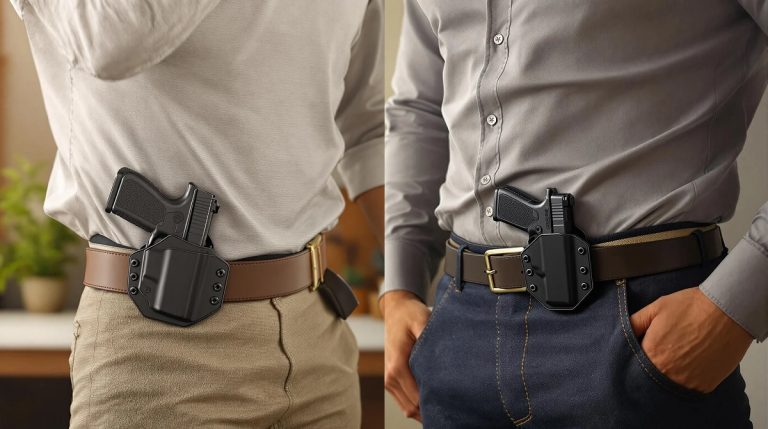
A firearm holster plays a major role in safe weapon handling, especially for duty users and everyday carriers who rely on quick access and secure retention. Modern holster designs focus on balancing speed, safety, and reliability in high-pressure situations.
Safariland introduced advanced retention systems that help prevent accidental weapon loss while still allowing a natural draw. The ALS mechanism is designed to automatically lock the firearm in place once holstered, reducing the need for manual securing steps during everyday use.
Understanding how this system functions helps users appreciate its blend of security and speed. At the core of its design, how does a safariland als holster work becomes an important question for law enforcement officers and firearm enthusiasts who want reliable retention without slowing down draw performance.
This holster system is widely trusted because it delivers consistent retention with a simple motion release, making it suitable for duty, concealed carry, and tactical use. Its design supports smooth handling while maintaining a high level of safety in demanding environments.
How the Safariland ALS Holster Works Step by Step
The Safariland ALS holster operates through a structured sequence of automatic locking and controlled release that ensures both safety and efficiency. Each stage of use, from inserting the firearm to drawing it under stress, follows a predictable mechanical process. Understanding these steps helps users develop proper handling habits and improve overall performance during daily carry or duty use.
Step 1 Holstering the Firearm and Automatic Lock Engagement
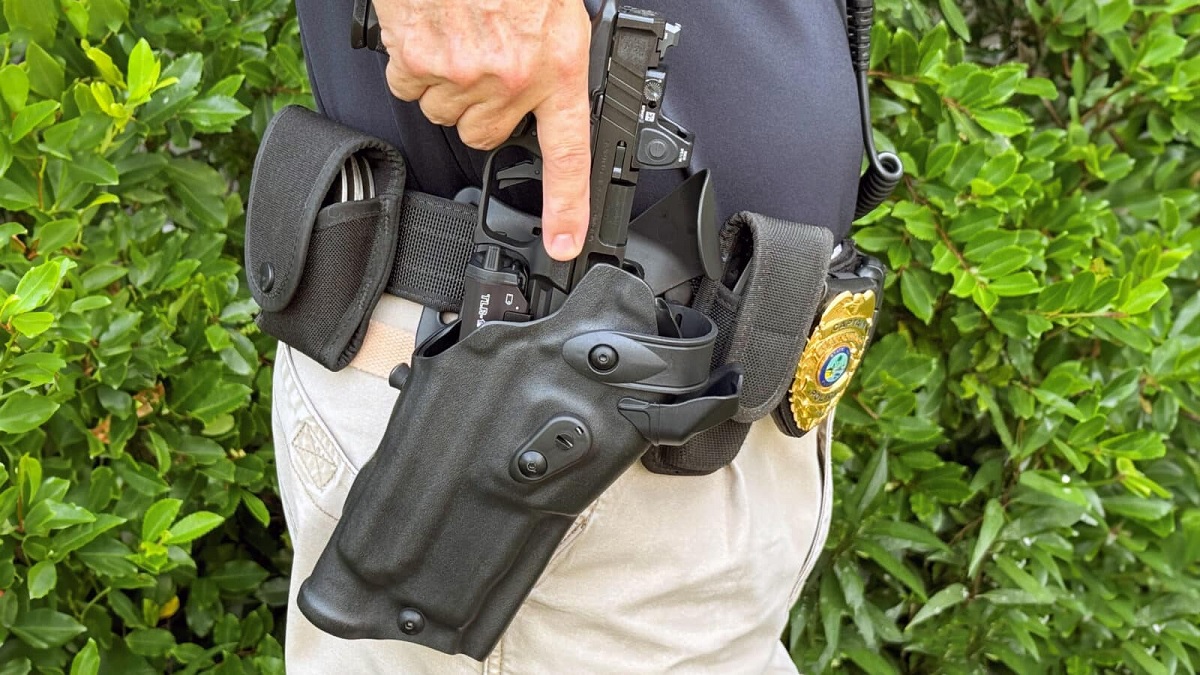
The first step in using an ALS holster begins with placing the firearm into the holster in a straight and controlled motion. As the handgun is fully inserted, the internal Automatic Locking System activates immediately. This mechanism engages inside the ejection port of the firearm, securing it without requiring any manual adjustment from the user.
Once the firearm is seated, the locking device holds it firmly in place. This creates a strong retention point that prevents the weapon from being pulled out accidentally during movement. The system is designed to engage every time the firearm is holstered, ensuring consistent performance regardless of the situation.
During this process, the user does not need to manipulate straps or external retention devices. The holster automatically transitions into a locked state, which reduces delays and simplifies re-holstering. This makes it especially useful in duty environments where speed and consistency matter.
The ALS system also provides tactile confirmation when the firearm is secure. Users can feel and sometimes hear the lock engage, giving reassurance that the weapon is properly seated. This feedback loop helps build confidence and reduces the chance of improper holstering during high-pressure conditions.
Step 2 Drawing the Firearm with Thumb Release and Smooth Extraction
The drawing process begins with a natural grip on the firearm while the thumb reaches for the ALS release lever positioned on the holster body. This lever is placed for intuitive access, allowing the user to maintain a firm shooting grip while preparing to disengage the lock. The motion becomes instinctive with repeated training.
When the thumb presses the release lever, the internal locking mechanism disengages from the firearm’s ejection port. This unlocks the weapon instantly, allowing it to be drawn upward in a single smooth motion. The design ensures that the release action is quick but still controlled to prevent accidental activation.
As the firearm is drawn, the holster provides minimal resistance once the lock is disengaged. This allows for a clean and efficient extraction path, supporting fast reaction times in defensive or tactical situations. The movement is designed to follow a straight upward trajectory for consistency.
After the firearm clears the holster, the ALS system automatically resets, preparing itself for the next holstering cycle. This continuous reset function ensures the holster is always ready for re-engagement without additional steps. The result is a reliable and repeatable draw process that supports both speed and safety under real-world conditions.
Inside the Automatic Locking System Mechanism
The Automatic Locking System inside Safariland holsters is engineered to provide secure firearm retention through an internal mechanical lock that activates without manual input. It is designed to combine simplicity with precision engineering, ensuring that the firearm stays firmly in place while still allowing a fast and controlled draw when needed. This system is widely used in professional duty environments.
Internal Locking Components and How They Engage
Inside the ALS holster, the core mechanism consists of a spring-loaded internal locking bar that interacts directly with the firearm’s ejection port. When the firearm is inserted into the holster, it moves past a specific engagement point where the internal bar automatically snaps into place. This creates a mechanical lock that prevents upward movement of the firearm.
The engagement process is fully automatic, meaning the user does not need to activate any switches or straps. As soon as the firearm is fully seated, the internal components align and lock into position. This reduces the chance of user error and ensures consistent retention every single time the weapon is holstered.
The locking bar is designed with precise tolerances so it securely fits the firearm model it is built for. This tight fit prevents wobbling or shifting, even during running, jumping, or physical confrontation. The system maintains stability while still allowing a clean release when the thumb lever is activated.
Durability is a key part of the internal design. The components are made from reinforced materials that resist wear from repeated use. Even after thousands of holstering cycles, the mechanism is built to maintain consistent locking pressure, ensuring long-term reliability in demanding field conditions.
Thumb Release Interaction and Mechanical Reset Process
The release system of the ALS holster is controlled through a thumb-operated lever positioned for natural access during a shooting grip. When the user presses this lever, it mechanically disengages the internal locking bar from the firearm’s ejection port. This allows the weapon to move freely upward without obstruction.
The design ensures that the release motion is both deliberate and intuitive. The lever placement encourages proper hand positioning, which helps users maintain control of the firearm throughout the draw cycle. With training, this movement becomes automatic and integrates seamlessly into standard draw techniques.
Once the locking bar is disengaged, the firearm can be drawn smoothly in a straight upward motion. The holster is engineered to minimize friction during extraction, ensuring that the weapon clears quickly while still maintaining controlled resistance until fully released.
After the firearm is removed, the internal system automatically resets to its default position. The spring mechanism returns the locking bar to a ready state, preparing it for the next insertion. This self-resetting feature ensures the holster is always operational without requiring manual resetting or adjustments between uses.
Drawing the Firearm From an ALS Holster
Drawing from an ALS holster involves a structured and controlled process that combines grip discipline, thumb activation, and a smooth upward motion. The system is designed to keep the firearm securely locked until the user intentionally disengages it. Mastering each stage of the draw helps improve speed, accuracy, and safety during everyday carry or high-pressure situations.
Establishing Grip and Thumb Position Before the Draw
In an ALS holster system, the draw begins long before the firearm is actually released. The user establishes a strong, consistent firing grip while the weapon is still fully secured. The hand should naturally settle high on the grip, ensuring maximum control and reducing the need for adjustment during the upward motion of the draw.
At the same time, the thumb plays a critical role in preparing for the release mechanism. As the hand wraps around the firearm, the thumb moves into position over the ALS release lever. This placement is intentional and designed to allow immediate activation without breaking grip or shifting hand alignment during the draw sequence.
Proper indexing inside the holster is equally important. The shooter must be aware of the holster’s retention point and ensure the firearm is fully seated before attempting any movement. This awareness prevents premature force on the retention system and reinforces safe handling habits under both training and real-world conditions where speed is often required.
Before initiating the actual release, the user mentally and physically prepares for a smooth, linear motion. The grip is reinforced, wrist aligned, and elbow positioned for an upward draw path. This preparation ensures that once the release lever is engaged, the firearm can move cleanly without hesitation or unnecessary lateral movement.
Executing the Release and Completing the Draw Stroke
Once the grip is fully established and the thumb is correctly positioned, the draw transitions into the release phase. The user presses the ALS thumb lever with controlled pressure, disengaging the internal locking mechanism. This action is designed to be firm enough to avoid accidental activation while still allowing rapid response when needed.
As the lock disengages, the firearm begins its upward motion. The draw stroke should remain straight and consistent, following a vertical path that minimizes friction within the holster. This controlled movement ensures the weapon clears smoothly without snagging or unnecessary resistance from the retention system.
During the extraction phase, the shooter maintains a strong grip and avoids twisting the wrist or altering hand position. The firearm is guided cleanly out of the holster, allowing the muzzle to remain safely oriented throughout the movement. This stage emphasizes discipline and consistency to maintain both speed and control.
After the firearm clears the holster, the draw is completed by bringing the weapon into a ready position aligned toward the intended target. The ALS system automatically resets after release, ensuring the holster is prepared for reholstering. This seamless transition supports repeated training cycles and real-world operational readiness.
Reholstering and Automatic Lock Activation
Reholstering in an ALS holster is designed to be simple, controlled, and highly secure, ensuring the firearm is safely returned without the need for manual locking steps. As the weapon is inserted into the holster, the internal mechanism automatically engages, securing it in place. This seamless process helps maintain readiness while reducing the risk of improper holstering or accidental dislodgement during movement or duty use.
Controlled Reholstering Process and Proper Technique
Reholstering in an ALS system begins with ensuring the firearm is oriented correctly and the user maintains full trigger discipline. The muzzle is guided into the holster opening in a straight and deliberate motion, avoiding any angled entry that could interfere with the internal locking components. This controlled approach helps ensure smooth insertion without resistance.
As the firearm moves deeper into the holster, the internal locking system begins to engage automatically. The user does not need to manipulate any external straps or levers during this phase. Instead, the focus remains on maintaining a steady grip and ensuring the firearm is fully seated into its designated position. Proper alignment is critical for consistent lock engagement.
Once the firearm reaches the correct depth, the ALS mechanism activates and secures the weapon inside the holster. This engagement is both tactile and mechanical, often felt as a distinct click or resistance point. This feedback confirms that the firearm is properly locked and safely retained.
After engagement, the user can release their grip confidently, knowing the firearm is secured. This step reinforces efficiency in operational environments where rapid reholstering may be necessary. The system’s design minimizes extra steps while maintaining a high level of safety and reliability throughout repeated use cycles.
Automatic Lock Engagement and Safety Reliability
The automatic lock activation is the core safety feature of the ALS holster system. As soon as the firearm is fully inserted, an internal locking bar engages the ejection port, preventing any upward movement. This automatic response ensures that the weapon is secured instantly without relying on manual confirmation or external adjustments.
The reliability of this system is built on precise engineering tolerances. Each holster is designed to match specific firearm models, ensuring that the locking mechanism aligns perfectly every time. This precision reduces the risk of misalignment, which could otherwise compromise retention strength or smooth operation during reholstering.
In dynamic environments, the automatic lock provides consistent performance even when the user is under stress or moving quickly. Whether kneeling, standing, or repositioning, the firearm remains firmly secured once inserted. This stability is essential for professionals who require dependable equipment during unpredictable situations.
The system is also designed to maintain long-term durability through repeated use. The internal components are built from reinforced materials that resist wear and maintain consistent locking pressure over time. This ensures that the automatic engagement remains reliable even after extensive training sessions or field deployment, supporting ongoing safety and performance standards.
Training Tips for Using a Safariland ALS Holster Effectively
Training with a Safariland ALS holster is essential for building safe, consistent, and efficient firearm handling habits. The system is designed for speed and security, but its full potential is only achieved through proper repetition and technique. Structured practice helps users develop muscle memory, improve draw consistency, and ensure reliable performance in both routine and high-stress situations.
Building Muscle Memory Through Repetition and Dry Practice
One of the most effective training methods for an ALS holster is consistent dry practice. Repetition allows the user to become familiar with the holster’s retention system, thumb release position, and draw stroke mechanics. Practicing slow, controlled movements helps build accuracy before introducing speed into the routine.
During dry training, the focus should remain on grip consistency and thumb placement on the ALS release lever. The hand should naturally establish a full firing grip while the thumb finds the release without hesitation. Repeating this motion helps eliminate unnecessary movement and builds a smooth, efficient draw sequence over time.
Another important aspect of repetition training is maintaining a straight and controlled draw path. Users should avoid lateral movement or excessive wrist rotation, as this can slow down extraction and reduce consistency. Instead, the firearm should travel in a direct upward line from holster to ready position.
As proficiency increases, speed can be gradually introduced without sacrificing control. This progression ensures that accuracy and safety remain priorities while improving reaction time. Over time, repeated training conditions the body to perform the ALS draw automatically, even under pressure or distraction.
Incorporating Live Training Drills and Stress Simulation
Live training drills are essential for transitioning ALS holster skills from practice to real-world application. Unlike dry practice, live drills introduce recoil, timing pressure, and environmental awareness. These elements help reinforce proper technique while adding realism to the training experience.
During live fire sessions, users should focus on maintaining the same grip and thumb positioning developed during dry practice. Consistency between training environments ensures that muscle memory carries over effectively. The draw stroke should remain smooth, with controlled disengagement of the ALS lever followed by a direct presentation to target.
Stress simulation drills can further enhance performance by introducing time constraints or unexpected scenarios. These drills help users learn how to maintain composure while executing the ALS draw under pressure. Controlled stress exposure improves decision-making and reinforces safe handling habits in unpredictable conditions.
Reholstering practice is equally important during live training. Users must ensure the firearm is guided carefully back into the holster, allowing the automatic locking system to engage fully. This reinforces safety awareness and ensures the ALS mechanism is functioning correctly during real-world use. Regular evaluation during training helps identify areas for improvement and strengthens overall proficiency.
FAQs
How Does A Safariland Als Holster Work?
A Safariland ALS holster works using an Automatic Locking System that secures the firearm as soon as it is fully seated in the holster. When you insert your handgun, an internal locking device engages the ejection port or slide area, holding the weapon firmly in place without any manual action. To draw, you use your thumb to press the release lever, which disengages the lock and allows a straight upward draw. This system is designed to balance speed and retention, making it popular for duty and defensive carry where both safety and quick access matter.
Is The Safariland Als Holster Safe For Everyday Carry?
Yes, the Safariland ALS holster is considered very safe for everyday carry because it provides automatic retention without requiring constant manual locking. Once you holster your firearm, it locks instantly, reducing the risk of accidental dislodging during movement or physical activity. You do not need to worry about straps or extra steps to secure it. However, safety still depends on proper training and consistent practice. You should always ensure correct holstering technique and maintain trigger discipline to maximize the safety benefits of the ALS system.
How Do You Draw A Gun From A Safariland Als Holster?
To draw from a Safariland ALS holster, you first establish a firm grip on your firearm while your thumb naturally moves to the release lever. As you begin your upward draw, press the lever inward, which disengages the internal lock holding the firearm in place. Once released, the handgun can be smoothly lifted out in a straight motion. The system is designed so your movement is intuitive and quick after practice. Proper training is important so you build muscle memory and avoid hesitation during high-pressure situations.
Does The Safariland Als Holster Lock Automatically When Reholstering?
Yes, the ALS system automatically locks when you reholster your firearm. As you insert the gun fully into the holster, the internal locking mechanism engages on its own, securing the firearm without needing to press any buttons or activate any switches. This automatic function is one of the key advantages of the design because it reduces user error under stress. You simply ensure the firearm is fully seated, and the holster takes care of the rest. This helps maintain consistent retention every time you reholster.
What Makes The Als System Different From Other Holsters?
The ALS system is different because it combines strong internal retention with fast, one-handed release. Unlike traditional strap holsters that require external straps or thumb breaks, the ALS uses an internal locking mechanism that engages automatically. Compared to more complex systems, it offers a balance of speed and simplicity. You only need your thumb to release the firearm, making it more efficient in urgent situations. This design is widely preferred by professionals who need both secure retention and quick access without unnecessary steps.
Can You Accidentally Release A Gun From A Safariland Als Holster?
Accidental release from a Safariland ALS holster is highly unlikely when used correctly. The release lever is positioned in a way that requires deliberate thumb pressure and a natural drawing motion to disengage the lock. Everyday movement, running, or physical contact will not typically activate it. However, improper handling or lack of training could increase risk. That is why consistent practice is important so you understand the correct grip and draw technique. When used properly, the system is designed to prevent unintended firearm release.
Who Should Use A Safariland Als Holster Most?
A Safariland ALS holster is ideal for law enforcement officers, security personnel, and responsible civilian carriers who prioritize both retention and speed. If you need a holster that keeps your firearm securely locked during movement but still allows a fast draw when required, this system fits well. It is especially useful in active environments where physical activity or unpredictable situations are common. With proper training, you can rely on it for both daily carry and professional duty use where safety and performance are equally important.
Final Words
Understanding modern holster systems helps users make safer and more informed decisions when carrying a firearm. The ALS mechanism stands out because it combines automatic locking with a fast, intuitive release design. This balance of security and speed is what makes it widely trusted in both professional and civilian use.
When breaking down the mechanics, how does a safariland als holster work becomes clear through its simple but effective design. The internal locking system engages automatically when the firearm is holstered, while a thumb-activated lever allows controlled and quick release when drawing. This ensures the weapon stays secure during movement but remains instantly accessible when needed.
With proper training and consistent practice, users can fully take advantage of its smooth draw cycle and reliable retention. The system is built to support repetitive use, making it suitable for demanding environments where safety and performance must work together seamlessly.