Mid Guard vs Full Guard Holster – Key Differences, Pros, and Best Use Cases
Choosing the right holster plays a major role in comfort, safety, and draw efficiency for firearm users. A well-designed holster supports secure carry while ensuring quick access when needed. Different styles offer varying levels of coverage, retention, and concealment for everyday carry or professional use.
Among popular options, the discussion around mid guard vs full guard holster often comes up when comparing protection levels and draw speed. A mid guard holster offers partial coverage of the trigger area, while a full guard holster provides more complete shielding for added safety and stability.
Each design affects how the firearm sits against the body, how quickly it can be drawn, and how comfortable it feels during long hours of carry. Weight distribution, concealment depth, and user preference all play a role in selecting the right option.
Understanding these differences helps users make informed choices based on their daily carry needs and environment. This comparison highlights practical benefits and limitations so you can decide which holster style aligns better with your comfort and safety expectations.
What Is a Mid Guard Holster
A mid guard holster is a carry holster design that offers a balanced level of protection and accessibility for firearm users. It sits between minimal and full coverage styles, giving partial shielding over the trigger area while still allowing a relatively quick and smooth draw. This design is often preferred for everyday carry because it combines safety, comfort, and efficiency in one setup.
Mid Guard Holster Design and Structure
A mid guard holster is built to cover part of the trigger guard area while leaving enough space for a faster grip during the draw. The structure typically extends higher than minimalist holsters but does not fully enclose the firearm like full coverage models. This middle-ground design helps reduce accidental trigger exposure while still supporting a natural hand position.
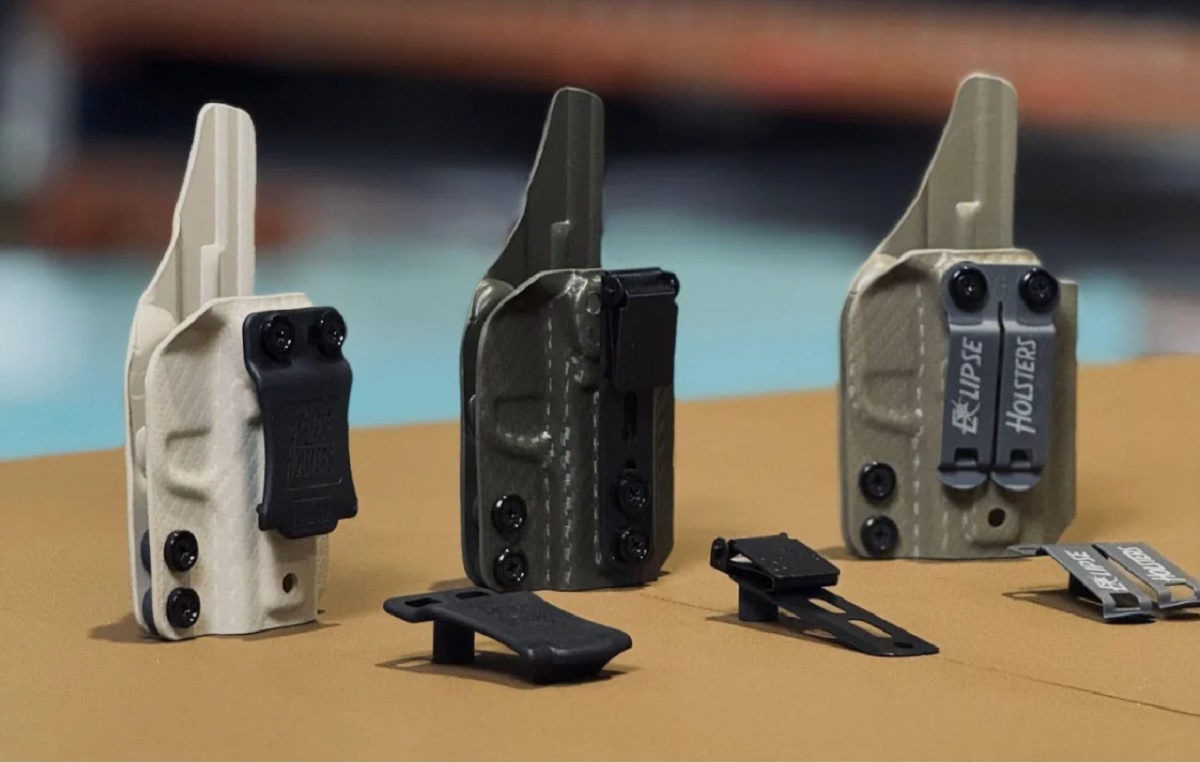
Many mid guard holsters are molded from rigid materials like Kydex or reinforced polymer to maintain shape retention and durability. Some also include adjustable retention screws, allowing users to fine-tune how tightly the firearm is held. The balance between protection and speed makes it suitable for concealed carry users who prioritize both safety and quick access.
Comfort, Carry Position, and Everyday Use
Mid guard holsters are widely used for inside-the-waistband (IWB) and outside-the-waistband (OWB) carry styles, depending on the user’s preference. Their moderate size allows them to sit closer to the body, improving concealment under clothing without creating excessive bulk. This makes them practical for long hours of daily wear.
Comfort is a key advantage, especially when sitting, driving, or moving throughout the day. The reduced bulk compared to full coverage designs helps minimize pressure points against the body. At the same time, the partial guard still provides a reassuring layer of safety, making it a reliable option for both beginners and experienced carriers.
What Is a Full Guard Holster
A full guard holster is designed to provide maximum coverage and protection for a carried firearm. It encloses the trigger guard more completely compared to other holster styles, reducing the risk of accidental contact and improving overall safety. This design is commonly chosen by users who prioritize secure retention and consistent firearm protection in daily carry or duty use.
Full Guard Holster Design and Safety Features
A full guard holster is engineered to fully cover the trigger area and surrounding sections of the firearm, leaving minimal exposure. This enclosed structure helps prevent accidental trigger access during movement, reholstering, or physical activity. The rigid frame keeps the firearm locked in place, ensuring it stays stable even under pressure or sudden motion.
Most full guard holsters are made from durable materials like molded Kydex or heavy-duty polymer, which maintain shape integrity over time. Many models include adjustable retention systems, sweat guards, and reinforced edges for added protection. The focus on safety makes this holster style popular among law enforcement personnel, security professionals, and users who value maximum control over their firearm handling.
Comfort, Draw Speed, and Practical Use
While a full guard holster prioritizes safety, it also affects how quickly and smoothly the firearm can be drawn. The increased coverage can slightly slow the draw compared to lighter holster designs, especially for new users. However, with practice, many carriers adapt to the added structure and develop consistent muscle memory for efficient access.
In terms of comfort, full guard holsters tend to feel more rigid against the body due to their extended material and protective build. They are often used in outside-the-waistband (OWB) carry or duty belt setups where concealment is less important than security. This makes them suitable for professional environments, range use, and situations where maximum firearm protection is the primary requirement.
Mid Guard vs Full Guard Holster Key Differences
Understanding the differences between a mid guard vs full guard holster helps firearm users choose the right balance between safety, accessibility, and comfort. Both holster types serve the same basic purpose of secure firearm retention, but they differ in coverage level, draw speed, concealment, and intended use. These distinctions matter for everyday carry, duty use, and range practice, where performance and reliability are essential.
Coverage Level and Structural Design Differences
The most noticeable difference between a mid guard vs full guard holster is the level of firearm coverage. A mid guard holster offers partial protection around the trigger area, leaving some space exposed for a quicker grip and easier access. This design supports faster draw times while still maintaining a reasonable level of safety for everyday carry users who want balance.
A full guard holster, on the other hand, provides complete or near-complete coverage of the trigger guard and surrounding areas. The structure is more enclosed and rigid, designed to maximize protection against accidental contact or external pressure. This added material creates a more secure enclosure, which is especially useful in environments where safety and retention are top priorities. The trade-off is a slightly bulkier profile that can feel more restrictive during fast access situations.
Safety and Retention Performance Comparison
Safety is one of the biggest deciding factors when comparing a mid guard vs full guard holster. A mid guard holster offers moderate protection, reducing the risk of accidental trigger exposure while still allowing quicker handling. It is often favored by users who are confident in their carry discipline and prioritize speed along with reasonable safety control.
A full guard holster focuses heavily on maximum retention and accident prevention. The fully enclosed trigger guard design minimizes the chance of unintended trigger interaction, even during physical movement or high-pressure situations. Many models also include reinforced retention systems that keep the firearm firmly locked in place. This makes full guard holsters a common choice for law enforcement, security professionals, and users operating in demanding environments where safety cannot be compromised.
Draw Speed, Comfort, and Everyday Carry Use
Draw speed is another key difference in the mid guard vs full guard holster comparison. A mid guard holster typically allows a faster and more natural draw due to its reduced coverage and open structure. The hand can establish a grip more quickly, making it suitable for concealed carry users who value quick response times in daily scenarios.
Full guard holsters, while secure, can slightly slow down the draw process because of their enclosed design. Users often need more deliberate hand positioning to achieve a clean draw. However, with consistent training, this difference becomes less noticeable. In terms of comfort, mid guard holsters usually feel lighter and less bulky against the body, making them easier to wear for extended periods. Full guard holsters, being more rigid and protective, are better suited for duty belts or OWB setups where stability and protection matter more than deep concealment.
Which Holster Type Is Best for You
Choosing between a mid guard vs full guard holster depends on how you carry, your daily environment, and how much importance you place on speed versus maximum safety. Both holster types serve reliable roles, but the best option is the one that matches your routine, training level, and comfort needs. Understanding your carry habits helps narrow down the right fit without compromising safety or usability.
Choosing Based on Carry Style and Daily Routine
Your daily routine plays a major role in deciding between a mid guard vs full guard holster. If you are someone who carries concealed for long hours in casual or professional environments, a mid guard holster often fits better due to its slimmer profile and easier concealment. It allows smoother movement, less printing under clothing, and quicker access during normal daily tasks.
On the other hand, a full guard holster is more suitable for users who prioritize structured carry setups, such as duty belts or range use. If your environment involves more physical activity, uniformed work, or higher exposure risks, the added coverage and stability of a full guard holster provide stronger reassurance. The trade-off is slightly reduced concealability, but increased security and firearm protection during movement-heavy situations.
Deciding Based on Safety Priorities and Experience Level
Safety expectations are another important factor when comparing a mid guard vs full guard holster. Beginners or users who prefer extra protection often lean toward full guard holsters because of their enclosed trigger coverage. This design reduces the chance of accidental contact and supports more controlled handling, especially during reholstering or stressful situations.
Experienced carriers who have developed strong handling discipline may prefer mid guard holsters for their balance of safety and speed. The partial coverage still offers protection while allowing faster draw mechanics. Training consistency plays a major role here, as more skilled users can manage open designs more confidently. Ultimately, the decision often comes down to how much structure and security you want versus how quickly you need access in real-world scenarios.
People Also Asked
What Is The Main Difference Between Mid Guard Vs Full Guard Holster?
The main difference between a mid guard vs full guard holster is the level of coverage around the trigger area and overall firearm enclosure. A mid guard holster provides partial protection, leaving more space open for a faster and easier draw. It balances safety and accessibility, making it popular for everyday concealed carry users.
A full guard holster fully or nearly fully encloses the trigger guard, offering maximum protection against accidental contact. This makes it more secure but slightly slower during draw. You will notice it feels more rigid and structured, especially when worn for long periods or during active movement.
Is A Mid Guard Holster Safe For Everyday Carry?
A mid guard holster is generally safe for everyday carry when used correctly and paired with proper training. It still covers the trigger area enough to prevent accidental contact during normal movement. Many concealed carriers prefer it because it offers a good balance between safety and quick access.
However, you should always maintain proper discipline when reholstering or handling your firearm. Since it is less enclosed than a full guard holster, your awareness and safe handling habits play a bigger role in maintaining overall safety during daily use.
Who Should Use A Full Guard Holster?
You should consider a full guard holster if your priority is maximum firearm protection and secure retention. It is commonly used by law enforcement, security personnel, and users who operate in physically demanding environments. The full coverage design reduces the risk of accidental trigger exposure.
It is also a strong option if you are still developing handling confidence and want extra structural safety. The enclosed design gives you more protection during movement, making it suitable for duty carry or situations where safety is more important than draw speed.
Which Holster Is Better For Concealed Carry?
For concealed carry, a mid guard holster is often preferred because it offers a slimmer profile and better comfort under clothing. You will find it easier to conceal for long hours without printing or causing discomfort while sitting or moving.
A full guard holster can still be used for concealed carry, but it may feel bulkier depending on your body type and clothing style. If deep concealment and comfort are your priorities, the mid guard option usually provides a more practical daily experience.
Does A Full Guard Holster Slow Down Draw Speed?
A full guard holster can slightly slow down draw speed compared to a mid guard holster because of its more enclosed structure. You need a more deliberate grip to access the firearm cleanly, especially if you are new to this style.
With regular practice, however, the difference becomes less noticeable. Muscle memory and consistent training help you adapt to the added coverage, making your draw smooth and reliable even with a more secure holster design.
Can Beginners Use A Mid Guard Holster?
Yes, beginners can use a mid guard holster, but it requires careful attention to safe handling habits. The partial coverage still provides protection, but it does not fully enclose the trigger area like a full guard holster. This means you should be more mindful during reholstering and movement.
Many beginners choose it because it feels less bulky and easier to carry daily. However, proper training is essential so you build safe muscle memory and avoid careless handling mistakes during early practice.
Which Holster Offers Better Comfort For Long Hours Of Carry?
A mid guard holster usually offers better comfort for long hours of carry because it has a slimmer and lighter design. You will feel less pressure against your body, especially when sitting, driving, or moving throughout the day. This makes it more suitable for everyday concealed carry users.
A full guard holster can feel more rigid due to its extended coverage and stronger structure. While it offers excellent protection, it may create more bulk during extended wear. Your choice depends on whether you prioritize comfort or maximum security in daily use.
Conclusion
Choosing between the two holster styles ultimately comes down to how you plan to carry and what balance of speed, comfort, and protection matters most to you. Both designs serve different priorities, and neither is universally better than the other in every situation.
The discussion around mid guard vs full guard holster often highlights a clear trade-off. Mid guard options generally favor faster access and lighter feel, making them suitable for everyday concealed carry. Full guard holsters, on the other hand, emphasize maximum coverage and safety, which can be more reassuring for duty use or environments where extra protection is important.
In the end, your experience level, daily routine, and carry conditions should guide your choice. Understanding the strengths and limitations of each type ensures you select a holster that supports both safety and performance without unnecessary compromise.