Is Steel Case Ammo Bad – Truth About Performance, Cost, and Reliability
Choosing the right ammunition can make a noticeable difference in firearm performance, reliability, and maintenance. Many shooters consider different cartridge options based on cost, availability, and how well they work with their specific firearm. Steel case ammunition is one option that often creates questions among new and experienced shooters.
Some people appreciate steel case ammo because it is usually more affordable, while others have concerns about wear, reliability, and cleaning. These different opinions often lead people to ask, is steel case ammo bad and whether it is a suitable choice for regular shooting.
Understanding the advantages and disadvantages of steel case ammunition helps you make a more informed decision. Factors such as firearm type, shooting habits, and ammunition quality can influence how well it performs.
By looking at how steel case ammo works, its potential benefits, and common concerns, you can better understand whether it matches your needs and expectations as a shooter.
How Steel Case Ammo Works
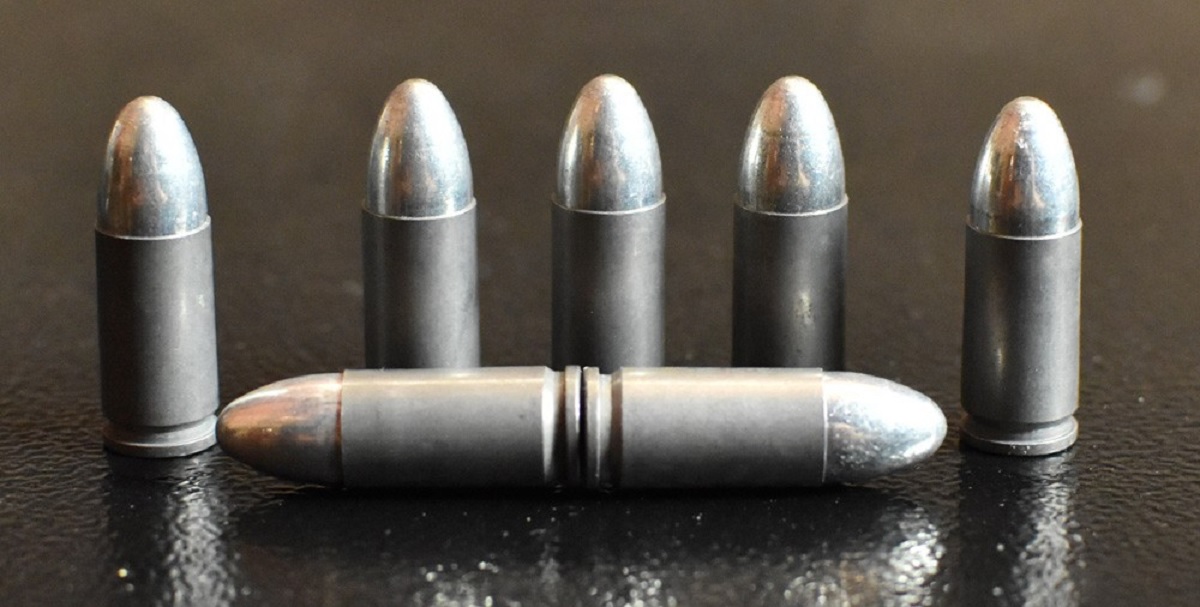
Steel case ammunition works in a similar way to traditional brass case ammunition, but it uses a steel casing instead of a brass one. The casing holds the primer, powder, and bullet together while allowing the cartridge to function inside a firearm. Understanding how steel case ammo operates helps explain its differences in performance, cost, and maintenance compared with other ammunition types.
Understanding The Steel Cartridge Case
The cartridge case is the main component that separates steel case ammunition from other types of rounds. It serves the same basic purpose as a brass case by holding the primer, propellant, and bullet in one complete unit. When the firearm is fired, the primer ignites the powder inside the case, creating expanding gases that push the bullet through the barrel.
Steel cases are commonly made from low-carbon steel and are often coated with protective materials to reduce corrosion. The coating helps the case handle storage conditions and allows smoother feeding inside the firearm.
Unlike brass, steel does not expand and contract as easily during firing. Brass cases expand to seal the chamber before returning closer to their original size, while steel cases have less flexibility. This difference can influence how the case interacts with the firearm during cycling.
Because steel is generally less expensive than brass, manufacturers can produce steel case ammo at a lower cost. This affordability is one of the main reasons many shooters choose it for practice and high-volume shooting.
The Firing Process Of Steel Case Ammo
The firing process of steel case ammunition follows the same basic steps as other centerfire cartridges. When you pull the trigger, the firing mechanism strikes the primer, creating a small ignition that burns the powder inside the cartridge case.
The burning powder produces expanding gases that force the bullet forward through the barrel. At the same time, the firearm’s action begins the extraction process by pulling the fired case from the chamber.
Because steel cases are less elastic than brass cases, they may not seal the chamber in the same way. Some gases can move around the case during firing, which may leave more residue inside the firearm.
The firearm’s design plays an important role in how well steel case ammo functions. Many firearms operate reliably with steel cases, while others may perform better with brass ammunition due to differences in chamber design and extraction systems.
Differences Between Steel And Brass Cases
The main difference between steel and brass ammunition is the material used for the cartridge case. Brass is softer, more flexible, and commonly preferred for its ability to expand and create a strong chamber seal during firing.
Steel cases are harder and usually less expensive, making them popular among shooters looking for budget-friendly ammunition. However, the reduced flexibility of steel can affect extraction in some firearms, especially under certain conditions.
Steel case ammo is also generally not designed for reloading. The harder material and lower resale value make it less practical for people who reuse cartridge cases.
Understanding these differences helps you choose ammunition based on your firearm, shooting goals, and personal preferences. The way steel case ammo works explains why it can be a practical option for some shooters while not being ideal for every situation.
Examine The Reliability Of Steel Case Ammo
The reliability of steel case ammo depends on several factors, including firearm design, ammunition quality, and shooting conditions. While many shooters use it successfully for practice and regular range sessions, others experience concerns related to extraction, residue, or firearm compatibility. Understanding how steel case ammunition performs in different situations helps you evaluate whether it is a suitable choice for your shooting needs.
Consider Firearm Compatibility
Firearm compatibility plays a major role in determining how reliable steel case ammo will be. Some firearms are designed to function smoothly with different types of ammunition, while others may perform better with brass cases. The chamber design, extractor strength, and overall firearm condition can influence how well steel cases cycle.
Steel cases do not expand and contract like brass cases, which can affect the way they fit inside the chamber during firing. Some firearms may handle this difference without any noticeable issues, while others may experience occasional extraction problems.
Before using steel case ammo regularly, you should consider your firearm manufacturer’s recommendations and your own experience with different ammunition types. Testing a small amount first can help you understand how your firearm performs.
A well-maintained firearm with proper lubrication and a suitable design may provide reliable performance with steel case ammunition. However, individual results can vary depending on the firearm model and shooting environment.
Evaluate Feeding And Extraction Performance
Feeding and extraction are important parts of ammunition reliability. Steel case ammo must move smoothly from the magazine into the chamber and then be removed after firing. Because steel is less flexible than brass, some firearms may experience differences during this process.
The extractor has to grip and remove the fired case effectively. In certain firearms, the harder steel material may create more resistance during extraction, especially when the chamber becomes dirty after extended shooting sessions.
Regular cleaning can help maintain reliable operation when using steel case ammunition. Removing built-up residue from the chamber and other components allows the firearm to function more consistently.
Many shooters use steel case ammo for high-volume practice because of its lower cost. However, monitoring how your firearm feeds and extracts each round helps you identify whether it remains reliable for your specific setup.
Look At Ammunition Quality And Storage
The quality of steel case ammunition can greatly influence its reliability. Not all steel case ammo is produced with the same standards, and differences in manufacturing quality can affect performance. Choosing ammunition from a reputable manufacturer can help reduce potential problems.
Proper storage also plays an important role in maintaining ammunition condition. Exposure to moisture, extreme temperatures, or poor storage environments can affect the cartridge components over time.
The protective coating on steel cases helps prevent corrosion and supports smoother operation. However, damaged or poorly stored cartridges may create feeding or ignition issues.
Inspecting ammunition before use is a good practice. Checking for visible damage, corrosion, or unusual conditions can help you avoid problems during shooting. Quality control and proper storage both contribute to the overall reliability of steel case ammo.
Understand Performance During Extended Use
Steel case ammo can perform differently during long shooting sessions compared with brass ammunition. As more rounds are fired, residue and heat can build up inside the firearm, which may influence cycling and extraction.
Some shooters notice that steel cases work well during short practice sessions but require more frequent cleaning during extended use. Keeping the firearm properly maintained can help reduce potential reliability concerns.
The type of firearm and shooting conditions also affect performance. A firearm used in dusty, dirty, or demanding environments may respond differently compared with one used in controlled range conditions.
By paying attention to performance patterns, you can determine how steel case ammo behaves in your firearm. Observing reliability during regular use provides practical information about whether this ammunition meets your expectations.
Evaluate The Impact On Your Firearm
Understanding how ammunition affects your firearm is an important part of choosing the right cartridge for your needs. Steel case ammo can interact differently with firearm components compared with brass case ammunition due to differences in material and performance. Examining potential effects on wear, cleaning, and long-term use helps you make a more informed decision about your ammunition choices.
Consider Wear On Firearm Components
Steel case ammunition may have different effects on firearm components because steel is a harder material than brass. The cartridge case itself does not directly create significant wear on most firearm parts because it remains inside the chamber during firing. However, the overall interaction between the ammunition and firearm can influence long-term performance.
The extractor is one component that receives attention when discussing steel case ammo. Since steel cases are less flexible than brass, some firearms may require more effort to remove the fired case from the chamber. Over time, repeated stress on the extractor can become a consideration, especially in firearms that are not designed for frequent use with steel cases.
The chamber and barrel are also important areas to consider. The steel case does not usually damage the barrel through normal use, but differences in residue and ammunition construction may affect maintenance requirements.
Your firearm’s design, quality, and condition all influence how steel case ammo affects its components. Regular inspection and proper care help you monitor any changes during continued use.
Understand Cleaning And Maintenance Requirements
Steel case ammo can influence how often you need to clean your firearm. Some steel case cartridges use coatings and may produce different amounts of residue compared with brass ammunition. This buildup can collect in areas such as the chamber, bolt, and other operating components.
A cleaner firearm generally performs more consistently, especially when using ammunition that leaves more residue. Regular maintenance helps prevent issues related to feeding, extraction, and cycling. Cleaning schedules may vary depending on how frequently you shoot and the type of firearm you use.
You should pay attention to how your firearm behaves after using steel case ammo. Changes in cycling, increased resistance, or difficulty extracting cases may indicate that additional cleaning is needed.
Proper lubrication and inspection are also important parts of firearm care. Keeping moving parts maintained can help support reliable operation while reducing potential problems during extended shooting sessions.
Examine Long-Term Effects Of Regular Use
The long-term impact of steel case ammo depends on how often you use it and how well your firearm is maintained. Many shooters use steel case ammunition for practice without major problems, while others prefer brass ammunition for specific applications.
Regular use may reveal how your firearm responds to the ammunition over time. Tracking performance, checking components, and maintaining proper cleaning habits can help you understand whether steel case ammo works well with your setup.
The operating environment can also affect results. A firearm used frequently in dusty or demanding conditions may require more attention compared with one used occasionally at a clean indoor range.
Choosing ammunition involves balancing cost, performance, and maintenance needs. Understanding how steel case ammo interacts with your firearm allows you to evaluate whether it fits your shooting habits and equipment requirements.
Check The Accuracy Of Steel Case Ammunition
Accuracy is an important factor when choosing any type of ammunition, and steel case ammo often receives attention for its performance compared with brass case options. While some shooters have concerns about precision, accuracy depends on several factors, including firearm quality, ammunition consistency, and shooting conditions. Understanding these elements helps you evaluate how steel case ammunition performs in real situations.
Understand Ammunition Consistency
Ammunition consistency plays a major role in determining accuracy. Steel case ammunition is often produced as a more affordable option, which can sometimes involve differences in manufacturing processes compared with premium brass ammunition. Variations in bullet weight, powder charge, and overall cartridge quality may influence how consistently each round performs.
When shooting steel case ammo, you may notice differences in group sizes compared with higher-quality match-grade ammunition. These differences do not always mean steel cases are inaccurate, but they can affect precision for shooters who require extremely tight results.
The firearm itself also influences how consistent the ammunition performs. A rifle or handgun that functions well with a particular steel case load may produce reliable accuracy, while another firearm may show different results.
Testing different brands and loads can help you understand how your specific firearm responds. Measuring accuracy through repeated shooting sessions provides a clearer picture than relying only on general opinions.
Compare Performance With Brass Ammunition
Many shooters compare steel case ammunition with brass case ammunition when evaluating accuracy. Brass cases are often preferred for precision shooting because they provide consistent expansion during firing and are commonly used in higher-quality ammunition designs.
Steel case ammo is usually designed with affordability and general-purpose shooting in mind. It may perform well for training, practice, and recreational use, but it may not always match the consistency of specialized brass ammunition.
The difference in accuracy can vary depending on the firearm and ammunition brand. Some firearms may show very little difference between steel and brass cases, while others may produce noticeably different results.
Your shooting goals should guide your ammunition choice. For casual range practice, the accuracy of steel case ammo may be more than sufficient. For situations requiring maximum precision, other ammunition options may provide better consistency.
Evaluate Accuracy Through Testing
The best way to understand the accuracy of steel case ammunition is through practical testing. Shooting controlled groups at a consistent distance allows you to compare performance and identify how well the ammunition works with your firearm.
Use the same firearm setup, shooting position, and conditions when comparing different ammunition types. Changing multiple factors at once can make it difficult to determine whether differences come from the ammunition or other variables.
Pay attention to group size, reliability, and overall shooting experience. Accuracy is not only about tight groups but also about how consistently the ammunition performs during repeated use.
Recording your results can help you identify patterns over time. Keeping notes about ammunition brands, conditions, and performance allows you to make better decisions when selecting steel case ammunition for future shooting sessions.
Explore The Benefits Of Steel Case Ammo
Steel case ammunition has become a popular option among many shooters because of its affordability and availability. While it has some differences compared with brass case ammunition, it offers several advantages that make it useful for certain shooting needs. Understanding these benefits helps you decide whether steel case ammo fits your budget, practice routine, and firearm requirements.
Lower Cost For Regular Shooting
One of the biggest benefits of steel case ammo is its lower cost compared with many brass case alternatives. The steel material used for the cartridge case is generally less expensive to produce, allowing manufacturers to offer ammunition at a more affordable price. This makes it attractive for shooters who spend a lot of time practicing.
Lower ammunition costs can help you purchase more rounds for training sessions or recreational shooting. Instead of limiting practice because of price, many shooters choose steel case ammo to increase their shooting time while staying within their budget.
The reduced cost does not mean that all steel case ammunition is low quality. Many manufacturers produce reliable options designed for everyday shooting. Performance can vary, but affordable pricing remains one of the main reasons people choose this type of ammunition.
For new shooters or those who practice frequently, saving money on ammunition can make regular training more accessible. The lower price point allows you to focus on improving skills without spending as much on each shooting session.
Good Option For High-Volume Practice
Steel case ammo is often chosen by shooters who need a large amount of ammunition for practice. Whether you are working on basic skills, firearm familiarity, or general range experience, having affordable ammunition allows you to spend more time training.
High-volume shooting can become expensive when using premium ammunition exclusively. Steel case options provide a practical alternative for many practice situations where maximum precision is not the primary goal.
Many shooters use steel case ammunition for drills and routine training because it allows them to focus on technique. Practicing regularly helps improve handling, accuracy, and confidence with a firearm.
The suitability of steel case ammo for practice depends on your firearm and personal preferences. Testing it with your setup can help you determine whether it provides the reliability and performance you need.
Wide Availability And Variety
Another benefit of steel case ammo is its availability. Many ammunition manufacturers produce steel case options in popular calibers, making it easier for shooters to find suitable choices for their firearms.
Because of its popularity, steel case ammunition can often be found through various retailers and suppliers. This availability gives shooters more flexibility when searching for affordable practice rounds.
Steel case ammo is produced for different firearm platforms, including various handgun and rifle calibers. The range of options allows many shooters to explore different choices based on their equipment.
Having access to widely available ammunition can be helpful during times when certain types of ammo become harder to find. Steel case options provide another choice for shooters who want dependable access to practice ammunition.
Easier Budget Management For Shooters
Managing ammunition expenses is an important consideration for many firearm owners. Steel case ammo provides a way to control shooting costs while still allowing regular practice and range time.
The lower price per round can make it easier to plan training sessions and purchase ammunition in larger quantities. This can be especially useful for shooters who regularly practice or participate in activities that require frequent shooting.
Using affordable ammunition allows you to allocate your budget toward other firearm-related needs, such as accessories, maintenance supplies, or training opportunities.
While steel case ammo may not be the first choice for every shooting purpose, its cost advantages, availability, and usefulness for practice make it a practical option for many shooters.
Determine When Steel Case Ammo Is A Good Choice
Choosing the right ammunition depends on your firearm, shooting goals, and personal preferences. Steel case ammo can be a practical option in many situations, especially when affordability and availability are important factors. Understanding when this type of ammunition makes sense helps you decide whether it matches your training needs, shooting habits, and expectations.
Use Steel Case Ammo For Practice Sessions
Steel case ammo is often a good choice for regular practice because it provides a more affordable way to spend time at the range. When you are focused on improving basic shooting skills, firearm handling, or general familiarity, lower-cost ammunition can allow you to practice more frequently.
Many shooters prefer using steel case rounds for drills and training exercises where high-level precision is not the main priority. Practicing more often can help improve consistency and confidence without using expensive ammunition for every session.
The type of firearm you use is an important consideration. Some firearms handle steel case ammunition very well, while others may perform better with brass cases. Testing the ammunition in your own firearm helps you understand how reliable it is for your specific setup.
For many recreational shooters, the combination of affordability and acceptable performance makes steel case ammo a useful option for regular range practice and skill development.
Choose Steel Case Ammo When Cost Matters
Budget is one of the biggest reasons shooters consider steel case ammunition. The lower production cost of steel cases often results in cheaper ammunition prices, making it appealing for people who shoot frequently or need larger quantities.
When ammunition costs are a concern, steel case options can help you maintain a consistent practice schedule without spending as much. This can be especially helpful for shooters who prioritize training time and want to maximize the number of rounds they can purchase.
However, cost savings should be balanced with firearm compatibility and performance expectations. A lower price does not automatically mean the ammunition will work perfectly in every firearm.
Considering your shooting purpose helps determine whether the savings are worth it. For casual practice and general use, steel case ammo can provide good value while helping you manage expenses more effectively.
Consider Steel Case Ammo For Certain Firearm Applications
Steel case ammo can be a suitable choice for certain firearm applications where reliability and affordability are both important. Many shooters use it in firearms that are known to function well with this type of ammunition.
Before making it your regular choice, consider your firearm’s design, maintenance routine, and shooting environment. Some firearms may require more frequent cleaning or may experience different performance compared with brass ammunition.
The conditions where you shoot can also influence your decision. Range sessions, training exercises, and recreational use may be suitable situations for steel case ammo, depending on your firearm.
Understanding your specific needs allows you to decide when steel case ammunition provides the right balance between performance and cost. Testing it and monitoring how your firearm responds can help you make a practical choice.
FAQs
Is Steel Case Ammo Bad For Your Firearm?
Steel case ammo is not automatically bad for your firearm, but its performance depends on your specific gun, ammunition quality, and shooting habits. Many firearms function reliably with steel case rounds, especially during practice sessions and recreational shooting.
You should consider factors such as firearm design, cleaning routine, and manufacturer recommendations before using it regularly. Some shooters experience no problems, while others may notice differences in extraction or residue compared with brass ammunition. Testing steel case ammo in your own firearm helps you determine whether it works well for your setup.
Does Steel Case Ammo Damage Your Gun?
Steel case ammo does not usually cause immediate damage to a properly maintained firearm. The steel casing itself is not typically responsible for excessive wear on the barrel or major components during normal use.
You may need to pay attention to parts such as the extractor because steel cases are less flexible than brass cases. Some firearms may experience more stress during extraction, especially after heavy use.
Regular cleaning, proper lubrication, and using quality ammunition can help maintain reliable firearm performance when shooting steel case ammo.
Why Is Steel Case Ammo Cheaper Than Brass Ammo?
Steel case ammo is generally cheaper because steel is less expensive to produce than brass. Manufacturers can reduce production costs by using steel cartridge cases, allowing them to offer ammunition at a lower price.
This lower cost makes steel case ammo popular among shooters who want affordable options for practice and high-volume shooting. You can often purchase more rounds for the same budget compared with premium brass ammunition.
The lower price does not always mean poor performance, but quality can vary between manufacturers. Choosing reputable ammunition brands helps you get more consistent results.
Is Steel Case Ammo Less Accurate Than Brass Ammo?
Steel case ammo can be less consistent than some brass ammunition, but the difference depends on your firearm and the type of shooting you do. Many shooters find steel case rounds accurate enough for practice, training, and recreational use.
Brass ammunition is often preferred for precision shooting because it commonly offers more consistent manufacturing and performance. However, steel case ammo can still provide acceptable accuracy for many everyday shooting situations.
Your firearm’s barrel, condition, and ammunition quality all influence accuracy. Testing different loads helps you understand how steel case ammo performs in your specific firearm.
Can You Use Steel Case Ammo In Any Gun?
You cannot assume that steel case ammo will work perfectly in every firearm. Many modern firearms can handle it, but compatibility depends on the firearm design, chamber specifications, and manufacturer recommendations.
Some firearms may experience issues such as feeding problems or difficult extraction when using certain steel case rounds. Other firearms may function normally without noticeable differences.
Before using steel case ammunition regularly, check your firearm’s guidelines and test a small amount first. This allows you to see how your firearm responds and whether the ammunition meets your needs.
Does Steel Case Ammo Require More Cleaning?
Steel case ammo may require additional cleaning depending on the firearm and ammunition used. Some steel case rounds can leave more residue, which may build up inside areas like the chamber and operating components.
A clean firearm generally performs more consistently, especially during longer shooting sessions. Regular maintenance helps reduce potential problems related to cycling or extraction.
You should monitor your firearm after using steel case ammo and adjust your cleaning routine based on performance. Proper care can help maintain reliability while allowing you to enjoy the cost benefits of affordable ammunition.
Should You Use Steel Case Ammo For Regular Shooting?
You can use steel case ammo for regular shooting when it works reliably with your firearm and matches your shooting goals. Many people choose it for practice because it provides an affordable way to spend more time at the range.
However, you should consider your specific needs before making it your primary ammunition choice. Steel case ammo may be suitable for training and recreational use but may not be ideal for every situation.
Testing the ammunition, monitoring firearm performance, and following proper maintenance practices help you decide whether steel case ammo is the right option for your regular shooting routine.
Conclusion
Choosing the right ammunition depends on your firearm, shooting habits, and personal preferences. Steel case ammo can provide a budget-friendly option for practice and regular range use, but understanding its advantages and limitations helps you make a better decision.
Many shooters ask is steel case ammo bad because they want to know how it affects reliability, accuracy, and firearm wear. The answer depends on the specific gun and how the ammunition is used. Some firearms handle it well, while others may perform better with brass cases.
Before making a choice, consider your firearm’s recommendations, your shooting goals, and the type of performance you expect. Learning the facts about is steel case ammo bad helps you choose ammunition that matches your needs while maintaining safe and responsible shooting practices.