What Is the Quietest .22 Ammo? Complete Guide to Low-Noise Rimfire Rounds
Finding the right .22 ammunition can make a huge difference in noise level, shooting comfort, and overall performance. Many shooters spend time comparing different rimfire rounds to discover what is the quietest 22 ammo for backyard practice, small game hunting, or suppressed shooting setups. The sound reduction often depends on bullet velocity, firearm type, and whether subsonic rounds are being used.
Low-noise .22 ammo has become increasingly popular because it offers a smoother and less disruptive shooting experience. Subsonic cartridges are commonly chosen since they stay below the speed of sound, eliminating the sharp crack that standard high-velocity rounds produce. This creates a softer report that many shooters prefer for recreational use.
When discussing what is the quietest 22 ammo, brands like CCI Quiet-22, Aguila Colibri, and Winchester Super Suppressed are often part of the conversation. Each option delivers a different balance of sound reduction, accuracy, and reliability depending on the firearm being used.
Choosing quieter ammunition is not only about reducing noise. Many shooters also value better control, reduced recoil feel, and a more enjoyable shooting session overall.
What Makes .22 Ammo Quiet?
The quiet nature of .22 ammunition comes from a combination of smaller powder charges, lighter recoil, and lower firing pressure compared to larger calibers. Many shooters prefer .22 rounds because they produce less noise while still offering good accuracy for training, small game hunting, and recreational shooting. The type of ammunition, firearm design, and bullet velocity all play important roles in reducing sound levels.
Lower Powder Charge and Reduced Pressure
One of the biggest reasons .22 ammo sounds quieter is its smaller powder load. Compared to centerfire cartridges, .22 rounds contain far less gunpowder, which creates a smaller explosion inside the barrel. Since the blast is less intense, the sound produced at the muzzle is naturally lower. This reduced pressure also means the firearm generates less recoil and vibration during firing.
Another factor is the compact cartridge size. A .22 Long Rifle round is much smaller than calibers like 9mm or .223 Remington, so the expanding gases escaping from the barrel are not as powerful. The smaller gas release helps limit the sharp cracking sound people normally associate with firearms. Because of this, .22 rifles and pistols are commonly used by beginners who want a more comfortable shooting experience.
The barrel length can further affect sound levels. Longer barrels allow more time for the burning powder to finish expanding before the gases exit the muzzle. This often results in a softer report. Many bolt-action .22 rifles are especially quiet because they prevent extra gas and mechanical noise from escaping during operation.
Environmental conditions also influence perceived noise. Shooting outdoors in open spaces allows sound waves to disperse more easily, making .22 ammo seem even quieter compared to larger rounds fired in enclosed areas.
Subsonic Velocity and Bullet Speed
Another major reason .22 ammo can be very quiet is bullet velocity. Standard and subsonic .22 rounds are often designed to travel below the speed of sound. When a bullet stays under this threshold, it avoids creating the loud sonic crack that occurs with high-speed ammunition. This makes subsonic .22 ammo noticeably quieter than high-velocity options.
Subsonic rounds are popular among shooters who prioritize noise reduction. These cartridges typically travel at speeds under approximately 1,125 feet per second, depending on weather and altitude conditions. Without the sharp crack produced by supersonic bullets, the sound is limited mostly to the muzzle blast itself, which is already relatively small in .22 ammunition.
The firearm type also matters when using slower rounds. Bolt-action rifles paired with subsonic .22 ammo often produce minimal shooting noise because there is less mechanical cycling sound than in semi-automatic firearms. This combination is commonly chosen for pest control, backyard target practice where legal, and quiet recreational shooting.
Suppressors can reduce noise even further when legally used with subsonic .22 ammunition. Since the round already produces less pressure and avoids a sonic boom, suppressors are especially effective with .22 calibers compared to many larger cartridges.
Best Quiet .22 Ammo Options
Choosing the best quiet .22 ammo depends on your firearm type, shooting distance, and desired noise level. Some rounds focus on ultra-low sound for backyard practice, while others balance quiet performance with reliable cycling and accuracy. Subsonic ammunition is usually the preferred choice because it stays below the speed of sound and avoids the loud sonic crack produced by faster bullets.
CCI Quiet-22 for Ultra-Low Noise
CCI Quiet-22 is widely considered one of the most popular low-noise .22 ammunition options available today. It uses a reduced powder charge and pushes a 40-grain bullet at roughly 710 feet per second, making it significantly quieter than standard .22 LR rounds. Many shooters compare its sound to a powerful air rifle when fired from a rifle-length barrel.
This ammunition works especially well in bolt-action rifles because the lower pressure creates very little muzzle blast. The reduced sound level makes it ideal for target practice, pest control, and shooters who want a softer shooting experience. However, because the load is weaker, it may not reliably cycle most semi-automatic firearms.
CCI also offers a Quiet-22 Semi-Auto version designed specifically to improve cycling reliability in semi-automatic rifles. That version maintains subsonic performance while providing slightly more power. Shooters on Reddit often mention that it cycles better in rifles like the Ruger 10/22 compared to the standard Quiet-22 load.
Many experienced shooters prefer using CCI Quiet-22 in longer barrels because the extra barrel length can further soften the sound signature. The tradeoff is reduced velocity and more bullet drop at longer distances, so it performs best at shorter ranges.
Aguila Subsonic and Colibri Rounds
Aguila is another well-known brand for quiet .22 ammunition, especially among shooters who prioritize low sound levels. Aguila Subsonic rounds are designed to remain below the speed of sound while still offering enough power for reliable accuracy and small game use. These rounds are quieter than standard high-velocity ammunition and are commonly recommended for suppressed or unsuppressed rifles.
Aguila Colibri and Super Colibri rounds are even quieter because they use extremely small powder charges or primer-only propulsion. These cartridges produce minimal noise and very low recoil, making them popular for close-range practice. Some shooters describe them as sounding similar to an air gun rather than a traditional firearm.
The downside of Colibri-style ammunition is reduced power and limited range. These rounds usually do not cycle semi-automatic actions and may have noticeable bullet drop beyond short distances. Accuracy can also vary because the lightweight projectiles are more sensitive to velocity changes.
Despite those limitations, many shooters still enjoy Aguila quiet loads for casual plinking and discreet shooting. Bolt-action rifles tend to provide the best overall performance with these cartridges because they eliminate extra mechanical noise and allow consistent manual cycling.
Quietest .22 Ammo Comparison Table
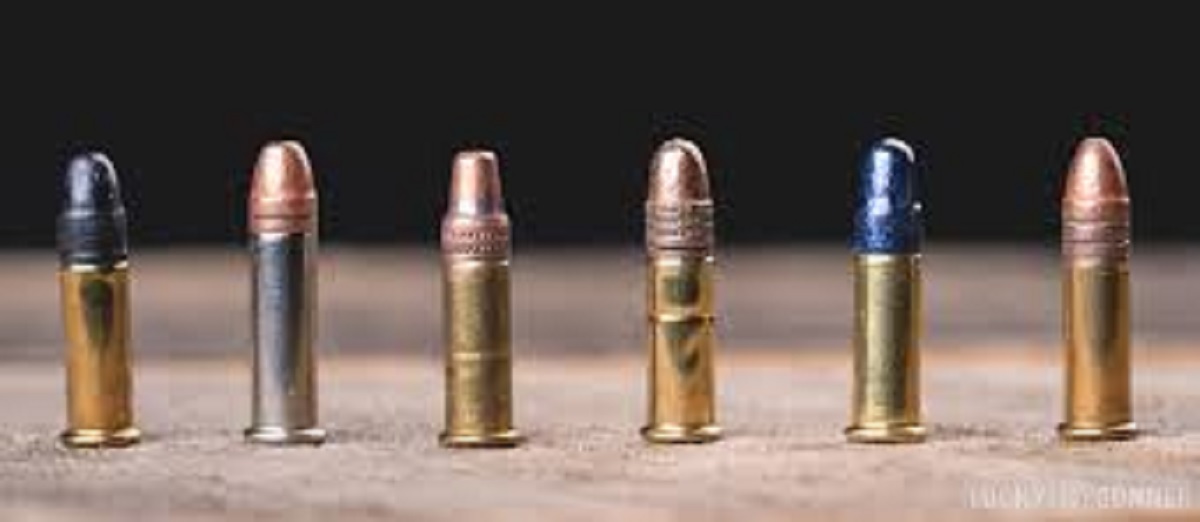
Choosing the quietest .22 ammo depends on more than just raw sound reduction. Velocity, bullet weight, firearm compatibility, and reliability all influence how quiet a round feels during shooting. Subsonic ammunition is usually the preferred option because it avoids the loud sonic crack produced by faster bullets. The table below compares some of the most popular quiet .22 LR loads used for low-noise target shooting and recreational practice.
| Ammo Type | Approx. Velocity | Noise Level | Best Use | Semi-Auto Friendly |
|---|---|---|---|---|
| CCI Quiet-22 | 710 fps | Extremely Quiet | Bolt-action target shooting | No |
| CCI Quiet Semi-Auto | 835 fps | Very Quiet | Semi-auto practice | Yes |
| Aguila Subsonic 40gr | 1025 fps | Quiet | General subsonic shooting | Sometimes |
| Aguila Colibri | 420 fps | Ultra Quiet | Short-range plinking | No |
| Federal Suppressor 45gr | 970 fps | Quiet | Suppressed rifles and pistols | Yes |
| CCI Suppressor Subsonic | 970 fps | Very Quiet | Reliable suppressed shooting | Yes |
Testing from multiple shooting reviews shows that lower-velocity ammunition generally produces the least noise, especially when paired with longer barrels or suppressors. Extremely quiet rounds like Aguila Colibri and CCI Quiet-22 sacrifice power and cycling reliability in exchange for reduced sound.
Shooters also report that firearm type plays a major role in perceived sound. Bolt-action rifles tend to sound quieter because they eliminate the mechanical cycling noise found in semi-automatic firearms. Reddit users frequently mention that CCI Quiet-22 performs exceptionally well in bolt-action rifles but may struggle in semi-auto platforms.
Another factor is consistency. Some subsonic loads remain reliably below the speed of sound in different barrel lengths, while others occasionally produce a sonic crack depending on weather conditions and firearm setup. This is why many experienced shooters test several quiet loads before settling on one specific option.
Quiet .22 Ammo for Different Firearms
Quiet .22 ammunition performs differently depending on the firearm being used. Factors such as barrel length, action type, and cycling system all affect overall sound levels and reliability. Some quiet rounds are designed specifically for bolt-action rifles, while others are optimized for semi-automatic platforms. Understanding how various firearms interact with low-noise ammunition helps shooters choose the best setup for accuracy, reliability, and reduced sound.
Quiet .22 Ammo for Bolt-Action Rifles
Bolt-action rifles are widely considered the best platform for quiet .22 ammunition. These firearms do not rely on gas pressure or recoil to cycle the action, which means they can safely and reliably use extremely low-powered rounds. Ammunition like CCI Quiet-22 and Aguila Colibri performs especially well in bolt-action rifles because the shooter manually operates the firearm after each shot. This eliminates the mechanical noise commonly heard in semi-automatic systems.
Another advantage of bolt-action rifles is improved sound reduction. Since the action remains closed during firing, less gas escapes from the chamber area. This creates a softer overall report compared to many semi-automatic rifles. Longer rifle barrels also help reduce muzzle blast because more powder burns completely before the gases leave the barrel.
Accuracy is often better with bolt-action rifles when shooting subsonic or low-velocity ammunition. The stable firing platform and controlled cycling system help maintain consistent shot placement. Many shooters use bolt-action rifles for backyard target shooting, pest control, and precision plinking where quiet performance matters most.
Suppressed bolt-action rifles paired with subsonic .22 ammunition are among the quietest firearm setups available. When legally equipped with a suppressor, these rifles can produce extremely low sound levels because both the muzzle blast and sonic crack are minimized.
Quiet .22 Ammo for Semi-Automatic Firearms
Semi-automatic .22 rifles and pistols require more powerful ammunition than bolt-action firearms because the action depends on pressure to cycle properly. Extremely quiet rounds like Aguila Colibri or standard CCI Quiet-22 often lack enough energy to operate the bolt reliably. This can lead to feeding failures, weak ejection, or manual cycling between shots.
Manufacturers have created specific quiet loads designed for semi-automatic firearms. CCI Quiet Semi-Auto ammunition is one of the most popular options because it balances reduced sound with enough power to cycle many rimfire rifles consistently. Federal Suppressor and CCI Suppressor subsonic rounds are also commonly used in semi-auto platforms because they stay below the speed of sound while maintaining reliable performance.
Barrel length can significantly affect cycling reliability in semi-automatic firearms. Rifles with longer barrels may lose some pressure before the bullet exits, making weaker ammunition less effective for cycling. On the other hand, shorter barrels sometimes increase noise because more unburned gas escapes at the muzzle.
Semi-automatic pistols are generally louder than rifles when firing quiet ammunition. Their shorter barrels produce sharper muzzle blasts, and the moving slide creates additional mechanical sound during operation. Even so, subsonic .22 ammunition can still noticeably reduce overall noise compared to standard high-velocity loads.
Quiet Ammo Performance in Revolvers and Single-Shot Firearms
Revolvers and single-shot firearms offer unique advantages when using quiet .22 ammunition. Single-shot rifles and pistols are extremely simple mechanically, allowing them to function with nearly any low-powered cartridge. Because there is no semi-automatic cycling system involved, shooters can safely use ultra-quiet rounds without worrying about reliability issues.
Single-shot firearms are often preferred for very quiet target shooting because they produce minimal mechanical noise. When paired with low-velocity ammunition like Aguila Super Colibri, the sound can be surprisingly soft. Many shooters compare the report to that of a high-powered pellet gun rather than a traditional firearm.
Revolvers, however, behave differently. Even when using subsonic or quiet ammunition, revolvers typically produce more noise than bolt-action rifles or single-shot guns. This happens because gases escape through the cylinder gap located between the cylinder and barrel. That extra gas release increases perceived sound levels during firing.
Despite the additional noise, many shooters still use quiet .22 ammunition in revolvers for casual target practice and recreational shooting. Standard subsonic rounds usually function well in revolvers because the firearm does not depend on pressure to cycle the action.
Is Quiet .22 Ammo Still Powerful?
Quiet .22 ammunition is designed to reduce sound, but many shooters wonder whether that lower noise also means weaker performance. In most cases, quiet .22 rounds use reduced powder charges and slower bullet speeds, which lowers overall energy compared to high-velocity ammunition. However, many subsonic and low-noise loads still provide enough power for target practice, small game hunting, and short-range shooting when used correctly.
How Reduced Velocity Affects Power
The main reason quiet .22 ammo produces less noise is its lower velocity. Most quiet rounds stay below the speed of sound, which eliminates the loud sonic crack created by faster bullets. To achieve this, manufacturers reduce powder charges or use heavier bullets traveling at slower speeds. While this makes the ammunition quieter, it also decreases muzzle energy and overall impact force.
For example, standard high-velocity .22 LR ammunition may travel at speeds above 1,200 feet per second, while quiet loads like CCI Quiet-22 often move closer to 700 feet per second. That difference significantly changes the amount of energy delivered to the target. Reduced power can limit effective range and penetration compared to faster rimfire ammunition.
Even with lower velocity, quiet .22 rounds can still perform well for many common shooting activities. They are often accurate at short distances and produce very little recoil, making them ideal for beginners and casual target shooters. Many shooters appreciate the softer shooting experience without needing maximum ballistic performance.
Environmental factors and firearm type also influence power. Longer rifle barrels may slightly improve velocity and efficiency, while short-barreled pistols can reduce overall energy further because the powder has less time to burn completely before the bullet exits the barrel.
Practical Uses for Quiet .22 Ammo
Although quiet .22 ammunition is less powerful than standard high-velocity rounds, it still serves several practical purposes. Many shooters use it for backyard target practice, recreational plinking, and training because the reduced sound makes shooting more comfortable and less disruptive. Subsonic ammunition also produces lighter recoil, which helps shooters maintain better control and accuracy.
Quiet .22 ammo is commonly used for small pest control and close-range small game hunting. Within reasonable distances, many subsonic loads provide enough penetration and accuracy for effective performance. Heavier subsonic bullets can sometimes retain energy better than lightweight ultra-fast rounds, especially at shorter ranges.
The effectiveness of quiet ammunition depends heavily on shot placement. Because these rounds carry less energy, precise aiming becomes more important. Shooters using quiet .22 ammo for hunting or pest control often keep shots within shorter distances to maintain reliable performance and consistent accuracy.
Some ultra-quiet rounds, such as Aguila Colibri ammunition, are designed primarily for minimal sound rather than maximum power. These loads are excellent for close-range practice but may not provide enough energy for larger tasks. Other subsonic loads like Federal Suppressor or CCI Suppressor offer a better balance between quiet shooting and usable field performance.
Quietest .22 Ammo for Backyard Shooting
Many shooters look for quiet .22 ammunition specifically for backyard target practice because lower sound levels create a more comfortable and less disruptive shooting experience. The best backyard .22 ammo usually combines subsonic velocity, reduced recoil, and reliable short-range accuracy. Choosing the right ammunition also depends on firearm type, barrel length, and local shooting regulations, since quieter rounds perform differently in rifles and pistols.
Best Subsonic .22 Ammo for Backyard Practice
Subsonic .22 ammunition is one of the most popular choices for backyard shooting because it stays below the speed of sound and avoids producing the loud sonic crack associated with high-velocity rounds. This significantly lowers the overall noise level and makes shooting more enjoyable in quieter environments. Ammunition like CCI Quiet-22 and Federal Suppressor are commonly chosen because they balance low sound with reliable accuracy.
CCI Quiet-22 is especially popular among backyard shooters because of its extremely low report. Traveling at around 710 feet per second, it creates far less muzzle blast than standard .22 LR ammunition. When fired from a bolt-action rifle with a long barrel, the sound can resemble that of a powerful air rifle rather than a traditional firearm.
Federal Suppressor and CCI Suppressor loads offer another good option for shooters who want reduced sound while maintaining slightly better power and cycling reliability. These rounds remain subsonic but provide enough energy to function more consistently in certain semi-automatic rifles and pistols.
Subsonic ammunition also produces softer recoil, which helps improve control and comfort during long shooting sessions. Many beginners and recreational shooters prefer these rounds because they reduce both noise fatigue and shooting discomfort.
Ultra-Quiet Ammo Options for Low Noise
Some .22 ammunition is designed specifically for the lowest possible sound levels. Aguila Colibri and Super Colibri rounds are among the quietest .22 cartridges available because they use extremely small powder charges or primer-only propulsion systems. These rounds produce minimal recoil and very soft reports, making them attractive for very close-range practice.
Because of their reduced power, Colibri-style rounds are best suited for manually operated firearms such as bolt-action rifles or single-shot guns. Semi-automatic firearms usually cannot cycle these cartridges reliably because the rounds do not generate enough pressure to move the action. Even so, many shooters enjoy them for discreet target practice and casual plinking.
Accuracy at short distances is generally acceptable with ultra-quiet ammunition, although the slower bullet speed can cause noticeable bullet drop beyond close range. Wind can also affect these lightweight rounds more easily than standard .22 LR ammunition.
Safety and proper backstops remain extremely important even when using ultra-quiet ammunition. Although these rounds are quieter than standard cartridges, they are still real firearm ammunition and must always be handled with the same level of care and responsibility.
Choosing the Right Firearm for Quiet Backyard Shooting
The firearm itself plays a major role in how quiet .22 ammunition sounds during backyard shooting. Bolt-action rifles are widely considered the best option because they eliminate the extra mechanical noise created by semi-automatic actions. The closed action also prevents additional gas from escaping, helping reduce overall sound levels.
Longer rifle barrels can further improve noise reduction. As the bullet travels down a longer barrel, more powder burns completely before the gases exit the muzzle. This results in a softer report compared to short-barreled pistols or compact rifles. Many shooters notice a significant difference when using quiet ammunition in rifles with 16-inch to 22-inch barrels.
Semi-automatic rifles and pistols can still benefit from subsonic ammunition, but they are usually louder than bolt-action firearms. The cycling action creates extra sound, and shorter barrels often produce sharper muzzle blasts because more unburned powder exits the barrel.
Single-shot rifles are another excellent option for backyard shooting with quiet .22 ammo. Their simple design creates very little mechanical noise, allowing shooters to take full advantage of ultra-quiet subsonic and reduced-power ammunition.
Tips for Getting the Quietest Shooting Experience
Achieving the quietest shooting experience with .22 ammunition involves more than simply choosing low-noise rounds. Firearm type, barrel length, shooting environment, and ammunition velocity all affect how loud a shot sounds. Shooters who combine the right equipment with subsonic ammunition can significantly reduce overall noise while still maintaining good accuracy and reliable performance during practice or recreational shooting.
Use Subsonic Ammunition and Longer Barrels
Subsonic ammunition is one of the most effective ways to reduce firearm noise. These rounds travel below the speed of sound, preventing the loud sonic crack produced by high-velocity ammunition. Loads such as CCI Quiet-22, Federal Suppressor, and Aguila Subsonic are commonly used because they create a softer report while still offering dependable short-range accuracy.
Longer barrels can also make a noticeable difference in sound reduction. In rifles with extended barrels, more powder burns completely before the gases exit the muzzle. This helps soften the muzzle blast and creates a quieter overall shooting experience compared to short-barreled pistols or compact rifles.
Bolt-action rifles are usually quieter than semi-automatic firearms because they do not create additional cycling noise during firing. The closed action also prevents extra gas from escaping, which helps lower perceived sound levels even further.
Environmental conditions matter as well. Shooting in open outdoor spaces allows sound waves to disperse more naturally, while enclosed areas can amplify firearm noise and make even quiet ammunition seem louder.
Choose the Right Firearm Setup
The type of firearm used has a major impact on shooting noise. Bolt-action and single-shot rifles are often preferred for quiet shooting because they function reliably with low-powered ammunition and produce minimal mechanical sound. Semi-automatic firearms may require slightly stronger subsonic loads to cycle properly, which can increase overall noise.
Using the correct ammunition for your firearm improves both reliability and sound performance. Extremely low-powered rounds like Aguila Colibri may work well in manual-action rifles but often fail to cycle semi-automatic firearms consistently. Matching ammunition to the firearm helps avoid unnecessary cycling issues and inconsistent sound levels.
A quality suppressor, where legally permitted, can further reduce muzzle blast when paired with subsonic .22 ammunition. Suppressors tend to work especially well with .22 LR rounds because the cartridge already operates at relatively low pressure compared to larger calibers.
Regular firearm maintenance also contributes to a smoother and quieter shooting experience. Clean barrels, properly lubricated moving parts, and good-quality ammunition help ensure consistent performance while minimizing excess mechanical noise during operation.
FAQs
What Is The Quietest 22 Ammo?
The quietest 22 ammo is usually subsonic or reduced-power ammunition designed to lower muzzle blast and eliminate the sonic crack. Many shooters consider CCI Quiet-22 and Aguila Colibri among the quietest options because they use lower velocities and smaller powder charges compared to standard .22 LR rounds.
You will often notice a major difference in sound when these rounds are fired from a bolt-action rifle with a long barrel. The firearm type, barrel length, and shooting environment also affect how quiet the ammunition sounds during use.
Is Subsonic 22 Ammo Quieter Than High-Velocity Ammo?
Yes, subsonic 22 ammo is generally quieter than high-velocity ammunition because it stays below the speed of sound. When a bullet exceeds the speed of sound, it creates a loud crack that increases overall shooting noise. Subsonic rounds avoid this effect, making them much softer to the ear.
You may still hear some muzzle blast depending on the firearm and barrel length, but the sound is usually lower than standard high-speed ammunition. Many shooters choose subsonic loads for backyard practice, target shooting, and quieter recreational use.
Can Quiet 22 Ammo Work In Semi-Automatic Rifles?
Some quiet 22 ammo can work in semi-automatic rifles, but extremely low-powered rounds may not cycle the action properly. Standard reduced-noise ammunition often lacks enough pressure to move the bolt reliably, which can lead to feeding or ejection issues during shooting.
You can improve reliability by using ammunition designed specifically for semi-automatic firearms, such as CCI Quiet Semi-Auto or other subsonic loads with slightly higher velocity. Many shooters still prefer bolt-action rifles for the quietest shooting experience because they operate manually and produce less mechanical noise.
Is Quiet 22 Ammo Good For Hunting?
Quiet 22 ammo can be useful for small game hunting and pest control at short distances. Subsonic rounds still provide enough accuracy and energy for smaller targets when shot placement is precise. Many hunters use quiet ammunition to reduce noise without completely sacrificing performance.
You should remember that reduced-power ammunition usually has lower velocity and less impact energy than standard high-velocity rounds. Because of this, quiet 22 ammo works best within moderate ranges where accuracy and bullet performance remain consistent.
Does Barrel Length Affect How Quiet 22 Ammo Sounds?
Yes, barrel length plays a major role in reducing shooting noise. Longer barrels allow more powder to burn completely before gases leave the muzzle, which can soften the sound produced during firing. This is one reason rifles often sound quieter than pistols when using the same ammunition.
You may notice that short-barreled firearms create a sharper muzzle blast because more unburned powder exits the barrel. Many shooters choose bolt-action rifles with longer barrels to maximize the quiet performance of subsonic or reduced-noise .22 ammunition.
Is CCI Quiet-22 The Best Quiet 22 Ammo?
CCI Quiet-22 is one of the most popular low-noise .22 ammunition options because it offers extremely soft sound levels and reliable short-range accuracy. Its reduced velocity helps eliminate the loud sonic crack that comes with high-speed ammunition, making it ideal for quiet recreational shooting.
You should know that CCI Quiet-22 performs best in bolt-action rifles because the ammunition may not cycle many semi-automatic firearms correctly. Shooters who want slightly more power for semi-auto rifles often choose CCI Quiet Semi-Auto instead.
Can You Make 22 Ammo Even Quieter?
You can reduce firearm noise further by combining subsonic ammunition with the right firearm setup. Bolt-action rifles generally produce less sound than semi-automatic firearms because they eliminate cycling noise and keep the action closed during firing.
You may also improve sound reduction with longer barrels and, where legally permitted, suppressors designed for rimfire firearms. Environmental conditions matter too, since shooting in open outdoor areas can help sound disperse more naturally compared to enclosed spaces or indoor ranges.
Final Thoughts
Finding the right low-noise ammunition depends on your firearm, shooting environment, and performance needs. Many shooters searching for what is the quietest 22 ammo often prefer subsonic rounds like CCI Quiet-22 or Aguila Colibri because they produce less noise while still offering reliable accuracy for short-range shooting.
The overall sound level is influenced by more than just the ammunition itself. Barrel length, firearm action type, and the use of a suppressor can all affect how quiet your setup becomes. Bolt-action rifles combined with subsonic ammunition usually deliver the best results for anyone focused on reducing noise.
If you are still wondering what is the quietest 22 ammo, the best approach is to test a few trusted brands and compare their performance in your firearm. Choosing the right quiet .22 LR round can improve your shooting experience with less recoil, reduced sound, and better comfort during practice sessions.