Can You Lay a Gun Safe Down? Safe Moving, Storage, and Placement Guide
Moving a heavy safe into the right position takes planning, especially when space inside a home or garage feels limited. Many gun owners start asking can you lay a gun safe down when they need to transport it, fit it through a doorway, or place it in a tighter area. The question comes up often because safes are large, awkward, and designed to stay upright once installed.
A gun safe may look tough enough to handle any position, but the internal structure matters more than many people realize. Door alignment, locking mechanisms, and weight distribution all play a role in how safely the unit can be moved or stored. Understanding these details helps prevent damage during transportation or setup.
Some manufacturers allow temporary horizontal positioning during moving, while others recommend keeping the safe upright at all times. Reading the manual and checking warranty details become important before making any move. Small mistakes during transport can affect long-term performance.
How Gun Safes Are Built
Gun safes are designed with multiple layers of protection that work together to secure firearms and valuables. Manufacturers focus on strength, fire resistance, and locking reliability when building these heavy storage units. The materials used inside and outside the safe affect durability, weight, and long-term performance. Understanding the construction process helps explain why moving or repositioning a safe requires extra care and planning.
Steel Body And Reinforced Structure
The outer shell of a gun safe is usually built from thick steel sheets that are welded together to create a strong frame. Higher-quality safes often use heavier gauge steel because it resists bending, cutting, and forced entry more effectively. Reinforced corners and solid door frames add another layer of protection against pry attacks and physical damage. The overall structure is engineered to support extreme weight while keeping the safe stable during installation and everyday use.
Inside the safe, manufacturers add internal supports to strengthen the body and maintain door alignment over time. These reinforcements help distribute weight evenly across the frame, which becomes especially important when the safe is transported or temporarily placed on its side. Many safes also include anchor holes at the bottom so owners can bolt the unit securely to concrete or flooring. This construction method improves security and reduces the risk of tipping or shifting after installation.
Locking Systems And Interior Protection
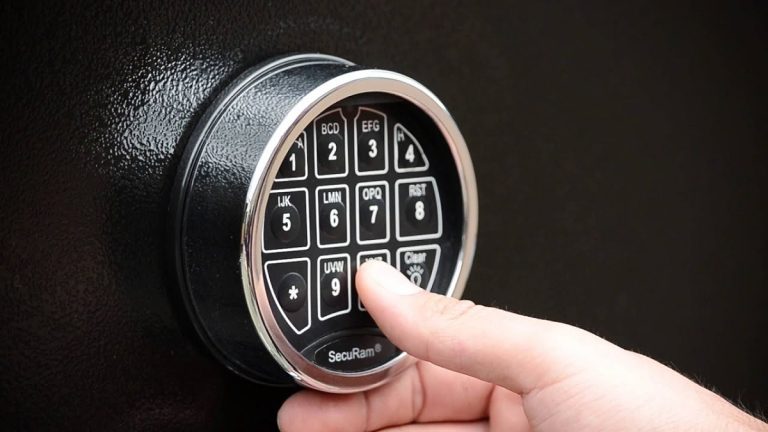
Modern gun safes use advanced locking systems designed to prevent unauthorized access while keeping firearms organized and protected. Some safes feature mechanical combination locks, while others use electronic keypads with backup keys. Behind the lock, thick steel locking bolts extend into the frame to secure the door from multiple sides. This design creates strong resistance against tampering and forced opening attempts.
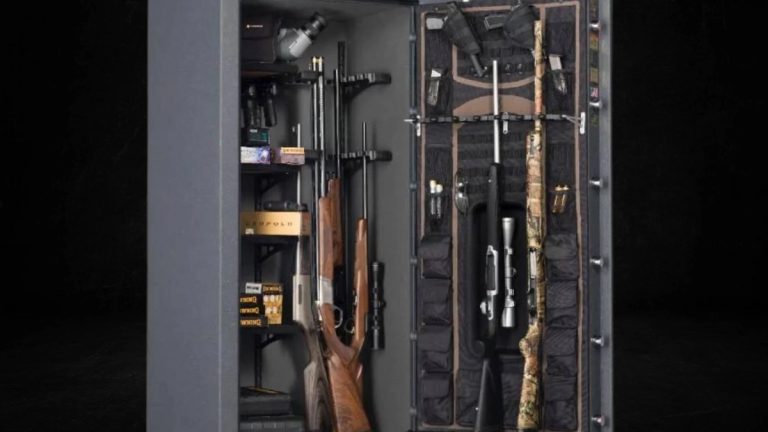
The interior of a gun safe is commonly lined with soft fabric or carpeting to protect firearms from scratches and dents. Adjustable shelving and rifle racks help maximize storage space while keeping items stable inside the unit. Fire-resistant safes may also include layers of drywall or special insulation materials between the steel walls to slow heat transfer during a fire. These interior materials contribute to the overall weight of the safe and play a major role in how carefully it must be handled during transport or relocation.
Can You Lay a Gun Safe Down Safely
Moving a large gun safe often creates challenges that make owners consider placing it on its side. Tight hallways, staircases, moving trucks, and low-clearance spaces can make upright transportation difficult. While many safes can handle temporary horizontal positioning, the process still requires careful handling to avoid damage. Understanding the risks and proper methods helps protect both the safe and the locking system during transportation or installation.
Situations Where Laying A Gun Safe Down May Be Necessary
There are several situations where laying a gun safe down becomes the most practical option during a move. Some safes are too tall to fit through certain doorways or inside cargo trailers while standing upright. Movers may also need to position the safe horizontally when navigating tight corners or loading it into a truck with limited vertical space. In these cases, controlled positioning helps prevent sudden tipping accidents that could damage floors, walls, or the safe itself.
Many professional movers use padded dollies, lifting straps, and protective blankets before lowering a safe onto its side. The goal is to reduce impact and keep pressure evenly distributed across the body of the safe. Most manufacturers recommend keeping the door facing upward whenever possible because it reduces stress on the hinges and locking components. Taking time to secure the safe properly during transport also minimizes internal shifting and helps preserve the safe’s long-term durability.
Risks That Come With Incorrect Positioning
Improper handling while laying a gun safe down can create mechanical and structural problems that are expensive to repair. The weight of the door alone can place additional strain on hinges when the safe rests in the wrong direction for an extended period. Some electronic locking systems may also become misaligned after rough movement or sudden drops during transport. These issues may affect how smoothly the door opens and closes after installation.
Interior shelving and firearm racks can shift when the safe is not stabilized correctly before movement. Heavy safes may also scratch flooring, crack tiles, or damage truck beds without proper padding underneath. Another major concern involves fire insulation materials inside the walls of certain safes. Repeated impacts or improper positioning may weaken those protective layers over time. Checking the owner’s manual before moving the safe helps identify any manufacturer warnings related to transportation and positioning.
Best Practices For Safe Transportation
Planning ahead makes the process of moving a gun safe much safer and more manageable. Before lowering the safe, removing firearms, shelves, and loose accessories reduces unnecessary weight and prevents interior damage. Wrapping the safe with thick moving blankets helps protect the exterior finish from dents and scratches during loading and unloading. Strong ratchet straps also help keep the safe secure while it is positioned inside a vehicle.
Using several people or professional movers is often the safest choice because gun safes can weigh hundreds of pounds. Controlled movement is important at every stage, especially when lowering the safe onto its side. Slow and steady handling prevents sudden pressure on the locking system and door frame. After transportation, allowing the safe to rest upright for a short period before use can help internal components settle back into place properly.
Best Position for Moving a Gun Safe
Transporting a gun safe requires careful positioning to protect both the safe and the people handling it. Because these safes are extremely heavy and contain sensitive locking systems, the way they are moved plays a major role in preventing damage. Choosing the correct position during transportation helps maintain structural stability, reduces strain on the door, and lowers the chance of accidents while loading or unloading.
Keeping The Gun Safe Upright During Transport
The safest and most recommended position for moving a gun safe is upright. Manufacturers design safes to stand vertically because the internal weight distribution, door alignment, and locking bolts function best in that position. Keeping the safe upright reduces pressure on the hinges and prevents the door from shifting during transportation. This method also helps maintain balance while using a dolly or moving equipment through hallways, ramps, and loading areas.
Professional movers often secure upright safes using heavy-duty straps attached to the walls of the moving truck. This setup prevents sliding or tipping while the vehicle is in motion. An upright position also minimizes stress on interior shelving and fireproof insulation materials. When a safe remains vertical throughout the move, there is less risk of mechanical problems developing inside the locking system after installation. Even during short-distance moves, maintaining this position provides the best protection for the safe’s overall structure.
When A Horizontal Position May Be Used
Some moving situations make it difficult to keep a gun safe upright at all times. Low truck ceilings, narrow staircases, or tight doorways may require the safe to be temporarily laid down to complete the move safely. In these cases, careful preparation becomes extremely important to avoid damaging the safe. Movers usually place thick padding or moving blankets underneath the unit before lowering it slowly onto its side.
Most experts recommend positioning the safe with the door facing upward rather than downward or sideways. This reduces excess pressure on the hinges and helps prevent the door from shifting out of alignment. Strong straps should secure the safe during transportation to stop rolling or sudden movement inside the truck. Temporary horizontal positioning is generally acceptable for many safes, but leaving the unit on its side for long periods may increase the risk of mechanical stress and internal shifting.
Proper Handling Techniques During The Move
Safe handling techniques are just as important as choosing the right position during transportation. Before moving the safe, removing firearms, documents, and adjustable shelves reduces total weight and prevents items from shifting inside. Using appliance dollies with strong straps helps maintain control while navigating stairs, uneven surfaces, or narrow spaces. Smooth and steady movement lowers the chance of sudden impacts that could damage the locking mechanism or steel frame.
Protective materials also play a major role in safe transportation. Thick blankets, plywood sheets, and floor protectors help prevent scratches to both the safe and surrounding surfaces. Many movers avoid dragging the safe directly across floors because the weight can crack tiles or damage hardwood surfaces. Coordinated lifting by several people or professional movers reduces strain and improves stability throughout the process. Careful handling keeps the safe secure while protecting its long-term performance and reliability.
Steps to Lay a Gun Safe Down Properly
Laying a gun safe down requires planning, patience, and the right equipment to avoid damage or injury. Because gun safes are extremely heavy, improper handling can affect the locking system, hinges, or exterior finish. Preparing the safe before movement and lowering it carefully helps reduce stress on its structure. Following the correct steps also makes transportation safer for everyone involved in the moving process.
Prepare The Safe Before Moving
Before laying a gun safe down, the first step is removing all firearms, ammunition, and valuable contents from inside. Emptying the safe reduces overall weight and prevents items from shifting during movement. Adjustable shelves, racks, and loose interior accessories should also be removed to avoid damage inside the unit. After clearing the contents, locking the door securely helps prevent sudden opening while the safe is being moved or repositioned.
The surrounding area should also be prepared before any lifting begins. Clear pathways reduce the chance of tripping or losing control during transportation. Many movers place plywood sheets or thick cardboard on floors to protect surfaces from scratches or cracks caused by the safe’s heavy weight. Gathering proper equipment such as appliance dollies, moving straps, gloves, and heavy blankets makes the process smoother and safer. Careful preparation lowers the risk of accidents and helps maintain the safe’s condition during the move.
Lower The Safe Slowly And Carefully
Once the safe is ready for movement, it should be lowered slowly using controlled force rather than sudden drops or tipping. Several people are usually needed to guide the safe safely into position because even smaller safes can weigh hundreds of pounds. Moving blankets or thick foam padding should be placed underneath the safe before lowering it onto its side. This protective layer helps absorb pressure and prevents scratches or dents on the exterior finish.
Most professionals recommend laying the safe down with the door facing upward whenever possible. This position reduces unnecessary stress on the hinges and locking bolts while helping maintain door alignment. Strong ratchet straps can also help stabilize the safe during the lowering process. Quick or uneven movements may shift internal components or damage fireproof insulation materials inside the walls. Maintaining steady control throughout the process protects both the safe and the surrounding property from damage.
Secure The Safe During Transportation
After the safe is laid down properly, securing it becomes the next important step before transportation begins. Heavy-duty straps should hold the safe firmly in place inside the moving truck to prevent sliding during turns or sudden stops. Padding around the sides of the safe helps protect it from impact against truck walls or other heavy objects during transit. Stable positioning reduces vibration and keeps pressure evenly distributed across the safe’s structure.
Drivers transporting gun safes often avoid rough roads and sudden braking because excessive movement may place strain on the locking system. Once the safe reaches its destination, it should be lifted back into an upright position carefully and without rushing. Allowing the safe to remain upright for a short period before loading firearms back inside can help internal components settle properly after transport. Careful securing and handling during every stage of the move help preserve the safe’s long-term durability and performance.
Can Laying a Gun Safe Down Affect Fire Protection
Fire protection is one of the main reasons many people invest in a gun safe. These safes are built with insulation materials and sealed interiors designed to slow heat transfer during a fire. Because of this specialized construction, some owners worry that moving or laying the safe down could affect its fire-resistant performance. Understanding how fireproof safes are built helps explain the possible risks involved during transportation.
How Fireproof Insulation Works Inside A Gun Safe
Most fire-resistant gun safes contain layers of insulation material placed between the steel walls. Manufacturers often use fireboard, gypsum-based panels, or other heat-resistant materials to create a barrier against extreme temperatures. During a fire, these materials release moisture slowly to help keep the interior cooler for a longer period. The insulation works together with sealed door gaps to reduce smoke and heat entering the safe.
The effectiveness of this fire protection depends heavily on the condition of the insulation inside the safe. Repeated impacts, rough handling, or sudden drops during transportation may crack or weaken some of these internal layers. Although the damage may not always be visible from the outside, compromised insulation can reduce the safe’s ability to maintain safe internal temperatures during a fire. This is why careful handling becomes important whenever a gun safe is moved or repositioned.
Potential Risks Of Laying A Safe Down Incorrectly
Laying a gun safe down improperly can place uneven pressure on the walls and internal fireproof materials. Heavy safes shifted too quickly or dropped onto hard surfaces may cause insulation panels to separate or develop hidden fractures. Lower-quality safes are often more vulnerable because thinner materials and weaker construction provide less internal support during transportation. Damage inside the walls may go unnoticed until the safe is exposed to extreme heat conditions.
Another concern involves the door seal and locking alignment. Fire-resistant safes rely on tightly sealed doors to block heat and smoke during a fire. Improper positioning while laying the safe down may place stress on hinges or slightly affect door alignment over time. Even small gaps around the door can reduce overall fire performance. This risk increases when the safe remains on its side for long periods or experiences rough movement during loading and unloading.
Ways To Protect Fire Resistance During A Move
Protecting a gun safe’s fire resistance starts with proper preparation before moving begins. Removing heavy contents from inside the safe reduces stress on the structure and makes handling easier. Thick moving blankets, foam padding, and plywood sheets help absorb impact when the safe is lowered onto its side. Controlled movement is important because sudden tipping or dropping creates the highest risk of damaging internal insulation materials.
Many movers recommend keeping the safe upright whenever possible to maintain balanced weight distribution. When horizontal positioning becomes necessary, placing the door facing upward helps reduce pressure on the hinges and seal system. Securing the safe tightly during transportation also prevents unnecessary shifting inside the truck. After the move, checking the door alignment and seal condition helps confirm that the safe still closes properly and maintains its protective structure.
FAQs
Can You Lay A Gun Safe Down During Transport?
You can lay a gun safe down during transport, but it should be done carefully and only when necessary. Gun safes are designed to stay upright, yet many situations like narrow doorways, stairs, or vehicle limitations make horizontal positioning unavoidable. When you do lay it down, controlling the movement is important to avoid stressing hinges, locking bolts, or internal fireproof materials.
The safest practice is to keep the door facing upward to reduce pressure on the locking system. Using thick moving blankets and proper straps also helps protect the exterior and stabilize the safe during the move.
Will Laying A Gun Safe Down Damage The Locking Mechanism?
Laying a gun safe down does not automatically damage the locking mechanism, but improper handling can cause issues. If the safe is dropped, tilted too fast, or placed with the door facing downward, internal components may shift or become misaligned. This can affect how smoothly the lock engages after relocation.
To avoid problems, you should secure the door tightly before moving and ensure the safe is supported evenly. Once it is upright again, checking the lock function is always recommended.
What Is The Safest Position To Move A Gun Safe?
The safest position for moving a gun safe is upright because it keeps weight evenly distributed and maintains proper alignment of the door and locking system. Most manufacturers design safes to perform best in this vertical position during handling and installation.
If upright movement is not possible, the next safest option is laying it flat with the door facing upward. This reduces strain on hinges and helps maintain stability while loading into a truck or moving through tight spaces.
Can Laying A Gun Safe Down Affect Fire Resistance?
Laying a gun safe down does not immediately destroy fire resistance, but rough handling can weaken internal insulation. Fireproof safes contain materials like gypsum or fireboard that may crack if the safe is dropped or impacted heavily. This can reduce long-term fire protection performance.
Careful movement with padding and slow lowering helps preserve the internal structure. Avoiding sudden impacts ensures the fire-resistant layers remain intact and functional after transport.
Should You Empty A Gun Safe Before Laying It Down?
You should always empty a gun safe before laying it down or moving it. Removing firearms, ammunition, and accessories significantly reduces weight and prevents items from shifting inside. This also protects your belongings from damage during sudden movements or tilting.
An empty safe is easier to control, lowering the risk of injury and structural stress. It also helps movers position the safe more safely without worrying about internal movement or imbalance.
How Long Can A Gun Safe Stay On Its Side?
A gun safe should not stay on its side for longer than necessary. Temporary positioning during transport is generally safe, but extended periods can put pressure on hinges and door alignment. Over time, this may lead to minor structural stress or misalignment issues.
Once the safe reaches its destination, it should be returned to an upright position as soon as possible. Allowing it to rest upright helps internal components settle back into proper alignment.
Do You Need Professional Help To Lay A Gun Safe Down?
You do not always need professional help, but it is strongly recommended, especially for large or heavy safes. Gun safes can weigh several hundred pounds, making them difficult and risky to move without proper equipment and experience. Professionals use dollies, straps, and controlled techniques to prevent damage.
If you attempt it yourself, you should have enough strong helpers and the right moving tools. Without proper handling, there is a higher chance of injury or damage to the safe and surrounding property.
Final Thoughts
Moving a gun safe is not as simple as just lifting and placing it into a vehicle, and understanding the right handling method is essential to avoid costly damage. Many owners wonder about stability, safety, and whether orientation affects the structure or locking system during transport.
When asking can you lay a gun safe down, the answer depends on the manufacturer’s guidance, the safe’s weight distribution, and how well it is secured. While it can be done in some cases, it is generally safer to keep the safe upright to protect the locking mechanism, fireproofing layers, and door alignment. If laying it down becomes unavoidable, proper padding, strapping, and careful handling are critical to reduce risk.
Ultimately, careful planning makes all the difference in protecting your investment. Using the right equipment or hiring professionals can help ensure the safe arrives in perfect condition without internal or external damage, giving you peace of mind after the move.