How to Build a Gun Safe – Step-by-Step DIY Guide for Maximum Security
Protecting your firearms starts with secure storage, and many gun owners consider building their own safe to match their specific needs. A well-planned project can provide dependable protection while giving you control over the size, layout, locking system, and overall design. Learning how to build a gun safe also helps you understand the essential features that contribute to firearm security.
A homemade gun safe requires careful planning, quality materials, and attention to structural strength. Every component, from the steel body to the locking mechanism, plays an important role in creating a secure storage solution that performs reliably over time.
Understanding how to build a gun safe involves more than assembling metal panels. You also need to consider fire resistance, interior organization, moisture control, and proper installation to maximize both security and convenience.
This guide explains how to build a gun safe step by step, covering the materials, tools, construction process, and practical considerations you should know before starting your project.
Planning Your DIY Gun Safe
Proper planning is the foundation of a durable and secure storage solution. Before gathering materials or cutting wood and steel, take time to decide how your safe will be used, where it will be placed, and how much storage space you need. A well-planned project reduces mistakes, controls costs, and helps you create a gun safe that fits your collection while supporting safe firearm storage.
Determine The Right Size And Storage Capacity
Start by making a complete list of the firearms and related accessories you intend to store. Think beyond your current collection and leave extra room for future additions so your DIY gun safe does not become overcrowded within a short time. Adequate spacing also helps prevent firearms from rubbing against each other, reducing unnecessary wear and scratches over time.
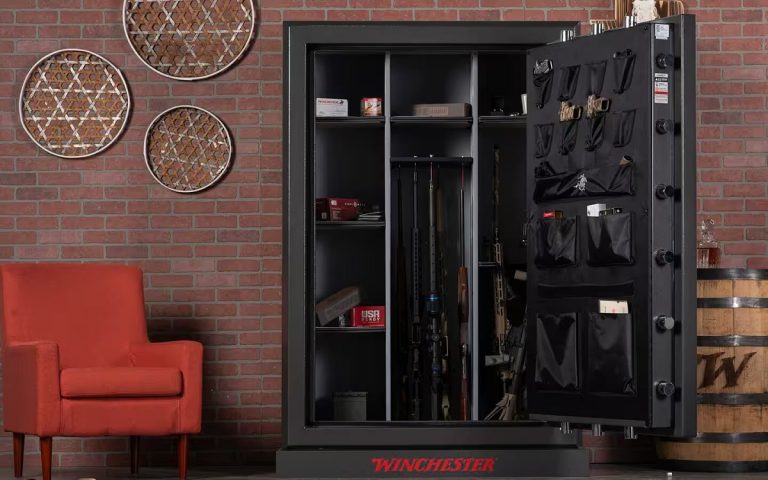
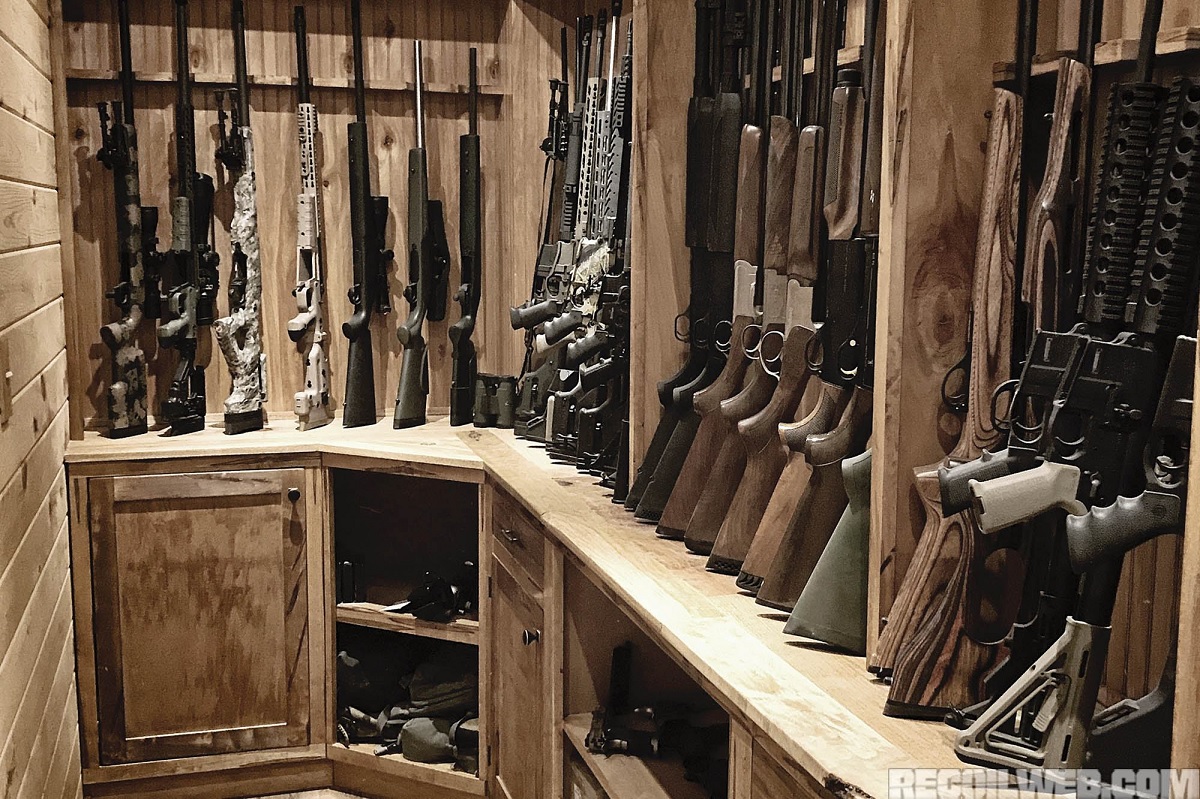
Consider organizing the interior before building the exterior. Decide whether you want dedicated shelves, vertical rifle racks, handgun compartments, or storage for important documents and accessories. Planning these sections in advance allows you to maximize every inch of available space while keeping everything easy to access and neatly arranged.
The safe’s external dimensions should also match the available space in your home. Measure the installation area carefully, including doorways, hallways, and staircases that the finished safe must pass through. Overlooking these measurements can make installation difficult even after the project is complete.
Choose A Suitable Location Before Construction
Selecting the installation location early helps determine the overall design and dimensions of your DIY gun safe. A basement, spare room, or reinforced closet may provide enough space while keeping the safe away from daily household traffic. The location should also allow the safe to sit on a stable, level surface capable of supporting significant weight.
Environmental conditions are equally important. Excess moisture can contribute to rust and damage over time, especially for steel components and firearms. Choosing a dry location with good ventilation can help preserve both the safe and its contents while reducing long-term maintenance requirements.
Think about convenience without sacrificing security. The safe should be accessible when needed while remaining discreet within the home. Planning the location first also makes it easier to determine whether wall anchoring or floor anchoring will be practical during installation.
Create A Realistic Budget And Material List
A detailed budget keeps your project organized and prevents unexpected expenses from slowing construction. List every material you expect to need, including steel panels, wood, insulation, fasteners, hinges, interior lining, paint, and organizational components. Pricing these items before purchasing helps you understand the total project cost and identify areas where adjustments may be necessary.
Material quality deserves careful attention because it directly affects durability. Choosing reliable hardware, sturdy structural materials, and quality finishing products often provides better long-term value than selecting the least expensive options. Durable materials generally require fewer repairs and maintain their appearance for a longer period.
Include additional costs for tools, protective equipment, and finishing supplies if you do not already own them. Setting aside a small contingency budget for unexpected purchases can help keep the project moving smoothly without frequent interruptions or last-minute compromises.
Materials Needed To Build A Gun Safe
Choosing the right materials is one of the most important steps when building a durable and dependable gun safe. Every component contributes to the overall strength, security, and lifespan of the finished project. Investing in quality materials from the beginning helps create a sturdy structure that protects firearms from unauthorized access, physical damage, and environmental conditions while supporting long-term reliability.
Steel Sheets And Structural Frame
Steel is the primary material used to build a strong gun safe because it provides the durability needed to resist impacts and forced entry attempts. Thick steel sheets are commonly used for the body and door, while steel tubing or angle iron can reinforce the frame. Selecting quality steel improves structural integrity and gives the safe a solid foundation that remains stable over many years of use.
The frame should be designed to support the weight of the steel panels without twisting or flexing. Reinforced corners and welded joints help distribute weight evenly while strengthening the entire structure. Careful material selection at this stage makes later assembly easier and improves the finished safe’s overall performance.
Before purchasing steel, verify the dimensions required for your design to minimize waste and reduce unnecessary cutting. Ordering correctly sized pieces can save both time and material costs while making construction more efficient from start to finish.
Heavy-Duty Hinges, Locking System, And Hardware
A secure gun safe depends on more than thick steel. Heavy-duty hinges and reliable hardware are equally important because they support the weight of the door while allowing smooth operation. Weld-on hinges are often preferred for larger safes due to their strength, while reinforced mounting points help prevent excessive wear after repeated opening and closing.
The locking system deserves careful consideration because it serves as the primary security feature. Builders often choose between mechanical combination locks, electronic keypad locks, or high-quality keyed locking systems depending on their preferences and project requirements. The selected lock should fit securely within the door and operate consistently without unnecessary movement.
Other hardware includes locking bolts, handles, mounting brackets, screws, washers, and anchor bolts. Using corrosion-resistant hardware improves durability and helps maintain dependable performance throughout years of regular use.
Interior Materials And Protective Lining
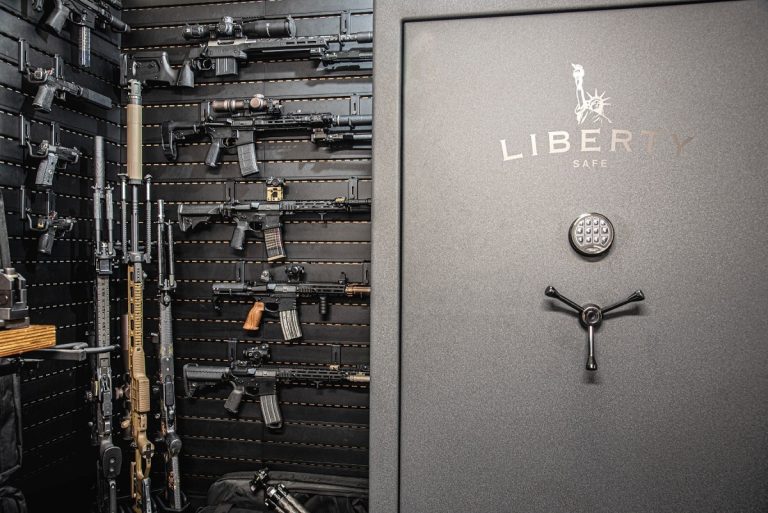
The inside of the gun safe should protect firearms from scratches, dents, and unnecessary movement. Soft carpeting, felt, foam panels, or specialized fabric liners create a cushioned interior that keeps firearms in good condition while improving the overall appearance of the storage space. These materials also reduce noise when placing or removing firearms from the safe.
Shelving materials such as plywood, hardwood, or steel panels can be used to create organized compartments for rifles, handguns, ammunition, and accessories. Adjustable shelves provide greater flexibility as storage needs change over time, allowing the safe to accommodate different firearm collections.
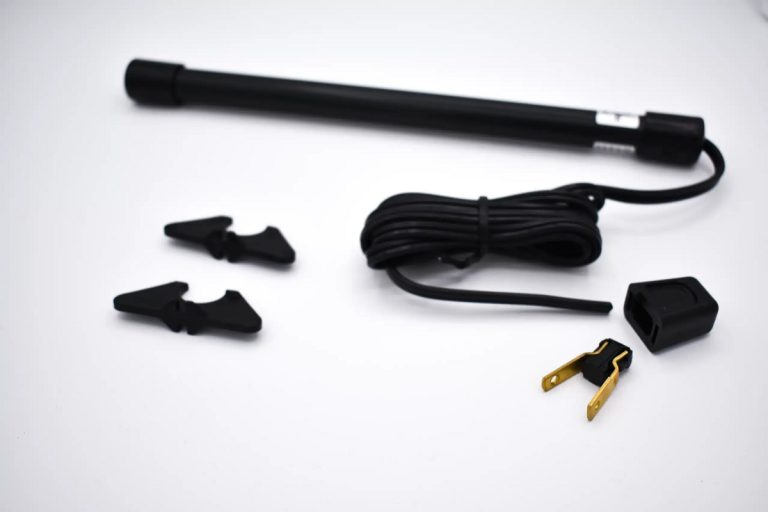
Moisture control materials should also be included in the design. Weather stripping around the door improves the seal, while space for a dehumidifier or moisture absorber helps reduce humidity inside the safe, protecting firearms from rust and corrosion during long-term storage.
Welding Supplies, Fasteners, And Finishing Materials
Building a gun safe requires dependable assembly materials that hold every component together securely. Welding rods or welding wire are essential when joining steel panels and reinforcing the frame. Strong welds create a rigid structure that improves both durability and resistance to separation under stress. Builders who use bolted construction should select high-strength fasteners designed for heavy-duty applications.
Surface preparation materials are equally important for achieving a professional finish. Metal primer helps protect exposed steel from corrosion, while durable paint or powder coating adds another layer of protection against scratches, moisture, and everyday wear. Proper finishing extends the life of the safe while improving its overall appearance.
Additional supplies such as grinding discs, cutting wheels, sandpaper, sealants, and protective coatings help complete the project with greater precision. Keeping all required materials ready before construction begins allows the building process to move efficiently and reduces unnecessary delays caused by missing components.
How To Build A Gun Safe Step By Step
Building a gun safe requires careful preparation, accurate measurements, and attention to structural strength. Working methodically through each stage helps you create a storage solution that is durable, organized, and reliable. Following a logical construction process also reduces costly mistakes and ensures every component fits together properly before the final installation and finishing work begins.
Build The Frame And Base Structure
Begin by constructing a solid frame that will support the entire weight of the gun safe. Measure and cut your steel tubing or angle iron according to your design, making sure every piece is square before joining them together. A properly aligned frame creates the foundation for the remaining construction and helps prevent twisting or uneven door gaps later in the project.
Once the frame is assembled, attach it securely to the base. The base should be rigid enough to support not only the steel body but also the weight of firearms and accessories stored inside. Reinforcing the corners and checking for level surfaces at this stage improves the overall stability of the finished safe.
Before moving forward, inspect all joints, measurements, and alignment points. Correcting small issues now is much easier than making adjustments after the body panels have been installed. Taking extra time during the framing stage contributes to a stronger and more professional-looking result.
Install The Steel Panels And Assemble The Body
After completing the frame, attach the steel panels that will form the sides, back, top, and bottom of the safe. Position each panel carefully so the edges line up evenly with the frame. Consistent spacing helps create a tight structure and makes installing the door much easier during the next stage.
Join the panels securely according to your chosen construction method, ensuring every connection is strong and properly aligned. Pay close attention to corners because they contribute significantly to the safe’s overall rigidity. Smooth transitions between panels also improve the finished appearance and simplify later surface preparation.
As the body takes shape, verify that the dimensions remain accurate by checking the interior and exterior measurements. Confirming alignment throughout assembly prevents cumulative errors that could affect door fitment, shelving installation, or the locking mechanism later in the project.
Construct And Fit The Safe Door
The door is one of the most important parts of the gun safe because it protects the opening and supports the locking system. Build the door using materials that match the strength of the safe body while ensuring it remains properly sized for the opening. Accurate measurements help create consistent gaps around the edges for smooth operation.
Install heavy-duty hinges capable of supporting the door’s weight without sagging over time. Test the movement several times during installation to ensure the door opens and closes smoothly. Minor alignment adjustments at this stage can significantly improve long-term performance and reduce unnecessary wear on the hinges.
Once the door operates correctly, install the chosen locking mechanism according to the manufacturer’s specifications. Check that the locking components engage fully and consistently before completing the remaining construction. Proper door alignment and dependable lock operation are essential for achieving a secure finished product.
Finish The Interior And Protective Coating
With the main structure complete, focus on creating an organized and protective interior. Install shelving, rifle racks, handgun holders, or storage compartments based on your original design. Keeping firearms separated helps prevent accidental contact and allows you to organize accessories more efficiently.
Line the interior with protective materials such as carpet, felt, or foam to reduce scratches and improve the appearance of the storage space. Adding weather stripping around the door opening can also help create a tighter seal against dust and moisture. Consider leaving room for a dehumidifier or moisture-absorbing device to help preserve stored firearms.
Complete the exterior by preparing the metal surface and applying a durable protective finish. Cleaning, smoothing, priming, and coating the steel helps resist corrosion while improving the safe’s overall appearance. After the finish has fully cured, perform a final inspection to confirm the door, lock, shelves, and structural components operate as intended before placing the safe into regular use.
Choosing The Best Lock For Your Gun Safe
The locking system is one of the most important parts of any gun safe because it determines how securely your firearms are protected while remaining accessible when needed. Selecting the right lock depends on your security preferences, convenience, maintenance expectations, and budget. Understanding the advantages of different lock types helps you make an informed decision before completing your DIY gun safe.
Mechanical Combination Locks
Mechanical combination locks have been trusted for decades because of their dependable design and long service life. They operate without batteries or electrical components, making them a practical choice for people who prefer a simple and reliable locking system. Once properly installed and maintained, these locks can continue working smoothly for many years with minimal upkeep.
One advantage of a mechanical lock is its consistent performance during power outages or situations where electronic systems may not function. Since the mechanism relies entirely on internal gears and dials, you never have to worry about replacing batteries or dealing with electronic failures. This makes it especially appealing for long-term firearm storage.
The main consideration is that unlocking the safe generally takes more time than using an electronic keypad. Entering the correct combination requires patience and precision, particularly for new users. However, many people appreciate the proven reliability and durability that mechanical combination locks provide.
Electronic Keypad Locks
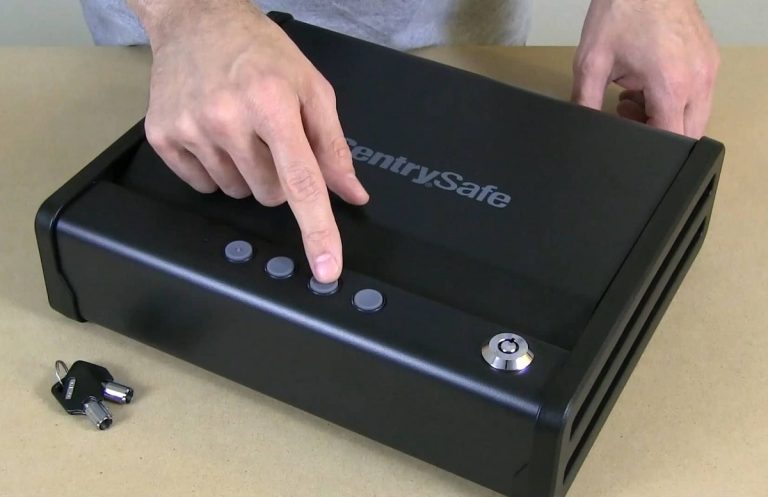
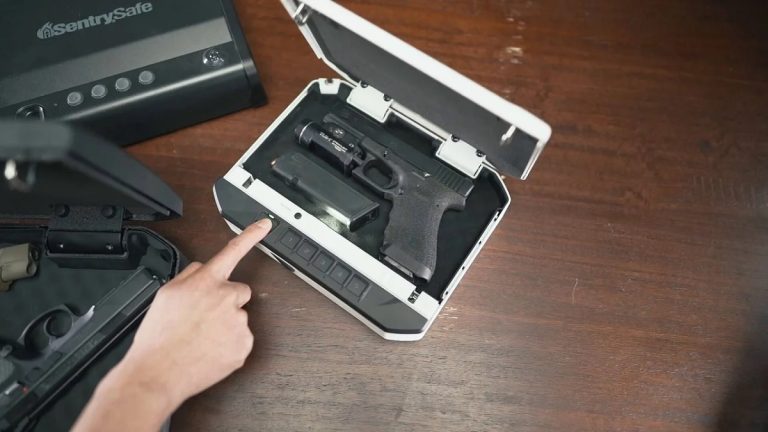
Electronic keypad locks offer quick and convenient access to your gun safe. Instead of turning a dial multiple times, you simply enter a personal code using the keypad, allowing the door to unlock within seconds. This speed can be beneficial when you need fast access while still maintaining a secure locking system.
Many electronic locks allow users to change their access codes whenever necessary. This flexibility makes it easier to improve security over time without replacing the entire locking mechanism. Some models also include additional features such as temporary lockout functions after repeated incorrect code attempts and low-battery warning indicators.
Although electronic locks are convenient, they require occasional battery replacement to maintain dependable operation. Regularly checking battery condition and testing the keypad helps ensure the lock continues functioning properly. Keeping backup access instructions available also provides added peace of mind.
Biometric Locks And Important Installation Tips
Biometric locks use fingerprint recognition to unlock the gun safe, offering fast access without the need to remember combinations or carry physical keys. After registering authorized fingerprints, the system can identify approved users within moments. This convenience makes biometric technology increasingly popular among firearm owners seeking both speed and ease of use.
The effectiveness of a biometric lock depends heavily on proper installation and calibration. Positioning the lock securely within the safe door and carefully following setup instructions helps improve fingerprint recognition accuracy. Testing the scanner multiple times after installation allows you to confirm that it consistently recognizes registered fingerprints under normal conditions.
Regardless of the locking system you choose, proper installation is essential for reliable performance. Carefully align the lock components, verify that all mounting hardware is secure, and test the locking mechanism repeatedly before placing the safe into regular use. A high-quality lock paired with precise installation provides dependable security and helps ensure your DIY gun safe performs as intended for years to come.
Making Your DIY Gun Safe More Secure
Building a sturdy gun safe is only part of the process. Adding extra security features can significantly improve its ability to protect firearms and valuables from unauthorized access and theft. Reinforcing the structure, securing the installation, and protecting the contents from environmental damage all contribute to a safer and more dependable DIY gun safe.
Anchor The Safe To A Solid Surface
One of the most effective ways to improve security is by anchoring the gun safe to a concrete floor or another strong structural surface. A heavy safe can still be moved with the right equipment, but secure anchoring makes removal much more difficult. This added stability also prevents the safe from tipping during use or when the door is fully open.
Choose heavy-duty anchor bolts that match both the weight of the safe and the type of flooring where it will be installed. Mark the mounting holes carefully, drill them accurately, and tighten every fastener securely. Proper installation ensures the safe remains firmly attached and minimizes movement over time.
After anchoring, inspect the mounting points periodically to confirm that the bolts remain tight. Routine checks help identify any loosening caused by vibration or regular use, allowing you to maintain the safe’s stability for years to come.
Reinforce The Door And Locking Area
The door is often the most targeted area during an attempted break-in, making reinforcement an important part of improving overall security. Adding additional steel around the door frame and lock housing helps strengthen these critical areas and increases resistance to prying or forced entry. Reinforced construction also helps maintain proper door alignment after years of regular use.
Strengthening the locking area is equally important. Ensure the lock is mounted securely and that the locking bolts engage fully with the frame every time the door is closed. Proper alignment reduces unnecessary stress on the mechanism while improving consistent operation.
Inspect the hinges, locking bolts, and surrounding metal regularly for signs of wear or damage. Replacing worn components before they fail helps preserve the security of your DIY gun safe and reduces the likelihood of unexpected problems.
Protect Against Moisture And Improve Internal Security
Security is not limited to preventing theft. Protecting firearms from moisture, dust, and corrosion is equally important for preserving their condition. Install weather stripping around the door to create a tighter seal and reduce the amount of moisture entering the safe. A well-sealed interior helps maintain a more stable storage environment throughout the year.
Adding a dehumidifier or moisture-absorbing device can further reduce humidity inside the safe. Keeping the interior dry minimizes the risk of rust, corrosion, and damage to both firearms and important documents stored inside. Regularly monitoring humidity levels helps maintain consistent protection over time.
Internal organization also contributes to security. Use rifle racks, handgun holders, and separate compartments to keep firearms stable and prevent accidental movement. Organized storage reduces the chance of scratches or impacts while allowing you to quickly locate specific items without disturbing the rest of the collection.
FAQs
How To Build A Gun Safe?
Building a gun safe starts with careful planning, proper measurements, and selecting strong materials. You need to decide the size, location, and storage requirements before beginning construction. A well-designed plan helps you create a safe that fits your firearms and provides organized storage space.
You should focus on using durable materials, reliable locking components, and secure construction methods. Taking time during each stage allows you to create a stronger storage solution. Proper installation, reinforcement, and regular maintenance help your DIY gun safe remain dependable over time.
What Materials Do You Need To Build A Gun Safe?
You need strong and durable materials to build a reliable gun safe. Common materials include steel sheets, metal framing, heavy-duty hinges, locking hardware, fasteners, and interior lining materials. The quality of these materials directly affects the strength and durability of your finished safe.
You should also consider protective materials such as weather stripping, rust-resistant coatings, and moisture control products. These additions help protect firearms from environmental damage. Choosing suitable materials before starting the project makes the construction process smoother and helps you avoid unnecessary replacements or repairs later.
How Much Does It Cost To Build A DIY Gun Safe?
The cost of building a DIY gun safe depends on the size, materials, tools, and security features you choose. A smaller safe with basic materials may require a lower budget, while a larger design with reinforced steel and advanced locking systems will increase expenses.
You should create a detailed material list before purchasing supplies to estimate the total cost. Remember to include tools, finishing products, and additional hardware in your budget. Planning carefully allows you to control expenses while still creating a strong and secure storage option for your firearms.
What Type Of Lock Is Best For A DIY Gun Safe?
The best lock for your DIY gun safe depends on your preferred balance between security and convenience. Mechanical combination locks provide long-lasting reliability without batteries, while electronic keypad locks offer faster access and easier code changes.
You may also consider biometric locks that use fingerprint recognition for quick entry. Regardless of the lock type you select, proper installation is essential for dependable performance. You should choose a high-quality locking system that matches your safe design and regularly check the mechanism to ensure it continues working correctly.
How Can You Make A Homemade Gun Safe More Secure?
You can make a homemade gun safe more secure by reinforcing weak points and improving the installation. Adding stronger door supports, using quality locking hardware, and anchoring the safe to a solid surface can increase stability and protection.
You should also focus on internal security by organizing firearms properly and preventing moisture buildup. Regular inspections help you identify loose hardware, damaged components, or other issues before they affect performance. Combining strong construction with proper maintenance allows your DIY gun safe to provide better long-term protection.
Where Should You Install A DIY Gun Safe?
You should install your DIY gun safe in a location that provides both security and convenience. A dry, stable area with limited visibility is usually preferred because it helps protect the safe while reducing unnecessary exposure.
Before installation, you need to consider the available space, floor strength, and accessibility. A secure anchoring point can prevent unwanted movement or removal. You should also avoid areas with excessive moisture because humidity can damage firearms and internal components. Choosing the right location improves both safety and the lifespan of your gun safe.
How Long Does It Take To Build A Gun Safe?
The time required to build a gun safe depends on your design complexity, available tools, and construction experience. A simple project may take several days, while a larger and more detailed safe can require several weeks to complete properly.
You should avoid rushing the process because accurate measurements and strong connections are important for safety and durability. Preparing materials in advance and following a step-by-step plan can make the project more efficient. Taking enough time during construction helps you create a safer and more reliable final product.
Is Building Your Own Gun Safe Better Than Buying One?
Building your own gun safe gives you more control over the design, size, materials, and storage layout. You can customize the interior according to your needs and create a solution that fits your available space.
However, purchasing a professionally manufactured safe may provide advanced security features, tested designs, and specialized protection. You should consider your construction skills, budget, and security expectations before choosing. A DIY approach can be rewarding when carefully planned, but you need to ensure the final structure provides appropriate protection and reliable firearm storage.
Final Words
Building a secure storage solution takes careful planning, quality materials, and attention to detail. Learning how to build a gun safe helps you create a storage space that protects your firearms from unauthorized access while keeping them organized and in good condition.
A well-designed safe should include a strong steel body, a dependable locking system, and proper anchoring for added security. Regular inspections and maintenance also help ensure your homemade safe continues to perform as intended over time, giving you greater confidence in its reliability.
Understanding how to build a gun safe allows you to customize the size, layout, and features to fit your specific needs. By focusing on durability, safety, and responsible firearm storage practices throughout the project, you can create a secure solution that provides long-term value and dependable protection for your firearm collection.