How Much Is a Box of 9mm Ammo? Current Prices and Smart Buying Tips
The cost of ammunition is an important consideration for anyone who enjoys target shooting, practices regularly at the range, or keeps ammunition on hand for personal use. One of the most common questions buyers ask is how much is a box of 9mm ammo, especially since prices can vary depending on several factors. Understanding what influences the cost helps you plan your purchases more effectively.
A box of 9mm ammunition does not always have the same price because brands, bullet types, package sizes, and market conditions all play a role. Practice ammunition is generally more affordable than premium defensive or specialty loads, making it important to compare products before buying.
When researching how much is a box of 9mm ammo, you will also notice that retailers may offer different prices for the same product. Shopping during promotions or purchasing larger quantities can often provide better value over time.
This guide explains how much is a box of 9mm ammo, the factors that affect pricing, average costs by ammunition type, and practical tips for finding the best deals without compromising quality.
How Much Is a Box of 9mm Ammo?
The price of a box of 9mm ammunition depends on several factors, including the bullet type, brand, package size, and current market conditions. While many buyers focus on the total box price, the cost per round often provides a better comparison between different products. Understanding these pricing factors helps you choose ammunition that fits both your budget and your intended shooting purpose.
Average Price of a Standard Box of 9mm Ammo
A standard box of 9mm ammunition typically contains either 20, 25, or 50 rounds, with 50-round boxes being the most common for target shooting and range practice. The overall price varies based on the manufacturer and the type of ammunition included. Basic Full Metal Jacket (FMJ) loads are generally the most affordable option because they are produced in large quantities for recreational shooting.
Premium ammunition designed for self-defense or hunting usually costs more than standard practice rounds. These products often feature specialized bullet designs, higher-quality components, and additional manufacturing processes that increase production costs. As a result, two boxes containing the same number of rounds may have noticeably different prices.
Comparing the price per round rather than the total box price allows you to identify the better overall value. This approach is especially useful when evaluating products from different brands or retailers.
What Can Change the Price of a Box?
Several factors influence the cost of a box of 9mm ammo. Brand reputation is one of the most significant considerations, as well-known manufacturers often charge more because of their quality control, reliability, and consistent performance. Ammunition intended for competitive shooting, hunting, or personal defense also tends to cost more than standard range ammunition.
The materials used during manufacturing also affect pricing. Brass-cased ammunition is generally more expensive than steel-cased alternatives because brass offers greater durability and is often reloadable. In addition, fluctuations in the cost of raw materials such as copper, lead, powder, and primers can influence retail prices.
Retail competition, transportation costs, and seasonal promotions may also cause prices to vary from one seller to another. Comparing multiple retailers can help you find the most competitive deals.
Is Buying Larger Quantities More Cost-Effective?
Purchasing multiple boxes or bulk quantities of 9mm ammunition often reduces the average cost per round. Many retailers offer discounts on larger purchases, making bulk buying an attractive option for shooters who practice frequently. Although the upfront cost is higher, the long-term savings can be substantial.
Bulk purchases also help reduce the need for frequent shopping, allowing you to take advantage of favorable prices before market conditions change. Many experienced shooters purchase ammunition during promotional sales or seasonal discounts to maximize their savings.
Before buying in bulk, consider your storage space and how often you shoot. Selecting the right quantity based on your usage helps you balance affordability with convenience while ensuring you always have quality ammunition available for your next range session.
What Affects the Price of a Box of 9mm Ammo?
The price of a box of 9mm ammo depends on more than the number of rounds inside. Factors such as the brand, bullet design, manufacturing materials, market demand, and retailer pricing all contribute to the final cost. Understanding these influences helps you compare products more effectively and choose ammunition that delivers the best balance between price, reliability, and intended use.
Brand and Bullet Type
The manufacturer is one of the biggest factors affecting the price of a box of 9mm ammo. Well-established brands often charge more because they maintain strict quality control, use premium components, and have a reputation for producing reliable ammunition. Many shooters are willing to pay a higher price for trusted brands that consistently perform well at the range or in defensive situations.
Bullet type also plays a significant role in determining cost. Full Metal Jacket (FMJ) ammunition is generally the most affordable because it is designed for target shooting and is produced in large quantities. Hollow Point (HP), jacketed hollow point (JHP), and other premium defensive loads usually cost more due to their advanced bullet construction and specialized performance characteristics.
Match-grade ammunition designed for precision shooting also falls into a higher price category. These cartridges are manufactured with tighter tolerances and carefully selected components, which increase production costs while improving consistency and accuracy.
Case Material and Manufacturing Costs
The material used to manufacture the cartridge case has a direct impact on pricing. Brass-cased 9mm ammunition is typically more expensive than steel-cased alternatives because brass is durable, corrosion resistant, and commonly reloadable. Many shooters prefer brass cases because they function reliably in a wide range of firearms.
Steel-cased ammunition is often sold at a lower price, making it attractive for budget-conscious shooters. However, some firearm owners choose brass for its smoother extraction and longer service life. Aluminum-cased ammunition may also be available and usually falls between brass and steel in terms of price.
Manufacturing expenses extend beyond the cartridge case. The costs of copper, lead, powder, primers, labor, quality inspections, and transportation all influence the retail price of a box of 9mm ammo. Changes in these production costs are often reflected in the final selling price.
Market Demand and Supply Conditions
Supply and demand have a major influence on ammunition prices throughout the year. When manufacturers produce enough inventory to meet consumer demand, prices often remain stable and retailers compete by offering discounts. A healthy supply generally benefits buyers by increasing product availability and encouraging competitive pricing.
During periods of high demand, available inventory may become limited. As supplies decrease, retailers often raise prices because more buyers are competing for fewer products. Increased demand can result from seasonal buying patterns, market uncertainty, or higher participation in recreational shooting.
Once production catches up and inventories return to normal levels, prices frequently become more competitive again. Monitoring market trends can help you identify favorable buying opportunities and avoid purchasing during temporary price spikes.
Package Size and Retailer Pricing
The number of rounds included in a box can significantly affect the average cost per cartridge. Smaller boxes usually require a lower upfront investment, but they often have a higher cost per round. Larger boxes and bulk purchases commonly provide better overall value because retailers apply volume discounts to encourage larger orders.
Retail pricing also varies between local gun shops, sporting goods stores, and online ammunition sellers. Promotions, seasonal sales, manufacturer rebates, and loyalty programs can all reduce the final purchase price. Comparing offers from several retailers gives you a clearer picture of the best available deal.
When evaluating prices, remember to include shipping charges, taxes, and any additional fees for online purchases. Looking at the total cost rather than only the advertised price helps you determine which retailer offers the greatest overall value for a box of 9mm ammo.
9mm Ammo Prices by Bullet Type
The type of bullet is one of the most important factors that determines the price of 9mm ammunition. Each bullet design is created for a specific purpose, such as target shooting, personal defense, hunting, or competitive shooting. Because of differences in manufacturing methods and materials, some bullet types cost considerably more than others, making it important to understand what you are paying for before making a purchase.
Full Metal Jacket (FMJ) Ammo
Full Metal Jacket (FMJ) ammunition is generally the most affordable type of 9mm ammo available. These cartridges feature a lead core enclosed by a metal jacket, making them durable and well suited for target shooting, range practice, and firearms training. Since FMJ ammunition is produced in high volumes, manufacturers can keep production costs lower than many specialty loads.
Many shooters purchase FMJ ammunition in bulk because it offers excellent value for regular practice. Larger package sizes often reduce the average cost per round, making this bullet type the preferred choice for those who spend significant time at the range. Its affordability and consistent performance contribute to its widespread popularity.
Although FMJ ammunition is economical, it is not usually the preferred option for self-defense. Specialized defensive bullets are designed to provide different terminal performance, which is reflected in their higher price.
Jacketed Hollow Point (JHP) Ammo
Jacketed Hollow Point (JHP) ammunition is commonly priced higher than FMJ because of its advanced bullet design. The hollow cavity at the front of the bullet is engineered to expand upon impact, making this ammunition a popular choice for personal defense and certain law enforcement applications. The additional manufacturing precision required contributes to the increased cost.
Premium JHP ammunition often includes features such as bonded jackets, nickel-plated cases, and specially formulated powders that improve reliability and performance. These enhancements raise production expenses, which are reflected in the retail price. As a result, a box of quality JHP ammunition generally costs noticeably more than standard practice rounds.
Many firearm owners use FMJ ammunition for regular range sessions while reserving JHP ammunition for defensive purposes. This approach allows you to manage training costs while keeping premium ammunition available for its intended use.
Soft Point (SP) and Specialty Hunting Ammo
Soft Point (SP) ammunition is less common in 9mm than FMJ or JHP, but it is available for specific shooting applications. These bullets feature an exposed lead tip that encourages controlled expansion, making them suitable for certain hunting situations where permitted. Their specialized construction generally places them in a higher price range than basic FMJ ammunition.
Other specialty 9mm loads, including frangible, subsonic, and polymer-tipped ammunition, may also cost more because they are designed for specific purposes. Advanced bullet technology, specialized manufacturing processes, and lower production volumes all contribute to their premium pricing.
Choosing specialty ammunition depends on your intended use rather than price alone. Paying more for a bullet designed for a particular application often provides performance advantages that standard practice ammunition cannot deliver.
Match-Grade and Premium Performance Ammo
Match-grade 9mm ammunition is typically the most expensive category because it is manufactured with exceptional attention to consistency and accuracy. These cartridges use carefully selected components, premium brass cases, precision-measured powder charges, and high-quality bullets to minimize performance variations from round to round.
Competitive shooters and precision enthusiasts often rely on match-grade ammunition because even small improvements in consistency can enhance shooting results. The additional inspection and tighter manufacturing tolerances increase production costs, making these products more expensive than standard range ammunition.
Premium performance ammunition may also include reduced-recoil loads or enhanced defensive cartridges designed for maximum reliability. While these options require a larger investment, many shooters consider the improved performance and consistency worthwhile for competition, specialized training, or personal defense.
How Much Does a Box of 9mm Ammo Cost by Brand?
The brand of 9mm ammunition you choose can significantly influence the price of a box. Manufacturers differ in their quality standards, bullet technology, production methods, and intended use, which all affect retail pricing. While some brands focus on affordable range ammunition, others specialize in premium defensive or match-grade loads. Comparing popular brands helps you understand the differences in value and performance.
Federal Premium
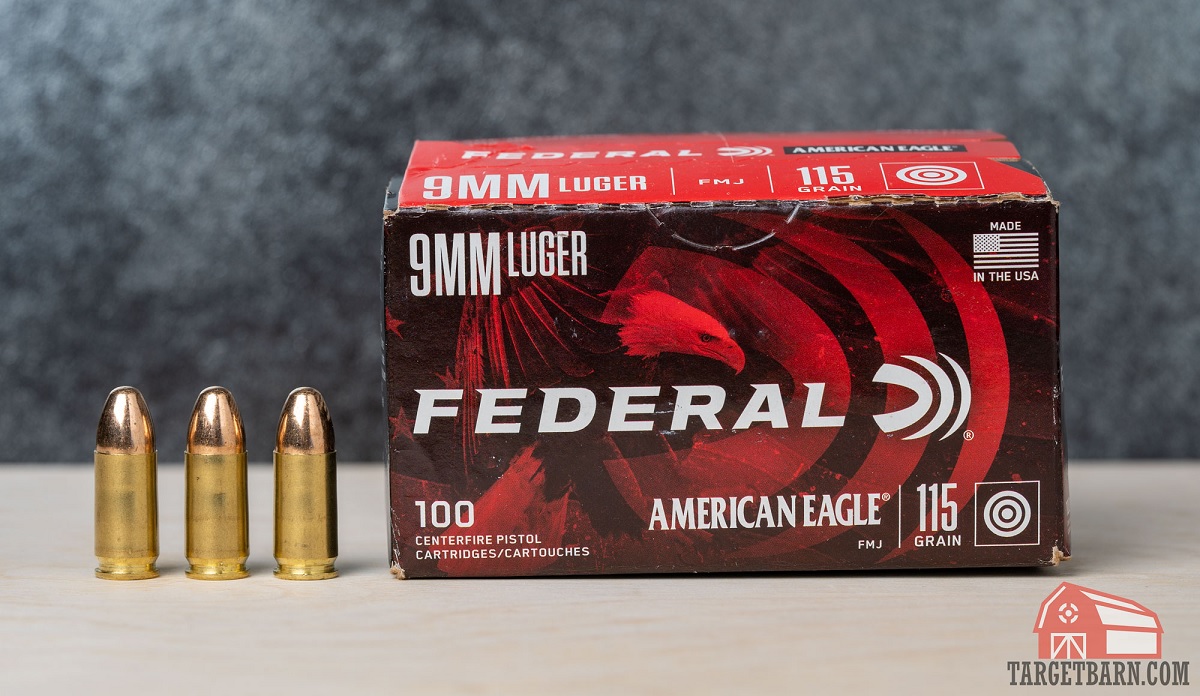
Federal Premium is one of the most trusted names in the ammunition industry and offers a wide variety of 9mm products for target shooting, personal defense, and professional use. Standard Full Metal Jacket (FMJ) ammunition from Federal is generally priced competitively, making it a popular choice for regular range sessions. Premium defensive loads, however, cost more because they use advanced bullet designs and undergo extensive quality testing.
Many shooters choose Federal because of its reputation for reliable ignition, consistent accuracy, and dependable cycling in a wide range of handguns. Although the brand may carry a slightly higher price than some budget alternatives, many firearm owners believe the consistent performance justifies the additional cost.
Buying Federal ammunition in larger quantities can reduce the average price per round. Watching for retailer promotions and seasonal discounts may also help you secure better deals on this well-known brand.
Winchester
Winchester produces a broad selection of 9mm ammunition that ranges from economical practice loads to premium defensive cartridges. Its FMJ ammunition is commonly used by recreational shooters because it offers dependable performance at a reasonable price. More advanced product lines featuring defensive or specialty bullets generally command higher prices.
The company has built a strong reputation over many years, and its products are widely available through local retailers and online stores. This broad availability often creates competitive pricing, allowing buyers to compare offers from different sellers before making a purchase.
Winchester also releases promotional value packs and bulk packages that can lower the cost per round. These larger quantities are particularly attractive for shooters who train frequently and want dependable ammunition at a competitive price.
Hornady
Hornady is recognized for producing premium ammunition designed for personal defense, hunting, and precision shooting. Its 9mm product lineup often includes advanced bullet technologies, such as polymer-tipped projectiles and high-performance hollow point designs. Because of these specialized features, Hornady ammunition generally falls into a higher price range than standard target ammunition.
The company’s focus on innovation, quality control, and consistent ballistic performance contributes to its premium pricing. Many shooters purchase Hornady defensive ammunition because of its proven reliability and carefully engineered bullet construction. Although it costs more than basic FMJ loads, many users value the additional performance.
Hornady also offers match-grade products for competitive shooters who demand exceptional consistency. The extra manufacturing precision required for these cartridges further increases their overall cost.
Blazer, PMC, and Remington
Blazer, PMC, and Remington are popular choices for buyers seeking dependable 9mm ammunition at a more affordable price. Blazer is well known for producing economical practice ammunition, including aluminum-cased and brass-cased options that are widely used during range sessions. PMC is another respected brand that offers reliable FMJ ammunition with competitive pricing and consistent performance.
Remington provides a variety of 9mm products that include both budget-friendly practice loads and premium defensive ammunition. Prices vary depending on the specific product line, but the company offers options across several price points to meet different shooting needs.
Comparing these brands allows you to balance affordability with performance. Selecting the right manufacturer depends on your intended use, preferred bullet type, and budget rather than choosing solely based on the lowest box price.
Box Sizes and Their Average Cost
The size of a box of 9mm ammunition plays a major role in determining its overall price and value. Smaller boxes are convenient for occasional shooters, while larger packages often reduce the average cost per round. Understanding the differences between common box sizes helps you choose the most practical option based on your shooting frequency, budget, and storage needs.
20-Round and 25-Round Boxes
Twenty-round and 25-round boxes are commonly sold for premium 9mm ammunition, especially defensive and specialty loads. These smaller packages are popular because they allow buyers to try a specific brand or bullet type without making a large investment. Although the total price is lower than larger boxes, the cost per round is usually higher.
Many manufacturers package hollow point, jacketed hollow point (JHP), and other premium cartridges in these smaller quantities. The specialized bullet designs and advanced manufacturing processes contribute to the higher average price of each round. These box sizes are ideal for testing reliability in your firearm or keeping a limited supply of defensive ammunition.
Because of their convenience and premium contents, 20-round and 25-round boxes are often chosen for personal protection rather than high-volume practice.
50-Round Boxes
The 50-round box is the most common packaging option for standard 9mm ammunition used during target shooting and range practice. It offers a practical balance between affordability and convenience, making it a favorite among recreational shooters and firearms enthusiasts. Compared to smaller packages, a 50-round box generally provides a lower cost per cartridge.
Most Full Metal Jacket (FMJ) ammunition is available in this box size, although some manufacturers also package premium defensive and match-grade loads in 50-round boxes. The final price depends on factors such as the brand, bullet type, and manufacturing quality.
For many shooters, purchasing 50-round boxes is an economical way to maintain a steady supply of ammunition without committing to large bulk orders. It also makes comparing products from different manufacturers much easier.
100-Round Value Packs and Bulk Packages
Many retailers offer 100-round value packs along with larger bulk packages containing 250, 500, or even 1,000 rounds. These larger quantities usually provide the best value because the average cost per round decreases as the purchase size increases. Although the upfront expense is higher, long-term savings are often significant for shooters who practice regularly.
Bulk packages are especially popular among competitive shooters, firearms instructors, and anyone who visits the range frequently. Purchasing larger quantities also reduces the need for frequent shopping and helps protect against future price increases.
Before buying bulk ammunition, consider your available storage space and expected shooting volume. Choosing the right package size allows you to balance convenience, affordability, and long-term value while ensuring you always have enough 9mm ammunition available for practice or training.
Where to Buy 9mm Ammo at the Best Price
Finding the best price on 9mm ammo requires more than choosing the first retailer you see. Prices often vary between local stores and online sellers, while promotions, bulk discounts, and seasonal sales can create additional savings. Comparing multiple purchasing options helps you find quality ammunition at a competitive price without sacrificing reliability or value.
Local Gun Stores and Sporting Goods Retailers
Local gun stores remain one of the most convenient places to purchase 9mm ammunition. Many independent firearm dealers carry a variety of brands, bullet types, and package sizes, allowing you to compare products in person before making a purchase. Sporting goods stores also offer a broad selection of ammunition suitable for target shooting, competition, and personal defense.
Buying locally allows you to avoid shipping charges and receive your ammunition immediately. Store employees may also provide recommendations based on your firearm and intended use. In addition, many local retailers run seasonal promotions or customer loyalty programs that help reduce overall costs.
Visiting several nearby stores and comparing their prices can often reveal noticeable differences, making it worthwhile to shop around before making your final decision.
Online Ammunition Retailers
Online ammunition retailers typically offer one of the largest selections of 9mm ammo available. You can compare multiple brands, bullet types, package sizes, and prices without visiting several physical stores. This wider selection often makes it easier to find specific products or premium loads that may not be stocked locally.
Many online sellers also provide competitive pricing because they operate on a larger scale. Bulk discounts, promotional offers, and clearance sales can create significant savings, particularly for shooters purchasing large quantities. However, it is important to consider shipping costs, taxes, and any additional fees when comparing total prices.
Reading customer reviews and purchasing from established retailers can help ensure product quality and dependable service. Taking a few extra minutes to compare total costs often results in better overall value.
Buy in Bulk and Watch for Promotions
Purchasing 9mm ammunition in bulk is one of the most effective ways to lower your average cost per round. Many retailers offer discounted pricing on 250-round, 500-round, or 1,000-round cases, making larger purchases more economical for frequent shooters. Although the initial investment is higher, long-term savings are often substantial.
You should also monitor holiday sales, manufacturer rebates, clearance events, and retailer promotions throughout the year. Signing up for email alerts or loyalty programs can help you learn about limited-time discounts before popular products sell out.
Planning your purchases around these promotional periods allows you to build your ammunition supply while paying less than standard retail prices. Combining bulk discounts with seasonal sales often provides the greatest overall value for regular range shooters.
People Also Asked
How Much Is a Box of 9mm Ammo?
The price of a box of 9mm ammo depends on the brand, bullet type, number of rounds, and current market conditions. Standard Full Metal Jacket (FMJ) ammunition used for target practice is generally the most affordable option, while premium defensive or match-grade ammunition typically costs more because of its specialized design.
When you compare products, look at the cost per round instead of only the total box price. This gives you a more accurate comparison and helps you identify the best value for your budget and shooting needs.
Why Does the Price of a Box of 9mm Ammo Vary?
Several factors influence the cost of a box of 9mm ammo. The manufacturer, bullet construction, case material, production costs, and consumer demand all contribute to the final retail price. Premium brands and specialty ammunition generally have higher prices because they use advanced components and stricter quality control.
You may also notice price differences between retailers. Local gun stores, sporting goods shops, and online sellers often use different pricing strategies, making it worthwhile to compare several sources before buying.
Does Buying a Larger Box of 9mm Ammo Save Money?
Yes, purchasing larger boxes or bulk packages often reduces the average cost per round. Many retailers offer discounts on 100-round value packs and larger case quantities, making them a cost-effective option for shooters who practice regularly.
Although bulk purchases require a higher upfront investment, they usually provide better long-term value. You should also compare shipping costs and promotional offers because they can affect the total savings when buying larger quantities online.
Which Type of 9mm Ammo Is the Most Affordable?
Full Metal Jacket (FMJ) ammunition is usually the least expensive type of 9mm ammo. It is designed for target shooting, firearms training, and recreational range use, making it widely available and produced in large quantities.
Premium bullet types such as Jacketed Hollow Point (JHP), match-grade ammunition, and specialty defensive loads generally cost more because they are designed for specific applications. Choosing the right ammunition depends on your intended use rather than selecting the lowest price alone.
Where Can You Buy a Box of 9mm Ammo at the Best Price?
You can often find competitive prices by comparing local firearm dealers, sporting goods stores, and reputable online ammunition retailers. Online sellers frequently offer a wider selection and bulk discounts, while local stores may provide immediate availability without shipping fees.
Checking seasonal sales, manufacturer rebates, and promotional events can also help you save money. Comparing the total purchase cost, including shipping and taxes, gives you a clearer picture of the best overall deal.
Does the Brand Affect the Cost of a Box of 9mm Ammo?
Yes, the manufacturer has a significant impact on the price of a box of 9mm ammunition. Well-known brands often charge more because they maintain consistent quality control, dependable performance, and reliable manufacturing standards.
Budget-friendly brands are commonly selected for range practice, while premium manufacturers are often preferred for defensive, hunting, or competition ammunition. Choosing a brand should be based on your shooting goals, reliability expectations, and overall budget.
How Can You Save Money When Buying 9mm Ammo?
You can reduce your ammunition costs by comparing prices from multiple retailers, purchasing during promotional sales, and buying larger quantities whenever practical. Bulk purchases often provide a lower cost per round, especially for shooters who visit the range frequently.
Calculating the cost per round is another useful strategy because it allows you to compare products fairly across different package sizes. Planning your purchases in advance and taking advantage of discounts can help you get quality 9mm ammunition at the best possible price.
Final Thoughts
Making an informed purchase comes down to comparing prices, understanding ammunition types, and choosing the right option for your intended use. A little research can help you find better value without sacrificing quality or reliability.
When asking how much is a box of 9mm ammo, keep in mind that prices vary depending on the brand, bullet type, box size, and current market conditions. Looking at the cost per round instead of just the box price is often the best way to compare different options.
Buying during sales, taking advantage of bulk discounts, and selecting ammunition from trusted manufacturers can help you save money over time. Knowing how much is a box of 9mm ammo also allows you to recognize fair pricing and purchase confidently for training, target shooting, or personal defense.