Does Glock 45 Fit Glock 17 Holster? Complete Fitment and Compatibility Guide
Holster compatibility is one of the most common concerns among Glock owners, especially when switching between similar full-size pistols. Small differences in slide length, frame dimensions, and rail positioning can affect how securely a handgun fits in a holster designed for another model.
Many shooters often ask does glock 45 fit glock 17 holster when trying to determine whether they can safely use the same carrying setup without compromising retention or draw performance. Since both pistols share Glock’s modular design philosophy, the answer is not always as straightforward as it seems.
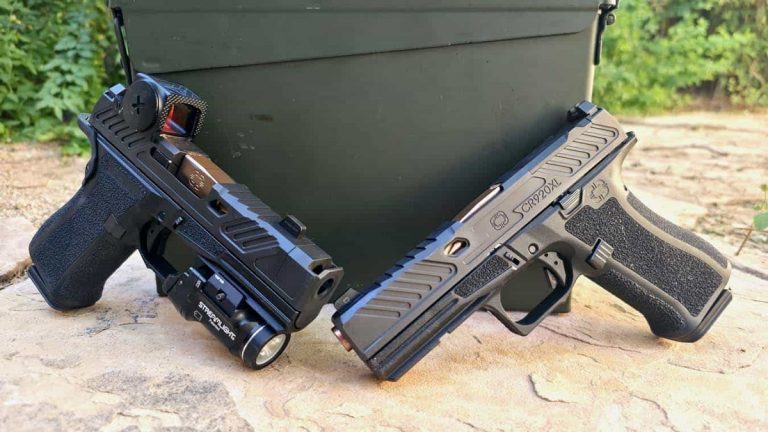
The Glock 45 combines a compact slide with a full-size frame, while the Glock 17 features a longer slide and overall profile. These differences can influence how the firearm sits inside a molded holster, especially those designed for precise retention.
Understanding these compatibility factors helps you avoid loose fits, improper retention, or unnecessary wear on your gear. With the right knowledge, you can make a more confident decision about whether your existing Glock 17 holster can safely accommodate a Glock 45.
Glock 45 and Glock 17 Design Differences
The Glock 45 and Glock 17 share the same 9mm platform and overall reliability standards, but their design differences play a major role in handling, balance, and holster compatibility. While both models are widely used for duty, concealed carry, and home defense, their dimensions are not identical. Understanding how each pistol is built helps explain why they may or may not fit the same holster system. These structural differences influence slide length, frame size, grip feel, and overall shooting experience, which are important factors for practical everyday use.
Slide Length and Overall Profile Differences
The most noticeable difference between the Glock 45 and Glock 17 is the slide length. The Glock 17 features a full-length slide that contributes to a longer sight radius and slightly increased muzzle stability. This traditional full-size design is often favored for duty use and range shooting where precision and control are priorities.
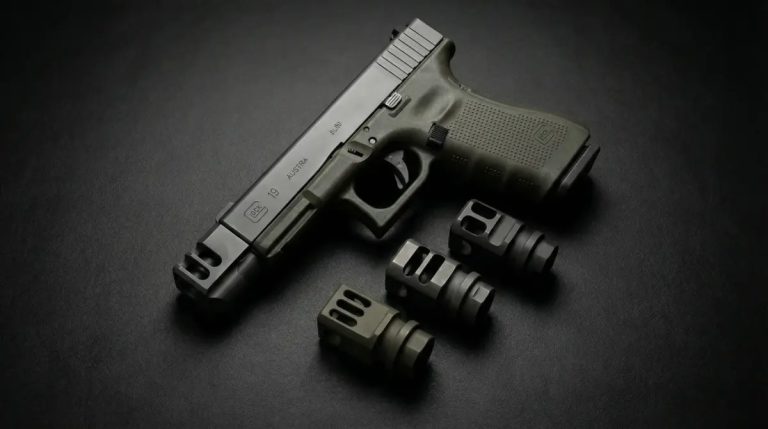
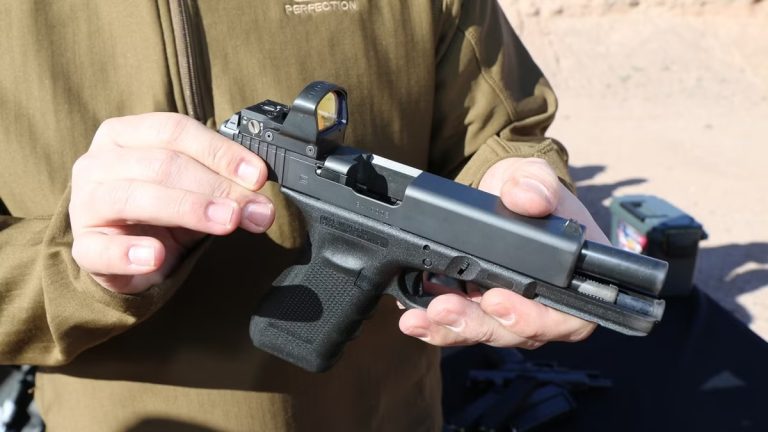
In contrast, the Glock 45 uses a shorter Glock 19-length slide combined with a full-size Glock 17 frame. This creates a hybrid design that reduces overall front-end length while maintaining a full grip surface. The shorter slide can make the pistol slightly faster to draw and easier to maneuver in tight spaces.
These differences directly affect how each pistol interacts with holsters. A holster molded specifically for the longer Glock 17 slide may leave excess space when used with a Glock 45. While retention may still work in some cases, the fit will not always be as precise or secure as intended.
The variation in slide length also influences weight distribution and balance. The Glock 17 tends to feel more front-heavy, while the Glock 45 offers a more balanced feel due to its compact slide paired with a full grip frame.
Frame Design and Grip Configuration
The frame design is another key difference between the Glock 45 and Glock 17, even though both share the same full-size grip dimensions. The Glock 17 uses a traditional full-length slide and frame combination, which gives it a classic duty pistol profile with consistent weight distribution and a longer overall footprint.
The Glock 45, however, combines a full-size Glock 17 frame with a shorter Glock 19-style slide. This hybrid approach provides a full grip for better control while reducing overall slide length. This design makes it more versatile for users who want duty-level handling with slightly improved maneuverability.
Grip feel remains similar between both models, since they use the same frame size and magazine capacity. However, the Glock 45 often feels more compact in motion due to its reduced slide length, especially during draw and reholstering.
These frame differences also influence how each pistol fits into molded holsters. Since holsters are typically shaped around slide length and muzzle profile, even small variations can affect retention, fit security, and overall draw smoothness.
Holster Compatibility Basics
Holster compatibility depends on how closely a firearm matches the dimensions, shape, and retention design of the holster it is used with. Even small differences in slide length, barrel size, or frame contour can affect how securely a pistol fits. Understanding these basics helps you avoid unsafe carry setups and ensures proper draw, retention, and comfort. When dealing with similar Glock models like the Glock 45 and Glock 17, these compatibility factors become especially important for safe everyday use.
How Retention Systems Affect Fit
Retention systems are a core part of holster compatibility because they determine how securely a firearm is held in place. Most holsters use either passive friction, active locking mechanisms, or a combination of both. Passive retention relies on tight molding around the slide and trigger guard, while active retention uses buttons, straps, or levers for added security.
When a pistol does not match the exact dimensions the holster was molded for, retention can become too loose or too tight. A loose fit may allow unwanted movement during activity, while an overly tight fit can slow down your draw. Both situations reduce safety and efficiency in defensive scenarios.
In Glock platforms, even small differences in slide length or front-end profile can affect how retention engages. A holster designed for a longer slide may not grip a shorter slide properly, reducing stability during movement. This is why model-specific holsters are usually recommended.
Proper retention ensures that your firearm stays secure during running, sitting, or sudden movement, while still allowing a smooth and consistent draw when needed. This balance is essential for both concealed carry and duty use.
Importance Of Slide Length Matching
Slide length plays a major role in determining holster compatibility because most holsters are molded to fit the exact shape and length of the firearm’s slide and barrel. Even a small difference can create gaps or uneven pressure points inside the holster.
When a shorter slide is placed in a holster designed for a longer one, such as a compact slide in a full-size holster, the firearm may still fit but not lock in securely at all retention points. This can lead to slight movement or reduced stability during carry.
On the other hand, inserting a longer slide into a shorter holster often results in a complete mismatch. The firearm may not seat fully, which creates serious safety and retention issues. This is why matching slide length is one of the most critical compatibility factors.
For Glock users, understanding these differences is essential because models like the Glock 45 and Glock 17 share frames but differ in slide length. This variation directly impacts how well each pistol fits into holsters designed for a specific model profile.
Does Glock 45 Fit Glock 17 Holster
The question of whether the Glock 45 fits a Glock 17 holster comes down to differences in slide length and holster molding design. While both pistols share the same 9mm platform and full-size frame dimensions, their slide configurations are not identical. This creates important compatibility considerations for retention, safety, and draw performance. Understanding how these differences interact with holster design helps you decide whether cross-compatibility is practical or potentially risky in real carry situations.
Slide Length Compatibility Between Glock 45 And Glock 17 Holsters
The Glock 45 uses a shorter Glock 19-length slide, while the Glock 17 features a longer full-size slide. Because holsters are typically molded around the slide and barrel profile, this difference is the main factor affecting fit. In many Glock 17 holsters, the longer internal channel allows the shorter Glock 45 slide to physically fit without obstruction.
However, the fit is not always perfect or ideal. Since the holster is designed to secure a longer slide, the retention points may not align properly with the Glock 45. This can create slight movement inside the holster, especially during physical activity or rapid motion. While the pistol may still lock in place, the retention feel can be less precise compared to a dedicated Glock 45 holster.
Some open-bottom holsters may allow partial compatibility, but the extra space can reduce stability. Even though the trigger guard may still be covered, the lack of a snug slide fit can affect overall confidence in retention. This is why many users prefer model-specific holsters for consistent performance.
Ultimately, while the Glock 45 can often fit inside a Glock 17 holster, the level of security and precision depends heavily on holster design, material rigidity, and retention system quality.
Retention Safety And Real World Carry Performance
Retention safety is one of the most important considerations when evaluating whether a Glock 45 should be used in a Glock 17 holster. Even if the firearm physically fits, the holster must securely hold the pistol during movement, bending, and sudden activity. A mismatch in slide length can reduce how tightly the holster grips the weapon.
In real-world carry situations, even slight looseness can lead to shifting inside the holster. This may not seem significant at rest, but during walking, running, or tactical movement, it can affect draw consistency and weapon stability. Proper retention ensures that the firearm remains fully seated until intentionally drawn.
Another factor is the holster’s locking system. Active retention holsters may still function well with minor size differences, but passive retention holsters rely heavily on exact molding. When the slide is shorter than expected, pressure points may not engage properly, leading to reduced friction.
For consistent everyday carry performance, many shooters prefer holsters specifically molded for the Glock 45. This ensures proper retention alignment, smoother draw stroke, and greater confidence that the firearm will remain secure in all conditions.
When a Glock 45 Can Safely Use a Glock 17 Holster
A Glock 45 can sometimes be used in a Glock 17 holster, but safety and performance depend heavily on holster design and retention quality. Since both pistols share the same frame size but differ in slide length, compatibility is not always perfect. In certain setups, the fit can be acceptable for casual carry or range use, but it must always be evaluated carefully. Understanding when this crossover works safely helps prevent retention issues, drawing problems, and unnecessary risk during carry.
Open Bottom Holsters And Slide Clearance
Open-bottom holsters are one of the safest scenarios where a Glock 45 can fit into a Glock 17 holster. Because the bottom of the holster is not fully enclosed, the shorter Glock 45 slide does not create interference inside the holster body. This allows the firearm to sit naturally without being restricted by excess material at the muzzle end.
In many cases, retention still depends on how the holster grips the trigger guard and upper slide area rather than the exact barrel length. Since both Glock 45 and Glock 17 share similar upper slide width and frame geometry, passive retention can still function reasonably well. However, the fit may feel slightly less tight compared to a dedicated holster.
Even though open-bottom designs offer more flexibility, they still require testing. You should always check for unwanted movement when the firearm is seated. Small shifts during motion can affect draw consistency and overall confidence in carry.
For range use or non-duty applications, open-bottom Glock 17 holsters may provide acceptable compatibility with the Glock 45, but they should still be evaluated for stability before regular use.
High Quality Retention Holsters With Adjustable Fit
High-quality retention holsters with adjustable tension systems can also allow a Glock 45 to safely function in a Glock 17 holster. These holsters are designed with adjustable screws or locking mechanisms that let you fine-tune how tightly the firearm is held. This flexibility can compensate for slight differences in slide length.
When properly adjusted, the retention system can secure the trigger guard firmly enough to hold the Glock 45 in place, even if the slide does not perfectly match the holster mold. This reduces unnecessary movement while maintaining a smooth and controlled draw stroke.
However, adjustment alone does not guarantee perfect compatibility. You still need to test how the pistol behaves during movement, drawing, and reholstering. If the fit feels inconsistent or unstable, it may not be suitable for carry purposes.
These holsters are best used when you want flexibility across multiple Glock models, but they still require careful setup. Proper tuning and real-world testing ensure that safety is not compromised while using a Glock 45 in a Glock 17 holster.
Best Holster Types for Glock 45 and Glock 17 Users
Choosing the best holster types for Glock 45 and Glock 17 users depends on carry style, retention preference, and how often you switch between range and everyday carry. Since both pistols share a similar frame but differ in slide length, selecting the right holster design becomes important for safety and consistency. A well-matched holster ensures secure retention, smooth draw, and reliable comfort. Different holster styles offer varying levels of accessibility, concealment, and protection, making it essential to understand which options work best for both models in practical use.
OWB Holsters for Stability and Easy Access
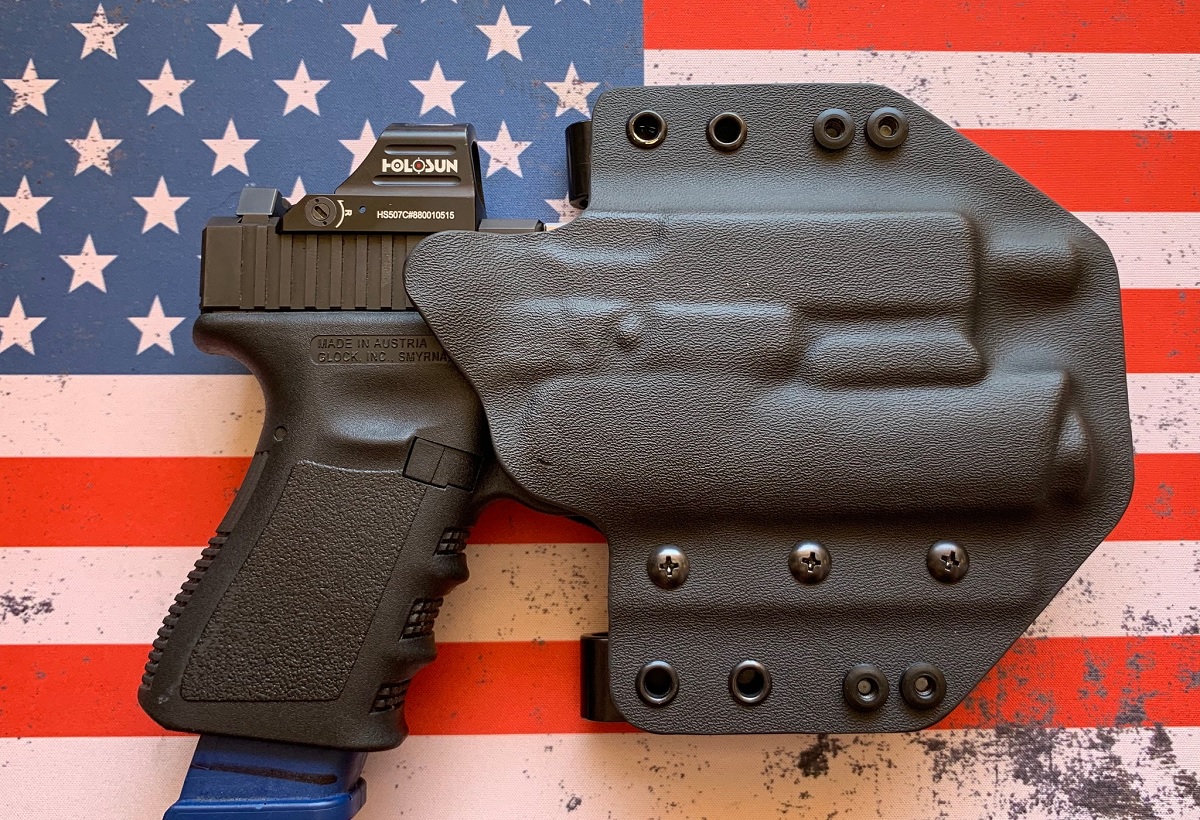
OWB (Outside the Waistband) holsters are one of the most popular choices for Glock 45 and Glock 17 users who prioritize stability and fast access. These holsters sit outside the waistband, making them easier to draw from compared to concealed options. They are commonly used for range shooting, training sessions, and duty carry where concealment is not the primary concern.
Because OWB holsters often have more open designs, they can accommodate slight differences in slide length between the Glock 45 and Glock 17. This makes them more flexible for users who own both models. However, retention still depends on the quality of the molding and adjustment system.
A good OWB holster should securely hold the firearm during movement while still allowing a smooth, consistent draw. Adjustable retention systems are especially useful for balancing fit between both Glock models. This helps reduce unnecessary movement while maintaining ease of use.
Overall, OWB holsters are ideal for users who want a reliable, durable, and adaptable option for both Glock 45 and Glock 17 pistols in non-concealed environments.
IWB Holsters for Concealed Carry Comfort
IWB (Inside the Waistband) holsters are widely used for concealed carry with both Glock 45 and Glock 17 pistols, offering a balance between concealment and accessibility. These holsters are worn inside the waistband, allowing the firearm to remain hidden under clothing while still being accessible when needed.
For Glock 45 and Glock 17 users, IWB holsters must be carefully chosen because fit and comfort depend heavily on slide length and holster contour. The Glock 45’s shorter slide can sometimes offer slightly better comfort for concealed carry due to reduced bulk, especially when sitting or bending.
Comfort is a key factor in IWB carry since the holster is in direct contact with the body. High-quality designs often include padding, adjustable cant angles, and flexible materials to improve daily wearability. Proper positioning also helps reduce printing and improves draw efficiency.
Retention and concealment must work together in IWB holsters. A well-designed model ensures the firearm stays secure during movement while still allowing a smooth and predictable draw stroke, making it a strong choice for everyday concealed carry use.
FAQs
Does A Glock 45 Fit A Glock 17 Holster?
You may find that a Glock 45 physically fits into many Glock 17 holsters because both share the same full-size frame width and similar upper slide dimensions. However, the Glock 45 has a shorter slide, which can affect how tightly it locks into place. In some holsters, it will sit securely, while in others it may feel slightly loose. You should always test retention carefully before relying on it for carry to ensure safe and stable fit.
Is It Safe To Use A Glock 17 Holster For A Glock 45?
It can be safe in certain holsters, but safety depends on retention quality and holster design. If the holster has strong trigger guard retention and adjustable tension, you may achieve a secure fit. However, if the holster relies heavily on slide length molding, the Glock 45 may not lock in properly. You should always check for movement during walking, bending, and drawing. A proper test ensures your firearm stays secure under real carry conditions.
Why Does The Glock 45 Fit Differently In A Glock 17 Holster?
The difference comes from slide length and holster molding. The Glock 17 has a longer full-size slide, while the Glock 45 uses a shorter Glock 19-length slide on a full-size frame. Holsters designed for the Glock 17 are shaped around that longer slide profile. When you insert a Glock 45, extra space is left inside the holster, which can reduce friction points and slightly affect retention consistency during movement or active carry.
Will Retention Be Affected If You Use A Glock 45 In A Glock 17 Holster?
Yes, retention can be affected depending on holster design. You may notice slightly less tightness because the shorter slide does not fully engage all retention points. Passive retention holsters are more likely to show this issue, while active retention holsters with locks or straps tend to hold better. You should always perform shake tests and movement checks to confirm the firearm stays secure in different positions and does not shift during carry.
Can You Concealed Carry A Glock 45 In A Glock 17 Holster?
You can, but it is not always ideal. Concealed carry depends heavily on comfort, stability, and draw consistency. While the Glock 45 may fit inside a Glock 17 holster, the longer holster body can sometimes affect concealment and printing. You may also experience slightly different draw angles. For daily concealed carry, you should prefer a holster specifically molded for the Glock 45 to ensure better comfort and more consistent performance.
What Type Of Glock 17 Holster Works Best For A Glock 45?
Open-bottom holsters and adjustable retention holsters tend to work best for a Glock 45 when used in a Glock 17 holster. Open designs reduce interference from slide length differences, while adjustable systems help tighten retention around the trigger guard. You should avoid rigid, tightly molded holsters that depend heavily on exact slide length. Testing different holster types helps you find a balance between secure retention and smooth draw performance.
Should You Buy A Dedicated Holster For Glock 45 Instead?
Yes, a dedicated Glock 45 holster is usually the better choice for long-term use. It provides precise molding, consistent retention, and smoother draw performance compared to a Glock 17 holster. You reduce the risk of looseness or improper fit that can occur with cross-compatibility. If you carry regularly or depend on your firearm for defense, a model-specific holster gives you more confidence, better safety, and more predictable everyday performance.
Final Words
In many cases, the Glock 45 and Glock 17 share enough design similarities that a holster made for one may physically accommodate the other. However, the difference in slide length and overall profile means the fit is not always perfect. While it might seem convenient to interchange holsters, small dimensional changes can affect comfort, retention, and draw consistency during use.
When considering compatibility, the type of holster matters just as much as the firearm itself. Open-bottom Kydex holsters or adjustable retention models are more likely to work safely across both pistols, while tight-molded or duty-specific holsters can create fitment issues. Even if the firearm appears to seat properly, testing retention and movement is essential before relying on it for carry or tactical situations.
Ultimately, understanding does glock 45 fit glock 17 holster comes down to balancing convenience with safety. A holster should always provide secure retention and full trigger protection, and if there is any doubt, choosing a model specifically designed for your firearm is the safest option.