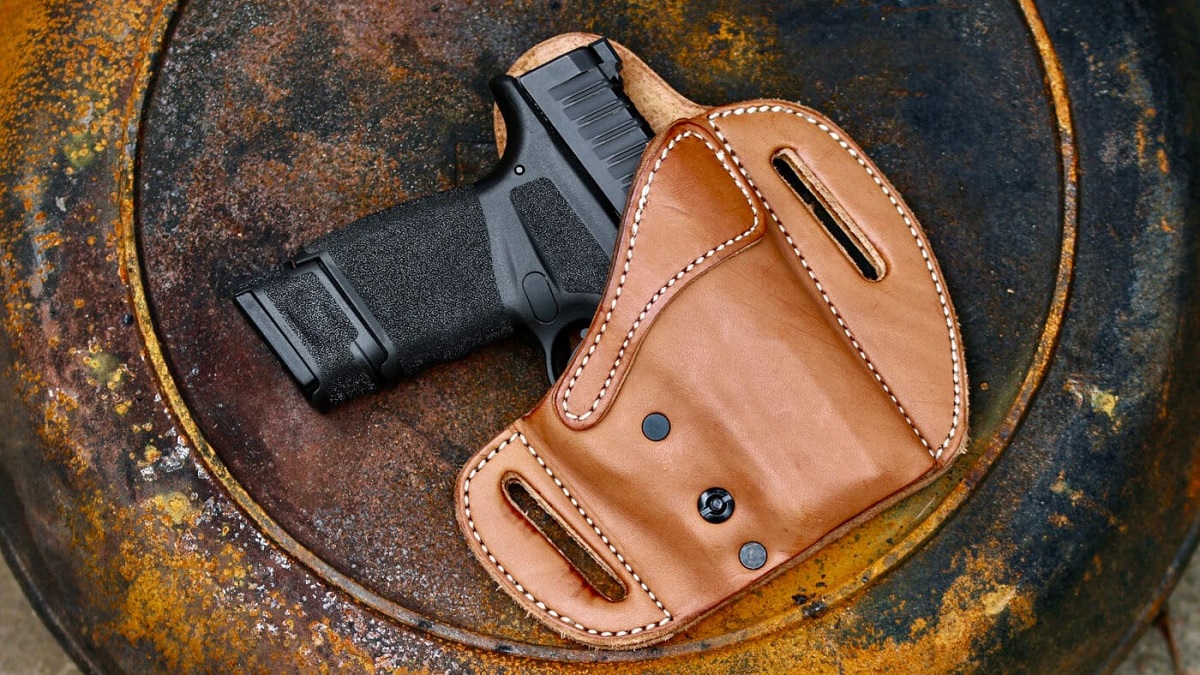
What Kind of Holster Does James Bond Use? A Complete Guide to 007’s Iconic Carry Gear
Few fictional spies have influenced global style and gear choices as much as James Bond, a character known for precision, elegance, and tactical awareness across decades of films and novels, shaping expectations about spy equipment, weapons, and concealed carry setups worldwide today.
Viewers often study the tools used by James Bond, especially when analyzing his concealed carry style and modern adaptations. This curiosity naturally leads to the question what kind of holster does james bond use across different eras and cinematic portrayals and evolving film design.
Across the franchise, Bond’s holster choices shift to match mission requirements, tailoring concealment and accessibility. Early films favor shoulder rigs, while modern versions explore compact inside-the-waistband systems and tailored suits that integrate discreet carry solutions for action sequences and close-quarters movement use.
Understanding these variations helps explain cinematic realism and evolving spy aesthetics, showing how wardrobe and gear combine to support character identity, practicality, and storytelling in high-stakes espionage scenes that continue to influence modern action design and concealed carry interpretations globally today onward.
What Kind of Holster Does James Bond Use?
Across decades of films, the question of what kind of holster does James Bond use reflects how the character’s gear evolves with changing missions, fashion, and realism in spy storytelling. The design of his holsters is never random, as each choice supports concealment, fast access, and a clean silhouette under tailored suits while maintaining the character’s signature elegance and control in high-pressure situations.
Shoulder Holsters in Early James Bond Films
In the early portrayals of James Bond, shoulder holsters were the most recognizable carry system. These rigs were typically worn under a suit jacket, allowing the firearm to sit horizontally beneath the arm. This placement gave Bond quick cross-draw access while keeping the weapon hidden during formal or undercover settings.
The shoulder holster design matched the cinematic style of the 1960s and 1970s, where broader jackets and structured tailoring made concealment easier. It also emphasized a dramatic draw motion, which looked visually striking on screen even if it was not always the fastest real-world technique. This balance between style and practicality became a defining feature of Bond’s early spy aesthetic.
Another key reason for using shoulder holsters was comfort during long periods of wear. Since Bond often moved between vehicles, casinos, and covert operations, the shoulder rig distributed weight evenly across the torso. However, it required careful adjustment to avoid printing under thinner fabrics, which later influenced changes in holster design as fashion trends shifted toward slimmer suits.
Over time, filmmakers began reducing the use of visible shoulder rigs as modern tailoring and tighter silhouettes became standard. Still, the early holster choice remains iconic, representing the foundation of Bond’s concealed carry identity and setting the stage for more advanced and discreet solutions in later films.
Inside-the-Waistband Holsters and Modern Suit Integration
In more recent films, Bond’s holster style shifts toward inside-the-waistband systems and custom-fitted suit integration. These setups prioritize concealment over visibility, allowing the firearm to sit close to the body under sharply tailored jackets. This evolution reflects both modern tactical thinking and the slimmer wardrobe style associated with contemporary spy films.
Unlike earlier shoulder rigs, IWB holsters rely on belt positioning, often placed at the hip or appendix area. This provides a more natural draw motion and reduces bulk under clothing. The tradeoff is that it demands precise tailoring, as even slight misalignment can affect comfort and concealment during action sequences or extended movement.
Costume designers often modify suits to accommodate holster placement, reinforcing seams and adjusting lining to prevent printing. This ensures that the firearm remains hidden even during physical scenes such as running, driving, or combat. The result is a seamless blend of fashion and function that keeps Bond visually polished while remaining combat-ready.
This modern approach highlights how spy aesthetics have shifted toward realism. Instead of showing obvious tactical gear, the focus is on invisible readiness, where equipment is integrated into everyday clothing. It reflects a more contemporary understanding of espionage, where discretion is as important as firepower.
Tactical Evolution and Real-World Influence of Bond’s Holsters
The evolution of holster choices in Bond films has also influenced real-world concealed carry discussions. Many firearm enthusiasts analyze how screen-accurate designs translate into practical use, especially regarding comfort, draw speed, and concealment under formal clothing. The blend of cinematic style and functional carry has inspired modern holster innovations.
Hybrid designs, low-profile clips, and minimalist leather rigs often draw inspiration from the refined look seen in Bond’s wardrobe. These systems aim to achieve the same balance between invisibility and accessibility that the character’s gear represents. The idea is to maintain elegance without sacrificing readiness in everyday carry situations.
Film production teams also consult real tactical experts when designing holster placements, ensuring that movement sequences remain believable. While cinematic requirements sometimes exaggerate ease of access, the underlying principles still reflect real concealed carry logic, particularly in how weight distribution and draw angles are managed under pressure.
Ultimately, the ongoing evolution of holster design in the Bond franchise demonstrates how fiction and real-world firearm practices influence each other. It shows a continuous refinement of concealment strategies, blending aesthetics, practicality, and storytelling into a single cohesive visual identity that remains instantly recognizable.
Why James Bond Prefers Concealed Holsters
The preference for concealed holsters in spy fiction is closely tied to the demands of covert operations, where visibility can compromise safety and mission success. For a character like James Bond, remaining unnoticed is often more powerful than showing force. Concealment allows mobility in public spaces while maintaining readiness, blending seamlessly into formal environments without drawing unwanted attention or disrupting the mission flow.
Stealth and Operational Advantage in Espionage
Concealed holsters play a crucial role in maintaining stealth during high-risk intelligence work. In espionage scenarios, exposure of a weapon can immediately escalate tension or reveal identity, reducing the element of surprise. A hidden carry system ensures that the operative remains visually non-threatening while still being fully prepared for sudden threats.
In crowded environments such as diplomatic events, casinos, or urban streets, blending in is essential. A concealed holster allows movement through these spaces without alerting security personnel or adversaries. For a spy character like James Bond, this means the difference between completing a mission quietly and being forced into premature confrontation.
Another advantage is tactical positioning. Concealed holsters are often designed for rapid draw while remaining undetectable under clothing. This balance allows the user to transition from passive observation to active defense within seconds. The ability to respond instantly without revealing intent is a defining advantage in espionage operations.
From a storytelling perspective, concealment also enhances suspense. Viewers are unaware of the weapon until the moment it is needed, creating dramatic tension. This reinforces Bond’s image as a calm, controlled operative who relies on precision rather than intimidation, making concealment both a functional and narrative tool.
Suit Tailoring and Discreet Weapon Integration
One of the most distinctive reasons concealed holsters are preferred is their compatibility with tailored suits. The wardrobe of James Bond is designed to maintain a sharp silhouette while discreetly accommodating operational gear. This integration ensures that functionality does not compromise appearance, which is essential for infiltration in high-society environments.
Tailored suits allow holsters to be placed in optimized positions such as inside the waistband or under arm panels without creating visible bulges. Designers often reinforce specific areas of the jacket or trousers to support weight distribution, ensuring comfort during extended wear. This customization enables the weapon to remain completely hidden even during movement-intensive scenes.
Another key benefit is adaptability across different missions. Whether attending formal galas or engaging in field operations, concealed holsters remain consistent with wardrobe changes. The ability to maintain the same carry system across varied environments reduces the need for adjustment, increasing efficiency and reliability in unpredictable situations.
This integration also supports fluid movement. A well-fitted suit paired with a concealed holster allows the wearer to run, drive, or engage in physical confrontation without restriction. The combination of tailoring and discreet weapon placement creates a seamless operational setup where appearance and function coexist without compromise, reinforcing the character’s iconic balance of elegance and readiness.
Evolution of James Bond’s Holster Style Over Time
The holster style of James Bond has changed significantly across decades of films, reflecting shifts in filmmaking trends, tactical realism, and costume design. From early shoulder rigs to modern concealed carry solutions, each era introduces a new balance between style, function, and cinematic practicality. These changes mirror both advancements in real-world holster technology and evolving expectations of spy realism in action cinema.
From Classic Shoulder Rigs to Cinematic Icons
In the earliest portrayals of James Bond, shoulder holsters dominated his concealed carry style. These rigs were typically worn under structured suit jackets, allowing the firearm to rest horizontally beneath the arm for a smooth cross-draw motion. This setup was especially prominent during the Sean Connery era, where broader suit cuts naturally accommodated hidden gear.
The shoulder holster became a visual signature of the character in early films, blending functionality with dramatic screen presence. It allowed Bond to reveal his weapon with a sweeping motion that looked stylish and controlled on camera. While not always the fastest real-world draw method, it suited the pacing and visual storytelling style of mid-20th-century spy cinema.
As film production evolved, costume designers began refining how holsters interacted with tailoring. Jackets were cut with more precision, and holsters were adjusted to reduce visible bulging. Even within this early era, experimentation began with alternative carry positions, though shoulder rigs remained the dominant choice due to their cinematic appeal and ease of concealment under looser clothing styles.
This phase established the foundation of Bond’s holster identity. It emphasized elegance over tactical efficiency, showing a spy who could remain composed even while armed. The visual language of the shoulder holster became closely associated with sophistication and control, influencing how audiences perceived concealed carry in espionage storytelling.
Transition to Waist-Based and Low-Profile Carry Systems
As the franchise progressed, particularly from the Pierce Brosnan era onward, holster design began shifting toward waist-based concealed systems. This transition aligned with tighter suit tailoring and a more modern aesthetic that demanded less bulk under clothing. The evolution also reflected advancements in real-world concealed carry techniques focused on efficiency and discretion.
Inside-the-waistband holsters and custom belt rigs started replacing visible shoulder systems. These newer designs allowed for more natural firearm positioning along the hip or appendix area, improving draw speed while maintaining concealment. Costume departments increasingly collaborated with tactical consultants to ensure realism in movement and weapon access during action sequences.
For James Bond, this change represented a shift from theatrical presentation to grounded practicality. The modern Bond needed to move seamlessly through tighter spaces, engage in faster combat, and maintain a sleeker silhouette. Waist-based holsters supported these demands while remaining invisible under sharply tailored suits.
Clothing design also adapted to support this new holster style. Suit linings were reinforced, waistbands were adjusted for stability, and fabrics were chosen to minimize printing. This integration allowed Bond to maintain his iconic appearance while adopting more realistic concealed carry methods that aligned with contemporary expectations of espionage realism.
Modern Hybrid Systems and Tactical Realism in Recent Films
In the most recent portrayals, Bond’s holster evolution reflects a hybrid approach that combines multiple concealed carry techniques depending on mission requirements. Instead of relying on a single consistent system, modern films show adaptive setups that prioritize mission context, environment, and wardrobe constraints. This flexibility mirrors real-world tactical doctrine more closely than earlier cinematic eras.
Hybrid holsters may include inside-the-waistband setups combined with reinforced suit tailoring or low-profile shoulder variants used selectively for specific scenarios. This approach allows for greater versatility, especially in dynamic action sequences where movement, driving, or close-quarters combat demands different access angles and retention levels.
The modern interpretation of James Bond also emphasizes invisibility as a core principle. Instead of highlighting the weapon system, the focus is on ensuring it disappears completely into the character’s silhouette. This reflects a broader shift in filmmaking toward realism, where authenticity in gear design enhances immersion without drawing attention to technical details.
Costume designers now treat holsters as fully integrated components of wardrobe construction rather than separate accessories. This includes custom stitching, hidden support structures, and precise fitting sessions to ensure both comfort and concealment. The result is a seamless blend of fashion and function that supports modern storytelling while maintaining Bond’s long-standing identity as a discreet and highly capable operative.
What Type of Gun Does James Bond Typically Carry with His Holster
Across decades of films and evolving spy storytelling, the firearm carried by James Bond has become almost as iconic as the character himself. The choice of weapon is closely tied to concealment, holster design, and mission style. From compact classic pistols to modern polymer handguns, the selection reflects practicality, discretion, and cinematic identity within high-stakes espionage environments.
Classic Era: The Walther PPK as Bond’s Signature Sidearm
In the early portrayals of James Bond, the most iconic firearm is the Walther PPK. This compact semi-automatic pistol became synonymous with Bond’s identity due to its small frame, reliability, and ease of concealment. It paired naturally with shoulder holsters, which were common in earlier films and allowed smooth access while maintaining a discreet profile under a suit jacket.
The Walther PPK was chosen not only for its real-world practicality but also for its cinematic elegance. Its slim design allowed it to be hidden easily in formal attire, reinforcing Bond’s image as a sophisticated operative who could carry lethal force without appearing heavily armed. This balance between refinement and danger became a defining trait of the character during the Sean Connery and Roger Moore eras.
From a narrative standpoint, the PPK also symbolized control. Unlike larger service weapons, it represented precision and restraint, aligning with Bond’s persona as a calculated agent rather than a heavily militarized soldier. The firearm’s compact size meant it worked seamlessly with shoulder holsters and early concealed carry setups that prioritized accessibility over tactical modularity.
Even as newer weapons were introduced later, the Walther PPK remained a recurring symbol of Bond’s legacy. Its association with the character helped establish continuity across films, making it one of the most recognizable spy weapons in cinematic history. The combination of concealability and iconic design ensured its lasting place in Bond’s arsenal.
Modern Era: Walther P99 and Evolving Tactical Design
As the franchise evolved into the modern era, the firearm carried by James Bond shifted toward more advanced designs, most notably the Walther P99. This transition reflected both technological progress in firearms and a change in cinematic tone, where realism and tactical credibility became more prominent than stylized presentation.
The Walther P99 introduced improved ergonomics, higher magazine capacity, and modern polymer construction. These features made it better suited for high-action sequences, aligning with Bond’s updated portrayal as a more physically dynamic and combat-ready operative. The weapon also complemented inside-the-waistband holsters and low-profile carry systems used in contemporary films.
Unlike the compact PPK, the P99 required slightly more structured concealment strategies due to its larger frame. Costume designers adapted suits and holster placements to ensure the weapon remained hidden while still accessible. This included reinforced waistbands and tailored jacket cuts that allowed for smoother draw motion without compromising visual aesthetics.
In later installments, variations such as the Walther P99 DAO and Walther PDP continued this evolution, emphasizing modularity and modern tactical features. These updates reflected a broader shift in the franchise toward realism, where equipment choices mirrored those of contemporary security professionals. The firearm became less of a symbolic accessory and more of a functional tool integrated into Bond’s operational identity.
People Also Asked
What Kind Of Holster Does James Bond Use In The Films?
James Bond uses different holster styles depending on the era of the films and the mission requirements. In early films, he commonly uses shoulder holsters worn under suit jackets for quick cross-draw access. In modern adaptations, he shifts toward inside-the-waistband holsters and custom concealed carry systems integrated into tailored suits. These choices are designed to keep the weapon hidden while allowing fast access during combat situations. The evolution reflects both changing fashion and more realistic tactical approaches in modern spy storytelling.
Why Does James Bond Prefer Concealed Holsters Over Open Carry?
James Bond prefers concealed holsters because his missions require secrecy and blending into public environments. Open carry would immediately expose him as armed, which could compromise undercover operations. Concealed systems allow you to move through crowded places like casinos, parties, or diplomatic events without drawing attention. This hidden advantage is essential for maintaining surprise and control. It also supports his calm, composed image, ensuring that he appears like an ordinary guest while still being fully prepared for sudden threats.
Does James Bond Still Use Shoulder Holsters In Modern Films?
Shoulder holsters are far less common in modern films featuring James Bond, though they remain part of his historical style. Earlier versions of the character relied heavily on them due to looser suit tailoring and cinematic presentation. In recent portrayals, tighter clothing and more realistic movement have shifted preference toward waist-based concealed holsters. However, shoulder rigs still appear occasionally in specific scenes or throwback moments, mainly for stylistic or nostalgic reasons rather than practical field use.
What Is The Most Common Holster Style Used By James Bond Today?
In modern interpretations, James Bond most commonly uses inside-the-waistband holsters or custom-built concealed carry systems. These are designed to sit discreetly under tailored suits without creating visible outlines. You benefit from faster access and better concealment compared to older shoulder rigs. These holsters are often integrated into the clothing design itself, allowing smoother movement during action scenes. This modern setup reflects updated tactical thinking, where invisibility and efficiency matter more than dramatic visual presentation.
How Does James Bond Hide His Holster Under A Suit?
James Bond hides his holster under a suit through precise tailoring and strategic placement. The suits are custom-fitted to accommodate concealed carry without creating bulges or printing. Reinforced lining and adjusted waist measurements help distribute weight evenly, keeping the firearm stable and invisible. You would notice that the jacket drapes naturally, masking any outlines. This combination of fashion design and functional planning ensures that the weapon remains hidden even during movement, running, or physical confrontation scenes.
What Gun Holster Combination Is Most Iconic For James Bond?
The most iconic combination is the shoulder holster paired with the Walther PPK used in early films. This setup defined Bond’s original concealed carry style and became instantly recognizable in cinema history. The shoulder rig allowed smooth cross-draw access while maintaining concealment under a suit jacket. You associate this look with classic spy imagery and vintage espionage aesthetics. Even though modern films use updated systems, this combination remains a signature representation of Bond’s early identity and style.
Are James Bond’s Holsters Based On Real Tactical Equipment?
Yes, James Bond’s holsters are influenced by real tactical and concealed carry equipment used by military and intelligence professionals. While some designs are stylized for cinematic effect, many are grounded in practical holster engineering. You will notice elements like proper retention, accessibility angles, and concealment techniques that reflect real-world use. Costume designers often consult tactical experts to ensure realism. However, adjustments are made for visual storytelling, ensuring the holsters look clean and cinematic while still appearing believable on screen.
Conclusion
James Bond’s holster choices have always been a key part of his signature spy style, blending concealment with quick accessibility. Across different films, he has been seen using shoulder holsters, inside-the-waistband setups, and occasional ankle holsters depending on mission needs. These options help him stay discreet while maintaining readiness in high-risk situations.
Over time, the character’s gear has evolved from classic cinematic styling to more realistic tactical setups, reflecting changes in filmmaking and modern concealed carry practices. This evolution answers the question of what kind of holster does james bond use, showing a shift from visible shoulder rigs to more discreet inside-the-waistband and minimalist designs.
Ultimately, Bond’s holster style remains a balance of elegance and practicality, inspiring real-world concealed carry designs for fans and professionals alike, while reinforcing why understanding what kind of holster does james bond use helps explain his iconic on-screen presence and enduring global appeal.