How to Make a Homemade Gun Safe: Step-by-Step DIY Security Guide
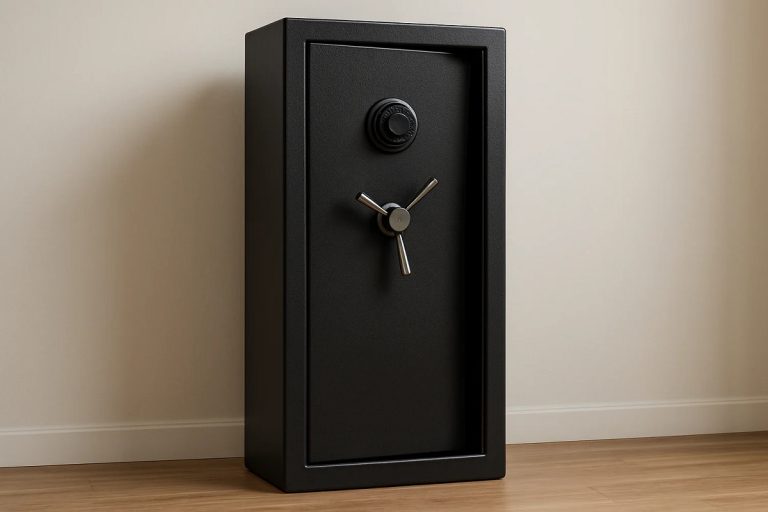
Building a secure storage solution at home has become a popular project for those who want more control over protecting valuables and firearms. A homemade gun safe allows customization in size, strength, and design while focusing on safety, durability, and practical use in everyday settings.
Planning and construction involve understanding approaches to security design, especially when learning how to build a gun safe door within a larger homemade safe project. The door design plays a major role in protection, influencing locking strength, material choice, and overall resistance to forced entry attempts.
Creating a homemade safe requires attention to structure, reinforcement, and material selection to ensure long-term reliability. Every component must work together to provide consistent protection against theft and damage. Proper planning helps avoid weak points and improves the overall strength of the final build.
Understanding construction basics and focusing on strong design principles helps achieve a safer and more dependable result. A well-planned build reduces risks and increases durability, making the finished safe more effective for everyday use while maintaining structural integrity and reliable security over time.
Gun Safe Design Basics
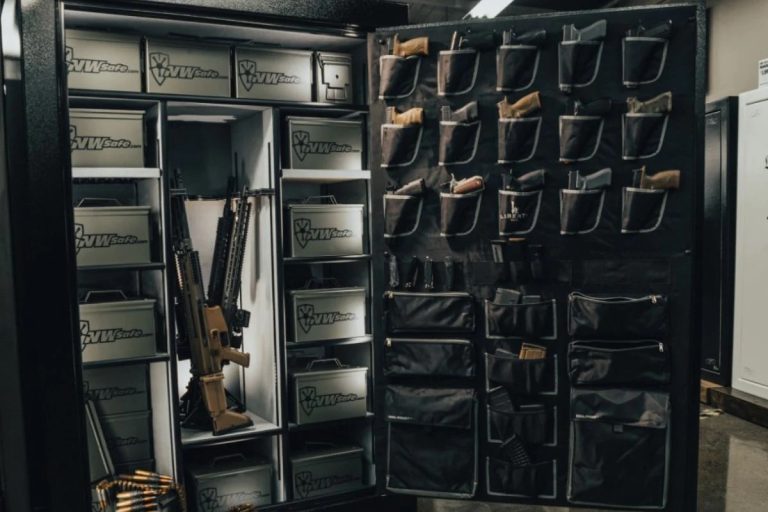
Gun safe design basics focus on creating a structure that balances strength, security, and functionality. A well-designed safe must protect contents from theft, fire, and environmental damage while remaining practical for daily use. Every design choice, from material selection to internal layout, affects the overall performance and durability of the safe.
Structural Planning and Layout Design
Structural planning is the foundation of any gun safe design because it determines how strong and stable the final build will be. Builders start by defining the overall dimensions based on storage needs and available space. A proper layout ensures that the safe can hold firearms securely without wasting interior capacity. The outer shell is usually designed using thick steel panels supported by an internal frame.
The internal structure must distribute weight evenly to prevent stress points from forming over time. Reinforcement bars and welded supports are often added to improve rigidity. Careful planning also includes hinge placement, door clearance, and internal spacing for shelves or racks. A well-balanced structure improves durability and ensures the safe maintains its shape even under heavy use or external force.
Material Selection and Security Design
Material selection plays a major role in determining the strength and reliability of a gun safe. High-grade steel is commonly used for both the outer body and door due to its resistance to cutting and drilling. Thicker steel provides better protection but also increases weight, which requires stronger hinges and a reinforced frame to support it properly.
Security design also involves choosing the right locking system and reinforcement strategy. Builders often combine mechanical or electronic locks with multiple locking bolts for added protection. Reinforcement plates around vulnerable areas such as the lock and hinge points help resist tampering. Fire-resistant materials may also be added inside the structure to improve safety. A strong combination of materials and security features ensures the safe performs effectively under different conditions.
Planning Homemade Gun Safe Project
Planning a homemade gun safe project requires careful preparation, clear design goals, and a strong understanding of safety-focused construction. A well-organized plan helps avoid costly mistakes and ensures every part of the build fits together properly. From sizing and materials to tools and security features, planning sets the foundation for a durable and reliable final result.
Defining Purpose, Size, and Storage Needs
The first step in planning a homemade gun safe project is identifying its purpose and storage requirements. Builders need to decide how many firearms and accessories will be stored, along with any additional valuables such as documents or equipment. This helps determine the overall size, internal layout, and weight capacity of the safe. A clear purpose also influences design decisions like shelf placement and interior organization.
Accurate sizing is critical because it affects both functionality and structural strength. A safe that is too small may limit usability, while an oversized design can become difficult to move or reinforce properly. Builders often measure available space in advance to ensure the safe fits comfortably in its intended location. Planning storage capacity early also helps avoid redesigns later during construction.
Selecting Materials and Security Features
Material selection is one of the most important parts of planning a homemade gun safe project. Thick steel plates are commonly used for the outer shell due to their resistance to cutting, drilling, and impact. Internal frames are often built using square tubing or reinforced steel bars to increase rigidity and reduce flexing. The combination of outer and internal materials determines the overall strength of the safe.
Security features should also be planned before construction begins. Choosing between mechanical locks, electronic keypads, or biometric systems affects both convenience and protection level. Reinforced locking bolts, steel plates around vulnerable areas, and fire-resistant insulation all contribute to a stronger design. Planning these features in advance ensures they integrate smoothly into the structure without weakening the frame.
Organizing Tools, Budget, and Construction Steps
A well-planned budget helps keep the homemade gun safe project manageable and cost-effective. Steel, locking systems, welding supplies, and finishing materials can add up quickly, so estimating costs early prevents overspending. Builders often compare material options to balance affordability and durability while maintaining strong security standards.
Tool organization is equally important for a smooth construction process. Welding machines, cutting tools, measuring devices, and safety equipment should be prepared before starting. Planning the construction steps in order—cutting, welding, assembly, and finishing—helps reduce errors and delays. A clear workflow keeps the project efficient and ensures each stage builds correctly on the previous one.
Essential Materials and Tools
Choosing the right materials and tools is a critical part of building a homemade gun safe because they directly affect strength, durability, and overall security. High-quality steel, proper reinforcement components, and reliable equipment ensure the structure can withstand pressure and last for years. Proper preparation also helps improve accuracy during construction and reduces mistakes during assembly.
Steel Selection and Structural Materials
Steel is the primary material used in any homemade gun safe because of its strength and resistance to forced entry. Thick steel plates are typically used for the outer shell to provide protection against cutting, drilling, and impact. Many builders prefer heavier gauge steel because it improves security, although it also increases overall weight and requires stronger support structures.
Structural materials such as square steel tubing and reinforcement bars are used to build the internal frame. These components help maintain shape and prevent the safe from bending under pressure. Reinforcement around the door and locking areas is especially important because these sections experience the most stress. Some builders also add fire-resistant insulation between layers to improve heat protection and enhance overall safety.
Welding, Cutting, and Fabrication Tools
Welding equipment is essential for joining steel components together securely during construction. MIG welders are commonly used because they produce strong and clean welds suitable for heavy steel fabrication. Proper welding ensures the frame, door, and reinforcement structures stay firmly connected and maintain their strength over time. Weak welds can compromise the entire safe, so precision is important.
Cutting tools such as angle grinders, plasma cutters, and metal saws are used to shape steel accurately before assembly. These tools allow builders to create precise edges and smooth surfaces for better alignment. Grinding tools are also used to remove sharp edges and prepare surfaces for welding or finishing. Having reliable fabrication tools ensures each component fits correctly and improves the overall build quality.
Measuring Tools and Safety Equipment
Accurate measuring tools are essential for ensuring every part of the gun safe fits correctly during assembly. Tape measures, metal rulers, squares, and levels help maintain precision when cutting and positioning steel components. Even small measurement errors can cause alignment issues, so careful checking is necessary throughout the building process. Proper measurement improves door fit, frame alignment, and locking system performance.
Safety equipment is equally important when working with heavy steel and power tools. Protective gloves, welding helmets, safety glasses, and ear protection help reduce the risk of injury during cutting and welding tasks. Steel edges, sparks, and loud machinery require constant attention to safety. A well-prepared workspace with proper protective gear allows for smoother construction and reduces accidents during the project.
Step-by-Step Process to Build a Homemade Gun Safe
Building a homemade gun safe requires a structured step-by-step process that focuses on accuracy, strength, and security at every stage. Each phase of construction plays a role in ensuring the final safe is durable and resistant to forced entry. From planning and cutting materials to assembling and finishing, following a clear process helps achieve a reliable and well-built result.
Step 1: Measuring and Preparing the Design Layout
The first step in building a homemade gun safe is creating a precise design layout based on storage needs and available space. Accurate measurements of height, width, and depth are essential to ensure the safe fits properly in its intended location. Builders often sketch a detailed blueprint that includes the door opening, internal compartments, hinge placement, and locking system position.
Once measurements are confirmed, steel sheets and reinforcement materials are marked for cutting. Preparation also includes cleaning materials to remove rust, oil, or debris that could affect welding quality. Organizing tools, fasteners, and safety equipment before starting helps maintain efficiency. A well-prepared layout reduces mistakes during construction and ensures each component aligns correctly during assembly.
Step 2: Cutting Steel and Building the Frame
After preparing the design, the next step is cutting steel components according to the planned measurements. Tools like plasma cutters, angle grinders, or metal saws are used to achieve precise cuts. Accuracy during this stage is critical because even small errors can affect the fit and stability of the final structure.
The steel frame is then assembled using square tubing or reinforced bars. Pieces are aligned carefully on a flat surface before welding to ensure proper geometry. Strong welds are applied at all connection points to create a rigid structure capable of supporting the weight of the door and locking system. Internal reinforcements are added to improve strength and reduce flexing under pressure, especially around high-stress areas.
Step 3: Installing the Door, Hinges, and Locking System
Once the frame is complete, the steel door is attached using heavy-duty hinges designed to support significant weight. Proper hinge placement is essential to ensure smooth movement and prevent sagging over time. Builders often test alignment multiple times before final welding to confirm the door opens and closes correctly without resistance.
The locking system is then installed based on the chosen mechanism, such as mechanical combination locks or electronic keypads. Locking bolts are aligned with the frame to secure the door tightly when engaged. Reinforcement plates are added around the lock area to protect against drilling or forced entry. Careful adjustment ensures the locking system functions smoothly and securely integrates with the door structure.
Step 4: Adding Reinforcement and Fire Protection Layers
After the main structure is assembled, reinforcement materials are added to increase overall security. Steel plates may be welded over vulnerable areas such as the lock section and hinge side to strengthen resistance against attacks. Internal support bars help distribute force evenly across the safe and reduce stress points that could weaken over time.
Fire protection materials such as insulation boards or ceramic fiber layers are installed between steel sections. These materials help slow heat transfer and protect contents during high-temperature exposure. Heat-expanding seals are often added around the door edges to block smoke and flames. Proper installation of these protective layers significantly improves the safe’s ability to withstand fire-related risks.
Step 5: Finishing, Painting, and Final Testing
The final stage involves refining the appearance and testing the functionality of the homemade gun safe. Welded surfaces are ground smooth to remove sharp edges and improve structural consistency. A protective coating or paint is then applied to prevent rust and corrosion, extending the lifespan of the safe under different environmental conditions.
Once finishing work is complete, thorough testing is performed on all components. The door is checked for smooth movement, proper alignment, and secure locking. Bolts, hinges, and reinforcement points are inspected to ensure everything functions as intended. Any adjustments are made to improve performance before the safe is put into regular use.
Adding Fire and Environmental Protection
Adding fire and environmental protection to a homemade gun safe is essential for improving long-term safety and durability. These protective features help shield firearms and valuables from heat, moisture, and corrosion damage. A well-designed system combines insulation, sealing, and moisture control to create a stable internal environment under different conditions.
Installing Fire-Resistant Insulation Layers
Fire-resistant insulation is one of the most important additions for protecting a homemade gun safe from high temperatures. Materials such as ceramic wool, gypsum board, or fire-rated composite panels are commonly installed between steel layers. These materials slow down heat transfer and help maintain lower internal temperatures during a fire, giving added protection to firearms and sensitive items stored inside.
Proper placement of insulation is critical for maximum effectiveness. Builders carefully cut insulation panels to fit tightly within the door and wall cavities, ensuring there are no large gaps where heat can pass through. The insulation is often secured using adhesives or compression fitting between steel layers. Some designs also include multi-layer insulation systems to improve resistance against prolonged heat exposure. A well-installed insulation system significantly improves the safe’s fire performance and overall reliability.
Adding Heat-Expanding Seals and Door Protection
Heat-expanding seals provide an additional layer of fire protection around the door frame of a homemade gun safe. These seals are designed to expand when exposed to high temperatures, filling gaps between the door and frame to block smoke, heat, and flames. They are typically installed along the inner perimeter of the door opening where air leaks are most likely to occur.
Installation requires precise alignment to ensure consistent coverage around the entire door. Builders often use adhesive backing or recessed channels to secure the seals in place. When exposed to heat, the material expands several times its original size, creating a tight barrier that improves fire resistance. Combined with insulation layers, heat-expanding seals help maintain a controlled internal environment and prevent external fire damage from reaching stored items.
Protecting Against Moisture and Corrosion
Environmental protection is just as important as fire resistance when building a homemade gun safe. Moisture buildup inside the safe can lead to rust, corrosion, and long-term damage to firearms and metal components. To prevent this, builders often include desiccant packs, silica gel containers, or built-in dehumidifier systems inside the safe.
Proper sealing of joints and edges also helps reduce moisture entry from outside environments. Rubber gaskets or weatherproof seals are commonly added around doors and access points to block humidity. In some cases, ventilation systems are installed to regulate internal air circulation while maintaining security. These combined measures help preserve the condition of stored items and ensure the safe remains functional and damage-free over time.
Choosing the Right Lock for Safe
Choosing the right lock for a homemade gun safe is one of the most important security decisions in the entire build process. The lock determines how easily the safe can be accessed by the owner and how well it resists unauthorized entry. A strong locking system improves overall protection and works together with the door, frame, and reinforcement design.
Mechanical Combination Lock Systems
Mechanical combination locks are a traditional and highly reliable option for securing a homemade gun safe. These locks operate without electricity or batteries, making them dependable in all conditions. They use a rotating dial system connected to internal wheels and tumblers that must align correctly to unlock the safe. Because of their simple mechanical design, they are known for long-term durability and resistance to electronic failure.
One of the main advantages of mechanical locks is their low maintenance requirement. Once properly installed and calibrated, they can function for years with minimal adjustment. They are also resistant to hacking or electronic tampering, which adds an extra layer of security. However, they require careful handling and slower entry compared to modern systems. Builders often reinforce the lock area with thick steel plates to protect against drilling or forced attacks.
Electronic Keypad Lock Systems
Electronic keypad locks provide faster access and modern convenience for homemade gun safes. These systems use a digital keypad where a user enters a programmed code to unlock the safe. Many electronic locks also allow multiple user codes, making them useful for shared access situations. Their speed and ease of use make them popular in modern safe designs.
Most electronic locks operate using battery power and include backup keys or external power options in case of battery failure. Advanced models may include features such as lockout modes, tamper alerts, and programmable delays for added security. Proper installation is essential to ensure the electronic components align correctly with the locking bolts. Protective steel covers are often added around the keypad and lock body to reduce the risk of damage or tampering.
Biometric Locking Systems and Reinforcement Considerations
Biometric locking systems use fingerprint recognition or other biological data to grant access to the safe. These systems offer quick entry and eliminate the need to remember combinations or codes. Many modern biometric locks also store multiple fingerprints, making them convenient for multiple users while maintaining high security levels.
However, biometric systems require careful installation and reliable power sources to function properly. They are often combined with backup mechanical keys or secondary access methods for emergencies. Regardless of the lock type chosen, reinforcement around the locking area is essential. Steel plates, anti-drill protection, and hardened inserts help secure the mechanism against physical attacks. A well-reinforced lock area ensures the chosen system performs effectively and remains resistant to tampering or forced entry attempts.
People Also Asked
What Materials Do You Need To Make A Homemade Gun Safe?
When you make a homemade gun safe, you typically rely on heavy-duty steel sheets, reinforcement bars, a solid locking mechanism, and fire-resistant insulation materials. These components help create a structure that can resist forced entry, heat, and impact. You should also consider using strong hinges, bolts, and tamper-resistant hardware to improve overall durability.
In addition, finishing materials like anti-rust coating and internal padding help extend the life of your safe. Choosing high-quality materials is essential because weak components can compromise the entire structure. Always prioritize strength, durability, and fire resistance when selecting your supplies.
How Secure Can A Homemade Gun Safe Be?
A homemade gun safe can be quite secure if it is built with proper materials, strong welding, and a well-designed locking system. Its effectiveness depends on how carefully you construct the frame, door, and reinforcement points. With thick steel and proper assembly, it can resist casual theft attempts and delay forced entry significantly.
However, you should understand that homemade safes may not match certified commercial standards. Security improves greatly when you add multiple locking bolts, reinforced hinges, and internal steel bracing. The overall protection level depends on design quality and attention to detail during construction.
What Thickness Of Steel Is Best For A Homemade Gun Safe?
When choosing steel thickness for a homemade gun safe, you should aim for a balance between strength and practicality. Many builders use steel ranging from 3/16 inch to 1/2 inch depending on the level of security they want. Thicker steel offers better resistance to drilling, cutting, and forced entry, making it more secure overall.
However, you must also consider weight and hinge stress, because overly thick steel can make the safe difficult to operate. Reinforcing the frame and using strong support structures helps distribute weight effectively. The ideal choice depends on your security needs and construction capability.
Can You Make A Fire Resistant Homemade Gun Safe?
A homemade gun safe can be made more fire resistant by using insulation materials such as fireboard, ceramic fiber, or gypsum-based panels. These materials slow heat transfer and help protect the contents inside the safe during high temperatures. Adding multiple internal layers improves overall fire resistance significantly.
You should also seal gaps carefully to prevent smoke and heat from entering. While a homemade safe may not achieve certified fire ratings, proper layering and sealing can still provide meaningful protection. Combining insulation with thick steel construction improves both safety and durability.
What Type Of Lock Should You Use For A Homemade Gun Safe?
The best lock for a homemade gun safe depends on how you balance convenience and security. Mechanical combination locks are reliable because they do not rely on power sources. Electronic keypad locks offer faster access and can include backup keys for emergencies.
Biometric locks provide quick access using fingerprints, but they require high-quality sensors for reliability. Many builders choose a combination of systems for added protection. The strongest setup is one that pairs a secure lock with reinforced bolts and a solid steel frame. This layered approach increases resistance to tampering.
What Are The Common Mistakes When Making A Homemade Gun Safe?
Common mistakes include using low-quality steel, weak welding, and poor alignment during construction. These issues significantly reduce the strength and reliability of a homemade gun safe. Even small gaps or structural weaknesses can compromise overall security.
Another mistake is ignoring fire protection and focusing only on physical strength. Improper hinge placement and inadequate locking systems also reduce safety. You should always prioritize balanced design, combining strength, fire resistance, and proper assembly techniques. You should also test each component during assembly to ensure consistent performance and long-term durability. This improves overall safe reliability.
Is It Legal And Safe To Build A Homemade Gun Safe?
It is important to understand that building a homemade gun safe must follow local laws and safety regulations. In many areas, you are responsible for ensuring that firearm storage is secure and prevents unauthorized access. A properly built safe helps improve household safety significantly.
You should also consider that poor construction can create serious risks, including theft or accidental access. Always prioritize strong materials, reliable locks, and proper design techniques. When done correctly, a homemade gun safe can provide effective storage and peace of mind. It also improves responsible firearm ownership practices.
Final Thoughts
Building a secure storage unit requires careful planning, strong materials, and attention to every structural detail. From designing the frame to selecting the right locking system, each step plays an important role in creating a safe that offers reliable protection. Proper construction techniques ensure the final build is both durable and functional.
Understanding how to make a homemade gun safe helps bring together all the essential elements like reinforcement, fire protection, and environmental sealing. Each component must work together to create a strong and secure structure that can withstand pressure, heat, and time. Skipping or weakening any stage can reduce overall performance and safety.
A well-built safe depends on precision, quality materials, and consistent workmanship throughout the entire process. Learning how to make a homemade gun safe gives a clearer idea of how design, security, and durability come together to form a dependable storage solution for long-term protection.