How to Unlock a Gun Safe Safely and Legally: Complete Guide for Owners
A gun safe is designed to protect firearms from unauthorized access, theft, and accidents, offering peace of mind to owners. However, situations can arise where you may forget the combination or face a malfunction that prevents access.
In such moments, staying calm and understanding the right steps becomes important. Forcing the safe open can damage its locking mechanism and may even make future access more difficult, leading to costly repairs or replacements and helps avoid unnecessary damage or stress during the process.
Knowing how to unlock a gun safe properly helps you regain access without harming the security system. Different safes use keypads, dials, or biometric locks, each requiring a specific method to open safely and correctly when access issues occur.
This guide will walk you through common reasons safes get locked and practical steps to resolve them, helping you handle the process confidently while keeping safety and security as top priorities.
Different Types of Gun Safe Locks
Gun safes come with different locking systems designed to balance security, convenience, and reliability. Each type of lock works in a unique way and offers its own advantages depending on how often you need access and the level of security required. Understanding these lock types helps you choose the right safe and handle access issues more effectively when they arise in everyday use.
Mechanical Dial Combination Locks
Mechanical dial combination locks are one of the most traditional and widely used locking systems in gun safes. They rely on a rotating dial that must be turned in a precise sequence of numbers to unlock the safe. This system does not require batteries or electricity, making it highly dependable over long periods of time.
One major advantage of this lock type is its durability. Since it has fewer electronic components, it is less likely to fail due to power issues or internal circuitry problems. However, it usually takes more time to open compared to modern systems, especially for users who are not familiar with the correct combination.
Accuracy is very important when using a mechanical dial lock. Even a small mistake in alignment can prevent the safe from opening. With regular practice, users can become more comfortable and efficient, but it still remains a slower method compared to digital alternatives.
Electronic Keypad Locks
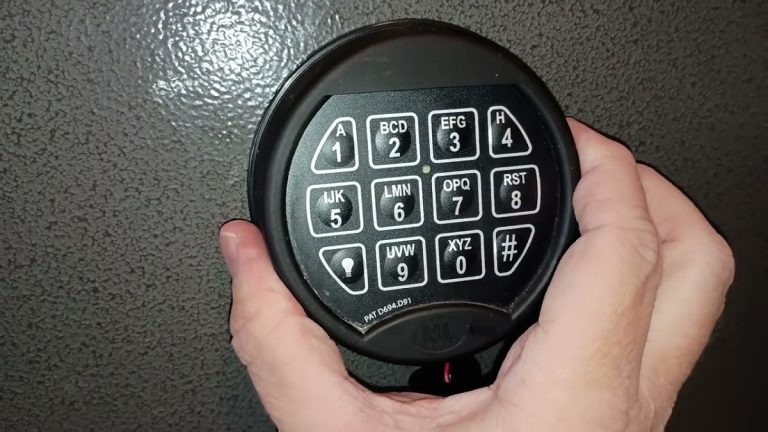
Electronic keypad locks are popular for their speed and convenience. Instead of turning a dial, users enter a numeric code on a digital keypad to unlock the safe. This system allows quick access, which is especially useful in urgent situations where time matters.
These locks are powered by batteries, which means they may require occasional maintenance to ensure continuous operation. Most models include a low-battery warning, giving users time to replace power sources before any access issues occur.
Another benefit is the ability to change codes easily. Users can update their combination whenever needed, improving overall security. However, electronic systems can sometimes experience technical glitches, making it important to keep backup access methods available.
Biometric Fingerprint Locks
Biometric fingerprint locks offer a modern and highly secure way to access a gun safe. They use fingerprint recognition technology to identify authorized users instantly, eliminating the need to remember codes or combinations.
This type of lock provides very fast access, making it ideal for situations where quick response is important. Many systems allow multiple fingerprints to be stored, so several trusted users can open the safe without sharing a code.
Despite their advanced technology, biometric locks depend on sensors and power sources, usually batteries. Dirt, moisture, or improper finger placement can sometimes affect recognition accuracy. Regular cleaning and maintenance help ensure smooth performance over time.
Keyed Lock Systems
Keyed lock systems are the simplest form of gun safe security. They use a physical key that must be inserted and turned to open the safe. This straightforward mechanism is easy to use and does not require memorizing codes or dealing with electronic components.
One advantage of keyed locks is reliability, as they are not affected by power failures or electronic malfunctions. However, the main challenge is keeping the key secure, since losing it can create serious access problems.
Many gun safe owners use keyed locks as a backup system alongside other lock types. While not as advanced as digital or biometric options, they still provide a dependable layer of security when managed properly.
Common Reasons a Gun Safe Won’t Open
A gun safe may fail to open for several reasons, and most of them are related to user error, mechanical issues, or power-related problems. Understanding these causes helps you identify the issue quickly without damaging the locking system. Gun safes are built for security, so even small disruptions can prevent normal access until the problem is properly resolved.
Dead Batteries or Power Failure
One of the most common reasons an electronic gun safe won’t open is dead or weak batteries. Since keypad and biometric safes rely on battery power, a low charge can prevent the locking mechanism from responding correctly. Even if the keypad lights up, insufficient power may stop the lock from releasing.
Battery issues often happen without warning, especially if the safe is not used frequently. Many users overlook replacement schedules, which leads to unexpected lockouts. Some safes provide a low-battery alert, but this warning can be missed or ignored over time.
Replacing batteries with fresh, high-quality ones usually resolves the issue quickly. It is also important to ensure they are installed correctly, as improper placement can also interrupt the power flow and keep the safe locked.
Incorrect Combination or User Error
Entering the wrong code or forgetting the correct sequence is another frequent reason a gun safe refuses to open. Even a single incorrect digit can prevent the locking mechanism from disengaging, especially in mechanical and electronic combination systems.
This issue often occurs after long periods of non-use when the correct combination is not actively remembered. Stress or rushed attempts can also lead to repeated mistakes, which may trigger temporary lockout features in some safes for added security protection.
Carefully rechecking the code and entering it slowly can help avoid repeated errors. In many cases, users realize they are using an outdated or changed combination, which requires updating their memory or consulting backup records to regain access.
Mechanical Jamming or Internal Faults
Mechanical jamming inside the locking system can also prevent a gun safe from opening. This may happen due to worn-out components, misaligned bolts, or internal debris interfering with the lock mechanism. Over time, regular use can naturally cause parts to shift or lose smooth movement.
Environmental factors such as humidity, dust, or temperature changes can also contribute to internal resistance. These conditions may cause metal parts to expand, contract, or corrode slightly, affecting how smoothly the locking bolts operate.
When mechanical issues occur, the safe may respond partially but fail to fully disengage. In such situations, forcing the handle or keypad can worsen the problem, making it harder to restore normal function without professional assistance.
What to Do First When Your Gun Safe Is Locked
When a gun safe refuses to open, the first reaction is often frustration, but rushing into action can make the situation worse. Gun safes are designed with strong security features, so even minor issues can block access. Taking a calm, structured approach helps you identify the problem without damaging the locking system or compromising the safe’s integrity.
Stay Calm and Assess the Situation
The first step is to remain calm and avoid forcing the safe open. Excessive pressure on the handle or keypad can damage internal components and make repairs more complicated. Instead, take a moment to observe any signs such as keypad response, warning lights, or unusual resistance in the lock mechanism.
Careful observation often provides clues about the issue. For example, a blinking keypad may indicate low battery, while no response at all could suggest a power failure. Mechanical safes may feel stiff if the combination was not aligned correctly. Noticing these details early can save time and prevent unnecessary damage.
It is also helpful to recall the last time the safe was successfully opened. Small details like recent battery changes or combination updates can point directly to the cause. A clear mindset improves decision-making and reduces the chances of making the problem worse.
Check the Power Source or Battery Status
If the gun safe uses an electronic keypad or biometric system, the next step is to check the power source. Weak or dead batteries are one of the most common reasons a safe becomes unresponsive. Even when lights or sounds appear, the internal mechanism may not have enough power to unlock properly.
Many safes store batteries in easily accessible compartments, allowing for quick inspection. Signs such as delayed keypad response, dim display, or no sound feedback often indicate low power levels. Replacing batteries with fresh, high-quality ones can often restore normal operation immediately.
It is important to ensure correct battery installation as well. Incorrect placement or loose connections can interrupt the power flow. Keeping spare batteries on hand and replacing them regularly helps prevent unexpected lockouts and ensures consistent safe performance over time.
Recheck the Combination or Access Method
Another important step is to carefully re-enter the combination or access method. Many lockouts occur due to simple input errors, especially when users are in a hurry or relying on memory. Even a small mistake in sequence or timing can prevent the lock from disengaging.
Take your time when entering the code and ensure each input is accurate. Some safes require a specific rhythm or confirmation step, so rushing through the process can trigger a failed attempt. Repeating the process slowly often resolves the issue without further complications.
If the safe uses biometric access, ensure the finger placement is correct and the sensor is clean. Dirt or improper positioning can affect recognition accuracy. Rechecking the method carefully helps rule out user error before moving on to more complex troubleshooting steps.
Safe Troubleshooting Methods for Owners
When a gun safe does not open, careful troubleshooting can often resolve the issue without causing damage. Most problems are related to simple errors, battery issues, or minor mechanical misalignments. Using safe and methodical techniques helps owners identify the cause and restore access while protecting the locking system from unnecessary strain or permanent damage.
Inspect and Replace Power Sources
One of the first troubleshooting methods is checking the power source, especially for electronic or biometric gun safes. Weak or dead batteries are a frequent cause of lock failure. Even when the keypad appears functional, insufficient power can prevent the internal locking bolts from disengaging properly.
Begin by carefully removing the battery compartment cover and inspecting the batteries for corrosion, leakage, or incorrect placement. Old batteries should be replaced with fresh, high-quality ones to ensure stable performance. It is also important to check whether the terminals are clean and properly aligned for consistent power delivery.
After replacing the batteries, wait a few seconds before attempting to open the safe again. This allows the system to reset. In many cases, this simple step restores normal operation immediately, especially when the issue was related to low power or unstable voltage supply.
Reset the Electronic Lock System
If replacing batteries does not solve the issue, resetting the electronic lock system can be an effective troubleshooting method. Many modern gun safes include a reset function that restores the lock to its default operational state without affecting stored combinations or security settings.
To perform a reset, owners usually need to press a specific combination of buttons or use a small reset switch located inside or behind the keypad panel. The exact process varies depending on the safe model, so following the manufacturer’s instructions is important to avoid triggering additional lockouts.
A successful reset often clears temporary glitches caused by software errors or internal communication issues. After resetting, re-entering the correct code slowly and carefully can help confirm whether the system is functioning properly again.
Lubricate and Inspect Mechanical Components
Mechanical issues can also prevent a gun safe from opening, especially in older or frequently used models. Over time, dust, dirt, or lack of maintenance can cause internal components such as bolts and locking bars to become stiff or misaligned.
Applying a suitable dry lubricant to the locking mechanism can help restore smooth movement. It is important to avoid over-lubrication, as excess oil can attract more dust and worsen the problem. Careful application ensures that moving parts operate without resistance.
Owners should also inspect visible mechanical parts for signs of wear or obstruction. If the handle feels unusually tight or the bolt does not retract fully, it may indicate internal misalignment. Addressing these issues early can prevent further complications and maintain the safe’s long-term reliability.
Size and Design Differences
Gun safes come in a wide range of sizes and designs to meet different storage needs, from compact handgun safes to large rifle cabinets. The size and layout directly affect how many firearms and valuables can be stored, as well as how easily they can be accessed. Design choices also influence placement, portability, and overall security performance.
Compact Gun Safes for Handguns
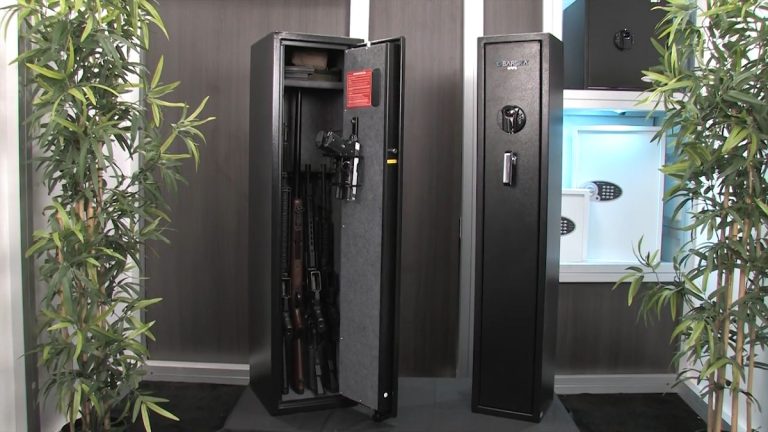
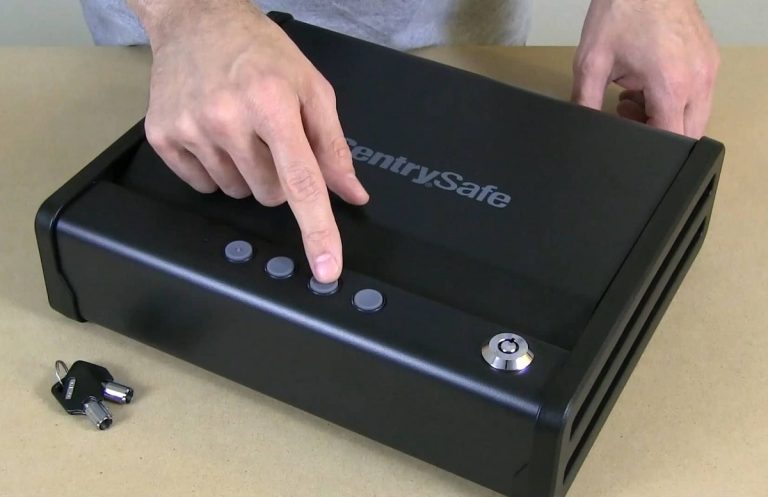
Compact gun safes are designed primarily for handguns and small valuables. Their smaller size makes them ideal for quick access in bedrooms, offices, or vehicles. These safes are often lightweight and can be mounted on walls, under desks, or inside drawers for added concealment and security.
Despite their small footprint, compact safes still offer strong protection features such as electronic keypads, biometric scanners, or mechanical locks. Many models are built with reinforced steel to resist tampering and forced entry. However, their limited interior space means they are not suitable for long firearms or larger collections.
Convenience is one of the main advantages of compact safes. Users can access them quickly in emergencies without dealing with bulky doors or complex storage arrangements. Their discreet design also helps keep firearms out of sight, reducing the risk of unauthorized access.
Full-Size Rifle Safes
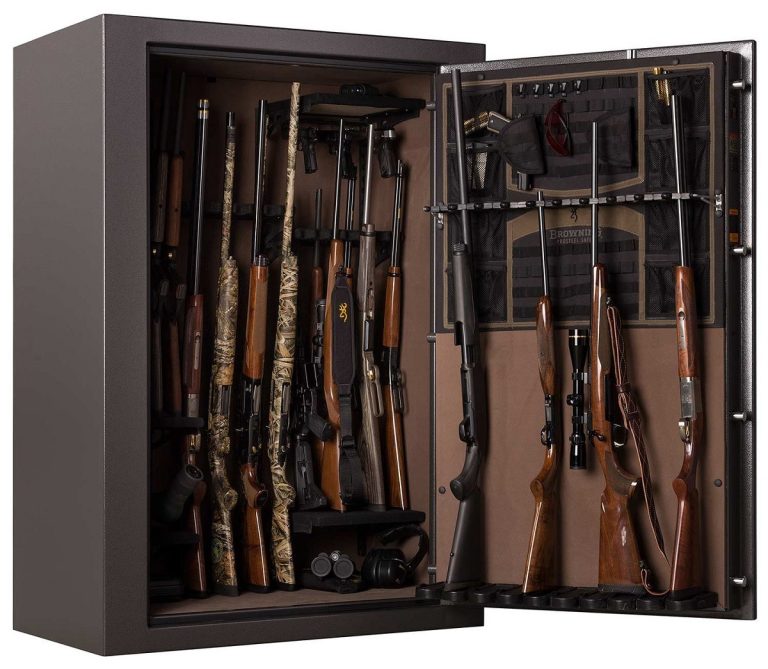
Full-size rifle safes are designed to store multiple long guns along with ammunition and accessories. These safes are significantly larger and heavier, often requiring permanent placement in a secure location within the home or office. Their size allows for organized storage of rifles, shotguns, and additional valuables.
Most full-size safes include adjustable shelving, interior racks, and door organizers to maximize storage efficiency. This makes it easier to separate firearms, magazines, and other equipment. The internal layout is designed to prevent damage by keeping items securely in place during movement or impact.
Because of their weight and structure, full-size safes provide a higher level of physical security. They are more resistant to theft and forced removal, especially when bolted to the floor. However, their large size means they require more space and are less portable compared to smaller models.
Wall-Mounted and Hidden Gun Safes
Wall-mounted and hidden gun safes are designed for discreet storage and quick access. These safes are installed inside walls, behind furniture, or within concealed compartments, making them difficult to detect. Their design focuses on blending into the environment while still offering reliable firearm protection.
One of the key advantages of hidden safes is accessibility combined with discretion. Users can access firearms quickly while keeping them out of plain sight, which adds an extra layer of security against theft or unauthorized use. Many models also include biometric or keypad entry systems for faster access.
Installation plays a major role in the effectiveness of these safes. Proper mounting ensures stability and prevents easy removal. While they may not offer the same storage capacity as full-size safes, their concealment advantage makes them a popular choice for home defense setups and sensitive storage needs.
When to Contact the Manufacturer or Support
There are situations where troubleshooting a gun safe at home is not enough, and contacting the manufacturer or customer support becomes necessary. These cases usually involve persistent lock failures, electronic malfunctions, or lost access credentials. Knowing when to seek professional help ensures the safe remains secure while preventing further damage from incorrect handling.
Persistent Lock Failure or System Malfunction
When a gun safe continues to remain locked despite replacing batteries, resetting the system, and rechecking the combination, it may indicate a deeper internal malfunction. This can involve damaged circuit boards, faulty wiring, or mechanical failure within the locking bolts that cannot be resolved through basic troubleshooting.
Repeated failed attempts to open the safe can sometimes trigger lockout modes, which are designed to protect against unauthorized access. In such cases, further attempts without proper guidance may worsen the issue. Manufacturer support is trained to diagnose these problems based on the safe’s model and error symptoms.
Contacting support allows access to model-specific solutions that are not available in general troubleshooting guides. This may include master reset procedures, replacement parts, or firmware-related fixes for electronic systems. Professional guidance helps restore functionality without compromising security features.
Lost Combination or Access Credentials
If the combination, PIN code, or biometric data is completely lost or forgotten, manufacturer assistance is often required. Many gun safes are designed with high-security encryption, meaning there is no simple manual override available to the user for safety reasons.
Support teams typically require proof of ownership before providing recovery options. This may include serial numbers, purchase receipts, or registration details. Once verified, they can guide users through secure recovery methods or provide a factory reset procedure depending on the model.
Attempting to bypass the system without official instructions can permanently damage the locking mechanism. Manufacturer assistance ensures that access is restored safely while maintaining the integrity of the safe’s security design.
Physical Damage or Broken Lock Components
Physical damage to the safe, such as a jammed handle, broken keypad, or misaligned locking bolts, is another strong reason to contact support. These issues often require replacement parts or technical repair that cannot be handled with basic tools or home methods.
Damage can occur due to forced entry attempts, accidental impact, or long-term wear and tear. In some cases, internal components may shift or break, preventing the locking system from functioning correctly. Manufacturer technicians are trained to identify and repair these issues safely.
Support teams may also provide instructions for authorized repair centers or send replacement components when needed. This ensures that repairs are completed correctly without compromising the structural strength or security rating of the gun safe.
Preventing Future Lockouts
Preventing gun safe lockouts is all about regular maintenance, proper usage habits, and keeping backup access options ready. Most lockouts happen due to simple issues like dead batteries, forgotten combinations, or lack of care over time. With the right precautions, you can greatly reduce the chances of getting locked out and ensure consistent, reliable access when needed.
Maintain Batteries and Power Systems Regularly
One of the most effective ways to prevent future lockouts is to maintain the battery or power system of electronic gun safes. Weak batteries are a leading cause of access failure, and they often die without obvious warning. Replacing batteries on a scheduled basis helps avoid sudden power loss.
It is a good habit to check batteries every few months, even if the safe appears to be working normally. Using high-quality batteries instead of cheap alternatives can also improve performance and reduce the risk of leakage or corrosion inside the compartment. Keeping spare batteries nearby ensures quick replacement when needed.
Some safes offer low-battery indicators, but these warnings should not be ignored. Acting early prevents emergency situations where the keypad becomes unresponsive. Consistent battery care ensures the locking system remains stable and ready for immediate use.
Store Access Codes and Backup Methods Securely
Another important prevention method is securely storing access codes, combinations, or backup keys. Forgetting credentials is a common reason for lockouts, especially when safes are not accessed regularly. Keeping a written record in a safe secondary location can prevent unnecessary stress during emergencies.
Many modern safes allow multiple access methods, such as backup keys or secondary PIN codes. Setting up and testing these options in advance ensures you always have an alternative way to open the safe. However, these backups should be stored securely to avoid unauthorized access.
It is also helpful to update access codes periodically and memorize them well. Avoid using overly complicated combinations that are difficult to recall under pressure. A balanced approach between security and memorability reduces the risk of accidental lockouts.
Perform Regular Maintenance and System Checks
Routine maintenance plays a major role in preventing gun safe lockouts. Dust buildup, mechanical wear, and environmental factors can all affect the locking system over time. Regular inspection helps identify small issues before they turn into serious access problems.
Cleaning the keypad, lubricating mechanical parts lightly, and checking for loose components can keep the system functioning smoothly. Environmental conditions such as humidity or temperature changes should also be considered, as they can affect metal parts inside the safe.
Testing the locking mechanism occasionally ensures everything is working correctly. Opening and closing the safe periodically helps maintain smooth operation and confirms that both electronic and mechanical systems are functioning as expected.
FAQs
What Should You Do First When Your Gun Safe Won’t Open?
When your safe does not open, the first step is to stay calm and avoid forcing the handle or keypad. Excess pressure can damage internal locking parts and make the problem worse. Instead, check for simple issues like keypad response, battery condition, or whether the correct combination is being entered slowly and carefully.
Next, observe any signs such as blinking lights, beeping sounds, or stiffness in the lock mechanism. These clues often point to low batteries or input errors. Taking a moment to assess the situation helps you avoid unnecessary damage and increases the chances of resolving the issue quickly without professional repair.
How Do You Unlock A Gun Safe With A Dead Battery?
If your gun safe uses an electronic keypad or biometric system, a dead battery is a common reason it won’t open. You can usually replace the batteries by accessing the external or internal battery compartment. Once new, high-quality batteries are installed, wait a few seconds before trying the code again.
Some safes also include an external backup power contact or emergency key override. Using these features correctly can restore temporary access. Always ensure batteries are installed properly, as incorrect placement can still prevent the system from powering the lock mechanism.
Can You Unlock A Gun Safe If You Forgot The Combination?
If you forget the combination, avoid random guessing because repeated incorrect attempts may trigger a lockout mode. Instead, try checking any written records, backup notes, or manufacturer documentation where the code might be stored safely. Some safes also allow code recovery through registered ownership.
If recovery is not possible, contacting the manufacturer is the safest option. They may require proof of ownership before helping reset or recover access. For security reasons, there is usually no simple manual bypass, so professional assistance is often necessary in this situation.
Why Is Your Gun Safe Keypad Not Responding?
A non-responsive keypad is often caused by low battery power or loose internal connections. Start by replacing the batteries with fresh ones and ensuring they are installed correctly. Even slight corrosion or weak contact points can stop the keypad from functioning properly.
Environmental factors like moisture, dust, or temperature changes can also affect performance. Cleaning the keypad gently and ensuring it is dry may help restore function. If the issue continues after these steps, the internal electronic system may need professional inspection or replacement.
How Do You Open A Mechanical Gun Safe Without Damaging It?
Mechanical gun safes require precise alignment of the dial combination, so even small mistakes can prevent opening. Turn the dial slowly and carefully follow the correct sequence without rushing. Applying too much force on the handle can damage internal locking bolts.
If the dial feels stiff or unresponsive, stop immediately and avoid forcing it. Sometimes internal misalignment or dirt buildup can cause resistance. In such cases, professional servicing is recommended to prevent long-term damage to the locking mechanism.
What Should You Avoid When Trying To Unlock A Gun Safe?
You should avoid forcing the handle, using tools to pry the door, or repeatedly guessing combinations. These actions can permanently damage the locking system and make repairs more expensive. Gun safes are built with strong internal security, so force rarely helps.
It is also important not to ignore warning signs like low battery alerts or keypad delays. Addressing small issues early prevents full lockouts. Taking a calm and methodical approach always gives better results than aggressive attempts.
When Should You Call A Professional To Unlock A Gun Safe?
You should contact a professional when basic troubleshooting like battery replacement, code re-entry, or reset attempts do not work. Persistent lock failure often indicates deeper mechanical or electronic issues that require specialized tools and knowledge to fix safely.
Professionals can open the safe without causing structural damage and may also repair or replace faulty components. If the safe is physically damaged or completely unresponsive, expert help ensures you regain access while keeping the security system intact.
Final Thoughts
When dealing with a locked firearm storage unit, patience and proper procedure are essential to maintain both safety and security. Understanding your lock type and following manufacturer guidelines can prevent unnecessary damage. Whether it is a keypad, mechanical dial, or biometric system, careful assessment helps ensure responsible handling in any situation. overall safe approach matters greatly
Troubleshooting steps like checking batteries, backup keys, and reset options should be tried before seeking outside help. If these methods fail, contacting a certified locksmith or manufacturer support is often the safest choice. Attempting forced entry can cause permanent damage and reduce the security of your safe system integrity risk
Preventing future lockout issues is as important as resolving current problems with safe access overall reliability matters greatly. Regular maintenance and secure code storage help reduce unexpected lockouts over time effectively improve reliability. Understanding how to unlock a gun safe ensures peace of mind always