What Makes Black Tip Ammo Different From Standard Ammunition
Many firearm owners notice black-tipped cartridges and immediately wonder what makes them different from standard ammunition. The distinct colored tip often signals a specific purpose, leading to questions about performance, legality, and practical use. Understanding these markings helps you recognize the intended role of different ammunition types.
As you explore what is black tip ammo, you will discover that the black-painted tip is more than just a visual feature. It commonly identifies a particular ammunition category designed for specialized applications rather than everyday target shooting or recreational use.
Knowing how black tip ammunition is classified, where it is typically used, and why it carries a unique designation can help you avoid confusion when researching or purchasing ammunition. Clear information also makes it easier to separate facts from common myths surrounding these cartridges.
This guide covers what is black tip ammo, including its purpose, key characteristics, common uses, legal considerations, and important differences from other color-coded ammunition. By the end, you will have a practical understanding of what these distinctive rounds represent and why they receive so much attention.
Identifying Black Tip Ammunition
Recognizing ammunition markings helps you understand the intended purpose and classification of different cartridges. Black tip ammunition is identified mainly through the colored marking applied to the projectile tip, which serves as a visual indicator. These markings provide useful information about the round’s design, performance characteristics, and intended application, making proper identification easier for firearm owners and enthusiasts.
Understanding The Black Tip Color Code
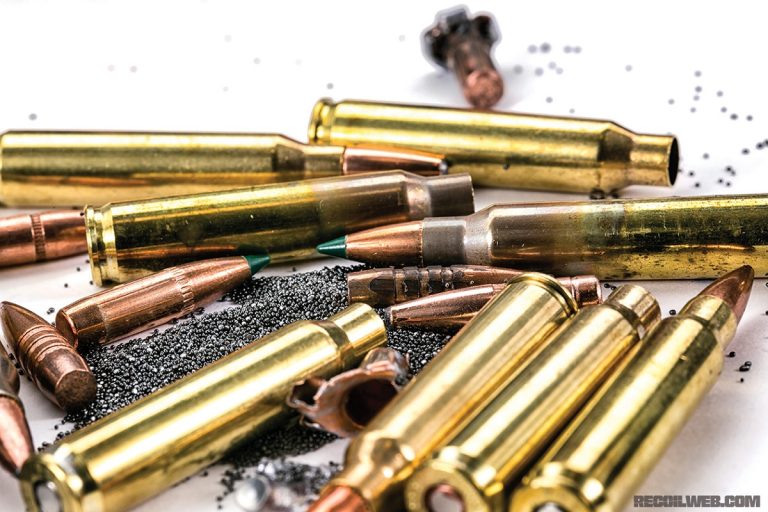
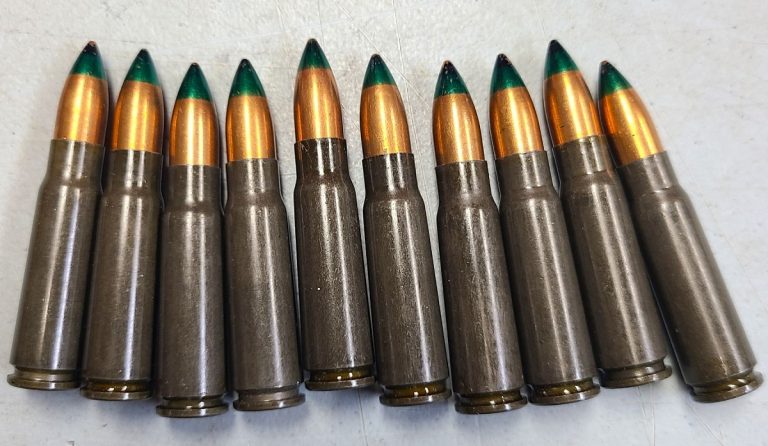
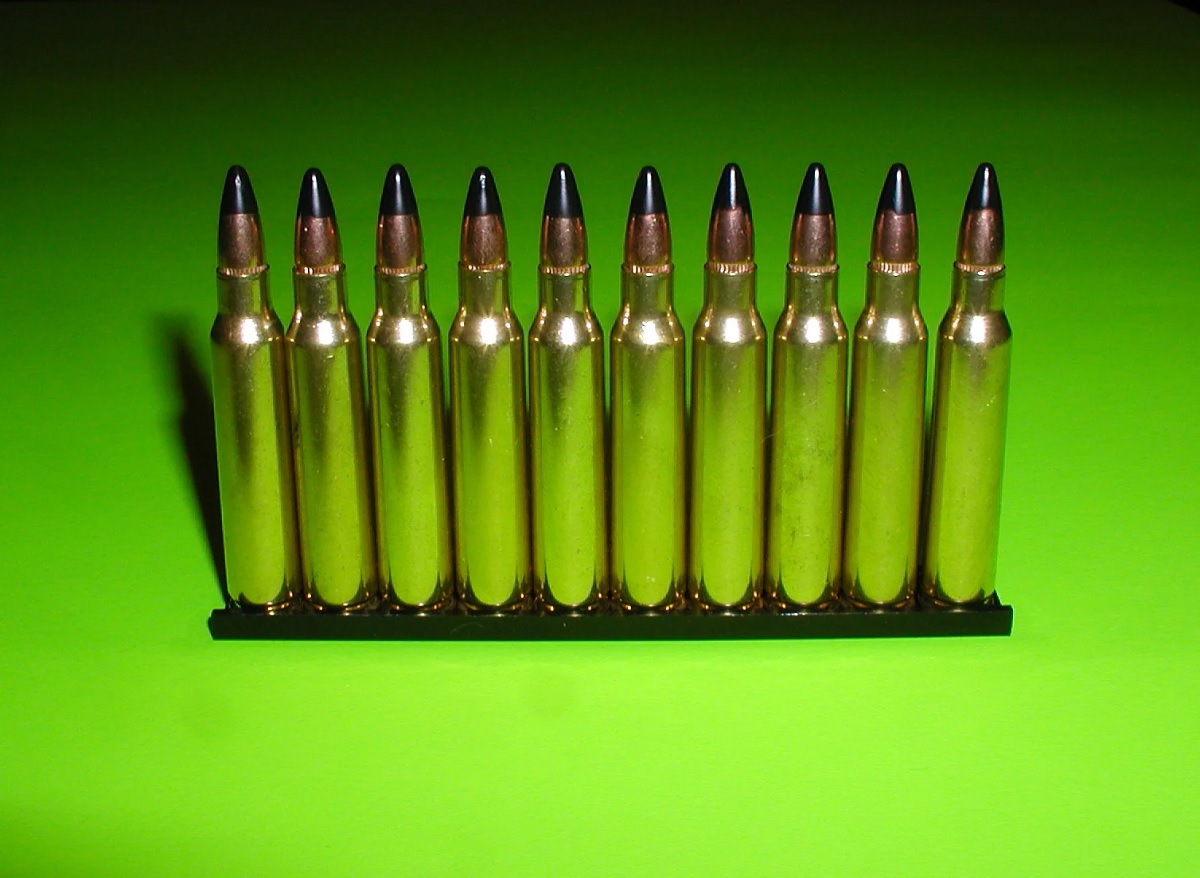
The black tip on ammunition is a specific identification feature used to distinguish certain projectile types from standard rounds. In many cases, a black-painted bullet tip indicates armor-piercing capabilities in military ammunition classifications. The marking allows personnel to quickly identify the characteristics of the cartridge without examining the internal components or construction details.
However, not every black-tipped round follows the same classification system across all manufacturers or countries. Ammunition color codes can vary depending on military standards, production guidelines, and historical usage. You should always verify markings through reliable ammunition references rather than relying only on color appearance. The black tip provides an important clue, but additional details such as headstamp markings and cartridge specifications offer more complete identification.
Checking Additional Ammunition Markings
Besides the colored projectile tip, other markings can help you identify black tip ammunition accurately. The cartridge headstamp, usually located on the base of the casing, often includes manufacturer information, caliber details, and production codes. These details help confirm the ammunition type and provide more context about its origin.
Packaging labels, manufacturer descriptions, and technical specifications are also valuable sources when identifying specialized ammunition. Two cartridges may appear similar but have different designs, purposes, or performance characteristics. Examining all available markings gives you a clearer understanding of the round instead of depending on one visual feature alone. Proper identification is especially important when handling unfamiliar ammunition.
Differences Between Black Tip And Other Ammunition Markings
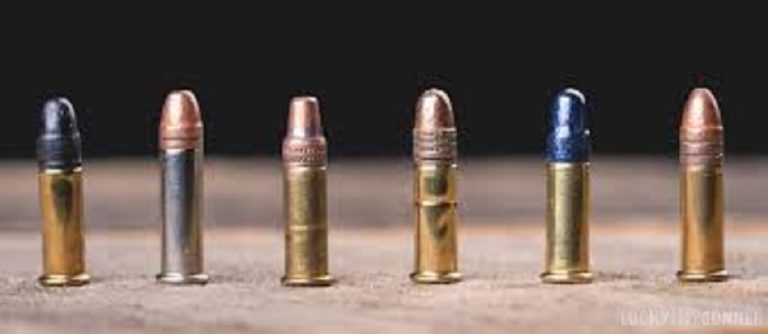
Ammunition tips come in various colors, and each marking can represent different characteristics depending on the classification system being used. Black tips are often associated with specialized military ammunition, while other colors may indicate tracer, incendiary, or other projectile types. Understanding these differences prevents confusion when comparing various rounds.
The meaning of a colored tip is not universal, so you should consider the ammunition’s manufacturer, country of origin, and intended use. Some commercial ammunition may use different labeling methods or may not follow traditional military color codes. Learning how to evaluate multiple identification points allows you to better understand the ammunition you are examining and recognize why black tip rounds receive specific attention.
How Black Tip Ammo Works When Fired
Understanding how ammunition functions after the trigger is pulled helps explain why different cartridge designs exist. Black tip ammunition follows the same basic firing process as other rounds, but its projectile construction can create different results depending on its intended design. The materials and internal structure of the bullet influence how it performs after leaving the firearm barrel.
Ignition Process Inside The Cartridge
When you fire a round of black tip ammunition, the process begins when the firing pin strikes the primer at the base of the cartridge. This impact creates a small ignition that burns the propellant powder inside the casing. The expanding gases produced from the burning powder generate pressure, forcing the projectile forward through the barrel.
The bullet’s movement depends on the cartridge design, barrel characteristics, and projectile construction. Like other ammunition types, the round must be properly matched with the firearm to function safely. The black tip itself does not create the firing process; instead, it identifies a specific projectile style or purpose associated with the cartridge. The internal design of the bullet determines how it behaves once it reaches the target.
Projectile Design And Performance Characteristics
The performance of black tip ammunition comes from the way the projectile is constructed. Certain black-tipped rounds are designed with specialized materials or features that affect penetration and impact behavior. These design elements may include hardened components or specific internal structures that change how the bullet interacts with different surfaces.
Once the projectile exits the barrel, its shape, weight, velocity, and materials influence its flight path and impact results. The black marking on the tip serves as an identification feature rather than a performance enhancer. The actual function comes from the engineering behind the bullet itself, including the materials used and the way those components work together during impact.
Factors That Influence Black Tip Ammo Function
Several factors can affect how black tip ammunition performs when fired. The firearm’s barrel length, environmental conditions, ammunition quality, and distance to the target can all influence velocity and accuracy. Even ammunition with similar markings may perform differently depending on its manufacturer and specific design.
Proper storage and handling also play an important role in maintaining ammunition reliability. Exposure to moisture, extreme temperatures, or poor storage conditions can affect the cartridge components over time. Understanding these factors gives you a better idea of why ammunition performance depends on more than just the color marking on the bullet tip.
Comparing Black Tip Ammo With Standard Ammunition
Black tip ammunition differs from standard ammunition mainly because of its specialized projectile design and intended purpose. Standard rounds are commonly built for general shooting activities, while black-tipped cartridges may include features developed for specific applications. These differences are found in the bullet construction rather than the external color alone.
When comparing ammunition types, you should look at details such as projectile materials, cartridge specifications, and manufacturer information. The black tip provides a quick visual reference, but it does not explain every detail about the round. A complete understanding requires examining how the ammunition is built and how those design choices influence its behavior after firing.
Common Uses And Applications Of Black Tip Ammo
Black tip ammunition is recognized for its specialized design and unique identification marking. Unlike common rounds used for general shooting, these cartridges are often associated with specific purposes that require particular projectile characteristics. Understanding where black tip ammunition is used helps explain why it receives attention among firearm enthusiasts, collectors, and those researching different ammunition classifications.
Military And Specialized Applications
Historically, certain black tip ammunition has been associated with military applications where specialized projectile performance was required. These rounds were developed for specific operational needs and designed differently from standard service ammunition. The black marking allowed quick identification of the cartridge type and helped distinguish it from other ammunition varieties used in the field.
Military forces have used different ammunition markings to organize and identify rounds based on their intended function. The exact meaning of a black tip can vary depending on the country, manufacturer, and time period. Because of these differences, understanding the background of the specific cartridge is important when researching its purpose and classification.
Collecting And Historical Ammunition Research
Many firearm collectors are interested in black tip ammunition because of its historical importance and unique markings. Collectors often study these cartridges to learn about military development, manufacturing methods, and changes in ammunition technology over time. The distinctive appearance makes black tip rounds recognizable pieces for those interested in ammunition history.
Historical research often involves examining details such as headstamps, packaging, production dates, and design features. Collectors may compare different examples to understand how ammunition evolved and how various organizations identified specialized rounds. Black tip cartridges can provide valuable insight into past firearm technologies and the development of specialized ammunition systems.
Training And Demonstration Purposes
Black tip ammunition may also appear in educational settings where people study ammunition designs, identification methods, and firearm technology. Training materials sometimes use examples of different cartridge types to teach proper recognition of markings and explain how ammunition classifications work. These examples can help learners understand the differences between various projectile designs.
When examining ammunition for educational purposes, accurate information about markings and specifications is important. Color codes alone may not provide complete details because different manufacturers and regions may use different systems. Reviewing reliable references allows people to better understand the purpose and characteristics of specific rounds.
Differences In Modern Availability And Usage
The availability and use of black tip ammunition can differ significantly depending on location, regulations, and manufacturer practices. Some types are primarily found among collectors or historical examples, while others may have specific restrictions based on their design and classification. This makes it important to research the exact cartridge rather than making assumptions based only on appearance.
Modern ammunition markets include many different projectile types, each created for particular applications. Black tip markings remain an important identification feature, but they represent only one part of understanding a cartridge. Examining the complete ammunition specifications provides a clearer picture of where and why certain rounds are used.
Factors To Consider Before Choosing Black Tip Ammo
Selecting ammunition requires careful attention to several important details beyond appearance or markings. Black tip ammunition has specific characteristics that separate it from many standard rounds, making it necessary to understand its design, classification, and intended purpose. Considering factors such as compatibility, regulations, availability, and cartridge specifications helps you make informed decisions when researching different ammunition options.
Understanding The Ammunition Classification
Before choosing black tip ammunition, you should first understand how the cartridge is classified and what the marking represents. The black tip is generally used as an identification feature for certain specialized projectile designs, but the exact meaning can vary based on the manufacturer, country of origin, and historical standards.
Researching the specific cartridge details helps prevent confusion because not all black-tipped rounds have identical characteristics. Looking at information such as projectile type, caliber, and manufacturing details provides a clearer understanding of what you are examining. Relying only on the color marking may lead to incorrect assumptions about the ammunition’s purpose or capabilities.
Checking Firearm Compatibility
Another important factor is ensuring that the ammunition matches the firearm it is intended for. Different firearms are designed to handle specific cartridge types, and using an incompatible round can create safety concerns or performance issues. Checking the firearm specifications and ammunition information is an essential step before making any selection.
You should consider details such as caliber, cartridge dimensions, and firearm manufacturer recommendations when evaluating ammunition. Even rounds that look similar may have different pressure levels, designs, or intended uses. Proper compatibility helps ensure that the ammunition functions as expected and reduces the risk of problems caused by incorrect cartridge selection.
Considering Legal Restrictions And Regulations
Legal requirements are an important consideration when researching black tip ammunition. Certain types of specialized ammunition may have restrictions depending on local laws, state regulations, or national rules. Regulations can change over time, so understanding the current requirements in your area is necessary before obtaining or possessing specific ammunition types.
Checking official sources and understanding applicable laws helps you stay informed about what is permitted. Different regions may treat ammunition classifications differently, and a round that is available in one location may have limitations elsewhere. Being aware of these factors allows you to approach ammunition research responsibly.
Evaluating Availability And Source Reliability
Availability is another factor that can influence your choice of black tip ammunition. Some specialized rounds may be less common than standard ammunition and may primarily appear through collectors, historical markets, or limited production sources. Finding accurate information about the cartridge’s origin and condition is important when evaluating options.
Reliable sources provide better details about ammunition specifications, manufacturing history, and identification. You should examine product descriptions, markings, and documentation carefully rather than relying on appearance alone. Understanding where the ammunition comes from and how it has been stored can provide useful information about its overall condition and classification.
Comparing Purpose And Ammunition Characteristics
The intended purpose of the ammunition should always be considered before making a decision. Different cartridges are designed with different characteristics, and black tip ammunition may not serve the same role as standard rounds. Understanding the design features, projectile construction, and historical background helps you compare it with other ammunition categories.
Evaluating these characteristics gives you a more complete view of the cartridge rather than focusing only on the visible marking. Factors such as design, availability, regulations, and compatibility all work together when determining whether a particular ammunition type matches your needs and expectations.
People Also Asked
What Is Black Tip Ammo?
Black tip ammo refers to ammunition that has a black-colored marking on the bullet tip, which is used to identify a specific type of projectile or its intended characteristics. You may notice this marking on certain military or specialized rounds where the tip color helps indicate the bullet’s design. The exact meaning of a black tip can vary depending on the manufacturer and ammunition type, so you should always verify the markings before use. Understanding these identifiers helps you recognize different rounds and choose ammunition suitable for your firearm.
Is Black Tip Ammo The Same As Armor Piercing Ammunition?
Black tip ammo is often associated with armor piercing ammunition because some black-tipped rounds are designed with enhanced penetration features. However, you should not assume every black tip round has the same function or capability. The black marking is a visual identifier, but its meaning depends on the specific cartridge and manufacturer standards.
You should check reliable ammunition information before determining the purpose of a particular round. Knowing the difference helps you avoid confusion between specialized ammunition types and standard bullets.
How Can You Identify Black Tip Ammo?
You can identify black tip ammo by looking at the colored marking located on the bullet’s tip. The black coating or paint is usually applied as a visual indicator that separates it from other ammunition types. However, you should not rely only on appearance because markings can differ between manufacturers and regions.
You should examine the cartridge information, packaging labels, and manufacturer details to confirm the ammunition type. Proper identification allows you to understand what you have and prevents accidental use of unsuitable ammunition in your firearm.
What Is The Purpose Of Black Tip Ammo?
The purpose of black tip ammo depends on its specific design and intended application. Some rounds with black tips are created for specialized performance characteristics, such as improved penetration or specific operational requirements. These features are usually developed for particular situations rather than everyday shooting purposes.
You should understand that different ammunition designs serve different roles. Before using any specialized round, you need to confirm its specifications, compatibility, and legal status. Learning the purpose behind black tip ammo helps you make informed decisions about ammunition selection.
Can You Use Black Tip Ammo In Any Firearm?
You cannot assume that black tip ammo can be used in every firearm. Like all ammunition, it must match the correct caliber, firearm specifications, and manufacturer recommendations. Using unsuitable ammunition can create safety concerns and may damage your firearm.
You should always check your firearm’s manual and ammunition details before use. Understanding compatibility is an important part of responsible firearm ownership. Even when a cartridge appears to fit, you need to confirm that it is designed for your specific firearm model and intended use.
Is Black Tip Ammo Legal To Own And Use?
The legality of black tip ammo depends on your location and local firearm regulations. Some areas may have restrictions on certain specialized ammunition types, while others may allow ownership under specific conditions. You should always research the current laws where you live before purchasing or using this type of ammunition.
You should also follow proper storage and handling practices to remain responsible and compliant. Checking regulations before acquiring ammunition helps you avoid legal issues and ensures you understand any limitations that may apply.
Final Thoughts
Understanding specialized ammunition markings can help you recognize why certain cartridges look different from standard rounds. The black tip on ammunition is an identifying feature that provides clues about the projectile design and classification. Learning these details helps you avoid confusion when researching different types of cartridges.
The question what is black tip ammo involves more than just the color on the bullet tip. It requires understanding the purpose, construction, historical use, and identification methods connected to these rounds. Factors such as manufacturer details, cartridge specifications, and regional standards can influence how black tip ammunition is classified.
Having accurate knowledge about ammunition markings allows you to better understand the differences between various cartridge types. By examining reliable information and considering all identifying features, you can develop a clearer perspective on black tip ammunition and its place within ammunition history and technology.