What Is the Best 9mm Ammo – Top Picks for Self-Defense, Target Shooting, and Hunting
Choosing the right 9mm ammunition can make a noticeable difference in accuracy, reliability, and overall shooting performance. Every shooter has unique needs, whether the goal is target practice, home defense, competitive shooting, or everyday carry. Understanding the available options helps you make a smarter decision before heading to the range or relying on your firearm for personal protection.
Many people ask what is the best 9mm ammo because there is no single round that excels in every situation. Bullet weight, velocity, expansion, penetration, and firearm compatibility all influence how a cartridge performs. Learning these factors makes it easier to select ammunition that matches your intended purpose.
Quality ammunition also contributes to smoother cycling, consistent accuracy, and fewer malfunctions. Premium defensive loads often prioritize expansion and penetration, while range ammunition focuses on affordability and dependable function. Matching your ammunition to your firearm can improve both confidence and shooting results.
This guide explores what is the best 9mm ammo by comparing popular choices, explaining the features that matter most, and helping you identify the right option for your specific shooting needs. By the end, you will have a clear understanding of which 9mm ammunition deserves a place in your range bag or defensive setup.
Factors That Help You Choose the Best 9mm Ammo
Selecting the right 9mm ammunition involves more than picking a popular brand or the cheapest box on the shelf. Every cartridge is designed with a specific purpose in mind, and understanding the key differences helps you make a better choice. By comparing important performance factors, you can find ammunition that delivers dependable results while matching your firearm, shooting style, and intended use.
Match the Ammo to Your Purpose
The first factor to consider is how you plan to use your 9mm ammunition. Different shooting activities require different types of cartridges. Range practice usually calls for affordable full metal jacket (FMJ) rounds because they feed reliably and allow you to spend more time practicing without increasing costs. Defensive situations, on the other hand, demand hollow point (JHP) ammunition designed to expand on impact and provide controlled penetration.
Competition shooters often look for ammunition with consistent recoil and reliable cycling to improve speed and accuracy during matches. Recreational shooters may prioritize affordability and dependable function instead. Choosing ammunition based on its intended purpose gives you better performance and helps avoid unnecessary compromises.
Using the same type of ammunition for every situation rarely provides the best results. Separating your practice, competition, and defensive ammunition ensures that each serves its intended role effectively. This approach also allows you to train with confidence while keeping premium defensive rounds available when needed.
Consider Bullet Weight and Velocity
Bullet weight has a direct impact on recoil, accuracy, and overall shooting performance. Common 9mm bullet weights include 115-grain, 124-grain, and 147-grain options. Lighter bullets generally produce higher velocity and slightly less felt recoil, making them popular for target shooting and beginners. Heavier bullets typically offer deeper penetration and smoother recoil impulses, which many experienced shooters appreciate.
Velocity also affects how a bullet performs after leaving the barrel. Faster rounds create flatter trajectories at common shooting distances, while slower, heavier bullets often maintain better momentum. The ideal balance depends on your firearm and the purpose of your ammunition.
Testing several bullet weights in your handgun is one of the most effective ways to determine which performs best. Many pistols demonstrate better accuracy with a specific load, making personal testing more valuable than relying solely on manufacturer specifications.
Check Reliability and Firearm Compatibility
Even premium ammunition must function reliably in your specific firearm. Every handgun has slight differences in barrel dimensions, feed ramps, recoil springs, and magazine designs. Ammunition that performs perfectly in one pistol may not cycle as smoothly in another. Reliability should always be one of your highest priorities.
Spend time testing several brands and bullet styles before settling on a preferred load. Fire multiple magazines under normal shooting conditions while paying attention to feeding, extraction, and overall consistency. Reliable ammunition should cycle without failures while maintaining predictable accuracy throughout your shooting session.
Magazine quality and proper firearm maintenance also influence reliability. Keeping your pistol clean and using quality magazines helps ensure your chosen ammunition performs consistently whenever you need it.
Evaluate Accuracy, Quality, and Cost
Accuracy is another major factor when choosing 9mm ammunition. Consistent powder charges, quality primers, and well-manufactured bullets contribute to tighter shot groups. Premium ammunition often provides better consistency from round to round, although many affordable practice loads also deliver excellent accuracy for everyday range sessions.
Cost should be balanced with performance rather than becoming the only deciding factor. Budget-friendly ammunition works well for high-volume practice, while premium defensive loads justify their higher price through improved terminal performance and strict quality control. Purchasing ammunition that fits your training budget encourages regular practice without sacrificing reliability.
Reading performance data, testing different loads, and buying from reputable manufacturers all help you identify ammunition that offers the right combination of value, consistency, and dependable performance. Taking time to compare these factors allows you to make a confident and informed decision every time you purchase 9mm ammo.
Best 9mm Ammo for Self-Defense
Choosing the best 9mm ammunition for self-defense requires careful attention to reliability, performance, and consistency. A defensive round should function flawlessly in your handgun while delivering predictable terminal performance. Modern self-defense loads are engineered to expand reliably and penetrate to appropriate depths, helping you prepare your firearm with ammunition designed specifically for personal protection.
Why Jacketed Hollow Point (JHP) Ammo Is the Preferred Choice
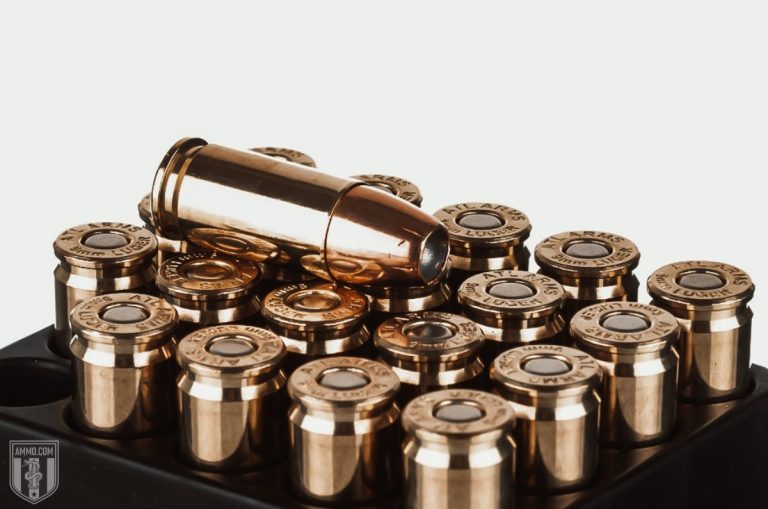
Jacketed Hollow Point (JHP) ammunition is widely regarded as the preferred option for self-defense because it is designed to expand when it strikes a target. This expansion creates a larger wound channel while helping the bullet transfer energy more efficiently. Compared to standard Full Metal Jacket (FMJ) ammunition, JHP rounds are also intended to reduce the likelihood of excessive penetration, making them a practical choice for defensive situations.
Modern JHP ammunition has improved significantly through advances in bullet design and manufacturing. Many premium loads are engineered to expand consistently after passing through common barriers while maintaining sufficient penetration. These improvements provide dependable performance in a variety of real-world conditions, giving shooters greater confidence in their defensive ammunition.
Reliable feeding is another reason JHP ammunition remains popular. Most modern 9mm handguns are built to cycle quality hollow point ammunition without issues, although every firearm should be tested with the exact defensive load you intend to carry. Confirming reliable operation helps ensure your handgun performs as expected when it matters most.
Features to Look for in Defensive 9mm Ammo
The best self-defense ammunition combines several important characteristics rather than focusing on a single feature. Reliable expansion, controlled penetration, consistent velocity, and dependable ignition all contribute to effective performance. Premium defensive ammunition undergoes strict quality control to minimize variations between cartridges and maintain dependable function.
Bullet weight also influences performance. Common defensive loads are available in 115-grain, 124-grain, and 147-grain options. Many shooters prefer 124-grain ammunition because it offers an excellent balance between velocity, recoil, and expansion. Others favor 147-grain loads for their smoother recoil impulse and deeper penetration. The ideal choice depends on your handgun and personal shooting preferences.
Low-flash powders are another valuable feature found in many premium self-defense loads. Reduced muzzle flash can help preserve your vision in low-light conditions, allowing quicker follow-up shots and better target awareness. While often overlooked, this feature can provide an advantage during defensive situations occurring at night or in dimly lit environments.
Popular Characteristics Shared by Trusted Defensive Loads
Many of the most respected self-defense cartridges share several common design elements. They are built with high-quality brass cases, dependable primers, carefully measured powder charges, and precision-engineered bullets. These features improve consistency and reduce the chance of malfunctions during repeated use.
Premium defensive ammunition is also tested extensively for accuracy and reliability across a wide range of firearms. Manufacturers often evaluate expansion, penetration, weight retention, and barrier performance before releasing new products. This testing helps ensure consistent results under demanding conditions.
Another common characteristic is reliable cycling in compact, full-size, and concealed carry pistols. Well-designed ammunition maintains dependable feeding while producing manageable recoil that allows faster follow-up shots. Combining these qualities makes premium defensive loads suitable for everyday carry and home protection.
Test Your Defensive Ammo Before You Carry It
Selecting high-quality self-defense ammunition is only part of the process. You should always verify that your chosen load functions reliably in your specific handgun. Fire enough rounds during practice sessions to confirm smooth feeding, proper extraction, consistent accuracy, and reliable slide operation. Confidence comes from knowing your firearm performs consistently with the ammunition you depend on.
Practicing with ammunition that closely matches the recoil of your defensive load can also improve shooting skills. Many shooters use affordable FMJ ammunition for routine training while occasionally practicing with their actual carry ammunition to stay familiar with its recoil and point of impact. This approach balances training costs while maintaining proficiency.
Defensive ammunition should also be inspected regularly during routine firearm maintenance. Replace cartridges showing signs of damage, corrosion, or repeated chambering, as these conditions may affect reliability. Keeping fresh, dependable ammunition in your firearm helps ensure your defensive setup remains ready whenever it is needed.
Best 9mm Ammo for Target Practice
Target practice is the foundation of becoming a more accurate and confident shooter. The right 9mm ammunition allows you to train consistently without unnecessary expense while maintaining dependable performance. Practice ammunition should offer reliable feeding, consistent accuracy, and manageable recoil so you can focus on improving your shooting technique rather than dealing with firearm malfunctions or inconsistent results.
Why Full Metal Jacket (FMJ) Ammo Is the Top Choice
Full Metal Jacket (FMJ) ammunition is the most popular option for target practice because it is affordable, reliable, and widely available. The bullet features a soft lead core enclosed by a harder metal jacket, which helps reduce barrel fouling and promotes smooth feeding in most semi-automatic pistols. These qualities make FMJ rounds ideal for long training sessions at indoor and outdoor shooting ranges.
Another advantage of FMJ ammunition is its consistent performance. Quality practice loads are manufactured with uniform powder charges and dependable primers, helping shooters produce repeatable results from one shot to the next. Consistency allows you to evaluate your shooting skills more accurately instead of wondering whether inconsistent ammunition affected your performance.
Since FMJ ammunition costs less than premium defensive loads, you can purchase larger quantities for regular practice. More time on the range means more opportunities to improve grip, trigger control, sight alignment, and recoil management, all of which contribute to better overall shooting ability.
Choosing the Right Bullet Weight for Practice
Bullet weight plays an important role in how your handgun feels during practice sessions. The most common 9mm practice loads include 115-grain, 124-grain, and 147-grain bullets. Each option offers slightly different recoil characteristics and shooting behavior, making personal preference an important part of the selection process.
Many new shooters begin with 115-grain FMJ ammunition because it typically produces lighter recoil and higher velocity. These characteristics make extended practice sessions more comfortable while helping shooters develop proper shooting fundamentals. More experienced shooters sometimes prefer 124-grain ammunition because it closely matches the recoil of many defensive loads, allowing smoother transitions between training and carry ammunition.
Testing several bullet weights in your firearm can help determine which produces the best accuracy and feels most comfortable. Even small differences in recoil and point of impact can influence shooting performance during extended range sessions.
Reliability and Accuracy Matter During Training
Reliable ammunition allows you to spend more time practicing and less time clearing malfunctions. High-quality target ammunition should feed, fire, extract, and eject consistently throughout every magazine. Frequent stoppages caused by poor-quality ammunition interrupt training and reduce confidence in both your firearm and your shooting routine.
Accuracy is equally important because practice is intended to improve precision. Ammunition with consistent bullet weights, powder charges, and primer ignition helps produce tighter shot groups. Reliable accuracy makes it easier to evaluate your progress and identify areas where your shooting technique can improve.
Using ammunition from reputable manufacturers also increases the likelihood of receiving consistent performance across multiple boxes and production lots. This consistency allows you to maintain the same training experience over time while building confidence in your equipment.
Balance Performance, Cost, and Training Goals
The best target ammunition provides an effective balance between affordability and dependable performance. Spending more on premium match-grade ammunition is not always necessary for routine practice, especially when your primary goal is improving shooting fundamentals. Quality FMJ practice loads deliver excellent value while allowing frequent range visits without significantly increasing ammunition costs.
Buying ammunition in bulk can further reduce your cost per round and ensure you always have enough for regular training. Consistent practice with the same ammunition type also helps you become familiar with its recoil, accuracy, and overall handling characteristics. Maintaining a steady training routine with dependable ammunition supports continuous improvement and prepares you for more advanced shooting skills over time.
Competition Shooting
Competition shooting places a greater demand on ammunition than casual range sessions. Every round should deliver reliable cycling, consistent recoil, and repeatable accuracy to help you perform at your best. Selecting the right 9mm ammunition allows you to maintain better control, recover quickly between shots, and build confidence throughout every stage of a match, regardless of your skill level.
Prioritize Consistency Over Maximum Speed
Consistency is one of the most valuable qualities in competition ammunition. Every cartridge should produce nearly identical velocity and recoil so your firearm behaves the same way with every trigger pull. Predictable performance helps you maintain a steady shooting rhythm and reduces the need to adjust your technique between shots. This consistency becomes especially important during timed stages where even small variations can affect your overall score.
Many competitors prefer factory match-grade ammunition because it is manufactured with strict quality standards. Uniform powder charges, carefully seated bullets, and reliable primers contribute to repeatable performance throughout an entire competition. Some experienced shooters also develop handloads that meet competition requirements while providing recoil characteristics tailored to their firearms.
Using consistent ammunition during both practice and competition helps build muscle memory. The more familiar your firearm feels, the easier it becomes to focus on accuracy, movement, and stage strategy instead of adapting to changing recoil patterns.
Choose a Bullet Weight That Matches Your Shooting Style
Bullet weight influences recoil, muzzle movement, and overall shooting comfort. Common competition loads include 115-grain, 124-grain, and 147-grain bullets, with each offering unique handling characteristics. Lighter bullets generally travel faster and may produce a sharper recoil impulse, while heavier bullets often generate a smoother push that many competitors find easier to control.
The ideal bullet weight depends on your handgun, competition division, and personal preference. Some shooters achieve faster follow-up shots with lighter loads, while others maintain better sight tracking using heavier bullets. Testing multiple bullet weights allows you to identify which option provides the best combination of speed and precision.
Many competitive shooters remain loyal to one load after finding the right balance because consistency contributes to improved performance. Keeping the same ammunition throughout training and matches also minimizes unexpected changes in recoil and point of impact.
Reliable Function and Accuracy Win Matches
Reliability is essential during competition because every malfunction costs valuable time and can negatively affect your final score. High-quality ammunition should feed smoothly, ignite consistently, and eject without interruption throughout every magazine. Reliable cycling allows you to stay focused on the course of fire instead of clearing stoppages under pressure.
Accuracy is equally important, particularly on stages featuring smaller or more distant targets. Ammunition with consistent velocities and well-manufactured bullets helps produce tighter shot groups and predictable point of impact. These qualities make it easier to place accurate hits while maintaining speed during transitions.
Testing your preferred competition ammunition before every major event is a smart practice. Confirming reliable function with your magazines and firearm helps reduce surprises and gives you greater confidence when stepping onto the firing line.
Competition Shooting
Competition shooting places a greater demand on ammunition than casual range sessions. Every round should deliver reliable cycling, consistent recoil, and repeatable accuracy to help you perform at your best. Selecting the right 9mm ammunition allows you to maintain better control, recover quickly between shots, and build confidence throughout every stage of a match, regardless of your skill level.
Prioritize Consistency Over Maximum Speed
Consistency is one of the most valuable qualities in competition ammunition. Every cartridge should produce nearly identical velocity and recoil so your firearm behaves the same way with every trigger pull. Predictable performance helps you maintain a steady shooting rhythm and reduces the need to adjust your technique between shots. This consistency becomes especially important during timed stages where even small variations can affect your overall score.
Many competitors prefer factory match-grade ammunition because it is manufactured with strict quality standards. Uniform powder charges, carefully seated bullets, and reliable primers contribute to repeatable performance throughout an entire competition. Some experienced shooters also develop handloads that meet competition requirements while providing recoil characteristics tailored to their firearms.
Using consistent ammunition during both practice and competition helps build muscle memory. The more familiar your firearm feels, the easier it becomes to focus on accuracy, movement, and stage strategy instead of adapting to changing recoil patterns.
Choose a Bullet Weight That Matches Your Shooting Style
Bullet weight influences recoil, muzzle movement, and overall shooting comfort. Common competition loads include 115-grain, 124-grain, and 147-grain bullets, with each offering unique handling characteristics. Lighter bullets generally travel faster and may produce a sharper recoil impulse, while heavier bullets often generate a smoother push that many competitors find easier to control.
The ideal bullet weight depends on your handgun, competition division, and personal preference. Some shooters achieve faster follow-up shots with lighter loads, while others maintain better sight tracking using heavier bullets. Testing multiple bullet weights allows you to identify which option provides the best combination of speed and precision.
Many competitive shooters remain loyal to one load after finding the right balance because consistency contributes to improved performance. Keeping the same ammunition throughout training and matches also minimizes unexpected changes in recoil and point of impact.
Reliable Function and Accuracy Win Matches
Reliability is essential during competition because every malfunction costs valuable time and can negatively affect your final score. High-quality ammunition should feed smoothly, ignite consistently, and eject without interruption throughout every magazine. Reliable cycling allows you to stay focused on the course of fire instead of clearing stoppages under pressure.
Accuracy is equally important, particularly on stages featuring smaller or more distant targets. Ammunition with consistent velocities and well-manufactured bullets helps produce tighter shot groups and predictable point of impact. These qualities make it easier to place accurate hits while maintaining speed during transitions.
Testing your preferred competition ammunition before every major event is a smart practice. Confirming reliable function with your magazines and firearm helps reduce surprises and gives you greater confidence when stepping onto the firing line.
9mm Ammo for Home Defense
Selecting the right 9mm ammunition for home defense is an important part of building a dependable personal protection setup. Home environments present unique challenges, making ammunition performance just as important as firearm reliability. The ideal defensive round should function consistently, provide effective terminal performance, and allow you to maintain control of your handgun during stressful situations.
Choose Ammunition Designed for Defensive Use
Home defense ammunition should be specifically engineered for personal protection rather than general target shooting. Jacketed Hollow Point (JHP) ammunition is commonly selected because it is designed to expand upon impact, creating a larger wound channel while helping reduce excessive penetration compared to standard Full Metal Jacket (FMJ) rounds. This controlled expansion makes JHP ammunition a practical choice for defensive situations inside a home.
Modern defensive loads use advanced bullet designs that promote reliable expansion across a range of velocities. Manufacturers also incorporate high-quality components, including premium brass cases, dependable primers, and carefully measured powder charges. These features improve consistency and increase confidence that each round will perform as intended.
Choosing ammunition built for defensive purposes gives you performance characteristics that standard practice ammunition is not designed to provide. Keeping dedicated defensive ammunition separate from your training ammunition also simplifies maintenance and helps preserve your defensive supply.
Reliability Is More Important Than Brand Popularity
A well-known ammunition brand does not automatically guarantee flawless performance in every handgun. Every firearm has slight differences in chamber dimensions, feed ramps, recoil systems, and magazine designs. Testing your chosen defensive ammunition in your specific pistol is essential before relying on it for home protection.
Reliable ammunition should feed smoothly, ignite consistently, and eject without failures throughout repeated testing. Firing multiple magazines during practice allows you to confirm that your handgun cycles properly while maintaining consistent accuracy. Confidence comes from verifying dependable performance instead of assuming every load will function perfectly.
Regular maintenance also contributes to reliability. A clean firearm, quality magazines, and properly stored ammunition work together to reduce the likelihood of malfunctions. These simple habits help ensure your home defense setup remains dependable whenever it is needed.
Balance Penetration, Expansion, and Recoil
Effective home defense ammunition should provide a balance between adequate penetration and dependable expansion. Ammunition that penetrates too little may fail to perform effectively, while excessive penetration can increase potential risks within a residential setting. Premium defensive loads are engineered to achieve controlled expansion while maintaining sufficient penetration for reliable performance.
Recoil is another important consideration because it directly affects your ability to make accurate follow-up shots. Moderate recoil allows faster sight recovery and better control during rapid firing. Many shooters find that 124-grain or 147-grain defensive loads provide a comfortable balance between recoil management and terminal performance, although personal preference and firearm compatibility always play a role.
Testing several defensive loads helps determine which combination of recoil, accuracy, and reliability works best with your handgun. Consistent practice with your preferred load builds familiarity and improves confidence during defensive training.
Practice With Your Defensive Setup Regularly
Owning quality home defense ammunition is only one part of being prepared. Regular practice ensures you remain familiar with your firearm and understand how your chosen ammunition performs. Many shooters train with affordable FMJ ammunition while occasionally firing their defensive load to verify reliability and confirm the point of impact remains consistent.
During practice, pay close attention to recoil, muzzle rise, accuracy, and overall firearm function. This experience helps you recognize how your defensive ammunition behaves under realistic shooting conditions. Familiarity with your equipment can improve confidence and decision-making during high-pressure situations.
Inspect your defensive ammunition periodically for signs of corrosion, damaged cases, or bullets that have been repeatedly chambered. Replacing worn cartridges and maintaining fresh ammunition in your firearm helps ensure your home defense setup stays reliable and ready for long-term use.
Best 9mm Ammo for Concealed Carry
Concealed carry demands ammunition that combines reliability, consistent performance, and manageable recoil in a compact defensive firearm. Since concealed carry pistols are often smaller than full-size handguns, selecting the right 9mm ammunition becomes even more important. The ideal carry load should function flawlessly, deliver dependable terminal performance, and inspire confidence every time you carry your firearm.
Select High-Quality Defensive Ammunition
The best 9mm ammo for concealed carry is designed specifically for personal defense rather than target shooting. Jacketed Hollow Point (JHP) ammunition is the preferred choice because it is engineered to expand upon impact while providing controlled penetration. This design helps maximize effectiveness while reducing the likelihood of excessive penetration compared to traditional Full Metal Jacket (FMJ) rounds.
Premium concealed carry ammunition is manufactured with strict quality standards to ensure dependable ignition, consistent velocity, and reliable bullet performance. Many defensive loads also use nickel-plated brass cases, which can improve corrosion resistance and promote smoother feeding in semi-automatic pistols. These features contribute to reliable operation during everyday carry.
Choosing dedicated defensive ammunition instead of practice ammunition gives your concealed carry firearm the performance characteristics it was intended to provide. Reliable expansion and dependable cycling remain essential qualities for ammunition carried for personal protection.
Focus on Reliability in Your Carry Handgun
Every concealed carry pistol has unique characteristics, making reliability testing an essential step before trusting any ammunition. A load that performs perfectly in one handgun may behave differently in another because of variations in barrel length, recoil springs, magazines, and feed ramp geometry. Testing your chosen ammunition helps verify that your firearm cycles consistently under normal shooting conditions.
Fire several boxes of your preferred carry load while observing feeding, extraction, ejection, and overall accuracy. Reliable ammunition should function without failures while maintaining a consistent point of impact. Confidence in your concealed carry setup comes from proven performance rather than assumptions.
Routine firearm maintenance also plays an important role in reliability. Keeping your pistol clean, lubricated, and equipped with quality magazines supports dependable operation alongside premium defensive ammunition.
Balance Recoil, Accuracy, and Bullet Weight
Ammunition that produces manageable recoil allows quicker follow-up shots and better overall control, particularly in compact concealed carry pistols. Common defensive bullet weights include 115-grain, 124-grain, and 147-grain options. Each offers a slightly different shooting experience, making personal preference and firearm compatibility important considerations.
Many concealed carriers favor 124-grain ammunition because it provides an excellent balance of velocity, recoil, and expansion. Others prefer 147-grain loads for their smoother recoil impulse and consistent performance from shorter barrels. Trying multiple bullet weights allows you to identify the option that delivers the best accuracy and handling in your handgun.
Consistent practice with your chosen carry ammunition helps develop familiarity with recoil, muzzle rise, and trigger control. This experience improves confidence and supports better performance during defensive situations.
Maintain and Replace Carry Ammunition Regularly
Concealed carry ammunition is exposed to daily movement, temperature changes, moisture, and repeated handling. Over time, these conditions can affect cartridge condition, making regular inspection an important part of responsible firearm maintenance. Look for signs of corrosion, damaged cases, dents, or bullets that have been repeatedly chambered, as these issues may reduce reliability.
Many experienced carriers rotate their defensive ammunition periodically while using the older cartridges during practice sessions. This habit keeps fresh ammunition in the firearm while allowing you to verify continued reliability and accuracy. It also ensures your carry load performs as expected under live-fire conditions.
Developing a routine that includes ammunition inspection, firearm cleaning, and occasional function testing helps maintain a dependable concealed carry setup. Combining quality defensive ammunition with consistent practice and proper maintenance provides greater confidence every time you carry your handgun.
Common Bullet Weights and Their Uses
Bullet weight is one of the most important factors to consider when choosing 9mm ammunition. It affects recoil, velocity, accuracy, and overall shooting performance. Understanding how different bullet weights perform allows you to select ammunition that matches your intended purpose, whether you are practicing at the range, carrying for self-defense, or competing in shooting sports.
115-Grain Bullets for Range Practice and General Shooting
The 115-grain bullet is one of the most widely available 9mm options and is commonly used for target practice and recreational shooting. Because it is lighter than other common bullet weights, it generally produces higher velocity and a slightly sharper recoil impulse. Many shooters appreciate its flat trajectory and dependable performance during routine range sessions.
Another advantage of 115-grain ammunition is its affordability. Many manufacturers produce this load in Full Metal Jacket (FMJ) form, making it an economical choice for high-volume practice. Regular training with this ammunition helps shooters improve trigger control, sight alignment, and recoil management without significantly increasing shooting costs.
While 115-grain ammunition performs well for practice, many shooters also test it in defensive loads to determine whether it functions reliably in their handgun. Evaluating accuracy and reliability in your own firearm remains an important part of selecting any ammunition.
124-Grain Bullets for Balanced Performance
The 124-grain bullet is often considered the most versatile option because it offers an excellent balance between velocity, recoil, and terminal performance. Many shooters choose this weight for both defensive use and regular training because it closely matches the characteristics of numerous premium self-defense loads.
Compared to lighter bullets, the 124-grain option usually generates a smoother recoil impulse while maintaining strong accuracy. This balance makes it easier for many shooters to recover their sights quickly and fire accurate follow-up shots. As a result, it is a popular choice among concealed carriers, home defenders, and competitive shooters alike.
Many law enforcement agencies and experienced civilian shooters also favor 124-grain ammunition due to its dependable performance across a wide range of handguns. Its versatility makes it an excellent starting point for anyone looking to find a reliable all-around 9mm load.
147-Grain Bullets for Controlled Recoil and Defense
The 147-grain bullet is the heaviest of the most common 9mm bullet weights and is known for producing a softer, more controlled recoil impulse. Although it generally travels at a lower velocity than lighter bullets, it often provides consistent penetration and performs well in modern defensive ammunition. Many shooters appreciate its smooth shooting characteristics, especially during rapid follow-up shots.
This bullet weight is frequently chosen for personal defense, home protection, and certain competition disciplines where recoil management is important. Its steady recoil pattern can help experienced shooters maintain better control during extended shooting sessions while supporting accurate shot placement.
Testing different bullet weights remains the best way to determine which performs most effectively in your specific handgun. Every firearm responds differently, and finding the right combination of reliability, accuracy, and recoil allows you to choose ammunition that matches your shooting style and intended purpose.
People Also Asked
What Is The Best 9mm Ammo?
The best 9mm ammo depends on how you plan to use it. For target practice, you will usually benefit from Full Metal Jacket (FMJ) ammunition because it is affordable, reliable, and widely available. For self-defense, many shooters prefer Jacketed Hollow Point (JHP) ammunition due to its controlled expansion and dependable performance. Competition shooters often select loads that offer consistent recoil and excellent accuracy.
You should also consider your handgun’s reliability with a particular load. Testing several brands and bullet weights helps you identify the ammunition that cycles smoothly, produces tight groups, and feels comfortable to shoot. Choosing the right ammo based on your purpose is the most effective way to achieve dependable performance.
Which 9mm Bullet Weight Is Best?
The most common 9mm bullet weights are 115-grain, 124-grain, and 147-grain, and each serves a different purpose. A 115-grain bullet is popular for range practice because it offers higher velocity and is often less expensive. A 124-grain bullet provides a balanced combination of recoil, accuracy, and performance, making it a versatile option for many shooters.
A 147-grain bullet generally produces smoother recoil and is commonly selected for self-defense or competition. You should test each bullet weight in your firearm because every handgun responds differently. Personal comfort, accuracy, and reliable function are the most important factors when deciding which weight works best.
Is FMJ Or JHP Better For 9mm?
FMJ and JHP ammunition are designed for different purposes. Full Metal Jacket ammunition is commonly used for target practice because it feeds reliably, costs less, and allows you to train frequently without spending as much money. It is an excellent option for improving your shooting skills and becoming more familiar with your handgun.
Jacketed Hollow Point ammunition is designed for personal protection. It is engineered to expand upon impact while providing controlled penetration, making it the preferred choice for many defensive situations. You should use FMJ for routine training and reserve quality JHP ammunition for home defense or concealed carry after confirming reliable performance in your firearm.
How Do You Choose The Right 9mm Ammo For Your Handgun?
Choosing the right 9mm ammunition starts with understanding your intended use. You should decide whether the ammunition is meant for target practice, home defense, concealed carry, or competition shooting. Once your purpose is clear, compare bullet weight, bullet type, reliability, and overall performance instead of focusing only on price.
Testing different brands is equally important because every handgun has unique characteristics. Fire multiple magazines with each load while checking for reliable feeding, consistent accuracy, and comfortable recoil. Selecting ammunition that performs well in your specific firearm gives you greater confidence every time you shoot.
Is Expensive 9mm Ammo Always Better?
Higher-priced ammunition often includes premium components, tighter quality control, and advanced bullet designs, but that does not automatically make it the best choice for every situation. Premium defensive ammunition is worth the additional cost because it is specifically engineered for reliable expansion and consistent performance during personal protection.
For regular target practice, affordable FMJ ammunition usually provides excellent reliability and accuracy without unnecessary expense. You can save premium defensive loads for carry or home defense while using budget-friendly practice ammunition to improve your skills. This approach gives you the best balance between performance and value.
Can You Use The Same 9mm Ammo For Practice And Self-Defense?
You can use the same ammunition for both purposes, but many experienced shooters choose separate loads for practice and self-defense. FMJ ammunition is ideal for frequent training because it is more affordable and allows you to practice regularly without increasing your shooting costs. This makes it a practical option for building confidence and improving accuracy.
For personal protection, quality JHP ammunition is generally the preferred choice because it is designed for defensive performance. You should still practice occasionally with your defensive ammunition to confirm reliable function and become familiar with its recoil and point of impact before carrying it regularly.
How Often Should You Test Your Preferred 9mm Ammo?
Testing your preferred 9mm ammunition should become a regular part of responsible firearm ownership. Every time you purchase a new brand, bullet weight, or defensive load, you should verify that it functions reliably in your handgun. Fire enough rounds to confirm smooth feeding, dependable ignition, accurate shot placement, and consistent ejection.
You should also retest your defensive ammunition after replacing firearm parts or magazines and after extended storage. Regular practice helps you maintain confidence in your equipment while ensuring your chosen ammunition continues to perform as expected. Consistent testing allows you to identify potential issues before they become a problem.
Final Words
Choosing the right 9mm ammunition depends on how you plan to use it, whether for self-defense, target practice, competition, or hunting. Taking time to compare bullet types, weights, and performance helps you make a safer and more effective choice.
Every firearm can perform differently with various loads, so testing several quality options is always worthwhile. Reliability, accuracy, and consistent performance should matter more than simply choosing the least expensive ammunition. Understanding what is the best 9mm ammo for your specific pistol gives you greater confidence every time you shoot.
As your needs change, you may find that different loads work better for different situations. Continue practicing, store your ammunition properly, and stay informed about new options on the market. By focusing on quality and purpose, finding what is the best 9mm ammo becomes much easier and leads to better overall performance.