Can My Floor Support a Gun Safe? Weight Limits, Floor Types, and Safety Tips
Heavy gun safes give you peace of mind, but they also raise an important question about your home’s structure. Many homeowners worry about placing several hundred pounds in one spot, especially on upper floors or older buildings. Understanding floor strength helps you avoid damage and choose the safest location for long-term use.
When people ask, can my floor support a gun safe, they are usually thinking about more than just weight. Floor material, joist spacing, safe size, and where the safe sits inside the room all play a major role. A small safe may work almost anywhere, while a large fireproof model needs more planning before installation.
Modern homes are often built to handle standard household loads, yet concentrated weight from a gun safe creates different pressure than furniture or appliances. That is why placement matters so much. Corners, walls, and ground-level rooms generally provide stronger support than open floor areas.
Before buying or moving a safe, it helps to understand how flooring systems work and what warning signs to watch for. Learning the answer to can my floor support a gun safe allows you to protect both your firearms and your home without unnecessary risk
How Much Does a Gun Safe Weigh?
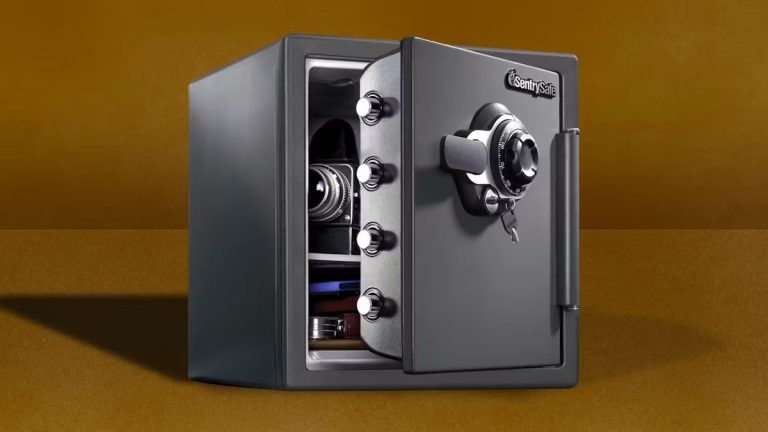
Gun safe weight varies more than most people expect. Some compact models weigh less than a household appliance, while large fireproof safes can weigh well over a thousand pounds. The total weight depends on the safe’s size, steel thickness, fire protection, and internal storage features. Knowing the average weight range helps you plan installation, transportation, and floor placement more safely before bringing a safe into your home.
Small and Medium Gun Safe Weight Range
Small gun safes designed for handguns or a few rifles usually weigh between 100 and 300 pounds. These models are easier to move and often fit inside closets, bedrooms, or office spaces without major concerns about floor support. Medium-sized safes with thicker steel and fire-resistant materials normally range from 300 to 700 pounds depending on capacity and security level.
Many homeowners choose medium safes because they balance protection and practicality. The additional weight makes them harder for thieves to remove, yet they still fit in most residential spaces. Shelving systems, locking mechanisms, and reinforced doors can also increase the overall weight. Even a safe with similar dimensions may weigh much more due to upgraded construction materials and added fire insulation layers.
Large and Heavy-Duty Gun Safe Weight Range
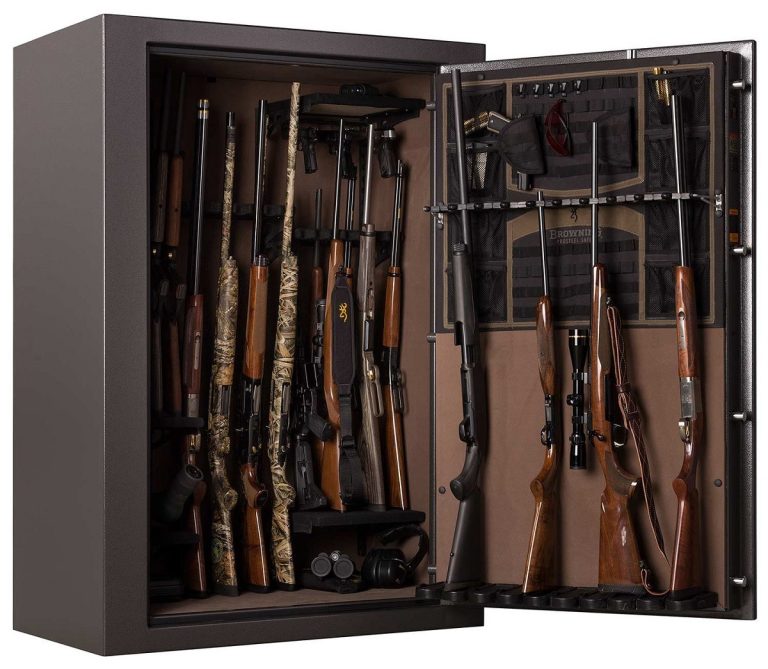
Large gun safes built for extensive firearm collections commonly weigh between 700 and 1,500 pounds or more. Some premium commercial-grade models exceed 2,000 pounds because of extra steel plating, advanced locking systems, and higher fire ratings. These safes are designed for maximum security and long-term durability, making them extremely difficult to move once installed.
The heaviest safes often require professional delivery equipment such as stair climbers, dollies, or lift systems. Their weight distribution also becomes an important factor for upper floors or older homes. Many people place large safes on concrete surfaces like garages or basements to reduce stress on wooden flooring systems. Fireproof layers, thicker doors, and multi-lock bolt systems contribute heavily to the final weight, which explains why two safes with similar storage capacity may feel completely different during installation.
Can My Floor Support a Gun Safe Based on Floor Type?
Different flooring systems handle heavy weight in different ways, which makes floor type one of the biggest factors when placing a gun safe. Concrete foundations usually support more weight than wood-framed floors, while upper stories often require extra caution. Understanding how each floor type performs helps you choose a safer location and avoid unnecessary stress on your home’s structure over time.
Concrete Floors and Basement Support
Concrete floors are generally the best option for heavy gun safes because they distribute weight more evenly and provide excellent structural strength. Basements and garage slabs can often handle very large safes without significant concerns about sagging or floor movement. This makes ground-level concrete surfaces a common choice for oversized safes with high fire ratings and thick steel construction.
Many homeowners prefer basement installation because it combines strong support with added security. Concrete also helps reduce floor vibration and shifting that may happen with wood-framed rooms. Moisture control still matters in these locations, especially in basements where humidity levels can affect firearms and safe interiors. Adding a moisture barrier or dehumidifier often helps protect stored items while maintaining the long-term condition of the safe itself.
Wooden Floors on Main Levels
Wood-framed floors can support many gun safes, but weight distribution becomes much more important. Most modern residential floors are designed to hold standard furniture and appliances, though concentrated weight from a heavy safe creates additional pressure on floor joists. Smaller safes under several hundred pounds usually work well on main floors, especially when positioned near load-bearing walls.
Placement affects stability more than many people realize. Corners and wall-adjacent areas often provide stronger support because the weight transfers more directly into the structure below. Using a plywood platform beneath the safe may also help spread the load across a larger surface area. Older homes with weakened joists or noticeable floor sagging may require professional inspection before installing heavier models. Even medium-sized safes can create long-term stress when placed in unsupported central floor sections.
Upper Floors and Multi-Story Homes
Upper-story rooms require the most caution because the structure beneath the safe supports both the safe and daily household activity. Large safes weighing over 800 pounds can place significant strain on second-floor joists, especially in older homes or rooms with long unsupported spans. Many homeowners choose smaller safes upstairs to reduce structural concerns and make transportation easier during installation.
Weight placement becomes especially important in multi-story homes. Positioning the safe close to exterior or load-bearing walls typically provides better support than placing it in the middle of a room. Professional movers may also recommend reinforcing the floor beneath very heavy safes before installation. Thick carpeting, hardwood, or tile surfaces do not determine strength by themselves because the real support comes from the framing system underneath the visible flooring material.
How to Calculate Floor Weight Capacity
Understanding floor weight capacity is important before placing a heavy gun safe inside your home. Floors are designed to hold a certain amount of weight, but concentrated loads can create more pressure than normal household furniture. Calculating the load properly helps prevent sagging, structural stress, and long-term damage. A few basic measurements and observations can give you a clearer idea of how safely your floor can handle a gun safe.
Learn the Difference Between Live Load and Dead Load
Every floor in a home is built to support two types of weight called live load and dead load. Dead load includes the permanent structural parts of the building such as flooring materials, joists, drywall, and framing. Live load refers to movable items like people, furniture, appliances, and storage. Gun safes fall into the live load category because they are added after construction.
Most residential floors are commonly designed for around 40 pounds per square foot of live load. This number works well for standard living conditions, though a heavy safe can exceed that amount in a small area. A safe weighing several hundred pounds places concentrated pressure on the floor beneath it. Understanding these two load categories helps homeowners estimate how much extra weight their floor can safely support before structural concerns begin to appear.
Measure the Safe’s Footprint and Total Weight
To estimate floor pressure, you first need the safe’s total loaded weight and the size of its base. Many people only calculate the empty safe weight, but firearms, ammunition, documents, and accessories add significant mass over time. Fireproof insulation and thick steel doors already make many safes extremely heavy before anything is stored inside.
The safe’s footprint determines how the weight spreads across the floor. A larger base distributes pressure more evenly, while a narrow base concentrates the load into a smaller area. For example, a safe weighing 1,000 pounds with a footprint measuring 5 feet by 2 feet covers 10 square feet. Dividing the total weight by the footprint gives approximately 100 pounds per square foot. This estimate provides a useful starting point when comparing the safe’s load to the expected floor capacity in your home.
Understand How Floor Joists Affect Support
Floor joists are one of the most important structural components supporting weight inside a home. These horizontal framing members sit beneath the floor surface and transfer loads to supporting walls or beams. The size, spacing, and direction of joists all influence how much weight a floor can safely carry without excessive movement or sagging.
A safe placed across multiple joists distributes its weight more effectively than one resting along a single joist line. Standard joist spacing is often 16 inches apart, although some homes use wider spacing that reduces support strength. Positioning the safe perpendicular to the joists usually spreads the pressure more evenly. Homes with engineered lumber joists may support loads differently than older homes built with traditional dimensional lumber. Understanding the joist layout beneath the room helps determine whether the floor can handle the safe comfortably over the long term.
Evaluate Floor Span and Structural Condition
The distance between structural supports is called the floor span, and it greatly affects weight capacity. Shorter spans usually provide stronger support because the joists have less distance to flex under heavy loads. Long open rooms often contain wider spans that allow more floor movement when significant weight is added to the center area.
Structural condition also matters when calculating floor capacity. Older homes sometimes develop weakened framing due to moisture exposure, settling, or wood deterioration. Signs such as squeaking floors, visible sagging, cracks near walls, or bouncing movement may indicate reduced strength beneath the surface. Even a floor that appears stable during daily use may react differently under the concentrated load of a heavy gun safe. In some cases, additional reinforcement such as support posts or beams may improve the floor’s ability to handle larger safes safely.
Place the Safe Near Stronger Support Areas
Location plays a major role in how weight transfers through the floor system. Areas close to load-bearing walls generally provide better support because the weight moves more directly into the structure below. Corners are often stronger than the center of a room because multiple framing elements connect in those locations.
Many homeowners choose to place heavy safes along exterior walls or directly above basement support beams. These locations reduce stress on unsupported floor sections and improve long-term stability. Placing a safe in the middle of a large upstairs room creates greater strain because the joists must carry more concentrated weight across a wider distance. Some people also place a thick plywood platform beneath the safe to spread the load across several joists. This simple adjustment may help reduce floor pressure and minimize the chance of sagging over time.
Consider Additional Weight Already in the Room
Floor capacity calculations should include more than the safe alone. Furniture, bookshelves, appliances, and other stored items all contribute to the total live load within the room. A floor supporting a large bed, desk, cabinets, and a heavy safe experiences far more stress than a mostly empty room with only the safe installed.
Ammunition storage can increase total weight quickly because loaded ammunition is surprisingly dense. Large firearm collections, shelving systems, and extra accessories add even more pressure to the same floor area. This combined load becomes especially important on second-story floors where the structure supports both the room contents and daily foot traffic. Evaluating the total room load provides a more realistic understanding of the floor’s overall stress level rather than focusing only on the safe’s listed manufacturer weight.
Best Places to Put a Gun Safe in Your Home
Choosing the right location for a gun safe affects both security and structural safety. A good placement spot should support the safe’s weight, provide easy access when needed, and reduce visibility to visitors or intruders. Many homeowners focus only on convenience, but floor strength, humidity, and long-term stability also matter when deciding where a safe should be installed inside the home.
Basement Installation for Maximum Support
Basements are one of the most popular locations for heavy gun safes because concrete flooring provides strong and reliable support. Large safes with thick steel walls and fireproof insulation can weigh well over a thousand pounds, making ground-level concrete surfaces ideal for reducing structural stress. Basements also offer added privacy since safes remain less visible to guests or people passing through the home.
Temperature consistency is another advantage in many basement spaces. Cooler conditions may help protect firearms and stored valuables over time, especially when combined with a dehumidifier. Moisture control still remains important because some basements experience humidity buildup that could affect gun finishes or internal safe contents. Many homeowners place the safe slightly elevated from the floor or use moisture-absorbing products to help maintain a dry storage environment throughout the year.
Ground Floor Rooms Near Load-Bearing Walls
Main-floor rooms can work well for gun safes when the safe is positioned near a load-bearing wall. These walls transfer weight more directly into the home’s structure and foundation, helping reduce pressure on unsupported floor areas. Bedrooms, home offices, or storage rooms are common choices because they provide easier daily access while keeping the safe relatively hidden from visitors.
Corners often provide additional support because multiple framing components connect in those areas. Placing the safe along an exterior wall may also improve stability compared to positioning it in the center of a room. Some homeowners install a plywood platform beneath the safe to spread the load more evenly across several floor joists. This setup may help reduce long-term stress on wood-framed flooring systems while improving overall weight distribution inside the room.
Garage Placement for Large Gun Safes
Garages are another practical option for oversized safes because many garages sit directly on concrete slabs capable of handling substantial weight. This makes them especially useful for commercial-grade or extra-large safes that may place excessive pressure on upper floors. Garages also provide easier access during delivery since movers can avoid narrow hallways, stairs, and tight indoor spaces.
Security and climate control become more important when storing a safe in the garage. Extreme temperatures, humidity changes, and direct exposure to outdoor conditions may affect firearms and documents over time. Many homeowners place the safe away from the garage door and anchor it securely to the concrete floor for additional theft protection. Concealing the safe behind cabinets or storage systems may also reduce visibility and make it less noticeable to anyone entering the garage area.
Upstairs Rooms for Smaller Safes
Second-floor rooms are usually better suited for smaller gun safes rather than extremely heavy models. Lightweight safes designed for a few firearms or personal valuables often work safely upstairs when placed correctly. Positioning the safe near load-bearing walls or room corners helps distribute weight more effectively and reduces strain on the floor framing beneath the room.
Large safes on upper floors require more careful planning because wood joists carry the weight across longer spans. Older homes with aging framing systems may struggle to support concentrated loads from heavy fireproof safes. Some homeowners choose compact biometric safes upstairs for quick access while storing larger collections on lower levels. Evaluating the floor condition, joist direction, and overall room load helps determine whether an upstairs location is suitable for long-term safe placement.
Tips to Make Your Floor Stronger for a Gun Safe
Heavy gun safes can place significant stress on residential flooring, especially in older homes or upper-story rooms. Strengthening the floor before installation helps reduce sagging, floor movement, and long-term structural damage. Even smaller safes may benefit from additional support when loaded with firearms, ammunition, and valuables. A few practical reinforcement methods can improve stability and make the installation area safer for long-term use.
Place the Safe Near Load-Bearing Walls
One of the simplest ways to improve floor strength is placing the gun safe close to a load-bearing wall. These walls transfer weight directly into the home’s structural frame and foundation, helping reduce stress on unsupported floor sections. Corners are often ideal because multiple framing components connect there, creating a naturally stronger support area compared to the center of a room.
Many homeowners notice less floor flex when a heavy safe sits along an exterior wall instead of an open floor span. This placement also spreads the load more effectively across several joists beneath the flooring surface. Positioning the safe properly may reduce the need for expensive structural modifications later. Even a large safe becomes easier for the floor to support when the weight transfers into reinforced parts of the building rather than unsupported areas between framing members.
Use a Plywood Base to Spread the Weight
A plywood platform helps distribute the safe’s weight across a wider surface area instead of concentrating pressure into a small footprint. Thick plywood placed beneath the safe allows the load to spread across multiple floor joists, which may reduce sagging and minimize long-term stress on the flooring system. Many homeowners use high-grade plywood because it adds support without major construction work.
The platform should extend slightly beyond the safe’s base dimensions for better weight distribution. Some people also add rubber padding beneath the plywood to reduce floor scratching and vibration. While plywood alone does not increase the structural capacity of the joists themselves, it improves how the load transfers through the floor system. This method works especially well for medium-sized safes placed on wood-framed floors where extra load distribution becomes important.
Reinforce the Floor Joists Below
Strengthening the joists beneath the safe location provides one of the most effective long-term reinforcement methods. Additional support beams, sister joists, or adjustable support posts can increase the floor’s ability to handle concentrated weight safely. This type of reinforcement is especially helpful for oversized safes weighing more than several hundred pounds.
Sistering joists involves attaching new lumber directly alongside existing joists to improve their strength and stiffness. Adjustable steel support posts placed in basements or crawl spaces may also reduce floor movement by shortening unsupported spans. Reinforcement becomes particularly important in older homes where wood framing may have weakened over time due to age or moisture exposure. Improving the structural framing underneath the safe location helps create a stronger foundation for heavy loads without relying only on the visible flooring surface above.
Reduce Extra Weight in the Same Room
The total weight inside a room affects how much stress the floor experiences over time. Large furniture, packed bookshelves, storage cabinets, and heavy appliances all contribute to the live load carried by the floor system. Removing unnecessary heavy items from the same area may help reduce structural strain once the gun safe is installed.
Ammunition storage alone can add substantial weight because ammunition is much denser than many homeowners expect. Spreading heavy items across different rooms may improve overall load distribution throughout the home. Some people also choose smaller safes upstairs while keeping larger firearm collections on lower levels with stronger support. Managing the combined room load helps reduce concentrated pressure on a single floor section and improves long-term stability beneath the safe installation area.
Gun Safe Weight vs Home Safety
Gun safe weight plays a major role in both firearm security and overall home safety. Heavier safes offer stronger theft protection and better fire resistance, but they also place more stress on residential floors and structural framing. Finding the right balance between safe weight and floor support helps homeowners protect valuables without creating unnecessary structural risks inside the house over time.
Heavier Gun Safes Improve Theft Protection
One major advantage of a heavy gun safe is increased resistance against theft. Large safes built with thick steel walls and reinforced locking systems are much harder for intruders to move or break into. Smaller lightweight safes may provide quick storage, but determined thieves can sometimes remove them from the home more easily if they are not securely anchored.
Weight alone does not guarantee complete security, though it creates a major obstacle for forced removal. Many premium safes weigh several hundred pounds before firearms or valuables are added inside. Some commercial-grade models exceed 1,500 pounds due to additional steel plating and fireproof insulation. This added mass makes transportation difficult without specialized equipment, which discourages many theft attempts. Homeowners often view heavier safes as a long-term investment because they combine durability, storage capacity, and stronger physical protection.
Excessive Weight Can Stress Residential Floors
While heavier safes improve security, they can also create structural concerns inside the home. Residential floors are designed to support standard furniture and household loads, but concentrated weight from a gun safe places pressure on a much smaller area. This becomes especially important for upper floors or older homes with aging framing systems.
Signs of excessive floor stress may include creaking, sagging, or visible movement around the installation area. Long unsupported joist spans often flex more under heavy loads, increasing the chance of gradual structural strain over time. Large safes placed in the center of a room may create more pressure than those positioned near load-bearing walls or reinforced corners. Understanding the relationship between safe weight and floor support helps reduce the risk of long-term damage while maintaining proper firearm security inside the home.
Fireproof Features Increase Safe Weight Significantly
Many homeowners underestimate how much fire protection contributes to overall safe weight. Fireproof gun safes contain dense insulation materials designed to slow heat transfer during house fires. These protective layers greatly improve survival chances for firearms, documents, and valuables during extreme temperatures, but they also add hundreds of pounds to the final product.
Higher fire ratings generally require thicker insulation and stronger construction materials. A safe rated for extended fire resistance often weighs much more than a standard steel cabinet with similar dimensions. Reinforced doors, multiple locking bolts, and interior protective layers further increase total mass. Homeowners shopping for maximum fire protection should always consider whether their floor can safely support the additional weight. Fireproof models are often best suited for concrete floors or reinforced ground-level installations where structural stress becomes less of a concern.
Proper Placement Helps Improve Home Safety
Safe placement directly affects how the home handles the load over time. Positioning a heavy safe near load-bearing walls or in room corners helps transfer weight more effectively into the building’s structural system. These locations typically provide stronger support compared to open floor areas where joists carry weight across longer spans.
Basements and garages with concrete slabs are often considered the safest locations for oversized gun safes because concrete distributes heavy loads efficiently. Main-floor installations may also work well when the safe sits close to exterior walls or directly above support beams. Some homeowners use thick plywood platforms beneath the safe to spread pressure across multiple joists. Proper placement not only improves structural stability but also reduces vibration, floor flex, and long-term wear on residential framing systems.
Large Safes Affect Moving and Installation Safety
The heavier the gun safe becomes, the more difficult it is to move safely through the home. Oversized safes can damage flooring, stairs, walls, and door frames during transportation without proper equipment or planning. Moving injuries also become more common when people attempt to relocate large safes without professional assistance.
Professional movers often use stair-climbing dollies, lift systems, and reinforced straps to control safe movement safely. Narrow hallways, staircases, and sharp turns inside the home increase installation difficulty significantly. Some homeowners discover their preferred safe location becomes impractical once transportation challenges are considered. Weight also affects the risk of tipping during movement, especially with tall upright safes. Careful planning before delivery helps reduce accidents, property damage, and structural strain during the installation process.
Balancing Security With Structural Stability
Choosing the right gun safe often requires balancing security needs with the limitations of the home’s structure. A safe that is too light may offer limited theft protection, while an extremely heavy model may exceed what certain floors can comfortably support. Homeowners should consider both firearm storage needs and floor strength before selecting a safe size.
Smaller safes may work well upstairs or in rooms with limited support, while large fireproof models are usually better suited for concrete surfaces or reinforced lower floors. Structural reinforcements such as additional joists or support posts may help certain homes handle heavier safes safely. Evaluating floor capacity, room location, and total safe weight together creates a safer installation plan that protects both the home and the valuables stored inside the safe.
FAQs
Can My Floor Support A Gun Safe Upstairs?
You may wonder whether an upstairs room can safely hold a heavy gun safe. In many homes, upper floors are built to support standard household furniture and daily living loads. A smaller gun safe may not create problems, but larger safes filled with firearms and ammunition can place significant stress on the floor structure. The location of the safe matters just as much as the weight itself.
You should place the safe near a load-bearing wall or in a corner where the floor framing is strongest. Spreading the weight with plywood underneath can also reduce pressure on one spot. When the safe weighs several hundred pounds or more, having a contractor or structural engineer inspect the floor can help you avoid long-term damage or sagging.
How Heavy Of A Gun Safe Can A Wood Floor Hold?
A typical residential wood floor is usually designed to support around 40 pounds per square foot of live load. That does not mean your floor will immediately fail under a heavy safe, because weight distribution plays a major role. A compact safe with a wide base spreads the load more effectively than a tall, narrow safe that concentrates weight in one small area.
You should also consider the age and condition of your home. Older homes may have weaker joists or hidden structural issues that reduce load capacity. Positioning the safe across multiple floor joists and near structural supports can improve safety. If your safe weighs over 1,000 pounds when fully loaded, professional guidance is often the smartest choice before installation.
Should You Put Plywood Under A Gun Safe?
Using plywood under a gun safe can help protect your flooring and distribute the weight more evenly. Heavy safes can leave dents in hardwood, crack tile, or compress carpet over time. A thick plywood platform spreads the pressure across a larger area, which reduces stress on both the floor surface and the subfloor underneath.
You may also benefit from plywood when placing a safe on upper levels or weaker flooring systems. Many homeowners use furniture-grade plywood with a finished appearance to improve stability while keeping the room attractive. In addition to protecting the floor, the plywood can help level the safe if the surface is slightly uneven, which keeps the door operating properly.
Can A Gun Safe Damage Hardwood Or Tile Floors?
A heavy gun safe can damage hardwood, laminate, vinyl, or tile floors when it sits in one place for years. Concentrated weight may create dents, scratches, or cracks, especially when the safe is dragged during installation. Moisture trapped underneath the safe can also affect certain flooring materials over time.
You should use protective barriers such as rubber mats, plywood, or reinforced platforms to reduce direct pressure. Proper installation is important because uneven floors can place additional stress on tiles and cause cracking. When moving the safe, using professional equipment helps prevent accidental floor damage. Taking preventive steps early can save you from costly flooring repairs later.
Where Is The Best Place To Put A Heavy Gun Safe?
The best place for a heavy gun safe is usually on a concrete slab in a basement or ground-floor area. Concrete floors can support substantial weight without major concerns, making them ideal for large safes. If a basement is unavailable, placing the safe near a load-bearing wall on the first floor is often the next safest option.
You should avoid placing extremely heavy safes in the middle of large rooms where floor support may be weaker. Corners of rooms tend to offer better structural support because multiple framing sections meet there. Choosing a dry, climate-controlled location also protects firearms and prevents moisture-related issues inside the safe over time.
Do You Need A Structural Engineer For A Gun Safe?
You may not need a structural engineer for a small or medium-sized gun safe, especially if it will sit on concrete. However, very heavy safes placed on wood-framed floors can create concerns about long-term structural stress. A structural engineer can calculate floor load capacity and identify the safest placement area within your home.
Hiring a professional becomes more important when the safe weighs over 1,000 pounds or when the house is older. You may also want expert advice if you notice sagging floors, cracks, or unusual movement in the area where the safe will be installed. A professional assessment gives you confidence that your floor can safely handle the added weight.
Can A Gun Safe Fall Through The Floor?
A properly installed gun safe is unlikely to fall through a floor in a well-built home, but excessive weight and poor placement can create serious structural problems. Floors weakened by age, water damage, or improper framing are more vulnerable to stress from heavy safes. Concentrated weight in one area increases the risk of sagging or floor failure over time.
You can reduce the risk by placing the safe across multiple floor joists and near structural supports. Reinforcing the floor underneath may also help support extremely heavy safes. Before installing a large model, you should evaluate both the safe’s loaded weight and your home’s floor structure to ensure safe long-term placement.
Final Words
Choosing the right location for a gun safe is just as important as selecting the safe itself. Floor type, joist strength, room placement, and total safe weight all affect how well your home can handle the load over time. Taking time to evaluate these factors helps prevent structural stress and keeps your installation safer.
Many homeowners ask, can my floor support a gun safe, because heavy safes create concentrated pressure that standard furniture does not. Concrete floors usually offer the strongest support, while upper-story rooms often require more careful planning and weight distribution. Proper placement near load-bearing walls can also improve stability significantly.
Understanding can my floor support a gun safe allows you to balance firearm security with home safety. A well-planned installation protects your valuables while reducing the risk of sagging floors, structural strain, or costly repairs in the future.