P30 vs VP9 Holster: Key Differences, Compatibility, and Which One Fits Best
Finding the right holster is just as important as choosing the handgun itself. A secure and well-fitted holster improves comfort, retention, and draw consistency whether you carry daily, train at the range, or use your pistol for professional purposes. Even handguns from the same manufacturer can have design differences that affect holster compatibility.
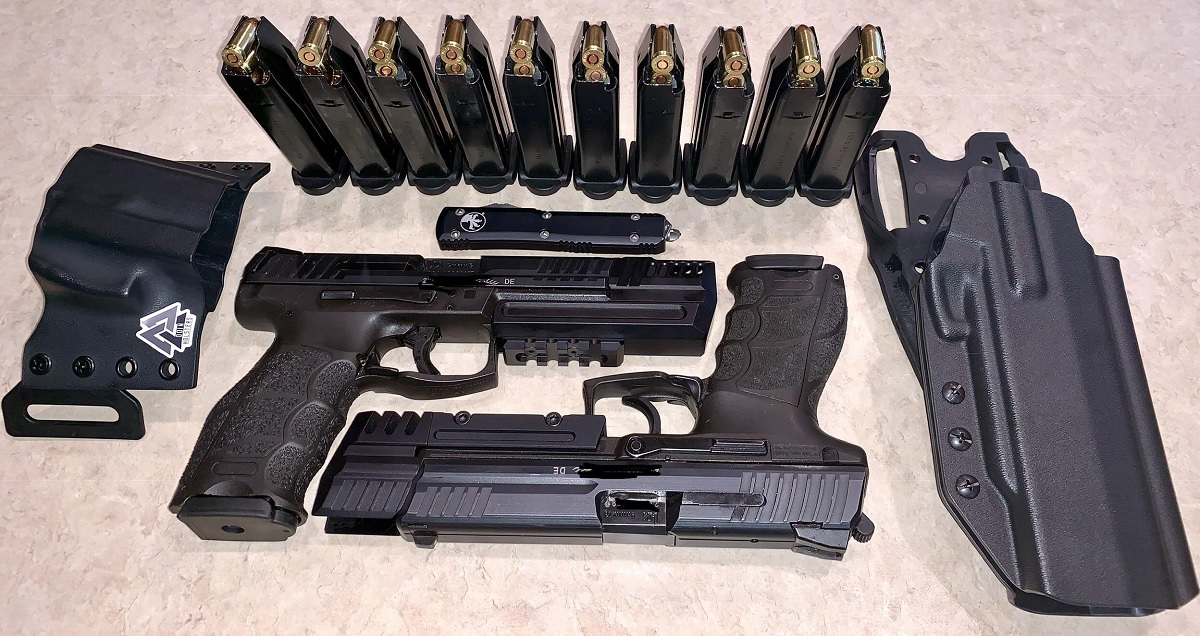
Many shooters compare p30 vs vp9 holster because the two pistols share a similar appearance but are built with different frame features and controls. These differences can determine whether a holster provides proper retention, allows a smooth draw, and supports safe everyday use. Understanding these distinctions helps you avoid purchasing a holster that does not fit as expected.
This guide explores p30 vs vp9 holster by examining compatibility, design differences, retention systems, carry options, and practical considerations. You will also learn which holster types work best for each pistol and what features to look for before making a purchase.
Whether you own a P30, a VP9, or are deciding between the two, knowing how holster fitment varies can save time and money. A properly matched holster enhances both comfort and confidence, giving you a dependable setup for training, concealed carry, or duty use.
Key Design Differences That Affect Holster Fit
Although the P30 and VP9 share a similar overall profile, they are not identical when it comes to holster compatibility. Small variations in their external dimensions and controls can influence retention, draw consistency, and overall fit. Understanding these design differences helps you choose a holster that securely accommodates your specific handgun without compromising performance or safety.
Slide Shape and Overall Dimensions
One of the first factors affecting holster fit is the slide design and overall dimensions of each pistol. While the P30 and VP9 have comparable sizes, slight differences in slide contours, width, and length can change how the handgun seats inside a holster. A holster molded specifically for one model is designed to match those dimensions as closely as possible for proper retention.
Even minor variations can influence the way the pistol locks into place. A holster that feels secure with one model may provide a looser or tighter fit with the other. Choosing a holster molded for your exact handgun helps ensure consistent retention, smoother draws, and reduced unnecessary movement while carrying or training.
Trigger Guard and Frame Contours
The trigger guard is one of the primary retention points on many modern holsters. Differences in the shape and contour of the trigger guard between the P30 and VP9 can affect how securely the handgun fits inside the holster. Many Kydex holsters are precisely molded around this area, making even small design changes important for proper retention.
Frame contours also contribute to overall compatibility. The grip shape, dust cover profile, and accessory rail dimensions may differ slightly between the two pistols. These differences can influence how the holster contacts the firearm and whether it maintains a secure hold throughout daily carry or active movement. A model-specific holster minimizes these fitment concerns.
Controls and External Features
External controls such as slide releases, magazine releases, and takedown levers can also impact holster compatibility. The P30 and VP9 feature similar control layouts, but the size and positioning of certain components vary enough to influence how they interact with a tightly molded holster. A poorly fitted holster may apply unnecessary pressure to these controls or reduce drawing efficiency.
Some holsters include relief cuts or additional clearance around external controls to prevent unwanted contact. This design allows the handgun to move smoothly into and out of the holster without activating controls during the draw or reholstering process. Selecting a holster specifically designed for your pistol helps maintain reliable function while protecting these components from unnecessary wear.
Retention and Fit Consistency
Retention is directly affected by how accurately a holster matches the firearm’s external shape. A holster designed specifically for the P30 or VP9 provides consistent retention because it accounts for the exact dimensions and contours of that model. This precise fit helps prevent excessive movement while still allowing a smooth and predictable draw when needed.
Fit consistency also improves long-term comfort and confidence. A properly fitted holster reduces unnecessary friction, minimizes wear on the firearm, and keeps the handgun securely positioned during walking, running, or training. Investing in a holster designed for your specific pistol ensures dependable performance while supporting safe handling and reliable everyday use.
Holster Compatibility Between the P30 and VP9
Many handgun owners wonder whether a single holster can be used for both the P30 and the VP9. While these pistols share a similar appearance and overall size, their design differences can affect how securely they fit in the same holster. Understanding compatibility helps you avoid retention issues and choose a holster that delivers safe, reliable, and consistent performance.
Can the P30 and VP9 Share the Same Holster?
The P30 and VP9 have enough similarities that some universal or flexible holsters may accommodate both models. Their comparable frame size and general profile often allow them to fit inside adjustable nylon holsters or certain multi-fit designs. These options may work for casual storage or limited range use where maximum retention is not the primary concern.
However, sharing the same holster is not always the best solution. Precision-molded holsters, particularly those made from Kydex, are designed around the exact dimensions of a specific handgun. Even small differences in slide contours, trigger guard shape, and frame geometry can affect how securely the pistol locks into place. Using a model-specific holster generally provides better retention and a more consistent draw.
Universal Holsters vs. Model-Specific Holsters
Universal holsters are designed to fit multiple handgun models by using adjustable straps, flexible materials, or retention systems that accommodate different dimensions. Their versatility makes them appealing for owners who carry several pistols, and they are often more affordable than purchasing separate holsters for each firearm. They can also be useful for temporary use or as a backup carrying option.
Model-specific holsters provide a much more precise fit because they are molded specifically for a single handgun. This custom fit improves retention, enhances draw consistency, and minimizes unnecessary movement inside the holster. For regular concealed carry, duty use, or intensive training, a dedicated P30 or VP9 holster offers greater confidence and more reliable performance than a universal alternative.
Compatibility With Weapon Lights and Accessories
Adding accessories such as weapon-mounted lights or lasers significantly changes holster compatibility. Even when the P30 and VP9 share similar dimensions, the addition of a light creates new fitment requirements. Holsters designed for light-bearing pistols are molded around both the firearm and the attached accessory, making compatibility much more specific.
Using a holster intended for one light configuration with a different setup may result in poor retention or an unsafe fit. Before purchasing a holster, verify that it supports your exact handgun model and the specific accessory installed. Manufacturers often list compatible combinations, helping you avoid fitment issues while maintaining proper retention and safe firearm handling.
Choosing the Right Holster for Long-Term Use
Selecting the correct holster involves more than determining whether both pistols can physically fit. You should consider how the holster performs during daily carry, training, or professional use. A well-designed holster should provide secure retention, smooth presentation, comfortable carry, and consistent reholstering while protecting the trigger guard throughout use.
Investing in a holster made specifically for your P30 or VP9 often provides the best long-term value. Dedicated holsters are engineered to match the firearm’s dimensions, reducing unnecessary wear and improving overall reliability. Whether you prefer inside-the-waistband, outside-the-waistband, or duty-style carry, choosing a model-specific holster helps ensure dependable performance and greater confidence every time you carry your handgun.
Retention Performance
Retention performance is one of the most important factors when comparing holsters for the P30 and VP9. A quality holster should hold the handgun securely while still allowing a smooth and controlled draw. Proper retention improves safety, prevents unnecessary movement, and ensures the firearm remains in place during everyday carry, training, or professional use.
Passive Retention and Holster Fit
Most modern holsters for the P30 and VP9 use passive retention, which relies on the precise shape of the holster rather than external locking mechanisms. The holster is molded to match the contours of the handgun, creating friction around key areas such as the trigger guard. This design provides a secure fit while allowing the firearm to be drawn with a consistent amount of force.
A properly fitted passive retention holster minimizes unnecessary movement inside the holster. The handgun should remain stable during walking, running, or bending without feeling excessively tight during the draw. Choosing a holster specifically molded for your pistol helps maintain reliable retention while reducing wear caused by constant shifting.
Active Retention Systems
Some duty and tactical holsters use active retention systems that add a mechanical locking feature for increased security. These designs may include thumb releases, locking levers, or retention hoods that keep the handgun locked in place until intentionally released. Active retention is commonly preferred by law enforcement officers, security professionals, and users working in physically demanding environments.
Both the P30 and VP9 are available with holsters that incorporate active retention mechanisms. Since these systems are engineered around the exact dimensions of each handgun, selecting the correct model is essential. A properly matched holster allows you to release the locking mechanism naturally while maintaining a fast and consistent draw.
Factors That Influence Retention Performance
Several factors affect how well a holster retains your handgun. The material used in construction, overall molding quality, retention adjustment screws, and the specific firearm model all contribute to the final level of security. Rigid materials such as Kydex typically provide more consistent retention than flexible materials because they maintain their shape over time.
Regular maintenance also helps preserve retention performance. Dirt, debris, or worn hardware can reduce the effectiveness of the holster, making routine inspection important. Checking mounting screws, cleaning the interior, and verifying proper tension ensure your holster continues to hold the firearm securely while delivering a smooth and dependable draw during everyday use.
OWB Holster Comparison
Outside-the-waistband (OWB) holsters are a popular choice for both the P30 and VP9 because they offer excellent accessibility, comfort, and ease of use. They are commonly used for range training, duty applications, and open carry where legally permitted. Comparing OWB holsters for these two pistols helps you understand how fit, retention, and carrying comfort can vary between models.
Fit and Compatibility
OWB holsters for the P30 and VP9 are typically molded to match the exact dimensions of each handgun. Although the pistols share similar external profiles, slight differences in slide shape, trigger guard design, and frame contours can affect how securely they fit inside the holster. A model-specific holster provides better retention and ensures the handgun seats correctly every time it is holstered.
Some universal OWB holsters are designed to accommodate multiple handgun models, including the P30 and VP9. While these options offer greater flexibility, they may not provide the same level of precision as dedicated holsters. For consistent performance during regular training or professional use, selecting a holster specifically designed for your firearm is generally the better choice.
Comfort During Extended Wear
One of the biggest advantages of an OWB holster is its comfort during long periods of wear. Since the holster rides outside the waistband, it places less pressure against your body than many inside-the-waistband designs. This makes OWB holsters popular for range sessions, outdoor activities, and extended training where comfort is a priority.
The carrying experience also depends on the holster’s belt attachment and ride height. A well-designed OWB holster distributes the weight of the handgun evenly, helping reduce movement while walking or standing. Choosing a sturdy belt and a properly fitted holster enhances stability and prevents unnecessary shifting throughout the day.
Draw Speed and Accessibility
OWB holsters are known for providing quick and natural access to the handgun. The firearm remains fully accessible outside the waistband, allowing you to establish a complete firing grip before beginning the draw. This positioning supports smooth, repeatable presentations and is one reason many instructors recommend OWB holsters for skill development and live-fire practice.
Both the P30 and VP9 perform well in quality OWB holsters when paired with the correct model-specific design. Proper retention combined with an unobstructed grip helps improve draw consistency without compromising security. Whether you are practicing at the range or using the holster in a duty setting, reliable accessibility contributes to greater confidence and overall shooting performance.
Best Uses for OWB Holsters
OWB holsters are well suited for applications where concealment is not the primary concern. They are widely used during firearms training, competitive shooting events, outdoor recreation, and professional duty assignments because they provide excellent comfort and fast access to the handgun. Their larger profile also allows for a variety of retention systems and mounting options.
When selecting an OWB holster for a P30 or VP9, you should consider your intended use, preferred carry position, and any accessories attached to the firearm. Features such as adjustable retention, compatibility with weapon-mounted lights, and durable construction can significantly improve long-term performance. Choosing a holster that matches your specific handgun and carrying needs ensures dependable function across a wide range of activities.
Light-Bearing Holster Compatibility
Adding a weapon-mounted light to your P30 or VP9 changes how the handgun fits inside a holster. A standard holster is typically molded for the firearm alone, while a light-bearing holster is designed to accommodate both the pistol and the attached light. Understanding these compatibility requirements helps you select a holster that provides secure retention and dependable performance.
Why Weapon-Mounted Lights Affect Holster Fit
A weapon-mounted light increases the overall size of the handgun, especially around the accessory rail and trigger guard area. Because of these changes, a standard holster usually cannot accommodate the firearm with the light installed. Attempting to force the handgun into an incompatible holster may reduce retention, damage the holster, or interfere with a safe draw.
Light-bearing holsters are molded around the combined shape of the handgun and the specific light model. This precise molding ensures the firearm seats correctly while maintaining proper retention. Choosing the correct holster prevents unnecessary movement and allows the pistol to be drawn and reholstered smoothly during training or everyday carry.
Compatibility Between the P30 and VP9
Although the P30 and VP9 share similar frame dimensions, their compatibility becomes more limited once a weapon-mounted light is added. Small differences in frame contours, trigger guard shape, and rail design may affect how the handgun fits inside a light-bearing holster. Even when the same light is installed, a holster designed for one pistol may not provide the correct fit for the other.
Manufacturers often produce separate light-bearing holsters for each handgun model and supported light combination. Before purchasing, verify that the holster specifically lists your pistol model along with the exact weapon light you intend to use. This approach helps ensure proper retention and reliable performance throughout regular use.
Choosing the Right Light-Bearing Holster
Selecting the right holster starts with matching both your handgun and your weapon-mounted light. Most holster manufacturers specify compatible firearm and light combinations because retention is engineered around that exact setup. A properly matched holster keeps the trigger guard protected while allowing a smooth and predictable draw every time.
You should also consider your preferred carry method when selecting a light-bearing holster. Options are available for inside-the-waistband, outside-the-waistband, duty belts, and tactical applications. Additional features such as adjustable retention, durable construction, and compatibility with common mounting systems can further improve comfort, stability, and long-term reliability.
FAQs
Is A P30 Holster Compatible With A VP9?
You may find that some P30 holsters also fit a VP9 because both pistols share several design characteristics, including similar frame dimensions and overall size. However, compatibility depends heavily on the holster’s retention system and the manufacturer that designed it. A molded Kydex holster, for example, is often built to match very specific contours.
Before carrying your firearm, always test the fit carefully. Confirm that the pistol seats securely, draws smoothly, and does not wobble inside the holster. Checking compatibility before regular use helps you avoid poor retention and ensures a safer, more reliable carry experience.
Can A VP9 Holster Fit A P30?
A VP9 holster can sometimes accommodate a P30, but you should never assume every model is interchangeable. Small differences around the trigger guard, slide profile, and accessory rail may affect retention even when the pistols appear nearly identical. Holster makers may also use different molding techniques.
The best approach is to verify compatibility directly with the manufacturer or perform a safe fit test using an unloaded firearm. A proper fit should provide consistent retention without excessive force during the draw. This ensures your holster performs as intended during training or everyday carry.
Which Holster Material Is Better For The P30 And VP9?
Your choice between Kydex, leather, and hybrid holsters depends on how you plan to use your firearm. Kydex is known for excellent retention, weather resistance, and durability, making it a popular option for concealed carry, range use, and professional applications. Leather offers a classic feel and often becomes more comfortable as it breaks in.
Hybrid holsters combine the comfort of soft backing with the rigidity of a molded shell. If you prioritize long-term durability and consistent retention, Kydex generally offers the best balance of performance for both the P30 and VP9.
Are Light-Bearing Holsters Interchangeable Between The P30 And VP9?
Light-bearing holsters are designed around both the firearm and the mounted weapon light. In many cases, the light itself becomes a primary retention point, which may improve compatibility between the P30 and VP9 when identical lights are installed. Even so, small frame differences can still affect overall fit.
You should always confirm that your exact pistol and light combination is listed as compatible by the holster manufacturer. Testing retention, draw speed, and reholstering with an unloaded firearm helps ensure reliable performance before carrying it regularly.
What Should You Check Before Buying A P30 Or VP9 Holster?
Before purchasing a holster, verify your exact pistol model, including whether it has a threaded barrel, optic, suppressor-height sights, or a weapon-mounted light. These features can significantly affect compatibility, even when comparing similar firearms like the P30 and VP9.
You should also consider carry position, ride height, cant adjustment, retention level, and holster material. Selecting a holster that matches your intended use improves comfort, accessibility, and long-term reliability while reducing the chances of needing a replacement later.
Is A Kydex Holster Better Than A Leather Holster For These Pistols?
Kydex holsters provide a rigid structure that maintains its shape and delivers consistent retention over time. They also resist moisture, dirt, and temperature changes, making them well suited for daily carry, tactical use, and frequent training sessions. Many users appreciate the audible click that confirms proper seating.
Leather holsters offer excellent comfort and a traditional appearance, but they require regular maintenance and may soften with extended use. If you value precise retention and low maintenance, Kydex is often the preferred option for both pistols.
Does Adding A Red Dot Affect Holster Compatibility?
Installing a red dot optic can affect holster compatibility if the holster is not designed with an optic cut. Standard holsters without sufficient clearance may interfere with the optic during the draw or prevent the firearm from seating completely. This can reduce both safety and reliability.
When selecting a holster, choose one specifically labeled as optic-ready if you plan to use a red dot now or in the future. This provides additional clearance while maintaining proper retention and helps ensure smooth draws without unnecessary modifications.
How Do You Choose Between A P30 And VP9 Holster?
The right choice depends on your specific firearm configuration and intended purpose. While the pistols share similarities, the best holster is the one designed to fit your exact model and any installed accessories. Prioritizing compatibility over appearance results in better retention and overall performance.
Take time to evaluate your preferred carry style, clothing, daily activities, and training needs. A well-fitted holster improves comfort, enhances accessibility, and supports safe firearm handling, giving you greater confidence whether you carry for personal defense, range practice, or professional use.
Final Words
Finding the right holster comes down to more than appearance or brand compatibility. Small differences in firearm design can influence retention, comfort, and overall performance. Taking the time to compare important features helps you choose a holster that supports safe handling and consistent use in your preferred carrying style.
Understanding p30 vs vp9 holster compatibility allows you to make a more informed decision before purchasing. From slide dimensions and trigger guard shape to light-bearing configurations and retention systems, every detail plays a role in how securely the handgun fits. Choosing a model-specific holster often provides the best balance of reliability, accessibility, and long-term durability.
Whether your priority is concealed carry, range training, or duty use, evaluating p30 vs vp9 holster options ensures your setup matches both your firearm and your needs. A properly fitted holster enhances confidence, improves draw consistency, and delivers dependable performance every time you carry your pistol.