What Is NATO Ammo? A Complete Guide to 5.56 NATO Ammunition and Its Uses
Modern military forces rely on standardized ammunition to ensure interoperability between allied nations. One of the most recognized systems behind this standardization is NATO specifications.
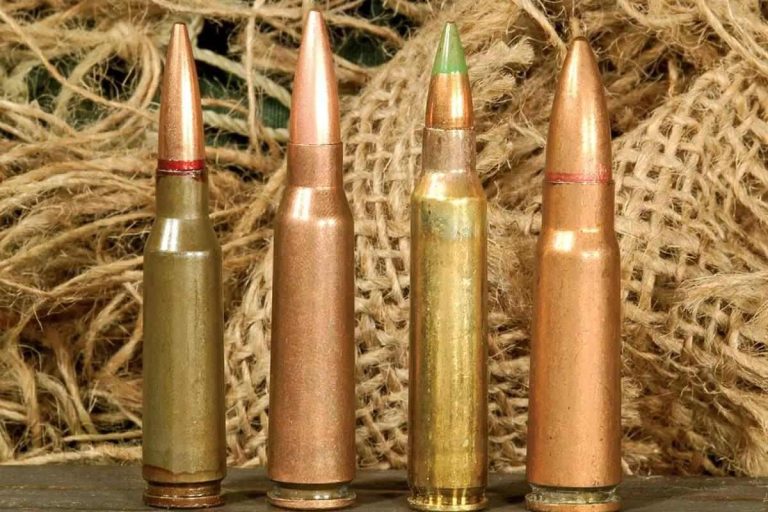
Among these standards are widely used cartridges like 5.56x45mm and 7.62x51mm, designed to function across different weapons systems used by member countries. These rounds follow strict pressure, size, and performance guidelines to maintain consistency in the field.
Many shooters and enthusiasts often hear the term but remain unclear about what it actually represents in practical use. It is not just a label but a defined set of military testing and compatibility standards that influence ammunition production worldwide.
Understanding what is nato ammo helps clarify how ammunition is categorized, why certain rounds are interchangeable, and how these standards improve reliability for both military and civilian applications.
NATO Ammunition Standards
NATO ammunition standards define a unified set of technical requirements used by member countries to ensure consistency, safety, and interoperability of military cartridges. These standards regulate dimensions, pressure levels, and performance expectations so that ammunition can function reliably across different firearms systems. The goal is to create uniformity in defense operations, reducing compatibility issues and improving efficiency in joint missions.
Pressure and Dimensional Specifications
NATO ammunition standards place strict control on both the physical dimensions and internal pressure limits of cartridges. Every round must match precise measurements so that it can chamber and fire correctly in weapons designed by different member nations. This is especially important for widely used calibers such as 5.56x45mm and 7.62x51mm, where even minor variations could affect performance or safety.
The pressure specifications are equally critical, as NATO rounds are tested to handle higher and more consistent chamber pressures compared to many civilian or non-standard military loads. This ensures that firearms operate reliably under extreme conditions such as cold climates, desert environments, or prolonged combat use. Ammunition must pass rigorous proof testing before being approved under these standards.
Dimensional uniformity also supports interchangeability across allied forces. A cartridge manufactured in one country must fit and function seamlessly in a weapon produced in another NATO member nation. This reduces logistical complexity during multinational operations and ensures that supply chains remain flexible in combat zones.
In addition to size and pressure, materials used in casing and primer construction are also regulated. These requirements help maintain consistent ignition, ballistic performance, and barrel wear characteristics. The result is a standardized system where ammunition behavior remains predictable regardless of production origin.
Interoperability and Testing Protocols
Interoperability is one of the core principles behind NATO ammunition standards, ensuring that forces from different countries can share ammunition without compatibility issues. This becomes crucial during joint military operations where supply chains must adapt quickly. Standardized rounds allow weapons from various manufacturers to function reliably with the same ammunition types.
To maintain this level of consistency, NATO enforces strict testing protocols. Every batch of ammunition undergoes evaluation for accuracy, velocity, chamber pressure, and environmental resistance. These tests simulate real-world combat conditions such as humidity, sand exposure, and extreme temperature shifts to guarantee reliable performance in all scenarios.
The testing process also includes safety validation to prevent misfires, ruptures, or inconsistent ballistic behavior. Ammunition that fails to meet even minor tolerance thresholds is rejected. This ensures that only highly reliable cartridges enter active service, reducing risks for soldiers in the field.
Another important aspect of these protocols is cross-compatibility verification. Ammunition must perform consistently across different firearm platforms, including rifles, machine guns, and designated marksman weapons. This ensures operational flexibility during missions where weapon sharing or resupply is necessary.
Common Types of NATO Ammo
NATO ammunition includes several standardized cartridges designed to ensure compatibility across member nations’ military firearms. These rounds are built under strict specifications covering size, pressure, and ballistic performance, allowing seamless use in different weapon systems. Each type serves a specific combat role, ranging from close-quarters engagements to long-range firepower support in modern military operations.
5.56x45mm NATO Cartridge
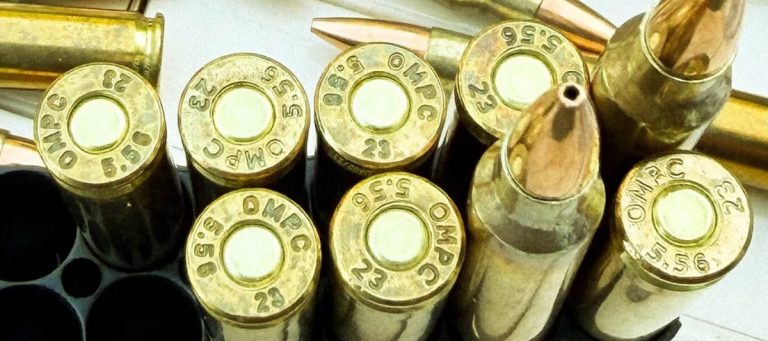
The 5.56x45mm NATO cartridge is one of the most widely used rifle rounds among NATO forces and has become a global standard for modern infantry weapons. It is primarily designed for assault rifles and light machine guns, offering a balance between controllability, range, and lethality. Its lightweight nature allows soldiers to carry more ammunition without significantly increasing their load, which is a major advantage in extended operations.
One of the defining characteristics of the 5.56x45mm round is its relatively high velocity combined with lower recoil. This makes it easier for soldiers to maintain accuracy during rapid fire or automatic shooting modes. The design also allows for effective performance at medium engagement distances, which is typical in most combat scenarios faced by infantry units.
This cartridge is engineered for fragmentation upon impact at certain velocities, increasing its effectiveness against soft targets. However, its performance can vary depending on barrel length, environmental conditions, and the specific bullet design used. NATO standardization ensures that despite these variables, the round maintains consistent pressure and dimensional compatibility across different firearms platforms.
Another important aspect is its widespread interoperability. Weapons like the M16, M4, and various NATO-compatible rifles all utilize this cartridge, making logistics and ammunition sharing more efficient during joint missions. This standardization also simplifies training and supply chain management for allied forces operating in coordinated environments.
7.62x51mm NATO Cartridge
The 7.62x51mm NATO cartridge is a powerful rifle round designed for battle rifles, designated marksman rifles, and machine guns. It offers greater stopping power and extended effective range compared to smaller intermediate cartridges. This makes it highly suitable for long-range engagements and situations requiring enhanced penetration capability.
This round produces higher recoil, but in return delivers improved energy transfer and accuracy at distance. It is often used in roles where precision and power are more important than volume of fire. Many military units rely on it for designated marksman rifles, where engagement distances exceed typical infantry rifle ranges.
The 7.62x51mm NATO standard ensures uniform performance across different weapon systems manufactured by various member countries. This consistency is critical in combat environments where ammunition may be shared between allied forces. The cartridge is designed to function reliably under harsh conditions, including extreme temperatures and heavy battlefield use.
In addition to rifles, this round is widely used in medium machine guns, providing sustained fire support with strong ballistic performance. Its ability to maintain velocity and energy over longer distances makes it effective for suppressive fire and engaging hardened targets. NATO standardization guarantees that all compatible weapons can safely and effectively use this ammunition without variation in performance.
9x19mm NATO Cartridge
The 9x19mm NATO cartridge is primarily used in pistols and submachine guns, making it one of the most common handgun calibers in military service. It is designed for close-quarters combat where maneuverability and rapid response are essential. Despite being smaller than rifle cartridges, it offers reliable stopping power for defensive and tactical operations.
One of the key advantages of the 9x19mm round is its low recoil, which allows for fast follow-up shots and improved accuracy in high-stress situations. This makes it ideal for sidearms carried by military personnel, law enforcement units, and support roles where compact weapon systems are necessary.
NATO standardization ensures that 9x19mm ammunition maintains consistent pressure levels and ballistic behavior across different manufacturers. This allows seamless use in a wide range of pistols and submachine guns used by allied forces. The uniformity also simplifies logistics, especially in joint operations where ammunition sharing may be required.
The cartridge is also valued for its versatility, as it can be used in suppressed weapons and specialized tactical platforms. Its widespread availability and standardized design make it a practical choice for both military and security applications. Despite its smaller size, it remains an essential part of NATO’s ammunition ecosystem.
12.7x99mm NATO (.50 BMG) Cartridge
The 12.7x99mm NATO cartridge, commonly known as the .50 BMG, is one of the most powerful standard ammunition types used by NATO forces. It is primarily designed for heavy machine guns, anti-materiel rifles, and long-range sniper systems. This round is built for extreme range, penetration, and destructive capability.
Its large size and high velocity allow it to engage targets at distances far beyond standard rifle cartridges. It is capable of penetrating light armor, vehicles, and fortified positions, making it a critical tool for specialized military roles. The recoil and weight of the system require mounted platforms or heavily supported firing positions.
NATO standards ensure that the 12.7x99mm cartridge maintains strict pressure and dimensional consistency, which is essential for safe operation in high-powered weapons. Even minor variations could lead to dangerous performance issues due to the extreme forces involved. Standardization guarantees reliability across different manufacturers and weapon systems.
This ammunition is often used in support roles such as disabling enemy equipment, long-range reconnaissance support, and defensive perimeter control. Its ability to deliver precision strikes at extreme distances makes it a valuable asset in modern military strategy. Despite its specialized use, it remains a key component of NATO’s heavy weapons arsenal.
Ballistics and Performance Characteristics
Ballistics and performance characteristics of NATO ammunition focus on how a cartridge behaves after firing, including velocity, energy transfer, trajectory stability, and accuracy under different conditions. These factors determine how effective a round is in real combat situations. NATO standards ensure that these performance metrics remain consistent across manufacturers, allowing predictable behavior in various weapons systems and environments worldwide.
Velocity, Energy, and Trajectory Behavior
Velocity is one of the most critical factors in NATO ammunition performance, as it directly influences impact energy and effective range. Higher velocity rounds like the 5.56x45mm NATO achieve flatter trajectories, making it easier for shooters to engage targets at medium distances with minimal bullet drop adjustment. This consistency is essential in fast-paced combat where quick target acquisition is required.
Kinetic energy plays a major role in determining the effectiveness of a round upon impact. NATO cartridges are designed to maintain sufficient energy over distance, ensuring reliable terminal performance. For example, the 7.62x51mm NATO retains more energy at longer ranges compared to smaller intermediate rounds, making it suitable for designated marksman and machine gun roles.
Trajectory behavior is influenced by bullet shape, weight, and velocity. NATO ammunition is engineered with standardized ballistic coefficients to ensure predictable flight paths. This allows soldiers to estimate bullet drop and wind drift more accurately, especially when engaging targets beyond close range.
These performance characteristics are tested under controlled conditions to maintain uniformity across production batches. Whether fired from different rifles or machine guns, NATO rounds are expected to perform within strict velocity and energy tolerances. This consistency supports interoperability and ensures that soldiers can rely on predictable ballistic outcomes in the field.
Accuracy, Recoil, and Environmental Influence
Accuracy in NATO ammunition is achieved through tight manufacturing tolerances and consistent ballistic performance. Each cartridge is designed to maintain uniform pressure and projectile alignment, reducing deviations during flight. This allows weapons systems to achieve repeatable shot placement, which is essential for both infantry rifles and precision roles like designated marksman operations.
Recoil management is another key performance factor, especially in balancing controllability and power. Lighter rounds such as the 5.56x45mm NATO produce reduced recoil, enabling faster follow-up shots and improved control during automatic fire. In contrast, heavier cartridges like the 7.62x51mm generate more recoil but offer greater stopping power and long-range effectiveness.
Environmental conditions significantly influence ballistic performance. Factors such as temperature, humidity, altitude, and wind can alter bullet velocity and trajectory. NATO ammunition is tested across extreme environmental ranges to ensure it performs reliably in deserts, arctic regions, and tropical climates without significant deviation in behavior.
Consistency under varying conditions is a core requirement of NATO standards. Ammunition must maintain stable pressure and predictable flight characteristics regardless of where it is used. This ensures that soldiers operating in multinational environments can depend on uniform performance, even when ammunition is sourced from different allied countries.
Advantages of NATO Standard Ammunition
NATO standard ammunition provides a unified framework that improves compatibility, reliability, and efficiency across military forces of member countries. These standards ensure that cartridges meet strict requirements for size, pressure, and performance. The result is a highly dependable ammunition system that supports joint operations, simplifies logistics, and enhances overall combat effectiveness in diverse operational environments.
Interoperability and Logistical Efficiency
One of the most significant advantages of NATO standard ammunition is interoperability between allied forces. Because all member countries follow the same specifications, ammunition produced in one nation can be used seamlessly in weapons manufactured in another. This becomes especially important during multinational missions where rapid resupply and weapon sharing may be necessary in dynamic combat situations.
Logistical efficiency is greatly improved due to this standardization. Military supply chains do not need to separate ammunition based on national origin, as all NATO-compliant rounds are interchangeable. This reduces complexity in transportation, storage, and distribution, allowing military planners to focus more on operational strategy rather than ammunition compatibility issues.
In large-scale operations, this system ensures that frontline units are never dependent on a single national supply source. Ammunition can be pooled and redistributed among allied forces as needed, improving resilience in combat environments. This flexibility is a key factor in maintaining sustained military operations across multiple regions.
The standardized system also simplifies training and equipment maintenance. Soldiers and logistics personnel are trained on a consistent set of ammunition specifications, reducing the likelihood of errors. This uniformity enhances coordination between different armed forces and ensures smoother cooperation during joint exercises and missions.
Reliability, Safety, and Combat Consistency
NATO standard ammunition is designed to deliver high levels of reliability under extreme conditions. Each cartridge must pass rigorous testing to ensure it functions consistently across a wide range of temperatures, humidity levels, and battlefield environments. This reduces the risk of misfires, jams, or inconsistent ballistic performance during critical operations.
Safety is another major advantage of these standards. Strict pressure limits and dimensional controls ensure that ammunition can be safely used in compatible firearms without causing excessive wear or structural failure. This protects both the weapon systems and the personnel operating them, even during prolonged firing sessions or high-stress combat scenarios.
Consistency in performance is essential for military effectiveness, and NATO standards guarantee that each round behaves predictably regardless of its manufacturing origin. Whether used in rifles, machine guns, or sidearms, the ammunition delivers stable velocity, energy, and accuracy. This predictability allows soldiers to trust their equipment in life-or-death situations.
The reliability of NATO ammunition also extends to maintenance and durability of firearms. Because cartridges are standardized, weapons experience uniform pressure and wear patterns, making upkeep more manageable. This reduces unexpected failures in the field and ensures that firearms remain operational for longer periods, even in harsh combat environments.
Limitations of NATO Ammo
While NATO standard ammunition offers strong advantages in interoperability and consistency, it also comes with certain limitations that affect flexibility, cost, and performance choices. These constraints arise from strict standardization rules that prioritize uniformity across member nations. As a result, some users and military units may find reduced adaptability compared to more specialized or non-standard ammunition types.
Restricted Flexibility and Limited Customization
One of the main limitations of NATO ammo is the reduced flexibility in ammunition design. Because all rounds must meet strict NATO specifications, manufacturers have limited freedom to experiment with different bullet shapes, powder loads, or casing materials. This ensures uniformity but can restrict innovation that might otherwise improve specialized performance for niche combat roles.
This standardization can also limit optimization for specific missions. For example, certain operations may benefit from highly specialized ballistic performance such as extreme long-range accuracy, enhanced barrier penetration, or optimized subsonic behavior. NATO compliance often requires maintaining a balance that works broadly rather than excelling in one specific area, which can reduce tactical specialization.
Another issue is that not all firearms are equally optimized for NATO rounds. While weapons are designed around these standards, slight variations in barrel length, twist rate, and internal design can still affect real-world performance. This means that even standardized ammunition may not deliver identical results across all platforms, especially in precision-focused applications.
Additionally, military units may face constraints when attempting to adopt newer or experimental ammunition technologies. Any change must go through extensive testing and approval processes to maintain NATO compliance. This slows down innovation and can delay the adoption of advanced ballistic improvements compared to non-standardized ammunition systems.
Cost, Supply Dependence, and Performance Trade-offs
NATO ammunition can also be more expensive to produce due to strict quality control and testing requirements. Manufacturers must follow precise specifications and conduct extensive batch testing to ensure compliance. These processes increase production costs, which can impact military budgets, especially during large-scale procurement.
Supply chain dependence is another limitation, as NATO forces rely heavily on coordinated international manufacturing and distribution networks. If one region experiences production delays or logistical disruptions, it can affect the availability of standardized ammunition across multiple countries. This interconnected system, while efficient, can also create vulnerability in times of global instability.
Performance trade-offs are also an important consideration. NATO ammo is designed for general-purpose effectiveness, meaning it may not always provide maximum optimization for specialized combat scenarios. For example, certain civilian or experimental rounds may outperform NATO-standard cartridges in specific categories like subsonic suppression or ultra-long-range precision.
Environmental and operational limitations can also influence performance. While NATO ammunition is tested under extreme conditions, real battlefield environments can still produce unpredictable variables. Factors like barrel wear, weapon maintenance, and inconsistent storage conditions may slightly affect performance consistency over time, despite strict standardization efforts.
Frequently Asked Questions
What Is NATO Ammo?
NATO ammo refers to standardized military cartridges adopted by NATO countries to ensure all member forces can use the same ammunition in compatible weapons. You usually hear this term with rounds like 5.56×45mm NATO or 7.62×51mm NATO. It is designed for reliability, consistency, and easy supply sharing between allied militaries during joint operations.
Is NATO Ammo The Same As Civilian Ammunition?
NATO ammo is not exactly the same as civilian ammunition, even if they may look similar or fit in some of the same firearms. You often compare 5.56 NATO with .223 Remington, which are closely related but not identical. NATO rounds are typically loaded to higher pressure and tested under stricter military standards, so you should always confirm your firearm is rated for it before use.
What Are The Most Common Types Of NATO Ammo?
The most common NATO ammunition types include 5.56×45mm NATO, 7.62×51mm NATO, and 9mm NATO. You use 5.56 for standard rifles, 7.62 for more powerful rifles and machine guns, and 9mm for pistols and compact firearms. Each type is built for a specific combat role, balancing range, power, and controllability.
Can You Use NATO Ammo In Any Rifle?
You cannot use NATO ammo in every rifle because compatibility depends on the chamber design. Many modern firearms are built to handle NATO-spec rounds, but some civilian rifles are only rated for .223 Remington. If you use 5.56 NATO in a non-rated firearm, you may face unsafe pressure levels, so you should always check your weapon’s specifications first.
Why Do Militaries Use NATO Standard Ammunition?
Militaries use NATO standard ammunition so allied forces can easily share ammo and operate together in joint missions. This standardization helps you avoid supply issues in the field and ensures compatibility across different countries’ weapons. It also improves logistics efficiency and keeps performance consistent in military operations.
Is NATO Ammo Better Than Regular Ammo?
NATO ammo is not automatically better than regular commercial ammo, but it is designed for durability, reliability, and consistent performance under harsh conditions. You may find it performs very well in tactical or military settings. However, for civilian use like target shooting or hunting, commercial ammo can often be more affordable and better suited for specific needs.
Final Words
Understanding modern military ammunition systems becomes much easier when looking at the standards that guide them. NATO specifications were created to ensure that allied forces can operate together efficiently, using compatible firearms and ammunition without logistical barriers. This system has become a backbone of coordinated defense strategies worldwide.
At its core, what is nato ammo refers to a set of standardized cartridges designed under strict military guidelines for size, pressure, and performance. These standards ensure consistency across different countries, allowing ammunition to function reliably in various weapons platforms while maintaining predictable ballistic behavior in demanding conditions.
Overall, NATO ammunition plays a major role in improving interoperability, safety, and operational efficiency for military forces. While it has certain limitations in flexibility and customization, its benefits in reliability and global standardization make it a crucial element in modern defense systems and international military cooperation.