How to Aim With Suppressor Height Sights: A Complete Guide for Better Accuracy
Accurate shooting depends on a clear sight picture and consistent alignment. Many shooters switch to suppressor height sights when using a suppressor because standard sights can become difficult to see over the larger diameter of the can. These taller sights help maintain visibility and improve target acquisition during practice and defensive shooting.
Suppressor height sights sit higher above the slide, creating a different visual perspective than traditional handgun sights. This change can feel unusual at first, especially for shooters who are accustomed to standard sight setups. Learning the correct sight alignment helps build confidence and consistency on the range.
Understanding how to aim with suppressor height sights is important for achieving reliable accuracy. Proper sight focus, trigger control, and sight picture all work together to keep shots on target. With regular practice, the taller sight profile becomes natural and easy to use.
Many modern pistols equipped with optics-ready slides and suppressors benefit from these elevated sights. Knowing how to aim with suppressor height sights allows you to take full advantage of their design and maintain accuracy in a wide range of shooting situations.
Whether you are new to suppressor-ready firearms or looking to improve your technique, learning how to aim with suppressor height sights can help you shoot more accurately and develop better overall handgun skills.
Suppressor Height Sights
Suppressor height sights are specialized firearm sights designed to sit higher than standard iron sights. Their primary purpose is to provide a clear sight picture when a suppressor is attached to the barrel, as a suppressor can block the view of traditional sights. These elevated sights also work well with many slide-mounted optics, making them a popular upgrade for shooters who want greater versatility and improved target acquisition.
Why Suppressor Height Sights Are Taller Than Standard Sights
Suppressor height sights are engineered with additional height to solve a common problem faced by shooters who use suppressors. When a suppressor is mounted on a handgun, the larger diameter of the suppressor often obstructs the line of sight created by standard iron sights. This blockage makes it difficult to see the front sight clearly and maintain proper alignment with the target.
The increased height allows the shooter to look over the suppressor rather than through it. As a result, the front and rear sights remain visible even when a suppressor is attached. This design helps maintain accuracy and consistency during shooting sessions without requiring major adjustments to shooting technique.
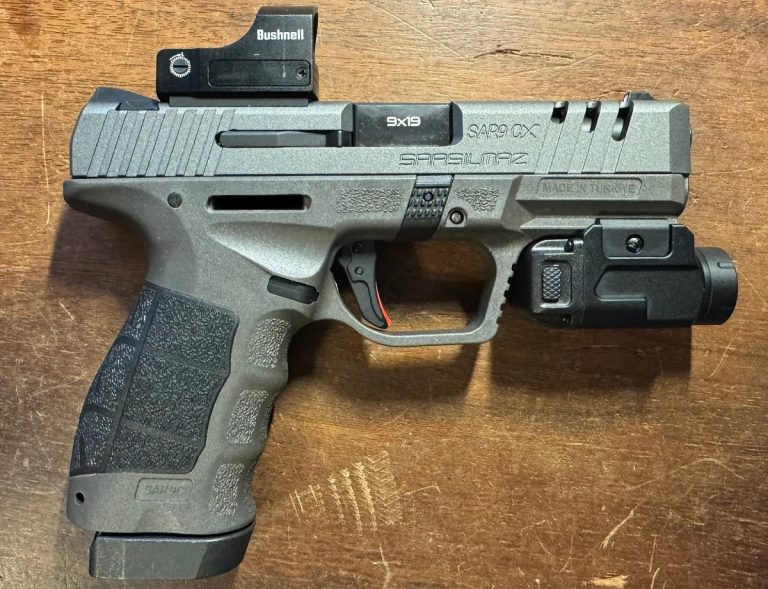
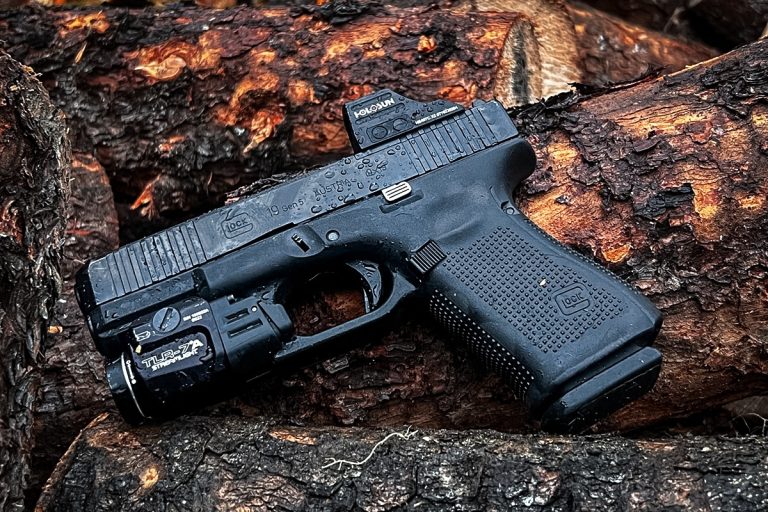
Another reason these sights are taller is their compatibility with red dot optics. Many modern pistols feature slide-mounted optics, and suppressor height sights can serve as backup iron sights. This setup is often referred to as co-witnessing, where the iron sights remain visible through the optic window.
For defensive, competitive, and recreational shooters, having a reliable backup aiming system is valuable. If an optic battery fails or the lens becomes obstructed, suppressor height sights provide an immediate alternative. Their taller profile ensures visibility while maintaining a practical and dependable sighting solution.
Key Features and Benefits of Suppressor Height Sights
One of the most important features of suppressor height sights is their enhanced visibility. Because they extend higher above the slide, shooters can achieve a clearer sight picture when using accessories that would normally interfere with standard sights. This improved visibility contributes to faster target acquisition and more confident shooting performance.
Many suppressor height sights also include high-visibility front sight inserts. These inserts may use fiber-optic materials, tritium illumination, or brightly colored rings that help shooters quickly locate the front sight under varying lighting conditions. This can be especially useful during low-light situations or rapid shooting drills.
Durability is another significant benefit. Most quality suppressor height sights are constructed from steel or other robust materials designed to withstand heavy use. Their rugged construction helps maintain zero and resist damage from daily carry, training, and repeated recoil cycles.
The versatility of these sights makes them attractive to a wide range of shooters. Whether used with a suppressor, a red dot optic, or both, they provide flexibility that standard sights may not offer. This adaptability allows firearm owners to configure their handguns for multiple purposes while retaining a dependable aiming system that performs consistently in different shooting environments.
Sight Alignment Fundamentals
Sight alignment is one of the most important principles of accurate shooting. It refers to the proper positioning of the front and rear sights in relation to each other before focusing on the target. Whether using standard iron sights or suppressor height sights, mastering sight alignment helps improve consistency, accuracy, and confidence. Understanding the fundamentals allows shooters to place shots more precisely and develop better shooting habits over time.
How Proper Sight Alignment Creates Accuracy
Proper sight alignment occurs when the front sight is centered within the rear sight notch and the top of the front sight is level with the top edges of the rear sight. This alignment creates a straight visual path from the shooter’s eye through the sights and toward the intended target. Even small deviations in alignment can significantly affect bullet impact, especially at longer distances.
The front sight plays the most critical role in the alignment process. While both sights must work together, the shooter should focus attention on keeping the front sight crisp and properly positioned within the rear notch. The target may appear slightly blurred, but maintaining a clear front sight generally produces more accurate results.
Consistent sight alignment helps eliminate common shooting errors. If the front sight sits too high, too low, or off-center within the rear notch, shots may drift away from the intended point of impact. Developing the ability to recognize and correct these mistakes is a key step in improving shooting performance.
Regular practice reinforces proper alignment habits. Dry-fire training, target drills, and controlled shooting exercises help shooters develop muscle memory and visual consistency. Over time, maintaining correct sight alignment becomes more natural, allowing for faster and more accurate target engagement.
Common Sight Alignment Mistakes and How to Avoid Them
Many shooters struggle with sight alignment because they focus too much on the target instead of the front sight. While it is natural to want to look directly at the target, doing so often causes the sights to become blurry and misaligned. Training the eyes to prioritize the front sight helps maintain a more consistent shooting picture.
Another common mistake is uneven sight positioning. Some shooters unintentionally place the front sight slightly above or below the rear sight level. This small error can result in noticeable changes in bullet placement, particularly at greater distances. Paying close attention to equal height and equal light on both sides of the front sight can help correct this issue.
Inconsistent head position can also affect alignment. If the shooter changes their eye position between shots, the sight picture may vary, leading to inconsistent accuracy. Maintaining a stable shooting stance and a repeatable cheek or eye position helps ensure the sights appear the same every time the firearm is presented.
Rushing the shot is another factor that contributes to alignment errors. Fast shooting without confirming proper sight placement often leads to missed shots and poor groupings. By slowing down during practice and focusing on sight alignment fundamentals, shooters can build stronger habits that eventually support both speed and accuracy under various shooting conditions.
Proper Shooting Position and Grip
A proper shooting position and grip provide the foundation for consistent accuracy, recoil management, and overall firearm control. Even with quality sights and excellent sight alignment, poor body positioning can negatively affect shot placement. Learning how to establish a stable stance and maintain a secure grip helps shooters improve performance while creating a more comfortable and repeatable shooting experience.
Building a Stable Shooting Position
A stable shooting position begins with proper body alignment. Shooters should stand with their feet approximately shoulder-width apart to create a solid base of support. Slightly bending the knees and leaning the upper body forward helps distribute weight evenly and improves balance during firing. This athletic stance allows the body to absorb recoil more effectively while maintaining control of the firearm.
Body posture plays a significant role in maintaining accuracy. Standing upright without excessive leaning backward helps keep the firearm aligned with the target. Many new shooters instinctively lean away from anticipated recoil, which can reduce stability and increase muzzle movement. By keeping the shoulders positioned slightly forward, shooters create a stronger platform for managing recoil forces.
Arm positioning is equally important. Both arms should extend naturally toward the target without becoming rigid or overly tense. Excessive tension can lead to fatigue and unnecessary movement, while a relaxed but controlled extension supports consistent firearm handling. Maintaining this balance allows shooters to react smoothly and make adjustments when needed.
Consistency is one of the greatest benefits of a proper shooting position. When the body returns to the same stance each time, the shooter develops repeatable mechanics that contribute to improved accuracy. Regular practice with a stable position helps build confidence, strengthens muscle memory, and creates a reliable foundation for both training and practical shooting situations.
Establishing a Strong and Consistent Grip
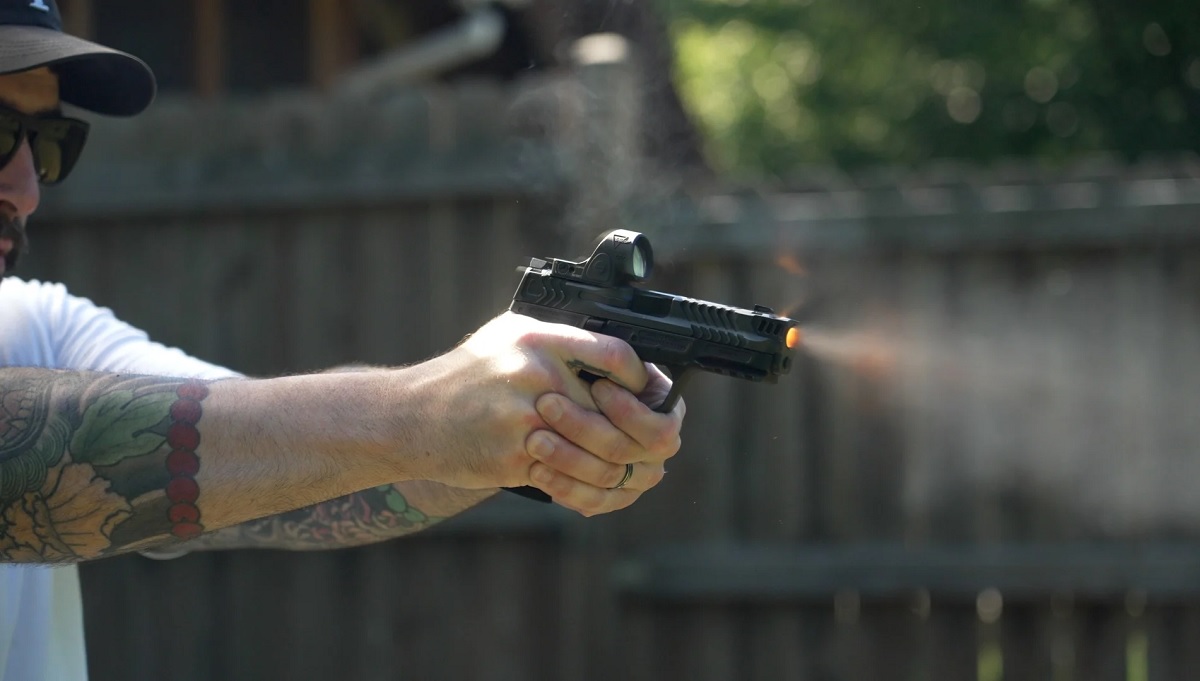
A proper grip is essential for controlling the firearm before, during, and after each shot. The shooting hand should be positioned as high as possible on the grip without interfering with the slide or moving parts. A higher grip helps reduce muzzle rise by placing the hand closer to the firearm’s recoil axis, resulting in better control and faster sight recovery.
The support hand plays a critical role in overall grip strength. It should wrap around the exposed portion of the grip, filling any open space left by the shooting hand. Both thumbs are typically positioned forward along the frame, creating a secure and balanced hold. This two-handed grip distributes pressure evenly and enhances stability during firing.
Grip pressure should remain firm but controlled. Applying too little pressure may allow the firearm to shift during recoil, while excessive squeezing can create muscle tension that affects trigger control. Many experienced shooters aim for consistent pressure that keeps the firearm secure without causing unnecessary strain in the hands or forearms.
A strong grip also improves follow-up shots and target reacquisition. By minimizing unnecessary movement during recoil, the sights return to alignment more quickly after each shot. Practicing proper grip techniques through dry-fire drills and live-fire training helps shooters develop better control, increased confidence, and greater consistency in a variety of shooting environments.
Aiming Techniques With Suppressor Height Sights
Suppressor height sights require the same basic shooting fundamentals as standard iron sights, but their taller profile can slightly change how shooters acquire and maintain their sight picture. These sights are designed to remain visible above a suppressor and often serve as backup sights for red dot optics. Understanding the proper aiming techniques helps shooters maximize accuracy, consistency, and confidence when using this specialized sight setup.
Establishing a Clear Sight Picture With Suppressor Height Sights
A proper sight picture is the foundation of effective aiming with suppressor height sights. Because these sights sit higher above the slide, shooters may initially notice a different visual perspective compared to standard iron sights. The key is to focus on maintaining proper sight alignment while allowing the taller sights to naturally guide the eye toward the target.
When presenting the firearm, the front sight should be centered within the rear sight notch with equal spacing on both sides. The top edge of the front sight should align evenly with the top of the rear sight. This relationship remains the same regardless of sight height. Although suppressor height sights appear larger in the field of view, the alignment principles do not change.
Many shooters make the mistake of focusing too much on the suppressor itself. Since the purpose of these sights is to provide a clear line of sight over the suppressor, attention should remain on the front sight rather than the accessory attached to the barrel. A consistent visual focus helps maintain accuracy and reduces distractions during the aiming process.
Regular practice is important for adapting to the taller sight profile. Drawing from a holster, presenting the firearm, and confirming sight alignment repeatedly can help shooters become comfortable with the elevated sight picture. Over time, the process becomes more natural, allowing faster target acquisition and smoother transitions between targets while maintaining precision.
Maintaining Accuracy During Different Shooting Scenarios
Aiming effectively with suppressor height sights requires adapting sight management techniques to different shooting situations. At close distances, shooters can often acquire the front sight quickly and focus on maintaining proper alignment while pressing the trigger smoothly. The taller sight profile can actually assist some shooters by making the front sight easier to locate during rapid engagements.
At medium and longer distances, precision becomes increasingly important. Small sight alignment errors that may be insignificant at close range can produce larger deviations on distant targets. Shooters should take additional time to ensure the front sight remains centered and level within the rear notch before firing. Consistent trigger control and follow-through further support accurate shot placement.
Suppressor height sights are also commonly used alongside slide-mounted optics. In these configurations, the iron sights may appear in the lower portion of the optic window and serve as backup aiming references. Shooters should practice using both systems independently so they can transition smoothly if the optic becomes unavailable or difficult to use.
Environmental conditions can influence aiming performance as well. Bright sunlight, low-light conditions, and moving targets may require shooters to pay even closer attention to front sight visibility. Training under a variety of conditions helps develop adaptability and reinforces the skills necessary to maintain accurate aiming with suppressor height sights in different shooting environments.
Sight Picture Adjustments for Different Distances
A proper sight picture is essential for accurate shooting, but the way a shooter uses that sight picture can vary depending on target distance. While sight alignment remains consistent, distance often requires subtle adjustments in focus, target coverage, and aiming precision. Understanding how sight picture changes across various ranges helps shooters maintain accuracy and make more effective shots in different shooting environments.
Adapting Your Sight Picture for Close-Range Targets
At close distances, speed often becomes a greater priority than extreme precision. Targets that are only a few yards away generally require less refined sight alignment because minor deviations have a smaller impact on overall shot placement. Even so, maintaining a consistent sight picture remains important for reliable accuracy and safe firearm handling.
When engaging close-range targets, shooters typically focus on quickly acquiring the front sight and placing it on the intended target area. Because the target appears larger and occupies more of the visual field, it is often easier to establish an acceptable sight picture without spending excessive time refining every detail. This allows faster target engagement while still maintaining control.
Suppressor height sights can be especially helpful at close range because their taller profile often makes them easier to locate during rapid presentations. The front sight tends to stand out more clearly, helping shooters establish alignment quickly as they bring the firearm toward eye level. Developing familiarity with this sight picture through repeated practice improves both speed and consistency.
Close-range shooting drills can help reinforce these skills. Exercises that focus on smooth firearm presentation, rapid sight acquisition, and controlled trigger presses teach shooters how to maintain accuracy while working efficiently. As experience grows, shooters learn to balance speed and precision, ensuring that the sight picture remains effective even during faster shooting sequences.
Refining Sight Picture for Medium and Long Distances
As target distance increases, precision becomes far more important. Small sight alignment errors that may go unnoticed at close range can result in significant misses at longer distances. For this reason, shooters must pay closer attention to every aspect of their sight picture, including front sight placement, rear sight alignment, and target focus.
At medium distances, the front sight should remain the primary visual focus while the target appears slightly blurred. This approach allows the shooter to verify proper alignment and maintain consistent shot placement. Any tendency to shift focus away from the front sight can introduce aiming errors that become more noticeable as range increases.
Long-distance shooting often requires greater patience and deliberate aiming. The target may appear smaller, making it necessary to hold the sights with increased precision. Shooters should carefully center the front sight within the rear notch and maintain a stable shooting position to minimize movement. Consistent trigger control becomes even more critical because slight disruptions can alter the point of impact.
Environmental factors also play a larger role at extended distances. Lighting conditions, target size, and visual contrast can all influence how clearly the sights appear. Regular practice at multiple distances helps shooters understand how their sight picture changes as range increases, allowing them to make the necessary adjustments while maintaining confidence and accuracy with suppressor height sights or standard iron sights.
Accuracy Improvement With Suppressor Height Sights
Suppressor height sights can contribute significantly to shooting accuracy when used correctly. Their elevated design provides a clear line of sight over a suppressor and can also serve as reliable backup sights for optic-equipped firearms. While the sights themselves do not automatically make a shooter more accurate, they support better sight acquisition, consistent alignment, and improved confidence during target engagement.
How Suppressor Height Sights Enhance Sight Consistency
One of the biggest factors influencing shooting accuracy is consistency, and suppressor height sights are designed to promote a more dependable sight picture. Because these sights sit higher above the slide, they remain visible even when a suppressor is attached to the firearm. This allows shooters to maintain proper sight alignment without visual obstruction, leading to more precise shot placement.
A clear and uninterrupted sight picture helps shooters focus on the front sight more effectively. When the sights are easy to see, the shooter can spend less time searching for proper alignment and more time concentrating on trigger control and target engagement. This consistency often translates into tighter shot groups and improved overall performance on the range.
Suppressor height sights also help many shooters establish a repeatable presentation. As the firearm is brought to eye level, the taller sights can be easier to acquire quickly, reducing the need for corrective adjustments before firing. Over time, this repeatable sight picture strengthens muscle memory and helps create more predictable shooting results.
In addition, these sights often feature enhanced visibility elements such as tritium inserts, fiber-optic rods, or high-contrast front sight designs. These features make it easier to identify the front sight under various lighting conditions, helping shooters maintain alignment and accuracy whether training during the day or in reduced-light environments.
Developing Better Accuracy Through Training and Technique
Although suppressor height sights offer practical advantages, accuracy improvements ultimately depend on proper shooting fundamentals. Shooters must still maintain correct sight alignment, a stable shooting position, and smooth trigger control. The sights provide a useful tool, but effective technique remains the foundation of accurate shooting.
Regular practice with suppressor height sights helps shooters adapt to their taller profile. Dry-fire drills are particularly valuable because they allow shooters to build familiarity with the sight picture without the distractions of recoil or noise. Repeated presentations and sight alignment exercises help develop faster target acquisition and stronger visual consistency.
Live-fire training further reinforces these skills by allowing shooters to evaluate shot placement and identify areas for improvement. Practicing at different distances teaches how sight alignment errors affect accuracy and helps shooters refine their aiming techniques. Over time, this experience leads to greater confidence and more precise shooting performance.
Training under a variety of conditions can also improve effectiveness with suppressor height sights. Shooting in different lighting environments, working from multiple positions, and engaging targets at varying distances all help strengthen adaptability. These experiences allow shooters to use suppressor height sights more efficiently while maintaining the consistent habits that support long-term accuracy improvement.
Co-Witnessing With Red Dot Optics
Co-witnessing is a popular setup that combines iron sights with a red dot optic, allowing both aiming systems to work together. Suppressor height sights are commonly used for this purpose because their taller profile remains visible through the optic window. This configuration provides an additional layer of reliability, ensuring shooters have a backup aiming method while still benefiting from the speed and convenience of a red dot sight.
How Co-Witnessing Works
Co-witnessing occurs when the iron sights can be seen through the window of a mounted red dot optic. With suppressor height sights, the front and rear sights are tall enough to appear within the optic’s viewing area, allowing shooters to align the sights while also seeing the red dot. This arrangement creates a practical backup system without requiring the removal of the optic.
The primary purpose of co-witnessing is redundancy. Although modern red dot optics are highly reliable, electronic devices can occasionally experience battery failure, lens obstruction, or other issues. When this happens, the shooter can immediately transition to the iron sights without changing equipment or altering shooting techniques significantly.
There are different types of co-witness setups. Absolute co-witness positions the iron sights directly in the center of the optic window, while lower-third co-witness places the sights in the lower portion of the viewing area. Many shooters prefer lower-third configurations because they keep the sight picture less cluttered while still providing quick access to the iron sights when needed.
Proper sight alignment remains important even when using a red dot optic. The iron sights should be correctly installed and zeroed so they can function effectively as a backup aiming system. When configured properly, co-witnessing provides additional confidence and ensures the firearm remains usable under a wide range of shooting conditions.
Benefits of Using Suppressor Height Sights for Co-Witnessing
Suppressor height sights are often the preferred choice for co-witnessing because standard-height sights typically sit too low to be visible through most pistol-mounted optics. The increased height allows the sights to appear within the optic window, making them functional as backup sights while preserving the advantages of the red dot system.
One major benefit is faster troubleshooting. If the red dot suddenly becomes difficult to see, the shooter can use the visible iron sights to verify alignment and maintain accuracy. This capability is especially useful during training, competition, or defensive applications where immediate sighting solutions are important.
Co-witnessing can also improve confidence during the learning process. Shooters transitioning from traditional iron sights to red dot optics often find it helpful to have both systems available. The visible iron sights can assist with presentation and help guide the eye toward the dot during practice sessions.
Another advantage is versatility. A firearm equipped with both suppressor height sights and a red dot optic can adapt to various shooting situations. Whether using the optic as the primary aiming system or relying on the iron sights as a backup, the shooter benefits from multiple sighting options while maintaining consistent firearm handling and aiming techniques.
Training Methods for Better Performance
Improving shooting performance with suppressor height sights requires more than simply installing the sights on a firearm. Consistent training helps shooters develop familiarity with the taller sight profile, strengthen fundamental skills, and build confidence in various shooting situations. By combining dry-fire practice, live-fire drills, and structured training routines, shooters can improve accuracy, speed, and overall firearm control.
Using Dry-Fire Practice to Build Sight and Trigger Control
Dry-fire practice is one of the most effective training methods for improving performance with suppressor height sights. Because no live ammunition is involved, shooters can focus entirely on sight alignment, sight picture, grip, and trigger control without distractions. This allows for repeated skill development in a controlled environment while reinforcing proper shooting habits.
A major benefit of dry-fire training is the ability to practice sight acquisition repeatedly. Shooters can work on presenting the firearm from a ready position and quickly aligning the suppressor height sights with the target. Since these sights sit higher than standard iron sights, repetition helps develop familiarity with the elevated sight picture and makes target acquisition more natural over time.
Trigger control is another area that benefits greatly from dry-fire exercises. Shooters can observe whether the sights remain steady throughout the trigger press. Any movement in the sights often indicates issues with grip pressure or trigger manipulation. Correcting these errors during practice helps improve consistency when transitioning to live-fire shooting.
Regular dry-fire sessions also help strengthen muscle memory. As shooters repeat the same movements and sighting process, their presentation becomes smoother and more efficient. This consistency often translates into better accuracy and faster performance during live-fire training, making dry-fire practice a valuable component of any skill-development routine.
Enhancing Performance Through Live-Fire Drills
While dry-fire training develops core fundamentals, live-fire practice allows shooters to apply those skills under realistic conditions. Shooting with live ammunition introduces recoil management, follow-up shot control, and target feedback, all of which are important for improving overall performance with suppressor height sights.
One effective training method is shooting at multiple distances. Practicing at close, medium, and longer ranges helps shooters understand how sight alignment affects accuracy across different scenarios. It also builds confidence in using suppressor height sights under varying conditions while reinforcing proper aiming techniques.
Controlled shot-group drills are another valuable exercise. By focusing on placing multiple rounds into a small target area, shooters can evaluate sight alignment, trigger control, and grip consistency. Reviewing shot placement helps identify weaknesses and provides a clear path for improvement during future training sessions.
Dynamic drills that involve movement, target transitions, and timed engagements can further enhance shooting performance. These exercises challenge shooters to maintain sight alignment and accuracy while operating under increased demands. As skill levels improve, combining fundamental practice with more advanced live-fire drills helps create a well-rounded training approach that supports long-term performance development.
Maximizing Performance With Suppressor Height Sights
Suppressor height sights offer significant advantages for shooters who use suppressors or red dot optics, but achieving the best results requires proper technique and consistent practice. These sights provide a clear line of sight above a suppressor while supporting co-witnessing with optics. By combining solid fundamentals with regular training, shooters can maximize the performance benefits that suppressor height sights are designed to provide.
Combining Fundamentals and Consistent Practice for Better Results
Maximizing performance with suppressor height sights starts with mastering the core shooting fundamentals. Proper sight alignment, a stable shooting position, a secure grip, and smooth trigger control all contribute to effective use of these elevated sights. While suppressor height sights improve visibility, they perform best when supported by strong shooting habits that remain consistent during every training session.
One important factor is developing familiarity with the taller sight profile. Shooters transitioning from standard iron sights may initially notice a different presentation angle and sight picture. Through regular practice, however, the elevated sights become easier to acquire and align. Repetition helps build muscle memory, making target acquisition faster and more natural over time.
Training should include both dry-fire and live-fire exercises. Dry-fire practice helps refine sight alignment and trigger control without the distraction of recoil, while live-fire training allows shooters to apply those skills under realistic conditions. Working at different distances also helps improve confidence and teaches shooters how to maintain a consistent sight picture in a variety of scenarios.
Equipment maintenance is another key aspect of maximizing performance. Clean sights, secure mounting hardware, and properly zeroed aiming systems ensure reliable operation. When suppressor height sights are combined with disciplined practice and sound shooting fundamentals, they become an effective tool for improving accuracy, consistency, and overall shooting performance across a wide range of applications.
Selecting Quality Suppressor Height Sights
Choosing the right suppressor height sights is an important step for shooters who want reliable performance with suppressors or red dot optics. Not all sights are built to the same standards, and differences in materials, visibility features, and compatibility can affect overall effectiveness. Understanding what to look for helps ensure that the sights provide durability, clear sight acquisition, and long-term value.
Key Features to Consider When Choosing Suppressor Height Sights
One of the first factors to evaluate is sight compatibility. Suppressor height sights should match the firearm model and work properly with any accessories that will be used, including suppressors and slide-mounted optics. Choosing sights designed specifically for the firearm platform helps ensure proper fitment and reliable alignment. Compatibility also plays a major role in achieving an effective co-witness setup when using a red dot optic.
Material quality is another important consideration. High-quality suppressor height sights are commonly manufactured from steel because of its strength and resistance to wear. Steel sights can withstand repeated recoil, daily carry, and demanding training sessions without losing their structural integrity. While less expensive materials may reduce cost, they often do not provide the same level of durability over time.
Visibility features can significantly improve shooting performance. Many modern suppressor height sights include tritium inserts for low-light visibility, fiber-optic rods for bright daytime shooting, or high-contrast front sight designs that make target acquisition faster. Selecting sights with enhanced visibility can help shooters maintain a clear sight picture in a variety of lighting conditions.
The overall sight design should also support ease of use. A clean sight picture, durable finish, and well-defined front sight profile contribute to faster alignment and improved accuracy. By focusing on these essential features, shooters can select suppressor height sights that meet their specific needs while supporting consistent performance on the range and in practical applications.
Balancing Performance, Durability, and Long-Term Reliability
Quality suppressor height sights should offer more than just increased height. They should provide reliable performance over thousands of rounds while maintaining their visibility and structural strength. Investing in durable sights often reduces the need for future replacements and helps ensure consistent results throughout the life of the firearm.
Long-term reliability begins with proper construction. Precision-machined sights tend to offer better fitment and more consistent alignment than poorly manufactured alternatives. Tight tolerances help maintain zero and reduce the likelihood of movement or shifting during extended use. This stability is especially important for shooters who rely on their sights for defensive, competitive, or professional purposes.
Environmental resistance is another factor worth considering. Quality sights are often finished with protective coatings that resist corrosion, moisture, and everyday wear. These protective treatments help preserve appearance and functionality even when the firearm is exposed to harsh weather conditions or frequent handling.
It is also beneficial to consider future equipment upgrades. Shooters who plan to add optics or suppressors later may benefit from selecting suppressor height sights that can accommodate those additions from the start. Choosing versatile and well-constructed sights creates a more adaptable firearm setup while providing the confidence that the sights will continue performing reliably as shooting needs evolve.
FAQs
What Are Suppressor Height Sights And How Do You Use Them?
Suppressor height sights are taller-than-standard iron sights designed to provide a clear sight picture when a suppressor is attached to a firearm. To use them correctly, you align the front sight evenly within the rear sight notch and focus on the front sight while aiming at the target. The taller design allows you to see over the suppressor without obstruction. The basic aiming process remains the same as with standard sights, but the elevated sight profile may require a short adjustment period to become comfortable and consistent.
How Do You Aim Properly With Suppressor Height Sights?
To aim properly with suppressor height sights, you should center the front sight within the rear sight notch and ensure the top of the front sight is level with the rear sight. Focus your eyes on the front sight while keeping the target slightly blurred. Maintain a stable shooting stance and a firm grip throughout the shot. Consistent sight alignment and trigger control are critical for accuracy. With practice, the taller sight profile becomes easier to acquire, allowing you to aim quickly and effectively in different shooting situations.
Do Suppressor Height Sights Improve Accuracy?
Suppressor height sights can help improve accuracy by providing a clear and unobstructed sight picture when using a suppressor. They also allow you to maintain consistent sight alignment, which is essential for precise shot placement. However, the sights themselves do not automatically make you more accurate. Your shooting fundamentals, including grip, stance, trigger control, and sight focus, still determine overall performance. When combined with proper training and practice, suppressor height sights can support more consistent shooting results and better target engagement.
Can You Use Suppressor Height Sights Without A Suppressor?
Yes, you can use suppressor height sights even when a suppressor is not attached. Many shooters choose them because they work well with red dot optics and provide a reliable backup sighting system. The taller sights function like standard iron sights, although they sit higher above the slide. Some shooters find them easier to acquire during presentations because of their increased visibility. As long as the sights are properly installed and zeroed, they can be used effectively with or without a suppressor.
Are Suppressor Height Sights Good For Red Dot Optics?
Suppressor height sights are commonly used with red dot optics because they allow co-witnessing. This means the iron sights remain visible through the optic window and can serve as a backup aiming system if the optic fails or becomes obstructed. Many shooters prefer this setup because it adds reliability and confidence. When properly configured, suppressor height sights help you transition between the red dot and iron sights without significantly changing your shooting technique, making them a practical addition to optic-equipped firearms.
How Long Does It Take To Adjust To Suppressor Height Sights?
The time required to adjust varies from shooter to shooter. Some people become comfortable with suppressor height sights after only a few training sessions, while others may need more time to adapt to the taller sight profile. Regular dry-fire practice and live-fire training can speed up the adjustment process. Repeatedly presenting the firearm and acquiring the sights helps build muscle memory and visual familiarity. With consistent practice, most shooters learn to use suppressor height sights naturally and experience little difference compared to standard iron sights.
What Mistakes Should You Avoid When Aiming With Suppressor Height Sights?
One common mistake is focusing on the target instead of the front sight. This can lead to poor sight alignment and reduced accuracy. Another mistake is rushing the shot before confirming proper sight placement. Some shooters also become distracted by the suppressor itself rather than concentrating on the sights. Inconsistent grip pressure and poor shooting posture can further affect accuracy. To avoid these issues, focus on maintaining proper sight alignment, a stable shooting position, and smooth trigger control during every shot.
Conclusion
Mastering suppressor height sights takes practice, patience, and a solid understanding of sight alignment. As you become more familiar with the taller sight profile, acquiring a clear sight picture and maintaining accuracy will become more natural. Consistent training helps build confidence and improves overall shooting performance.
Whether you are using a suppressor-equipped firearm or a red dot optic setup, learning how to aim with suppressor height sights can enhance your ability to make precise and reliable shots. Paying close attention to your grip, trigger control, and front sight focus will help you develop better shooting habits over time.
Regular dry-fire drills and live-fire practice are essential for refining your skills. By applying the techniques covered in this guide, you can better understand how to aim with suppressor height sights and achieve greater accuracy, faster target acquisition, and more consistent results in a variety of shooting situations.