How to Open a Browning Gun Safe Safely and Legally
Getting locked out of your safe can feel frustrating, especially when important firearms, documents, or valuables are stored inside. Many gun owners search for reliable ways to regain access without causing unnecessary damage or making the situation worse. Learning how to open a Browning gun safe the right way helps you stay calm and handle the problem more confidently.
Browning safes are designed with strong locking systems and security features that protect your belongings from theft and unauthorized access. Because of that, opening one may require careful steps, proper troubleshooting, and attention to the locking mechanism. Simple mistakes can sometimes trigger delays or lockout features.
People often experience issues such as forgotten combinations, dead keypad batteries, jammed handles, or misplaced backup keys. Understanding the common causes behind these problems makes the process much easier and safer to manage.
This guide explains how to open a Browning gun safe using practical methods that can help restore access while protecting the safe from damage.
Browning Gun Safe Lock Type
Browning gun safes come with different lock systems designed to provide both security and convenience for firearm owners. The type of lock installed on a safe can affect how quickly you access your valuables, how the safe performs over time, and the level of maintenance required. Understanding the available Browning gun safe lock options helps you choose the right model and troubleshoot common access issues more effectively.
Electronic Keypad Locks
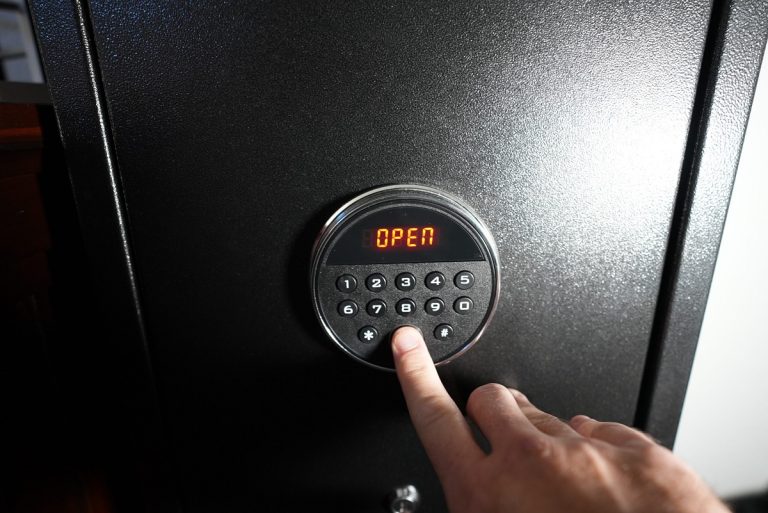
Electronic keypad locks are among the most popular lock types used in Browning gun safes because they offer quick and convenient access. These locks operate through a digital keypad where you enter a programmed security code to unlock the safe. Many Browning owners prefer electronic systems because they eliminate the need to rotate a dial several times before opening the door.
Modern Browning electronic locks often include advanced security features such as wrong-code lockout periods, tamper alerts, and illuminated keypads for low-light conditions. Some models even support multiple user codes, making them useful for households with more than one authorized person. These features increase convenience without reducing overall protection.
Battery power plays a major role in electronic lock performance. Most Browning safes use external battery compartments or keypad-mounted batteries that are easy to replace. Weak batteries can cause delayed responses or prevent the keypad from functioning properly, which is why regular battery checks are important for reliable operation.
Electronic locks also require careful code management. Forgotten codes, repeated incorrect entries, or accidental programming changes may temporarily lock the system. Many users keep backup access information stored securely outside the safe to avoid unnecessary lockouts and reduce stress during emergencies.
Mechanical Combination Locks
Mechanical combination locks remain a trusted option for many Browning gun safe owners who value durability and long-term reliability. These traditional locks operate using a rotating dial that aligns internal wheels in a precise sequence before the safe can open. Because they do not depend on batteries or electronic components, many users see them as highly dependable.
One of the biggest advantages of a mechanical lock is its resistance to electronic failure. Power issues, dead batteries, or keypad malfunctions do not affect this type of system. Many long-time gun owners prefer the simplicity of a mechanical lock because fewer electronic parts usually mean fewer technical problems over time.
Opening a Browning safe with a mechanical combination lock often takes longer compared to an electronic keypad. The dialing process requires accuracy and patience, especially for new users who are not familiar with the turning sequence. Entering the wrong numbers or turning the dial too quickly can force you to restart the entire process.
Mechanical locks also require periodic maintenance to maintain smooth operation. Dust buildup, internal wear, or improper handling may affect dialing performance after years of use. Safe owners often schedule professional servicing to keep the lock operating correctly and to preserve long-term security.
Biometric Lock Systems
Some Browning gun safes use biometric lock systems that allow access through fingerprint recognition. These locks are designed for fast entry and are commonly chosen by users who want immediate access to firearms during emergencies. Instead of remembering a code or combination, the safe opens after scanning an authorized fingerprint.
Biometric technology offers a high level of convenience because fingerprints cannot easily be forgotten like passwords or combinations. Many Browning biometric safes can store multiple fingerprints, allowing trusted family members or authorized users to gain access without needing physical keys or written codes.
Fingerprint scanners depend heavily on proper maintenance and clean sensor surfaces. Dirt, moisture, or damaged fingerprints may reduce scanning accuracy and cause temporary access problems. Some users notice slower recognition speeds when the scanner battery becomes weak or when the sensor requires cleaning.
Many biometric Browning safes also include backup access methods such as emergency override keys or keypad entry systems. These backup features help maintain access when fingerprint recognition fails unexpectedly. Combining biometric convenience with secondary security options provides additional peace of mind for safe owners who prioritize quick firearm access.
Things to Check Before Opening Browning Gun Safe
Before attempting to open a Browning gun safe, it is important to inspect a few key areas that may affect the unlocking process. Small issues such as weak batteries, incorrect combinations, or pressure on the door can prevent the safe from opening properly. Taking a few minutes to check these details can save time, reduce frustration, and help avoid unnecessary damage to the locking system.
Verify the Lock Code or Combination
One of the first things you should check before opening a Browning gun safe is the accuracy of the code or combination. Many failed attempts happen because of simple mistakes such as pressing the wrong keypad button, entering numbers too quickly, or forgetting part of the sequence. Carefully rechecking the code can often solve the problem immediately.
Mechanical combination locks require extra attention because the dialing sequence must follow a precise turning pattern. Turning the dial too far or stopping between numbers may reset the process. Many safe owners accidentally rush through the steps, especially during stressful situations, which increases the chance of errors.
Electronic keypad users should also make sure the keypad is responding correctly when buttons are pressed. Delayed beeps, dim lights, or unresponsive keys may indicate battery or keypad issues rather than an incorrect code. Watching for these signs helps narrow down the actual problem before further attempts are made.
It is also important to avoid repeated incorrect entries within a short time. Some Browning safes activate temporary lockout periods after several failed attempts. Waiting patiently and carefully entering the correct information can help prevent additional delays and reduce stress during the unlocking process.
Inspect the Battery and Power Supply
Battery condition is another important factor to check before opening a Browning gun safe with an electronic lock. Weak or drained batteries can prevent the keypad from working correctly, even when the correct code is entered. In many cases, the safe itself is functioning properly, but the lock system lacks enough power to release the mechanism.
Most Browning electronic safes use standard batteries located behind the keypad or inside an external battery compartment. Replacing old batteries with fresh, high-quality ones can quickly restore normal operation. Many users overlook battery replacement and assume the safe has a major mechanical problem when the issue is actually minor.
Low battery warning signs may include fading keypad lights, delayed button responses, or unusual beeping sounds. Paying attention to these indicators can help you address the issue before a complete lockout occurs. Routine battery maintenance also helps prevent emergency situations where immediate safe access is needed.
You should also check for loose battery connections or corrosion around the battery terminals. Dirt or rust buildup can interrupt the power supply and reduce lock performance. Cleaning the compartment carefully and ensuring proper battery placement can improve reliability and help the safe open smoothly.
Check for Door Pressure or Handle Issues
Pressure against the safe door can sometimes interfere with the locking bolts and make a Browning gun safe difficult to open. Overloaded shelves, tightly packed firearms, or stored valuables pressing against the inside of the door may create resistance that prevents the locking system from releasing properly.
Applying gentle pressure in the correct direction while entering the code may help reduce tension on the locking bolts. Many users mistakenly pull hard on the handle immediately after entering the code, which can make the mechanism bind instead of unlocking smoothly. Slow and controlled movement usually works better.
The safe handle itself should also be inspected for stiffness, looseness, or unusual resistance. Dirt buildup, worn components, or internal alignment issues can affect handle movement over time. Turning the handle carefully without forcing it helps protect the lock and prevents unnecessary damage.
You should also listen for sounds such as clicking or partial bolt movement when attempting to unlock the safe. These sounds may indicate that the locking system is working but the door pressure is preventing full release. Identifying these signs early can help avoid excessive force and costly repairs.
How to Open a Browning Gun Safe With an Electronic Lock
Opening a Browning gun safe with an electronic lock usually takes only a few seconds when the keypad and code work properly. These safes are designed for quick access while maintaining strong security for firearms and valuables. Understanding the correct unlocking process helps reduce errors, prevents accidental lockouts, and keeps the locking mechanism operating smoothly over time.
Enter the Correct Security Code Carefully
The first step in opening a Browning gun safe with an electronic lock is entering the correct security code on the keypad. Press each number slowly and carefully to make sure the system registers every button correctly. Many unlocking problems happen because users enter digits too quickly or accidentally press the wrong key during the process.
Most Browning electronic locks provide confirmation sounds or flashing lights after each button press. Paying attention to these signals helps confirm the keypad is responding properly. Once the full code is entered, the lock usually emits a final beep or indicator light showing the safe is ready to open.
After hearing the confirmation signal, turn the handle gently within the allowed time window. Many electronic safes automatically relock after several seconds, so delaying too long may require entering the code again. Smooth and controlled handle movement helps the locking bolts retract correctly without unnecessary strain.
Repeated incorrect code attempts may activate a temporary security lockout on some Browning models. Waiting a few minutes before retrying is often necessary after several failed entries. Staying calm and entering the code carefully improves the chances of opening the safe successfully on the next attempt.
Check the Battery Before Trying Again
Battery condition plays a major role in the performance of an electronic gun safe lock. Weak batteries may cause keypad lights to dim, create delayed responses, or prevent the locking mechanism from releasing even when the correct code is entered. Checking the battery early can save time and prevent frustration during the unlocking process.
Most Browning electronic safes use replaceable batteries positioned behind the keypad or inside an external compartment. Installing fresh, high-quality batteries often restores normal operation immediately. Many users solve keypad issues simply by replacing old batteries that no longer provide stable power to the locking system.
You should also inspect the battery contacts for dust, corrosion, or loose connections. Poor contact between the battery and terminals can interrupt power flow and affect keypad performance. Cleaning the contacts gently and securing the batteries correctly may improve the lock response.
After replacing the batteries, wait a few moments before re-entering the security code. This allows the electronic system to reset properly. Enter the code slowly again and listen for the confirmation sound before turning the handle to open the Browning gun safe.
What to Do if Your Browning Gun Safe Won’t Open
A Browning gun safe may fail to open for several reasons, including keypad issues, incorrect combinations, battery failure, or pressure on the locking bolts. Staying calm and checking the problem step by step can help prevent damage to the safe and reduce frustration. Careful troubleshooting often restores access without needing major repairs or forced entry methods.
Recheck the Lock Code and Unlocking Process
One of the most common reasons a Browning gun safe will not open is an incorrect unlocking sequence. Even small mistakes such as pressing the wrong keypad button, turning the handle too early, or rushing through the process can prevent the lock from disengaging. Carefully entering the code again often solves the issue quickly.
Electronic locks may require a short pause between button presses for the system to recognize each number correctly. Listening for keypad sounds or watching indicator lights can help confirm the safe is receiving the input properly. Mechanical locks also require accurate dial rotation, including the correct turning direction and stopping points.
Some Browning safes include temporary lockout protection after multiple failed attempts. During this time, the keypad may stop responding for several minutes even when the correct code is entered. Waiting patiently before retrying can prevent additional delays and reduce unnecessary stress.
You should also confirm that no one accidentally changed the combination or security code. Many users forget recently updated codes or confuse similar number sequences. Checking stored records or backup instructions may help restore access faster.
Inspect the Battery and Door Pressure
Battery problems are another major reason Browning electronic safes fail to open. Weak batteries can cause dim keypad lights, delayed beeps, or complete lock failure. Replacing the batteries with fresh, high-quality ones is often the simplest and most effective solution for restoring proper lock operation.
After installing new batteries, wait a few moments before trying the code again. This allows the electronic system to reset correctly. You should also inspect the battery compartment for loose connections, corrosion, or dirt that may interrupt power flow to the keypad.
Door pressure can also interfere with the locking mechanism. Firearms, documents, or shelves pressing tightly against the inside of the door may create tension on the locking bolts. This pressure can make the handle feel stuck even after the correct code is entered.
Applying gentle pressure on the safe door while turning the handle may help release the locking bolts more smoothly. Avoid using excessive force because aggressive pulling or twisting can damage internal components and create more serious mechanical problems.
How to Maintain Browning Gun Safe
Proper maintenance helps a Browning gun safe stay secure, reliable, and easy to access for many years. Regular care can prevent lock problems, reduce wear on moving parts, and protect firearms or valuables stored inside. Simple maintenance habits also help detect small issues early before they become expensive repairs or cause unexpected lockouts during important situations.
Clean the Exterior and Interior Regularly
Keeping your Browning gun safe clean is one of the easiest ways to maintain its appearance and performance. Dust, dirt, and moisture can slowly build up on the surface and around the door seals over time. Wiping the exterior with a soft cloth helps preserve the finish and prevents grime from collecting near the locking system.
The interior should also be cleaned regularly to protect firearms, documents, and other valuables. Dust inside the safe can settle on stored items and create moisture-related problems in humid environments. Many safe owners use microfiber cloths or small vacuums to remove dirt from shelves, corners, and carpeted sections carefully.
Moisture control is especially important for gun safes. Excess humidity may cause rust on firearms and damage important documents. Many Browning safe owners place dehumidifiers, silica gel packs, or moisture absorbers inside the safe to help maintain a dry environment throughout the year.
You should also inspect the door seal during cleaning. Damaged or dirty seals may reduce fire and moisture protection. Keeping the seal clean and free from debris helps the door close properly and improves the safe’s overall protective performance.
Maintain the Lock and Moving Parts
The lock system is one of the most important parts of a Browning gun safe, so regular maintenance helps keep it functioning smoothly. Electronic keypad users should replace batteries routinely instead of waiting for warning signs. Fresh batteries reduce the chance of sudden lock failures or delayed keypad responses during emergencies.
Mechanical combination locks should be handled carefully to prevent unnecessary wear. Turning the dial gently and avoiding rough handling can help maintain smooth internal movement. Many users damage lock components by forcing the handle or spinning the dial aggressively during failed opening attempts.
The locking bolts and hinges also benefit from periodic inspection. Dust buildup or minor rust around moving metal parts can affect performance over time. Some safe owners use manufacturer-approved lubricants sparingly on hinges or bolts to maintain smooth movement without attracting excessive dirt.
You should also pay attention to unusual sounds or resistance when opening the safe. Grinding noises, sticking handles, or delayed unlocking may indicate developing mechanical problems. Addressing these issues early can help prevent more serious damage and extend the lifespan of the locking system.
Check Safe Placement and Security Conditions
The location of your Browning gun safe plays a major role in long-term maintenance and overall protection. Safes placed in damp garages, basements, or humid storage rooms may experience faster rust buildup and moisture problems. Choosing a dry, temperature-stable area helps protect both the safe and the valuables stored inside.
Proper floor support is also important for safe stability. Uneven surfaces may place stress on the door alignment and locking bolts over time. Many Browning safe owners install their safes on solid flooring and use anchor bolts to improve stability and security against theft attempts.
Environmental conditions around the safe should also be monitored regularly. Excessive heat, water exposure, or poor ventilation can affect both electronic and mechanical components. Keeping the surrounding area clean and dry helps reduce the risk of long-term damage to the locking system and metal surfaces.
It is also helpful to inspect the safe periodically for signs of wear, scratches, rust, or alignment problems. Early detection of these issues allows for quicker repairs and helps maintain reliable operation. Routine inspections can significantly improve the safe’s long-term durability and performance.
Frequently Asked Questions
How Do You Open A Browning Gun Safe With An Electronic Lock?
You can open a Browning gun safe with an electronic lock by entering the correct security code carefully through the keypad. After entering the code, you should wait for the confirmation beep or indicator light before turning the handle. Moving too quickly or pressing incorrect buttons may prevent the safe from unlocking properly.
You should also check the battery condition when the keypad responds slowly or does not light up. Weak batteries often cause opening problems even when the correct code is entered. Replacing old batteries with fresh ones and retrying the code slowly can usually restore proper operation without damaging the safe.
What Should You Do When Your Browning Gun Safe Battery Dies?
When your Browning gun safe battery dies, the electronic keypad may stop responding completely or show dim lights and delayed beeps. You should first locate the battery compartment, which is usually behind the keypad or on the front panel. Replacing the batteries with high-quality new ones often solves the issue immediately.
After installing the new batteries, you should wait a few seconds before entering the code again. This gives the electronic system time to reset correctly. You should also inspect the battery contacts for corrosion or loose connections because damaged terminals can interrupt power and prevent the safe from opening properly.
Why Is Your Browning Gun Safe Not Opening With The Correct Code?
Your Browning gun safe may fail to open even with the correct code because of keypad issues, low battery power, or temporary lockout mode. Entering the code too quickly or pressing buttons incorrectly can also cause unlocking problems. Carefully re-entering the code while listening for confirmation sounds may help restore access.
You should also check for pressure against the safe door. Firearms or valuables pressing against the inside may create tension on the locking bolts, making the handle difficult to turn. Applying gentle pressure on the door while turning the handle can sometimes release the lock more smoothly without forcing the mechanism.
Can You Reset The Code On A Browning Gun Safe?
You can reset the code on many Browning gun safes by following the manufacturer’s programming instructions. Most electronic models include a reset button or programming sequence located inside the safe door. You usually need the current code before setting a new one for security purposes.
You should choose a code that is easy for you to remember but difficult for others to guess. Many safe owners avoid using birthdays or simple number patterns because they are less secure. After changing the code, testing the new combination several times with the door open helps confirm the lock is functioning correctly.
How Often Should You Replace Browning Gun Safe Batteries?
You should replace Browning gun safe batteries at least once every six to twelve months, depending on how often you use the keypad. Regular battery replacement helps prevent sudden lock failures and keeps the electronic lock system operating reliably. Many safe owners replace batteries yearly as part of normal maintenance.
You should not wait for the keypad to become weak or unresponsive before changing the batteries. Delayed beeps, dim lights, or slow responses are common signs of low battery power. Using fresh, high-quality batteries reduces the risk of getting locked out and helps maintain smooth safe operation over time.
What Happens After Too Many Wrong Code Attempts?
Many Browning gun safes activate a temporary lockout mode after several incorrect code attempts. During this period, the keypad may stop accepting entries for a few minutes as a security measure against unauthorized access. You should wait patiently until the lockout period ends before attempting the code again.
Repeatedly pressing buttons during the lockout period usually does not speed up the process and may increase frustration. Once the safe becomes active again, you should enter the code slowly and carefully. Checking the battery condition beforehand can also help because weak batteries sometimes cause false input errors and failed unlocking attempts.
Should You Call A Locksmith For A Browning Gun Safe Problem?
You should consider calling a professional locksmith when basic troubleshooting no longer works or when the lock system appears damaged. Professional safe technicians have specialized tools and experience that allow them to diagnose lock issues without causing unnecessary harm to the safe or its contents.
You should avoid forcing the handle, drilling the lock, or using aggressive methods because these actions can permanently damage the safe. A qualified locksmith may help recover access while preserving the locking mechanism and security features. Keeping your safe model information and proof of ownership available can also make the service process faster and smoother.
Final Words
Keeping your safe in good condition and knowing the correct access steps can save you time, stress, and unnecessary damage. Whether you use a digital keypad, mechanical dial, or biometric system, understanding how to open a Browning gun safe properly is essential for safe firearm storage and responsible ownership.
If your safe does not unlock right away, start with simple troubleshooting methods such as checking the batteries, verifying the combination, or inspecting the locking mechanism. In many cases, minor issues can be fixed quickly without needing expensive repairs or forced entry attempts. Patience and careful handling are important during the process.
Learning how to open a Browning gun safe the right way also helps protect the security features designed to keep your valuables safe. When problems continue, contacting Browning support or a certified locksmith is often the safest option. Regular maintenance, proper code storage, and routine testing can help prevent future lockout situations and keep your safe working smoothly for years.