Can You Buy 9mm Ammo at 18? Federal and State Law Explained
Buying ammunition in the United States often comes with age restrictions and legal requirements that many young firearm owners do not fully understand. Questions about handgun ammunition laws continue to grow, especially among new gun owners trying to follow federal and state regulations correctly. One of the most searched topics is can you buy 9mm ammo at 18 because the answer depends on several important legal factors.
Federal law separates handgun ammunition from rifle ammunition, and that distinction affects how stores handle sales. Since 9mm ammunition is commonly used in handguns, many retailers apply stricter age requirements during purchases. Some states also have their own firearm and ammunition laws that go beyond federal rules.
Many buyers become confused because certain states allow firearm ownership at 18 while ammunition purchases may still face restrictions. Gun shops, sporting goods stores, and online retailers often follow different policies based on local regulations and company rules.
Understanding can you buy 9mm ammo at 18 requires looking at federal law, state laws, and retailer policies together. Knowing these details helps buyers avoid legal problems and understand what requirements apply before attempting to purchase ammunition.
Federal Laws on Buying 9mm Ammo
Federal firearm laws in the United States play a major role in determining who can legally purchase ammunition. Age restrictions for handgun ammunition often create confusion for younger buyers, especially because state laws and retailer policies may differ. Understanding the federal rules surrounding 9mm ammo purchases helps buyers avoid legal issues and better understand why many stores enforce strict identification and age verification procedures.
Federal Age Requirements for 9mm Ammo
Federal law generally treats 9mm ammunition as handgun ammunition because it is commonly used in pistols and compact handguns. Under regulations enforced by the Bureau of Alcohol, Tobacco, Firearms and Explosives, federally licensed firearm dealers are restricted from selling handgun ammunition to individuals under 21 years old. This rule applies even when the buyer legally owns certain firearms at age 18.
Many buyers become confused because long gun ammunition follows different federal age standards. Rifle and shotgun ammunition may be sold to buyers who are at least 18 years old, while handgun ammunition remains subject to stricter requirements. Since 9mm rounds are widely associated with handguns, most licensed dealers follow the 21-year-old minimum age rule during sales.
Retailers usually request government-issued identification before completing ammunition purchases. Gun stores and sporting goods retailers often apply careful verification procedures because violating federal ammunition laws can lead to serious penalties for licensed dealers and employees involved in unlawful sales.
How Licensed Dealers Must Follow Federal Law
Federal firearm license holders must follow strict regulations when selling ammunition. Licensed dealers are responsible for verifying the age of buyers and ensuring ammunition sales comply with federal law. Most retailers train employees carefully because selling handgun ammunition to someone under the legal age can result in fines, license suspension, or criminal penalties.
Many stores classify ammunition according to the firearm it is commonly used in rather than possible alternate uses. Although some carbines and rifles chamber 9mm rounds, dealers still usually treat 9mm ammunition as handgun ammunition during sales transactions. This interpretation keeps stores compliant with federal rules and reduces legal risks associated with improper ammunition sales.
Retailers may also create additional store policies beyond federal requirements. Some national chains apply stricter verification standards or refuse sales whenever customer age creates uncertainty. These internal policies help businesses protect their federal licenses and avoid potential legal complications related to firearm and ammunition transactions.
Federal Law Versus State Regulations
Federal ammunition laws establish minimum legal standards, but state governments may impose additional restrictions. Some states create stricter age requirements, background check systems, or identification rules for ammunition purchases. Buyers often need to understand both federal and state laws before attempting to purchase 9mm ammunition legally.
Certain states require permits or electronic background checks before completing ammunition sales. Others limit online ammunition purchases or regulate shipment procedures for handgun ammunition. These state-level rules can create additional barriers even when federal law alone might allow certain transactions under specific circumstances.
Local retailer policies can also vary depending on regional laws and legal concerns. One firearm dealer may refuse a sale that another store allows based on company interpretation of regulations. Buyers who research both federal and local laws usually avoid confusion and understand what documentation or age requirements apply before visiting a firearm retailer.
Can You Buy 9mm Ammo at 18 Legally
Many young firearm owners ask whether buying 9mm ammunition at 18 is legally allowed in the United States. The answer often depends on federal regulations, state laws, and how retailers classify the ammunition being sold. Because 9mm rounds are commonly associated with handguns, age restrictions usually become stricter compared to rifle or shotgun ammunition purchases in most firearm stores.
Federal Law and 9mm Ammo Purchases
Federal law plays the biggest role in determining whether an 18-year-old can legally buy 9mm ammunition from a licensed firearm dealer. Under federal regulations, handgun ammunition generally cannot be sold by federally licensed dealers to individuals under the age of 21. Since 9mm rounds are widely used in pistols, most stores classify them as handgun ammunition during sales.
This rule often creates confusion because federal law allows adults who are at least 18 years old to purchase certain rifles and shotguns. Buyers may assume ammunition follows the same rules, but handgun ammunition falls under different restrictions. Licensed dealers must verify customer age carefully before completing ammunition transactions to remain compliant with federal firearm laws.
Some buyers point out that certain rifles and carbines also use 9mm ammunition. Despite that fact, most dealers continue treating 9mm rounds as handgun ammunition because of their common use in pistols. This interpretation keeps retailers within federal legal guidelines and reduces liability concerns.
State Laws Can Change the Rules
State laws may add additional restrictions beyond federal firearm regulations. Some states enforce stricter ammunition purchase requirements, including background checks, permits, or identification verification systems. In certain areas, state law may completely prevent 18-year-olds from purchasing handgun ammunition regardless of intended firearm use.
Other states may allow limited exceptions under specific circumstances. Local firearm laws sometimes differ significantly from federal standards, which makes it important for buyers to research regulations in their own state before attempting to buy 9mm ammunition. Retailers usually follow whichever law creates the strictest legal requirement during a transaction.
Online ammunition purchases may also face state-level restrictions. Some states regulate direct shipment of handgun ammunition or require deliveries to licensed firearm dealers instead of private addresses. These extra regulations can affect both availability and purchasing options for younger buyers searching for 9mm ammunition legally.
Retailer Policies and Practical Restrictions
Retailer policies often create another layer of restrictions beyond federal and state law. Many firearm stores establish their own internal rules regarding ammunition sales to avoid legal risks or misunderstandings during transactions. Some retailers refuse to sell any handgun-caliber ammunition to customers under 21, even in situations where state law appears less restrictive.
Sporting goods stores and large retail chains commonly require government-issued identification for all ammunition purchases. Employees are trained to verify age carefully because mistakes involving ammunition sales can lead to serious penalties for the business. Store workers may deny a sale whenever customer age or intended ammunition use creates uncertainty.
Private sales and local firearm exchanges may operate differently depending on state regulations, though legal requirements still apply. Buyers who understand retailer policies before visiting a store usually avoid confusion and have a better understanding of what documents or age limits apply during a 9mm ammunition purchase.
State Laws That Affect 9mm Ammo Purchases
State laws can greatly influence how and where people buy 9mm ammunition in the United States. While federal law creates nationwide rules, individual states often add their own restrictions related to age limits, background checks, permits, and online purchases. These additional regulations can change the buying process completely depending on where a person lives or attempts to purchase ammunition.
States With Stricter Ammo Purchase Regulations
Some states enforce stricter ammunition laws than federal regulations alone. Buyers in these areas may need to complete background checks or provide special permits before purchasing 9mm ammunition. States such as California have implemented detailed ammunition verification systems that require retailers to confirm buyer eligibility before completing a sale.
These additional rules often apply to both in-store and online ammunition purchases. Retailers operating in stricter states usually follow careful verification procedures to avoid legal penalties. Buyers may experience delays during transactions because stores must process extra documentation or electronic background checks before releasing ammunition.
Certain states also place limits on direct-to-home ammunition shipments. Online retailers may refuse shipments to states with complex regulations or require orders to be sent through licensed firearm dealers instead. These restrictions can make purchasing 9mm ammo more difficult for buyers living in highly regulated areas.
How State Laws Impact Younger Buyers
State laws often create additional age-related restrictions for younger firearm owners. Even when federal law allows certain firearm ownership at 18, state governments may still restrict handgun ammunition purchases more heavily. Some states follow federal standards closely, while others create stricter age requirements for handgun-caliber ammunition like 9mm rounds.
Retailers frequently apply the strictest available rule during ammunition sales to avoid legal risks. Younger buyers may find that one state allows certain purchases while neighboring states enforce tighter restrictions. This difference creates confusion for many first-time firearm owners trying to understand what is legally permitted.
Identification requirements can also vary between states. Some locations require firearm permits, enhanced identification cards, or proof of firearm ownership before approving ammunition sales. Buyers who research local regulations carefully usually avoid legal problems and understand what documents they need before attempting to purchase 9mm ammunition.
Why 9mm Ammo Is Treated Differently
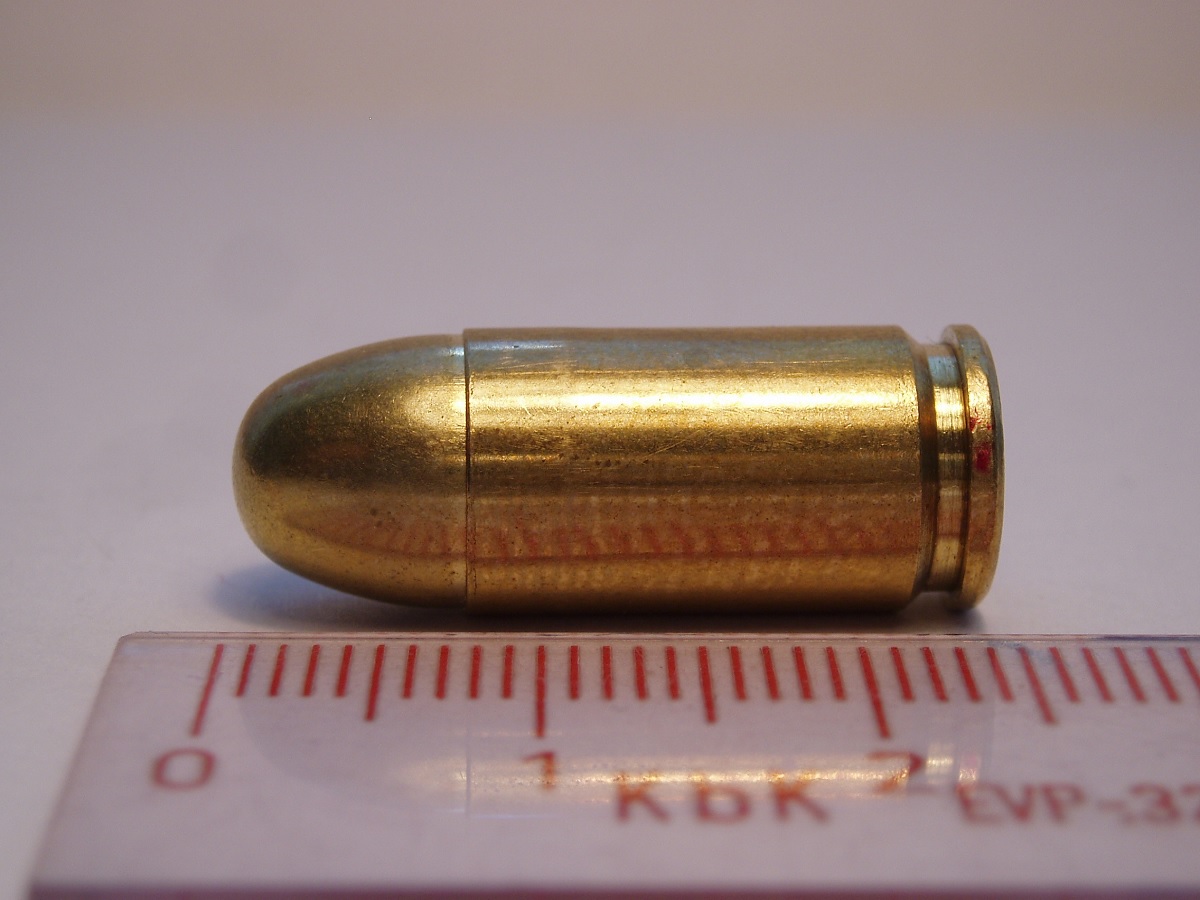
9mm ammunition is one of the most widely used handgun calibers in the United States, which is why it often faces stricter sales regulations than many rifle or shotgun rounds. Federal law, state regulations, and retailer policies usually classify 9mm ammo as handgun ammunition, leading to tighter age restrictions and verification procedures during purchases. Understanding why these rules exist helps buyers better understand the legal concerns surrounding 9mm ammunition sales.
9mm Ammo Is Commonly Used in Handguns
The main reason 9mm ammunition is treated differently comes from its strong connection to handguns. Most 9mm rounds are designed for pistols used in personal defense, law enforcement, and concealed carry applications. Because federal law places stricter age restrictions on handgun ammunition, retailers generally apply those same standards to 9mm ammo sales.
Many buyers become confused because some rifles and pistol-caliber carbines also use 9mm rounds. Despite these alternate firearm platforms, stores still classify the ammunition based on its most common use. Licensed firearm dealers usually avoid exceptions because misclassifying ammunition could create legal risks or violations during a transaction.
This classification affects younger buyers the most. Someone who can legally purchase certain long guns at 18 may still face restrictions when attempting to buy 9mm ammunition. Dealers often follow the most cautious interpretation of the law to protect their federal firearm licenses and avoid penalties related to illegal ammunition sales.
Federal Regulations Create Stricter Standards
Federal firearm laws separate handgun ammunition from rifle and shotgun ammunition during sales. Licensed dealers cannot legally sell handgun ammunition to individuals under 21 years old, which directly affects 9mm purchases in most stores. These federal rules are one of the biggest reasons why 9mm ammo receives additional scrutiny compared to other calibers.
Retailers usually require government-issued identification before approving ammunition sales. Employees are trained to verify customer age carefully because violations can lead to serious consequences for both the business and individual staff members. Firearm stores often establish detailed procedures to ensure compliance with federal regulations during every ammunition transaction.
National retail chains may also create internal policies that go beyond legal requirements. Some companies refuse to sell any handgun-caliber ammunition whenever buyer age creates uncertainty. These policies help businesses reduce liability and avoid confusion about how federal ammunition laws should be interpreted during sales.
State Laws and Retail Policies Add More Restrictions
State governments often introduce additional rules that make 9mm ammunition purchases even more regulated. Certain states require background checks, ammunition permits, or electronic verification systems before buyers can complete a purchase. These extra requirements create another layer of restrictions beyond federal firearm laws.
Online ammunition purchases may also face state-specific limitations. Some states restrict direct shipments of handgun ammunition or require delivery through licensed firearm dealers. Retailers shipping across state lines usually follow the strictest legal standard to avoid violating local regulations or shipment restrictions.
Store policies can also influence how 9mm ammunition is sold. One retailer may refuse a transaction that another store allows because company policies differ from location to location. Buyers often experience confusion when state law, federal law, and retailer rules all overlap during the purchasing process, especially for commonly regulated calibers like 9mm ammunition.
Why 9mm Ammo Is Treated Differently
9mm ammunition is one of the most widely used handgun calibers in the United States, which is why it often faces stricter sales regulations than many rifle or shotgun rounds. Federal law, state regulations, and retailer policies usually classify 9mm ammo as handgun ammunition, leading to tighter age restrictions and verification procedures during purchases. Understanding why these rules exist helps buyers better understand the legal concerns surrounding 9mm ammunition sales.
9mm Ammo Is Commonly Used in Handguns
The main reason 9mm ammunition is treated differently comes from its strong connection to handguns. Most 9mm rounds are designed for pistols used in personal defense, law enforcement, and concealed carry applications. Because federal law places stricter age restrictions on handgun ammunition, retailers generally apply those same standards to 9mm ammo sales.
Many buyers become confused because some rifles and pistol-caliber carbines also use 9mm rounds. Despite these alternate firearm platforms, stores still classify the ammunition based on its most common use. Licensed firearm dealers usually avoid exceptions because misclassifying ammunition could create legal risks or violations during a transaction.
This classification affects younger buyers the most. Someone who can legally purchase certain long guns at 18 may still face restrictions when attempting to buy 9mm ammunition. Dealers often follow the most cautious interpretation of the law to protect their federal firearm licenses and avoid penalties related to illegal ammunition sales.
Federal Regulations Create Stricter Standards
Federal firearm laws separate handgun ammunition from rifle and shotgun ammunition during sales. Licensed dealers cannot legally sell handgun ammunition to individuals under 21 years old, which directly affects 9mm purchases in most stores. These federal rules are one of the biggest reasons why 9mm ammo receives additional scrutiny compared to other calibers.
Retailers usually require government-issued identification before approving ammunition sales. Employees are trained to verify customer age carefully because violations can lead to serious consequences for both the business and individual staff members. Firearm stores often establish detailed procedures to ensure compliance with federal regulations during every ammunition transaction.
National retail chains may also create internal policies that go beyond legal requirements. Some companies refuse to sell any handgun-caliber ammunition whenever buyer age creates uncertainty. These policies help businesses reduce liability and avoid confusion about how federal ammunition laws should be interpreted during sales.
State Laws and Retail Policies Add More Restrictions
State governments often introduce additional rules that make 9mm ammunition purchases even more regulated. Certain states require background checks, ammunition permits, or electronic verification systems before buyers can complete a purchase. These extra requirements create another layer of restrictions beyond federal firearm laws.
Online ammunition purchases may also face state-specific limitations. Some states restrict direct shipments of handgun ammunition or require delivery through licensed firearm dealers. Retailers shipping across state lines usually follow the strictest legal standard to avoid violating local regulations or shipment restrictions.
Store policies can also influence how 9mm ammunition is sold. One retailer may refuse a transaction that another store allows because company policies differ from location to location. Buyers often experience confusion when state law, federal law, and retailer rules all overlap during the purchasing process, especially for commonly regulated calibers like 9mm ammunition.
FAQs
Can You Buy 9mm Ammo At 18 Under Federal Law?
Federal law generally prevents licensed firearm dealers from selling handgun ammunition to anyone under 21 years old. Since 9mm ammunition is mainly used in handguns, most stores follow this federal rule very strictly. You may still hear about exceptions, but those usually depend on state laws or specific situations.
Some retailers may ask questions about the firearm you plan to use with the ammunition. If the ammo can also be used in a rifle, a dealer may handle the sale differently. Before attempting a purchase, you should always check your local laws and store policies because regulations can vary between states and sellers.
Do State Laws Change The Age Requirement For Buying 9mm Ammo?
State laws can greatly affect whether you are allowed to buy 9mm ammo at 18. Some states follow federal standards closely, while others add stricter age limits and background check requirements. In certain locations, ammunition purchases involve additional identification checks or waiting periods.
You should never assume every state follows the same rules. A state may allow possession of ammunition at 18 but still restrict purchases from licensed dealers until age 21. Local county or city laws may also apply. Checking current regulations before buying can help you avoid legal problems and unnecessary confusion at the store.
Can You Buy 9mm Ammo Online At 18?
Online ammunition purchases usually follow the same legal age rules as in-store sales. Most online retailers require age verification before processing an order, especially for handgun ammunition like 9mm rounds. You may need to upload identification documents or confirm your age during checkout.
Shipping laws also vary depending on where you live. Some states restrict direct-to-home ammunition delivery, while others require packages to be sent to licensed dealers for pickup. Even if an online store accepts your order initially, it can still cancel the transaction after reviewing your age or local regulations. Understanding your state’s shipping laws is important before ordering online.
Why Is 9mm Ammo Restricted For Buyers Under 21?
The main reason 9mm ammunition faces stricter rules is because it is commonly associated with handguns. Federal law places tighter restrictions on handgun sales and handgun ammunition purchases compared to rifles or shotguns. Licensed dealers must follow these rules carefully to avoid serious penalties.
You may notice that some ammunition types can be purchased at 18 because they are primarily intended for long guns. However, 9mm rounds are widely recognized as handgun ammunition, which changes how stores handle sales. Retailers often apply cautious policies to avoid legal risks, even in states where certain exceptions may exist for younger buyers.
What Identification Do You Need To Buy 9mm Ammo?
Most stores require a valid government-issued photo ID before selling ammunition. Your driver’s license or state identification card is usually enough to verify your age and residency. Some states may require additional documentation depending on local ammunition laws and regulations.
Retailers carefully check identification because selling handgun ammunition to someone below the legal age can result in penalties or loss of licensing. You should make sure your identification is current and clearly shows your date of birth. Certain stores may also record ammunition transactions as part of their internal policies, especially in states with stricter firearm regulations.
Can A Private Seller Sell 9mm Ammo To Someone Who Is 18?
Private ammunition sales are handled differently depending on state laws. Federal restrictions mainly apply to licensed firearm dealers, but some states regulate private sales just as strictly. In some areas, private transactions may still require age verification or background checks.
You should not assume private sales are automatically legal at 18. A seller can still face legal consequences if the transaction violates state law. Certain states completely ban unregulated ammunition transfers between individuals. Before buying from a private seller, it is important to understand the laws in your specific location to avoid accidental violations or legal complications.
What Happens If You Try To Buy 9mm Ammo Underage?
Attempting to buy 9mm ammunition illegally can lead to serious consequences for both the buyer and the seller. Licensed dealers are trained to verify age and often refuse suspicious purchases immediately. In some situations, law enforcement may become involved if false identification or misleading information is used.
You could face fines, criminal charges, or restrictions related to future firearm ownership depending on local laws. Stores may also ban customers who attempt illegal purchases. Understanding the law before trying to buy ammunition is always the safest approach. Staying informed about federal and state regulations helps you avoid unnecessary legal trouble and protects your rights.
Final Thoughts
Understanding ammunition laws can feel confusing because federal rules, state regulations, and retailer policies often overlap. Many young firearm owners continue searching can you buy 9mm ammo at 18 because the answer changes depending on where the purchase happens and how the ammunition is classified by the seller.
Federal law generally treats 9mm rounds as handgun ammunition, which usually limits sales from licensed dealers to buyers who are at least 21 years old. Some states add even stricter rules involving permits, background checks, or additional identification requirements during ammunition purchases.
Retail store policies can also affect whether a sale is approved, even in situations where local laws appear less restrictive. Learning the details behind can you buy 9mm ammo at 18 helps buyers stay informed, avoid legal problems, and better understand the rules that apply before purchasing handgun ammunition.