Is It Legal to Transport Ammo Across State Lines? Laws, Rules, and Safe Travel Tips
Traveling with ammunition requires more than simply packing it in your vehicle. Whether you are heading to a hunting trip, a shooting competition, or relocating to another state, understanding the laws that apply to ammunition transportation is an important part of responsible firearm ownership. Knowing the legal requirements before you travel can help you avoid unnecessary complications.
Many firearm owners ask is it legal to transport ammo across state lines because state and federal regulations can vary depending on where you are traveling. While transporting ammunition is generally permitted in many situations, certain states have additional rules regarding possession, packaging, storage, and purchasing.
Properly storing ammunition during transport is just as important as understanding the law. Using secure containers, following transportation guidelines, and staying informed about local regulations can make your trip smoother and help ensure compliance throughout your journey.
This guide explains is it legal to transport ammo across state lines, covers the key federal and state considerations, outlines safe transportation practices, and highlights common mistakes to avoid before crossing state borders with ammunition.
Is It Legal to Transport Ammo Across State Lines?
Transporting ammunition across state lines is generally legal in many parts of the United States, but the rules that apply depend on federal law as well as the laws of the states you travel through and your destination. Understanding these legal requirements before your trip helps you avoid violations and ensures you transport ammunition responsibly. Taking time to prepare can make interstate travel with ammunition much smoother.
Federal Law Allows Interstate Ammo Transportation
Federal law generally does not prohibit law-abiding individuals from transporting ammunition across state lines for lawful purposes such as hunting, target shooting, relocation, or attending a shooting competition. Unlike firearms, there is no broad federal transportation law that imposes the same type of interstate travel protections specifically for ammunition alone.
Even though interstate transportation is generally permitted under federal law, you remain responsible for complying with all other applicable federal regulations. This includes restrictions related to prohibited persons, commercial transportation, and any special rules that may apply to certain types of ammunition. Understanding these basic federal requirements helps establish a solid foundation before reviewing state-specific laws.
State Laws Can Be Different
Although federal law allows many forms of interstate ammunition transportation, individual states have the authority to establish their own regulations regarding possession, transportation, purchasing, and magazine-related requirements. Some states have relatively straightforward rules, while others impose additional restrictions that travelers should understand before entering the state.
States may regulate ammunition sales, background check requirements, or the types of ammunition that may be possessed. Because these laws vary significantly across the country, reviewing the regulations for every state on your travel route is an important part of trip planning. Staying informed helps reduce the risk of unintentionally violating local laws.
Store Ammunition Safely During Travel
Proper storage plays an important role in transporting ammunition responsibly. Placing ammunition inside a secure container helps prevent damage, accidental spills, and unnecessary handling during travel. Many firearm owners choose hard-sided storage boxes specifically designed for ammunition because they provide added protection throughout the trip.
Keeping ammunition organized and separate from other equipment also improves overall safety. Secure storage reduces movement inside the vehicle and protects cartridges from moisture, excessive heat, and physical impact. Good storage practices not only support safety but also demonstrate responsible firearm ownership while traveling between states.
Know the Rules Before Crossing State Borders
Preparing for interstate travel involves more than simply packing ammunition. Reviewing the laws of your destination and every state you plan to enter helps identify any transportation, possession, or purchasing requirements that could affect your trip. Regulations can change over time, making current legal research an important part of travel preparation.
Planning ahead also allows you to organize your ammunition according to applicable legal requirements before leaving home. Maintaining awareness of changing regulations helps you travel confidently while reducing the possibility of unexpected legal issues during your journey.
Travel Responsibly With Ammunition
Responsible transportation begins with understanding both your legal obligations and safe handling practices. Carry only the ammunition you need for your intended lawful activity, keep it properly secured throughout the trip, and avoid unnecessary handling during travel. These simple practices promote safety while helping protect your ammunition from damage.
Remaining informed about federal and state laws also supports responsible firearm ownership. Checking current regulations before every interstate trip ensures you stay aware of any legal updates that may affect transportation requirements. Careful preparation allows you to travel with greater confidence while respecting the laws of each state you visit.
Federal Laws Governing Interstate Ammunition Transport
Federal law provides the general legal framework for transporting ammunition across state lines, but it does not replace state-specific regulations. While many interstate trips involving ammunition are lawful, travelers are still responsible for complying with applicable federal requirements and the laws of every state they enter. Understanding the federal rules helps you prepare for travel while reducing the risk of unintentional legal violations.
Federal Law Generally Permits Interstate Transportation
Federal law generally allows law-abiding individuals to transport ammunition across state lines for lawful purposes, such as hunting, recreational shooting, moving to a new residence, or participating in shooting competitions. Unlike commercial shipments, personal transportation of ammunition is typically subject to fewer federal restrictions when conducted in accordance with the law.
Although federal law permits many forms of interstate transportation, it does not exempt travelers from complying with other legal obligations. You remain responsible for possessing ammunition lawfully and following all applicable transportation rules throughout your trip. Understanding this distinction helps you recognize that federal permission does not automatically override state regulations.
Federal Restrictions Still Apply to Certain Individuals
Federal law prohibits certain individuals from possessing firearms or ammunition. These restrictions apply regardless of whether the ammunition is being transported within a single state or across state lines. Individuals who are prohibited under federal law may not legally possess or transport ammunition during interstate travel.
Because these restrictions are established under federal law, they apply nationwide. Anyone transporting ammunition should ensure they are legally permitted to possess it before beginning their trip. Remaining aware of these federal eligibility requirements is an essential part of responsible and lawful ammunition transportation.
Commercial Transportation Follows Different Rules
Federal regulations distinguish between personal transportation and commercial shipment of ammunition. Businesses that manufacture, distribute, or transport ammunition commercially are generally subject to additional federal requirements involving packaging, labeling, shipping documentation, and carrier regulations. These rules help promote safety throughout the transportation process.
Personal travelers transporting ammunition for lawful personal use are generally not subject to the same commercial shipping standards. However, anyone mailing or shipping ammunition through authorized carriers should understand the specific federal and carrier requirements that apply. Following the appropriate procedures helps ensure safe and lawful transportation.
Federal Law Does Not Override State Regulations
One of the most important principles to understand is that federal law does not eliminate the need to follow state laws governing ammunition. Each state may establish its own rules regarding possession, purchasing, transportation, storage, or certain ammunition types. Travelers must comply with these requirements even when federal law generally allows interstate transportation.
Because state laws differ significantly, reviewing the regulations for every state along your travel route is an important step before departure. A legal transportation method in one state may be subject to additional requirements in another. Careful planning helps reduce confusion and supports compliance throughout your journey.
Safe Transportation Supports Legal Compliance
Following safe transportation practices complements legal compliance and demonstrates responsible firearm ownership. Storing ammunition in a secure container, protecting it from excessive heat and moisture, and keeping it organized during travel all contribute to safer transportation. Proper storage also reduces the likelihood of damage while making the ammunition easier to manage during long trips.
In addition to following federal requirements, responsible travelers stay informed about current regulations before crossing state borders. Laws and administrative policies can change over time, making regular research an important part of travel preparation. Combining legal knowledge with safe handling practices provides a solid foundation for transporting ammunition responsibly across state lines.
State Laws That Can Impact Ammo Transportation
Although federal law provides general guidance for transporting ammunition, individual states have the authority to create their own regulations regarding possession, transportation, purchasing, and storage. These laws can vary significantly from one state to another, making it important to research every state you plan to enter. Understanding these differences helps you travel responsibly and remain compliant throughout your journey.
Ammunition Possession Laws Vary by State
Every state has its own approach to regulating ammunition possession. While many states allow law-abiding adults to possess and transport ammunition with few restrictions, others have additional requirements that affect who can possess ammunition and under what circumstances. These differences make it important to review the laws of both your destination and any states you pass through.
Some states also regulate certain types of ammunition or impose additional conditions related to possession. Becoming familiar with these requirements before your trip helps reduce confusion and lowers the risk of violating local laws during interstate travel.
Purchasing Requirements May Be Different
Several states have laws governing how ammunition is purchased, and these rules can indirectly affect travelers. Certain jurisdictions require background checks, identification, or other verification before ammunition can be purchased. While these regulations primarily apply to sales, understanding them can be helpful when planning a trip that may involve buying ammunition along the way.
Travelers should also remember that purchasing laws are separate from transportation rules. A state that allows you to transport ammunition may still have stricter requirements for purchasing it within its borders. Reviewing these regulations in advance can help prevent unexpected delays or complications.
Storage and Transportation Rules Can Change
States may establish specific expectations regarding how ammunition should be stored while being transported in a vehicle. Although many states do not require a particular storage method, secure storage remains a recommended practice because it promotes safety and helps protect the ammunition from damage during travel.
Some jurisdictions may also have rules related to transporting ammunition together with firearms or inside certain types of vehicles. Understanding these transportation requirements before crossing state lines helps ensure your storage methods comply with applicable laws throughout the trip.
Local Regulations May Add Additional Requirements
In addition to state laws, some cities or local jurisdictions have ordinances that affect firearm and ammunition ownership. These local rules may address possession, storage, or other legal requirements beyond statewide regulations. Travelers entering large metropolitan areas should be aware that local laws can differ from those in surrounding communities.
Checking both state and local regulations before traveling provides a more complete understanding of your legal responsibilities. Taking time to research these additional requirements helps reduce the possibility of unexpected legal issues while traveling through unfamiliar areas.
Stay Updated Before Every Trip
State ammunition laws can change through new legislation, court decisions, or administrative updates. A transportation method that complied with the law last year may be subject to different requirements today. Reviewing the latest legal information before each trip helps ensure your plans remain current and legally compliant.
Keeping yourself informed also supports responsible firearm ownership. Checking official state resources, verifying transportation requirements, and planning your route carefully allow you to travel with greater confidence while respecting the laws of every state you visit.
How to Transport Ammunition Safely and Legally
Transporting ammunition safely and legally requires more than simply placing it inside your vehicle. Proper storage, careful planning, and an understanding of applicable laws all contribute to a safe trip. Following responsible transportation practices helps protect your ammunition, reduces unnecessary risks, and supports compliance with both federal and state regulations during interstate or local travel.
Store Ammunition in a Secure Container
Keeping ammunition in a sturdy, secure container is one of the best ways to transport it safely. Hard-sided ammunition boxes or factory packaging help protect cartridges from damage caused by movement, moisture, and impact during travel. A properly closed container also prevents loose rounds from shifting around inside the vehicle.
Choose a container that keeps the ammunition organized and protected throughout the trip. Placing the container in a stable area of the vehicle reduces unnecessary movement while driving. Good storage practices help preserve the condition of the ammunition and demonstrate responsible handling.
Keep Ammunition Separate From Other Gear
Organizing your vehicle carefully can improve both safety and convenience during travel. Storing ammunition separately from other equipment helps reduce clutter and minimizes the chance of accidental damage to cartridges. It also makes locating and managing your supplies much easier whenever you reach your destination.
A clean and organized storage setup prevents unnecessary handling while traveling. Keeping ammunition in its designated container instead of mixing it with tools, camping equipment, or personal belongings helps maintain order and protects the cartridges from unnecessary wear.
Know the Laws Before You Travel
Before beginning your trip, take time to review the ammunition transportation laws for every state you plan to enter. Federal law provides general guidance, but state regulations regarding possession, transportation, and storage may differ significantly. Understanding these legal requirements helps you prepare appropriately before crossing state borders.
Checking current laws before each trip is especially important because regulations may change over time. Staying informed allows you to adjust your travel plans when necessary and helps reduce the risk of unintentionally violating state or local requirements.
Inspect Your Ammunition Before Departure
Examining your ammunition before leaving helps ensure everything is in good condition for transport. Check that cartridges are clean, dry, and free from visible damage such as dents, corrosion, or cracked cases. Properly inspecting your ammunition also gives you an opportunity to confirm that it remains stored in its original packaging or another suitable container.
A quick inspection promotes both safety and reliability during your trip. Combined with secure storage and a good understanding of transportation laws, this simple step supports responsible ammunition handling while helping you travel confidently and legally.
Special Considerations for Different Types of Ammunition
Not all ammunition is treated the same during transportation. While most common sporting ammunition can be transported lawfully by eligible individuals, certain ammunition types may be subject to additional state or local restrictions. Understanding the characteristics of the ammunition you are carrying and reviewing applicable laws before traveling helps you transport it safely and remain compliant throughout your trip.
Standard Sporting Ammunition
Standard sporting ammunition used for hunting, recreational shooting, and target practice is the most commonly transported type of ammunition. It is widely available in popular calibers and is generally intended for lawful civilian use. Even so, responsible transportation remains important to protect the ammunition from damage and to ensure it stays organized during travel.
Keeping standard ammunition in its original packaging or a durable ammunition case helps prevent moisture exposure, dents, and unnecessary movement. Proper storage also makes it easier to identify different calibers and avoid mixing cartridges. Organized transportation supports both safety and convenience during long trips.
Hollow Point Ammunition
Hollow point ammunition is commonly used for personal protection and, in some cases, hunting where permitted by law. Although it is legal in many states, some jurisdictions regulate the possession or transportation of hollow point ammunition more strictly than standard full metal jacket rounds. Travelers should understand the rules that apply before crossing state lines.
Reviewing the laws of every state along your route helps prevent unexpected legal issues. Carrying hollow point ammunition responsibly also includes storing it securely in a protective container that reduces movement and protects the cartridges from environmental conditions throughout the journey.
Hunting and Specialty Loads
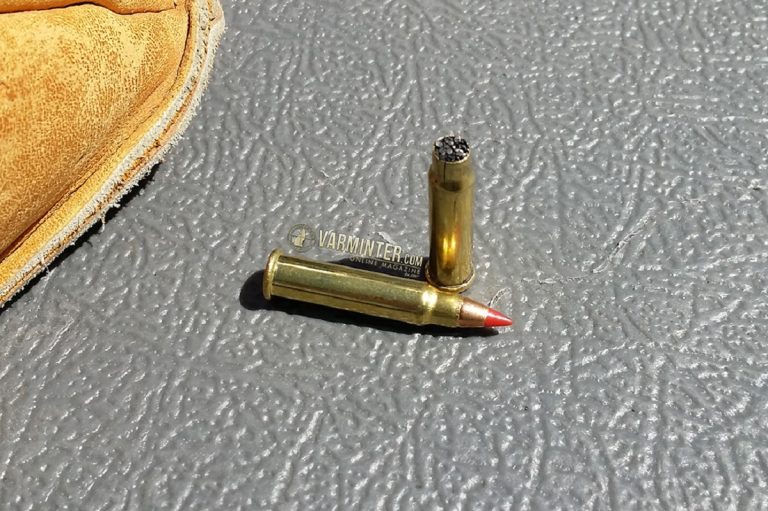
Hunters often travel with specialty ammunition designed for specific game animals or shooting purposes. These loads may include soft point, polymer-tipped, or other purpose-built bullet designs intended to improve field performance. Although they are commonly available, transportation requirements can still vary depending on state regulations.
Keeping specialty ammunition separated from other calibers helps prevent confusion during hunting trips. Clearly labeled containers also make it easier to identify the correct ammunition when preparing for different hunting situations. Proper organization reduces unnecessary handling while supporting safe and responsible transportation.
Check State Restrictions Before Traveling
Some states regulate particular ammunition types more closely than others. Restrictions may apply to possession, transportation, or the sale of certain cartridges, depending on local laws. These rules vary widely, making research an essential part of trip planning for anyone traveling across state lines with ammunition.
Checking official state resources before departure helps ensure you understand the legal requirements for every location on your route. Staying informed about current regulations reduces the likelihood of unintentional violations and allows you to make adjustments before beginning your trip.
Protect Ammunition From Environmental Conditions
Different types of ammunition benefit from the same careful storage practices during transportation. Excessive heat, humidity, and moisture can affect ammunition over time, making protective storage important regardless of the caliber or bullet design. Using a sturdy ammunition container helps shield cartridges from changing environmental conditions while traveling.
Storing ammunition in a cool, dry area of the vehicle also helps preserve its condition throughout the trip. Regularly inspecting containers for signs of moisture or physical damage further supports reliable performance and responsible ammunition management during interstate travel.
FAQs
Is It Legal To Transport Ammo Across State Lines?
Yes, it is generally legal for law-abiding individuals to transport ammunition across state lines for lawful purposes, such as hunting, target shooting, moving, or attending a shooting competition. However, federal law is only part of the legal framework, and state laws can impose additional restrictions that you must follow.
Before traveling, you should review the laws of every state on your route and at your destination. Understanding both federal and state requirements helps you transport ammunition responsibly while reducing the risk of violating local regulations.
Do All States Have The Same Ammunition Transportation Laws?
No, ammunition transportation laws vary from state to state. While many states allow eligible individuals to transport ammunition with relatively few restrictions, others have specific rules regarding possession, storage, purchasing, or certain types of ammunition.
You should never assume that the laws in one state apply to another. Checking the latest regulations before your trip helps you prepare properly and ensures you remain compliant as you cross state borders.
How Should You Store Ammunition While Traveling?
You should store ammunition in a sturdy, secure container that protects it from moisture, impact, and unnecessary movement during travel. Keeping ammunition in its original factory packaging or a dedicated ammunition case also makes it easier to identify different calibers and maintain organization.
Placing the container in a stable location inside your vehicle helps prevent shifting while driving. Proper storage promotes safety, protects the ammunition from damage, and demonstrates responsible transportation practices throughout your journey.
Can You Transport Firearms And Ammunition Together?
In many situations, you can legally transport firearms and ammunition together, provided you comply with all applicable federal, state, and local laws. Transportation requirements vary by jurisdiction, and some states have specific rules regarding how firearms and ammunition should be stored while traveling.
To reduce potential legal issues, you should review the laws for every state you plan to enter. Using secure storage methods and following all applicable regulations helps ensure safe and lawful transportation during interstate travel.
Are There Restrictions On Certain Types Of Ammunition?
Yes, some states regulate specific types of ammunition more strictly than others. While common sporting ammunition is generally legal for eligible individuals to possess and transport, certain jurisdictions have additional rules regarding particular ammunition types or their sale and possession.
Before traveling, you should verify whether the ammunition you plan to carry is subject to any restrictions in the states along your route. Researching current laws in advance helps you avoid unexpected legal complications and supports responsible firearm ownership.
What Should You Do Before Transporting Ammo Across State Lines?
Before beginning your trip, you should research the current ammunition laws for every state you plan to travel through. Confirm that you are legally allowed to possess the ammunition, pack it securely in a suitable container, and organize it properly to prevent unnecessary movement during transport.
It is also a good idea to inspect your ammunition for signs of damage and ensure it is protected from heat and moisture. Careful planning and staying informed about changing regulations help you travel confidently while following the law.
Final Thoughts
Traveling with ammunition requires more than simply packing it in your vehicle. Although federal law may permit interstate transportation in many situations, individual state and local laws can impose additional requirements. If you are wondering is it legal to transport ammo across state lines, the answer depends on where you are traveling and whether you comply with all applicable regulations.
Taking time to research the laws in every state along your route can help you avoid unnecessary legal issues. Keeping ammunition properly stored, securely packaged, and separate from firearms when appropriate is a practical way to travel responsibly while reducing potential risks.
Staying informed before every trip is the best way to protect yourself and remain compliant with the law. Understanding is it legal to transport ammo across state lines allows you to travel with greater confidence, avoid common mistakes, and ensure your ammunition is transported safely and legally from one state to another.