Fireproof Gun Safe Guide – How to Choose the Best Protection for Your Firearms
Protecting firearms from theft is important, but safeguarding them from fire is just as essential. A quality gun safe can help preserve firearms, important documents, and valuable accessories during unexpected emergencies. Choosing the right safe starts with understanding the features that provide reliable protection and long-term durability.
Many firearm owners search for a fireproof gun safe guide to learn how fire ratings, insulation, locking systems, and construction materials affect overall performance. Knowing what these features mean makes it easier to compare different models and select one that fits your storage needs.
Not every gun safe offers the same level of fire resistance, and manufacturers often use different testing standards and protection ratings. Understanding these differences helps you make informed decisions instead of relying solely on marketing claims or advertised fire protection times.
This fireproof gun safe guide explains the essential features to look for, how fire ratings work, common safe materials, and practical tips for selecting a gun safe that offers dependable protection for your firearms and other valuable belongings.
Fireproof Gun Safe Guide
Choosing a fireproof gun safe involves more than comparing prices or storage capacity. Fire resistance, construction quality, locking mechanisms, and certification standards all contribute to the level of protection a safe provides. Understanding these key factors helps you invest in a model that protects your firearms and valuables during emergencies while offering reliable long-term security.
Key Features to Look for in a Fireproof Gun Safe
A high-quality fireproof gun safe begins with durable steel construction. Thick steel walls and reinforced doors provide strong resistance against forced entry while supporting the safe’s overall structural integrity during high temperatures. Although thicker steel often increases the safe’s weight and cost, it generally offers better protection against both theft attempts and fire-related damage.
Fire insulation is another essential feature to evaluate. Many manufacturers use layers of fire-resistant materials inside the safe walls and door to slow heat transfer during a fire. These insulating materials help keep the interior temperature lower for a specified period, reducing the risk of damage to firearms, important documents, and other valuable items stored inside. Comparing fire ratings and testing methods helps you understand how long the safe is designed to withstand extreme heat.
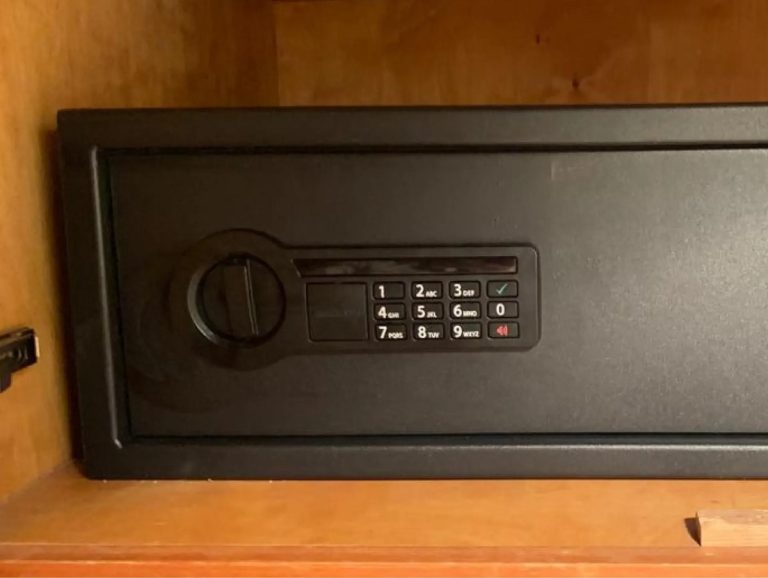
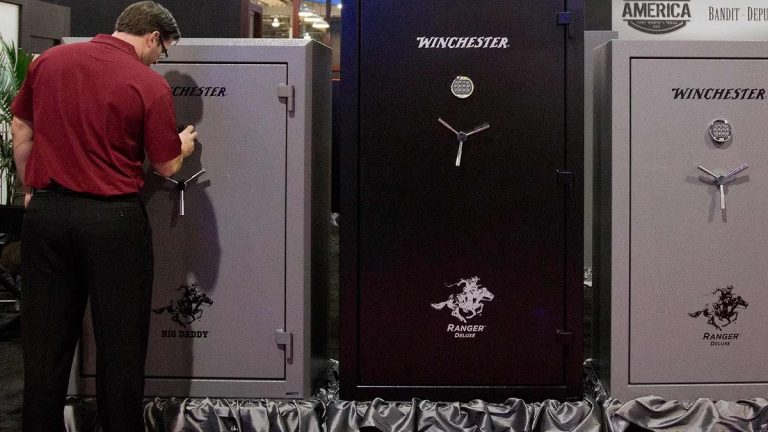
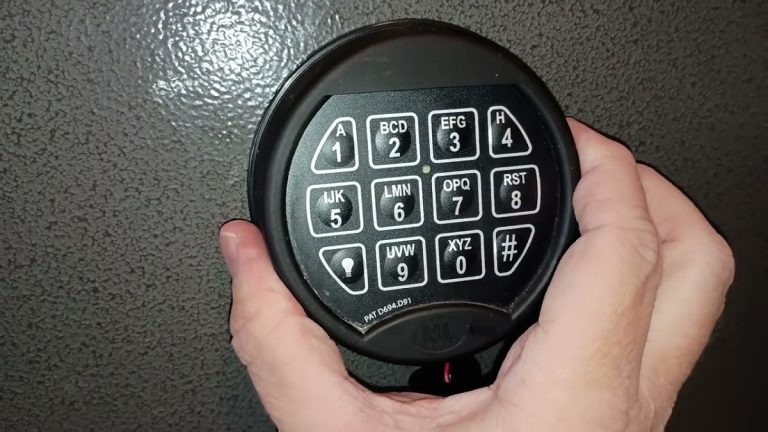
The locking system also plays an important role in both security and convenience. Fireproof gun safes commonly feature electronic keypad locks, mechanical combination locks, or biometric fingerprint systems. Each option offers unique advantages depending on your preferences for speed, reliability, and ease of access. Many premium models also include reinforced locking bolts that secure the door from multiple directions for added protection.
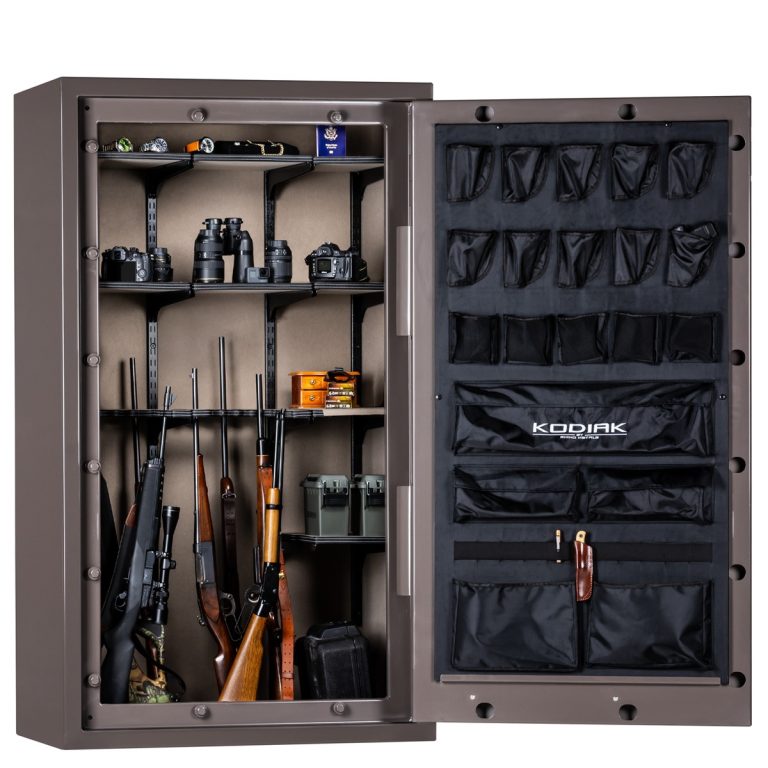
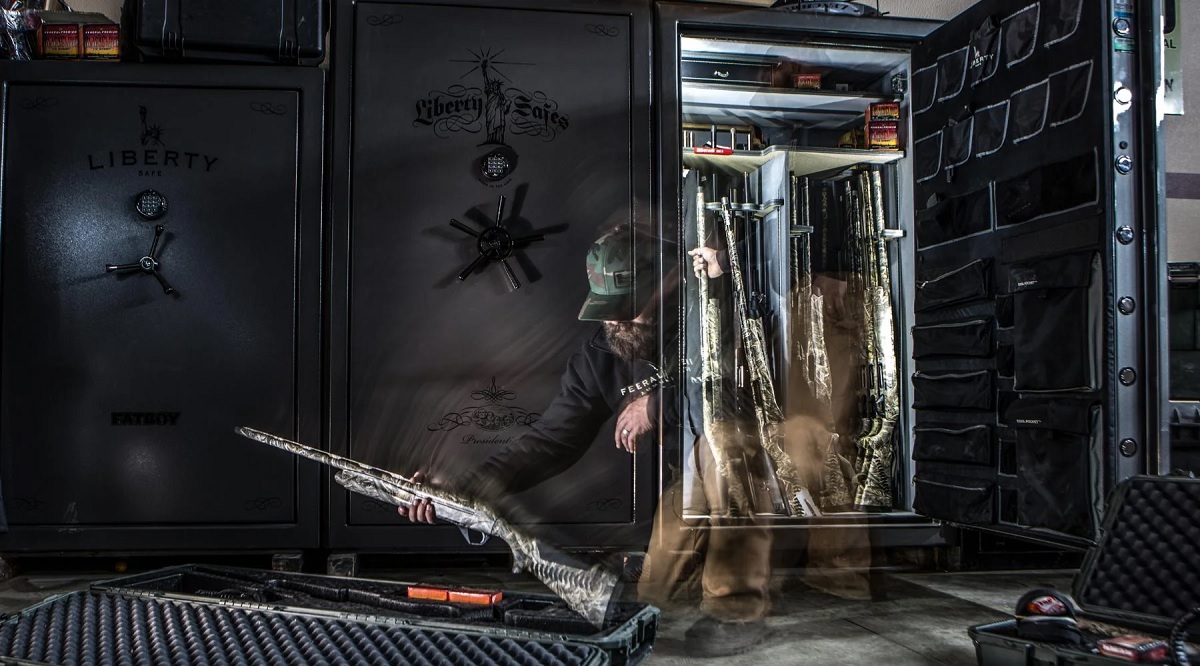
Interior organization should not be overlooked when selecting a fireproof gun safe. Adjustable shelving, soft barrel rests, handgun racks, and document compartments help maximize storage while protecting firearms from scratches and unnecessary movement. A well-designed interior allows you to store rifles, handguns, ammunition, and important paperwork in an organized manner, making the safe both secure and practical for everyday use.
Understanding Fire Ratings and Certification Standards
Fire ratings are among the most important specifications when comparing gun safes. These ratings indicate how long a safe is designed to protect its contents while exposed to high temperatures during a fire. Common ratings range from 30 minutes to two hours or more, depending on the safe’s construction and testing standards. A longer fire rating generally provides additional protection during prolonged fire emergencies.
Not all manufacturers use the same testing procedures to establish fire ratings. Some companies conduct independent laboratory testing, while others perform in-house evaluations using their own methods. Understanding who performed the testing and how the safe earned its rating can help you compare products more accurately and avoid relying solely on advertising claims.
Temperature limits are another important consideration because different items inside the safe have varying levels of heat resistance. Firearms may tolerate higher temperatures than paper documents, electronic storage devices, or photographs. Choosing a safe with an appropriate fire rating helps protect a wider range of valuable belongings during an emergency rather than focusing only on firearm storage.
In addition to fire protection, many fireproof gun safes are designed to withstand water exposure resulting from firefighting efforts. Features such as sealed door edges and durable construction help reduce moisture intrusion after a fire. Evaluating both fire resistance and water protection provides a more complete understanding of how well a safe can protect your valuables during unexpected disasters.
Choosing the Right Fire Rating
Selecting the appropriate fire rating is one of the most important decisions when buying a gun safe. A fire rating indicates how long the safe is designed to protect its contents under high temperatures. Understanding what these ratings mean and how they relate to your storage needs helps you choose a safe that offers dependable protection during a fire.
How to Match a Fire Rating to Your Storage Needs
Fire ratings are typically expressed as a length of time, such as 30 minutes, 60 minutes, 90 minutes, or 120 minutes, at a specified temperature. These ratings estimate how long the safe can maintain an interior temperature that helps protect its contents during a fire. While a longer rating generally provides greater protection, it is important to evaluate the rating alongside the testing standards used by the manufacturer.
The type of items stored inside the safe should also influence your decision. A safe used only for firearms may have different requirements than one storing passports, birth certificates, legal documents, cash, or digital media. Paper documents, electronic devices, and storage drives often require lower internal temperatures than firearms to avoid permanent damage. Choosing a fire rating that reflects everything stored inside the safe provides broader protection during an emergency.
The location of the safe within your home can also affect the level of fire resistance you need. A safe installed in a detached garage, basement, or interior room may face different fire conditions than one placed on an upper floor. Areas with greater exposure to heat or longer emergency response times may benefit from a higher fire rating to provide additional protection while firefighters work to control the fire.
It is also helpful to think about your future storage needs rather than only your current collection. Purchasing a safe with a higher fire rating today can offer added peace of mind as you acquire more firearms, important documents, and valuable belongings over time. Investing in additional protection early may eliminate the need for upgrading to a larger or better-protected safe later.
Understanding Fire Rating Tests and Manufacturer Claims
Not every fire rating is established using the same testing process. Some manufacturers submit their safes to independent laboratories for standardized testing, while others rely on in-house evaluations. Independent certifications generally provide greater confidence because they follow recognized testing procedures and produce consistent results that can be compared across different brands.
Testing methods often expose the safe to controlled temperatures for a specified period while monitoring the internal temperature. The goal is to determine whether the interior remains below levels that could damage the contents. Understanding how the rating was earned allows buyers to evaluate the level of protection more accurately instead of relying only on marketing materials or product labels.
Manufacturer claims should always be reviewed carefully. Two safes may advertise the same fire rating but use different insulation materials, construction methods, or testing standards. Looking beyond the advertised time and reviewing available certification details provides a clearer picture of how the safe is expected to perform during an actual fire.
In addition to the fire rating itself, consider other protective features that complement fire resistance. Reinforced steel construction, quality door seals, strong locking mechanisms, and water-resistant designs all contribute to the overall ability of a gun safe to protect your firearms and valuables during emergencies. Evaluating these features together helps you make a more informed purchasing decision.
Selecting the Right Size and Capacity
Choosing the right size and capacity is just as important as selecting a gun safe with a strong fire rating. A safe that is too small can quickly become overcrowded, while one that is excessively large may take up unnecessary space. Evaluating your current collection and future storage needs helps you invest in a fireproof gun safe that remains practical for years.
How to Determine the Ideal Safe Capacity
Start by taking inventory of everything you plan to store inside the safe. In addition to rifles and handguns, consider magazines, ammunition, important documents, jewelry, cash, and other valuable items. Many buyers focus only on firearms and later discover they need additional room for accessories and personal belongings. Planning for all intended contents helps you select a safe with enough usable storage space.
Keep in mind that the advertised firearm capacity is often based on tightly arranged firearms without optics, slings, or other accessories. Rifles equipped with scopes, bipods, or larger stocks require more room than standard models. Choosing a safe with extra capacity allows for easier organization and reduces the risk of scratches or damage caused by overcrowding.
Future expansion is another factor worth considering. Many firearm owners gradually add to their collection over time, making a larger safe a practical long-term investment. Buying a model with additional storage capacity now can eliminate the expense and inconvenience of replacing an undersized safe later.
Interior Layout and Storage Organization
A well-designed interior makes it easier to store firearms safely while keeping accessories organized. Adjustable shelving allows you to customize the layout for rifles, handguns, ammunition, and other valuables. Many fireproof gun safes also include removable shelves, handgun pockets, and document organizers that improve storage flexibility and maximize available space.
The overall dimensions of the safe should also match the location where it will be installed. Measure the available floor space, ceiling height, and doorways before making a purchase to ensure the safe can be delivered and positioned without difficulty. Proper planning helps avoid installation problems and ensures the safe fits comfortably within your chosen room.
Finally, consider the weight of the safe along with its storage capacity. Larger fireproof gun safes provide more room and often include heavier steel construction and thicker insulation, but they also require a solid installation surface. Selecting the right balance of size, capacity, and placement creates a storage solution that protects your firearms while remaining convenient and organized for everyday use.
Construction Features
The overall construction of a fireproof gun safe determines how well it protects firearms, valuables, and important documents from both theft and fire. High-quality materials, reinforced components, and advanced insulation work together to improve durability and long-term performance. Understanding the most important construction features makes it easier to compare different models and choose a safe that offers dependable protection for your investment.
Steel Thickness and Body Construction
The steel used in a gun safe is one of its most important security features. Safes built with thicker steel generally provide greater resistance against cutting, drilling, and forced-entry attempts. A strong steel body also helps the safe maintain its structural integrity during extreme heat, reducing the chance of warping or damage caused by a fire.
Many manufacturers use reinforced steel panels to strengthen the safe’s walls and improve overall durability. While thicker steel often increases the weight of the safe, it also provides greater stability and makes unauthorized removal much more difficult. Comparing steel gauge and construction quality is an important step when selecting a fireproof gun safe.
Door Design and Locking Bolts
A reinforced door is essential for both security and fire protection. High-quality gun safes often feature thick steel doors supported by multiple locking bolts that engage from several sides. This design distributes pressure evenly across the door and increases resistance to prying or forced entry.
Many premium safes also include pry-resistant edges and reinforced hinges that strengthen the door without affecting everyday operation. During a fire, a properly constructed door works with the insulation and door seals to reduce heat entering the interior. Choosing a safe with a strong locking system and reinforced door construction adds another layer of protection for your firearms and valuables.
Fire Insulation and Heat Protection
Fire insulation is responsible for slowing the transfer of heat into the safe during a fire. Manufacturers commonly install multiple layers of fire-resistant materials inside the walls, ceiling, floor, and door to help maintain a lower interior temperature for a specified period. Better insulation generally results in improved fire performance.
Many fireproof gun safes also use expanding heat seals around the door. These seals expand when exposed to high temperatures, helping block heat, smoke, and debris from entering the safe. Combining quality insulation with effective door seals improves the safe’s overall ability to protect its contents throughout a fire emergency.
Interior Construction and Protective Features
The interior design of a fireproof gun safe contributes to both organization and firearm protection. Adjustable shelves, barrel supports, and soft interior linings help prevent scratches while allowing you to customize the storage layout. Many models also include compartments for documents, handguns, and other valuable items.
Some safes feature moisture-control ports, interior lighting, and anchor bolt holes as part of their construction. These additions improve convenience while supporting long-term firearm storage. Selecting a safe with a durable interior and practical storage features ensures your firearms remain organized, protected, and easily accessible whenever needed.
Security Features Beyond Fire Protection
While fire resistance is an important feature, a quality gun safe should also provide strong protection against theft and unauthorized access. Modern fireproof gun safes combine advanced locking systems, reinforced construction, and additional security features to safeguard firearms and valuables. Evaluating these features alongside the fire rating helps you choose a safe that offers complete protection in a variety of situations.
Advanced Locking Systems
The locking mechanism is one of the first features to evaluate when choosing a fireproof gun safe. Many modern safes are available with electronic keypad locks, mechanical combination locks, or biometric fingerprint scanners. Each option provides a different balance of convenience, speed, and reliability based on your preferences and storage needs.
Electronic locks offer quick access through a personalized code, while mechanical combination locks are valued for their long-term durability and minimal maintenance requirements. Biometric systems provide fast entry by recognizing authorized fingerprints, making them a popular choice for owners who want immediate access while maintaining a high level of security.
Reinforced Locking Bolts and Anti-Pry Design
A secure locking system works best when combined with strong physical construction. Many fireproof gun safes use multiple steel locking bolts that extend into the safe body from several directions. This design distributes force across the door and makes unauthorized entry significantly more difficult than single-bolt systems.
Many premium models also include pry-resistant door edges and reinforced hinge areas to reduce weak points that burglars often target. Some safes feature internal hinges, while others use protected external hinges that allow the door to open wider without sacrificing security. These construction features create additional barriers against forced-entry attempts.
Anchor Points and Theft Protection
Even a well-built safe becomes more secure when it is properly installed. Most fireproof gun safes include pre-drilled anchor holes that allow the safe to be bolted securely to a concrete floor or another solid surface. Anchoring prevents thieves from removing the entire safe and attempting to open it elsewhere.
The overall weight of the safe also contributes to theft resistance. Larger safes with heavy steel construction are naturally more difficult to move, especially when anchored correctly. Combining secure installation with reinforced construction provides a much higher level of protection than relying on the safe’s weight alone.
Additional Security Features
Many modern gun safes include extra features that improve both security and convenience. Interior lighting makes it easier to locate firearms and valuables in low-light conditions, while tamper alerts and incorrect-code lockout functions provide additional protection against unauthorized access. These features help improve everyday usability without compromising security.
Some models also include humidity control ports, adjustable shelving, and separate lockable compartments for documents or handguns. Although these additions do not directly prevent theft, they improve firearm storage and help protect valuable items from moisture and everyday wear. Together, these features create a more complete security solution beyond basic fire protection.
People Also Asked
What Is A Fireproof Gun Safe Guide?
A fireproof gun safe guide helps you understand the essential features to consider before purchasing a gun safe with fire-resistant protection. It explains how fire ratings, steel construction, locking systems, insulation, and storage capacity affect the overall performance of a safe. Learning these basics allows you to compare different models with confidence.
Using a guide also helps you avoid relying only on marketing claims. You can evaluate real specifications, choose a safe that fits your firearm collection, and invest in long-term protection for firearms, important documents, and other valuables.
How Long Can A Fireproof Gun Safe Withstand A Fire?
The amount of time a fireproof gun safe can withstand a fire depends on its fire rating and construction. Common ratings range from 30 minutes to two hours or more at specified temperatures. A higher fire rating generally provides more protection during extended fire emergencies.
You should remember that no safe is completely fireproof under every condition. Choosing a safe with an independently tested fire rating, quality insulation, and strong door seals gives your firearms and valuables a better chance of remaining protected during a house fire.
What Fire Rating Should You Choose For A Gun Safe?
The right fire rating depends on what you plan to store and where the safe will be located. A higher-rated safe offers additional protection for firearms, important paperwork, jewelry, and electronic storage devices. Homes in areas with longer emergency response times may also benefit from longer fire ratings.
You should also consider your future storage needs. Investing in a safe with a higher fire rating today can provide greater peace of mind and reduce the need to replace the safe as your firearm collection and valuable belongings grow.
Are Fireproof Gun Safes Also Waterproof?
Many fireproof gun safes include water-resistant features, but not every model is fully waterproof. Some safes are designed with expanding door seals that help reduce water intrusion during firefighting efforts or minor flooding. Others provide limited protection against moisture rather than complete waterproof performance.
You should carefully review the manufacturer’s specifications before purchasing. Choosing a safe that offers both fire resistance and water protection provides more complete security for firearms, documents, cash, and other valuable possessions during unexpected emergencies.
How Big Should Your Fireproof Gun Safe Be?
Your gun safe should be large enough to store your current firearms while leaving extra room for future purchases and accessories. Besides rifles and handguns, you may also want to store magazines, ammunition, documents, jewelry, and other valuables inside the safe.
Many advertised firearm capacities assume tightly packed firearms without scopes or accessories. Choosing a slightly larger safe makes organization easier, protects firearms from scratches, and provides additional storage flexibility for years to come.
Which Lock Type Is Best For A Fireproof Gun Safe?
The best lock depends on your personal preferences and how you plan to access the safe. Electronic keypad locks provide quick entry, mechanical combination locks offer proven reliability, and biometric fingerprint locks allow fast access without remembering a code.
You should compare convenience, maintenance, battery requirements, and long-term durability before making a decision. Selecting a quality locking system from a reputable manufacturer improves both security and everyday usability while protecting your firearms from unauthorized access.
How Can You Maintain A Fireproof Gun Safe?
Regular maintenance helps keep your fireproof gun safe functioning properly for many years. You should inspect the locking mechanism, clean the exterior, check door seals, and ensure mounting hardware remains secure. Periodically replacing batteries in electronic locks also helps prevent unexpected access issues.
The interior should remain clean and dry to protect firearms from moisture and corrosion. Using a dehumidifier or moisture-absorbing products, organizing the contents properly, and inspecting the safe regularly will help preserve both the safe and everything stored inside it.
Final Words
Choosing the right gun safe means looking beyond storage capacity and focusing on fire resistance, security features, construction quality, and long-term reliability. A well-built safe helps protect your firearms, important documents, and other valuables from both fire damage and unauthorized access. Following a Fireproof Gun Safe Guide makes it easier to compare options and invest in a model that fits your specific needs.
As you evaluate different safes, pay close attention to fire ratings, locking mechanisms, interior organization, and proper installation. Taking the time to select the right safe today can provide years of dependable protection and greater peace of mind.
By using this Fireproof Gun Safe Guide, you can make a more informed buying decision and avoid common mistakes. The right safe, combined with regular maintenance and proper placement, will help ensure your firearms remain secure and protected for years to come.