How to Use Glock Speed Loader – Easy Steps for Faster Magazine Loading
Loading a pistol magazine can feel difficult and tiring, especially when the spring is stiff or you need to load multiple rounds. A Glock speed loader is designed to make the process easier by helping you compress the magazine spring while loading compatible ammunition.
Learning how to use glock speed loader begins with understanding the correct loader and magazine for your firearm. Always work in a safe area, keep the firearm unloaded and pointed in a safe direction, and follow the manufacturer’s instructions and all applicable laws.
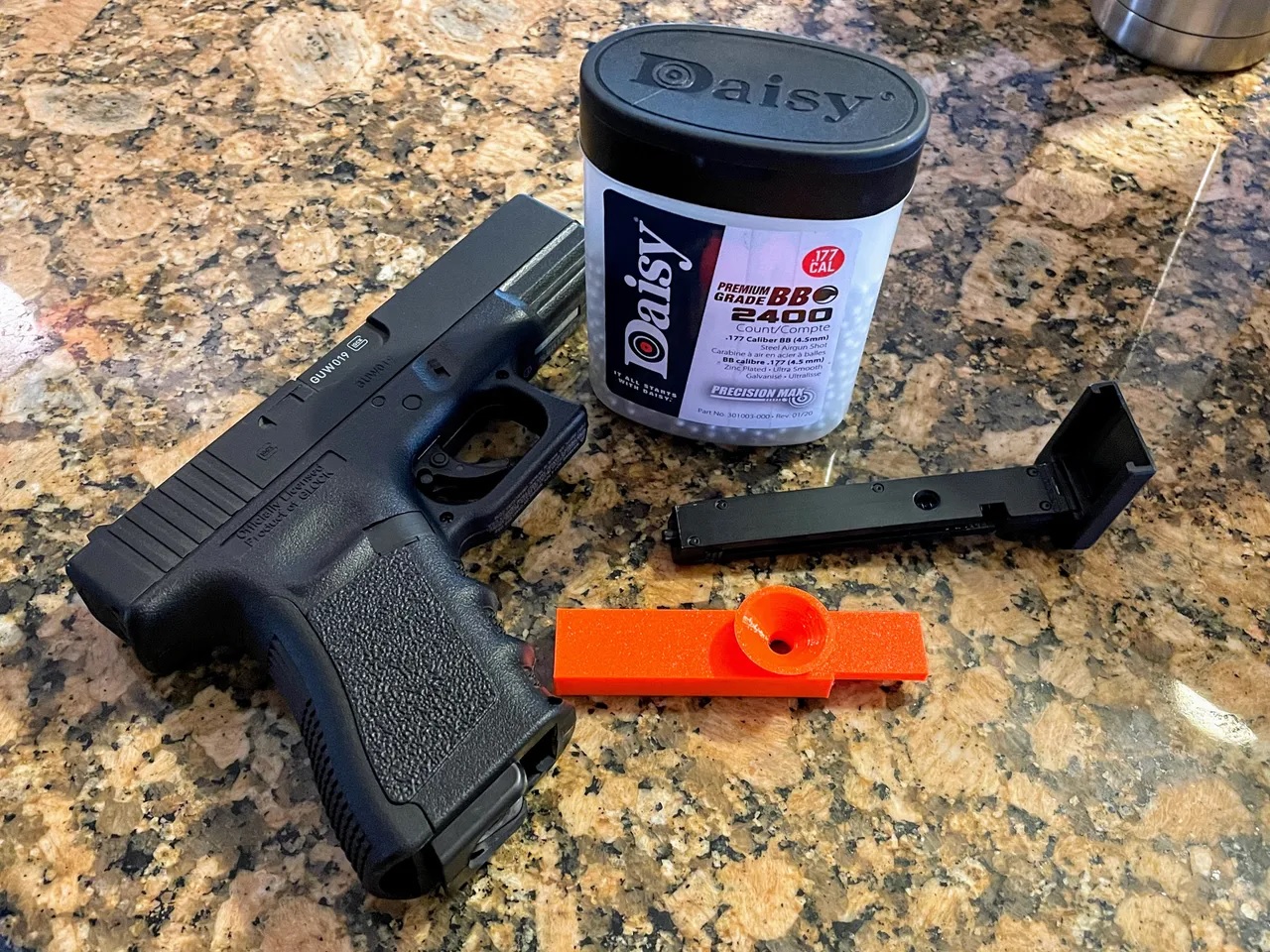
The loader is typically placed over the magazine so pressure can be applied to the follower or top round area. This can create enough space to insert the next cartridge without using excessive force.
Take your time and avoid forcing any component that does not fit properly. Using compatible equipment and following proper firearm safety practices can help you handle the loading process more safely and efficiently.
Follow Basic Firearm Safety Before Loading
Before loading any firearm magazine, following basic safety practices is essential. Proper handling helps reduce the risk of an accidental discharge or other dangerous mistakes. A speed loader can make magazine loading easier, but it does not replace responsible firearm handling. Always use compatible equipment, follow the firearm manufacturer’s instructions, and comply with applicable local laws and safety requirements.
Keep the Firearm Unloaded During Magazine Loading
Before handling the magazine or speed loader, make sure the firearm is unloaded and kept separate from the loading area. Follow the manufacturer’s unloading procedure and treat the firearm with the same level of care at all times.
Keep the firearm pointed in a safe direction while checking its condition. Do not rely only on assumptions about whether it is loaded, and avoid unnecessary handling while preparing the magazine.
Magazine loading should take place in a controlled environment with minimal distractions. Keeping the firearm separate while using the speed loader can help you focus on the magazine and ammunition without creating unnecessary risks.
Keep Your Finger Away From the Trigger
Your finger should remain outside the trigger guard and away from the trigger while handling a firearm. This basic safety practice helps reduce the risk of unintentionally activating the trigger during loading, unloading, or other handling.
Maintain awareness of where the firearm is positioned, even when you believe it is unloaded. Safe firearm handling should remain consistent throughout the entire process rather than changing based on your assumptions.
When preparing to use a speed loader, focus on handling only the magazine and compatible ammunition. Avoid placing unnecessary items in the workspace that could create distractions or interfere with safe firearm handling.
Use the Correct Ammunition and Compatible Equipment
Always use ammunition that is specifically appropriate for your firearm and magazine according to the manufacturer’s instructions. Using incorrect or incompatible ammunition can create serious safety and performance problems.
Check the speed loader as well to make sure it is designed for the particular magazine or compatible model you are using. Do not force ammunition or equipment into place when something does not fit correctly.
Inspect the magazine and loader for visible damage before use. Cracks, excessive wear, or damaged components can affect normal operation, so follow the manufacturer’s guidance regarding maintenance, replacement, or professional inspection.
Maintain a Safe and Controlled Loading Area
Choose a clean and stable location where you can handle the magazine and ammunition without unnecessary interruptions. Keep children, unauthorized individuals, and distractions away from the area while you prepare your equipment.
Avoid rushing through the loading process. Take time to follow the manufacturer’s instructions and stop when you notice damaged equipment, incorrect ammunition, or any other condition that creates uncertainty.
Once the magazine is loaded, store or handle the firearm and ammunition according to applicable laws and established firearm safety practices. Maintaining a controlled environment supports responsible handling before, during, and after using a Glock speed loader.
Position the Glock Speed Loader Correctly
Correct positioning helps the speed loader work with the magazine as intended and reduces unnecessary force during handling. Before starting, confirm that the loader is compatible with the magazine and that both components are clean and undamaged. Keep the firearm unloaded and separate from the workspace while following the manufacturer’s instructions for the specific loader you are using.
Check the Loader Orientation Before Placement
Start by examining the shape and opening of the speed loader so you understand how it is designed to sit on the magazine. The loader should be oriented according to the manufacturer’s instructions rather than forced into position.
Place the magazine on a stable surface or hold it securely while preparing the loader. Keep your hands clear of any moving parts and avoid using excessive pressure when positioning the device.
Before continuing, check that the loader sits evenly and does not appear tilted or loosely attached. A correct starting position can help prevent unnecessary movement and reduce the chance of damaging the loader or magazine during use.
Align the Loader With the Top of the Magazine
The speed loader is generally designed to fit over the upper portion of a compatible magazine. Align it carefully with the magazine opening and make sure the device is positioned as recommended for that particular model.
Avoid pushing the loader at an angle or attempting to force it over components that do not align correctly. An improper fit may indicate that the loader or magazine is not compatible or that one of the components is damaged.
Take a moment to confirm the fit before applying pressure. Proper alignment helps the loader operate as intended and can make the overall magazine-loading process more controlled and manageable.
Keep the Magazine Stable During Positioning
Hold the magazine securely while placing the speed loader so it does not slip, rotate, or fall during handling. A stable position can make it easier to check the alignment of the components without unnecessary movement.
Choose a clean and stable workspace with enough room to handle the equipment comfortably. Avoid balancing the magazine on an uneven surface or working in an area with unnecessary distractions.
Do not rush the positioning process. Taking a few seconds to stabilize the magazine and check the loader can help you avoid forcing incompatible components together or damaging equipment through careless handling.
Confirm the Fit Before Continuing
Once the speed loader is positioned, inspect the connection and make sure it is sitting as intended. The loader should not require excessive force simply to reach its correct position on a compatible magazine.
Check the manufacturer’s instructions when you are uncertain about the correct orientation or fit. Different loader designs may operate differently, so instructions for one model may not apply to another.
Stop using the equipment when the loader does not fit correctly, appears damaged, or behaves unexpectedly. Confirming proper positioning before continuing supports safer handling and helps protect the magazine and speed loader from unnecessary wear.
Load Ammunition Into the Magazine
Loading ammunition into a magazine requires attention, compatible equipment, and consistent firearm safety practices. A Glock speed loader can reduce the effort involved, but you should always follow the instructions provided by the firearm and loader manufacturers. Keep the firearm unloaded and separate from the workspace while handling the magazine and ammunition.
Confirm You Have the Correct Ammunition
Before handling any ammunition, check that it matches the caliber and specifications listed by the firearm manufacturer. Review the markings on both the ammunition packaging and the firearm documentation to avoid mixing incompatible cartridges.
Inspect each cartridge for visible damage, corrosion, deformation, or other unusual conditions. Set aside any ammunition that appears questionable rather than attempting to use it.
Keep different types of ammunition separated and organized on a stable surface. Taking time to confirm compatibility before loading helps reduce confusion and supports more careful, responsible handling throughout the process.
Follow the Manufacturer’s Loading Instructions
Use the Glock speed loader and magazine according to the instructions provided for your specific model. Compatible loaders are designed to assist with magazine loading, but different products may have unique operating requirements.
Avoid forcing the loader, magazine, or ammunition when the components do not fit or move as expected. Excessive pressure can damage the equipment or indicate that the components are incompatible.
Work slowly and pay attention to the condition of the magazine throughout the process. Following the manufacturer-approved procedure helps ensure that the equipment is handled as intended without relying on guesswork or unsuitable techniques.
Keep the Magazine Stable During Loading
A stable workspace can make magazine handling more controlled and reduce unnecessary movement. Hold or position the magazine securely according to the manufacturer’s guidance while keeping the loader properly aligned.
Avoid rushing or working on an unstable surface where the magazine or ammunition could fall. Keep the surrounding area free from clutter, distractions, and unauthorized individuals.
Maintain control of each component throughout the process. A careful and organized approach can help prevent accidental drops, equipment damage, or confusion between different types of ammunition and accessories.
Check the Magazine Before Finishing
After loading, visually inspect the magazine for anything unusual, such as visible damage or components that do not appear to be positioned normally. Do not force any part of the magazine when something seems incorrect.
Follow the manufacturer’s capacity guidance and avoid attempting to exceed the magazine’s intended limits. Proper storage and handling remain important after the loading process is complete.
Keep the firearm unloaded and separate until you are ready to use it in a lawful and appropriate setting. Store firearms and ammunition securely and prevent unauthorized access, especially around children or other untrained individuals.
Continue Loading the Magazine Safely
Continuing to load a magazine requires patience, attention, and consistent safety awareness. As you add more cartridges, the spring tension may increase, making the process feel more difficult. A compatible speed loader can help reduce the effort, but proper handling and manufacturer instructions remain essential. Keep the firearm unloaded and separate while working with the magazine and ammunition.
Maintain Control of the Magazine and Loader
Keep the magazine stable while continuing the loading process. A secure grip or stable working surface can help prevent unnecessary slipping, dropping, or sudden movement while handling the magazine and compatible speed loader.
Check the position of the loader regularly to make sure it remains properly aligned with the magazine. Avoid applying excessive force when the components do not move as expected, as this may indicate a compatibility or equipment problem.
Work at a steady pace instead of rushing through the remaining rounds. Maintaining control over the magazine, loader, and ammunition can help you stay organized and notice unusual problems before continuing.
Follow the Correct Capacity for Your Magazine
Every magazine has an intended capacity based on its specific design. Check the manufacturer’s information and follow the applicable capacity requirements for your magazine rather than attempting to force additional ammunition into it.
As the magazine becomes fuller, increased resistance may occur. Do not use excessive pressure or attempt to overcome unusual resistance by forcing the components, as this can damage the magazine or speed loader.
Pay attention to how the equipment is functioning throughout the process. When something appears unusual, stop and inspect the magazine, loader, and ammunition according to the manufacturer’s instructions before continuing.
Inspect the Ammunition and Magazine During Loading
Continue checking the ammunition and magazine as you work. Do not use cartridges that appear damaged, corroded, deformed, or otherwise questionable, and keep different ammunition types separated to avoid confusion.
Inspect the visible parts of the magazine for signs of damage or irregular movement. The follower, magazine body, and other accessible components should appear consistent with their normal condition.
A quick inspection during the process can help identify problems before the magazine is placed into storage or prepared for lawful use. Damaged or malfunctioning equipment should be removed from use and inspected appropriately.
Finish in a Safe and Organized Area
Once you have finished loading according to the manufacturer’s guidance, keep the magazine and ammunition under proper control. Avoid leaving loaded magazines or loose ammunition in an area where children or unauthorized individuals could access them.
Store firearms, magazines, and ammunition according to applicable laws and established safety practices. Keep the firearm separate and secured when it is not being lawfully used.
Before leaving the workspace, check that all equipment has been put away safely and that no loose ammunition remains on the working surface. Maintaining an organized area supports responsible handling and reduces unnecessary risks.
FAQs
How Do You Use A Glock Speed Loader?
To understand how to use a Glock speed loader, first make sure the loader is compatible with your magazine and that you are working in a controlled environment. Keep the firearm unloaded and separate while handling the magazine and ammunition.
Position the loader on the magazine according to the manufacturer’s instructions. Use only the appropriate ammunition for the firearm and magazine, and avoid forcing any component when it does not fit or move normally.
Work slowly and inspect the equipment for damage or unusual wear. Following the manufacturer’s instructions and established firearm safety practices can help you handle the loading process more responsibly.
Does A Glock Speed Loader Work With Every Glock Magazine?
A Glock speed loader may not work with every magazine because compatibility can depend on the magazine design, caliber, and the specific loader model. You should check the markings and manufacturer information before using the loader.
Do not assume that two magazines that look similar will work with the same loader. Differences in size and design can affect how the components fit and operate together.
Before use, inspect both the magazine and speed loader for visible damage or excessive wear. Using compatible equipment and following the manufacturer’s guidance can help prevent unnecessary damage and make the loading process more manageable.
Can You Use A Glock Speed Loader With A Loaded Magazine?
A speed loader is generally intended to assist with loading compatible magazines, but you should follow the instructions provided by the manufacturer for your specific loader. Keep the firearm unloaded and separate from the workspace while handling ammunition or magazines.
Treat all ammunition and firearm-related equipment responsibly, and keep unauthorized individuals away from the loading area. Avoid unnecessary handling or attempts to force additional rounds into a magazine.
Follow the magazine’s intended capacity and stop when the equipment does not operate normally. A damaged magazine, incompatible loader, or unusual resistance should be addressed before continuing with any further handling.
Final Words
Using a speed loader can make magazine loading more convenient while reducing the effort required to load cartridges manually. Proper handling, careful positioning, and using a loader designed for the correct magazine are important for smooth operation. You should also inspect the loader and magazine for damage before use.
When learning how to use glock speed loader, focus on following the instructions provided for your specific loader and magazine. Avoid forcing cartridges or applying excessive pressure, as this may damage the equipment or cause loading problems.
Always follow basic firearm safety practices and comply with applicable laws when handling firearms and ammunition. After loading, store firearms and ammunition securely and separately when appropriate. Regular inspection and proper maintenance of your equipment can help ensure safe, reliable, and responsible use over time.