Can You Carry A Concealed Weapon On Amtrak? Know The Rules Before You Travel
Traveling by train can make firearm transportation rules feel complicated, especially when your journey crosses different states with different laws. Amtrak also has its own policies regarding firearms and other weapons, so understanding the rules before you arrive at the station can help you avoid serious problems.
The question can you carry a concealed weapon on amtrak depends on more than whether you have a valid permit. Federal requirements, state and local laws, and Amtrak’s specific firearm policies can all affect what you are allowed to do during your trip.
Amtrak generally distinguishes between transporting firearms in checked baggage and carrying them with you. These requirements can involve unloaded firearms, secure containers, declarations, and other conditions that travelers need to understand beforehand.
Knowing these rules can help you plan your journey responsibly and avoid accidentally violating transportation or firearm regulations.
Amtrak Rules for Concealed Weapons
Amtrak’s firearm policy is different from simply following the concealed-carry law in the state where your journey begins. Train travel can involve multiple jurisdictions, and Amtrak imposes its own transportation requirements. Understanding the distinction between carrying a weapon on your person and transporting an unloaded firearm in accordance with Amtrak’s baggage rules is important before planning a trip.
Firearms Generally Must Be Transported, Not Carried
Amtrak generally does not treat a firearm as an item that passengers can simply carry with them throughout the train. Its rules distinguish between transporting firearms as baggage and having a firearm accessible during the journey. Travelers should review the current Amtrak requirements before traveling because permission to possess a firearm under state law does not automatically override the railroad’s transportation policy.
For eligible passengers, firearms are generally subject to specific transportation conditions rather than ordinary carry-on treatment. This means a traveler should not assume that a concealed-carry permit makes it acceptable to keep a firearm concealed on their person while riding an Amtrak train. The applicable Amtrak policy and the laws governing the particular route both matter.
Checked Firearm Requirements
Amtrak permits certain firearms to be transported as checked baggage under specified conditions on routes and services where checked baggage is available. The firearm must meet Amtrak’s requirements concerning its condition and packaging, and passengers may need to declare the firearm when checking their baggage. These requirements are intended to keep firearms inaccessible during ordinary passenger travel.
Travelers should also pay attention to the difference between a firearm and ammunition because transportation requirements may apply separately to each. Amtrak’s current rules should be checked before departure rather than relying on information from an older trip or another transportation provider. Requirements can also vary depending on the specific service being used.
State And Local Laws Still Apply
Amtrak’s rules are only one part of the legal picture. A train can travel through several states, and firearm laws can differ significantly between jurisdictions. A permit that is recognized in one state may not be recognized in another, and certain locations may impose additional restrictions on firearms.
This makes route planning particularly important from a legal-compliance perspective. Travelers should consider the laws applicable to every jurisdiction involved in their journey rather than focusing only on their departure or destination. Official state government resources and current Amtrak policies are more reliable than assuming that one concealed-carry permit provides the same rights throughout an entire rail trip.
Concealed Carry Is Different From Firearm Transportation
A concealed firearm carried on your person and a firearm transported according to Amtrak’s baggage requirements are not necessarily treated the same way. Even when a traveler is legally permitted to possess or carry a firearm in a particular jurisdiction, Amtrak’s passenger rules can place additional restrictions on how that firearm may be brought onto the train.
Travelers should therefore avoid treating a concealed-carry license as automatic authorization to carry a firearm throughout an Amtrak journey. The safest approach is to determine the applicable Amtrak requirements, check the laws along the planned route, and follow the required declaration and transportation procedures where applicable.
Federal Laws That May Apply
Federal firearm laws can become relevant when an Amtrak journey crosses state lines. The federal framework generally addresses who may legally possess or transport firearms, interstate transportation, and certain regulated firearms. These rules work alongside Amtrak’s own policies and the laws of the states along your route. Understanding the federal requirements helps you recognize why a lawful firearm owner still needs to follow specific transportation conditions.
Interstate Transportation Rules
Federal regulations provide protections for certain lawful interstate transportation of firearms when a person may legally possess and carry the firearm at both the starting point and destination. The regulation requires the firearm to be unloaded and not readily accessible during the transportation described by the rule. However, this federal protection does not automatically create a right to carry a firearm on an Amtrak train, because transportation providers can impose additional conditions on passengers.
For train travel, this distinction is particularly important. Federal transportation rules and Amtrak’s passenger policies address different parts of the journey. Amtrak currently states that firearms are not permitted in carry-on baggage and that eligible firearms may be accepted in checked baggage subject to restrictions. Therefore, relying only on federal transportation protections without checking Amtrak’s requirements could result in a violation of the railroad’s rules.
Federal Restrictions On Possession
Federal law also identifies categories of people who are prohibited from possessing or transporting firearms and ammunition. The Gun Control Act includes restrictions affecting certain prohibited persons, meaning that having a firearm while traveling is not lawful simply because the person has reached the destination or holds a state-issued permit. Federal restrictions can apply independently of state concealed-carry laws.
A traveler should also recognize that certain specially regulated firearms can involve additional federal requirements when moved between states. ATF guidance notes that interstate transportation of certain National Firearms Act firearms, including machine guns and short-barreled rifles or shotguns, may require prior federal authorization, while state and local laws must also be satisfied. These requirements can be separate from ordinary firearm transportation rules.
Federal Rules Do Not Replace State Laws
Federal law does not eliminate the need to examine state and local firearm regulations during an interstate Amtrak trip. The ATF publishes state firearm-law resources because requirements can vary substantially between jurisdictions. A traveler therefore needs to consider both federal requirements and the laws applicable to the locations involved in the journey.
Amtrak’s own requirements must also be considered separately. Its published materials state that firearms and ammunition are generally prohibited in carry-on baggage, while certain firearms may be transported in checked baggage on eligible services subject to specific conditions. Because firearm regulations can change, travelers should verify the current federal rules, applicable state laws, and Amtrak’s latest policy before departure.
Transporting a Firearm on Amtrak
Transporting a firearm on Amtrak is subject to specific baggage rules rather than ordinary carry-on procedures. Amtrak states that firearms and ammunition are not permitted in carry-on baggage, while eligible firearms may be transported as checked baggage on qualifying trains. Passengers must also follow Amtrak’s declaration, packaging, timing, and identification requirements, along with all applicable federal, state, and local laws.
Firearms Must Be Checked
Amtrak does not permit ordinary passengers to carry firearms on their person or in carry-on baggage. Its current prohibited-items guidance lists firearms and ammunition as prohibited in carry-on baggage but allows them in checked baggage with restrictions. This distinction is important because a passenger may have a lawful firearm permit yet still be prohibited from bringing the firearm into the passenger compartment.
For eligible travel, Amtrak requires firearms to be handled through its checked-baggage process. The service is available only on qualifying Amtrak trains and stations that provide checked baggage service. Certain connecting bus services and international routes have different restrictions, so travelers need to confirm that their particular itinerary qualifies before arriving at the station.
Advance Notice And Check-In
Passengers transporting firearms or ammunition must make arrangements with Amtrak before traveling. Amtrak’s published firearm guidance states that passengers must notify the railroad at least 24 hours before departure, and firearm or ammunition reservations cannot be made online. The passenger must also travel on the same train carrying the checked firearm or ammunition.
Timing at the station is another important requirement. Amtrak states that firearms and ammunition must generally be checked at least 30 minutes before the scheduled departure, although some larger stations may require additional time. Travelers should therefore contact the departure station beforehand rather than arriving shortly before boarding and assuming there will be enough time to complete the firearm-checking process.
Packaging And Unloaded Firearms
Amtrak requires firearms to be unloaded and placed in a locked, hard-sided container that meets its stated size and weight requirements. The passenger must retain exclusive control of the key or combination for the firearm case. Smaller locked cases containing handguns may need to be placed inside another piece of checked baggage while still being declared to Amtrak.
Ammunition has separate packaging requirements. Amtrak states that ammunition must be securely packed in the manufacturer’s original packaging, or in another suitable container specifically designed for transporting small quantities of ammunition. The ammunition and its container have a stated maximum weight, and ammunition cannot be placed in carry-on luggage.
Identification And Legal Responsibility
Passengers checking firearms should also be prepared to provide valid identification. Amtrak requires passengers 18 and older to present valid photo identification when checking baggage, including baggage containing firearms. The railroad also places responsibility on the passenger to understand and comply with applicable firearm laws in every jurisdiction involved in the trip.
This means Amtrak’s baggage policy should not be viewed as permission to possess a firearm everywhere along the route. Federal, state, and local requirements can impose additional restrictions. A traveler should verify the laws applicable to the departure location, destination, and jurisdictions involved in the journey while separately confirming Amtrak’s current firearm-checking requirements before departure.
Frequently Asked Questions
Can You Carry A Concealed Weapon On Amtrak?
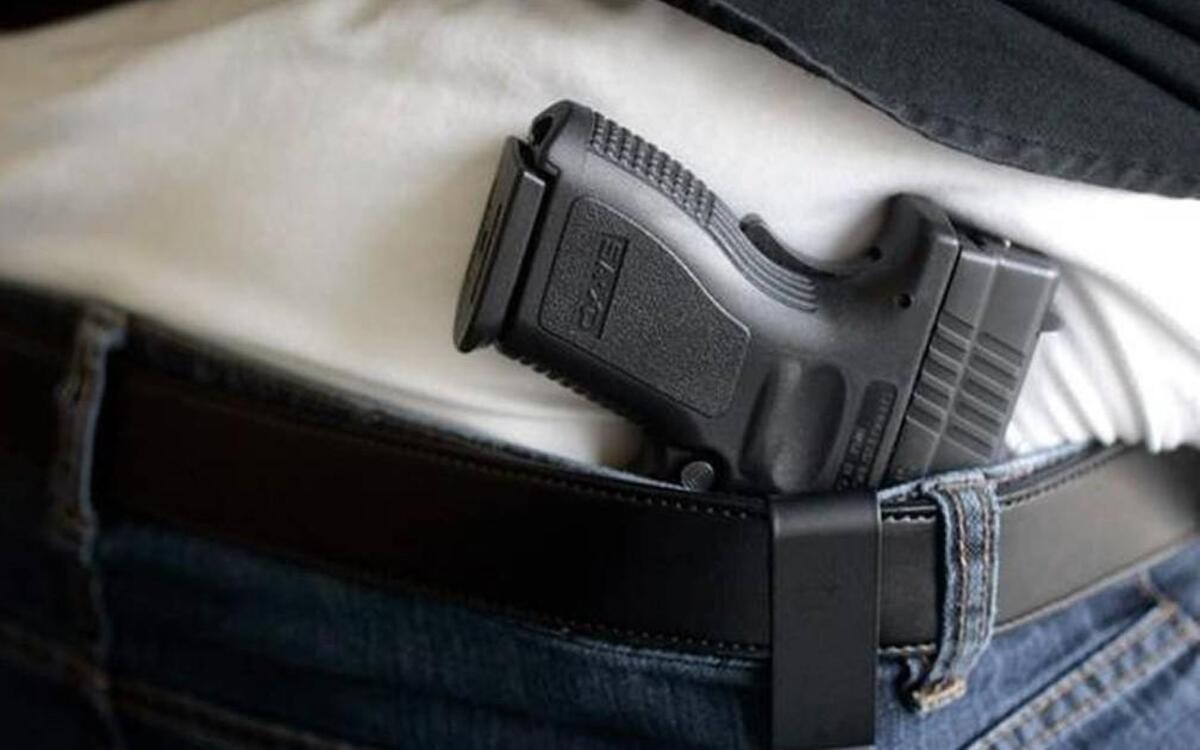
Generally, you cannot carry a concealed firearm on your person while traveling as an ordinary Amtrak passenger. Amtrak’s policy prohibits firearms on a passenger’s person and in carry-on baggage, even when you have a firearm permit.
You may be able to transport an unloaded firearm as checked baggage on eligible Amtrak trains that provide checked-baggage service. You must follow Amtrak’s specific declaration, packaging, and check-in requirements before traveling.
Can You Bring A Firearm In Your Carry-On Bag On Amtrak?
No, you generally cannot bring a firearm in your carry-on bag on Amtrak. Firearms and ammunition are listed as prohibited in carry-on baggage, although Amtrak allows certain firearms to be transported as checked baggage under specific conditions.
You should not assume that a concealed-carry permit changes this rule. Amtrak’s transportation policy applies separately from state firearm laws. Before your trip, you should confirm that your particular train offers checked baggage and follow the required procedures for transporting the firearm.
Does A Concealed Carry Permit Allow You To Carry On Amtrak?
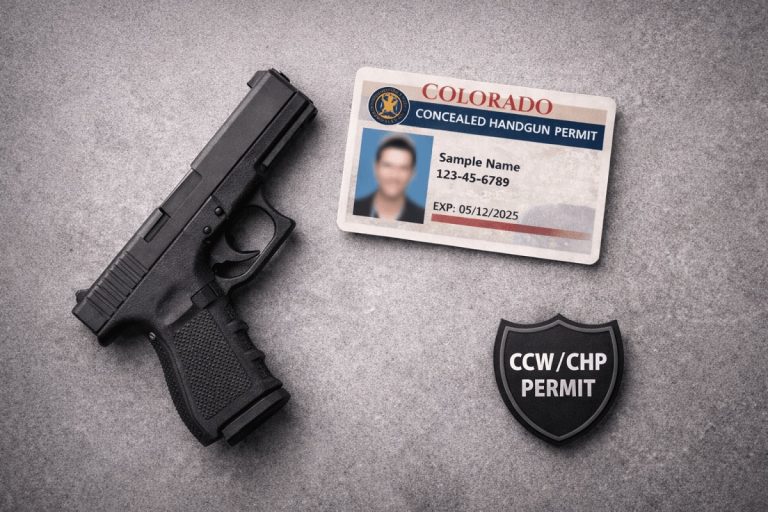
A concealed-carry permit does not automatically allow you to carry a firearm on your person while traveling on Amtrak. Amtrak’s policy states that firearms are prohibited on the person and in carry-on baggage for ordinary passengers, regardless of whether the passenger has a firearm permit.
You should therefore distinguish between having legal authority to carry a firearm under applicable law and complying with Amtrak’s passenger rules. A permit may affect what you can legally possess in a particular jurisdiction, but it does not by itself override Amtrak’s firearm transportation requirements.
How Do You Transport A Firearm On Amtrak?
You generally need to use Amtrak’s checked-baggage process on an eligible train rather than carrying the firearm with you. Amtrak states that passengers must notify the railroad at least 24 hours before departure when checking firearms or ammunition, and reservations for these items are not made online.
The firearm must be unloaded and placed in an approved locked, hard-sided container meeting Amtrak’s requirements. You also need to check the firearm within the required time before departure and provide appropriate identification when checking the baggage.
Can You Carry A Firearm On Every Amtrak Train?
No. Firearm transportation is not available on every Amtrak service. Amtrak states that firearms and ammunition may be checked on trains within the United States that offer checked-baggage service, while certain services, including Amtrak Connection buses and trains to Canada, are excluded.
You should check your complete itinerary before booking or traveling with a firearm. This is especially important when your trip includes transfers because a route can involve a train or connection that does not provide the required baggage service. Checking the specific train and stations in advance can help you identify restrictions.
What Happens If You Bring A Concealed Firearm Onto An Amtrak Train?
Bringing a firearm onto an Amtrak train in violation of its firearm policy can create serious problems, even when you believe possession is lawful under state law. Amtrak’s policy prohibits ordinary passengers from carrying firearms on their person or in carry-on baggage.
You could face intervention from train personnel or law enforcement, and your journey may be disrupted. The exact consequences can depend on the circumstances and applicable laws. You should never assume that keeping a firearm concealed makes it acceptable under Amtrak’s rules. Checking the current policy before departure is important when planning your trip.
Conclusion
Traveling by train with a firearm requires careful attention to both Amtrak policies and applicable laws. If you are wondering, can you carry a concealed weapon on amtrak, you should not assume that a state-issued concealed-carry permit automatically allows you to carry the weapon onboard. Transportation rules and firearm restrictions may apply separately from ordinary carry laws.
Your route can also matter because different states may have different requirements regarding possession, transportation, and permit recognition. If your trip crosses multiple jurisdictions, reviewing the laws that apply throughout the journey is especially important. Amtrak’s current firearm and baggage policies should also be checked before departure.
Ultimately, confirming the rules in advance can help you avoid unexpected legal problems or travel disruptions. When the regulations are unclear, consult the latest official Amtrak guidance and applicable state laws or seek advice from a qualified attorney familiar with firearm transportation regulations.