How to Secure Gun Safe in Car – 11 Smart Ways to Keep Firearms Safe While Traveling
Many firearm owners spend time traveling between home, work, shooting ranges, hunting trips, or other destinations. During these trips, keeping a firearm protected inside a vehicle becomes just as important as storing it safely at home. A properly installed gun safe helps reduce the risk of theft, unauthorized access, and unnecessary damage while giving you greater peace of mind on the road.
Learning how to secure gun safe in car involves more than placing a lockbox under a seat. The right mounting method, safe location, and security features all work together to create reliable protection. A well-secured safe also stays in place during sudden stops or rough driving conditions, making it a safer option for both you and your passengers.
Vehicle storage presents unique challenges because space is limited and cars are common targets for theft. Choosing the correct hardware and installation approach makes a significant difference in how well your safe performs over time. Paying attention to these details helps improve both security and convenience.
This guide explains how to secure gun safe in car using practical, easy-to-follow methods. You will learn the best mounting locations, effective fastening techniques, common mistakes to avoid, and helpful tips for keeping your firearm secure while traveling.
Choosing the Right Gun Safe for Your Vehicle
Selecting the right gun safe for your vehicle is one of the most important steps toward responsible firearm storage while traveling. The ideal safe should match your firearm, fit your vehicle, and provide dependable protection against theft and unauthorized access. Beyond size and price, you should also consider durability, locking mechanisms, mounting compatibility, and ease of access. A carefully chosen vehicle gun safe offers long-term reliability and helps you store your firearm securely during everyday commutes, road trips, or visits to the shooting range.
Select the Correct Size and Capacity
The size of your gun safe should match both your firearm and the available space inside your vehicle. A compact handgun safe fits well under most seats or inside a center console, while larger lockboxes may be better suited for SUVs, trucks, or vehicles with additional cargo space. Measuring the intended installation area before purchasing helps prevent fitment issues and ensures the safe can be mounted securely.
Capacity also matters when you carry extra equipment. Some vehicle safes provide room for a handgun, spare magazine, flashlight, important documents, or small valuables. Choosing a safe with slightly more storage than your current needs gives you greater flexibility without taking up unnecessary space. At the same time, avoid buying an oversized safe that becomes difficult to conceal or limits passenger comfort.
Compare Locking Mechanisms
Vehicle gun safes are available with several locking options, each offering different advantages. Key locks are simple, affordable, and reliable because they do not require batteries or electronics. However, carrying and managing a key adds another responsibility, and losing it can create inconvenience during emergencies.
Combination locks eliminate the need for keys and provide consistent performance in various environments. Electronic keypad locks allow faster access, especially for users who regularly transport their firearms. Some premium models also include biometric fingerprint scanners, giving authorized users quick access while keeping the firearm secured from others. When comparing locking systems, focus on reliability, ease of operation, and consistent performance rather than choosing features based only on convenience.
Evaluate Construction and Security Features
A quality vehicle gun safe should be made from heavy-gauge steel that resists forced entry and physical attacks. Thicker steel construction generally provides better protection against pry tools, cutting attempts, and impact damage. Reinforced doors, concealed hinges, and strong locking bolts further improve overall security and make unauthorized access more difficult.
Security extends beyond the lock itself. Many vehicle safes include anti-pry edges, reinforced interiors, and tamper-resistant mounting points that increase protection after installation. A durable powder-coated finish also helps resist scratches, rust, and daily wear caused by changing temperatures and regular vehicle use. Investing in solid construction improves long-term performance and reduces the likelihood of replacing the safe in the future.
Ensure Easy Installation and Vehicle Compatibility
Not every gun safe fits every vehicle, so compatibility should be confirmed before making a purchase. Many models are designed for universal installation, while others are intended for specific vehicle types or mounting locations. Reviewing the safe’s dimensions and installation requirements helps ensure it fits securely without interfering with seat movement, airbags, or normal vehicle operation.
Installation hardware is equally important. A safe designed with pre-drilled mounting holes, reinforced anchor points, or heavy-duty security cables offers greater flexibility during installation. Choosing a model that supports permanent mounting creates a more secure setup and makes removal by thieves significantly more difficult. Proper compatibility between the safe and your vehicle results in a cleaner installation and stronger overall protection.
Balance Accessibility With Concealment
A vehicle gun safe should remain easily accessible to its authorized owner while staying hidden from public view. Installing the safe beneath a seat, inside a locking console, or within a concealed storage compartment helps reduce visibility and lowers the chance of attracting unwanted attention. Effective concealment serves as an additional layer of security because valuables that cannot be seen are less likely to become targets.
Accessibility is equally important during lawful firearm transport. The safe should allow you to reach it comfortably without awkward positioning or excessive movement. A well-planned location provides quick access when needed while maintaining safe firearm storage practices throughout your journey. Balancing convenience with discreet placement creates a practical solution for responsible vehicle firearm security.
Best Locations to Install a Gun Safe in a Car
Choosing the right location for a gun safe is just as important as selecting the safe itself. A secure installation point helps prevent theft, keeps the firearm stable during travel, and allows responsible access when needed. The best location depends on your vehicle’s layout, the size of the safe, and how often you need access. Every placement should prioritize security, concealment, and a solid mounting surface.
Under the Front Seat
Installing a gun safe beneath the front driver’s or passenger’s seat is one of the most popular choices for vehicle owners. This location offers an excellent balance between accessibility and concealment because the safe remains out of plain sight while still being within reach. Many compact handgun safes are specifically designed to fit beneath standard vehicle seats without interfering with seat adjustment or passenger comfort.
Before installation, check the available clearance and confirm that seat tracks, electrical wiring, and airbag components will not interfere with the safe. The mounting surface should be strong enough to support the safe and withstand sudden movement during hard braking or accidents. Using high-quality mounting hardware ensures the safe stays firmly attached instead of shifting around the vehicle.
Keeping the safe under the seat also reduces the chance of attracting attention when someone looks through your windows. A concealed location provides an additional layer of protection because thieves often target visible valuables first. Proper placement beneath the seat allows the safe to remain discreet while maintaining reliable access for authorized users.
Inside the Center Console
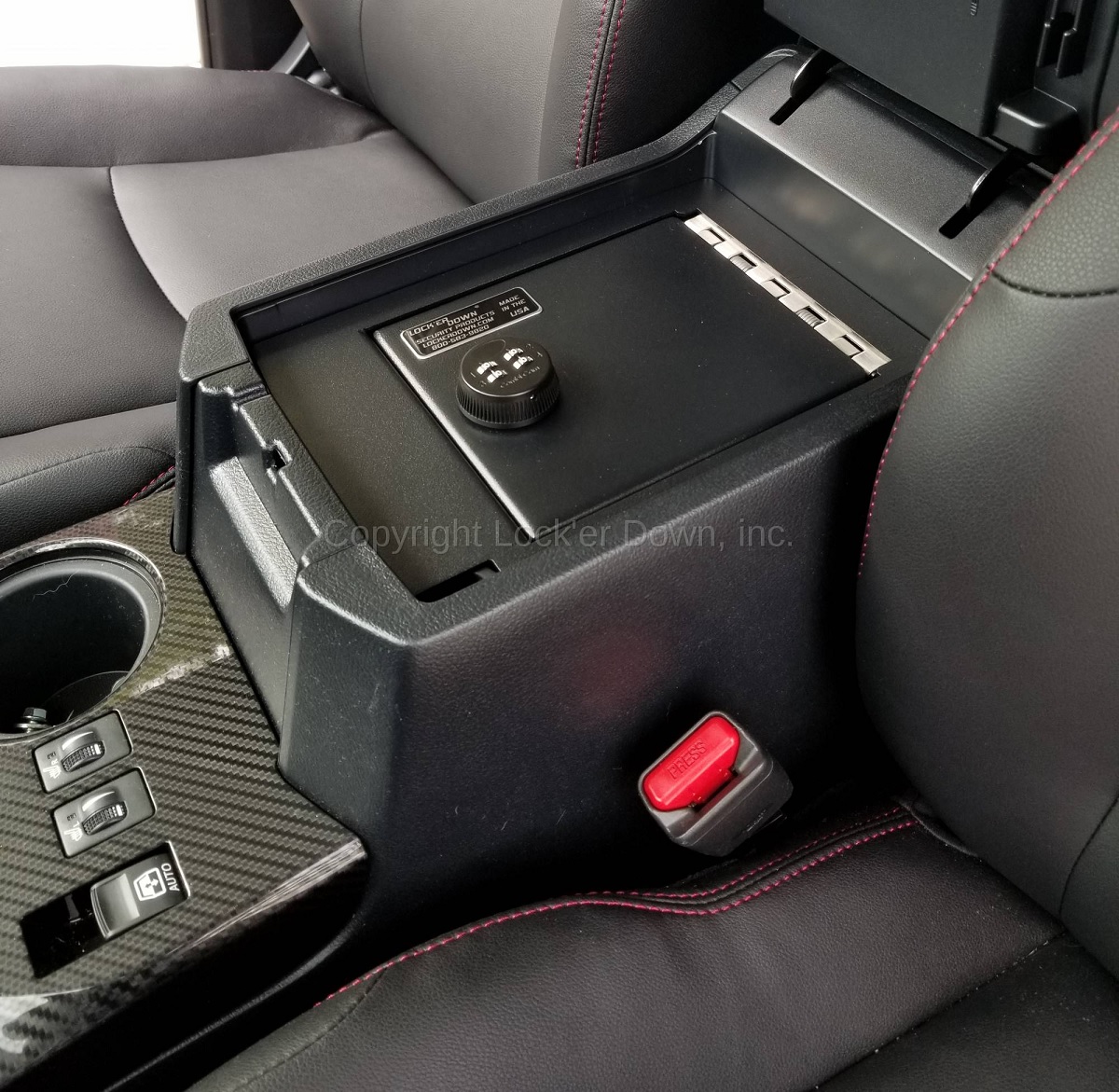
Many vehicle owners prefer installing a compact gun safe inside the center console because it offers both privacy and convenience. Modern vehicles often include spacious center consoles that can accommodate specially designed handgun safes without sacrificing too much storage space. The console lid provides another barrier that helps keep the safe hidden from view.
Vehicle-specific console safes are often designed to fit tightly within the factory compartment and may use existing mounting points for added stability. This design minimizes movement while maintaining a clean factory appearance. Choosing a safe built specifically for your vehicle model can simplify installation and improve overall security.
Although this location provides quick access, the safe should never interfere with gear shifting, cup holders, or other essential controls. Testing the console’s full range of motion before final installation helps avoid operational issues. A properly installed console safe remains secure while allowing normal use of the vehicle’s interior features.
In the Trunk or Rear Cargo Area
The trunk is one of the most secure locations for storing a larger gun safe, especially when transporting firearms over longer distances. Since the trunk remains completely out of sight during normal driving, it naturally provides better concealment than many passenger compartment locations. This makes it more difficult for potential thieves to identify valuable items inside the vehicle.
Larger lockboxes or portable safes can often be bolted directly to the trunk floor or securely attached using reinforced mounting brackets. SUVs and hatchbacks with dedicated cargo compartments also offer suitable installation areas, provided the safe remains properly anchored. Solid mounting prevents movement during sharp turns, rough roads, or sudden stops.
One consideration with trunk installation is accessibility. Retrieving the firearm requires exiting the vehicle and opening the trunk, making this location better suited for secure transportation rather than frequent access. Even so, the added concealment and available mounting space make the trunk an excellent choice for long-term vehicle storage.
Beneath the Rear Seat
Pickup trucks and certain SUVs often provide valuable storage space beneath the rear seat. This location combines excellent concealment with a stable mounting surface, making it a practical option for owners who regularly transport firearms. Many under-seat safes are specifically manufactured to fit these vehicle types while maximizing available storage space.
The area beneath the rear seat usually remains hidden from casual observation, reducing the likelihood of theft during quick stops. It also allows larger safes than those typically installed under the front seats. Some models are designed to span the width of the rear seating area, creating additional storage for firearms and related equipment.
Proper installation remains essential in this location. The safe should be securely bolted to reinforced sections of the vehicle whenever possible. Checking that the rear seat folds and locks correctly after installation helps maintain normal vehicle functionality while ensuring the safe remains firmly secured.
Custom Storage Compartments
Some vehicle owners choose custom storage compartments designed specifically to accommodate a gun safe. These installations may include hidden floor compartments, dedicated storage drawers, or professionally built interior panels that provide exceptional concealment without sacrificing security. Custom solutions are especially useful for specialty vehicles, work trucks, or overland builds with unique storage needs.
A custom installation should always prioritize structural integrity and proper mounting. The safe must be attached to strong portions of the vehicle rather than lightweight trim panels or plastic components. Professional fabrication can create a secure installation that blends naturally with the vehicle’s interior while maintaining full functionality.
Custom compartments also allow owners to optimize available space without leaving the safe exposed. By integrating the safe into existing storage areas, the installation remains discreet and difficult to detect. When properly designed and securely mounted, a custom storage location offers an effective combination of concealment, stability, and long-term durability.
How to Secure Gun Safe in Car
Knowing how to secure gun safe in car starts with using the right installation method rather than simply placing the safe inside the vehicle. A properly secured gun safe stays firmly in place, resists unauthorized removal, and protects your firearm during daily travel. Careful planning, quality hardware, and a solid mounting location all contribute to creating a secure and reliable storage solution that performs well over time.
Bolt the Safe to a Solid Metal Surface
Bolting the gun safe directly to the vehicle’s metal frame or floor is one of the most effective ways to secure it. A permanent installation makes it much more difficult for thieves to remove the safe quickly. Before drilling, inspect the underside of the vehicle to avoid damaging fuel lines, wiring, brake components, or other critical systems.
Use heavy-duty bolts, washers, and locking nuts designed to withstand vibration and repeated vehicle movement. Reinforced mounting points provide additional stability and reduce stress on the surrounding metal. Tightening all hardware properly prevents the safe from shifting while driving over uneven roads or during sudden braking.
Once installed, inspect the mounting hardware periodically to ensure everything remains secure. Road vibrations can gradually loosen bolts over time, making regular maintenance an important part of long-term firearm security. A firmly anchored safe offers greater protection against both theft and accidental movement.
Use Reinforced Security Cables When Needed
Security cables provide an alternative mounting solution for portable gun safes or vehicles where permanent installation is not practical. A high-strength steel cable can be wrapped around a solid structural component such as a seat support or reinforced frame section. This method makes it significantly harder for someone to remove the safe without specialized tools.
Not every cable offers the same level of protection, so choose one with thick braided steel construction and a tamper-resistant coating. Thin cables can often be cut more easily, reducing their effectiveness against determined theft attempts. Pairing a quality cable with a durable lockbox creates a stronger overall security setup.
Although security cables improve protection, they work best when combined with good concealment. Position the safe where the cable remains hidden from view, limiting opportunities for tampering. Proper cable routing also prevents interference with seat adjustment or other interior vehicle components.
Install the Safe in a Concealed Location
Concealment plays a major role in preventing theft because valuables that remain out of sight are less likely to attract attention. Installing the gun safe beneath a front seat, inside a center console, or within another hidden compartment reduces visibility through vehicle windows. This additional layer of discretion helps discourage opportunistic criminals.
Select a location that allows the safe to fit securely without blocking airbags, seat movement, or essential vehicle controls. A concealed installation should still provide enough space to operate the locking mechanism comfortably whenever authorized access is needed. Balancing accessibility with discretion improves both convenience and security.
Keeping the safe hidden also reduces curiosity from passengers or anyone looking into the vehicle. Combined with strong mounting hardware, a concealed location makes unauthorized removal more difficult and increases the overall effectiveness of the installation.
Test Stability After Installation
After mounting the gun safe, thoroughly test its stability before relying on it for daily use. Apply firm pressure in multiple directions to confirm the safe remains tightly secured without excessive movement. Even slight shifting may indicate that bolts require tightening or that the mounting location needs additional reinforcement.
Open and close the safe several times to verify that the locking mechanism operates smoothly after installation. Confirm that doors, seats, and other vehicle components continue functioning normally without contacting the safe. Performing these checks helps identify installation issues before they become larger problems.
Routine inspections should become part of regular vehicle maintenance. Periodically examine mounting hardware, security cables, and locking components for signs of wear, corrosion, or loosening. Consistent maintenance ensures the safe continues providing dependable protection throughout years of everyday travel.
Choosing the Best Locking Mechanism
The locking mechanism is one of the most important features of a vehicle gun safe because it determines how securely your firearm is protected while remaining accessible to authorized users. Different lock types offer varying levels of convenience, speed, and reliability. Understanding how each option performs helps you choose a locking system that matches your security needs, daily routine, and travel habits.
Key Locks for Simple and Reliable Security
Key locks remain a trusted option for many gun owners because they are straightforward to operate and do not rely on batteries or electronic components. Their simple mechanical design reduces the risk of electronic failure, making them a dependable choice for long-term use in changing weather conditions. A well-built key lock can provide consistent performance with minimal maintenance.
The main responsibility with a key lock is managing the key itself. Keeping it in a secure but accessible location is essential to prevent unauthorized access or accidental loss. Many owners keep a spare key in a separate secure location as an added precaution. Choosing a high-quality lock cylinder also improves resistance against picking and tampering.
Combination Locks for Consistent Access
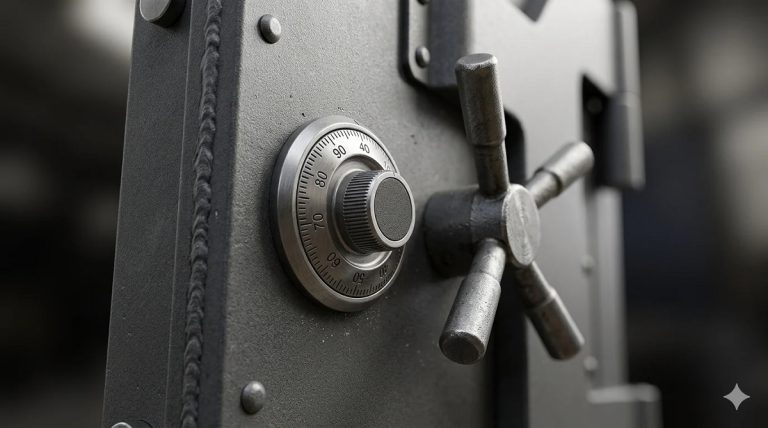
Combination locks offer a practical balance between convenience and security by eliminating the need to carry physical keys. Access is gained by entering a preset code, allowing authorized users to unlock the safe quickly while reducing concerns about misplaced keys. Mechanical combination locks are especially valued for their dependable operation because they do not require batteries.
Selecting a strong and memorable combination is an important part of maintaining security. Avoid predictable number sequences such as birthdays or repeating digits that may be easier to guess. Periodically changing the code can further improve protection, particularly when multiple authorized individuals have access to the safe. A properly maintained combination lock provides reliable performance for everyday vehicle storage.
Electronic Keypad Locks for Fast Entry
Electronic keypad locks are popular among firearm owners who value quick and convenient access. After entering a programmed PIN, the safe unlocks within seconds, making this system useful for people who frequently transport firearms. Many electronic safes also include backlit keypads, allowing easier operation during nighttime or in low-light conditions.
Battery maintenance is an important consideration with electronic locking systems. Regularly checking battery levels and replacing them before they become weak helps prevent unexpected lockouts. Many electronic safes also include backup override keys, providing an additional method of entry should the batteries fail. Choosing a reputable electronic locking system improves both reliability and long-term performance.
Biometric Locks for Personalized Security
Biometric locks use fingerprint recognition to provide access only to registered users. This technology combines speed with personalized security, allowing the safe to unlock without keys or combination codes. Modern biometric systems can store multiple fingerprints, making them suitable for households with more than one authorized firearm owner.
The effectiveness of a biometric lock depends largely on sensor quality and proper maintenance. Keeping the fingerprint scanner clean helps maintain consistent recognition, while registering multiple fingers from each user increases reliability under different conditions. Many premium biometric safes also include keypad or key backup options, ensuring continued access when fingerprint recognition is temporarily unavailable. Selecting a biometric safe with proven accuracy and durable construction offers an excellent combination of convenience and dependable firearm security.
Protecting the Firearm Inside the Safe
A secure gun safe does more than prevent theft because it also protects your firearm from damage caused by movement, moisture, and daily vehicle use. Proper storage inside the safe helps preserve the firearm’s condition and supports reliable performance over time. Using the right protective accessories and maintenance practices ensures your firearm remains secure, clean, and ready for lawful use whenever needed.
Use a Soft Interior or Protective Foam
A soft-lined interior helps protect your firearm from scratches, dents, and finish wear during travel. Many quality vehicle gun safes include high-density foam padding that cushions the firearm against vibrations and sudden vehicle movement. This padding keeps the firearm stable and reduces unnecessary contact with the metal walls of the safe.
When purchasing a gun safe, look for removable or customizable foam inserts that fit your specific firearm. A properly fitted interior limits movement while preventing unnecessary pressure on delicate components. Replacing worn or damaged foam when needed helps maintain consistent protection throughout the life of the safe.
Control Moisture and Humidity
Vehicles experience constant temperature changes, creating conditions where moisture can build up inside a gun safe. Excess humidity increases the risk of rust, corrosion, and damage to metal components. Keeping the interior dry is essential for preserving both the appearance and functionality of your firearm during long-term storage.
Silica gel packs and other moisture-absorbing products provide a simple way to reduce humidity inside the safe. These products should be inspected and replaced or recharged according to the manufacturer’s recommendations. Regularly opening the safe in a dry environment also helps improve air circulation and reduces the chance of moisture accumulation.
Secure the Firearm to Minimize Movement
Even inside a locked safe, a firearm should remain firmly positioned to prevent shifting while the vehicle is moving. Sudden stops, sharp turns, and uneven roads can cause unnecessary movement that may result in cosmetic damage or wear over time. A properly fitted interior keeps the firearm stable throughout every journey.
Some gun safes include molded compartments or adjustable foam inserts that hold the firearm securely in place. These features reduce vibration and help prevent repeated contact with other stored items such as magazines or flashlights. Organizing the safe carefully also minimizes the possibility of accessories striking the firearm during travel.
Perform Regular Cleaning and Inspections
Routine maintenance is an important part of protecting any firearm stored in a vehicle. Dust, moisture, and changing temperatures can gradually affect the firearm even when it remains inside a secure safe. Inspecting it regularly allows you to identify early signs of rust, loose components, or excessive wear before they become larger problems.
Cleaning the firearm according to the manufacturer’s recommendations helps preserve reliable operation and overall condition. Wiping exposed metal surfaces with appropriate protective products can reduce the effects of humidity and everyday exposure. During each inspection, also examine the interior of the safe, ensuring the foam, locking mechanism, and moisture-control accessories continue to provide effective protection for your firearm.
People Also Asked
How Do You Secure A Gun Safe In A Car?
You can secure a gun safe in your car by attaching it to a solid, permanent part of the vehicle. Many vehicle safes include a heavy-duty steel cable or mounting hardware designed to anchor the safe beneath a seat, inside the trunk, or another concealed location. Choosing a safe with pry-resistant construction and a reliable locking system adds another layer of protection.
Before traveling, always check that the safe is firmly attached and cannot be removed easily. Inspect the mounting hardware regularly to ensure it remains tight. Learning how to secure gun safe in car properly helps reduce theft risks while keeping your firearm protected during transportation.
Where Is The Best Place To Install A Gun Safe In A Car?
The best place to install a gun safe depends on your vehicle and how quickly you may need access while still prioritizing security. Common locations include under the driver’s seat, under the passenger seat, inside a locking center console, or securely mounted in the trunk. Hidden locations reduce the chance of attracting unwanted attention.
You should avoid placing the safe where it is visible through windows. A concealed installation makes it harder for thieves to locate and target your firearm. Always ensure the chosen location allows the safe to remain securely anchored without interfering with vehicle operation or passenger safety.
Can You Secure A Gun Safe In A Car Without Drilling?
Yes, you can secure a gun safe in a car without drilling if you use a high-quality steel security cable. Many portable vehicle gun safes are designed with cable attachment points that loop around a solid part of the seat frame or another fixed metal structure. This provides a practical option for leased vehicles or temporary installations.
Although cable-mounted safes offer convenience, they should be attached only to strong structural components. You should check the cable frequently for signs of wear or looseness. If you want maximum protection, a permanently bolted installation generally provides greater resistance against theft.
What Type Of Lock Is Best For A Car Gun Safe?
The best lock depends on your priorities for speed, convenience, and security. Biometric locks provide fast access using your fingerprint, while electronic keypad locks allow quick entry with a personal code. Mechanical combination locks and traditional key locks are also dependable because they do not rely on batteries.
You should select a lock that you can operate confidently under different conditions. Regardless of the locking method, always keep backup access available if recommended by the manufacturer. A quality locking system combined with proper installation significantly improves your vehicle gun safe’s overall security.
Is It Safe To Leave A Gun Safe In A Car Overnight?
Leaving a gun safe in a car overnight increases the risk of theft, even if the firearm is locked inside. If you must leave it in your vehicle, choose a concealed mounting location, lock the safe securely, and park in a well-lit, monitored area whenever possible. Avoid leaving any valuables visible inside the vehicle.
You should remove the firearm whenever practical instead of storing it in your car for extended periods. Regularly checking that the safe remains securely attached also helps maintain protection. Responsible storage practices reduce opportunities for unauthorized access and improve overall firearm security.
What Common Mistakes Should You Avoid When Securing A Gun Safe In A Car?
One common mistake is attaching the safe to weak or removable parts of the vehicle instead of a solid structural component. Another mistake is leaving the safe in plain sight, which can attract thieves. Using an undersized cable, failing to lock the safe completely, or ignoring routine maintenance can also reduce its effectiveness.
You should inspect the mounting system and locking mechanism regularly to ensure everything works correctly. Taking a few minutes to verify that the safe is secure before each trip can prevent unnecessary risks. Following best practices for how to secure gun safe in car helps protect both your firearm and your vehicle.
Conclusion
Keeping a firearm secure while traveling requires careful planning, the right equipment, and proper installation. Selecting a quality vehicle gun safe, mounting it to a solid location, and using a dependable locking system all contribute to better protection against theft and unauthorized access. Learning how to secure gun safe in car helps create a safer storage solution for both your firearm and your vehicle.
Regular inspections are equally important for maintaining long-term security. Checking mounting hardware, testing the locking mechanism, and protecting the firearm from moisture and unnecessary movement help keep both the safe and its contents in excellent condition. Small maintenance steps can make a significant difference over time.
Following the best practices outlined in this guide makes how to secure gun safe in car much easier to understand and apply. With the right setup and consistent maintenance, you can improve security, protect your firearm during travel, and enjoy greater peace of mind every time you get behind the wheel.