What Ammo Does Glock 19 Use? Complete Guide to 9mm Rounds for Glock 19
Popular among concealed carry owners and home defense users, the Glock 19 has built a strong reputation for reliability and versatility. Many new gun owners often ask what ammo does glock 19 use before heading to the range or purchasing ammunition for personal protection. Knowing the correct caliber helps you avoid compatibility problems and improves both safety and performance.
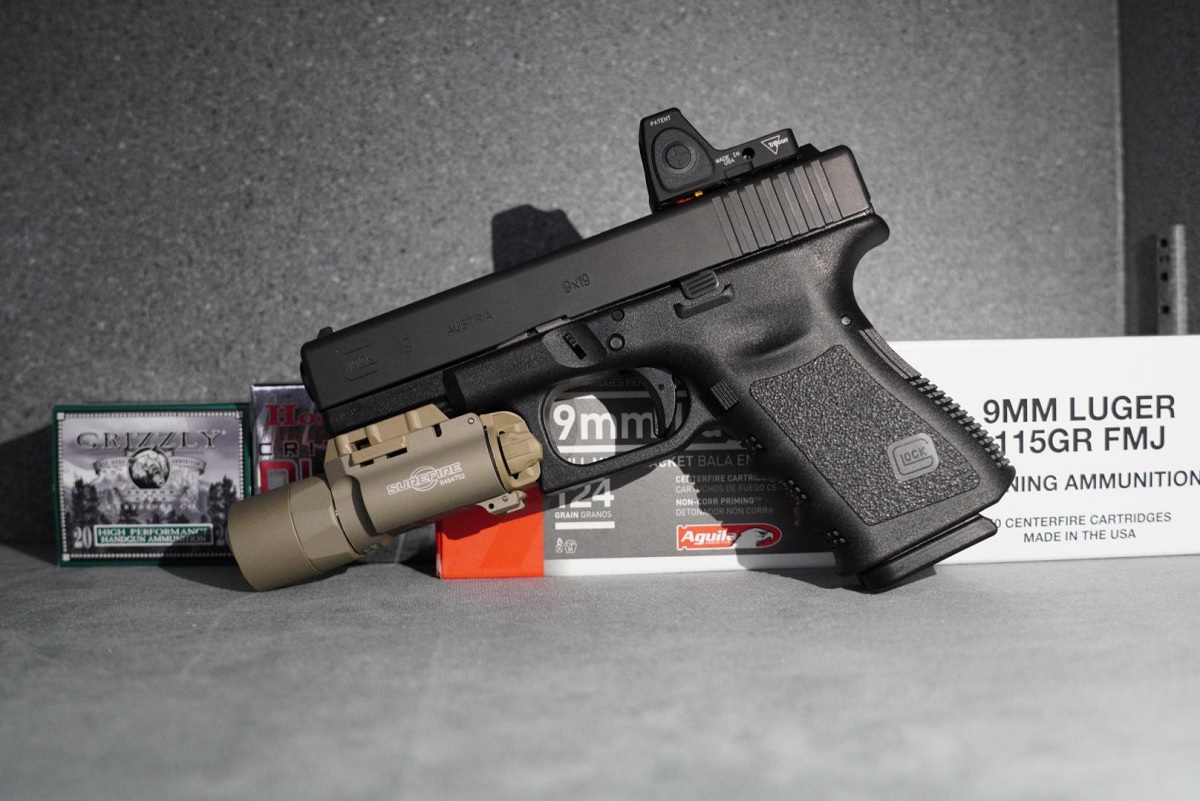
The Glock 19 is chambered for 9mm ammunition, also known as 9x19mm Parabellum. This caliber remains one of the most widely used handgun rounds in the world because of its balance between recoil, accuracy, and stopping power. You can find it easily in local gun stores and online retailers in a wide range of bullet types and grain weights.
People searching for what ammo does glock 19 use usually want to understand the difference between practice rounds and self-defense ammunition. Full metal jacket rounds are commonly used for training, while hollow point rounds are popular for personal defense and law enforcement applications.
Choosing the right 9mm ammo for your Glock 19 can improve reliability, shooting comfort, and overall accuracy. From range sessions to defensive use, understanding your ammunition options helps you get the best performance from this trusted handgun.
What Ammo Does Glock 19 Use?
The Glock 19 uses 9mm ammunition, specifically the 9x19mm Parabellum cartridge. This caliber is one of the most common handgun rounds worldwide because it offers manageable recoil, solid accuracy, and reliable performance. Many shooters choose the Glock 19 for personal defense, concealed carry, and range practice due to the wide availability of 9mm ammo in different styles and grain weights.
9mm Parabellum Is the Standard Glock 19 Caliber
The Glock 19 is designed to fire 9x19mm ammunition, often called 9mm Luger or 9mm Parabellum. This round became popular because it balances power and recoil better than many larger handgun calibers. New gun owners often appreciate how comfortable the Glock 19 feels during shooting sessions when paired with standard 9mm rounds.
Most ammunition manufacturers produce 9mm ammo in several grain options, including 115-grain, 124-grain, and 147-grain bullets. Lighter rounds usually deliver faster speeds, while heavier bullets can provide smoother recoil and deeper penetration. The Glock 19 handles all of these common loads well when using quality factory ammunition.
The popularity of 9mm also makes it easier to find affordable practice ammo. Range shooters often buy full metal jacket rounds because they feed reliably and cost less than defensive ammunition. This combination of affordability and performance explains why the Glock 19 remains one of the most trusted pistols in the world.
Choosing the Right Ammo for Better Performance
Selecting quality ammunition can improve your Glock 19’s reliability and accuracy. Cheap or poorly manufactured rounds may lead to feeding problems, inconsistent recoil, or reduced accuracy during shooting sessions. Many experienced shooters stick with trusted ammunition brands because reliability matters during both practice and defensive situations.
Practice ammunition should feel comfortable and consistent. Many Glock 19 owners prefer 115-grain or 124-grain FMJ rounds for regular range training because they provide balanced recoil and solid accuracy. Training with the same grain weight as your defensive ammunition can also help maintain consistent shooting habits.
Defensive ammunition selection often depends on personal preference and testing results. Shooters usually test several hollow point brands to see which loads perform best in their specific Glock 19. Reliable cycling, manageable recoil, and consistent shot placement all play a major role when choosing the best 9mm ammo for everyday carry or home defense.
Types of 9mm Ammo for Glock 19
The Glock 19 is compatible with several types of 9mm ammunition designed for different shooting purposes. From affordable practice rounds to high-performance defensive loads, each ammo type offers unique advantages. Understanding how these cartridges work helps you choose the right option for training, concealed carry, home defense, or competition shooting while maintaining reliable performance from your Glock 19.
Full Metal Jacket Ammo for Practice
Full metal jacket ammunition, commonly called FMJ, is one of the most popular choices for Glock 19 owners during target practice and range sessions. FMJ bullets feature a soft lead core covered by a harder metal coating, usually copper. This design helps the bullet feed smoothly through the pistol while reducing barrel fouling during extended shooting sessions.
Many shooters prefer FMJ ammo because it is more affordable than premium defensive rounds. The lower cost allows gun owners to spend more time practicing without overspending on ammunition. Most indoor and outdoor ranges also allow FMJ rounds because they provide reliable performance and consistent accuracy.
Common FMJ bullet weights include 115-grain, 124-grain, and 147-grain loads. Lighter bullets generally produce faster velocities and slightly sharper recoil, while heavier rounds can feel smoother when fired. The Glock 19 performs well with all standard FMJ loads from trusted manufacturers, making this ammo type ideal for regular training and improving shooting skills.
Hollow Point Ammo for Self-Defense
Jacketed hollow point ammunition, often shortened to JHP, is widely used for personal protection in Glock 19 pistols. These bullets feature a hollow cavity near the tip that allows controlled expansion when hitting a target. Expansion helps increase stopping power while reducing the risk of excessive penetration compared to standard FMJ rounds.
Many concealed carry users choose hollow point ammo because it offers dependable defensive performance. Law enforcement agencies around the world also rely on high-quality 9mm hollow points due to their balance of accuracy, expansion, and penetration. Reliable feeding remains important, so many shooters test several brands before selecting their preferred carry load.
Popular defensive bullet weights for Glock 19 pistols include 124-grain and 147-grain hollow points. These heavier bullets often provide smoother recoil and consistent expansion. Premium self-defense ammunition usually costs more than practice rounds, but many gun owners consider the extra expense worthwhile for improved protection and reliability.
+P and Specialty 9mm Loads
Some Glock 19 owners use +P ammunition for increased velocity and energy. The “+P” marking means the cartridge operates at higher pressure levels than standard 9mm ammo. This extra pressure can improve bullet speed and defensive performance, making +P loads popular among some experienced concealed carry users.
Modern Glock 19 pistols are generally capable of handling factory-loaded +P ammunition safely. However, repeated use may increase wear on parts such as the recoil spring and barrel over time. Many shooters practice with standard FMJ rounds while reserving +P ammunition for defensive carry situations.
Specialty 9mm ammunition also includes frangible rounds, subsonic loads, and match-grade cartridges. Frangible bullets break apart upon impact with hard surfaces, reducing ricochet risks during training. Subsonic rounds are commonly paired with suppressors for quieter shooting, while match-grade ammunition focuses on precision and accuracy for competition shooters using the Glock 19.
Best Grain Sizes for Glock 19 Ammo
Glock 19 owners can choose from several 9mm grain sizes depending on their shooting needs and personal preferences. Grain weight affects recoil, bullet speed, accuracy, and overall shooting feel. Some shooters prefer lighter bullets for faster movement, while others choose heavier rounds for smoother recoil and deeper penetration. Understanding common grain sizes helps you select the right ammo for training, self-defense, or competition use.
115-Grain Ammo for Range Practice
The 115-grain 9mm round is one of the most commonly available ammunition choices for the Glock 19. Many shooters use this grain size during range practice because it is affordable, widely stocked, and produces reliable performance. Manufacturers often load 115-grain bullets at higher velocities, which can create a flatter shooting experience at short distances.
New Glock 19 owners frequently start with 115-grain FMJ ammunition because it feels manageable and cycles smoothly in the pistol. The lighter bullet weight usually produces a snappier recoil impulse compared to heavier rounds, but many shooters still find it comfortable during extended practice sessions.
Target shooters also appreciate the lower cost of 115-grain ammo. Since training often requires hundreds of rounds, affordability becomes an important factor. Most indoor shooting ranges carry this grain size because it works well for routine practice and general handgun training.
Although 115-grain ammo is excellent for target shooting, some shooters prefer heavier bullets for defensive use. Still, many modern defensive loads are available in this grain weight and perform well when paired with quality hollow point designs.
124-Grain Ammo for Balanced Performance
Many experienced Glock 19 owners consider 124-grain ammunition the best all-around option for both practice and self-defense. This grain weight offers a balanced mix of speed, recoil control, and accuracy. The slightly heavier bullet often produces smoother recoil than 115-grain loads while maintaining solid velocity and dependable performance.
Law enforcement agencies frequently use 124-grain hollow point ammunition because it performs consistently in defensive situations. Many shooters notice that the Glock 19 feels very balanced with this grain size, especially during rapid follow-up shots. The recoil tends to feel softer and more controlled compared to lighter rounds.
124-grain FMJ ammo is also popular for range training because it closely matches the recoil characteristics of many defensive hollow point loads. Practicing with ammunition that feels similar to your carry ammo can improve shooting consistency and muscle memory.
Some Glock 19 pistols may show slightly different accuracy patterns depending on the grain weight used. Many shooters test several 124-grain brands to determine which load groups best in their firearm. This grain size remains one of the most versatile choices for everyday use.
147-Grain Ammo for Smooth Recoil
The 147-grain 9mm load is heavier than both 115-grain and 124-grain ammunition. Glock 19 users who prefer softer recoil and slower bullet velocity often choose this grain size. Heavier bullets generally create a smoother shooting experience, making them appealing for defensive carry and controlled shooting drills.
Many defensive hollow point rounds come in 147-grain configurations because the heavier bullet can provide strong penetration and reliable expansion. Shooters using suppressors also commonly select 147-grain subsonic ammunition since it typically travels below the speed of sound, reducing noise levels.
Competition shooters sometimes favor 147-grain ammo because the recoil impulse feels more like a steady push rather than a sharp snap. This softer recoil characteristic may help maintain sight alignment during rapid-fire shooting sequences with the Glock 19.
The main drawback of 147-grain ammunition is slightly lower velocity compared to lighter bullets. However, many Glock 19 owners prioritize recoil control and consistency over speed, making this grain size a trusted choice for both defensive and precision shooting applications.
Choosing the Right Grain Size for Your Needs
Selecting the best grain size for your Glock 19 often depends on how you plan to use the pistol. Range shooters usually prioritize affordability and reliability, making 115-grain FMJ ammunition a common training choice. Defensive shooters may prefer 124-grain or 147-grain hollow points because of their controlled recoil and dependable terminal performance.
Testing multiple grain weights helps determine which load feels most comfortable in your Glock 19. Every shooter experiences recoil differently, and small differences in bullet weight can affect shooting speed, accuracy, and confidence. Trying several brands and grain sizes at the range gives you a better understanding of how your pistol performs.
Many gun owners also choose to train with the same grain weight they carry for self-defense. Consistency between practice ammo and defensive loads can improve familiarity and help build stronger shooting habits over time. Reliable feeding, manageable recoil, and accurate shot placement remain the most important factors when selecting 9mm ammunition for a Glock 19.
Best Ammo Brands for Glock 19
Choosing a trusted ammunition brand for your Glock 19 can improve reliability, accuracy, and overall shooting performance. Different brands produce 9mm rounds designed for range practice, self-defense, and competition shooting. Many Glock 19 owners test several options before finding the right fit for their pistol. Quality ammunition also helps reduce feeding issues and provides more consistent recoil during training sessions.
Federal Premium Ammo for Reliable Performance
Federal Premium is one of the most respected ammunition brands among Glock 19 owners. The company produces a wide range of 9mm ammunition, including affordable FMJ practice rounds and premium hollow point defensive loads. Many shooters trust Federal because of its consistent quality control and dependable cycling in semi-automatic pistols.
Federal American Eagle FMJ rounds are especially popular for target practice and training. These rounds offer clean shooting performance and reliable feeding, making them a common choice at indoor and outdoor ranges. Many Glock 19 owners use American Eagle ammo for regular practice sessions because it balances affordability and performance well.
For self-defense, Federal HST hollow points are widely praised for reliable expansion and penetration. Law enforcement agencies frequently carry HST ammunition because it performs consistently in defensive situations. The Glock 19 generally handles Federal ammo smoothly across different grain weights and bullet styles.
Winchester Ammo for Training and Defense
Winchester has produced handgun ammunition for decades and remains a trusted option for Glock 19 users. The brand offers both budget-friendly range ammo and high-quality defensive loads in 9mm caliber. Many shooters appreciate Winchester ammunition because it is easy to find in gun stores and sporting goods retailers.
Winchester White Box FMJ ammo is commonly used for target shooting and handgun training. Glock 19 owners often choose it because it functions reliably and costs less than premium defensive ammunition. The consistent recoil and feeding characteristics make it useful for beginners and experienced shooters alike.
For personal protection, Winchester Defender and Ranger series hollow points are popular defensive options. These rounds are designed to expand effectively while maintaining dependable penetration. Many concealed carry users trust Winchester defensive ammo because of its strong reputation for reliability in compact handguns like the Glock 19.
Speer and Hornady for Defensive Carry
Speer and Hornady are highly respected brands in the defensive ammunition market. Many Glock 19 owners choose these manufacturers when selecting carry ammo because both companies focus heavily on performance, consistency, and terminal effectiveness.
Speer Gold Dot hollow points are widely used by law enforcement agencies across the United States. The bonded bullet design helps improve weight retention and expansion during impact. Glock 19 users often prefer Gold Dot ammo because it cycles reliably and offers manageable recoil for defensive shooting situations.
Hornady Critical Defense and Critical Duty rounds are also popular choices for concealed carry. These loads feature advanced bullet designs that support expansion and penetration through barriers. Many shooters appreciate Hornady ammunition because it performs consistently in compact pistols while maintaining accuracy and dependable feeding in the Glock 19.
Best Ammo for Glock 19 Self-Defense
Selecting the right self-defense ammo for a Glock 19 is important for reliability, accuracy, and overall protection. Many shooters look for defensive rounds that expand properly, cycle smoothly, and produce manageable recoil during high-pressure situations. Since the Glock 19 is commonly used for concealed carry and home defense, choosing quality 9mm ammunition can make a major difference in real-world performance and shooting confidence.
Federal HST for Trusted Defensive Performance
Federal HST remains one of the most recommended self-defense rounds for the Glock 19. Many law enforcement agencies and concealed carry users trust this ammunition because it delivers reliable expansion and consistent penetration. The hollow point design helps the bullet expand effectively after impact while reducing the risk of over-penetration.
Glock 19 owners often choose Federal HST in 124-grain or 147-grain configurations. Both options provide solid recoil control and dependable accuracy during defensive shooting drills. Many shooters report that HST ammunition cycles smoothly in compact pistols without causing feeding issues.
Another reason Federal HST stands out is its reputation for consistency. Defensive ammunition must perform reliably every time the trigger is pulled. The Glock 19 generally handles HST rounds very well, making this load one of the top choices for everyday concealed carry and home defense situations.
Speer Gold Dot for Reliable Expansion
Speer Gold Dot is another highly respected self-defense round commonly carried in Glock 19 pistols. This ammunition uses a bonded hollow point bullet designed to maintain its weight and structure during impact. Many shooters prefer Gold Dot ammo because it performs consistently across different barrel lengths and shooting conditions.
The 124-grain +P version is especially popular among Glock 19 owners who want slightly increased velocity and energy. Despite the higher pressure, many shooters still find the recoil manageable during rapid follow-up shots. The Glock 19’s design handles quality +P ammunition effectively when used responsibly.
Law enforcement agencies across the United States continue to use Speer Gold Dot because of its proven track record. Reliable feeding and strong terminal performance make it a trusted defensive option for personal protection and concealed carry applications.
Hornady Critical Defense for Concealed Carry
Hornady Critical Defense ammunition is designed specifically for personal protection and compact handguns like the Glock 19. The bullet features a polymer-filled hollow point tip that helps prevent clogging through heavy clothing and improves expansion performance during defensive use.
Many concealed carry users appreciate the balanced recoil and accuracy offered by Hornady Critical Defense rounds. The Glock 19 often cycles this ammunition smoothly, making it a dependable option for everyday carry. Shooters also like the reduced muzzle flash produced by many Hornady defensive loads, especially during low-light shooting situations.
Hornady offers several grain weights for self-defense, although the 115-grain and 124-grain options remain the most common. Many Glock 19 owners test multiple defensive loads before selecting the one that feels most comfortable and reliable in their firearm.
Common Glock 19 Ammo Problems
The Glock 19 is known for reliability, but ammunition-related problems can still happen with certain 9mm loads. Poor-quality rounds, incorrect bullet types, or inconsistent ammunition can affect feeding, accuracy, and overall performance. Many shooters experience minor issues during training or defensive testing, especially when using low-cost ammo. Understanding common Glock 19 ammo problems helps improve reliability and prevents avoidable shooting malfunctions.
Failure to Feed With Low-Quality Ammo
One of the most common Glock 19 ammo problems is failure to feed. This issue happens when a cartridge does not properly enter the chamber during the firing cycle. Cheap or poorly manufactured ammunition often causes this problem because inconsistent casing dimensions or weak powder loads can interrupt smooth cycling.
Steel-cased ammunition may also create feeding problems in some Glock 19 pistols. While many shooters use steel-case rounds for inexpensive practice, these cartridges can sometimes produce extra friction compared to brass-cased ammo. Dirty magazines and lack of firearm maintenance may worsen the issue during extended range sessions.
Many shooters solve feeding problems by switching to high-quality factory ammunition from trusted brands. Regular cleaning of the Glock 19 magazine, feed ramp, and chamber also helps maintain reliable cycling. Testing defensive ammunition before carrying it is another important step for avoiding unexpected failures.
Failure to Eject or Weak Ejection
Failure to eject is another issue sometimes linked to ammunition performance. This malfunction occurs when the spent casing does not fully leave the pistol after firing. Weak ammunition loads can reduce slide movement, preventing the Glock 19 from ejecting the empty case properly.
Underpowered target ammo occasionally causes weak ejection patterns, especially during rapid shooting. Shooters may notice brass ejecting inconsistently or falling close to the firearm instead of being thrown clear. In some cases, low-powered ammunition combined with a weak grip can contribute to cycling issues.
Using consistent factory-loaded 9mm ammunition usually reduces the chances of ejection problems. Many Glock 19 owners prefer reputable FMJ training rounds because they produce reliable slide movement and smoother operation. Maintaining a firm shooting grip and replacing worn recoil springs can also improve ejection reliability.
Accuracy Problems With Certain Bullet Weights
Different grain weights can affect accuracy in a Glock 19. Some shooters notice tighter shot groups with 124-grain or 147-grain ammunition, while others prefer lighter 115-grain loads. Inconsistent ammunition quality may lead to noticeable changes in point of impact during practice sessions.
Bulk range ammo sometimes produces uneven powder charges or inconsistent bullet seating depths. These manufacturing variations can reduce accuracy and create unpredictable recoil patterns. Glock 19 owners who shoot competitively or train regularly often test several brands to determine which load performs best in their pistol.
Bullet design also plays a role in shooting accuracy. Hollow points, FMJ rounds, and specialty defensive loads may all behave differently at various distances. Consistent practice with quality ammunition helps shooters understand how their Glock 19 performs with different grain weights and bullet styles.
Excessive Fouling and Dirty Ammunition
Some 9mm ammunition burns dirtier than others, leading to excessive carbon buildup inside the Glock 19. Low-cost range ammo often leaves more residue in the barrel, slide, and chamber after extended shooting sessions. Excessive fouling can eventually affect reliability and increase the chances of cycling problems.
Dirty ammunition may also create stronger smoke and powder residue during firing. Shooters who spend long hours at indoor ranges sometimes notice the difference between cleaner premium ammo and cheaper bulk rounds. Frequent buildup around the feed ramp or extractor can reduce smooth operation over time.
Regular cleaning helps prevent dirt-related problems and keeps the Glock 19 functioning properly. Many shooters choose cleaner-burning ammunition brands to reduce maintenance needs and improve reliability during long training sessions. Proper lubrication and routine inspections also help maintain consistent performance with different types of 9mm ammo.
FAQs
What Ammo Does Glock 19 Use?
The Glock 19 uses 9mm ammunition, also called 9x19mm Parabellum or 9mm Luger. This caliber is one of the most popular handgun rounds in the world because it offers reliable performance, manageable recoil, and wide availability. Most Glock 19 owners use standard factory-loaded 9mm ammunition for both range practice and personal defense.
You can choose different types of 9mm ammo depending on your shooting needs. Full metal jacket rounds work well for target practice, while hollow point ammunition is commonly used for self-defense. The Glock 19 is designed to function smoothly with quality factory-made 9mm cartridges from trusted ammunition brands.
Can You Use +P Ammo In A Glock 19?
Yes, you can use +P ammunition in a Glock 19 because the pistol is built to handle standard factory-loaded +P 9mm rounds. +P ammo operates at higher pressure levels than regular 9mm ammunition, which can increase bullet speed and energy. Many people use +P hollow points for concealed carry and home defense purposes.
You should still avoid excessive use of +P ammo during regular training sessions because higher pressure loads may increase wear on internal parts over time. Many Glock 19 owners practice with standard FMJ rounds and reserve +P defensive ammunition for carry use. Using quality factory ammunition helps maintain safe and reliable performance.
What Is The Best Grain Weight For Glock 19 Ammo?
The best grain weight for Glock 19 ammo depends on how you plan to use the pistol. Many shooters prefer 115-grain ammunition for affordable range practice because it is widely available and produces consistent performance. Others choose 124-grain rounds because they offer balanced recoil, accuracy, and defensive capability.
Some Glock 19 owners also prefer 147-grain ammunition because it produces smoother recoil and works well for defensive shooting. Testing different grain weights at the range helps you determine which load feels most comfortable in your handgun. Reliable feeding, recoil control, and shot placement all matter when selecting the right grain size.
Is FMJ Ammo Good For Glock 19 Practice?
FMJ ammunition is one of the best choices for Glock 19 target practice and range training. Full metal jacket bullets are affordable, reliable, and commonly used during shooting sessions because they feed smoothly through semi-automatic pistols. Many indoor and outdoor shooting ranges also recommend FMJ rounds for routine handgun practice.
You can find FMJ ammunition in several grain weights, including 115-grain and 124-grain loads. Most Glock 19 owners use FMJ rounds to improve shooting skills, practice reloads, and build confidence with the firearm. While FMJ ammo works well for training, many shooters switch to hollow point rounds for self-defense and concealed carry situations.
What Self-Defense Ammo Works Best In A Glock 19?
Many Glock 19 owners choose hollow point ammunition for self-defense because it is designed to expand upon impact. Popular defensive loads include Federal HST, Speer Gold Dot, and Hornady Critical Defense. These rounds are known for reliable expansion, controlled penetration, and dependable performance in compact handguns.
You should test defensive ammo in your Glock 19 before carrying it daily. Reliable cycling and manageable recoil are important when choosing carry ammunition. Many shooters prefer 124-grain or 147-grain hollow points because they offer balanced recoil and strong defensive performance. Using trusted factory-loaded defensive ammo improves confidence and overall reliability.
Can Glock 19 Shoot Steel Case Ammo?
Yes, the Glock 19 can usually shoot steel case ammunition without major problems. Many shooters use steel-cased 9mm ammo for inexpensive target practice because it costs less than brass-cased rounds. Glock pistols are generally known for handling different ammo types reliably during training sessions.
Some shooters may notice slightly dirtier performance or occasional feeding issues with low-quality steel-cased ammo. Steel cases do not expand the same way brass cases do, which can sometimes affect extraction or increase wear during heavy use. Many Glock 19 owners still prefer brass-cased ammunition for smoother cycling and cleaner shooting performance.
How Much Ammo Can A Glock 19 Magazine Hold?
A standard Glock 19 magazine typically holds 15 rounds of 9mm ammunition. This magazine capacity makes the Glock 19 popular for concealed carry, home defense, and duty use because it balances compact size with strong firepower. Many shooters appreciate having a higher round count in a relatively small handgun.
You can also use larger Glock magazines designed for compatible 9mm Glock pistols. Some extended magazines hold 17, 19, or even more rounds depending on the model and local firearm laws. Reliable factory magazines generally provide the best feeding performance and help maintain smooth operation during shooting sessions.
Final Thoughts
Choosing the right ammunition plays a major role in the performance, reliability, and safety of your Glock 19. Since this handgun is designed for 9x19mm ammunition, understanding the different bullet types, grain weights, and pressure levels can help you get the best shooting experience for practice, self-defense, or competition use.
When learning what ammo does glock 19 use, it is important to focus on quality 9mm rounds from trusted manufacturers. FMJ ammo is ideal for range training, while hollow point ammunition is commonly preferred for personal protection. You should also consider recoil, accuracy, and firearm wear before selecting standard, +P, or heavier grain loads.
A reliable Glock 19 performs best when paired with the correct ammunition and proper maintenance. Whether you are a beginner or an experienced shooter, knowing what ammo does glock 19 use can help you make safer and smarter decisions every time you load your firearm.