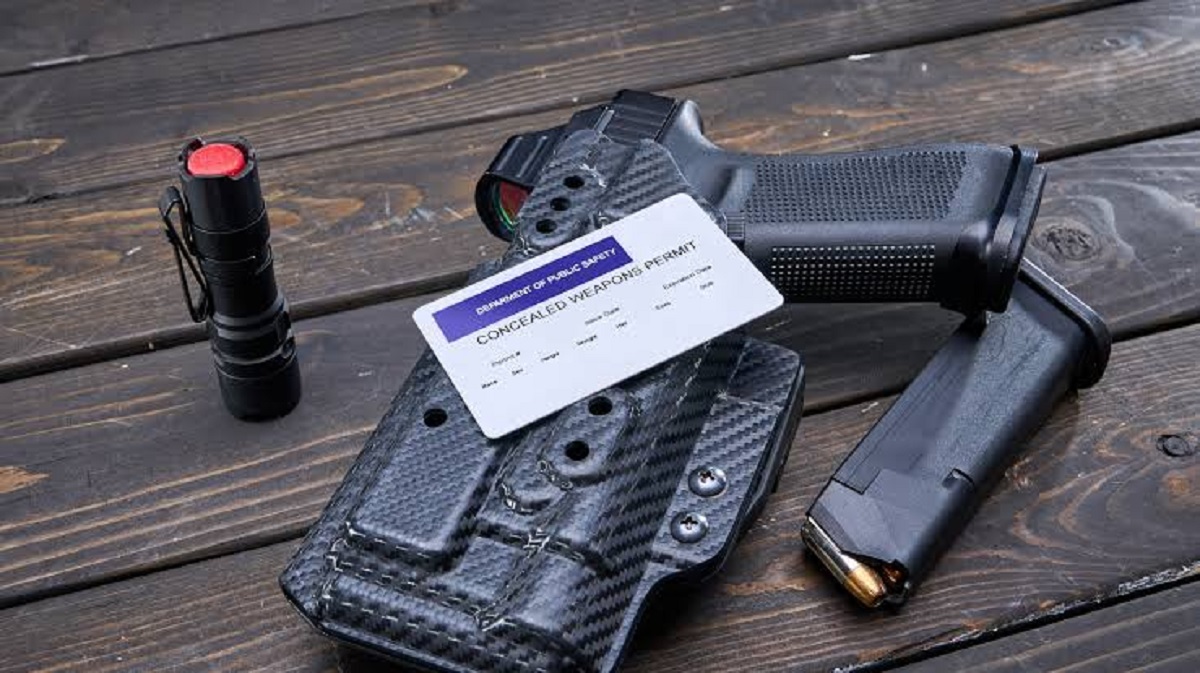
What States Allow Illinois Concealed Carry – Updated Reciprocity Guide for Legal Travel
Traveling with a concealed firearm requires more than carrying your Illinois Concealed Carry License. Every state has its own reciprocity laws, permit recognition rules, and restrictions that determine where your license remains valid. Knowing these details before crossing state lines helps you stay compliant and avoid unnecessary legal issues during your trip.
Many firearm owners search for what states allow illinois concealed carry because reciprocity agreements can change over time. A license that is accepted in one state may not be recognized in another, making it essential to verify current regulations before traveling. Understanding these differences gives you greater confidence while carrying legally.
State-specific rules also extend beyond permit recognition. Limits on prohibited locations, methods of carry, and interactions with law enforcement vary from one jurisdiction to another. Staying informed about these requirements helps you avoid costly mistakes and ensures responsible firearm ownership.
This guide explains what states allow illinois concealed carry, highlights important reciprocity considerations, and outlines key travel factors you should know before taking your firearm across state borders.
What States Allow Illinois Concealed Carry Through Reciprocity
Understanding reciprocity is essential before traveling with an Illinois Concealed Carry License (CCL). Reciprocity determines whether another state recognizes your Illinois permit and allows you to carry a concealed firearm under its laws. Since each state establishes its own firearm regulations, recognition can vary significantly. Checking current reciprocity agreements before every trip helps you remain compliant while avoiding legal complications during interstate travel.
States That Recognize an Illinois Concealed Carry License
Some states recognize an Illinois Concealed Carry License through reciprocity or by honoring permits issued by Illinois. This recognition allows eligible Illinois license holders to carry concealed firearms while visiting, provided they follow the host state’s laws. Permit recognition is based on each state’s legislation rather than Illinois law, meaning the rules are not identical everywhere.
Even in states that recognize an Illinois permit, firearm regulations often differ. Restrictions on prohibited locations, magazine capacities, notification requirements during traffic stops, and methods of concealed carry can vary. Following the host state’s regulations is your responsibility from the moment you enter its borders.
Reciprocity agreements may also change because of legislative updates or administrative decisions. A state that honors an Illinois permit today could revise its policies later. Reviewing official reciprocity information before traveling reduces the risk of unintentionally violating state firearm laws.
States That Do Not Recognize Illinois Concealed Carry
Several states do not recognize an Illinois Concealed Carry License. Entering these states with a concealed firearm under the assumption that your permit is valid can result in serious legal consequences. Knowing which states do not honor Illinois permits is just as important as knowing those that do.
Some states maintain strict permitting systems that recognize only their own licenses or permits from a limited group of states. Others have unique eligibility standards that prevent them from accepting Illinois permits. These policies are determined independently and may not reflect the requirements established by Illinois.
Travelers passing through non-reciprocal states should understand transportation laws that apply to unloaded and securely stored firearms. Federal transportation protections may apply in certain circumstances, but state regulations still govern many aspects of firearm possession once travel conditions change.
Understanding Permitless Carry and Illinois Travelers
Permitless carry, often called constitutional carry, allows qualified individuals to carry concealed firearms without obtaining a state-issued permit. Several states with permitless carry extend this option to non-residents, which may benefit Illinois travelers even when formal reciprocity does not exist.
Although a permit may not be required in those states, firearm owners must still comply with all local laws regarding prohibited locations, restricted buildings, firearm storage, and interactions with law enforcement. Permitless carry does not eliminate legal responsibilities or exempt travelers from state-specific regulations.
Illinois residents should carefully review the laws of every destination before relying on permitless carry provisions. Eligibility requirements, age restrictions, and firearm regulations differ across states, making advance preparation essential for lawful and responsible travel.
How to Verify Reciprocity Before Traveling
Reciprocity laws can change through new legislation, court decisions, or administrative updates. Verifying permit recognition shortly before departure helps ensure that your travel plans remain legally compliant. Relying on outdated maps or older online articles may lead to inaccurate information.
Official state government websites provide the most reliable and up-to-date reciprocity details. These resources often include recognized permits, prohibited carry locations, transportation rules, and notification requirements for concealed carry holders. Reviewing this information gives you a clearer understanding of your legal responsibilities.
Creating a habit of checking reciprocity before every interstate trip can help prevent unnecessary legal issues. Staying informed allows you to travel confidently while respecting the firearm laws of every state you visit.
Current Reciprocity Map for Illinois Concealed Carry Holders
A reciprocity map provides a quick way to understand where an Illinois Concealed Carry License is recognized across the United States. Since firearm laws and interstate agreements can change, a reciprocity map should always be treated as a starting point rather than the final authority. Reviewing updated information before every trip helps ensure you remain compliant with the firearm laws of each destination.
How to Read an Illinois Concealed Carry Reciprocity Map
A reciprocity map typically uses different colors or categories to show how each state treats an Illinois Concealed Carry License. Some states fully recognize the Illinois permit, while others allow carry under permitless carry laws or have no recognition at all. Understanding these distinctions helps you plan your route with greater confidence and avoid entering a state under incorrect assumptions.
It is important to remember that a map only provides a visual summary. It does not explain important legal details such as prohibited carry locations, magazine restrictions, duty-to-inform requirements, or transportation rules. Two states that appear in the same category on a map may still have significantly different firearm regulations that affect concealed carry holders.
Before relying on any reciprocity map, confirm that it reflects the latest legislative updates. Firearm laws are regularly revised through new statutes, court rulings, or administrative actions. Using an outdated map increases the risk of misunderstanding current reciprocity status and may lead to unintended legal violations while traveling.
States Commonly Shown as Recognizing Illinois Concealed Carry
Current reciprocity maps generally identify states that recognize an Illinois Concealed Carry License according to their own firearm laws. These states permit eligible Illinois license holders to carry concealed firearms while visiting, provided they comply with all local regulations governing firearms and concealed carry.
Recognition does not mean the laws are identical to those in Illinois. Each state establishes its own rules regarding restricted locations, government buildings, schools, parks, restaurants serving alcohol, and other sensitive areas. Carry methods, firearm storage requirements, and interactions with law enforcement may also differ from one state to another.
Travelers should review official state guidance even after checking a reciprocity map. Maps simplify complex legal information, but they cannot replace state-specific regulations that determine how and where concealed carry is permitted. Understanding these details helps reduce confusion and supports responsible firearm ownership during interstate travel.
States That Require Extra Attention on Reciprocity Maps
Some states are highlighted on reciprocity maps because their firearm laws are more complex than a simple recognized or not recognized status. A state may allow permitless concealed carry for eligible visitors while declining to formally recognize an Illinois permit. Others may have limited recognition rules that apply only under specific legal circumstances.
Certain jurisdictions also maintain additional restrictions that affect concealed carry holders. These may include unique age requirements, prohibited locations, mandatory notification to law enforcement, or restrictions on carrying in public transportation, entertainment venues, or government facilities. A reciprocity map cannot display every legal exception that may apply.
Because these special situations vary from state to state, reviewing official firearm regulations before crossing state lines remains an essential step. Taking time to understand the legal requirements of each destination can help prevent accidental violations and make travel with a firearm more predictable.
Keeping Your Reciprocity Information Up to Date
A reciprocity map is only as reliable as the information used to create it. State legislatures frequently introduce firearm-related bills, and court decisions may alter reciprocity agreements or concealed carry regulations. As a result, maps published months earlier may no longer reflect current legal conditions.
Checking updated reciprocity information shortly before every trip provides greater confidence that your travel plans remain lawful. Official government resources are generally the most dependable source for permit recognition, transportation requirements, and restricted carry locations. Comparing multiple reliable sources can also help confirm that the information is accurate and current.
Making reciprocity verification part of your travel routine helps you stay informed as firearm laws continue to evolve. Regularly reviewing current recognition status and state-specific regulations allows you to prepare for interstate travel with a clearer understanding of your legal responsibilities.
Factors That Determine Whether a State Honors an Illinois Concealed Carry Permit
Whether a state recognizes an Illinois Concealed Carry Permit depends on several legal and regulatory factors rather than a single nationwide standard. Every state has the authority to establish its own concealed carry policies, permit requirements, and reciprocity agreements. Understanding these factors helps explain why recognition differs across the country and why reciprocity can change over time.
State Reciprocity Laws and Legislative Decisions
The primary factor that determines whether a state honors an Illinois Concealed Carry Permit is its own reciprocity law. Each state legislature decides which out-of-state permits it will recognize based on its firearm statutes and public safety policies. Some states honor permits from nearly every state, while others recognize only a limited number or none at all.
Legislative changes can directly affect reciprocity agreements. A new law may expand permit recognition, restrict it, or eliminate existing agreements altogether. Because these decisions are made independently by each state, Illinois cannot require another state to recognize its concealed carry license.
For this reason, reciprocity status should always be verified before traveling. Depending on outdated information may result in carrying a firearm in a state where an Illinois permit is no longer recognized, creating unnecessary legal risks for the traveler.
Similarity Between Permit Requirements
Many states evaluate how closely another state’s licensing standards match their own before granting reciprocity. They often review factors such as minimum age requirements, background checks, firearms training, fingerprinting procedures, and eligibility standards used during the permit application process.
States with stricter licensing requirements may choose to recognize permits only from jurisdictions that maintain comparable standards. Others use broader recognition policies and honor permits regardless of differences in application procedures. These varying approaches explain why reciprocity agreements are not consistent across the United States.
Changes to Illinois licensing requirements can also influence future reciprocity decisions. When a state updates its own concealed carry laws, it may reassess which out-of-state permits continue to meet its legal expectations for recognition.
Resident and Non-Resident Recognition Policies
Another important factor is whether a state distinguishes between resident and non-resident permits. Some states honor only permits issued to residents of another state, while others extend recognition to both resident and non-resident license holders. These policies can significantly affect travelers carrying under an Illinois permit.
States may also establish separate rules for visitors who relocate temporarily, work across state lines, or remain within the state for extended periods. These residency-related provisions determine whether a concealed carry permit remains valid under changing circumstances.
Understanding resident and non-resident recognition policies helps Illinois firearm owners prepare for travel more effectively. Reviewing these requirements before entering another state reduces confusion and supports compliance with local concealed carry regulations.
Changes in Firearm Laws and Court Decisions
Reciprocity is not permanent because firearm laws continue to evolve. State legislatures regularly consider new bills related to concealed carry, while court decisions can alter how existing laws are interpreted and enforced. These legal developments may expand, restrict, or completely change permit recognition.
Administrative agencies responsible for firearm licensing may also revise reciprocity agreements after reviewing legal standards or regulatory updates. As a result, recognition status can change without affecting the validity of an Illinois Concealed Carry Permit itself.
Monitoring current firearm laws before every interstate trip is an important part of responsible firearm ownership. Staying informed about legislative updates and legal changes helps ensure that concealed carry remains lawful wherever an Illinois permit is recognized.
How to Verify Reciprocity Before Traveling
Verifying reciprocity before traveling is one of the most important steps for Illinois concealed carry holders. Firearm laws, permit recognition, and state regulations can change over time, making it essential to confirm current information before crossing state lines. Taking a few minutes to research your destination helps ensure you travel legally and understand the responsibilities that apply throughout your trip.
Check Official State Government Resources
The most reliable way to verify reciprocity is by visiting the official website of the destination state’s law enforcement agency or attorney general. These government sources typically publish the latest information about recognized concealed carry permits, reciprocity agreements, and any recent legal updates. Since official agencies maintain this information, they provide the most accurate guidance available for travelers.
While reviewing these resources, pay attention to more than permit recognition. Look for details about prohibited carry locations, transportation requirements, duty-to-inform laws, magazine restrictions, and other firearm regulations that may apply during your visit. Understanding these rules before departure helps you avoid unexpected legal issues after entering another state.
Review Reciprocity Maps and Recent Legal Updates
Reciprocity maps can serve as a helpful reference when planning interstate travel, but they should never be your only source of information. Many maps summarize permit recognition using color-coded categories, making it easy to identify states that honor an Illinois Concealed Carry License. However, they often simplify complex legal requirements and may not reflect recent legislative changes.
Before relying on a reciprocity map, verify that it has been updated recently. New firearm legislation, administrative policy changes, or court decisions can alter reciprocity agreements without much notice. Comparing information from multiple reliable sources provides greater confidence that your travel plans align with current firearm laws.
Confirm Local Carry Restrictions Before Departure
Even when a state recognizes an Illinois concealed carry permit, local laws may impose additional restrictions on where and how you can carry a firearm. Certain locations, including government buildings, schools, public transportation, entertainment venues, and private businesses, may prohibit concealed carry regardless of reciprocity status.
Reviewing these location-specific restrictions before leaving home helps you prepare for your trip without surprises. It is also a good idea to check whether local municipalities have additional regulations that complement state law. Staying informed about both statewide and local firearm rules allows you to travel responsibly while remaining compliant throughout your journey.
Rules Illinois Permit Holders Must Follow When Traveling
Traveling with an Illinois Concealed Carry License involves more than knowing where your permit is recognized. Every destination has its own firearm regulations that apply to visitors, including rules on carrying, transporting, and storing firearms. Understanding these requirements before you travel helps you remain compliant with state laws and reduces the risk of legal complications during your trip.
Follow the Firearm Laws of the State You Visit
Once you cross into another state, you are generally required to follow that state’s firearm laws rather than Illinois regulations. Even when your Illinois Concealed Carry License is recognized through reciprocity, the host state’s rules determine where you may carry, how you may carry, and which locations remain off-limits.
Many states prohibit concealed firearms in places such as schools, government buildings, courthouses, secure airport areas, and certain private properties. Some also have specific requirements regarding interactions with law enforcement during traffic stops. Learning these rules before traveling helps you avoid unintentional violations and carry responsibly throughout your visit.
Transport and Store Firearms Safely
Safe firearm transportation is an important responsibility for Illinois permit holders, especially when traveling through states with different firearm regulations. In situations where concealed carry is not permitted, a firearm may need to be unloaded and secured in a locked container according to applicable laws. Proper storage helps maintain safety while supporting legal compliance.
Vehicle storage requirements may also differ between states. Some jurisdictions specify how firearms and ammunition must be stored inside a vehicle, while others regulate access to firearms during travel. Reviewing transportation rules before departure allows you to prepare your vehicle and equipment according to the laws of your destination.
Stay Informed About Changing Reciprocity Laws
Reciprocity agreements and concealed carry regulations can change due to new legislation, court decisions, or administrative actions. A state that recognizes an Illinois permit today may revise its policies in the future, making regular updates an essential part of responsible firearm ownership.
Checking official state resources before every interstate trip ensures you have the latest information about permit recognition and local firearm regulations. Making reciprocity verification part of your travel planning helps you remain informed, comply with current laws, and avoid relying on outdated information that could affect your legal ability to carry.
FAQs
What States Allow Illinois Concealed Carry?
The states that recognize an Illinois Concealed Carry License depend on their individual reciprocity laws. Some states honor the Illinois permit, while others allow eligible visitors to carry under permitless carry laws. A few states do not recognize the Illinois license at all, making concealed carry unlawful without meeting their specific requirements.
Before you travel, always verify the latest reciprocity information through official state resources. Firearm laws and reciprocity agreements can change, so checking current regulations helps you stay compliant and avoid legal issues during your trip.
Does Every State Honor An Illinois Concealed Carry License?
No, every state does not honor an Illinois Concealed Carry License. Each state has the authority to decide whether it recognizes permits issued by other states. As a result, recognition varies across the country, and your Illinois permit may be valid in one state but not in another.
You should review the firearm laws of every destination before traveling. Even when a state recognizes your Illinois license, local rules regarding prohibited locations, transportation, and interactions with law enforcement may differ from those in Illinois.
Can You Carry In Constitutional Carry States With An Illinois Permit?
Many constitutional carry states allow eligible adults to carry concealed firearms without a permit. This means you may be able to carry legally even when the state does not formally recognize your Illinois Concealed Carry License. However, eligibility requirements and restrictions still apply.
You should never assume that constitutional carry removes all legal responsibilities. Every state has its own rules regarding restricted locations, age requirements, firearm possession, and prohibited conduct. Reviewing those laws before traveling helps you remain compliant.
How Can You Check What States Allow Illinois Concealed Carry?
The most reliable way to confirm what states allow Illinois concealed carry is by visiting official state government websites. Many attorney general offices and state law enforcement agencies publish updated reciprocity information, recognized permits, and concealed carry regulations for visitors.
You can also use reciprocity maps as a general reference, but they should not replace official sources. Laws change through legislation and court decisions, so verifying the latest information before every trip helps ensure your Illinois permit is recognized where you plan to travel.
Do You Have To Follow Illinois Laws Or The Destination State’s Laws?
When you travel outside Illinois, you must follow the firearm laws of the state you are visiting. Even though you hold an Illinois Concealed Carry License, the destination state’s regulations determine where you may carry, how you may transport your firearm, and which places prohibit concealed carry.
You should learn about restricted locations, vehicle transportation rules, duty-to-inform requirements, and other state-specific regulations before your trip. Understanding these laws helps you avoid violations and travel responsibly with your firearm.
Can Reciprocity Agreements For Illinois Change?
Yes, reciprocity agreements can change at any time because states regularly update their firearm laws. Legislative changes, court decisions, or administrative actions may expand, limit, or end permit recognition between states, affecting where your Illinois Concealed Carry License is valid.
You should avoid relying on outdated reciprocity maps or older articles. Checking current information shortly before traveling ensures you have the latest details and helps you comply with the firearm laws in every state you visit.
What Should You Do Before Traveling With An Illinois Concealed Carry License?
Before traveling, confirm that your destination recognizes your Illinois Concealed Carry License or allows lawful carry under its own firearm laws. You should also review regulations covering prohibited locations, firearm transportation, vehicle storage, and any notification requirements during encounters with law enforcement.
Planning ahead reduces the chance of legal complications and allows you to travel with greater confidence. Keeping your permit available, understanding the laws of each state, and staying informed about reciprocity updates are essential steps for responsible firearm ownership.
Final Words
Many gun owners travel across state lines for work, vacations, or family visits, making it important to stay informed about reciprocity laws. Understanding what states allow illinois concealed carry helps you avoid legal issues and ensures you can carry responsibly wherever your travels take you. Since firearm regulations can change, checking the latest state-specific rules before every trip is always a smart habit.
Following the laws of each state is just as important as having a valid Illinois concealed carry license. Pay attention to restrictions on prohibited locations, transportation requirements, and any duty-to-inform rules that may apply. A little preparation can make your travel safer and legally compliant.
Keeping up with current reciprocity agreements gives you greater confidence while traveling. Whether you’re planning a short road trip or an extended journey, knowing what states allow illinois concealed carry allows you to make informed decisions and enjoy your travels while respecting every state’s firearm laws.