What 9mm Ammo Does the Military Use? Types, Specs, and Real Military Sidearm Rounds
Choosing the right ammunition has always been a major part of military performance, training, and safety. From standard sidearms to compact tactical weapons, 9mm rounds remain one of the most widely used calibers across military forces around the world. Many gun owners and shooting enthusiasts often wonder what 9mm ammo does the military use and why certain rounds are selected over others.
Military organizations rely on ammunition that offers reliability, controlled recoil, and dependable performance in demanding environments. Over the years, different types of 9mm cartridges have been adopted based on mission requirements, international agreements, and advancements in firearm technology. These choices influence everything from training exercises to real combat situations.
Understanding what 9mm ammo does the military use also helps civilians compare military-grade ammunition with commercial options available on the market. Some rounds focus on penetration, while others are designed for accuracy and smoother handling during extended use.
This guide breaks down the common types of military 9mm ammunition, how they are used, and what makes them different from standard civilian loads.
Why the Military Uses 9mm Ammunition
Military forces around the world continue to rely on 9mm ammunition because it offers a practical balance of performance, reliability, and efficiency. It works well in sidearms and compact weapons while remaining easy to carry in large quantities. The caliber has also become a global standard, making supply, training, and maintenance far more manageable for armed forces operating in different regions and combat environments.
Reliable Performance in Different Combat Situations
One of the biggest reasons the military continues using 9mm ammunition is its dependable performance in a wide range of situations. Soldiers need ammunition that functions consistently in extreme heat, cold weather, desert environments, and wet conditions. The 9mm cartridge has built a strong reputation for reliability, especially when paired with modern military pistols and submachine guns.
Another important factor is controllable recoil. Military personnel often train for rapid target engagement, and lower recoil helps shooters stay accurate during repeated firing. Compared to larger handgun calibers, 9mm ammunition allows soldiers to recover faster between shots and maintain better handling under pressure. This becomes especially valuable during close-range encounters where quick reaction time matters.
The compact size of the round also plays a major role in military use. Soldiers can carry more 9mm ammunition without adding significant extra weight to their gear. In combat operations, every pound matters, and lighter ammunition helps improve mobility during long missions or patrols. Carrying additional magazines can make a major difference in extended engagements.
Modern 9mm military rounds have also improved in quality over the years. Enhanced bullet design, better powder consistency, and improved firearm compatibility have made the caliber even more effective than older versions. These upgrades help maintain accuracy and feeding reliability while reducing weapon wear during heavy use in training and active duty situations.
Cost Efficiency and NATO Standardization
Another major reason the military uses 9mm ammunition is the cost and logistical advantage it provides. Military organizations require enormous amounts of ammunition every year for training exercises, qualification courses, and active operations. Since 9mm rounds are widely produced around the world, they are generally more affordable to manufacture and distribute compared to many larger handgun calibers.
Standardization within NATO also plays a huge role in the popularity of 9mm ammunition. Many allied countries use the same caliber, which simplifies supply chains during joint military operations. Soldiers from different nations can share compatible ammunition when needed, reducing logistical complications during deployments and multinational missions. This level of compatibility supports smoother coordination between allied forces.
Training efficiency is another benefit connected to the 9mm platform. Because recoil remains manageable, new recruits often learn faster and develop shooting confidence more easily. Military instructors can focus on improving accuracy, weapon handling, and tactical movement without dealing with excessive recoil fatigue. This helps create more consistent firearm performance across large groups of personnel.
The long service history of 9mm ammunition has also helped military manufacturers refine weapon systems around the caliber. Many service pistols are specifically engineered to maximize durability and reliability with 9mm rounds. As a result, maintenance costs can remain lower while firearm lifespan improves. These combined advantages explain why 9mm ammunition continues to serve as a trusted military choice across many countries and defense organizations.
What 9mm Ammo Does the Military Use Today
Modern military forces continue to use several types of 9mm ammunition depending on their mission requirements, firearm platforms, and international agreements. While many countries follow NATO standards, specialized military units may also use advanced loads designed for improved performance. Understanding what 9mm ammo does the military use today gives a clearer picture of how military sidearms and tactical weapons operate in real-world conditions.
NATO Standard 9mm Full Metal Jacket Rounds
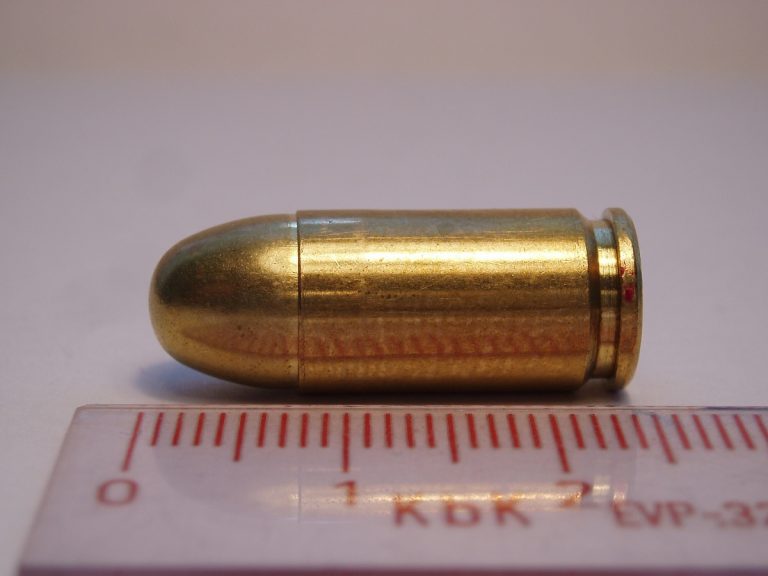
The most common answer to what 9mm ammo does the military use today is the 9mm NATO full metal jacket round. This ammunition is widely adopted by NATO member countries and is commonly loaded with a 124-grain bullet. Military forces prefer this setup because it delivers reliable feeding, stable performance, and consistent pressure levels in combat pistols and submachine guns.
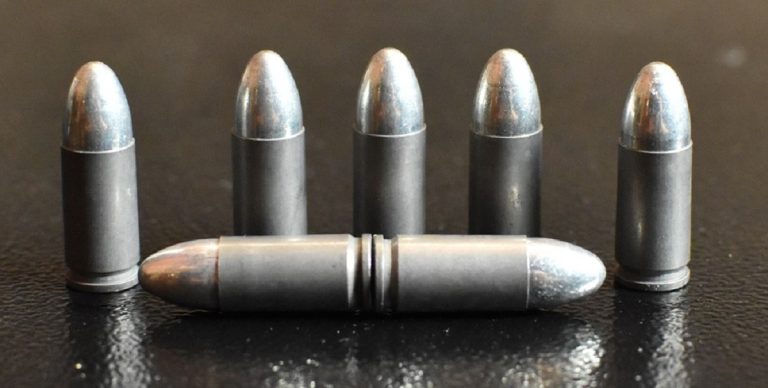
Full metal jacket rounds are designed with a lead core covered by a harder outer metal shell. This construction helps reduce bullet deformation during feeding and firing, making the ammunition dependable during rapid use. Military personnel often fire thousands of rounds during training exercises, so reliable cycling is extremely important for maintaining weapon readiness and reducing malfunctions in the field.
The 9mm NATO cartridge typically operates at slightly higher pressure compared to many civilian 9mm loads. This added pressure can improve velocity and overall performance in military firearms designed specifically for NATO specifications. Weapons such as the military-issued service pistol are built to handle these pressure levels safely and efficiently during repeated use.
Another reason these rounds remain popular is international compatibility. Allied military forces can share ammunition during multinational operations because NATO-standard 9mm ammunition follows common specifications. This simplifies supply management and ensures soldiers from different countries can operate together more effectively without major ammunition concerns during deployments or joint missions.
Specialized Military and Tactical 9mm Loads
Although full metal jacket ammunition remains the standard choice, some military and tactical units use specialized 9mm loads for specific missions. Certain operations may require ammunition designed for improved penetration, reduced flash, or enhanced accuracy in close-quarter environments. These specialized rounds are usually issued to military police, special operations forces, or elite tactical teams.
One example includes hollow-point style ammunition used by select military units in situations where improved stopping capability is needed. Some modern military organizations have gradually expanded the use of these rounds for counterterrorism and security operations. These loads can reduce over-penetration risks while delivering more controlled impact performance during close-range encounters.
Subsonic 9mm ammunition is another option sometimes used by special forces operating suppressed firearms. These rounds travel at lower velocity levels, helping reduce sound when paired with suppressors. Quiet operation can become important during reconnaissance missions or tactical operations where limiting noise provides a strategic advantage.
Training ammunition also remains a large part of military 9mm use today. Forces around the world use affordable practice rounds that closely match the recoil and performance of combat ammunition. This allows soldiers to train realistically without constantly using more expensive operational loads. The combination of standard NATO rounds, tactical specialty ammunition, and dedicated training cartridges explains the wide variety of 9mm ammunition currently used by military forces worldwide.
Common Bullet Types Used by the Military
Military forces use several types of bullets depending on combat needs, training requirements, and operational environments. Different ammunition designs offer advantages such as better reliability, improved penetration, or safer training performance. Understanding the common bullet types used by the military helps explain why certain rounds are selected for pistols, rifles, and tactical missions across modern armed forces around the world.
Full Metal Jacket Bullets
Full metal jacket bullets are among the most widely used military ammunition types. These bullets feature a soft lead core surrounded by a harder metal coating, usually copper or a similar alloy. The outer jacket helps the bullet maintain its shape while feeding through firearms smoothly and consistently. This reliability makes full metal jacket rounds a standard choice for military pistols, rifles, and training exercises.
One major reason the military prefers full metal jacket ammunition is dependable weapon performance. Soldiers often operate in dusty deserts, wet environments, or freezing conditions where firearms face constant stress. A bullet that feeds correctly and reduces jamming problems becomes extremely valuable during combat situations. Full metal jacket rounds are designed to cycle efficiently through automatic and semi-automatic firearms during repeated firing.
These bullets are also commonly used because of international military agreements and long-standing NATO standards. Many military organizations have relied on full metal jacket ammunition for decades due to its consistent manufacturing and compatibility with service weapons. Standardization helps allied forces share ammunition more easily during multinational operations and training missions.
Another advantage is reduced barrel fouling compared to exposed lead bullets. The metal jacket limits direct contact between the lead core and the barrel, helping reduce buildup during heavy firing sessions. Since military personnel often fire thousands of rounds during practice and qualification exercises, cleaner operation supports easier weapon maintenance and longer firearm life. Full metal jacket ammunition continues to remain one of the most trusted and widely distributed bullet types in military service today.
Hollow Point and Expanding Bullets
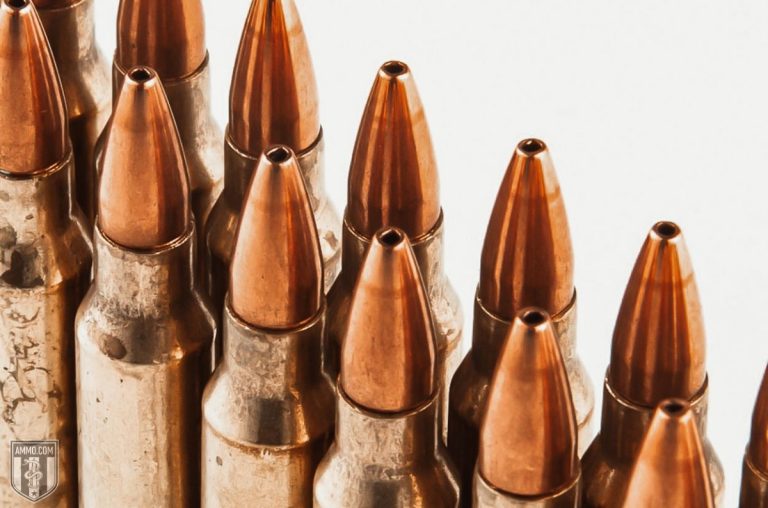
Although full metal jacket ammunition dominates standard military use, some specialized military and law enforcement units also use hollow point or expanding bullets. These bullets are designed with a hollow cavity near the tip, allowing controlled expansion after impact. Certain tactical operations require ammunition that delivers greater stopping capability while reducing the chance of excessive penetration in confined environments.
Special operations forces and military police units may use hollow point ammunition during close-quarter missions or counterterrorism activities. In urban settings, reducing over-penetration can help limit unintended damage behind the target area. This makes expanding bullets useful during hostage rescue operations, embassy security missions, and other sensitive tactical situations where precision matters.
Modern hollow point designs have improved significantly over the years. Manufacturers now produce rounds with better feeding reliability, stronger jackets, and more controlled expansion characteristics. Earlier versions occasionally struggled with consistent cycling in some firearms, but newer military-grade designs have addressed many of these issues through improved engineering and testing.
These bullets are not universally used across all branches of the military because many standard combat roles still rely on NATO-approved full metal jacket ammunition. However, specialized units continue adopting expanding rounds where mission-specific needs support their advantages. Their use depends heavily on operational goals, military policy, and the type of engagement soldiers may encounter during deployment. Hollow point ammunition remains a more specialized option compared to the broader military use of traditional full metal jacket rounds.
Armor Piercing and Penetrator Rounds
Armor piercing ammunition is another important bullet type used by military forces in certain situations. These rounds are designed to penetrate barriers, protective gear, or hardened surfaces more effectively than standard ammunition. Instead of using only a soft lead core, armor piercing bullets often contain hardened steel, tungsten, or similar materials that increase penetration capability during impact.
Military forces may use penetrator rounds when facing armored targets, reinforced structures, or equipment that standard bullets cannot easily defeat. These rounds are especially useful in battlefield environments where enemies may use body armor, vehicles, or protective barriers for cover. Specialized military units often rely on armor piercing ammunition when increased penetration becomes necessary during combat operations.
The construction of these bullets allows them to maintain momentum and shape better after striking hard surfaces. Rather than flattening quickly on impact, the hardened core pushes through materials more effectively. This design can improve performance against helmets, light armor, and other reinforced obstacles encountered during military engagements.
Because armor piercing rounds can create higher wear on firearms and may involve stricter regulations, they are typically reserved for military or specialized tactical use. Training with these rounds is usually more controlled due to cost and safety considerations. Many armed forces carefully manage when and where penetrator ammunition is issued, ensuring it is used only for missions where enhanced penetration provides a clear operational advantage.
Tracer and Training Ammunition
Tracer ammunition is another common military bullet type that serves a unique battlefield purpose. These rounds contain a small pyrotechnic compound at the base of the bullet that ignites during firing, creating a visible trail as the projectile travels through the air. Soldiers use tracer rounds to observe bullet paths, improve aiming adjustments, and coordinate fire during low-light or nighttime operations.
Machine gun teams frequently load tracer rounds into ammunition belts at specific intervals. This allows shooters to visually track where rounds are landing and correct their aim more quickly during sustained fire. Tracers can also help squad members identify firing direction and maintain communication during chaotic combat situations where visibility becomes limited.
Training ammunition also plays a massive role in military preparation. Armed forces use specialized practice rounds that closely match the recoil and handling of combat ammunition while reducing cost and wear. Some training rounds use simplified bullet construction, while others include reduced powder charges for indoor ranges or close-range exercises.
Blank ammunition represents another important training category used during military drills and simulations. These rounds create sound and weapon cycling without firing an actual projectile. Soldiers use blanks during combat training exercises to practice communication, movement, and tactical coordination in realistic conditions. Together, tracer rounds and training ammunition support military readiness by helping personnel improve accuracy, coordination, and weapon familiarity before entering real operational environments.
Differences Between Military 9mm and Civilian 9mm
Military and civilian 9mm ammunition may look similar from the outside, but they are often designed for different purposes. Military rounds focus heavily on reliability, standardization, and battlefield performance, while civilian ammunition is commonly built for self-defense, sport shooting, or personal use. These differences affect bullet design, pressure levels, performance, and even the types of firearms used with each cartridge.
Bullet Design and Construction
One of the biggest differences between military 9mm and civilian 9mm ammunition is the bullet design. Military forces commonly use full metal jacket rounds because they provide reliable feeding and consistent performance in service pistols and submachine guns. These bullets have a lead core covered with a hard metal jacket that helps maintain shape during firing and reduces malfunctions in demanding conditions.
Civilian ammunition comes in a much wider variety of bullet styles. Many civilian gun owners prefer hollow point rounds for self-defense because they are designed to expand on impact. This expansion can reduce over-penetration and improve stopping capability in defensive situations. Sport shooters may also use lightweight target rounds that produce softer recoil and lower operating pressure.
Military ammunition usually follows strict NATO or government standards to ensure compatibility across multiple weapon systems. Civilian ammunition manufacturers have more flexibility to create rounds optimized for personal protection, target shooting, or competition use. As a result, civilian shooters often have more choices in bullet weight, design, and overall performance characteristics.
Pressure Levels and Performance
Military 9mm ammunition is often loaded to higher pressure levels than standard civilian 9mm rounds. For example, 9mm NATO ammunition typically produces more chamber pressure than regular commercial 9mm cartridges. This added pressure can improve velocity and reliability in military firearms specifically designed to handle NATO specifications during combat or intensive training use.
Civilian ammunition varies greatly depending on the intended purpose. Some commercial rounds are loaded lighter to reduce recoil and improve comfort during range practice. Others are designed as high-performance defensive loads with enhanced expansion or improved terminal performance. This variety allows civilian shooters to select ammunition based on personal preference and firearm compatibility.
Because military rounds are built for durability and battlefield reliability, they are often engineered to function consistently in harsh environments. Firearms used by soldiers must operate in sand, mud, rain, and extreme temperatures without frequent failures. Civilian ammunition, while reliable, is usually developed for more controlled conditions such as self-defense or recreational shooting ranges.
The stronger pressure levels found in some military ammunition may also create slightly sharper recoil compared to basic civilian target loads. Firearms rated for NATO-spec ammunition can safely manage this pressure, but not every civilian handgun is designed for heavy or continuous use with higher-pressure military-style rounds.
Purpose and Availability
Another key difference involves the intended use of the ammunition. Military 9mm rounds are primarily produced for training, duty carry, and combat operations. Governments purchase large quantities of standardized ammunition to simplify logistics, reduce costs, and maintain consistent performance across military units operating in different regions around the world.
Civilian ammunition is produced for a much broader market. Gun owners may purchase 9mm rounds for concealed carry, home defense, target practice, or shooting competitions. Because of these different uses, civilian manufacturers focus heavily on variety, offering countless bullet weights, recoil levels, and specialty loads designed for individual preferences.
Availability also differs between military and civilian ammunition types. Certain military-specific rounds or penetrator ammunition may be restricted or difficult for civilians to purchase depending on local laws and regulations. Civilian ammunition, on the other hand, is widely available through sporting goods stores and firearm retailers in areas where legal ownership is permitted.
Packaging and production priorities can also vary significantly. Military ammunition is often shipped in bulk quantities designed for long-term storage and field distribution. Civilian ammunition usually comes in smaller consumer-friendly boxes with detailed labeling that highlights performance features, bullet type, and intended use for everyday shooters.
How Military 9mm Ammo Performs
Military 9mm ammunition is designed to deliver dependable performance in demanding conditions where reliability matters most. Soldiers rely on ammunition that functions consistently during training exercises, field operations, and combat situations. The performance of military 9mm rounds is shaped by factors such as pressure levels, bullet design, recoil control, and compatibility with service weapons used by military forces around the world.
Reliability and Accuracy in the Field
One of the strongest qualities of military 9mm ammunition is reliability. Military rounds are built to function in harsh environments that include sand, mud, rain, and extreme temperatures. Service members need ammunition that feeds smoothly, fires consistently, and reduces the chance of weapon malfunctions during critical moments. Full metal jacket bullets are commonly used because they maintain stable feeding performance in military pistols and submachine guns.
Accuracy also plays a major role in military ammunition performance. Modern 9mm NATO rounds are manufactured to maintain consistent velocity and pressure, helping soldiers shoot more accurately during repeated firing. Stable recoil allows quicker target reacquisition, especially during rapid-fire training or close-range encounters. These features help military personnel maintain better control while improving overall shooting efficiency in demanding situations.
Military 9mm ammunition is also tested heavily before being approved for service use. Ammunition manufacturers perform durability, pressure, and reliability testing to ensure rounds perform properly in military-issued firearms. This strict testing process helps maintain consistent quality across large-scale production used by armed forces worldwide.
Recoil, Penetration, and Combat Effectiveness
Military 9mm ammunition is known for offering manageable recoil compared to larger handgun calibers. Lower recoil helps soldiers maintain better weapon control and faster follow-up shots during stressful situations. Since military personnel train extensively with sidearms, controllable recoil improves endurance and reduces shooter fatigue during long practice sessions or extended operational use.
Penetration is another important part of military ammunition performance. Standard military 9mm rounds are designed to penetrate effectively while maintaining stable flight characteristics. NATO-spec ammunition often operates at slightly higher pressure levels than many civilian target rounds, which can improve bullet velocity and performance in service pistols designed for military specifications.
Combat effectiveness also depends on consistency and firearm compatibility. Military handguns are engineered to work efficiently with NATO-standard ammunition under heavy use. Reliable cycling, dependable ignition, and durable bullet construction all contribute to overall battlefield performance. These qualities help military 9mm ammunition remain one of the most trusted sidearm calibers used by armed forces across the world.
Tips for Choosing Military-Style 9mm Ammo
Military-style 9mm ammunition attracts many shooters because of its reputation for reliability, consistent performance, and durable construction. Whether someone wants ammunition for training, range use, or collecting military-spec rounds, choosing the right option matters. Understanding pressure ratings, bullet design, and firearm compatibility can help shooters select military-style 9mm ammo that performs safely and efficiently.
Check NATO Specifications and Pressure Ratings
One of the first things to consider when choosing military-style 9mm ammo is whether the ammunition follows NATO specifications. NATO-standard 9mm rounds are usually loaded to higher pressure levels than standard civilian target ammunition. These rounds are designed for military firearms built to handle increased pressure and heavy use during training or combat operations.
Before using military-style ammunition, shooters should confirm that their handgun is rated for NATO or higher-pressure 9mm loads. Some civilian firearms may handle these rounds without problems, while others are designed mainly for lighter commercial ammunition. Using the correct ammunition helps maintain safe firearm operation and reduces unnecessary wear on internal components.
Buyers should also pay attention to bullet weight and manufacturer information. Many military-style 9mm rounds use 124-grain full metal jacket bullets because they closely match standard NATO specifications. Choosing ammunition from trusted manufacturers helps ensure consistent quality, proper pressure levels, and dependable performance during range sessions or practice drills.
Focus on Reliability and Intended Use
Another important tip is selecting military-style 9mm ammo based on the intended purpose. Many shooters purchase these rounds for training because full metal jacket bullets feed smoothly and produce reliable cycling in semi-automatic pistols. Consistent performance makes military-style ammunition useful for target practice, defensive drills, and extended range sessions.
Reliability should always remain a top priority when comparing different brands. Quality military-style ammunition is designed to reduce feeding issues, misfires, and inconsistent recoil. Checking user reviews and firearm compatibility can help shooters avoid ammunition that may not perform well in specific handgun models.
Storage quality also matters when buying military-style ammunition. Some military-spec rounds come sealed or packaged for long-term durability, helping protect them from moisture and environmental damage. Shooters planning to store ammunition for extended periods often look for corrosion-resistant cases and dependable primer sealing.
Price and availability can vary depending on the manufacturer and current demand. Bulk military-style 9mm ammunition is commonly sold for range training because purchasing larger quantities often lowers the cost per round. Comparing quality, consistency, and firearm compatibility helps shooters find the right balance between affordability and dependable performance.
FAQs
What 9mm Ammo Does The Military Use?
You will usually find that the military uses 9mm NATO ammunition for standard sidearms and certain submachine guns. This round is slightly more powerful than regular civilian 9mm Luger ammo because it operates at higher pressure levels. Many NATO countries adopted it to maintain ammunition compatibility during joint operations and training exercises.
The U.S. military commonly used the M882 124-grain full metal jacket round for years with the Beretta M9. Today, newer military pistols like the SIG Sauer M17 and M18 also use advanced 9mm loads. When you look at military-issued ammunition, reliability, penetration, and consistent performance matter more than expansion or personal defense features commonly found in civilian ammunition.
Why Does The Military Use Full Metal Jacket 9mm Ammo?
You may notice that military ammunition is commonly loaded with full metal jacket bullets instead of hollow points. FMJ rounds are preferred because they feed reliably in semi-automatic pistols and maintain better penetration through barriers and gear. Military forces also follow international warfare agreements that influenced the widespread use of non-expanding ammunition for decades.
Another reason FMJ ammo remains popular is cost-effectiveness and durability during training and combat use. Soldiers need ammunition that performs consistently in harsh environments like sand, mud, rain, and extreme temperatures. Full metal jacket bullets reduce barrel fouling and help military pistols function smoothly during extended operations where reliability becomes more important than maximum stopping power.
Is 9mm NATO Different From Regular 9mm Luger?
You might think 9mm NATO and 9mm Luger are identical, but there are important differences between the two. 9mm NATO ammunition is generally loaded to higher pressure specifications, giving it increased velocity and stronger recoil compared to standard commercial 9mm rounds. Military firearms are specifically designed to handle this additional pressure safely.
Most modern pistols can shoot 9mm NATO without problems, but you should always check your firearm manufacturer’s recommendations first. The higher-pressure military rounds may cause additional wear in older or compact handguns. Many shooters prefer NATO rounds for training because they closely mimic military performance and offer reliable cycling in duty-style firearms.
What Grain Bullet Does Military 9mm Ammo Use?
You will often see military 9mm ammunition loaded with a 124-grain bullet weight. This has become one of the most common standards for NATO-issued sidearm ammunition because it balances recoil, velocity, and penetration effectively. The M882 military round used by the U.S. military is a well-known example of a 124-grain FMJ cartridge.
Some specialized military units may use different bullet weights depending on their mission requirements. Lighter bullets can produce higher speeds, while heavier bullets may improve penetration and stability. For general military service use, though, the 124-grain configuration remains popular because it delivers dependable battlefield performance without excessive recoil or reduced magazine capacity.
Can Civilians Buy The Same 9mm Ammo Used By The Military?
You can often buy military-style 9mm NATO ammunition from commercial ammunition manufacturers. Brands like Winchester, Federal, and Sellier & Bellot regularly sell NATO-spec loads to civilian shooters. These rounds are commonly used for range training, tactical drills, and defensive practice because they closely match military performance standards.
However, some actual military-issued ammunition may not be available on the civilian market. Surplus availability depends on regulations and supply conditions in your country. Before using NATO ammunition, you should confirm that your handgun is rated for higher-pressure rounds. Many shooters appreciate military-style ammo because it offers strong reliability and realistic shooting performance during training sessions.
What Pistols Use Military 9mm Ammunition?
You will find military 9mm ammunition used in several famous service pistols around the world. The U.S. military previously relied on the Beretta M9 and now issues the SIG Sauer M17 and M18 as standard sidearms. Many NATO countries also use Glock, Heckler & Koch, and FN pistols chambered in 9mm NATO.
These firearms are designed for durability, reliability, and consistent operation under demanding battlefield conditions. Military pistols must function properly during long deployments, harsh weather, and heavy use. That is why manufacturers test them extensively with NATO-spec ammunition. When you shoot military-grade pistols, you often notice they are built to handle higher-pressure loads repeatedly without sacrificing reliability.
Why Did The Military Choose 9mm Instead Of Larger Calibers?
You may wonder why many military forces moved toward 9mm instead of larger handgun calibers like .45 ACP. One major reason is magazine capacity. A 9mm pistol can carry more rounds while keeping recoil manageable, allowing soldiers to shoot more accurately and reload less frequently during stressful situations.
Another advantage is ammunition weight and logistics. Soldiers can carry more 9mm rounds without adding excessive bulk to their gear. NATO standardization also made 9mm practical because allied forces could share ammunition during joint missions. Over time, improvements in bullet design and handgun technology helped 9mm become a trusted military caliber for both combat effectiveness and everyday service use.
Final Thoughts
Military forces continue to trust 9mm ammunition because it offers a dependable mix of reliability, manageable recoil, and consistent performance. From standard NATO full metal jacket rounds to specialized tactical loads, the 9mm platform remains one of the most practical handgun calibers used by armed forces around the world.
Understanding what 9mm ammo does the military use helps explain why this caliber has stayed relevant for decades. Military organizations value ammunition that performs well in harsh environments, supports large-scale training, and works efficiently across different handgun systems and tactical situations.
The discussion around what 9mm ammo does the military use also shows the difference between military-grade ammunition and civilian options available today. Pressure levels, bullet construction, and intended use all play an important role in overall performance. As military technology continues to evolve, 9mm ammunition remains a trusted and widely used choice for modern service handguns and tactical operations.