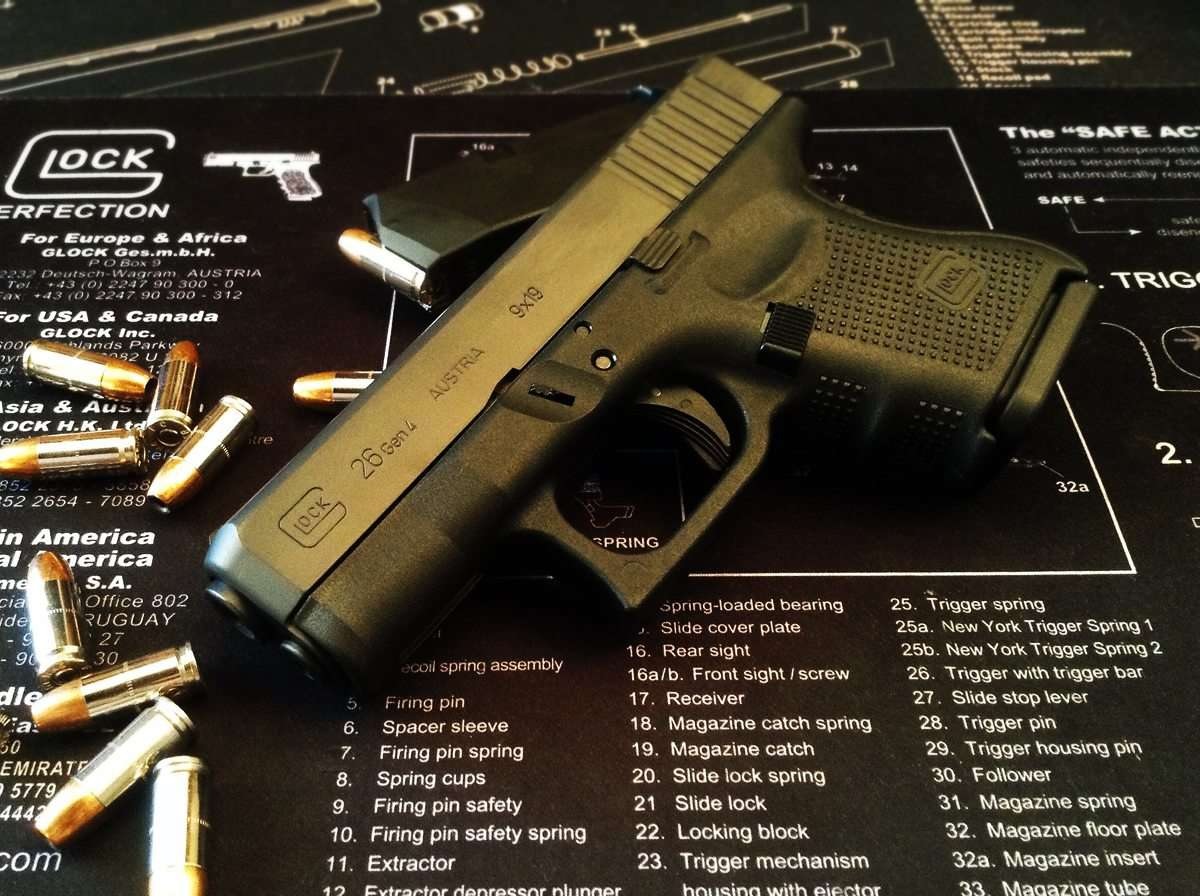
How to Tell What Gen Your Glock Is Complete Identification Guide
Glock pistols are known for their reliability and simple design, but small changes across generations can make a big difference in parts compatibility and performance. Whether you own a carry gun or a range pistol, knowing these variations helps you understand exactly what you are holding.
Many owners get confused because upgrades and frame changes are not always obvious at first glance. Slide markings, frame texture, and internal parts may vary depending on the generation, making identification important for maintenance, upgrades, and resale value.
Learning the details of how to tell what gen your glock is becomes essential when you want to match parts correctly or verify authenticity before purchasing or trading.
This guide breaks down the key visual cues and production changes across Glock generations so you can quickly identify your model with confidence. From early Gen 1 designs to the latest Gen 5 updates, understanding these differences makes ownership more informed and practical for everyday use and customization decisions.
What Does Glock Generation Mean
Glock generations refer to the different design updates and improvements made to pistols over time by Glock. Each generation represents a specific production era where changes were introduced to improve ergonomics, durability, and performance. These updates may not always be obvious at first glance, but they significantly affect handling, compatibility, and user experience. Understanding generations helps you identify design evolution and choose the right parts or accessories for your firearm.
What Glock Generations Are
Glock generations are classification stages used to group pistols based on design changes introduced during production. From Gen 1 through Gen 5, each version includes refinements in frame texture, grip shape, internal components, and slide design. These improvements are made gradually, so older and newer models may look similar but function differently in key areas.
The idea behind generations is to track improvements rather than create entirely new models. For example, earlier generations focused on basic reliability and simplicity, while later versions added better ergonomics, enhanced control features, and improved internal mechanics. This system makes it easier for users and manufacturers to identify compatibility and performance differences across models.
Why Generations Were Introduced
Generations were introduced to continuously improve performance, safety, and user comfort based on real-world feedback from law enforcement, military, and civilian users. As technology advanced, Glock updated its designs to solve issues like grip comfort, recoil control, and accessory compatibility without changing the core reliability of the platform.
Each generation reflects practical upgrades rather than cosmetic changes alone. For example, newer generations often include improved grip textures for better handling, modular backstraps for different hand sizes, and upgraded internal parts for longer service life. These refinements help the firearm perform more consistently in different environments and shooting conditions.
Key Differences Between Generations
The key differences between Glock generations are usually found in the frame design, grip texture, and internal components. Early generations have simpler frames and fewer ergonomic features, while later generations include finger grooves, adjustable backstraps, and enhanced slide finishes for durability and smoother operation.
Internally, improvements may include updated trigger mechanisms, improved recoil systems, and compatibility with modern accessories. These changes help shooters experience better control and reliability. Even though all generations maintain the same core function, these upgrades make each version more refined and user-friendly over time.
Why Knowing Your Glock Generation Matters
Understanding the generation of your pistol is more than a technical detail because it directly affects performance, maintenance, and part compatibility. Each generation from Glock includes design updates that can change how components fit and function together. Knowing these differences helps you avoid mismatched upgrades and ensures your firearm operates safely and efficiently in everyday use.
Compatibility and Parts Matching
One of the most important reasons to identify your Glock generation is parts compatibility. Different generations use slightly different frame designs, trigger systems, and slide components, which means not every accessory or upgrade will fit every model. For example, grip modules, recoil assemblies, and magazines may vary between Gen 3, Gen 4, and Gen 5 models.
When you understand your generation, you reduce the risk of buying incorrect aftermarket parts. This is especially important for shooters who like customizing their firearm with optics, sights, or enhanced triggers. Even small internal differences can affect how smoothly parts function together, so correct identification ensures reliable performance and prevents unnecessary modifications or returns.
Proper matching also helps gunsmiths and owners maintain consistency in performance. A correctly matched setup ensures the firearm cycles properly, maintains accuracy, and avoids mechanical stress that can occur when incompatible parts are forced together.
Maintenance and Reliability
Knowing your Glock generation also plays a major role in maintenance and long-term reliability. Each generation of Glock introduces improvements in internal components, which may require slightly different care routines or replacement schedules. Understanding these differences helps you keep your firearm in optimal working condition.
For instance, newer generations may include upgraded recoil systems or enhanced slide coatings that change how lubrication and cleaning are applied. Older generations might need more frequent inspection of wear-prone parts due to simpler internal designs. Without knowing the generation, it becomes harder to follow the correct maintenance approach.
This knowledge also helps prevent reliability issues during use. Proper maintenance tailored to your specific generation ensures consistent cycling, smoother trigger operation, and fewer malfunctions. It allows the firearm to perform as intended under different conditions, whether at the range or in defensive situations.
Resale and Value
Another key reason to identify your Glock generation is its impact on resale value. Firearms from Glock vary in market demand depending on generation, with some models being more desirable due to features, rarity, or compatibility with modern accessories. Buyers often prefer specific generations for customization potential or proven reliability.
Accurate identification helps you list and price your firearm correctly. A Gen 5 model, for example, may attract higher interest due to updated ergonomics and improved internals, while older generations might appeal to collectors or budget buyers. Misidentifying the generation can lead to undervaluing or overpricing your firearm in the market.
Clear knowledge of generation also builds trust with potential buyers. When you can confidently explain the specifications and features of your firearm, it increases transparency and makes the selling process smoother. This ensures fair negotiation and better overall resale outcomes.
Key Ways To Identify What Gen Your Glock Is
Identifying the generation of your pistol is mainly about observing small but important design changes introduced by Glock over time. Each generation includes specific updates in frame structure, grip texture, slide markings, and internal features. Learning these details helps you quickly determine which version you own without needing specialized tools or disassembly. Careful inspection of visible and functional elements is the most reliable approach.
Frame Design and Grip Texture
One of the easiest ways to identify your Glock generation is by examining the frame design and grip texture. Early generations feature smoother frames with minimal texturing, while later generations introduced more aggressive grip patterns for better control during shooting. Finger grooves also became a common feature in Gen 3 and Gen 4 models, though Gen 5 removed them for a more universal grip feel.
The overall shape of the grip can also provide clues. Older models often have a more squared-off feel, while newer generations are slightly more refined and ergonomic. These adjustments were made by Glock to improve handling comfort and recoil management. Even without looking at internal parts, the grip alone often narrows down the generation significantly.
Additionally, interchangeable backstraps appear in Gen 4 and Gen 5 models, allowing users to adjust grip size. If your pistol includes modular backstraps or a more advanced texture pattern, it is likely a newer generation, while fixed grip designs usually indicate earlier production.
Slide Markings and External Features
Slide markings are another reliable way to determine the generation of your Glock. Each generation from Glock includes subtle differences in engraving style, logo placement, and model information. Older slides often have simpler markings, while newer versions may include updated branding and more refined engraving.
External features such as the accessory rail also help in identification. For example, earlier models may lack a rail or feature a different rail design compared to modern universal rails used for lights and attachments. These changes were introduced to improve accessory compatibility and tactical use.
Ejection port shape and slide finish can also provide clues. Newer generations often feature improved coatings for durability and a slightly redesigned ejection port for better reliability. These details may seem minor, but together they provide strong indicators of the firearm’s production era.
Internal Component Differences
Internal components are one of the most precise ways to identify Glock generations, although they require partial disassembly or professional inspection. Over time, Glock updated trigger mechanisms, recoil spring assemblies, and firing pin systems to improve reliability and reduce wear. These internal upgrades vary noticeably between generations.
For example, Gen 4 models introduced a dual recoil spring system to improve durability and reduce recoil impact, while Gen 5 models further refined internal geometry for smoother cycling. Earlier generations typically use simpler, single-spring systems and older trigger connector designs.
Even small differences in internal parts can confirm the exact generation of your firearm. However, because internal inspection requires safety precautions, most users rely on external indicators first. Still, understanding internal evolution helps explain why newer generations often feel smoother and more consistent during operation.
Differences Between Glock Generations
The differences between generations of pistols produced by Glock are based on gradual design improvements rather than complete redesigns. Each generation introduces refinements in ergonomics, internal mechanics, and accessory compatibility. While the core operating system remains consistent, the small updates across generations significantly affect handling, durability, and customization options for different users.
Frame and Ergonomic Improvements
One of the most noticeable differences between Glock generations is the evolution of frame design and ergonomics. Early generations feature simpler frames with minimal texturing and no finger grooves, while Gen 3 introduced finger grooves and thumb rests for improved grip stability. These changes were aimed at enhancing control during rapid firing and extended use.
Gen 4 and Gen 5 models further improved ergonomics by introducing interchangeable backstraps and refined grip textures. These updates allow shooters to adjust grip size and comfort based on hand shape. The removal of finger grooves in Gen 5 reflects feedback from users who preferred a more universal grip feel.
These ergonomic updates from Glock show a clear focus on adaptability. Each generation aims to improve handling comfort without compromising the simplicity that defines the platform, making newer models more user-friendly across a wider range of shooters.
Internal Mechanism Changes
Internal differences between Glock generations are less visible but highly important for performance and reliability. Over time, Glock has upgraded firing pin systems, trigger connectors, and recoil assemblies to improve cycling efficiency and reduce wear. These changes are designed to enhance long-term durability under heavy use.
For example, Gen 4 models introduced a dual recoil spring assembly, replacing the earlier single spring design. This upgrade helps reduce recoil force and increases service life. Gen 5 models refined internal geometry further, resulting in smoother trigger pull and more consistent operation during rapid firing sequences.
Even small internal adjustments can significantly impact how the firearm feels during use. Older generations may feel slightly more mechanical, while newer versions tend to operate more smoothly due to improved engineering and reduced friction between moving components.
Magazine and Accessory Compatibility
Another key difference between generations lies in magazine design and accessory compatibility. Early models of Glock often used simpler magazine designs, while later generations improved feed reliability and added enhanced follower systems for smoother cartridge feeding.
Gen 4 introduced slight magazine release adjustments, making some older magazines less compatible without modification. Gen 5 models further refined magazine design, improving overall reliability and ensuring better performance with modern ammunition types. These subtle changes help reduce feeding issues and improve consistency.
Accessory compatibility has also evolved significantly. Older generations may lack universal rail systems or have different rail specifications, while newer models support a wider range of lights, lasers, and optics. This makes modern generations more adaptable for tactical and recreational use.
Slide, Finish, and External Refinements
Slide design and surface finishing have also evolved across Glock generations. Earlier models from Glock typically feature basic finishes with less corrosion resistance, while newer generations use improved coatings that enhance durability and wear resistance during heavy use or harsh environments.
Gen 5 models include redesigned slide serrations for better grip during manipulation, making it easier to rack the slide under stress. Earlier generations may have more basic serration patterns, which can feel less aggressive during operation.
Ejection port design and extractor improvements are also part of these refinements. Newer generations tend to offer more consistent ejection patterns and improved reliability. These external and functional updates work together to make modern Glock pistols more efficient and user-friendly without changing the fundamental operating system.
How To Identify Glock Generation By Frame Features
Frame features are one of the most reliable ways to determine the generation of a pistol made by Glock. Each generation introduces visible changes in grip design, texture, and structural layout that reflect years of refinement. By focusing on the frame alone, you can usually narrow down the exact generation without needing to inspect internal parts or disassemble the firearm. These details are especially useful for owners comparing older and newer models for upgrades or compatibility.
Grip Texture and Surface Design
Grip texture is one of the most noticeable frame features when identifying a Glock generation. Early models from Glock tend to have smoother grip surfaces with minimal aggressive texturing. These designs focused more on simplicity than enhanced control. As generations progressed, the texture became more pronounced, especially in Gen 3 models, which introduced molded checkering and finger grooves for improved stability during firing. Gen 4 and Gen 5 models refined this further with more consistent, wraparound texturing that enhances control in wet or high-stress conditions.
Another important detail is how the texture feels in hand. Older generations feel flatter and less aggressive, while newer frames provide a more secure grip that reduces slippage during recoil. Gen 5 models, in particular, use advanced surface patterns that balance comfort and control without being overly sharp on the skin. These improvements were designed by Glock based on user feedback from law enforcement and civilian shooters. When comparing two pistols side by side, grip texture alone often provides a strong indication of whether the firearm belongs to an earlier or later generation.
Finger Grooves and Ergonomic Shape
Finger grooves are a defining frame feature that clearly separates Glock generations. Gen 3 models introduced molded finger grooves on the front strap, designed to help shooters achieve consistent hand placement and improved recoil control. While this design worked well for some users, others found it restrictive, especially those with different hand sizes. In response, Glock modified the design in later generations to offer more flexibility and comfort.
Gen 4 models still include finger grooves but add interchangeable backstraps, allowing users to adjust grip size according to preference. This made the firearm more adaptable without changing its core structure. Gen 5 models went a step further by completely removing finger grooves, creating a smoother and more universal grip profile. This change improved comfort for a wider range of shooters and allowed for a more natural hand position during firing.
The overall ergonomic shape of the frame also evolved across generations. Older models feel more squared and rigid, while newer designs are slightly more rounded and refined. These changes help reduce hand fatigue during extended use. When examining a frame, the presence or absence of finger grooves is often one of the quickest ways to identify the generation accurately.
Accessory Rail and Frame Structure
The accessory rail is another important frame feature that helps identify Glock generations. Earlier models from Glock either did not include a rail or featured limited early versions designed for basic attachments. As tactical accessories became more common, Gen 3 introduced a standardized rail system that allowed users to mount lights, lasers, and other accessories more easily.
Gen 4 and Gen 5 models improved this rail system further by refining its dimensions and strengthening the surrounding frame structure. These updates made the firearm more durable under repeated use and ensured better compatibility with modern accessories. The dust cover area of newer frames is also slightly reinforced, adding strength without increasing weight significantly. These structural improvements reflect the continuous evolution of design priorities focused on durability and modularity.
In addition to the rail system, subtle changes in trigger guard shape and frame cuts also help distinguish generations. Newer models tend to have more refined edges and improved ergonomics around the trigger guard area, making handling more comfortable. When combined with rail design and frame reinforcement, these features provide a clear and reliable method for identifying the exact generation of a Glock pistol.
How To Identify Glock Generation By Slide Features
Slide features are one of the most reliable indicators when determining the generation of a pistol made by Glock. Each generation introduces subtle but important changes in slide design, markings, serrations, and finish quality. These updates reflect improvements in durability, handling, and performance. By closely examining the slide, you can often identify the generation even without inspecting the frame or internal components.
Slide Serrations and Grip Cuts
Slide serrations are a key feature that helps distinguish Glock generations. Early models from Glock typically feature basic rear serrations with a simple straight-cut pattern designed mainly for functional use. As generations evolved, serrations became more aggressive and refined to improve grip during slide manipulation, especially under stress or adverse conditions.
Gen 3 models introduced more defined serrations, while Gen 4 models improved the depth and spacing to enhance traction. Gen 5 pistols take this further by adding front slide serrations on many models, allowing easier press-checks and slide control from multiple positions. These changes reflect a shift toward better ergonomics and user flexibility.
The feel of the serrations is also an important clue. Older slides may feel smoother and less aggressive, while newer designs provide a more secure grip when racking the slide. These refinements were introduced by Glock to improve handling consistency, especially in tactical or defensive situations.
Slide Markings and Branding Changes
Slide markings are another important detail used to identify Glock generations. Each generation produced by Glock features subtle differences in logo placement, font style, and engraving depth. Early generations often have simpler and more minimal markings, focusing primarily on model identification rather than detailed branding.
As production evolved, newer generations began to include more refined laser engraving, updated logos, and additional manufacturing details. Gen 4 and Gen 5 slides often feature cleaner, sharper markings that reflect modern manufacturing techniques. These changes may seem minor but are useful indicators when comparing models side by side.
Another detail to observe is proof marks and factory stamps. Newer slides tend to have more standardized and consistent markings due to improved production processes. When combined with other slide features, these markings can help narrow down the generation with greater accuracy.
Ejection Port and Slide Geometry
The ejection port and overall slide geometry have also changed across generations. Early slides from Glock typically feature a more basic ejection port design, while newer generations have slightly reshaped ports to improve reliability and spent casing clearance. These adjustments help reduce malfunctions and improve overall cycling performance.
Gen 4 and Gen 5 models also include subtle changes in extractor design and slide contouring. These refinements enhance consistent ejection patterns and reduce stress on internal components. The slide edges on newer models are often slightly more refined, contributing to smoother handling during manipulation.
Additionally, improvements in slide geometry contribute to better recoil management and durability. Gen 5 slides, in particular, are engineered for increased longevity and smoother cycling under heavy use. These structural refinements, though not always visible at first glance, provide strong clues when identifying the generation based on slide design alone.
FAQs
How Can You Quickly Identify What Gen Your Glock Is?
You can quickly identify what gen your glock is by checking a few visible features on the frame and slide. The easiest starting point is the grip texture and finger grooves, since older generations like Gen 3 include molded grooves, while Gen 5 removes them. You should also look at slide serrations, as newer models often have front serrations and more aggressive cuts.
Next, check the accessory rail under the frame. Earlier models may lack a rail or have a different style compared to modern universal rails. Slide markings and engraving style can also help narrow it down. When you combine these visual clues, you can usually determine the generation without needing to disassemble the firearm or inspect internal components in detail.
What Is The Easiest Way To Tell Glock Generations Apart?
The easiest way to tell Glock generations apart is by focusing on grip and frame design first. You should observe whether the pistol has finger grooves, interchangeable backstraps, or a smooth grip surface. These features clearly separate older generations from newer ones made by Glock.
You should also check the overall texture of the frame. Older models feel simpler and less aggressive, while newer versions have more refined texturing for better control. Once you combine grip design with slide serrations and rail type, you can quickly narrow down the generation range with high accuracy.
Does Slide Design Help Identify Glock Generation?
Yes, slide design is one of the most reliable ways to identify what gen your glock is. You should look at the serrations first, since older generations have basic rear serrations, while newer models include front serrations for improved handling. This is a key upgrade introduced by Glock in later generations.
You should also examine slide markings and engraving style. Gen 5 models often have cleaner, more modern markings compared to earlier versions. Ejection port shape and slide finish can also provide clues. When these slide features are combined, they give a strong indication of the firearm’s generation.
Can Internal Parts Help Identify Glock Generations?
Internal parts can definitely help identify what gen your glock is, but they are not usually the first thing you should check. You would need to safely disassemble the firearm to see components like the recoil spring system, trigger connector, and firing pin design. These parts change slightly between generations of Glock.
For example, Gen 4 models use a dual recoil spring system, while earlier generations use a single spring design. Gen 5 models include further refinements for smoother cycling. Because internal inspection requires more technical knowledge and safety precautions, most users rely on external frame and slide features first.
Do Glock Generations Affect Performance?
Yes, Glock generations can affect performance, but the core reliability remains consistent across all models made by Glock. Differences mainly come from improvements in ergonomics, recoil control, and internal mechanics. Newer generations often feel smoother and more comfortable during shooting due to updated design features.
You may notice better grip control, improved recoil management, and enhanced accessory compatibility in newer models. However, older generations are still highly reliable and widely used. The performance differences are usually subtle but can matter depending on personal preference, shooting style, and intended use.
Does Glock Generation Matter For Buying Accessories?
Yes, Glock generation matters a lot when buying accessories because not all parts are universally compatible. You should always confirm your generation before purchasing items like sights, triggers, or slide parts. Different generations of Glock may have slightly different specifications.
For example, grip modules, magazine releases, and recoil systems can vary between Gen 3, Gen 4, and Gen 5 models. If you buy the wrong accessory, it may not fit or function correctly. Knowing your generation ensures proper compatibility, better performance, and avoids unnecessary returns or modifications.
Can Two Glock Generations Look Almost The Same?
Yes, two Glock generations can look very similar, especially when comparing close versions like Gen 3 and early Gen 4 models. Many design changes introduced by Glock are subtle and not immediately visible without close inspection. This is why small details matter.
You should focus on features like finger grooves, backstraps, rail design, and slide serrations. Even when two models look nearly identical at first glance, these small differences help distinguish them. Careful observation is often required because Glock updates are gradual rather than dramatic redesigns.
Final Words
Identifying your Glock correctly is all about paying attention to the small but meaningful design changes across each generation. From grip texture and finger grooves to rail systems and slide serrations, each feature gives you a clear clue about the model you are handling. Once you learn what to look for, it becomes much easier to distinguish between different generations without confusion.
Understanding these differences is not just about curiosity, it also helps with choosing the right accessories, upgrades, and replacement parts. Since Glock generations can vary in compatibility, knowing your exact model ensures better performance and proper fitment for any modifications you plan.
In the end, learning how to tell what gen your glock is gives you more confidence and control over your firearm knowledge. With a quick visual inspection and a bit of familiarity, you can accurately identify your Glock generation and make more informed decisions going forward.