What Part of a Glock Is Serialized – Complete Guide to Firearm Serial Numbers
In Glock pistols, certain components carry legal identification marks that help track and regulate the firearm throughout its lifecycle. Understanding how these identifiers work is important for owners, buyers, and enthusiasts who want clarity about firearm compliance and structure.
Many new gun owners often ask what part of a glock is serialized when learning about firearm identification rules. The serialization process is tied to specific components rather than the entire handgun, which can sometimes lead to confusion among beginners.
In most modern Glock models, the serialized portion is typically the frame, which is legally considered the firearm under federal law. This means the frame carries the unique serial number used for registration, background checks, and ownership tracking in many jurisdictions.
Other parts like slides or barrels may also have markings, but they are not usually the legally controlled serialized component. Knowing this distinction helps clarify ownership responsibilities and supports safe, lawful handling of the firearm.
A clear understanding of firearm serialization is essential for responsible ownership and compliance with regulations. It also helps buyers make informed decisions when transferring or purchasing a Glock, ensuring they know exactly how identification and legal tracking work in practice.
Serialization on Glock Pistols
Serialization on Glock pistols refers to the process of assigning a unique identifying number to a specific part of the firearm for legal tracking and identification purposes. This system is used to ensure accountability in manufacturing, distribution, and ownership records. In Glock handguns, serialization plays a key role in distinguishing one firearm from another, even when models appear visually identical. It is also an essential part of firearm laws in many regions, helping authorities and licensed dealers maintain proper records during sales and transfers. Understanding how serialization works gives gun owners better insight into compliance and responsible ownership.
What Part of a Glock Is Serialized
In Glock pistols, the serialized component is most commonly the frame, which is considered the core structure of the firearm under legal definitions. The frame contains the unique serial number that identifies the gun throughout its entire lifecycle. This number is typically engraved or stamped by the manufacturer before the firearm reaches distribution channels.
The frame houses the trigger mechanism and other internal operating components, making it the legally recognized firearm part in many jurisdictions. Because of this designation, all registration and background check requirements are tied directly to the frame rather than other components.
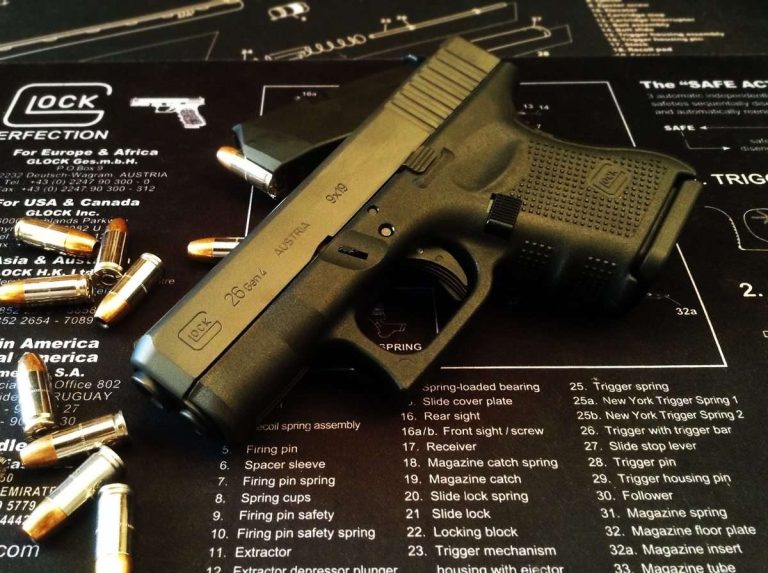
Other parts such as the slide or barrel may carry additional markings or batch identifiers, but these do not serve as the official serial number. These components can often be replaced without changing the firearm’s legal identity.
This system helps ensure that the firearm can still be tracked even if certain non-serialized parts are swapped or upgraded over time.
Why the Frame Is the Serialized Component
The frame is selected as the serialized part because it forms the foundation of the pistol and houses the fire control group. This makes it the most critical component in defining the firearm’s identity under law. Manufacturers assign serial numbers to the frame during production to maintain consistent tracking from factory to end user.
Since Glock pistols are designed with modular parts, many internal and external components can be removed or replaced. However, the frame remains the only part that legally defines the weapon. This approach simplifies regulation while still allowing flexibility for maintenance and customization.
Law enforcement agencies and firearm dealers rely on the frame’s serial number when conducting background checks, transfers, or tracing ownership history. This ensures that even if other parts are modified, the firearm’s identity remains consistent in official records.
Because of this structure, the serialized frame is central to both legal compliance and administrative tracking systems.
How Serialization Impacts Ownership and Transfers
Serialization directly affects how Glock pistols are bought, sold, and transferred between owners. Every legal transfer requires the serial number on the frame to be documented, ensuring that the firearm is properly recorded in official databases. This helps maintain a clear chain of ownership.
During background checks, the serial number is used to verify the firearm’s status and ensure it is not reported stolen or restricted. Dealers must record this number in compliance paperwork whenever a sale occurs, making it a critical part of the transaction process.
For private owners, the serial number also serves as proof of ownership in case of loss or theft. Reporting the number to authorities increases the chances of recovery and identification if the firearm is later found.
Why the Frame Is the Serialized Part
In Glock pistols, the decision to place the serial number on the frame is closely tied to legal definitions, engineering design, and practical enforcement needs. The frame serves as the central structure of the handgun and is recognized in many jurisdictions as the “firearm” for regulatory purposes. Because of this, it becomes the most consistent and reliable component for identification. Serialization on the frame allows authorities, manufacturers, and dealers to track each firearm accurately from production to final ownership while maintaining a standardized system that supports legal compliance and accountability.
Legal Definition of Firearm Frame
The frame is serialized primarily because it is legally defined as the firearm in many regulatory systems. This classification is based on the idea that the frame houses the essential components that enable a pistol to function. As a result, laws focus on this part as the official point of identification.
In most firearm regulations, the serial number must be placed on the component that is legally considered the controlled item. For Glock pistols, the frame fits this requirement because it contains the trigger assembly and provides the core structure that supports firing operation.
This legal definition helps avoid confusion when other parts are replaced or modified. Even if slides, barrels, or internal components change over time, the frame remains the consistent identifier tied to ownership records and background checks.
Because of this standardized legal approach, manufacturers are required to engrave or stamp the serial number on the frame during production. This ensures compliance with regulations across different jurisdictions and simplifies enforcement for authorities.
Structural Role and Design of Glock Frame
The frame is also chosen because it forms the structural foundation of the Glock pistol. It is the component that holds together the trigger mechanism, magazine well, and grip assembly, making it central to the firearm’s function. Without the frame, the pistol cannot operate.
Glock’s modular design allows many parts to be interchangeable, but the frame remains the core housing unit. This makes it the most logical place for permanent identification since it is less likely to be replaced compared to other components like slides or barrels.
From an engineering perspective, the frame experiences less variation across customization options. Owners may upgrade sights, slides, or barrels, but the frame typically stays consistent throughout the life of the firearm.
Because of this stability, the frame acts as a permanent reference point for the entire pistol. Its role as the structural base ensures that serialization remains meaningful even when other parts are modified or replaced.
Regulation and Tracking Benefits
Placing the serial number on the frame provides significant benefits for regulation and law enforcement tracking. Since every Glock pistol shares a similar modular structure, identifying firearms through interchangeable parts would be unreliable. The frame solves this issue by acting as a fixed identifier.
When firearms are sold through licensed dealers, the serial number on the frame is recorded during background checks and transfer paperwork. This creates a clear chain of custody that helps ensure legal compliance throughout the ownership process.
Law enforcement agencies also rely on frame serialization when tracing firearms involved in investigations. Because the serial number is unique and permanently attached to the frame, it becomes the most dependable reference for tracking origin and ownership history.
This system also simplifies recordkeeping for manufacturers and regulatory bodies. Even if a pistol undergoes repairs or upgrades, the frame’s serial number remains unchanged, preserving continuity across all official documentation and databases.
Variations Across Glock Models
Glock pistols are built on a modular platform, but serialization practices and frame designs can vary slightly across different models and generations. While the frame remains the primary serialized component in most cases, differences in materials, manufacturing updates, and legal requirements across regions can influence how and where serial numbers appear. These variations are important for understanding model-specific identification and compliance standards.
Serialization Differences Between Generations
Across different Glock generations, the location and presentation of serialization on the frame have remained generally consistent, but subtle changes exist in how markings are applied. Earlier generations may show simpler engraving styles, while newer generations often use more refined laser marking techniques for clarity and durability.
Gen 1 to Gen 3 Glock models typically feature straightforward serial number placement on the frame without additional identification features. These models were designed during a period when regulatory marking standards were less complex compared to today’s requirements.
In Gen 4 and Gen 5 models, improvements in manufacturing processes introduced more detailed marking systems, including additional identifiers like internal batch codes or enhanced proof markings. While these do not replace the serial number, they provide supplementary manufacturing traceability.
Despite these updates, the core principle remains unchanged across all generations: the frame continues to serve as the legally serialized component, ensuring continuity in ownership records and regulatory tracking regardless of design evolution.
Model-to-Model Frame Design Differences
Different Glock models, such as compact, full-size, and subcompact variants, share the same serialization principle but differ in frame dimensions and structural layout. These variations affect where markings are placed on the frame, even though the serial number remains the key identifier.
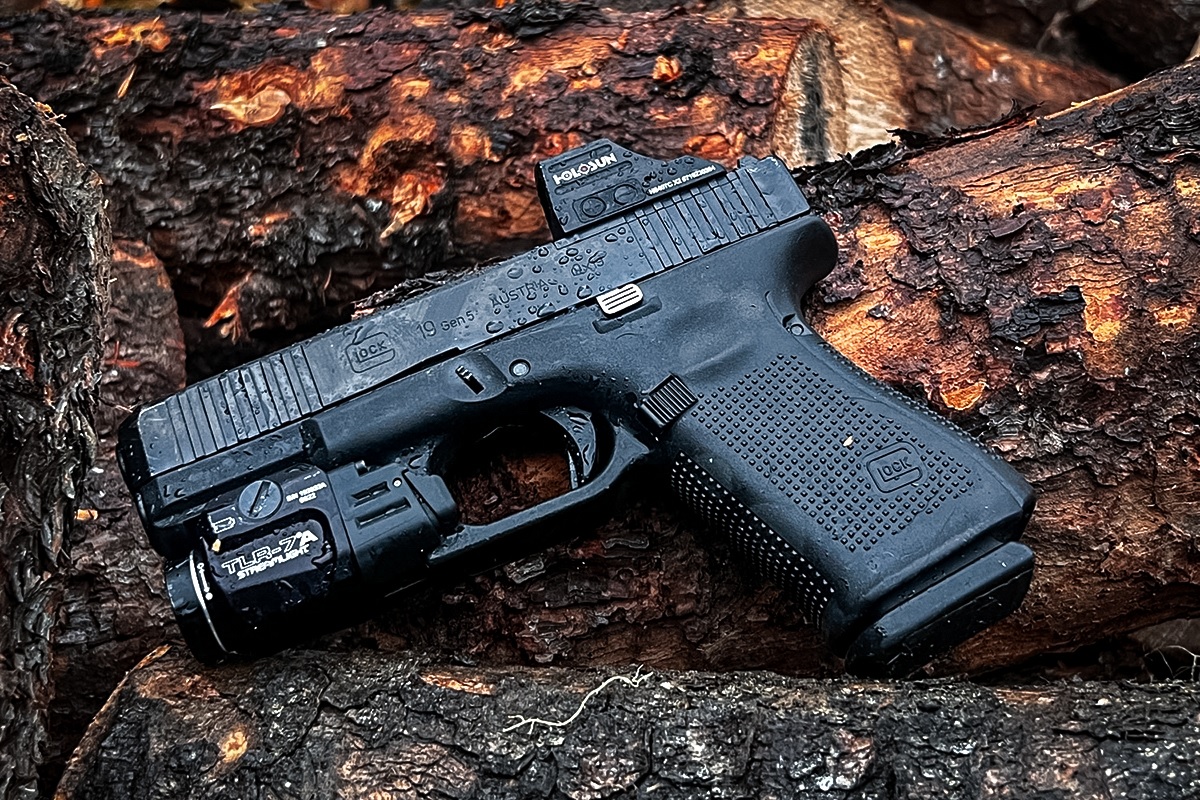
For example, compact models like the Glock 19 have a shorter grip and frame surface area compared to full-size models like the Glock 17. This can influence the positioning of serial markings to ensure visibility and compliance without interfering with functional components.
Subcompact models often have more limited frame space, requiring manufacturers to optimize engraving placement. Even with reduced space, Glock ensures that the serial number remains clearly visible and permanently affixed to the frame material.
These design differences highlight how Glock maintains a standardized identification system while adapting physical layouts to meet performance, ergonomics, and legal marking requirements across its product lineup.
Regional Manufacturing and Compliance Variations
Serialization practices can also vary slightly depending on the country or region where a Glock pistol is manufactured or sold. Different jurisdictions may impose specific marking requirements that influence how serial numbers are applied or supplemented.
In some regions, additional markings such as import stamps or proof marks are required alongside the serial number. These do not replace the frame’s serial identification but provide extra compliance information for regulatory authorities.
Glock adapts its production processes to meet these regional requirements while maintaining a consistent serialization system. This ensures that firearms remain legally traceable regardless of where they are distributed or sold.
Even with these variations, the frame remains the central point of identification across all markets. The consistency of this system allows global tracking standards to remain effective while accommodating local legal differences.
How to Safely Identify Serial Numbers
Identifying serial numbers on a Glock pistol requires careful handling and awareness of firearm safety principles. The serial number is a critical identifier used for legal documentation, ownership records, and tracing purposes. Proper identification ensures accuracy without damaging the firearm or compromising safety. Understanding where to look and how to handle the pistol correctly helps prevent mistakes and keeps the process compliant with safe firearm practices.
Locating the Serial Number on the Frame
The primary serial number on a Glock pistol is located on the frame, usually near the trigger guard area or the grip section depending on the model. This number is permanently engraved or stamped into the polymer frame insert, making it visible but not easily removable or altered. It serves as the official identifier for the firearm.
To safely locate it, the firearm should always be unloaded and pointed in a safe direction before any inspection begins. The magazine should be removed, and the chamber must be checked visually and physically to confirm it is empty. Only after confirming the pistol is safe should the frame be examined closely.
Good lighting is important when identifying the serial number, as markings can sometimes be small or blend slightly with the frame texture. Using a clean cloth to remove dirt or debris can also improve visibility without damaging the surface.
The serial number should never be scratched, altered, or modified in any way, as it is a legally protected marking and essential for identification and compliance purposes.
Ensuring Safe Handling During Inspection
Safe handling is the most important part of identifying serial numbers on any Glock pistol. Even when the goal is only to view markings, the firearm must always be treated as if it is loaded. This mindset reduces the risk of accidents and reinforces responsible ownership practices.
Before inspecting the frame, ensure the magazine is completely removed and placed away from the firearm. The slide should be locked back to provide a clear view of the chamber area, confirming that no round is present. These steps are essential in maintaining safe conditions during inspection.
It is also important to keep fingers away from the trigger and avoid pointing the firearm at anything not intended as a safe direction. Many experienced owners follow a fixed routine every time they handle a firearm, which helps prevent mistakes during simple inspections like reading serial numbers.
Legal Importance of Serialization
Serialization plays a critical role in firearm law enforcement, ownership accountability, and regulatory compliance. On Glock pistols, the serial number is not just a manufacturing detail but a legally significant identifier that connects the firearm to its recorded history. This system helps ensure traceability from production to end user, supporting both lawful commerce and investigative processes. Understanding its legal importance helps clarify why serialization is strictly regulated and closely monitored in many jurisdictions.
Role of Serial Numbers in Firearm Registration
Serial numbers on Glock pistols are essential for firearm registration processes in regions where registration is required. The frame’s serial number is recorded during the initial sale and linked to the buyer’s identity through background checks and dealer documentation. This creates an official record that connects the firearm to a lawful owner.
When a firearm is transferred between licensed dealers or sold to a new owner, the serial number is used to update ownership records. This ensures that every legal transfer is documented and traceable. Without serialization, maintaining accurate records of firearm ownership would be nearly impossible.
In addition, registration systems rely on serial numbers to verify that a firearm has not been altered, reported stolen, or involved in illegal activity. Authorities can quickly cross-check the number against databases to confirm its legal status.
Because of this structured system, serialization supports regulatory transparency and helps maintain accountability throughout the firearm’s entire lifecycle, from manufacture to final ownership.
Importance in Law Enforcement Investigations
Serialization is a vital tool in law enforcement investigations involving firearms. The serial number on a Glock frame allows authorities to trace the origin and ownership history of a weapon recovered at a crime scene. This helps establish how the firearm moved through legal or illegal channels.
When a serial number is intact, investigators can access manufacturing records and dealer sales data to identify the original purchaser. This process can be crucial in solving cases or linking suspects to specific incidents involving firearms.
Even when a firearm passes through multiple owners, the serialized frame remains the consistent identifier that connects all recorded transactions. This continuity makes it possible to reconstruct ownership chains over time, even across different jurisdictions.
If a serial number is tampered with or removed, it becomes a serious legal issue and often triggers additional forensic examination. Authorities may attempt to restore or recover the number using specialized techniques to continue the investigation.
Compliance and Legal Consequences
Compliance with serialization laws is mandatory in most regulated regions, and Glock pistols must follow strict manufacturing standards to meet these requirements. The serial number on the frame ensures that each firearm can be uniquely identified and tracked under the law.
Possessing a firearm with an altered or removed serial number is considered a serious offense in many jurisdictions. Such modifications can result in criminal charges, fines, or confiscation of the firearm, depending on local laws. This reinforces the importance of preserving serialization integrity.
Manufacturers are also required to ensure that serial numbers are permanently and clearly marked on the frame. This prevents accidental loss of identification due to wear, modification, or replacement of other parts.
Because of these legal expectations, serialization serves as both a compliance requirement and a safeguard. It helps maintain order in firearm regulation systems and ensures that every legally produced Glock pistol remains identifiable throughout its lifespan.
People Also Asked
What Part Of A Glock Is Serialized?
On a Glock pistol, the serialized part is the frame, also commonly called the receiver. This is the component legally defined as the firearm in most jurisdictions. You will find the serial number engraved directly on the frame, usually near the trigger guard or grip area depending on the model generation. The slide and barrel may also have markings, but they are not the legally controlled serialized component. When you are identifying ownership or tracing a firearm, the frame is always the key part that matters legally and administratively.
Why Is The Frame The Serialized Part Of A Glock?
The frame is serialized because it is considered the core structure that holds the firing mechanism together and determines the firearm’s identity under law. You can replace parts like the slide, barrel, or internal components, but the frame remains the permanent serialized base. This makes it the most logical point for regulation and tracking. When you handle a Glock pistol, you are effectively interacting with a modular system, but the frame is what legally defines the entire firearm, which is why authorities and manufacturers focus on it for identification.
Can The Slide Or Barrel Of A Glock Be Serialized?
The slide and barrel of a Glock pistol usually have markings such as model numbers, proof marks, or caliber information, but they are not the legally required serialized parts. In most cases, these components are not tracked as the firearm’s identity. Even if they carry engraved numbers or codes, those are for manufacturing or quality control purposes only. If you are trying to identify ownership or registration status, you should always rely on the frame serial number rather than markings found on the slide or barrel.
Where Exactly Is The Serial Number Located On A Glock Frame?
On most Glock pistols, the serial number is located on the frame near the dust cover area or on the grip portion where it is visible without disassembly. Depending on the generation, the placement may slightly vary, but it is always clearly engraved and not hidden internally. You can usually see it by inspecting the side of the grip or the metal insert area. When you are checking a firearm, you should avoid disassembling it just to locate the number, since it is designed to be visible for identification and legal verification.
Does The Serial Number Appear In More Than One Place On A Glock?
Yes, on a Glock pistol, the same serial number is often duplicated in multiple locations on the frame for identification and traceability. Manufacturers may stamp it in different spots to ensure it remains readable even if one area becomes worn or damaged. However, these are all tied to the same serialized frame component. You should not confuse these duplicates with different serial numbers. They all represent the same legally registered firearm identity and serve as backup identification points.
What Happens If A Glock Serial Number Is Damaged Or Removed?
If a serialized marking on a Glock frame becomes damaged or removed, it can create serious legal and identification issues. Law enforcement and regulatory agencies rely on that number to trace ownership and verify legality. In many jurisdictions, altering or defacing a serial number is illegal, even if accidental damage occurs. If you ever encounter a worn or unclear marking, the proper step is to contact a licensed professional or relevant authority rather than attempting to modify or restore it yourself.
Why Is Knowing The Serialized Part Of A Glock Important?
Understanding that the frame is the serialized part of a Glock pistol is important for legal ownership, safe handling, and proper transfer of the firearm. When buying, selling, or registering a firearm, the serial number on the frame is what is checked and recorded. It also plays a major role in theft recovery and background verification. If you are responsible for a firearm, knowing exactly where this identifier is located helps you stay compliant with regulations and avoid confusion with non-serialized components like the slide or barrel.
Final Thoughts
Understanding firearm identification is an important part of responsible ownership, especially when it comes to Glock pistols. The serialization system is designed to ensure that every firearm can be uniquely traced and properly documented throughout its lifecycle. This helps maintain accountability from manufacturing to final ownership.
When learning what part of a glock is serialized, it becomes clear that the frame is the central component that carries the official serial number. This distinction is important because it separates the legally recognized firearm identity from other interchangeable parts like the slide or barrel.
By knowing how serialization works, owners and buyers can better understand legal requirements, transfer processes, and compliance obligations. It also reinforces safe handling practices and awareness of how firearms are tracked within regulated systems.