What Size Dehumidifier Rod For A Gun Safe? Complete Sizing Guide
Protecting firearms from moisture damage is one of the most important parts of gun safe maintenance. Excess humidity inside a safe can lead to rust, corrosion, and damage to valuable firearms over time. Many gun owners focus on locks and security but often overlook how moisture control affects the condition of their collection.
Dehumidifier rods have become a trusted solution because they help maintain steady airflow and reduce condensation inside the safe. Choosing the correct rod size makes a noticeable difference in overall performance and long-term protection. That is why many people search for what size dehumidifier rod for a gun safe before making a purchase.
Different gun safe sizes require different rod lengths to distribute heat properly throughout the interior space. A rod that is too small may not provide enough coverage, while an oversized option can waste energy and take up unnecessary room.
What Is A Dehumidifier Rod?
A dehumidifier rod is a heating device designed to reduce moisture buildup inside enclosed storage spaces such as gun safes. It works by slightly raising the internal temperature, which helps create air circulation and prevents condensation from forming on firearms and metal surfaces. Many gun owners use these rods to protect their firearms from rust, mildew, and long-term humidity damage without relying on rechargeable moisture packs.
How A Dehumidifier Rod Works
A dehumidifier rod operates through low-level heat that keeps the inside of a gun safe warmer than the surrounding air. This gentle warmth prevents moisture from settling on firearms, ammunition, and other valuable items stored inside. The rod usually mounts near the bottom of the safe because warm air naturally rises and circulates throughout the interior space. This continuous airflow helps maintain a dry environment without producing excessive heat.
Most dehumidifier rods are powered through a standard electrical outlet and consume very little electricity during operation. They are designed for long-term use and often remain plugged in around the clock. Unlike silica gel packs that need constant recharging or replacement, a dehumidifier rod provides steady moisture control with minimal maintenance. This simple design makes it one of the most popular humidity solutions for gun safes of all sizes.
Why Gun Owners Use Dehumidifier Rods
Gun safes are often placed in garages, basements, or storage rooms where humidity levels can change throughout the year. Moisture trapped inside the safe may slowly damage firearm finishes, optics, and important metal components. A dehumidifier rod helps reduce this risk by maintaining consistent airflow and lowering the chance of condensation buildup inside the enclosed space.
Many firearm owners prefer dehumidifier rods because they are quiet, reliable, and easy to install. Most models come with mounting brackets and require only a small opening for the power cord. They also work continuously without much attention, making them convenient for long-term firearm storage. In areas with high humidity, these rods become an important part of protecting valuable firearm collections and preserving their condition over time.
What Size Dehumidifier Rod For A Gun Safe?
Choosing the correct dehumidifier rod size is important for maintaining proper moisture control inside a gun safe. The rod should match the interior dimensions of the safe so heat can circulate evenly and prevent condensation from forming. A properly sized rod helps protect firearms, ammunition, and accessories from rust, corrosion, and humidity-related damage throughout the year.
Choosing The Right Rod Length For Your Safe
Dehumidifier rods are available in several lengths, including 12-inch, 18-inch, 24-inch, and 36-inch models. Smaller gun safes usually perform well with shorter rods because the interior space requires less heat circulation. Compact safes designed for handguns or a few firearms often use a 12-inch rod to maintain a balanced environment without generating unnecessary warmth inside the safe.
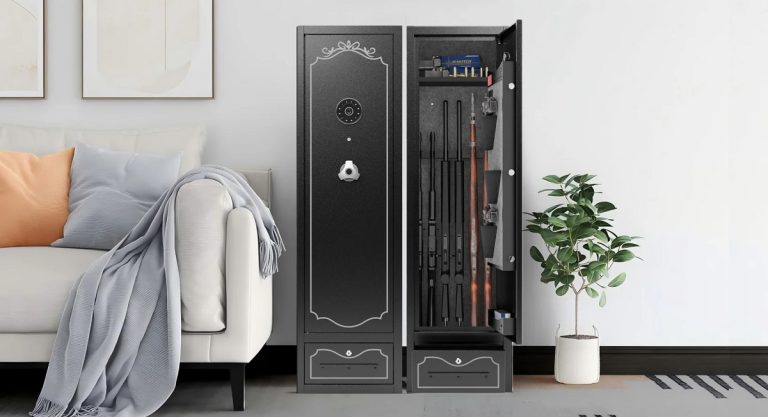
Larger gun safes need longer rods to move warm air through the entire interior. A 24-inch or 36-inch rod is commonly used in full-size rifle safes that hold multiple firearms and accessories. Selecting the proper rod length allows heat to spread more evenly from the bottom to the top of the safe. This steady airflow reduces moisture buildup and keeps humidity levels more stable during seasonal weather changes.
Factors That Affect Dehumidifier Rod Size
The overall size of the safe is not the only factor when deciding what size dehumidifier rod for a gun safe works best. Climate conditions, safe location, and how frequently the safe is opened also influence moisture levels inside the storage space. Safes placed in basements, garages, or humid regions may require larger rods because these environments often contain more moisture throughout the year.
The number of items stored inside the safe can also impact airflow and heat circulation. A tightly packed gun safe may block warm air movement, making a larger rod more effective for consistent moisture control. Many gun owners also consider power outlet placement and installation space before choosing a rod size. Proper positioning near the bottom of the safe helps the warm air rise naturally and distribute evenly across the entire interior.
Factors That Affect Dehumidifier Rod Size
Selecting the right dehumidifier rod size involves more than matching the rod to the dimensions of the gun safe. Several important factors influence how effectively the rod controls moisture and maintains airflow inside the safe. Temperature changes, storage conditions, and safe placement all affect humidity levels, making it important to choose a rod that can handle the environment where the safe is located.
Gun Safe Interior Size And Capacity
The interior dimensions of the gun safe play a major role in determining the correct dehumidifier rod size. Small handgun safes and compact storage cabinets usually require shorter rods because there is less air space to circulate warm air. A 12-inch rod often provides enough coverage for these smaller safes and helps maintain a stable environment without creating excessive heat inside the enclosure.
Large rifle safes with multiple shelves and storage compartments need longer rods to distribute warmth evenly from bottom to top. A crowded gun safe can also affect airflow because firearms, ammunition boxes, and gear may block heat movement. Choosing a rod that is too small for a large safe may leave certain areas vulnerable to moisture buildup. Proper heat circulation helps prevent condensation from collecting on metal surfaces and reduces the risk of rust forming over time.
Climate And Humidity Levels
Environmental conditions greatly influence the size of the dehumidifier rod needed for a gun safe. Areas with high humidity often experience greater moisture buildup inside enclosed storage spaces, especially during seasonal temperature changes. Homes located near coastal regions, lakes, or areas with long rainy seasons may require larger rods to maintain consistent airflow and control moisture effectively throughout the year.
Temperature fluctuations also contribute to condensation inside a safe. Warm air entering a cool metal safe can create moisture on firearm surfaces and internal components. A larger dehumidifier rod helps maintain steady internal temperatures and reduces sudden humidity changes that cause condensation. Gun owners living in humid climates often combine dehumidifier rods with additional moisture-control products for extra protection against rust and corrosion.
Safe Location Inside The Home
Where the gun safe is placed inside the home can directly affect the amount of moisture that develops inside it. Safes located in garages, basements, storage rooms, or near exterior walls usually experience higher humidity compared to safes kept in climate-controlled living spaces. These areas often have poor airflow and larger temperature swings, increasing the need for stronger moisture protection.
A gun safe positioned in a damp basement may require a larger dehumidifier rod than a similar safe located in a bedroom or office. Concrete floors and nearby plumbing can also raise humidity levels around the safe. Choosing the correct rod size based on the safe’s environment helps maintain better internal airflow and keeps firearms protected from moisture damage over long storage periods.
Frequency Of Safe Access And Airflow
The number of times a gun safe is opened during the week can also affect humidity control inside the storage space. Each time the safe door opens, outside air enters and changes the internal temperature and moisture level. In humid conditions, repeated access may introduce enough moisture to increase the risk of condensation on firearms and metal accessories stored inside the safe.
A larger dehumidifier rod can help restore balanced airflow more quickly after the safe is opened. Frequent access is common for gun owners who regularly use firearms for hunting, sport shooting, or personal protection. Interior organization also affects airflow because tightly packed shelves may restrict warm air movement. Selecting a properly sized rod helps maintain consistent air circulation and keeps humidity levels under better control even with regular safe use.
Common Dehumidifier Rod Sizes Explained
Dehumidifier rods come in several standard sizes designed to match different gun safe capacities and storage conditions. The correct size helps maintain proper airflow and prevents moisture from settling on firearms, ammunition, and metal accessories. Understanding the most common rod sizes makes it easier to choose a model that fits the interior dimensions of your gun safe while providing consistent humidity control throughout the year.
12-Inch Dehumidifier Rods For Small Safes
A 12-inch dehumidifier rod is commonly used in compact gun safes and pistol storage boxes. These rods work well in smaller enclosed spaces because they generate enough heat to circulate warm air without taking up much room inside the safe. Many handgun owners choose this size for safes that hold only a few firearms, important documents, or small valuables that require moisture protection.
Smaller safes typically have limited airflow, so even a compact dehumidifier rod can make a noticeable difference in controlling humidity. A 12-inch rod is also easier to install because it fits comfortably along the bottom edge of the safe. These rods consume very little electricity and provide steady protection against rust and condensation in smaller storage environments.
18-Inch And 24-Inch Rods For Medium Safes
Medium-sized gun safes often use 18-inch or 24-inch dehumidifier rods because they provide stronger airflow coverage across a larger interior area. These rods are popular for safes that store several rifles, shotguns, and ammunition boxes. The added length allows warm air to move more evenly throughout the safe, helping reduce moisture buildup in corners and upper shelves.
Many firearm owners choose these rod sizes because they balance performance and space efficiency. A medium-sized safe may contain multiple shelves or storage pockets that can restrict airflow, making a longer rod more effective. These rods are especially useful in regions with moderate humidity where maintaining stable internal temperatures is important for long-term firearm protection.
36-Inch Dehumidifier Rods For Large Gun Safes
Large gun safes designed for extensive firearm collections usually require 36-inch dehumidifier rods to maintain proper moisture control. These rods generate enough heat to circulate air through tall interiors filled with rifles, optics, gear, and accessories. Large safes often contain tightly packed storage areas, so a longer rod helps ensure that warm air reaches every section of the enclosure.
A 36-inch rod is commonly recommended for safes placed in garages, basements, or other areas with higher humidity levels. Larger safes naturally trap more air and moisture, making stronger airflow essential for preventing condensation. Proper heat distribution helps protect firearm finishes, internal components, and valuable accessories from long-term rust and corrosion damage.
Benefits Of Using The Correct Size Dehumidifier Rod
Using the correct size dehumidifier rod helps maintain stable humidity levels inside a gun safe and protects valuable firearms from moisture damage. A properly sized rod creates steady airflow that reduces condensation and keeps the interior environment dry throughout the year. Matching the rod size to the safe dimensions also improves energy efficiency and ensures consistent protection for firearms, ammunition, and accessories.
Better Moisture Control Inside The Safe
The correct size dehumidifier rod helps distribute warm air evenly throughout the gun safe, reducing the chance of moisture buildup in hidden corners or tightly packed storage areas. Proper airflow is important because trapped humidity can slowly damage firearm finishes, optics, and metal components over time. A rod that fits the size of the safe creates balanced circulation that keeps the entire interior environment more stable.
Small rods placed in oversized safes may struggle to control moisture effectively, especially during seasonal weather changes. Larger rods designed for bigger safes provide stronger air movement that helps prevent condensation from forming on firearms. Consistent humidity control also protects ammunition, documents, and other sensitive valuables stored inside the safe from damp conditions and long-term deterioration.
Improved Protection Against Rust And Corrosion
Rust and corrosion are among the biggest threats to firearm storage, especially in humid environments. A properly sized dehumidifier rod helps reduce these risks by keeping the safe interior slightly warmer than the surrounding air. This temperature difference prevents moisture from settling on metal surfaces and lowers the chance of rust developing on barrels, triggers, and internal firearm parts.
Firearms stored in poorly ventilated safes are more vulnerable to long-term moisture damage. Using the correct rod size helps maintain a protective environment where airflow reaches every section of the safe. This added protection is especially important for collectors, hunters, and firearm owners who store expensive rifles, handguns, or vintage firearms that require extra care and preservation.
Better Energy Efficiency And Long-Term Performance
Choosing the correct dehumidifier rod size also improves energy efficiency and long-term performance. A rod that matches the safe size operates more effectively because it generates the right amount of heat for the available interior space. Oversized rods may use unnecessary electricity, while undersized rods often work harder without providing enough moisture control for larger safes.
A properly matched rod can also last longer because it operates under suitable conditions without excessive strain. Many dehumidifier rods are designed for continuous operation, so selecting the right size helps maintain reliable performance over time. Gun owners benefit from lower maintenance needs and more dependable humidity protection, especially when storing firearms in basements, garages, or other moisture-prone locations.
Signs Your Dehumidifier Rod Is Too Small
A dehumidifier rod that is too small for a gun safe often fails to control moisture effectively, leaving firearms exposed to humidity and potential corrosion. Recognizing the warning signs early helps prevent long-term damage to metal surfaces, optics, and ammunition. Poor humidity control usually becomes noticeable through visible changes inside the safe and inconsistent environmental conditions.
Persistent Moisture And Condensation Inside The Safe
One of the most common signs of an undersized dehumidifier rod is ongoing moisture buildup inside the gun safe. Even with the rod running continuously, you may notice condensation forming on metal surfaces, especially during temperature changes. This happens because the rod is not generating enough heat to maintain proper airflow throughout the entire interior space.
When warm air circulation is insufficient, moisture tends to settle in corners, on shelves, and around tightly packed firearms. Over time, this creates an environment where humidity remains trapped instead of being evenly distributed. Gun owners may also notice a damp smell when opening the safe, which is another indicator that the rod is not effectively managing internal humidity levels.
Rust Spots And Early Corrosion On Firearms
Another clear sign of an undersized dehumidifier rod is the appearance of rust or corrosion on firearms and metal accessories. Small rust spots may begin forming on barrels, slides, or exposed steel parts even when the rod is in use. This indicates that moisture is not being controlled properly and is settling on vulnerable surfaces.
Corrosion often starts in hidden or less visible areas inside the safe, such as under foam padding, inside holsters, or between tightly packed firearms. If the rod is too small, it cannot circulate enough warm air to reach all these areas. Over time, this leads to gradual deterioration of firearm finishes and can reduce the lifespan and reliability of stored weapons if not addressed.
Uneven Temperature Distribution Inside The Safe
A properly sized dehumidifier rod creates consistent warmth throughout the gun safe, but an undersized rod often results in uneven temperature distribution. You may feel warm air only near the rod while other areas of the safe remain cool and damp. This imbalance allows moisture to accumulate in colder zones where airflow is weak or blocked.
Uneven heating also affects larger safes more noticeably because heat fails to reach upper shelves or distant corners. Firearms stored away from the rod are at higher risk of humidity exposure. This inconsistency becomes especially problematic in basements or garages where outside temperature changes already affect internal conditions. Over time, uneven warmth leads to unreliable moisture control and increased risk of damage.
Frequent Need For Additional Moisture Control Products
When a dehumidifier rod is too small, users often find themselves relying on extra moisture control solutions such as silica gel packs or rechargeable desiccants. While these products can provide temporary relief, they are usually a sign that the rod is not doing its job effectively. Constantly needing additional products indicates that the primary humidity control system is insufficient.
Gun owners may also notice that desiccant packs saturate quickly and require frequent recharging or replacement. This ongoing maintenance becomes inconvenient and signals that the safe environment is not stable. A properly sized rod should minimize the need for supplementary moisture control tools by maintaining consistent internal dryness on its own.
People Also Asked
What Size Dehumidifier Rod For A Gun Safe Should You Choose?
Choosing the right size depends mainly on the interior volume of your gun safe. For small handgun safes, a 12-inch rod usually provides enough coverage. Medium safes often perform better with 18-inch or 24-inch rods, while large rifle safes typically require 36-inch rods. You should match the rod length to the safe’s capacity so heat circulates evenly. A properly sized rod ensures moisture control across all corners, reducing the risk of rust, condensation, and long-term firearm damage.
Can A Small Dehumidifier Rod Work In A Large Gun Safe?
A small rod can operate in a large safe, but its effectiveness will be limited. You may notice uneven heating, with only the area near the rod staying dry while distant corners remain damp. This creates pockets of humidity that increase the risk of corrosion on firearms stored farther away. Over time, you may also see condensation buildup in hidden areas. For larger safes, upgrading to a longer rod ensures proper airflow and consistent moisture control.
How Do You Know If Your Dehumidifier Rod Is The Right Size?
You can tell the rod is correctly sized if the entire safe feels slightly warm and dry without hot spots. There should be no condensation, damp smell, or visible moisture on metal surfaces. Firearms should remain rust-free even in humid seasons. If certain areas of the safe feel cool or damp, the rod may be too small. A properly matched rod maintains balanced airflow and keeps humidity levels stable throughout the entire storage space.
What Happens If The Dehumidifier Rod Is Too Small?
When the rod is too small, it cannot generate enough heat to circulate air properly inside the safe. This leads to uneven humidity control, where some areas remain dry while others collect moisture. Over time, this can cause rust spots, corrosion, and damage to firearm finishes. You may also notice fogging or condensation after opening the safe. A small rod forces you to rely on extra moisture absorbers, which only offer temporary support.
Does Gun Safe Size Affect Dehumidifier Rod Selection?
Yes, the size of your gun safe directly determines the rod you need. Smaller safes require less heat output, while larger safes need stronger and longer rods to cover more interior space. The more firearms and accessories you store, the more airflow is required. Safe height, depth, and internal layout also matter. A taller or heavily packed safe needs a longer rod to ensure warm air reaches all sections evenly.
Can Climate Change The Dehumidifier Rod Size You Need?
Climate plays a major role in selecting rod size because humidity levels vary by region. In high-humidity areas, such as coastal or rainy environments, a larger rod is often needed to maintain consistent dryness. Seasonal temperature swings can also increase condensation inside the safe. If your safe is in a basement or garage, you may need a stronger rod than someone storing firearms in a climate-controlled room to maintain proper protection.
Should You Upgrade Your Dehumidifier Rod Over Time?
You may need to upgrade your rod if you expand your firearm collection or move your safe to a more humid location. Changes in storage conditions can make your current rod less effective. Signs like recurring moisture, rust spots, or uneven warmth indicate the need for a larger size. Upgrading ensures better airflow and protection. A properly sized rod helps maintain long-term firearm safety and reduces maintenance efforts inside the gun safe.
Final Thoughts
Choosing the right moisture control setup for your gun safe is essential if you want to keep firearms, optics, and accessories in top condition. Humidity can build up quickly inside a closed safe, especially in warm or damp climates, leading to rust and long-term damage. A properly sized dehumidifier rod helps maintain a stable internal environment by gently warming the air and reducing moisture buildup.
When deciding what size dehumidifier rod for a gun safe, you should always consider the internal volume of your safe rather than just its external appearance. Smaller safes usually need shorter rods, while larger or heavily loaded safes require longer or higher-wattage options to ensure even heat distribution. Matching the rod size correctly ensures efficient performance without wasting energy or under-protecting your firearms.
Ultimately, using the correct setup is about long-term protection and peace of mind. A well-chosen rod works continuously in the background, preventing corrosion and preserving the value of your collection. Taking time to understand what size dehumidifier rod for a gun safe will help you make a smarter investment and keep your firearms safe for years to come.