What Is Tracer Ammo? Complete Guide to How Tracer Rounds Work
Modern firearms technology includes several specialized types of ammunition designed for different shooting conditions and purposes. Among them, tracer rounds stand out because they create a visible trail of light while traveling through the air. This unique feature allows shooters to track the bullet’s path more clearly, especially during low-light conditions or rapid firing situations.
Many firearm enthusiasts and military historians often ask what is tracer ammo and why it has remained important for decades. These rounds contain a small pyrotechnic compound in the base of the bullet that ignites after firing, producing a bright glowing effect behind the projectile. The visual trail helps improve aiming accuracy and shot coordination.
Understanding what is tracer ammo also reveals its role beyond simple visibility. Military forces commonly use tracer ammunition for signaling, target marking, and adjusting fire during combat operations. The rounds are also popular in shooting demonstrations because of their dramatic appearance.
Although tracer ammunition offers clear tactical advantages, it also comes with safety concerns due to the heat generated during flight.
What Is Tracer Ammo?
Tracer ammunition is a specialized type of bullet designed to produce a visible light trail during flight. These rounds are commonly associated with military operations, nighttime shooting, and firearm training exercises. The glowing effect helps shooters observe the bullet’s direction and make adjustments more accurately. Understanding tracer ammo also helps explain its tactical value, construction, and why it continues to be widely discussed among firearm enthusiasts and defense experts.
How Tracer Ammo Works
Tracer ammo works by using a small pyrotechnic compound placed at the rear of the bullet. When the firearm is discharged, the heat generated by the burning gunpowder ignites this compound. As the bullet travels through the air, the material burns brightly, creating a visible streak of red, green, or orange light behind the projectile. This effect allows shooters to track the bullet’s path in real time.
The glowing trail becomes more noticeable in low-light conditions or during rapid firing sequences. Military personnel often use tracer rounds to improve communication during combat and help coordinate fire between units. In machine guns, tracer rounds are commonly loaded every few bullets so shooters can monitor where rounds are landing. This system helps improve aiming efficiency without relying entirely on optics or visual guesswork during intense situations.
Common Uses of Tracer Ammunition
Tracer ammunition serves several practical purposes beyond creating a dramatic visual effect. One of the most common uses is target marking during military engagements. Soldiers can identify enemy positions or direct supporting fire by using visible tracer rounds. These bullets also help shooters adjust their aim quickly when firing at long distances or moving targets.
Tracer rounds are also popular during firearm training sessions because they provide immediate visual feedback. Shooters can better understand recoil patterns, bullet trajectory, and shooting accuracy by observing the visible trail. In aerial combat history, tracer ammo played a major role in helping pilots aim machine guns during nighttime missions.
Despite its usefulness, tracer ammunition carries certain risks. The burning compound inside the bullet can ignite dry grass, fuel, or other flammable materials upon impact. Because of this, many civilian shooting ranges restrict or completely ban the use of tracer rounds, especially in hot or dry environments where fire hazards are more likely.
Components of Tracer Ammo
Tracer ammunition is built with several specialized components that work together to create its distinctive glowing trail. While it may appear similar to standard cartridges from the outside, tracer rounds contain additional materials inside the bullet that produce visible light during flight. Each component plays an important role in ignition, stability, and performance, making tracer ammo different from regular ammunition used for standard shooting purposes.
Bullet Casing and Projectile Structure
The outer structure of tracer ammo includes a metallic cartridge casing, primer, gunpowder, and the projectile itself. The casing is typically made from brass or steel and holds all internal components securely in place before firing. Like standard ammunition, the primer ignites the gunpowder when struck by the firearm’s firing pin. This pressure forces the bullet out of the barrel at high speed.
What makes tracer ammunition unique is the design of the projectile. The bullet often contains a hollow section at its base where the tracer compound is stored. Manufacturers carefully engineer this cavity to maintain the bullet’s balance and aerodynamic performance while still allowing enough space for the pyrotechnic material. The shape and weight distribution are important because tracer rounds must travel accurately despite carrying additional chemical compounds inside the projectile.
Pyrotechnic Compound and Ignition System
The pyrotechnic compound is the most recognizable component of tracer ammo because it creates the visible light trail during flight. This material is usually made from chemicals such as magnesium, strontium salts, and other combustible substances that burn brightly after ignition. Different chemical mixtures can produce various colors, including red, orange, or green tracer effects depending on the intended military or training application.
When the firearm is discharged, the burning propellant inside the cartridge generates intense heat that ignites the tracer mixture at the base of the bullet. The compound continues burning as the bullet travels through the air, producing a bright streak visible from long distances. Manufacturers carefully control the burn rate to ensure the tracer remains visible without affecting the bullet’s stability too early in flight. Some tracer rounds are even designed with delayed ignition systems so the glowing effect becomes visible only after the projectile has traveled a safe distance from the shooter.
Types of Tracer Ammo
Tracer ammunition comes in several variations designed for different firearms, combat roles, and shooting conditions. While all tracer rounds create a visible trail during flight, the construction, burn color, and intended use can vary significantly. Military forces, firearm trainers, and shooting enthusiasts often rely on different tracer types depending on visibility needs, target distance, and environmental conditions during operation or practice sessions.
Standard Tracer Rounds
Standard tracer rounds are the most commonly recognized type of tracer ammunition. These bullets contain a pyrotechnic compound at the base of the projectile that ignites shortly after the round is fired. The burning compound creates a bright trail that allows shooters to track the bullet’s trajectory in real time. Standard tracer ammo is widely used in rifles, machine guns, and mounted weapon systems for training and battlefield coordination.
Most standard tracer rounds are designed to match the ballistic performance of regular ammunition as closely as possible. This allows shooters to mix tracer and non-tracer rounds within the same magazine without causing major accuracy differences. Military units often load tracer rounds at specific intervals, such as every fourth or fifth bullet, to help maintain visual tracking during sustained fire. The visible trail also assists squad members in identifying firing directions and adjusting aim during nighttime operations or low-visibility combat situations.
Dim Tracer Ammunition
Dim tracer ammunition is specially engineered to reduce the brightness of the tracer effect while still providing enough visibility for the shooter. These rounds are primarily used in military operations where minimizing visual exposure is important. Traditional tracer rounds can reveal the shooter’s position because the bright trail is visible from multiple angles. Dim tracers reduce this risk by producing a lower-intensity glow that is mainly visible through night vision equipment or from limited viewing positions.
The reduced brightness makes dim tracer rounds valuable for tactical operations involving stealth or concealed movement. They are often used by military snipers, armored vehicle crews, and specialized combat units operating in darkness. Although the tracer effect is less dramatic than standard tracer ammo, the rounds still provide enough visual guidance for target adjustment and coordinated fire. Manufacturers carefully balance visibility and concealment when developing dim tracer ammunition to ensure effective performance without compromising tactical safety.
Colored Tracer Rounds
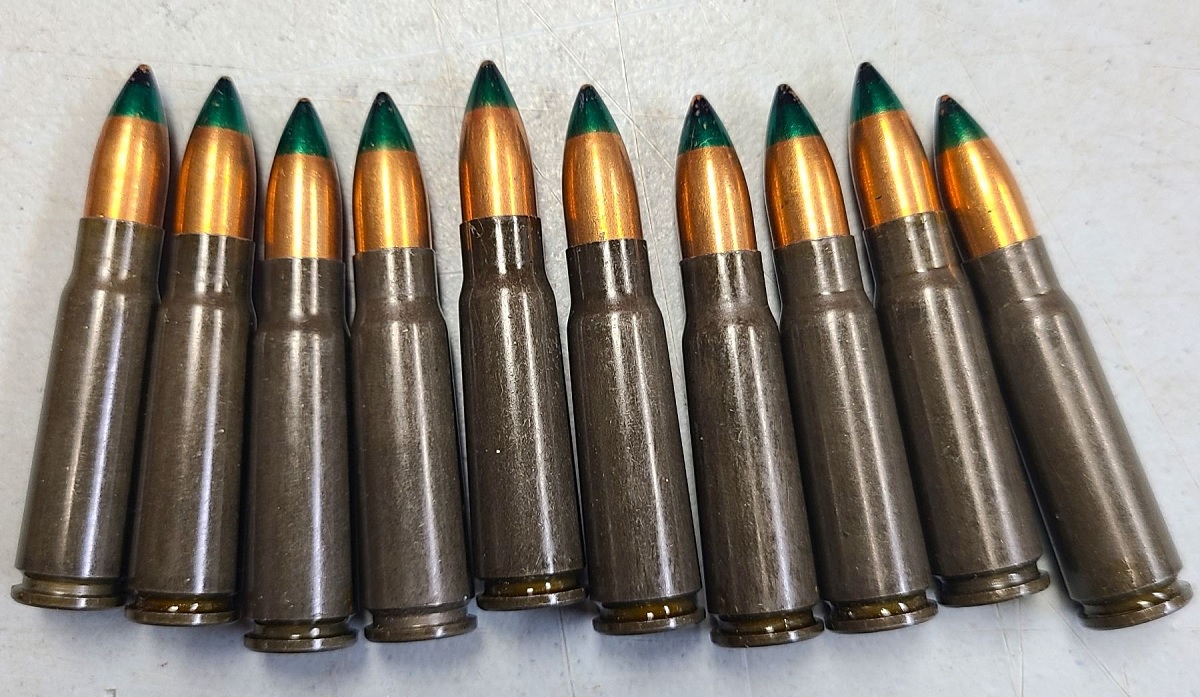
Colored tracer rounds are designed to produce different light colors during flight, including red, green, orange, and occasionally white. The color depends on the chemical composition of the pyrotechnic mixture stored inside the bullet. Different military forces may use specific tracer colors to distinguish ammunition types, identify weapon systems, or communicate battlefield information during combat operations.
For example, one color may indicate standard machine gun fire while another may represent armor-piercing tracer ammunition. Colored tracers can also help commanders identify which units are engaging specific targets during nighttime missions. In some training exercises, instructors use different colored tracers to monitor individual shooters or firing groups more effectively.
These rounds are also popular among civilian firearm enthusiasts because of their highly visible and visually striking appearance. Shooting demonstrations and recreational night shooting events often feature colored tracer ammunition for entertainment and training purposes. Despite the visual appeal, colored tracers still carry the same fire risks associated with all tracer rounds due to the burning chemical compounds used during flight.
Armor-Piercing Tracer Ammo
Armor-piercing tracer ammunition combines the penetrating capability of hardened-core bullets with the visible tracking feature of tracer rounds. These projectiles are typically constructed with steel or tungsten cores designed to penetrate light armor, barriers, or military vehicles. At the same time, the tracer compound at the rear of the bullet creates a visible light trail that helps shooters monitor shot placement and firing direction.
This type of ammunition is commonly used in heavy machine guns and military support weapons where both penetration and targeting visibility are essential. Armor-piercing tracer rounds are especially effective against lightly armored vehicles, protective structures, and fortified positions. The tracer element allows gunners to adjust fire quickly while maintaining pressure on targets during combat situations.
Because of their specialized design, armor-piercing tracer rounds are heavily regulated in many countries. The combination of penetrating power and incendiary effects increases both tactical effectiveness and potential safety concerns. Military organizations continue using these rounds in vehicle-mounted weapons and defensive systems where accurate sustained fire is necessary under demanding battlefield conditions.
What Is Tracer Ammo Used For?
Tracer ammunition is used in several military, training, and tactical applications where bullet visibility is important. Unlike standard rounds, tracer bullets produce a bright trail that allows shooters to monitor the projectile’s path during flight. This feature makes tracer ammo highly valuable in low-light conditions, long-range engagements, and coordinated firing situations where accuracy and communication play a major role.
Military Targeting and Combat Support
One of the primary uses of tracer ammo is military targeting and combat coordination. Soldiers use tracer rounds to observe bullet trajectories and adjust their aim more effectively during active engagements. In battlefield situations where visibility may be limited by darkness, smoke, or distance, tracer rounds help shooters identify whether their shots are reaching the intended target area.
Machine gun teams often load tracer rounds at regular intervals within ammunition belts to track sustained fire. This allows both the shooter and nearby troops to see the direction of fire and make corrections quickly. Tracer ammunition also helps commanders coordinate attacks by visually marking enemy positions or directing supporting units toward specific targets. During nighttime combat, the glowing trails can improve communication between soldiers without relying entirely on radio instructions or hand signals under stressful battlefield conditions.
Firearm Training and Shooting Practice
Tracer ammo is also widely used for firearm training because it provides immediate visual feedback during shooting exercises. Trainees can observe how bullets travel toward targets and better understand recoil patterns, aiming adjustments, and shooting accuracy. This visual feedback helps shooters improve their control and technique more efficiently than relying solely on target inspection after firing.
Instructors often use tracer rounds during military and law enforcement training programs to monitor shooting performance in real time. The visible trajectory allows trainers to identify aiming mistakes, firing habits, or movement issues more clearly. Tracer ammunition is especially useful during nighttime drills where normal bullet paths would otherwise remain invisible.
Some civilian firearm enthusiasts also use tracer rounds recreationally during controlled shooting events. The bright visual effect adds excitement to target practice and long-distance shooting demonstrations. However, many shooting ranges restrict tracer ammo because the burning compounds inside the bullets can create fire hazards in dry outdoor environments.
Advantages of Tracer Ammo
Tracer ammunition offers several advantages that make it valuable in military operations, firearm training, and tactical shooting environments. Its most noticeable feature is the glowing trail produced during flight, which helps shooters observe bullet direction in real time. This visibility improves accuracy, communication, and firing adjustments, especially during low-light conditions or rapid shooting situations where standard ammunition provides no visual tracking.
Improved Accuracy and Target Tracking
One of the biggest advantages of tracer ammo is its ability to improve shooting accuracy. Because tracer rounds create a visible light trail, shooters can quickly see whether their bullets are reaching the intended target area. This allows immediate aiming adjustments without waiting to inspect impact points or relying entirely on spotting equipment. In fast-paced situations, visual tracking can significantly improve reaction time and firing precision.
Tracer ammunition is especially useful during nighttime operations, long-range engagements, and machine gun fire where maintaining consistent accuracy becomes more difficult. Military personnel often use tracer rounds in intervals within ammunition belts so they can monitor bullet trajectories continuously during sustained fire. This helps reduce wasted ammunition and allows shooters to stay on target more effectively. The visible path also assists moving shooters in understanding recoil patterns and weapon handling during rapid firing sequences under stressful combat or training conditions.
Better Communication and Training Support
Tracer ammo also provides major advantages in communication and firearm training exercises. During military operations, the glowing bullet trail helps squad members identify firing directions and coordinate attacks more efficiently. Soldiers can visually follow tracer rounds to locate enemy positions, guide supporting fire, or signal targets during nighttime engagements. This level of visual coordination becomes extremely valuable in chaotic combat situations where quick adjustments are necessary.
In firearm training, tracer rounds give instructors and shooters instant feedback about bullet trajectory and shooting habits. Trainees can observe how their shots travel and make corrections to stance, aim, or trigger control in real time. This immediate feedback often accelerates the learning process compared to standard ammunition where bullet paths remain invisible.
Tracer ammunition is also useful for demonstrating ballistic movement during tactical drills and controlled shooting exercises. The bright trails make it easier for instructors to analyze shooting performance and explain weapon mechanics. For recreational shooters, tracer rounds can add a visually engaging experience during nighttime target practice while still serving practical training purposes.
FAQs
What Is Tracer Ammo Used For?
Tracer ammo is mainly used to help you see the path of a bullet after it leaves the firearm. The round contains a small pyrotechnic compound in the base that burns brightly during flight. This glowing effect allows shooters to track where their shots are going, especially in low-light conditions or during rapid firing.
You often see tracer ammo used in military training, combat situations, and shooting practice. It helps you adjust your aim more quickly because you can visually follow the bullet trajectory. Some shooters also enjoy tracer rounds for recreational target shooting because they create a visible streak through the air that looks unique and exciting.
How Does Tracer Ammo Work?
Tracer ammo works by using a special chemical compound placed at the rear of the bullet. When you fire the round, the heat from the gunpowder ignites this compound. As the bullet travels through the air, the burning material creates a bright trail that you can see with your eyes.
The glowing trail may appear red, green, or orange depending on the materials used in the tracer composition. Most tracer rounds become visible after traveling a short distance from the barrel. This design helps protect the shooter’s night vision while still making the bullet path easier to follow during shooting or training exercises.
Is Tracer Ammo Legal To Own?
Tracer ammo is legal in many areas, but the laws can vary depending on where you live. In some states or countries, you may buy and own tracer rounds without special permits. However, certain regions restrict or ban them because they can create fire hazards in dry environments.
Before you purchase tracer ammunition, you should always check your local and state regulations. Some shooting ranges also prohibit tracer rounds due to safety concerns. If you plan to use tracer ammo, make sure the location allows it and that you follow all rules related to safe firearm handling and fire prevention.
Can Tracer Ammo Start Fires?
Tracer ammo can start fires because the tracer compound burns at a very high temperature while the bullet is traveling. When the round hits dry grass, wood, or other flammable materials, it may ignite a fire quickly. This risk is one of the biggest concerns associated with tracer ammunition.
You should avoid using tracer rounds in dry weather or heavily wooded areas. Many outdoor ranges ban them during hot seasons because even a small spark can lead to dangerous wildfires. If you decide to use tracer ammo, choose a safe environment with proper fire control measures and always follow local safety guidelines.
Is Tracer Ammo More Dangerous Than Regular Ammo?
Tracer ammo can be more dangerous than regular ammunition in certain situations because of the burning compound inside the bullet. While the projectile itself functions similarly to standard rounds, the added fire risk makes tracer ammo more hazardous in dry or crowded areas.
You should understand that tracer rounds are not necessarily more powerful than normal bullets. However, they can reveal your shooting position because the glowing trail is visible to others. This visibility may create tactical disadvantages during defensive or military situations. Proper handling and safe shooting practices are important whenever you use tracer ammunition.
Can You Use Tracer Ammo At Shooting Ranges?
You can use tracer ammo at some shooting ranges, but many ranges do not allow it due to safety concerns. Indoor ranges usually prohibit tracer rounds because the sparks and burning compounds may damage equipment or create fire risks in enclosed spaces.
Outdoor ranges may permit tracer ammo under controlled conditions, especially when the weather is cool and the environment is not dry. Before bringing tracer rounds to a range, you should always review the facility rules or contact the staff directly. Following range policies helps you stay safe while avoiding fines, removal, or possible legal issues.
Does Tracer Ammo Affect Accuracy?
Tracer ammo can slightly affect accuracy because the bullet design differs from standard ammunition. The added tracer compound changes the weight distribution of the projectile, which may influence how the bullet travels over long distances. In many cases, the difference is small enough that casual shooters may not notice it.
You may find that tracer rounds perform differently depending on the firearm and shooting conditions. Military shooters often use tracer ammo mixed with regular rounds to maintain consistent shooting patterns. If you want the best accuracy for competition or precision shooting, standard ammunition is usually the preferred choice over tracer rounds.
Final Words
Tracer rounds have played an important role in military training, target tracking, and low-light shooting situations for many years. Understanding what is tracer ammo helps you see why these rounds are designed with a special pyrotechnic compound that creates a visible light trail during flight. This feature allows shooters to follow bullet paths more accurately and make faster shooting adjustments when needed.
Many firearm enthusiasts and hunters also ask what is tracer ammo because of its unique visual effect and specialized performance. While tracer rounds can improve visibility and coordination in certain conditions, they also come with limitations such as increased fire risk and legal restrictions in some locations. Knowing both the advantages and disadvantages is important before using them.
Choosing the right ammunition always depends on your purpose, firearm compatibility, and local laws. Learning what is tracer ammo gives you a better understanding of how these specialized rounds function and why they remain popular in military and recreational shooting environments today.