How Much Ammo Does a Soldier Carry – Military Loadout Explained
Military loadouts are carefully planned to balance firepower, mobility, and endurance in the field. One of the most common questions people ask about combat readiness is how much ammunition a soldier is expected to carry during operations. The answer is not fixed and depends on mission type, role, and environment.
Different branches of the military and even individual units may adjust their load depending on expected threats and terrain. Infantry soldiers on patrol often carry significantly more ammunition than support personnel or those in non-combat roles. This variation helps ensure each soldier can sustain themselves during extended engagements.
Understanding how much ammo does a soldier carry gives insight into modern military planning and battlefield strategy. It reflects how armies prepare for both short encounters and prolonged combat situations where resupply may not be immediately available.
In many cases, ammunition weight is balanced with other essential gear such as armor, food, water, and communication equipment. This careful balance ensures that soldiers remain effective without becoming overloaded in the field.
Standard Ammunition Carry for Infantry Soldiers
The standard ammunition carry for infantry soldiers is designed to ensure they have enough firepower to sustain combat while still maintaining mobility in the field. The exact load varies depending on mission type, military doctrine, and environmental conditions. However, modern infantry loadouts are generally structured around balancing weight, endurance, and readiness for extended engagements without immediate resupply support.
Typical Rifle Ammunition Loadout
Most infantry soldiers carrying standard assault rifles are issued magazines that typically hold 30 rounds each. A common combat load ranges from 6 to 10 magazines, giving a total of roughly 180 to 300 rounds of ammunition. This amount is considered a baseline for sustained firefights while still allowing movement over long distances. Soldiers may carry magazines in chest rigs, plate carriers, or load-bearing vests for quick access.
In many situations, soldiers may adjust their load based on mission requirements. For example, patrols in high-risk zones may carry additional magazines, while reconnaissance units may reduce load to stay lighter and more mobile. The balance between firepower and speed is always a critical consideration. Even though more ammunition increases combat sustainability, it also adds weight that can slow reaction time and endurance during extended operations.
Role of Squad Weapons and Support Fire
In an infantry squad, not every soldier carries the same ammunition load because roles are distributed to maximize effectiveness. While riflemen carry standard magazines, designated automatic riflemen or machine gunners carry significantly more ammunition to provide suppressive fire. These soldiers may carry belt-fed ammo or higher-capacity magazines, often exceeding 400 to 600 rounds depending on the weapon system.
Support weapons play a key role in reducing pressure on individual riflemen during combat. When a machine gunner provides covering fire, other soldiers can maneuver or reposition more safely. This shared responsibility ensures that ammunition distribution is efficient across the unit. The overall squad firepower is more important than any single soldier’s load, which is why ammunition is carefully allocated based on tactical roles.
Additional Ammunition and Combat Reserves
Beyond primary magazines, infantry soldiers often carry extra ammunition in reserve for extended missions. These reserves may include loose rounds, speed loaders, or additional magazines stored in backpacks. The purpose is to prepare for situations where resupply is delayed or unavailable. In prolonged operations, conserving ammunition becomes just as important as carrying it.
Commanders may also issue extra ammunition before high-risk missions, especially when contact with enemy forces is highly likely. However, carrying too much can reduce mobility and increase fatigue, so a balance is always maintained. Soldiers are trained to manage their ammunition carefully during engagements, ensuring they do not exhaust their supply too quickly while still remaining combat effective.
Rifle Ammunition Load in Combat Situations
The rifle ammunition load in combat situations is carefully adjusted based on mission intensity, terrain, and expected enemy contact. Soldiers must carry enough rounds to remain effective in sustained engagements while avoiding excessive weight that reduces mobility. Military planners prioritize a balance between firepower and endurance, ensuring each infantry member can operate efficiently under stress and uncertainty.
Standard Combat Magazine Allocation
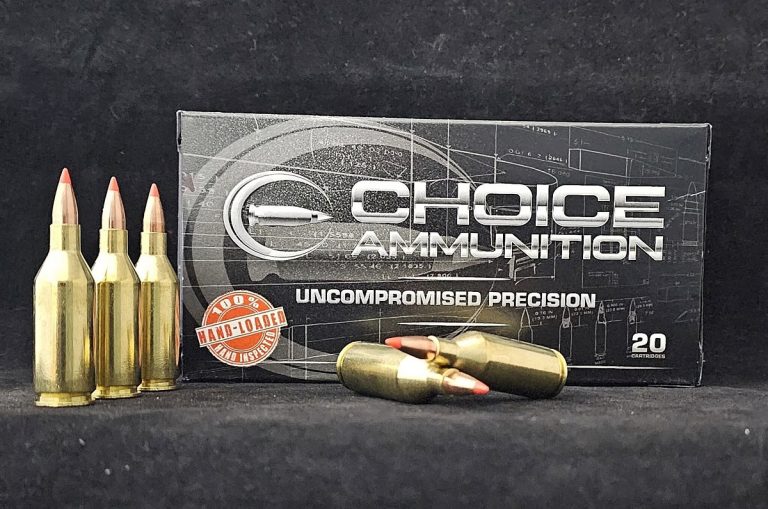
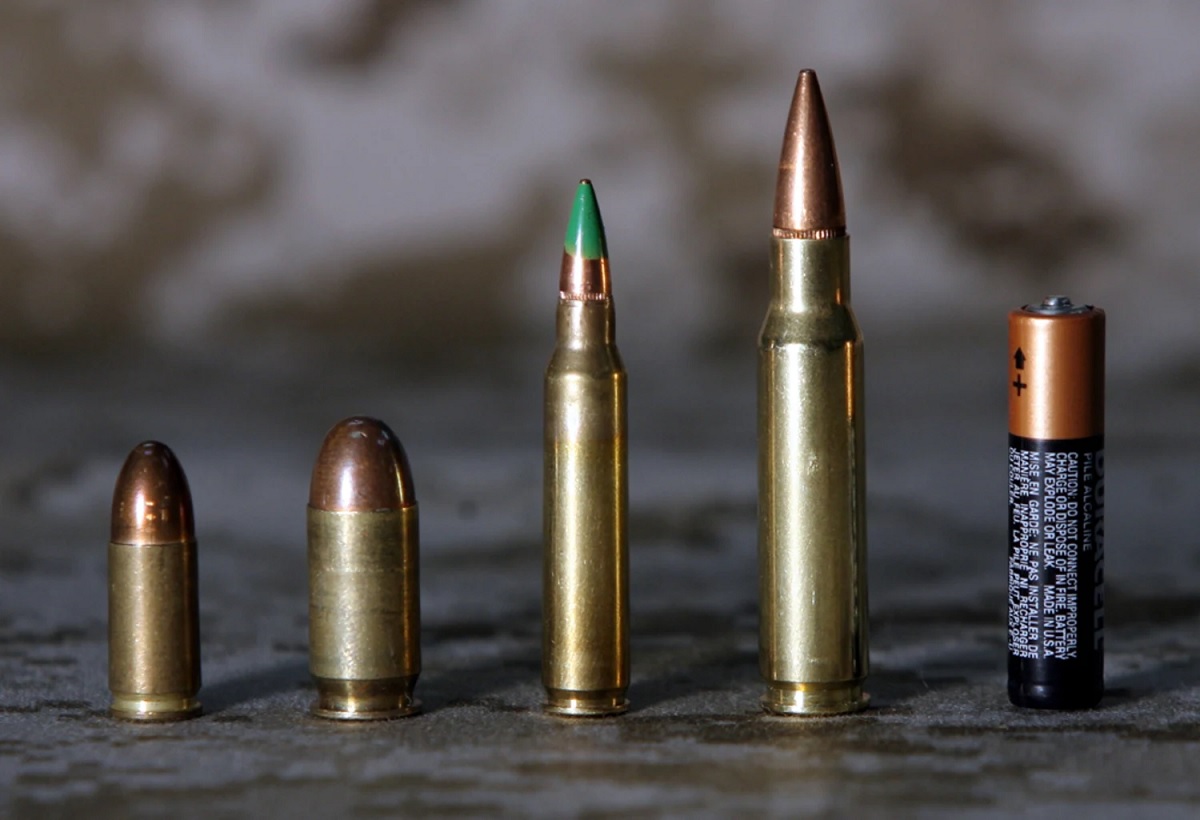
In most combat situations, infantry soldiers carry standard 5.56mm or 7.62mm rifle ammunition depending on their issued weapon system. A typical load includes 6 to 10 magazines, with each magazine holding around 20 to 30 rounds. This provides a combat load of approximately 120 to 300 rounds. This amount is considered sufficient for most short to medium-duration engagements encountered during patrols or offensive operations.
Soldiers distribute these magazines across plate carriers, chest rigs, or load-bearing vests for quick access during firefights. The placement is designed to allow rapid reloads under pressure while maintaining stability during movement. Training emphasizes muscle memory so that soldiers can reload without hesitation. Even though this load is standard, adjustments are often made depending on mission risk levels and operational environment.
Increased Ammunition for High-Risk Missions
During high-risk operations such as raids, urban combat, or extended patrols, soldiers may carry additional magazines beyond the standard load. This can increase total ammunition to 300 rounds or more. The goal is to ensure sustained combat capability in situations where resupply may be delayed or unavailable for long periods. However, carrying more ammunition also increases fatigue and reduces agility.
Commanders must carefully evaluate whether extra firepower outweighs the physical burden on soldiers. In many cases, only frontline riflemen increase their load, while support roles maintain standard or reduced ammunition to preserve mobility. This selective distribution helps maintain overall unit effectiveness without overloading every individual soldier in the team.
Tactical Use and Ammunition Conservation
In combat, how ammunition is used is just as important as how much is carried. Soldiers are trained to fire in controlled bursts rather than continuous fire to conserve rounds and maintain accuracy. Suppressive fire is used strategically to control enemy movement while minimizing waste of ammunition. Every round is considered valuable in prolonged engagements.
Situational awareness plays a key role in ammunition management. Soldiers constantly monitor their remaining magazines and communicate with teammates to coordinate fire support. In extended battles, conserving ammunition can determine mission success or failure. Proper discipline ensures that rifle ammunition lasts throughout the engagement, even under intense combat pressure.
Sidearm Ammunition Carry for Military Personnel
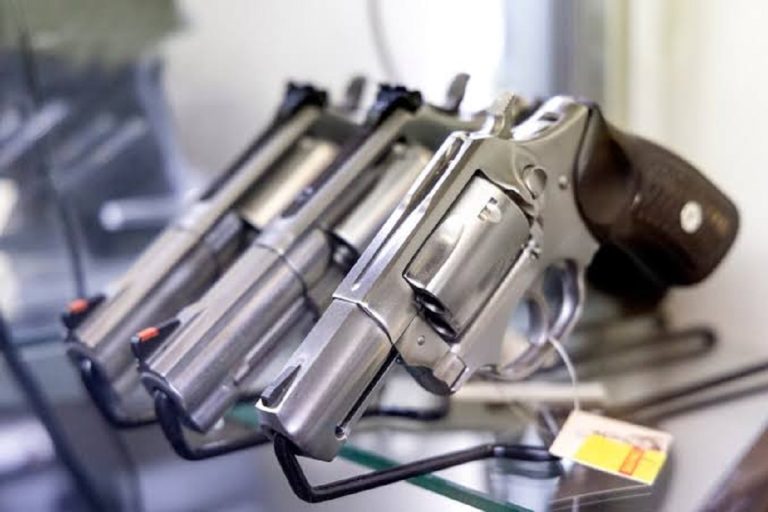
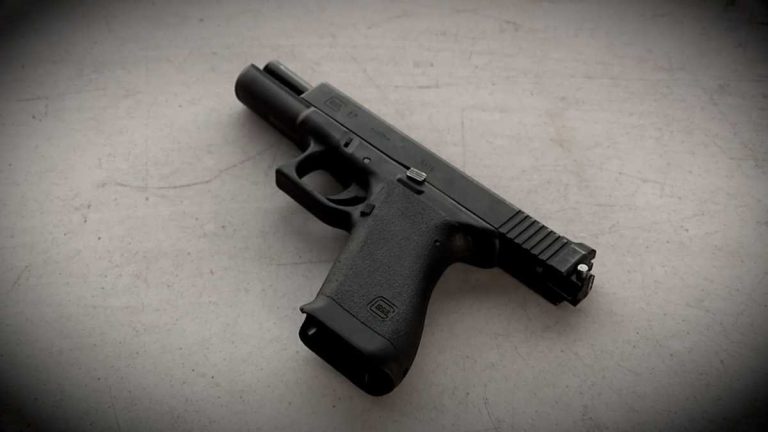
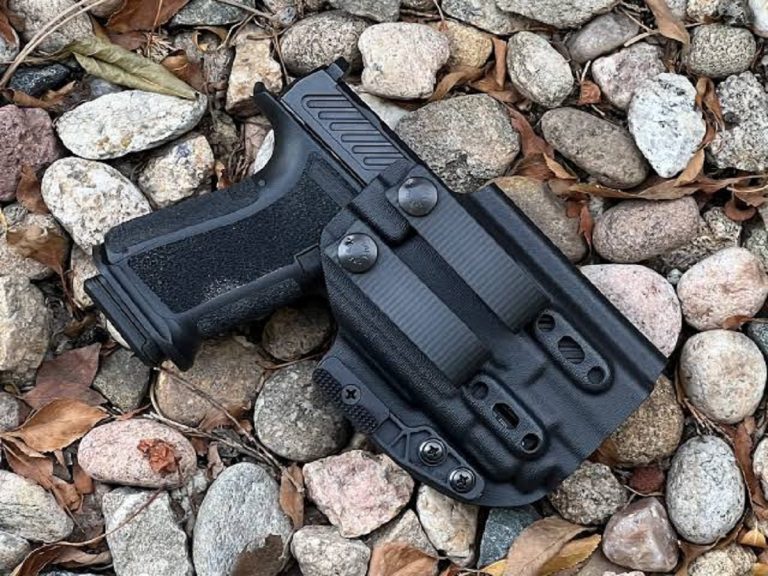
Sidearm ammunition carry for military personnel is an essential part of a soldier’s overall combat load, especially for those who are issued pistols as secondary weapons. While rifles remain the primary source of firepower, sidearms provide critical backup in close-quarters situations or when the primary weapon becomes inoperable. The amount of pistol ammunition carried is carefully balanced to ensure readiness without adding unnecessary weight.
Standard Pistol Magazine Loadout
Most military sidearms are designed around detachable magazines that typically hold 15 to 18 rounds, depending on the model. A standard carry load for soldiers often includes 2 to 4 magazines, giving a total of roughly 30 to 72 rounds of pistol ammunition. This is considered sufficient for emergency use rather than prolonged combat engagement, since the sidearm is a secondary weapon in most scenarios.
Soldiers usually store these magazines in accessible pouches on their belt or vest for quick deployment under stress. Training emphasizes rapid transition from rifle to sidearm when needed, especially in confined spaces or during weapon malfunction. Even though the pistol carries fewer rounds than a rifle, its role is critical in maintaining combat readiness when primary systems fail or are temporarily unavailable.
Role of Sidearms in Close-Quarters Combat
Sidearms become especially important in close-quarters combat situations such as building clearing, vehicle operations, or trench environments. In these scenarios, maneuverability is limited, and a compact weapon can be more effective than a rifle. Soldiers rely on pistols as a last-resort defensive tool when engagement distances are extremely short or when quick reaction is required.
Because of this role, ammunition conservation is still important even with sidearms. Soldiers are trained to fire deliberately and only when necessary to maintain control of their limited rounds. Reload speed and weapon handling are heavily emphasized in training to ensure smooth transitions during high-pressure encounters. The limited magazine capacity means every shot must be used with precision and awareness of the tactical environment.
Backup Ammunition and Mission Adaptation
In extended missions, soldiers may carry additional sidearm magazines depending on operational risk and mission type. While this is less common than rifle ammunition expansion, certain high-threat environments may require increased pistol readiness. Extra magazines are usually kept in secure pouches to avoid interference with movement or primary weapon handling.
Commanders decide sidearm ammunition loads based on expected combat intensity and soldier role within the unit. For example, military police or special operations personnel may carry more sidearm ammunition due to their operational requirements. In contrast, regular infantry often maintain a minimal pistol load since the rifle remains their main combat weapon throughout most engagements.
Machine Gunner and Automatic Rifleman Ammo Load
The machine gunner and automatic rifleman ammo load is significantly heavier than standard infantry riflemen due to their role in providing sustained suppressive fire. These soldiers carry large quantities of ammunition to keep enemy forces pinned down during combat. Their loadouts are carefully structured to balance endurance, mobility, and continuous fire capability while supporting the rest of the squad in tactical operations.
Machine Gun Ammunition Belt and Box Load
Machine gunners typically carry belt-fed ammunition systems rather than standard magazines, depending on the weapon platform such as the M240 or similar systems. A single ammunition belt may contain 100 to 200 rounds, and a machine gunner often carries multiple belts, totaling 400 to 800 rounds or more. These belts are stored in ammo pouches or boxes attached to their gear for quick reloads during sustained engagements.
The weight of machine gun ammunition is substantial, so distribution within the squad is essential. Assistant gunners usually help carry additional belts, spare barrels, and cleaning kits to ensure continuous fire capability. This teamwork ensures the machine gun remains operational even during long firefights. The machine gunner’s role is physically demanding, requiring strength, endurance, and efficient movement under heavy load conditions.
Automatic Rifleman Magazine-Based Loadout
Automatic riflemen typically use magazine-fed automatic weapons like the M249 or similar systems, carrying higher-capacity magazines or small ammunition belts. Their load usually ranges from 600 to 1,000 rounds depending on mission requirements. These rounds are often carried in 30- to 200-round magazines or soft belts, distributed across chest rigs or backpacks for balance and accessibility.
Unlike standard riflemen, automatic riflemen focus on sustained suppressive fire rather than precision shooting. Their ammunition load allows them to maintain longer firing periods during combat, supporting squad movement and engagement control. The weight is carefully managed to avoid fatigue while still ensuring enough firepower is available during extended operations in high-intensity combat zones.
Tactical Importance of Ammunition Distribution in Squad Support
Ammunition distribution for machine gunners and automatic riflemen is a coordinated effort within the squad. Other infantry members often carry extra belts or magazines to support the gunner, ensuring that ammunition never becomes a limiting factor during combat. This shared responsibility improves overall unit effectiveness and reduces the risk of firepower interruption.
Commanders rely heavily on these roles to provide suppressive fire during assaults, withdrawals, or defensive positions. Because of their critical function, machine gunners and automatic riflemen are positioned strategically within formations to maximize coverage. Their ammunition load directly influences squad momentum, making them essential to maintaining battlefield control and tactical superiority in sustained engagements.
Role-Based Ammunition Differences in the Military
Role-based ammunition differences in the military are designed to match each soldier’s responsibilities within a unit. Not every service member carries the same amount or type of ammunition, because combat effectiveness depends on specialization. Infantry, support weapons, and leadership roles all have distinct load requirements that ensure the unit functions as a coordinated system during operations.
Infantry Rifleman Ammunition Load
Infantry riflemen typically carry the standard combat load, which includes multiple magazines for their service rifle, usually totaling around 120 to 300 rounds. This load is designed to give them enough firepower for direct engagement while maintaining mobility on the battlefield. Riflemen are expected to be flexible, moving quickly between offensive and defensive positions during combat operations.
Their ammunition is usually stored in chest rigs or plate carriers for easy access and rapid reloads. Riflemen often form the core of the fighting force, so their load is balanced between endurance and firepower. While they do not carry excessive ammunition compared to support roles, their ability to maneuver and engage targets effectively is critical to mission success.
Support Weapon Ammunition Load
Support weapon operators such as machine gunners and automatic riflemen carry significantly heavier ammunition loads compared to standard infantry. Their role requires sustained suppressive fire, which demands hundreds of rounds at minimum. Machine gunners may carry belt-fed ammunition totaling 400 to 800 rounds or more, while automatic riflemen often carry high-capacity magazines or mixed feed systems.
This increased load is distributed among team members to prevent exhaustion and maintain operational efficiency. Assistant gunners often carry additional ammunition, spare barrels, and equipment. The support weapon role is physically demanding, but it provides essential battlefield dominance by controlling enemy movement and supporting infantry advances or defensive positioning.
Leadership and Specialized Role Ammunition Considerations
Military leaders such as squad leaders and officers generally carry less ammunition compared to frontline combat roles. Their focus is on coordination, communication, and tactical decision-making rather than sustained firefights. Typically, they carry a standard rifle load but may reduce their ammunition to accommodate radios, maps, and additional mission equipment.
Specialized roles like medics or communications personnel often carry minimal ammunition since their primary responsibility is support rather than direct engagement. However, they still maintain enough firepower for self-defense if required. This role-based allocation ensures that every soldier contributes effectively to mission success without unnecessary weight or reduced operational efficiency.
Environmental and Mission Factors Affecting Ammo Carry
Environmental and mission factors play a major role in determining how much ammunition a soldier carries in the field. Loadouts are not fixed and must be adjusted based on terrain, weather, threat level, and mission duration. Military planners carefully evaluate these conditions to ensure soldiers remain combat effective while avoiding unnecessary fatigue from excessive weight.
Terrain and Mobility Requirements
Terrain is one of the most important factors affecting ammunition carry. In mountainous or dense forest environments, soldiers often reduce their load to maintain mobility and reduce exhaustion. Carrying heavy ammunition in such conditions can slow movement and increase the risk of fatigue-related errors. As a result, commanders may limit magazine count or redistribute ammunition among squad members.
In contrast, open terrain or vehicle-based operations allow soldiers to carry more ammunition since mobility is less physically demanding. Urban environments also influence load decisions, as close-quarters combat may require higher readiness but shorter movement distances. The balance between firepower and physical endurance is always adjusted based on the expected terrain challenges of the mission.
Mission Duration and Operational Planning
The length of a mission directly affects how much ammunition a soldier carries. Short-duration operations, such as targeted raids or patrols, usually require standard or slightly increased ammunition loads. However, long-duration missions, especially those without guaranteed resupply, demand additional magazines and backup ammunition reserves.
Military planners assess the likelihood of sustained engagement before finalizing loadouts. Soldiers may be issued extra ammunition in anticipation of prolonged combat scenarios or delayed extraction. However, carrying too much ammunition can reduce endurance and increase strain, so careful planning is required. The goal is always to ensure soldiers remain operational throughout the entire mission without being overloaded.
Threat Level and Enemy Engagement Expectations
Expected threat level significantly influences ammunition carry decisions. In high-risk zones where enemy contact is highly likely, soldiers are often equipped with increased ammunition loads. This ensures they can sustain combat without immediate resupply. Patrols in contested areas or hostile environments typically involve heavier combat loads compared to routine security operations.
In low-risk or peacekeeping missions, ammunition loads are often reduced to prioritize mobility and reduce fatigue. However, even in such environments, soldiers must remain prepared for sudden escalation. Commanders continuously evaluate intelligence reports and operational updates to adjust ammunition levels accordingly, ensuring readiness matches the potential threat.
Weather and Operational Conditions Impact
Weather conditions can also affect ammunition carry strategies. Extreme heat can increase fatigue, making heavy loads more difficult to manage, while cold environments may require additional gear that competes for carrying space. Rain and humidity can also influence how ammunition is stored and protected to ensure reliability during use.
Soldiers may need to use waterproof containers or protective pouches to prevent damage to ammunition in harsh weather. These added protective measures can slightly increase load weight, requiring further adjustment in overall carry planning. Environmental conditions are always considered to ensure ammunition remains functional while maintaining soldier effectiveness in the field.
Modern Military Loadout Equipment and Ammo Carry Systems
Modern military loadout equipment and ammo carry systems are designed to improve mobility, comfort, and combat efficiency while allowing soldiers to carry essential ammunition securely. These systems have evolved from basic belts and pouches to advanced modular platforms that distribute weight more evenly. The goal is to ensure soldiers can carry enough firepower without sacrificing endurance or operational performance.
Plate Carriers and Modular Vest Systems
Plate carriers and modular vest systems are widely used in modern militaries to carry ammunition and protective armor simultaneously. These systems feature MOLLE webbing, which allows soldiers to attach magazine pouches, utility gear, and communication equipment based on mission needs. A typical setup enables quick access to rifle magazines while keeping weight balanced across the torso.
The advantage of plate carriers is their flexibility and customization. Soldiers can adjust pouch placement depending on whether they need more ammunition, medical kits, or specialized gear. This adaptability is crucial in dynamic combat environments where mission requirements change rapidly. However, overloading a vest can still reduce mobility, so careful load planning remains essential.
Chest Rigs and Lightweight Ammunition Carriers
Chest rigs are commonly used when mobility is a higher priority than heavy protection. These systems are lighter than plate carriers and focus mainly on carrying ammunition and essential gear. Soldiers using chest rigs typically carry magazines in a front-mounted configuration, allowing fast reloads during combat while minimizing weight on the body.
Chest rigs are especially useful for reconnaissance units or patrols that require speed and agility. They provide enough ammunition capacity for most engagements while reducing fatigue over long distances. The trade-off is reduced ballistic protection, meaning they are often paired with lighter operational roles or environments where speed is more important than heavy armor.
Load-Bearing Vests and Legacy Carry Systems
Load-bearing vests (LBVs) and older belt-based systems are still used in some military contexts, especially for training or specific mission requirements. These systems distribute weight around the waist and torso, allowing soldiers to carry ammunition, canteens, and equipment without relying on modern modular platforms. While less advanced, they remain functional and reliable.
LBVs can be comfortable for long-duration wear when properly adjusted, but they lack the customization and ergonomic advantages of modern systems. Soldiers may still use them in combination with newer gear depending on supply availability or mission needs. Their simplicity and durability make them a practical option in certain operational environments.
Ammunition Pouches and Quick-Access Design Features
Ammunition pouches are a critical component of modern loadout systems, designed to provide fast and secure access to magazines. These pouches are often made with elastic retention, Velcro, or rigid inserts to keep magazines stable during movement. Quick-access design is essential for reducing reload time under stress in combat situations.
Modern pouch designs also focus on silent operation and durability, allowing soldiers to retrieve ammunition without unnecessary noise or delay. Many systems are adjustable to accommodate different magazine types and sizes. This ensures compatibility across various weapons platforms while maintaining efficiency in high-pressure environments where every second counts.
People Also Asked
How Much Ammo Does A Soldier Carry In Combat?
A soldier typically carries a combat load that ranges depending on role, mission, and military doctrine, but most infantry carry around 120 to 300 rounds of rifle ammunition. This is usually spread across 4 to 10 magazines, with each magazine holding 20 to 30 rounds. The goal is to balance firepower with mobility so you can stay effective without being overloaded. In heavier combat situations, additional ammunition may be added, especially if resupply is uncertain or extended engagement is expected.
Why Do Soldiers Carry Different Amounts Of Ammunition?
You will notice that soldiers do not all carry the same amount of ammunition because their roles inside a unit are different. Riflemen carry a standard combat load, while machine gunners and automatic riflemen carry much more for suppressive fire. Leaders or support roles may carry less ammo to accommodate radios or medical gear. This role-based system ensures that the entire squad functions efficiently, with each member contributing differently rather than everyone carrying the same load.
How Many Magazines Does A Soldier Usually Carry?
In most infantry units, you will typically see soldiers carrying between 6 and 10 magazines for their primary rifle. Each magazine usually holds 30 rounds, depending on the weapon system. This setup provides enough ammunition for most combat engagements while keeping the load manageable. Magazines are distributed across chest rigs or plate carriers for quick access. Soldiers train to reload under stress, so magazine placement and accessibility are just as important as total ammunition count.
Do Soldiers Carry Extra Ammunition Beyond Magazines?
Yes, soldiers often carry additional ammunition beyond their standard magazines, especially in high-risk missions. These extras may include spare magazines, loose rounds, or backup ammunition stored in packs. The purpose is to extend combat endurance if resupply is delayed. However, carrying too much can slow movement and increase fatigue. That is why extra ammunition is usually assigned based on mission planning and expected engagement duration rather than carried by every soldier all the time.
How Much Ammo Does A Machine Gunner Carry Compared To Others?
A machine gunner carries significantly more ammunition than a standard rifleman because their role is to provide sustained suppressive fire. You can expect them to carry anywhere from 400 to 800 rounds or more, often in belt-fed systems. Assistant gunners also help carry additional belts and spare parts. This heavy load ensures continuous fire capability during combat, making machine gunners one of the most heavily equipped roles in an infantry unit.
Does Mission Type Affect How Much Ammo A Soldier Carries?
Yes, mission type plays a major role in determining ammunition load. In short patrols or low-risk operations, you may carry a standard load, while high-risk raids or extended missions require additional ammunition. Urban combat or hostile environments also increase expected loadouts. Commanders adjust ammunition based on intelligence, threat level, and resupply availability. This ensures that you are neither under-equipped for combat nor overburdened during movement and long-duration operations.
Why Is There A Limit To How Much Ammo A Soldier Carries?
There is always a limit to how much ammunition you carry because weight directly affects mobility, endurance, and reaction time. Soldiers must carry not only ammunition but also armor, water, food, and communication equipment. Overloading reduces effectiveness in combat and increases fatigue. Military planning focuses on finding the right balance between firepower and physical performance, ensuring you remain capable of moving, fighting, and surviving in demanding battlefield conditions without unnecessary strain.
Final Thoughts
Overall, the amount of ammunition carried by a soldier is not a fixed number but depends heavily on mission type, role, and operational environment. Infantry troops are typically issued a standard baseline load, while support roles such as machine gunners carry significantly more to sustain prolonged engagements. This balance ensures that each soldier has enough firepower without becoming overly burdened.
In real combat situations, commanders adjust loadouts based on expected threats, terrain, and mission duration. A soldier on patrol may carry a lighter load for mobility, while those entering high-risk areas often carry additional magazines or belt-fed ammunition. The goal is always to maintain effectiveness while preserving endurance and agility.
Understanding how much ammo does a soldier carry helps highlight the complexity of military planning. It is not just about carrying more rounds, but about carrying the right amount to stay combat-ready while still being able to move, react, and survive in demanding conditions.