Are Gun Safes EMP Proof? Everything You Need to Know
Modern security concerns go beyond physical threats, especially as more devices rely on electronics. One topic that often comes up among firearm owners is the impact of electromagnetic pulses on stored equipment and security systems.
Many modern gun safes include digital keypads, biometric locks, and internal circuits that can be affected by strong electromagnetic interference. This raises concerns about whether sensitive locking mechanisms could malfunction during extreme events.
This is where the question are gun safes emp proof becomes important for people who want reliable protection in all conditions.
Understanding how EMPs work and how different safe designs respond helps buyers make more informed decisions when choosing long-term firearm storage solutions.
While marketing claims sometimes suggest full EMP protection, real-world resistance depends on construction materials, grounding, and electronic shielding standards used by manufacturers. Not every model offers the same level of defense against electromagnetic disruption. This is why careful evaluation matters.
EMP and Its Effects on Electronics
An electromagnetic pulse, or EMP, refers to a sudden release of energy that can interfere with or damage electronic systems. This energy can come from natural sources like solar storms or human-made events involving specialized devices. Because most modern electronics rely on delicate circuits and microchips, they are highly sensitive to such disturbances. Even a brief pulse can disrupt normal operation, making EMP awareness important for understanding risks to communication tools, security systems, and digitally controlled equipment used in everyday life and critical infrastructure.
How an EMP Works
An EMP functions by releasing a rapid burst of electromagnetic energy that travels through the environment at extremely high speed. This energy interacts with conductive materials such as wires, circuit boards, and antennas. When this interaction occurs, it generates sudden voltage spikes that the system is not designed to handle. These spikes can overload microchips and cause immediate disruption.
In many cases, the damage happens within fractions of a second. The affected device may shut down, restart unexpectedly, or become completely unresponsive. The severity depends on the strength of the pulse and the distance from its source. Even systems that are not actively in use can still absorb energy if they are physically connected to conductive pathways.
Unlike physical damage, an EMP does not break devices visibly. Instead, it disrupts the internal electrical balance. This makes diagnosis difficult because the device may look intact but fail to function correctly.
Repeated exposure or a strong enough pulse can permanently damage semiconductor materials. Once this occurs, the affected components often cannot be repaired and require full replacement.
Natural vs Man-Made EMP Sources
EMP events can occur naturally or be artificially generated, and both types can affect electronic systems in different ways. Natural EMPs are usually associated with solar activity, such as solar flares or coronal mass ejections. When these charged particles interact with Earth’s magnetic field, they can induce electrical currents in power lines and electronic devices.
These natural events often have a wide geographical impact. Large solar storms can affect entire regions, disrupting satellites, communication networks, and even power grids. The intensity may vary, but the scale of exposure makes them particularly concerning for infrastructure-dependent systems.
Man-made EMPs, on the other hand, are produced through specialized devices or high-altitude detonations designed to release concentrated electromagnetic energy. These are typically more localized but can be extremely intense in the affected area.
Because man-made pulses can be controlled in strength and direction, they may cause immediate failure in nearby electronic systems. The difference in source type influences both the range and severity of the damage experienced by devices.
Vulnerability of Electronic Devices
Modern electronic devices are especially vulnerable to EMP exposure due to their reliance on microelectronics and compact circuit designs. Components such as microprocessors, memory chips, and sensors operate on very low voltage levels, making them highly sensitive to sudden electrical surges.
When an EMP occurs, these delicate systems can receive voltage levels far beyond their tolerance. This may lead to data corruption, system crashes, or permanent hardware failure. Devices that depend on continuous electrical signals are particularly at risk.
Security systems, digital safes, and communication tools often include embedded electronics that can be disrupted by even moderate electromagnetic interference. A brief disturbance may cause lockouts or reset critical configurations.
The vulnerability increases when devices are interconnected through networks or cables. A pulse affecting one point in the system can propagate and impact multiple connected components, expanding the damage beyond a single device.
Shielding and Protection Methods
Protecting electronics from EMP effects typically involves shielding techniques that block or redirect electromagnetic energy. One of the most common methods is the use of conductive enclosures that prevent external energy from penetrating sensitive components. These enclosures act as barriers that absorb or distribute the incoming pulse safely.
Proper grounding is another important factor in reducing EMP impact. By directing excess electrical energy into the ground, systems can avoid internal overloads. Without grounding, even shielded devices may still experience residual current buildup.
Specialized designs may include layered protection, combining metal casing, insulation, and filtering components. These layers work together to reduce the intensity of any electromagnetic interference reaching the internal circuits.
Storage practices also play a role in protection. Keeping critical electronics inside shielded containers or isolated environments can reduce exposure risk. While no method guarantees complete immunity, these approaches significantly improve resilience against electromagnetic disturbances.
Are Gun Safes EMP Proof in Reality?
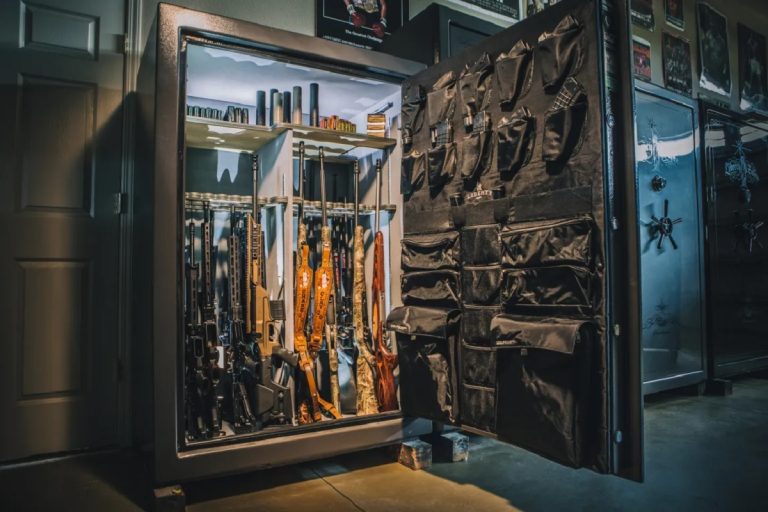
The idea of EMP protection has become a growing concern among firearm owners who rely on modern electronic locking systems. Many gun safes today include digital keypads, biometric scanners, and internal electronic components that raise questions about their resilience during electromagnetic disturbances. Understanding whether these safes can truly withstand an EMP event requires looking at their construction, shielding methods, and the difference between marketing claims and real-world performance. Not all safes are designed with electromagnetic protection in mind, which makes this topic important for long-term security planning.
EMP Resistance in Gun Safe Design
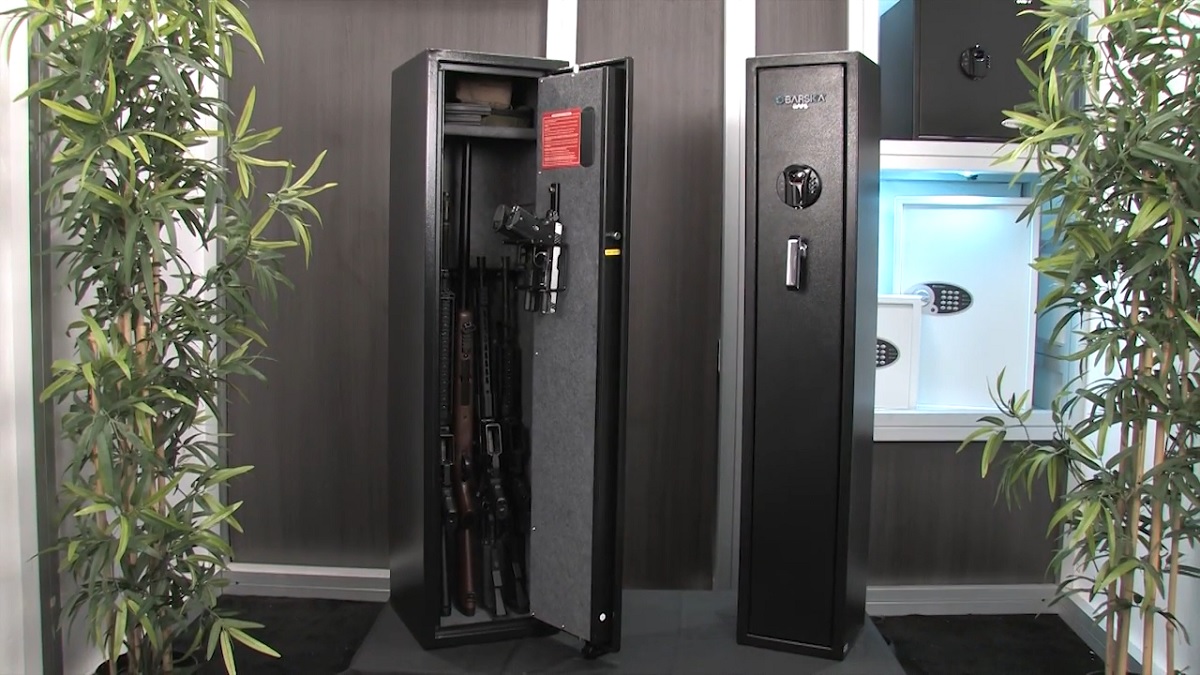
Most standard gun safes are not built specifically to withstand electromagnetic pulses. Their primary focus is physical security such as resisting forced entry, fire, and environmental damage. While some models include electronic locking systems, these components are generally not shielded against high-intensity electromagnetic interference. As a result, an EMP could potentially disrupt the electronic keypad or biometric scanner, preventing normal access.
The level of resistance depends heavily on the internal design and materials used. A safe with minimal electronic components is naturally less vulnerable than one that relies entirely on digital systems. However, even metal construction alone does not guarantee full EMP protection unless it is designed as a continuous conductive enclosure.
In most consumer-grade safes, seams, hinges, and electronic openings create gaps in shielding effectiveness. These weak points can allow electromagnetic energy to penetrate the system. Without specialized engineering, true EMP resistance remains limited in typical gun safe designs.
Because of this, claims of EMP-proof safes should be carefully evaluated, as many products do not meet strict electromagnetic shielding standards.
Role of Electronic Locking Systems
Electronic locking systems are one of the most vulnerable parts of modern gun safes when it comes to EMP exposure. These systems rely on circuit boards, microcontrollers, and power-dependent mechanisms that can be disrupted by sudden electromagnetic energy. Even a brief pulse can cause malfunction, system reset, or complete lock failure.
Biometric scanners and digital keypads are especially sensitive because they process continuous electronic signals. If these signals are interrupted or corrupted, the safe may become temporarily or permanently inaccessible. This creates a serious concern for users who depend solely on electronic access methods.
Some advanced safes include backup mechanical overrides to address this issue. However, not all models offer such redundancy, and users may assume a level of protection that does not actually exist in practice.
Without proper shielding or protective circuitry, electronic locking systems remain exposed to external electromagnetic disturbances. This makes them a weak point in otherwise secure firearm storage solutions.
Material and Shielding Limitations
While most gun safes are made from thick steel, this alone does not guarantee EMP protection. Effective electromagnetic shielding requires a continuous conductive enclosure that prevents energy from entering through gaps or openings. In many consumer safes, design elements like door seals, electronic panels, and ventilation points break this continuity.
These interruptions reduce the effectiveness of any natural shielding the metal might provide. Even small gaps can allow electromagnetic energy to penetrate and affect internal electronics. This is especially true for high-frequency or high-intensity pulses.
Proper EMP shielding typically requires specialized engineering similar to Faraday cage construction, where every seam and joint is carefully designed to block electromagnetic fields. Most gun safes are not manufactured to this standard.
Choosing the Right Gun Safe for Reliability
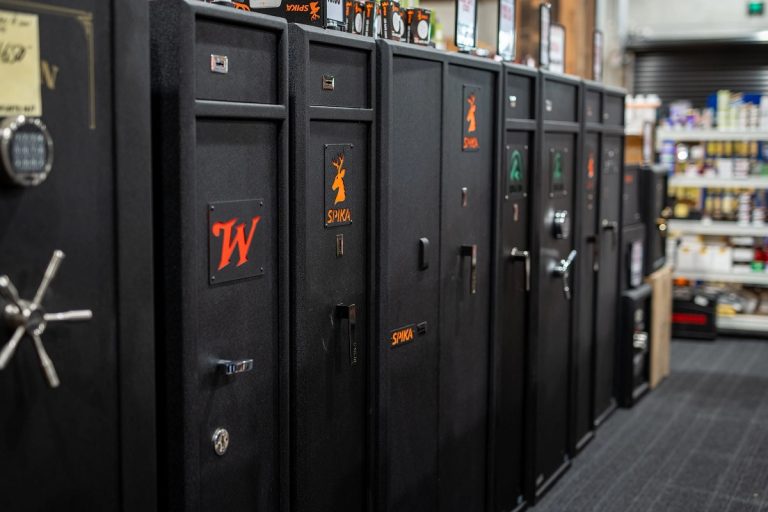
Selecting a gun safe for long-term reliability involves more than just checking size or price. Modern buyers need to consider security features, locking mechanisms, build quality, and resistance to environmental or electrical risks. With increasing use of electronic components in safes, understanding durability and backup systems has become essential. A reliable gun safe should balance physical protection, functional stability, and consistent performance under different conditions without relying solely on digital systems.
Mechanical vs Electronic Locking Systems
When choosing a gun safe, one of the first decisions involves the locking system. Mechanical locks are known for their durability and independence from power sources, making them less vulnerable to electronic failures. They operate using traditional dial or key mechanisms, which are not affected by electromagnetic interference or battery depletion. This makes them a dependable option for long-term reliability.
Electronic locks, on the other hand, offer convenience and faster access. They often include keypads or biometric scanners that allow quick entry. However, they depend on internal circuits and power sources, which can introduce potential points of failure. In rare situations, electrical disturbances or component malfunctions may temporarily disable access.
Many modern safes combine both systems, offering a hybrid approach. This allows users to benefit from the convenience of electronic access while maintaining a mechanical backup option. Such redundancy improves reliability and reduces dependency on a single system.
Choosing between these systems depends on how much priority is given to speed, convenience, and long-term mechanical dependability.
Importance of Build Quality and Construction
The overall reliability of a gun safe depends heavily on its construction quality. Thick steel walls, reinforced doors, and solid locking bolts all contribute to physical security and durability. A well-built safe resists forced entry attempts and maintains structural integrity over time, even under harsh conditions.
Weld quality and internal framing are also important factors. Poorly constructed safes may have weak points that reduce both security and longevity. Strong, continuous welds help maintain rigidity and prevent deformation under stress.
Fire resistance is another key consideration. Many safes are designed with fire-rated insulation to protect contents during extreme heat exposure. This added layer of protection increases reliability in emergency situations.
A high-quality safe should also minimize gaps and weak seams, ensuring better overall protection. The better the construction, the more consistently the safe performs under both physical and environmental challenges.
Evaluating Electronic Resilience and Backup Access
For safes that include electronic systems, evaluating resilience is essential for long-term reliability. A dependable safe should include safeguards such as low-battery warnings, emergency power access, and secure override mechanisms. These features ensure that access is not completely dependent on a single electronic system.
Backup access methods are particularly important in case of malfunction or unexpected failure. Mechanical keys or manual override systems provide an alternative way to open the safe when electronic components stop functioning. Without these backups, users risk being locked out during system errors or power-related issues.
Circuit protection and internal shielding can also improve resilience. While not all safes offer electromagnetic protection, better-designed models reduce the risk of electronic disruption from external interference. This adds another layer of operational stability.
Considering both primary and backup access systems ensures that the safe remains functional under different conditions. A reliable design prioritizes uninterrupted access while still maintaining strong security standards.
FAQs
Are Gun Safes EMP Proof?
Most standard gun safes are not truly EMP proof. You might see marketing claims suggesting protection, but in reality, very few consumer safes are specifically engineered for electromagnetic pulse resistance. While the steel body may offer some incidental shielding, gaps in the door, electronic keypads, and internal wiring reduce effectiveness. If an EMP event occurs, electronic locks could malfunction or become unresponsive. Mechanical locking systems are not affected, which is why many users still prefer them for reliability in extreme scenarios.
Can An EMP Disable A Gun Safe Lock?
Yes, an EMP can potentially disable electronic locking systems in gun safes. If your safe uses a digital keypad or biometric scanner, those components rely on sensitive microelectronics. A strong electromagnetic pulse may disrupt or damage the internal circuit board, causing the lock to freeze, reset, or stop responding. You may still have a physically intact safe, but access could become difficult without a backup entry method. Mechanical override systems are important for maintaining access if electronic failure occurs.
Do Steel Gun Safes Protect Against EMP?
Steel gun safes can offer limited shielding, but they are not guaranteed to block an EMP. To function as proper electromagnetic protection, a container must form a continuous conductive enclosure similar to a Faraday cage. Most gun safes have seams, hinges, and electronic openings that break this continuity. These gaps allow electromagnetic energy to enter and affect internal electronics. So while steel provides some reduction in exposure, it should not be relied on as full EMP protection without specialized design.
What Happens To Electronic Gun Safes During An EMP?
If an EMP event occurs, electronic gun safes may experience partial or complete failure of their control systems. You could face unresponsive keypads, malfunctioning biometric sensors, or corrupted internal memory. In some cases, the safe may lock you out entirely until power or components are restored or replaced. The physical structure of the safe usually remains intact, but access becomes the main issue. This is why backup keys or mechanical override options are important for emergency situations.
Are Mechanical Gun Safes Safer From EMP Effects?
Mechanical gun safes are generally unaffected by EMP events because they do not rely on electronics. They use traditional locking mechanisms such as combination dials or physical keys, which function independently of electrical systems. Since there are no circuits or microchips involved, there is nothing for electromagnetic energy to disrupt. This makes mechanical safes more reliable in scenarios where electronic systems might fail. However, they may be slower to operate compared to digital locking systems.
Can You Upgrade A Gun Safe For EMP Protection?
In some cases, you can improve resistance, but fully upgrading a standard gun safe into an EMP-proof unit is difficult. You might add shielding materials or store electronic components inside separate protective enclosures. However, the safe itself would need to be designed as a continuous conductive barrier to be truly effective. Retrofitting gaps like door seams and electronic ports is challenging. Most users instead focus on choosing mechanical locks or safes specifically designed with enhanced shielding features.
What Is The Best Gun Safe Choice For EMP Concerns?
If EMP concerns matter to you, the most reliable option is a gun safe with a mechanical locking system. You reduce dependency on electronics, which are the most vulnerable components during electromagnetic disturbances. If you still prefer electronic access, choosing a hybrid model with a mechanical override is a safer compromise. You should also consider build quality, steel thickness, and design continuity. Prioritizing simplicity and redundancy helps ensure your safe remains functional in unusual or high-risk conditions.
Final Words
The concern around electromagnetic pulses has led many firearm owners to question the durability of modern security systems. In reality, most gun safes are not specifically designed to withstand such events, especially those that rely on electronic locking mechanisms. When asking are gun safes emp proof, it becomes clear that the answer depends heavily on the type of safe and its internal components.
Mechanical gun safes generally offer more reliability in extreme conditions because they do not depend on circuit boards, keypads, or biometric sensors. Electronic models, while convenient, can be vulnerable to electrical disruption caused by an EMP, which may affect their functionality. This difference plays a major role in determining overall resilience.
For long-term preparedness, choosing a safe with minimal electronic dependence is often the most practical approach. Additional protective measures like backup keys or reinforced storage methods can also improve security. Ultimately, understanding whether are gun safes emp proof helps buyers make more informed decisions based on risk and reliability.