How to Remove Gun Safe Door Safely and Correctly Step-by-Step Guide
Removing a gun safe door is a task that requires careful planning and proper handling due to the weight and security mechanisms involved. Many gun safes are built with reinforced steel and complex hinges designed to stay secure under pressure.
Whether you are relocating a safe, performing maintenance, or upgrading your security setup, understanding how to remove gun safe door correctly is essential. The process involves safety precautions, correct tools, and awareness of the hinge system to avoid damage or injury during removal.
Gun safe doors are typically heavy and may include locking bolts or internal support structures that make them challenging to detach. Proper technique ensures the safe remains intact while preventing strain or accidental damage to surrounding components.
Before attempting removal, it is important to understand the design of your specific model and gather necessary tools. A structured approach helps maintain safety and efficiency, especially when dealing with heavy-duty safes used for firearm storage.
Gun Safe Door Structure
The structure of a gun safe door is engineered to provide maximum security, durability, and resistance against forced entry or environmental damage. Each layer and component plays a specific role in protecting the contents inside. Understanding the internal and external construction helps you handle maintenance, repairs, or removal tasks more safely and effectively. The door is typically heavier than it appears due to reinforced materials and locking systems.
Outer Steel Shell
The outer steel shell is the first line of defense in a gun safe door and is usually constructed from thick, cold-rolled steel. This layer is designed to withstand drilling, cutting, and prying attempts. Manufacturers often use multiple steel plates welded together to increase strength and resistance. The thickness of this shell directly influences the overall security rating of the safe.
Inside this outer layer, the steel may be reinforced with additional support ribs or framing. These reinforcements help distribute force evenly across the surface, reducing weak points. The design ensures that even under heavy impact, the door maintains its structural integrity.
The outer shell also acts as a protective barrier for internal components, shielding the locking system and insulation layers from external damage.
Locking Bolt System
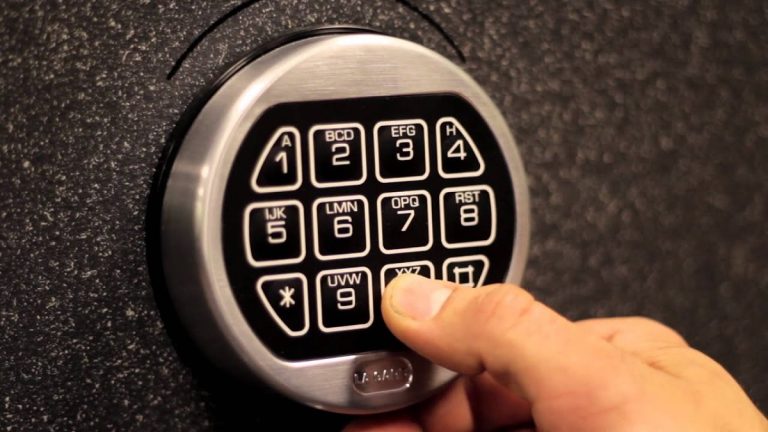
The locking bolt system is one of the most critical components of a gun safe door. It consists of multiple steel bolts that extend from the door into the safe body when locked. These bolts are typically controlled by a mechanical dial or electronic keypad system, depending on the model.
When engaged, the bolts secure the door on multiple sides, making forced entry extremely difficult. Some advanced safes use active relocking devices that trigger additional locks if tampering is detected. This adds another layer of protection.
The system is built with precision engineering to ensure smooth operation while maintaining extreme resistance to manipulation or impact.
Hinges and Support Mechanism
The hinges on a gun safe door are designed to support significant weight while allowing controlled movement. Most safes use heavy-duty external or internal hinges made from hardened steel. These hinges are often reinforced to prevent cutting or removal attempts.
In many modern designs, the door weight is distributed across multiple hinge points. This prevents stress concentration and ensures smooth opening and closing even after years of use. Some safes also include anti-pry mechanisms integrated near the hinge side.
The support mechanism works in coordination with the frame to keep the door aligned properly, ensuring a tight seal when closed.
Fire and Insulation Layer
Inside the gun safe door, a fire-resistant insulation layer is commonly included to protect contents from heat and smoke damage. This layer is usually made from composite materials such as ceramic fiber or gypsum-based compounds.
The insulation fills the internal cavity of the door, adding both thermal protection and extra weight. It helps maintain internal temperatures during fire exposure, giving users critical time to protect valuable items.
Tools Required for Gun Safe Door Removal
Removing a gun safe door safely requires the right set of tools because of the heavy-duty construction and reinforced locking mechanisms involved. Using proper equipment helps prevent injury, avoids damage to the safe, and ensures controlled handling of the door during removal. Since most gun safe doors are extremely heavy and tightly secured, preparation with reliable tools is essential before attempting any work on the hinges or locking system.
Heavy-Duty Wrenches and Socket Set
A heavy-duty wrench and socket set is essential for loosening bolts and hinge fasteners that secure the gun safe door to its frame. These bolts are usually made of hardened steel and may require significant torque to remove. A standard household wrench is often not sufficient, so industrial-grade tools are recommended for better grip and leverage.
Using a socket set with multiple sizes ensures compatibility with different bolt heads found on various safe models. Extensions and breaker bars can also help apply extra force when bolts are tightly fixed due to years of pressure or factory tightening. Proper handling is important to avoid stripping the bolts or damaging surrounding metal components during the process.
Pry Bars and Door Support Equipment
Pry bars are commonly used to gently assist in separating the door from the frame once bolts and hinges are loosened. However, they must be used with caution to avoid bending the door frame or damaging internal locking structures. Controlled pressure is key when working around reinforced steel edges.
Along with pry bars, door support equipment such as hydraulic jacks or lifting stands is often necessary. Gun safe doors can weigh several hundred pounds, so support tools help stabilize the door during removal. This reduces the risk of sudden drops or accidents that could cause serious injury or structural damage.
Protective Gear and Safety Accessories
Protective gear is essential when working on gun safe door removal due to the risk of heavy lifting and sharp metal edges. Safety gloves provide grip and protect hands from cuts, while steel-toe boots help prevent foot injuries if the door shifts unexpectedly. Eye protection is also important when working near metal components or using force on bolts.
Additional safety accessories such as back support belts and non-slip mats can improve stability during the process. These tools help maintain proper posture and reduce strain on the body when handling heavy components. Ensuring personal safety is just as important as using mechanical tools correctly during the removal procedure.
Safety Precautions Before Starting
Before beginning any work related to gun safe door removal, following proper safety precautions is essential to prevent accidents, injuries, or damage to the safe. Gun safe doors are extremely heavy and contain reinforced locking systems that can become dangerous if handled incorrectly. Proper preparation, awareness of surroundings, and safe working habits all play a key role in ensuring the process is controlled and secure from start to finish.
Clear and Secure the Working Area
The first step in ensuring safety is preparing a clean and stable workspace around the gun safe. The area should be completely free from clutter, loose objects, or slippery surfaces that could cause tripping or imbalance during the removal process. A wide working space allows better movement when handling heavy components and reduces the risk of accidental contact with nearby objects.
It is also important to ensure that the floor is strong enough to support both the safe and the door once removed. Placing non-slip mats or protective padding can improve stability and prevent shifting during the process. Good lighting should be arranged so all bolts, hinges, and structural points are clearly visible before starting any physical work.
Disconnect and Disable Security Mechanisms
Before attempting any physical removal, all locking systems and electronic security features must be fully disengaged. This includes ensuring the locking bolts are in the open position and the keypad or combination system is not active. Some safes may also have alarm systems or secondary locking features that need to be disabled beforehand.
Failing to properly deactivate these mechanisms can result in sudden locking engagement or internal damage during handling. It is important to double-check the safe’s status and confirm that no active security features remain engaged. This step ensures the door can be handled safely without unexpected resistance or mechanical locking during removal.
Use Proper Lifting and Body Safety Techniques
Gun safe doors are extremely heavy, often weighing several hundred pounds, so correct lifting techniques are essential to avoid physical injury. Always maintain a straight back, bend at the knees, and avoid twisting your body while handling weight. Never attempt to lift or remove the door alone, as sudden shifts can cause serious strain or accidents.
Using team lifting or mechanical assistance such as jacks or dollies is highly recommended. Wearing protective gloves, steel-toe boots, and back support gear adds another layer of safety. Proper coordination between helpers ensures the door remains stable and controlled throughout the entire removal process.
Step-by-Step Process to Remove Gun Safe Door
Removing a gun safe door requires a structured approach to ensure safety, control, and protection of both the safe and the surrounding environment. Because these doors are extremely heavy and secured with reinforced locking systems, each step must be performed carefully and in the correct order. Understanding the full process helps prevent damage, misalignment, or injury while handling high-security components.
Inspect the Safe and Prepare the Hinges
Before starting any physical removal, carefully inspect the gun safe door and its hinge system to understand how it is constructed. Different safes use internal or external hinges, and identifying the type determines the removal method. Look for hinge pins, bolts, or locking plates that may need to be loosened or disengaged first.
Ensure the door is fully unlocked and the locking bolts are retracted into the open position. This prevents resistance when lifting the door. Any internal mechanisms connected to the hinge side should also be checked to avoid unexpected obstruction during the removal process.
Take time to visually trace all connection points between the door and frame. This preparation step ensures you are aware of all fasteners and support structures before applying any physical force.
Loosen and Remove Hinge Fasteners
Once the inspection is complete, begin loosening the hinge fasteners using appropriate heavy-duty tools. Depending on the safe model, this may involve removing hinge pins, unscrewing bolts, or detaching securing plates that hold the door in place.
Work slowly and evenly across all hinge points to avoid putting stress on one side of the door. Applying uneven force can cause misalignment or sudden shifting, which increases the risk of injury. Use controlled torque to prevent stripping or damaging the bolt heads.
As fasteners are removed, ensure the door remains fully supported. Having a second person or support equipment in place is essential to keep the heavy door stable while each hinge component is gradually released.
Lift the Door with Controlled Support
After the hinge fasteners are loosened or removed, the next step is carefully lifting the door away from the frame. Because gun safe doors can weigh several hundred pounds, proper lifting support is absolutely necessary. Team lifting or mechanical aids should be used to maintain balance and stability.
Position lifting tools such as hydraulic jacks or padded supports under the door before fully detaching it. This prevents sudden drops and helps distribute weight evenly during the separation process. Coordination between all helpers is important to ensure smooth movement.
Slowly guide the door outward while keeping it level. Avoid tilting or twisting, as this can cause strain on remaining hinge points or lead to loss of control during removal.
Detach and Secure the Door Safely
Once the door is fully separated from the hinge system, carefully move it away from the safe frame. This step should be done slowly to prevent contact with nearby surfaces or accidental impact that could damage the door or surroundings.
Place the door onto a strong, padded surface such as heavy-duty mats or wooden supports. This helps distribute weight and prevents scratches or deformation on the metal structure. Ensure the surface is stable and capable of handling the load.
After placement, confirm that all components have been safely detached and that no loose parts remain connected to the safe frame. Keeping the door properly secured after removal ensures safety and prevents unnecessary movement or hazards in the working area.
Common Challenges During Removal
Removing a gun safe door is not always a straightforward process because of the weight, reinforced structure, and complex locking mechanisms involved. Even with proper tools and preparation, several challenges can arise that make the task more difficult. Understanding these common issues helps in planning ahead and handling the process more safely and efficiently.
Excessive Door Weight and Handling Difficulty
One of the biggest challenges during gun safe door removal is the extreme weight of the door itself. Many doors are constructed with thick steel plates, fire insulation, and reinforced locking systems, which can make them weigh several hundred pounds. This makes manual handling extremely difficult and unsafe without proper support equipment.
Even when multiple people are involved, maintaining balance and coordination can be challenging. The weight distribution is often uneven due to internal components, causing the door to shift unexpectedly during lifting. This can increase the risk of strain injuries or accidental drops if not properly controlled.
To manage this challenge, mechanical lifting tools such as jacks or dollies are often required. Without adequate support, even small missteps can lead to serious safety hazards or damage to surrounding structures.
Stubborn or Rusted Hinges
Another common issue is dealing with hinges that are stuck, rusted, or tightly secured due to long-term use. Over time, exposure to moisture and pressure can cause metal components to seize, making hinge bolts or pins extremely difficult to remove.
In such cases, standard tools may not provide enough leverage, requiring additional force or specialized equipment. Applying too much force too quickly can strip bolts or damage hinge assemblies, making the situation more complicated. This is especially common in older safes or those stored in humid environments.
Proper lubrication and gradual loosening techniques are often necessary to overcome this challenge safely. Patience is important, as forcing the components can lead to permanent structural damage.
Limited Working Space and Accessibility Issues
Working space limitations can also create significant challenges during gun safe door removal. Many safes are installed in tight rooms, corners, or enclosed areas, leaving little room to maneuver large and heavy components safely.
Restricted space makes it harder to position lifting equipment or multiple helpers around the door. This increases the risk of accidental contact with walls, furniture, or other objects during removal. It can also limit visibility, making it harder to identify hinge points or fasteners.
Proper planning of the workspace is crucial before starting the removal process. Without adequate clearance, even simple movements can become risky and difficult to control.
Misaligned Door Mechanisms and Internal Locking Pressure
Misalignment in the door or internal locking pressure can create unexpected resistance during removal. Even when the locking bolts appear disengaged, internal tension within the mechanism may still hold the door tightly against the frame.
This hidden pressure can make the door feel stuck, even after all visible fasteners have been removed. Attempting to force it open can damage the locking system or bend structural components, leading to further complications.
Careful inspection and gradual movement are necessary to identify and release any remaining internal resistance. Understanding how the locking system interacts with the frame helps reduce the risk of sudden shifts or mechanical failure during removal.
FAQs
How Do You Remove A Gun Safe Door Safely?
Removing a gun safe door requires careful preparation because these doors are extremely heavy and designed for high security. First, you should fully empty the safe and place it on a stable, level surface. Then inspect the hinge type and ensure there are no hidden locking mechanisms securing the door further. Wear protective gloves and sturdy footwear before starting any work.
Next, support the door using a jack, strong stand, or helper so the full weight is not resting on the hinges during removal. Slowly loosen hinge pins or bolts one at a time. Never rush the process, because losing balance can cause serious injury or damage to the safe.
What Tools Do You Need To Remove A Gun Safe Door?
You typically need basic hand tools like a socket wrench set, screwdrivers, and sometimes a pry bar depending on the hinge design. Heavy-duty work gloves are essential for grip and safety, while steel-toe shoes help protect your feet from accidental drops. A dolly or hydraulic jack is often used to support and control the heavy door during removal.
For larger safes, an additional helper is strongly recommended to assist with lifting and stability. The exact tools depend on your safe’s hinge system, but controlled lifting and support equipment are more important than having specialized tools.
Can One Person Remove A Gun Safe Door Alone?
While it may be physically possible in some cases, removing a gun safe door alone is not recommended. Most gun safe doors weigh well over 100 pounds and can be difficult to control even after hinges are loosened. Without help, the risk of injury or damage increases significantly.
A second person provides stability, balance, and safety during the final lifting stage. Even experienced handlers avoid doing it alone because the door can shift suddenly. Having assistance ensures better control and reduces the chances of accidents during the removal process.
How Do You Identify The Hinge Type Before Removing A Gun Safe Door?
Before removing the door, you need to carefully inspect the hinge design because it determines the entire removal method. Some gun safes use removable hinge pins that can be tapped out, while others use bolted or concealed internal hinges that require unscrewing.
Check for visible pins, bolts, or covers that might hide fasteners. Also look for rust, paint sealing, or reinforced security plates that could affect removal. Identifying the hinge type first helps you avoid forcing parts and ensures a smoother, safer disassembly process.
What Safety Precautions Should You Take Before Removing A Gun Safe Door?
Safety should always come first when handling a gun safe door. Make sure the safe is completely empty to reduce weight and prevent shifting during work. Place it on a flat, solid surface so it does not tip or move unexpectedly.
You should wear gloves, protective shoes, and keep your working area free of clutter. Plan how the door will be lifted and supported before loosening any bolts. Avoid standing directly under the door during removal, and always have someone nearby if possible to assist or respond in case of imbalance.
What Problems Can Occur When Removing A Gun Safe Door?
Several issues can arise during removal, especially with older or heavy-duty safes. Rusted hinges are a common problem and can make pins or bolts difficult to remove. In some cases, the door may become misaligned and jam during lifting, making it hard to detach safely.
Weight imbalance is another major challenge, as the door can suddenly shift once partially released. To handle these problems, you can use penetrating oil for rusted parts and proceed slowly without forcing anything. If resistance is too high, it is safer to stop and reassess.
When Should You Hire A Professional To Remove A Gun Safe Door?
You should consider hiring a professional if the safe is very large, bolted down, or uses complex high-security hinge systems. Professionals have specialized lifting equipment and experience to handle extreme weight safely.
If you are unsure about the hinge type or feel the door is too heavy to control, it is better not to attempt removal alone. Hiring an expert reduces the risk of injury and prevents damage to your property. It is especially recommended during relocation or renovation projects where precision and safety are critical.
Conclusion
Understanding the correct process makes a major difference when dealing with heavy-duty security equipment like gun safes. Every step, from preparation to final lifting, requires patience, proper tools, and strict attention to safety. Rushing the process can easily lead to injury or damage to both the safe and its surroundings.
Learning how to remove gun safe door safely also helps you avoid common mistakes such as improper lifting, ignoring hinge resistance, or failing to secure the workspace. Each part of the door system is designed for strength and protection, so careful handling is always necessary to manage its weight and structure.
When you follow a structured method for how to remove gun safe door, the entire task becomes more controlled and predictable. Using the right techniques and safety measures ensures the door is removed without unnecessary risk, making the process efficient and secure from start to finish.