How to Recharge Gun Safe Dehumidifier – Easy Maintenance Tips for Better Moisture Control
Keeping moisture under control is an important part of maintaining a gun safe, especially in areas with high humidity. A dehumidifier can help manage excess moisture inside the safe and reduce conditions that may contribute to rust or corrosion on stored items.
Over time, many rechargeable dehumidifiers need to be renewed before they can continue working effectively. Understanding how to recharge gun safe dehumidifier can help you maintain its performance without unnecessarily replacing the unit.
The exact recharging process depends on the type of dehumidifier you use. Some models contain rechargeable crystals, while others use electrical heating elements or another manufacturer-specific system. Checking the product instructions first is essential because charging methods can vary.
Before recharging, remove the unit according to the manufacturer’s instructions and place it in the recommended location for regeneration. Follow the specified temperature, ventilation, and charging time requirements carefully to avoid damaging the device.
Regularly checking the dehumidifier and monitoring moisture levels can help you maintain a more suitable environment inside the safe. Proper maintenance also gives you an opportunity to inspect the unit for damage before returning it to service.
Check What Type of Dehumidifier You Have
Before recharging a gun safe dehumidifier, you need to identify the type of unit you are using. Different dehumidifiers work in different ways, and their maintenance or recharging methods can vary. Checking the product design, instructions, and manufacturer information helps you understand how the unit operates and prevents you from using an unsuitable recharging method.
Identify Rechargeable Desiccant Dehumidifiers
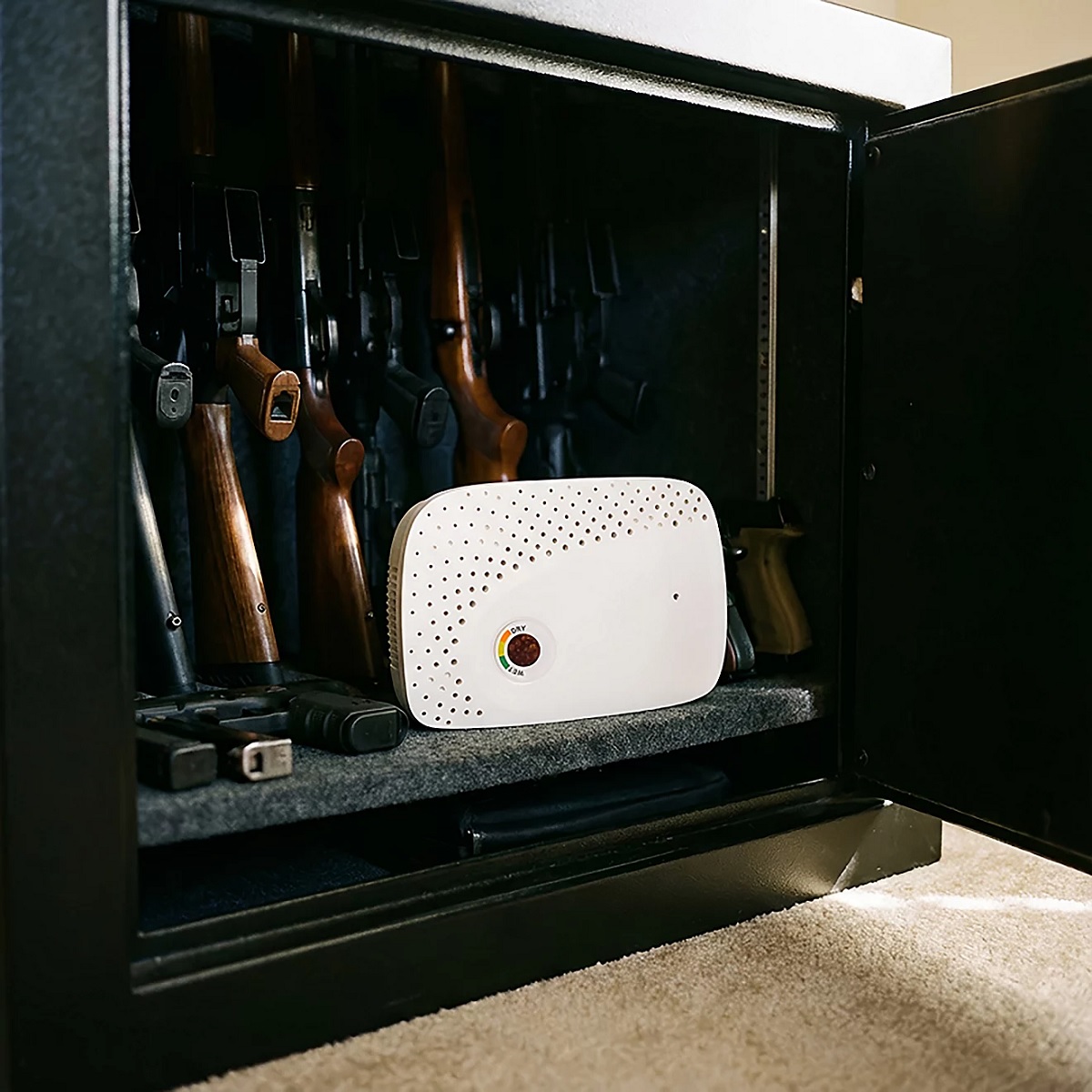
Many gun safe dehumidifiers use moisture-absorbing materials, often called desiccants, to collect excess humidity from the surrounding air. Some rechargeable models contain indicator crystals or beads that change color when the material becomes saturated.
You should check the unit for a visible indicator and read the manufacturer’s instructions to understand what the color change means. The indicator can help you determine when the dehumidifier needs regeneration.
Do not assume that every desiccant unit uses the same recharging process. Some products may require controlled heating, while others have specific instructions for regeneration. Following the manufacturer’s guidance helps protect the unit and maintain its intended performance.
Check for Electric Dehumidifier Models
Some gun safe dehumidifiers operate with electricity and may use a heating element to help maintain a suitable environment inside the safe. These models generally work differently from rechargeable desiccant units and may require a power source during normal operation.
Check the product label, power cord, plug, and manufacturer documentation to identify whether your unit is designed for continuous electrical use. Never treat an electrical dehumidifier as a heat-regenerated desiccant product unless the manufacturer specifically states that this is appropriate.
Review the recommended installation and maintenance instructions carefully. Proper identification helps you understand whether the unit needs recharging, continuous power, replacement parts, or another type of regular maintenance.
Look for Product Labels and Manufacturer Instructions
The easiest way to identify your dehumidifier is to check its label, packaging, or instruction manual. Look for the model name, manufacturer, power requirements, maintenance information, and any directions related to recharging or regeneration.
You can also search for the exact model number through the manufacturer’s official support resources. This can help you find the correct instructions when the original manual is no longer available.
Avoid relying on general advice from a different product that looks similar. Small differences in materials or design may change the recommended maintenance method and could affect how safely the dehumidifier should be handled.
Inspect the Unit Before Starting the Recharging Process
Before attempting to recharge or regenerate the dehumidifier, inspect the unit for visible cracks, damaged cords, loose parts, or signs of unusual wear. A damaged product may require replacement or professional support rather than normal maintenance.
Make sure the unit has been removed from the gun safe and allowed to cool when required by the manufacturer. Keep it away from moisture or unsuitable surfaces while preparing it for maintenance.
Once you have identified the dehumidifier type and confirmed its instructions, you can follow the appropriate maintenance process. Understanding the product first helps you avoid incorrect handling and supports more effective moisture control inside the gun safe.
Check What Type of Dehumidifier You Have
Before recharging a gun safe dehumidifier, you need to identify the type of unit you are using. Different dehumidifiers work in different ways, and their maintenance or recharging methods can vary. Checking the product design, instructions, and manufacturer information helps you understand how the unit operates and prevents you from using an unsuitable recharging method.
Identify Rechargeable Desiccant Dehumidifiers
Many gun safe dehumidifiers use moisture-absorbing materials, often called desiccants, to collect excess humidity from the surrounding air. Some rechargeable models contain indicator crystals or beads that change color when the material becomes saturated.
You should check the unit for a visible indicator and read the manufacturer’s instructions to understand what the color change means. The indicator can help you determine when the dehumidifier needs regeneration.
Do not assume that every desiccant unit uses the same recharging process. Some products may require controlled heating, while others have specific instructions for regeneration. Following the manufacturer’s guidance helps protect the unit and maintain its intended performance.
Check for Electric Dehumidifier Models
Some gun safe dehumidifiers operate with electricity and may use a heating element to help maintain a suitable environment inside the safe. These models generally work differently from rechargeable desiccant units and may require a power source during normal operation.
Check the product label, power cord, plug, and manufacturer documentation to identify whether your unit is designed for continuous electrical use. Never treat an electrical dehumidifier as a heat-regenerated desiccant product unless the manufacturer specifically states that this is appropriate.
Review the recommended installation and maintenance instructions carefully. Proper identification helps you understand whether the unit needs recharging, continuous power, replacement parts, or another type of regular maintenance.
Look for Product Labels and Manufacturer Instructions
The easiest way to identify your dehumidifier is to check its label, packaging, or instruction manual. Look for the model name, manufacturer, power requirements, maintenance information, and any directions related to recharging or regeneration.
You can also search for the exact model number through the manufacturer’s official support resources. This can help you find the correct instructions when the original manual is no longer available.
Avoid relying on general advice from a different product that looks similar. Small differences in materials or design may change the recommended maintenance method and could affect how safely the dehumidifier should be handled.
Inspect the Unit Before Starting the Recharging Process
Before attempting to recharge or regenerate the dehumidifier, inspect the unit for visible cracks, damaged cords, loose parts, or signs of unusual wear. A damaged product may require replacement or professional support rather than normal maintenance.
Make sure the unit has been removed from the gun safe and allowed to cool when required by the manufacturer. Keep it away from moisture or unsuitable surfaces while preparing it for maintenance.
Once you have identified the dehumidifier type and confirmed its instructions, you can follow the appropriate maintenance process. Understanding the product first helps you avoid incorrect handling and supports more effective moisture control inside the gun safe.
Recharge a Silica Gel Dehumidifier
A silica gel dehumidifier absorbs moisture from the air until its moisture-absorbing material becomes saturated. Recharging, also called regenerating, helps restore its ability to collect moisture. The correct process depends on the specific product, so you should always check the manufacturer’s instructions before applying heat or using any recharging method.
Check the Recharge Indicator Before Starting
Many rechargeable silica gel dehumidifiers include a moisture indicator that changes color when the silica gel becomes saturated. This indicator helps you determine when the unit may need to be regenerated rather than recharged on a fixed schedule.
Check the product manual to understand the meaning of the indicator for your specific model. Different manufacturers may use different colors, signals, or designs, so one product’s instructions may not apply to another.
Inspect the unit before starting the process and look for cracks, damage, or signs of unusual wear. Do not attempt to recharge a damaged dehumidifier, especially when the manufacturer advises against further use.
Follow the Manufacturer-Approved Heating Method
Silica gel typically releases absorbed moisture through a controlled regeneration process, but the required method depends on the design of the dehumidifier. Some products are designed to be connected to electricity, while others may have specific heating instructions.
Follow only the temperature, location, and time recommendations provided by the manufacturer. Using excessive heat or an unsuitable appliance can damage the housing, internal components, or moisture-absorbing material.
Place the unit only in the type of environment recommended for regeneration. Keep the area clean and properly ventilated, and avoid placing the product near unsuitable or flammable materials during any heat-based process.
Allow the Dehumidifier to Cool Completely
After the manufacturer-approved regeneration process is complete, allow the dehumidifier to cool fully before handling it or placing it back inside the gun safe. The exterior and internal components may remain hot for some time.
Place the unit on a stable surface while it cools and avoid exposing it immediately to moisture. Do not rush this stage, as handling a hot device can create a burn risk or damage nearby surfaces.
Once the unit has returned to a safe handling temperature, check its indicator again. The expected indicator change may help confirm that the regeneration process has restored the silica gel according to the product’s design.
Inspect the Unit Before Returning It to the Safe
Before placing the dehumidifier back inside the gun safe, inspect the unit again for visible damage, unusual odors, or changes that may indicate a problem. Make sure the housing, indicator, and any electrical components appear to be in suitable condition.
Return the unit to the location recommended by its manufacturer so it can work effectively within the available space. Keep it positioned away from areas where it could be damaged or interfere with other stored items.
Regular inspection can help you recognize when the silica gel becomes saturated again. Following the product-specific recharging instructions each time supports reliable moisture control and helps maintain the dehumidifier’s intended performance.
Recharge an Electrical Dehumidifier
Electrical dehumidifiers work differently from rechargeable silica gel models because they typically rely on a continuous power source or built-in heating system to control moisture. Before attempting any maintenance, check the product manual and identify how your specific unit operates. Following the manufacturer’s instructions is important for protecting the device and maintaining safe, effective performance.
Disconnect the Unit Before Maintenance
Before cleaning, inspecting, or performing any recommended maintenance, disconnect the electrical dehumidifier from its power source. Allow the unit to cool completely, particularly when it contains a heating element or has been operating for an extended period.
Handle the power cord and plug carefully while removing the device. Check for visible damage, loose connections, fraying, or unusual discoloration that could indicate a problem with the electrical components.
Do not attempt to repair damaged wiring or internal electrical parts yourself. When the unit appears damaged, stop using it and follow the manufacturer’s guidance regarding replacement, repair, or professional service.
Understand Whether the Unit Actually Needs Recharging
Not every electrical gun safe dehumidifier requires recharging in the same way as a silica gel unit. Some models are designed to remain connected to a power source and operate continuously, while others may include a specific regeneration or maintenance cycle.
Check the product label and instruction manual to understand how your model is designed to work. The manufacturer may provide information about operating time, maintenance requirements, and any necessary steps for restoring normal performance.
Avoid applying heat or attempting to regenerate an electrical dehumidifier unless the manufacturer specifically recommends that method. Using an unsuitable process could damage the unit or create an unnecessary electrical safety risk.
Inspect the Cord, Plug, and Main Components
Inspect the electrical components before reconnecting the dehumidifier. Look closely at the cord, plug, housing, and any visible controls for signs of damage or excessive wear that could affect safe operation.
Keep the device clean and dry during inspection. Dust and debris around vents or exterior surfaces should only be removed using methods recommended by the manufacturer, without allowing moisture to enter electrical areas.
Make sure the unit is positioned where its cord can reach the appropriate power source without being stretched, crushed, pinched, or placed where it could become damaged during normal use.
Reinstall the Dehumidifier According to Instructions
After completing the recommended maintenance, return the electrical dehumidifier to the gun safe according to the manufacturer’s placement instructions. Make sure the unit has sufficient space and is positioned away from areas where it could be blocked or damaged.
Reconnect the device only when the unit and plug are completely dry and all manufacturer requirements have been met. Avoid using damaged extension cords or unsuitable power connections that may affect reliable operation.
Check the dehumidifier regularly to confirm that it is operating as intended. Following the product-specific maintenance schedule can help support consistent moisture control while reducing unnecessary wear on the electrical components.
Place the Dehumidifier Back Inside the Safe
After recharging or maintaining the dehumidifier, placing it back inside the gun safe correctly helps it work more effectively. The location, condition of the unit, and available airflow can all affect its performance. Before returning it, make sure the dehumidifier has completed the manufacturer-recommended process and is safe to handle.
Make Sure the Dehumidifier Is Cool and Dry
Allow the dehumidifier to cool completely after any manufacturer-approved recharging or regeneration process. Some units may become warm during operation or maintenance, so placing them back inside the safe too quickly may expose nearby items to unnecessary heat.
Check the exterior of the unit to make sure it is clean and dry. Remove any dust or debris using the cleaning method recommended by the manufacturer, especially around vents or indicator areas.
Inspect the dehumidifier for cracks, loose components, unusual odors, or visible damage. A final inspection before reinstalling the unit can help you identify problems that may affect its performance inside the safe.
Choose a Suitable Location Inside the Safe
Place the dehumidifier in the location recommended by its manufacturer. The position should allow the unit to work without being blocked by tightly packed items or placed where it could easily be damaged during normal use.
Consider the interior layout of the safe and avoid covering the dehumidifier with boxes, fabric, or other stored items. Allowing suitable airflow around the unit can support more consistent moisture control.
Keep the dehumidifier positioned securely so it does not shift or fall when the safe door is opened or closed. A stable location can also help protect the device from accidental damage over time.
Keep the Unit Away From Sensitive Components
When returning the dehumidifier to the safe, make sure it does not interfere with the door, locking mechanism, shelves, or other important components. Leave enough space around the unit for normal operation and access.
Avoid placing it directly against items that could block airflow or make regular inspection difficult. A crowded interior may reduce the effectiveness of the dehumidifier and make it harder to notice changes in its condition.
For electrical models, follow the manufacturer’s instructions regarding cord placement and power connections. Make sure the cable is not pinched, stretched, or positioned where it may become damaged when the safe is opened or closed.
Check the Dehumidifier After Reinstallation
After placing the unit back inside the safe, check that it is stable and positioned as intended. Confirm that the door closes properly and that the dehumidifier does not interfere with other stored items or interior components.
Monitor the unit according to its recommended maintenance schedule. Rechargeable models may include an indicator that shows when regeneration is needed, while electrical units may require regular checks to confirm normal operation.
Periodically inspect the inside of the safe for excess moisture, condensation, or other signs that the environment needs attention. Regular monitoring can help you maintain a cleaner and more suitable storage space while keeping the dehumidifier working effectively.
Frequently Asked Questions
How Do You Know When a Gun Safe Dehumidifier Needs Recharging?
You can usually tell that a rechargeable gun safe dehumidifier needs attention by checking its moisture indicator. Many silica gel units change color when the desiccant becomes saturated. You may also notice increased humidity, condensation, or a damp smell inside the safe.
The exact recharge schedule depends on the model, safe size, humidity level, and how often you open the door. Check the indicator regularly rather than relying only on a fixed schedule. Following the manufacturer’s instructions helps you recharge the unit at the proper time and maintain effective moisture control inside your safe.
How Do You Recharge A Silica Gel Gun Safe Dehumidifier?
To recharge a silica gel gun safe dehumidifier, first remove it from the safe and check the manufacturer’s instructions. Some units are designed to be heated in an oven, while others use an electric outlet or another specific method. The heat removes absorbed moisture and restores the desiccant’s ability to collect humidity.
Never assume that every silica gel dehumidifier can be recharged in the same way. Follow the recommended temperature and duration for your particular model. Allow the unit to cool completely before placing it back inside the safe, then confirm that its moisture indicator shows it is ready for use.
Can You Recharge A Gun Safe Dehumidifier In The Oven?
Some rechargeable desiccant dehumidifiers can be restored in an oven, but only when the manufacturer specifically approves that method. Heating removes accumulated moisture from the desiccant, allowing it to absorb humidity again. Using excessive heat, however, may damage the housing, indicator, or internal material.
Before placing any unit in an oven, remove packaging and review the product instructions carefully. Follow the recommended temperature and heating time exactly. Never heat an electrical dehumidifier or a unit containing components that are not oven-safe. After recharging, let the dehumidifier cool fully before returning it to the gun safe.
How Long Does It Take To Recharge A Gun Safe Dehumidifier?
The recharge time varies depending on the type, size, and condition of your gun safe dehumidifier. A small electric rechargeable unit may require several hours, while a silica gel model can have a different heating period. High humidity levels may also cause the desiccant to become saturated more frequently.
The safest approach is to follow the time recommended by the manufacturer instead of extending the process unnecessarily. Check the moisture indicator after the recharge cycle is complete. Once the unit has cooled and the indicator confirms that it is ready, you can return it to the safe for continued humidity control.
How Often Should You Recharge A Gun Safe Dehumidifier?
How often you need to recharge a gun safe dehumidifier depends largely on the humidity around the safe. In a dry environment, the unit may remain effective for a long time, while humid conditions can saturate it much faster. Frequent opening of the safe can also introduce additional moisture.
Instead of following a strict calendar, inspect the unit and its indicator regularly. A hygrometer inside the safe can help you monitor humidity and identify when moisture control needs attention. Recharge the dehumidifier according to the manufacturer’s guidance whenever the indicator shows saturation or humidity levels begin rising.
Can You Use A Gun Safe Dehumidifier Immediately After Recharging?
You should generally allow a heat-recharged gun safe dehumidifier to cool completely before placing it back inside the safe. A hot unit could affect nearby surfaces or stored items, especially in a compact space. Cooling also gives you an opportunity to check whether the moisture indicator has returned to its ready condition.
Once the dehumidifier is fully cooled and appears properly recharged, place it in a position that allows air to circulate around it. Avoid blocking it with tightly packed items. Continue checking the safe’s humidity and the unit’s indicator to ensure that it is providing effective moisture control.
What Should You Do If Your Gun Safe Dehumidifier Will Not Recharge?
When a gun safe dehumidifier does not appear to recharge, first confirm that you are using the correct method for that specific model. Check the manufacturer’s instructions, power connection, moisture indicator, and any visible signs of damage. An incorrect heating method or faulty electrical connection can prevent proper operation.
If the unit remains saturated or stops working after following the recommended procedure, it may have reached the end of its usable life. Do not attempt unauthorized repairs or modifications. Consider replacing the unit with a suitable moisture-control product designed for your safe and storage conditions.
Final Thoughts
Maintaining proper moisture control inside your safe can help protect stored items from excess humidity and related damage. Understanding How to Recharge Gun Safe Dehumidifier also helps you recognize when your unit needs maintenance and which method is appropriate for its specific design.
Always check the type of dehumidifier you have before starting the process. Rechargeable silica gel models and electrical units may require different maintenance methods, so following the manufacturer’s instructions can help prevent damage and support reliable performance.
After recharging or maintaining the unit, inspect it carefully and place it back in a suitable position inside the safe. Regular monitoring, proper placement, and timely maintenance can help the dehumidifier continue working effectively and support a cleaner, drier storage environment.