Where to Keep Gun Safe Keys Smart Storage Ideas to Maximize Security
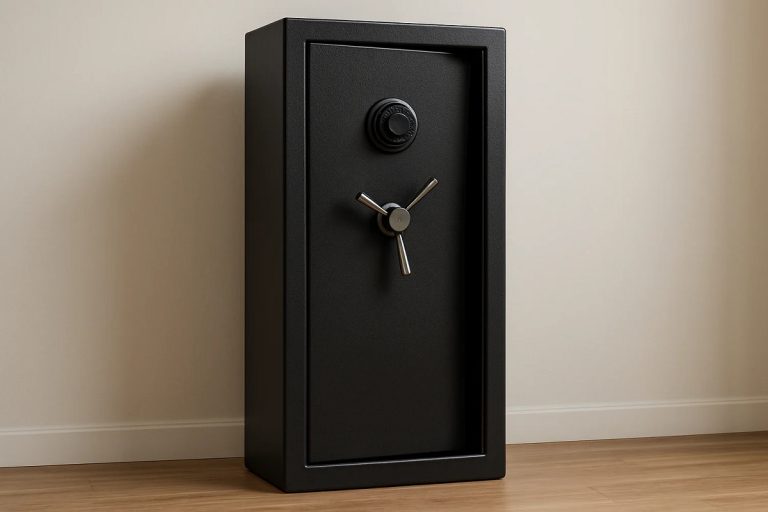
Keeping your gun safe keys in the right place is just as important as securing the firearms inside the safe. Many gun owners focus on protecting the safe itself but overlook the importance of key storage. A misplaced or poorly stored key can delay access when needed or increase the risk of unauthorized entry.
Knowing where to keep gun safe keys helps you balance security with convenience. The goal is to choose a location that remains easy for you to access while staying hidden from children, visitors, or anyone who should not have access. A thoughtful storage plan also reduces the chances of losing your keys.
Several storage options provide better protection than leaving keys on a countertop, in a drawer, or attached to a visible key ring. The right location depends on your daily routine, household setup, and level of security you want to maintain.
This guide explains where to keep gun safe keys, highlights common storage mistakes to avoid, and shares practical tips that help keep your keys secure while ensuring they remain available whenever you need them.
Where to Keep Gun Safe Keys for Maximum Security
Choosing the right storage location for your gun safe keys is essential for protecting both your firearms and your household. A secure key storage method prevents unauthorized access while allowing you to locate the keys quickly when needed. The ideal location balances security, accessibility, and privacy without making the keys easy for others to discover during everyday activities or unexpected situations.
Store Gun Safe Keys in a Hidden Lockbox
A small lockbox provides one of the safest places to store gun safe keys. Unlike a standard drawer or cabinet, a lockbox adds an extra layer of protection by requiring its own key or combination before anyone can reach the gun safe key. This reduces the risk of unauthorized access and helps keep the keys secure even during a burglary.
Choose a lockbox that can be anchored to a wall, shelf, or other solid surface. A fixed lockbox is much harder to remove than a portable one, making it a better long-term security solution. Keeping it in a discreet location further limits the chances of someone finding it during a quick search.
The lockbox should remain separate from the gun safe itself. Storing both in the same area defeats the purpose of adding another level of security. A different room or concealed location helps create multiple barriers against unauthorized access.
Regularly check that the lockbox remains in good condition and that its locking mechanism operates smoothly. Proper maintenance ensures reliable access while maintaining consistent protection for your gun safe keys.
Use a Concealed Location Known Only to Trusted Adults
A carefully chosen hiding place inside your home can help keep gun safe keys out of sight. The location should remain known only to trusted adults who may need emergency access. Privacy plays a major role because fewer people who know the location means fewer opportunities for accidental disclosure.
Avoid common hiding places that burglars frequently search, such as under mattresses, inside desk drawers, beneath flowerpots, or above door frames. These areas are often checked early during a break-in because they are widely recognized as traditional hiding spots.
Instead, choose a location that blends naturally with your home’s layout while remaining easy for you to remember. Consistency also matters because frequently changing the hiding place increases the possibility of misplacing the keys.
Periodically confirm that the keys remain exactly where they should be. Regular checks help ensure they have not been accidentally moved during cleaning, organizing, or other household activities.
Keep Spare Keys in a Separate Secure Location
Having a spare gun safe key provides valuable backup in case the primary key becomes lost, damaged, or misplaced. However, the spare should never be stored alongside the original key. Keeping both together eliminates the advantage of having a backup during an emergency.
Select a second secure location that offers the same level of protection as the primary storage area. This approach reduces the likelihood that both keys become unavailable at the same time. Separation also improves security because discovering one key does not automatically expose the other.
Some homeowners choose another concealed lockbox or a secure storage container in a different part of the home. The important goal is maintaining controlled access while ensuring the spare remains protected from unauthorized individuals.
Inspect spare keys occasionally to verify they remain in good condition and continue to operate the gun safe properly. Routine testing helps prevent unexpected problems when the backup key is eventually needed.
Avoid Easy-to-Find Household Storage Spots
Many people instinctively place important keys in kitchen drawers, bedside tables, coat pockets, or decorative bowls near the entrance. Although these locations offer convenience, they also rank among the first places someone may search when looking for valuables. Easy access often comes at the expense of security.
Visible key hooks and open organizers also create unnecessary risks. Visitors, contractors, or anyone spending time inside the home may unintentionally notice where important keys are kept. Limiting visibility reduces opportunities for unauthorized access and helps maintain better overall firearm security.
Attaching a gun safe key to your everyday keychain can create additional concerns. Losing your keys outside the home or having them stolen may expose both your residence and your firearm storage to unnecessary risk.
Choosing a dedicated, secure storage location instead of common household spots provides stronger protection while helping ensure your gun safe keys remain available only to those authorized to use them.
Places You Should Avoid Keeping Gun Safe Keys
Choosing the wrong place to store your gun safe keys can undermine the security of your entire firearm storage system. Keys left in predictable or easily accessible locations are more likely to be found by children, visitors, or intruders. Avoiding common hiding spots helps reduce unauthorized access while ensuring your keys remain protected and available only to trusted individuals.
Avoid Keeping Gun Safe Keys Inside the Gun Safe
Storing the keys inside the gun safe may seem convenient, but it defeats the purpose of having a keyed locking system. Once the safe is locked, the keys become inaccessible, making it impossible to unlock the safe without an alternative access method. This mistake can create unnecessary delays and frustration when you need to open the safe.
Some people place spare keys inside the safe after using the primary key, believing it is the safest location. However, this eliminates the benefit of having a backup. A spare key should remain available outside the safe in a secure location so it can be used during emergencies or when the primary key is lost.
Keeping all access methods together also reduces overall security. A properly planned storage strategy separates keys from the safe while maintaining controlled access for authorized users.
Choosing an independent and secure storage location provides better protection and helps ensure the keys remain useful whenever they are needed.
Do Not Leave Keys in Obvious Household Drawers
Kitchen drawers, bedside tables, office desks, and entryway cabinets are among the first places people search for important items. Leaving gun safe keys in these locations increases the possibility that children, guests, or burglars may discover them. Convenience should never outweigh proper security.
These storage spots are frequently opened throughout the day, making accidental exposure much more likely. Visitors may notice the keys while borrowing household items, and family members may unknowingly move them during routine cleaning or organization.
Organized burglars often search common storage areas within minutes of entering a home. A key left in a familiar location can provide direct access to firearms without requiring any attempt to break into the safe.
Selecting a concealed storage solution instead of a standard household drawer significantly improves security while reducing the risk of misplaced or stolen keys.
Avoid Carrying Gun Safe Keys on Your Everyday Keychain
Attaching a gun safe key to your daily keychain may appear practical, but it introduces unnecessary risks. Losing your house keys, wallet, or bag could also mean losing immediate control of your gun safe key. Anyone who gains possession of the keychain may eventually identify its purpose.
Everyday keychains are exposed to frequent handling, making them easier to misplace or accidentally leave behind at work, public places, or inside vehicles. The more often the key travels outside the home, the greater the chance of loss or theft.
Some keychains also include labels or accessories that reveal information about the owner or residence. Combined with other personal items, these details may increase security concerns beyond the firearm safe itself.
Keeping the gun safe key separate from regularly carried keys reduces unnecessary exposure while maintaining better control over firearm access.
Never Store Keys in Plain Sight or Easy Hiding Spots
Leaving gun safe keys on countertops, bookshelves, key hooks, or open storage trays makes them visible to anyone entering the home. Even trusted visitors may unintentionally notice their location, increasing the possibility that others become aware of where the keys are stored.
Traditional hiding places such as under a doormat, inside a flowerpot, beneath a mattress, or above a door frame offer very little real protection. These locations are widely recognized and are often checked first during a burglary because they are commonly used for spare house keys.
Children may also discover keys hidden in familiar household locations while playing or exploring. Preventing accidental access is an important part of responsible firearm storage and overall home safety.
A concealed, secure storage method that remains known only to trusted adults offers stronger protection than relying on predictable hiding places that are easy for others to find.
Best Backup Key Storage Strategies
A backup gun safe key can save time and frustration when the primary key is lost, damaged, or temporarily unavailable. However, keeping a spare key without a proper storage plan creates unnecessary security risks. The best strategy combines protection, accessibility, and privacy so that only authorized individuals can locate and use the backup when it is truly needed.
Store the Backup Key in a Secure Lockbox
A dedicated lockbox is one of the most reliable places to keep a backup gun safe key. It provides an additional layer of security by requiring its own key or combination before the spare key can be accessed. This reduces the chance of unauthorized individuals reaching the backup during a burglary or while visiting your home.
For added protection, anchor the lockbox to a wall, shelf, or another solid surface. A secured lockbox is much harder to remove than one that can simply be carried away. Keeping it in a discreet location also helps prevent unnecessary attention from guests or service workers.
The lockbox should be placed in a different room from the gun safe whenever possible. Separating the backup key from the safe creates multiple barriers against unauthorized access and improves your overall firearm security strategy.
Inspect the lockbox periodically to ensure the locking mechanism works properly. Routine maintenance helps guarantee that the backup key remains both secure and accessible when required.
Keep the Backup Key Separate From the Primary Key
One of the most common mistakes is storing the primary and backup keys together. While this may seem convenient, it defeats the purpose of having a spare. Losing one set of keys could mean losing both, leaving you without a practical backup during an emergency.
Choose a completely separate storage location that is equally secure. Keeping the backup in another room or another concealed area reduces the likelihood that both keys become unavailable at the same time. Separation also makes unauthorized access more difficult.
Avoid labeling either key as a gun safe key. Plain, unmarked keys attract less attention and reveal less information if someone unexpectedly discovers them. Maintaining discretion adds another layer of protection.
Review your storage locations occasionally to confirm both keys remain secure. Regular checks help prevent accidental relocation or loss over time.
Share Backup Key Access Only With Trusted Individuals
A backup key is most effective when access is carefully controlled. Only trusted adults who may need emergency access should know where the spare key is stored. Limiting this information reduces unnecessary exposure and helps maintain the security of your firearm storage system.
Avoid discussing the storage location with casual visitors, neighbors, or individuals who do not require access. The fewer people who know about the backup key, the lower the chance of accidental disclosure or misuse. Privacy remains an important part of responsible firearm ownership.
Everyone authorized to access the spare key should understand the importance of returning it to its designated location immediately after use. Consistent habits reduce confusion and help ensure the key remains available for future emergencies.
Regular communication among authorized users helps maintain accountability while preventing misunderstandings about the key’s location.
Check and Test Your Backup Key Regularly
A backup key should not be stored and forgotten. Periodic inspections help confirm that the key remains in its designated location and continues to function correctly. Discovering a damaged or missing key during an emergency can create unnecessary delays and inconvenience.
Testing the backup key occasionally ensures it still operates the gun safe smoothly. Wear, damage, or manufacturing defects may affect performance over time, especially when the key has remained unused for years. Verifying proper operation provides added confidence that it will work when needed.
During routine inspections, examine the storage location for signs of moisture, corrosion, or physical damage. Environmental conditions can affect both the key and the storage container, reducing long-term reliability.
Making backup key inspections part of your regular firearm maintenance routine helps preserve security while ensuring dependable access whenever the primary key is unavailable.
How to Protect Gun Safe Keys from Loss or Damage
Protecting your gun safe keys is an important part of responsible firearm storage. A lost, damaged, or misplaced key can delay access to your firearms and create unnecessary security concerns. By using proper storage methods, handling keys carefully, and inspecting them regularly, you can reduce the risk of lockouts while keeping your gun safe secure and ready for authorized use.
Keep Gun Safe Keys in a Consistent Storage Location
One of the simplest ways to prevent losing your gun safe keys is to store them in the same secure location every time. Frequently moving the keys between drawers, bags, or pockets increases the chances of forgetting where they were placed. A dedicated storage spot helps build a reliable habit and makes retrieval much easier.
Choose a concealed location that remains accessible to authorized adults but hidden from children, visitors, and anyone who should not have access. A small lockbox or another secure storage solution provides better protection than leaving keys in common household areas.
Consistency also helps during emergencies. When everyone authorized to access the safe knows the approved storage location, valuable time is not wasted searching through multiple rooms. This organized approach supports both convenience and security.
Make it a routine to return the keys immediately after locking or unlocking the safe. Simple daily habits greatly reduce the likelihood of accidental loss over time.
Protect Keys From Moisture, Heat, and Physical Damage
Although gun safe keys are made from durable metal, they can still suffer damage when exposed to harsh environmental conditions. Excess moisture may cause corrosion, while prolonged exposure to humidity can affect the key’s surface over time. Rust or corrosion can interfere with smooth operation inside the lock.
Extreme heat should also be avoided. Leaving keys near heaters, fireplaces, or in vehicles exposed to direct sunlight for extended periods may affect attached plastic covers or identification tags. Physical damage from bending, dropping, or crushing the key can also make it difficult to insert or turn properly.
Store the keys in a clean, dry environment where they are protected from everyday household hazards. A protective key holder or storage case can help prevent scratches, bending, and unnecessary wear during long-term storage.
Inspect your keys periodically for signs of rust, cracks, or other damage. Replacing a worn key before it fails can help prevent unexpected access problems.
Create a Secure Backup Plan
A backup key provides peace of mind, but it should be protected just as carefully as the primary key. Store the spare in a separate secure location rather than keeping both keys together. This approach ensures that losing one key does not eliminate every method of accessing the gun safe.
Choose a concealed storage location that is known only to trusted adults. A dedicated lockbox, secure cabinet, or another protected area offers better security than common hiding places. Avoid labeling the backup key in a way that identifies its purpose.
Review your backup storage arrangement regularly to confirm the key remains in place and is still in good condition. Periodic inspections help prevent unpleasant surprises during emergencies when the spare key becomes necessary.
Maintaining a reliable backup strategy strengthens your overall firearm security while reducing the stress of unexpected key loss.
Handle Gun Safe Keys Carefully During Everyday Use
Daily handling habits have a significant impact on the lifespan of gun safe keys. Avoid forcing a key into the lock or turning it with excessive pressure, as this may damage both the key and the locking mechanism. A properly functioning lock should operate smoothly when the correct key is used.
Keep the key separate from heavy keychains that add unnecessary weight or place stress on the key while it hangs. Repeated pulling and twisting can gradually weaken the metal, increasing the risk of bending or breakage over time.
After unlocking the safe, return the key directly to its designated storage location rather than placing it temporarily on a countertop, table, or shelf. Temporary placement is one of the most common reasons keys become misplaced.
Developing careful handling habits and following a consistent storage routine helps preserve the condition of your gun safe keys while ensuring they remain secure, functional, and available whenever authorized access is required.
Choosing the Right Storage Method for Your Lifestyle
The best place to store your gun safe keys depends on your daily routine, household setup, and security needs. A storage method that works well for one person may not be suitable for another. Choosing a solution that fits your lifestyle helps you maintain consistent habits, reduces the risk of misplaced keys, and ensures authorized access remains both secure and convenient.
Consider Your Household Size and Daily Routine
Your household plays an important role in determining the safest storage method for gun safe keys. Homes with children, frequent visitors, or shared living spaces often require additional security measures to prevent unauthorized access. A concealed lockbox or another secure storage solution may provide greater protection than leaving keys in ordinary household locations.
Daily habits also influence the best storage choice. People who access their gun safe regularly may benefit from a location that is secure yet easy to reach, while those who use the safe less often may prioritize maximum concealment. Matching your storage method to your routine helps create consistent habits and reduces the chance of misplacing the keys.
Think about how often you unlock the safe and who may need authorized access. A practical storage plan should support your schedule without sacrificing security or creating unnecessary inconvenience.
Review your routine occasionally as family needs and household arrangements change. Updating your storage strategy over time helps maintain both safety and accessibility.
Balance Security With Convenient Access
A highly secure hiding place may not always be the most practical option when quick access is important. At the same time, storing keys in an easily accessible location can weaken the overall security of your firearm storage. Finding the right balance helps protect your firearms while ensuring authorized users can retrieve the keys without unnecessary delays.
Choose a storage location that remains hidden from visitors and unauthorized individuals but can still be reached quickly during normal use. A secure lockbox, concealed cabinet, or another protected storage area often provides this balance while keeping the keys organized.
Avoid changing the storage location frequently. Constantly moving the keys from one place to another increases the risk of forgetting where they were placed. Consistency makes it easier to develop reliable habits and reduces confusion during emergencies.
The goal is to create a storage system that feels natural to your everyday routine while maintaining strong security standards at all times.
Select a Storage Method That Supports Long-Term Organization
A well-organized storage system makes it easier to keep track of both primary and backup gun safe keys. Rather than relying on memory alone, establish a dedicated location that remains reserved specifically for firearm access. Organized storage reduces clutter and minimizes the possibility of accidental loss.
Keep the primary and spare keys in separate secure locations to prevent a single incident from affecting both. Maintaining this separation also strengthens security by limiting access to every key at once. A clearly planned arrangement makes future inspections and maintenance much simpler.
Inspect your storage areas periodically to confirm the keys remain where they belong and that the storage containers continue functioning properly. Small routine checks help identify potential problems before they become serious.
An organized storage method also makes it easier for trusted household members to locate the keys when authorized access becomes necessary, reducing confusion during urgent situations.
Adapt Your Storage Strategy as Your Needs Change
Your preferred key storage method may need to evolve over time. Moving to a new home, renovating existing rooms, welcoming additional family members, or changing daily routines can all affect how securely and conveniently your gun safe keys should be stored. Reviewing your setup regularly helps ensure it continues meeting your needs.
Changes in firearm ownership may also influence your storage strategy. Adding more firearms, purchasing a larger safe, or introducing additional security measures may require adjustments to where and how you store your keys. A flexible approach allows your storage system to grow alongside your security requirements.
Technology can also play a role in improving organization. Some gun owners choose secure key management solutions or additional locking devices that complement traditional key storage while maintaining controlled access.
Regularly evaluating your storage method helps ensure it remains practical, organized, and secure. A system that adapts to your lifestyle supports responsible firearm ownership while reducing the risk of lost, damaged, or improperly stored gun safe keys.
People Also Asked
Where Should You Keep Gun Safe Keys?
You should keep your gun safe keys in a secure, concealed location that is easily accessible to you but hidden from children, visitors, and unauthorized individuals. A locked key box, concealed cabinet, or another protected storage area provides better security than leaving the keys in common household locations.
The storage location should remain consistent so you always know where to find the keys. Avoid moving them between different rooms or placing them on countertops or tables, as this increases the risk of losing them or exposing them to others.
Is It Safe To Keep Gun Safe Keys In A Drawer?
Keeping gun safe keys in a standard household drawer is generally not recommended. Kitchen drawers, bedside tables, office desks, and entryway cabinets are among the first places someone may search during a burglary. Family members and guests may also discover the keys accidentally.
A better option is to store the keys inside a secure lockbox or another concealed storage location. This provides an additional layer of protection while reducing the likelihood of unauthorized access or accidental misplacement.
Should You Keep A Spare Gun Safe Key?
Yes, you should keep a spare gun safe key in case the primary key becomes lost, damaged, or misplaced. Having a backup key helps prevent lockouts and allows you to access your firearms without unnecessary delays during important situations.
Store the spare key in a secure location that is separate from the primary key. Keeping both keys together defeats the purpose of having a backup. Regularly inspect the spare key to ensure it remains functional and protected from moisture, corrosion, or physical damage.
Can You Hide Gun Safe Keys Inside The Gun Safe?
You should not store gun safe keys inside the gun safe after locking it. Doing so makes the keys inaccessible and defeats the purpose of having a keyed locking system. It can also create unnecessary complications when you need to unlock the safe.
Even a spare key should remain outside the safe in a secure location. Keeping the backup separate ensures you still have access if the primary key is lost or unavailable. A secure lockbox or concealed storage area offers a much more practical solution.
What Places Should You Avoid When Storing Gun Safe Keys?
You should avoid leaving gun safe keys in obvious locations such as kitchen drawers, under doormats, inside flowerpots, above door frames, on visible key hooks, or attached to your everyday keychain. These locations are predictable and may be checked quickly during a burglary.
You should also avoid storing the keys near the gun safe itself. Separating the keys from the safe adds another layer of security and makes unauthorized access more difficult. Choosing a hidden and secure storage location significantly improves firearm safety.
How Can You Prevent Losing Your Gun Safe Keys?
You can reduce the risk of losing your gun safe keys by always returning them to the same secure storage location immediately after use. Developing a consistent routine helps prevent accidental misplacement and makes the keys easier to locate when needed.
You should also protect the keys from moisture, excessive heat, and physical damage by storing them in a clean, dry environment. Keeping a properly stored backup key and checking both keys periodically ensures reliable access while maintaining the security of your firearm storage system.
Final Thoughts
Keeping your gun safe keys in the right place is just as important as securing the firearms inside the safe. Many gun owners focus on protecting the safe itself but overlook the importance of key storage. A misplaced or poorly stored key can delay access when needed or increase the risk of unauthorized entry.
Knowing where to keep gun safe keys helps you balance security with convenience. The goal is to choose a location that remains easy for you to access while staying hidden from children, visitors, or anyone who should not have access. A thoughtful storage plan also reduces the chances of losing your keys.
Several storage options provide better protection than leaving keys on a countertop, in a drawer, or attached to a visible key ring. The right location depends on your daily routine, household setup, and level of security you want to maintain.
This guide explains where to keep gun safe keys, highlights common storage mistakes to avoid, and shares practical tips that help keep your keys secure while ensuring they remain available whenever you need them.