Where Not to Put a Gun Safe Top Placement Mistakes You Must Avoid
Choosing the right location for secure firearm storage is just as important as selecting a high-quality safe. Many people focus on size, locking features, and fire ratings but overlook placement, which can affect safety, accessibility, and long-term protection. A poor location may expose the safe to moisture, structural issues, or unnecessary attention.
Understanding where not to put a gun safe helps you avoid common mistakes that reduce security and shorten the safe’s lifespan. The wrong spot can increase the risk of corrosion, make the safe easier to target, or create problems during emergencies. Careful placement supports both firearm protection and household safety.
Every home has spaces that seem convenient but come with hidden drawbacks. Basements, garages, upper floors, and highly visible rooms all present different challenges that deserve careful consideration before installation.
This guide explains where not to put a gun safe, why certain locations should be avoided, and what factors matter most when choosing a safer, more practical place for long-term firearm storage.
Where Not to Put a Gun Safe in Your Home
Selecting the right place for a gun safe is about more than convenience. The location directly affects security, durability, and how well the safe protects your firearms over time. Some areas of a home may seem practical at first but can expose the safe to moisture, theft, structural stress, or difficult access. Understanding which locations to avoid helps you make a smarter long-term decision.
Avoid Placing a Gun Safe in the Garage
A garage often appears to be an ideal place because it offers plenty of space and allows for easy installation. However, it is usually one of the least secure locations in a home. Garages are common entry points for burglars, and a safe sitting in plain sight can quickly attract unwanted attention. Even when covered, the frequent opening of garage doors increases the chance that others will notice it.
Temperature changes are another major concern. Garages experience extreme heat during summer and colder conditions during winter. These fluctuations can create condensation inside the safe, especially when humidity levels rise. Over time, excess moisture may contribute to rust on firearms, ammunition, and metal accessories stored inside.
Garages also expose gun safes to dirt, dust, vehicle exhaust, and chemicals used for automotive maintenance. These contaminants can affect the exterior finish of the safe and increase maintenance requirements. Regular exposure to these conditions may shorten the safe’s lifespan compared with a climate-controlled indoor location.
Heavy equipment, vehicles, and storage items constantly moving through the garage also increase the risk of accidental damage. Scratches, dents, and impacts can affect both the safe’s appearance and its surrounding area. Choosing a more protected indoor location generally offers better security and environmental protection.
Keep Gun Safes Out of Damp Basements
Basements provide extra space and can hide a gun safe from casual visitors, but moisture remains a serious concern. Even finished basements may experience higher humidity than the rest of the home. Small amounts of moisture can build up over time, creating conditions that encourage rust and corrosion on firearms and important metal components.
Water leaks create another risk. Heavy rain, plumbing failures, or foundation seepage can allow water to reach the safe. Although many gun safes provide some protection against external conditions, standing water may damage documents, accessories, and the safe itself. Flooding can also make recovery and cleanup far more difficult.
Poor ventilation often adds to basement moisture problems. Limited airflow allows humidity to remain trapped around the safe for extended periods. Without proper climate control or dehumidifying equipment, moisture levels may remain consistently high throughout the year, increasing maintenance demands.
Structural concerns also deserve attention. Some unfinished basement floors may require additional preparation before anchoring a heavy safe. An uneven surface can reduce stability and complicate installation. Selecting a dry, well-ventilated area on a solid floor helps improve both safety and long-term firearm protection.
Do Not Place a Gun Safe Near Windows or Exterior Doors
Visibility plays a major role in home security. Placing a gun safe near windows or exterior doors makes it easier for visitors, delivery personnel, or potential burglars to notice valuable storage inside the home. Even a quick glimpse from outside may encourage unwanted attention and increase security risks.
Exterior walls also experience larger temperature swings than interior areas. Direct sunlight through windows can significantly increase heat around the safe, while colder outdoor temperatures affect nearby walls during winter. These changing conditions may contribute to internal moisture buildup and unnecessary wear on stored firearms.
Large windows also increase exposure during emergencies. Severe storms or broken glass may damage the surrounding area, making access more difficult or creating additional hazards. Flying debris can strike the safe or nearby property, especially during extreme weather events.
Keeping a gun safe away from highly visible locations supports better security without sacrificing accessibility. Interior rooms, closets, or concealed areas generally provide greater privacy while reducing opportunities for criminals to identify valuable firearm storage inside the home.
Avoid Installing a Gun Safe on Weak Upper Floors
Modern gun safes can weigh several hundred pounds before firearms, ammunition, and accessories are added. Installing such weight on an upper floor without considering structural capacity may place unnecessary stress on floor joists. Concentrated weight over a small area can become a long-term concern in some homes.
Older homes deserve additional caution because flooring systems may not have been designed to support extremely heavy loads in one location. Even newer homes benefit from evaluating floor strength before installation. Proper planning helps prevent sagging floors or expensive structural repairs later.
Moving a heavy safe upstairs also creates installation challenges. Tight stairways, narrow hallways, and sharp corners increase the difficulty of transportation while raising the risk of property damage or personal injury. Professional movers often require specialized equipment for these situations.
A ground-floor location on a reinforced concrete slab generally provides greater stability and simplifies installation. When an upper-floor location remains necessary, verifying structural support beforehand helps ensure the safe remains secure without placing unnecessary stress on the home’s framework.
Areas That Increase Theft Risks
A gun safe provides strong protection, but its effectiveness also depends on where it is installed. Certain areas around a home make it easier for thieves to locate, access, or remove a safe during a burglary. Avoiding these high-risk locations improves overall security and helps keep firearms protected. Careful placement reduces visibility, limits opportunities for theft, and makes unauthorized access much more difficult.
Highly Visible Rooms Make Gun Safes Easy to Spot
Living rooms, family rooms, and home offices often receive frequent visitors, making them poor choices for storing a gun safe. Friends, contractors, delivery workers, or service technicians may unintentionally notice the safe during routine visits. Once someone knows valuable firearms are stored inside the home, that information can spread beyond your control.
A visible gun safe may also encourage burglars to spend more time inside the home. Instead of leaving quickly after collecting smaller valuables, thieves may attempt to break into or remove the safe. Even when they cannot open it immediately, they may try to transport it to another location where they have more time and better tools.
Large windows increase this risk even further. A safe positioned where it can be seen from outside gives potential criminals valuable information before they even enter the property. Keeping firearm storage hidden from public view reduces unnecessary attention and supports stronger home security.
Choosing a less noticeable location helps protect both the safe and its contents. Interior closets, secure utility rooms, or concealed storage spaces generally provide better privacy while making it harder for unauthorized individuals to identify valuable firearm storage.
Entryways and Exit Routes Give Thieves an Advantage
Placing a gun safe close to front doors, back doors, or side entrances creates another security concern. Burglars often enter and leave through these areas because they provide the fastest route in and out of a home. A safe located nearby reduces the distance criminals must move heavy equipment or valuable contents.
Short transportation paths also increase the likelihood that multiple intruders can remove the safe before neighbors notice suspicious activity. Although many safes weigh hundreds of pounds, organized thieves sometimes use dollies, lifting straps, or vehicles to transport them quickly when access is convenient.
Areas near garage entrances present similar problems. Once a safe reaches the garage, loading it into a vehicle becomes much easier. Keeping the safe farther from common exit routes forces criminals to spend more time inside the home, increasing the chances of detection.
Selecting a location deeper within the house creates additional obstacles that discourage theft. Longer travel distances, tighter hallways, and concealed rooms all contribute to stronger physical security.
Rooms Frequently Accessed by Guests Increase Exposure
Guest bedrooms, entertainment spaces, and shared recreational areas experience regular foot traffic. Every visitor who enters these rooms has an opportunity to notice a gun safe, even without intentionally looking for one. Repeated exposure increases the likelihood that someone remembers its location long after leaving your home.
Household workers, maintenance personnel, cleaners, and temporary contractors may also access these rooms during scheduled visits. While most professionals are trustworthy, reducing unnecessary visibility remains a smart security practice. Limiting awareness of firearm storage reduces the chance of sensitive information reaching the wrong people.
Children’s playrooms and hobby spaces can create similar concerns because family members and guests often gather there. A gun safe placed in these locations attracts more attention than one stored in a private, restricted area.
Keeping firearm storage in a room with limited access supports better privacy. Restricting visibility to trusted household members helps maintain stronger control over valuable firearms and related equipment.
Detached Buildings and Unsecured Storage Areas Are Easier Targets
Detached garages, storage sheds, workshops, and outdoor buildings usually offer lower security than the main house. These structures may have lighter doors, weaker locks, and fewer security features, making them more attractive targets for criminals searching for valuable items.
Many detached buildings remain unoccupied for long periods, giving burglars additional time to work without interruption. Reduced lighting and limited visibility from neighboring homes can further increase theft opportunities. Even a heavy gun safe becomes more vulnerable when isolated from the main living area.
Environmental conditions in these buildings also create additional concerns. Temperature changes, humidity, dust, and moisture may affect both the safe and the firearms stored inside, increasing maintenance requirements over time.
Installing a gun safe inside the primary residence generally provides stronger overall protection. Combining a concealed indoor location with solid anchoring, quality locks, and home security measures creates multiple layers of defense against theft.
Structural Problems
The location of a gun safe affects more than security because it also impacts the structural integrity of your home. A fully loaded safe can weigh hundreds or even thousands of pounds, placing significant pressure on floors and supporting structures. Choosing an unsuitable location may lead to long-term damage, expensive repairs, or installation challenges. Understanding these structural concerns helps ensure both your home and your gun safe remain stable for years.
Weak Flooring May Not Support a Heavy Gun Safe
Not every floor is designed to handle the concentrated weight of a large gun safe. While standard household flooring supports everyday furniture, a heavy safe places substantial pressure on a relatively small area. This concentrated load may exceed the intended capacity of certain flooring systems, particularly in older homes or rooms with aging structural components.
Over time, excessive weight can cause floors to sag, develop uneven surfaces, or produce noticeable creaking. These warning signs indicate that the structure is under stress and may require reinforcement. Even minor movement can affect the stability of the safe and make proper door alignment more difficult.
Wood flooring is especially vulnerable when the safe is installed without distributing its weight evenly. Placing the safe directly over stronger structural support helps reduce unnecessary strain. Many homeowners also use reinforced platforms to spread the load across a wider area.
Evaluating floor strength before installation protects both the home and the safe. Selecting a structurally sound location reduces future maintenance concerns and provides a more secure foundation for long-term firearm storage.
Upper Floors Can Create Excess Structural Stress
Installing a gun safe on an upper level may seem convenient, especially when storage space is limited downstairs. However, upper floors rely on joists and beams that carry weight differently than concrete slabs. A heavy safe concentrated in one location can place significant stress on these structural elements.
Large safes become even heavier after firearms, ammunition, documents, and accessories are added. The combined weight may continue increasing over time, making the original installation location less suitable than expected. Structural movement may develop gradually rather than appearing immediately after installation.
Transporting a heavy safe upstairs also introduces additional challenges. Staircases, landings, and hallways can experience considerable stress during the moving process. Accidental impacts may damage walls, flooring, railings, or door frames before the safe even reaches its final position.
A carefully selected ground-floor location often provides greater structural stability while simplifying installation. Choosing an area supported by a reinforced concrete foundation reduces the overall load placed on elevated framing systems.
Uneven Surfaces Reduce Stability
A gun safe performs best when installed on a level, solid surface. Uneven flooring can cause the safe to shift slightly over time, affecting both stability and ease of operation. Even a small tilt may place additional stress on door hinges and locking mechanisms, leading to premature wear.
Basement floors, older concrete slabs, and worn wooden flooring sometimes develop uneven sections due to settling or age. Installing a heavy safe directly on these surfaces may reduce overall stability. Small gaps beneath the safe can also interfere with proper anchoring and create unnecessary movement.
An unstable installation increases the likelihood of vibration whenever the safe door is opened or closed. Repeated movement can gradually loosen anchor bolts or place additional strain on the surrounding floor. Maintaining a firm, level base supports better long-term performance.
Preparing the installation area before positioning the safe helps eliminate many of these concerns. A flat, properly supported surface provides a stronger foundation and improves both safety and durability.
Ignoring Structural Support Can Increase Repair Costs
Installing a heavy gun safe without considering structural support may result in costly home repairs later. Floors that gradually weaken under excessive weight often require reinforcement, replacement, or professional structural evaluation. Addressing these issues after installation is usually more expensive than planning ahead.
Cracked flooring materials, damaged subfloors, and shifting support beams may affect nearby rooms as structural stress spreads. Repairs often involve removing the safe before construction can begin, adding time, labor, and moving expenses to the overall project.
Structural damage may also reduce the safe’s effectiveness. An unstable foundation can interfere with proper anchoring, making the safe less secure against attempted theft. Stable installation benefits both home protection and firearm security.
Taking structural capacity into account before selecting a location helps avoid unnecessary expenses. Proper planning creates a safer installation, protects the home’s framework, and supports reliable performance throughout the safe’s lifespan.
Environmental Conditions That Harm Firearms
A gun safe protects firearms from theft, but the surrounding environment also plays a major role in preserving their condition. Excess moisture, temperature fluctuations, dust, and poor air circulation can gradually damage firearms even when they are stored inside a quality safe. Choosing the right location helps maintain firearm performance, prevents unnecessary maintenance, and extends the life of both the firearms and the safe itself.
High Humidity Encourages Rust and Corrosion
Humidity is one of the biggest threats to firearm storage. Moisture in the air can settle on metal surfaces, creating ideal conditions for rust and corrosion to develop. Even a small amount of rust can affect a firearm’s appearance, while prolonged exposure may damage important mechanical components and reduce reliability over time.
Areas such as damp basements, unfinished storage rooms, and poorly ventilated spaces often maintain higher humidity levels throughout the year. Moisture can also accumulate inside a gun safe whenever humid air becomes trapped after the door is closed. This hidden moisture may continue affecting firearms long after they have been stored.
Wooden stocks, leather accessories, and important documents stored alongside firearms are also vulnerable to excessive humidity. Wood may expand or warp, leather can develop mold, and paper records may deteriorate over time. These problems often occur gradually, making regular inspection especially important.
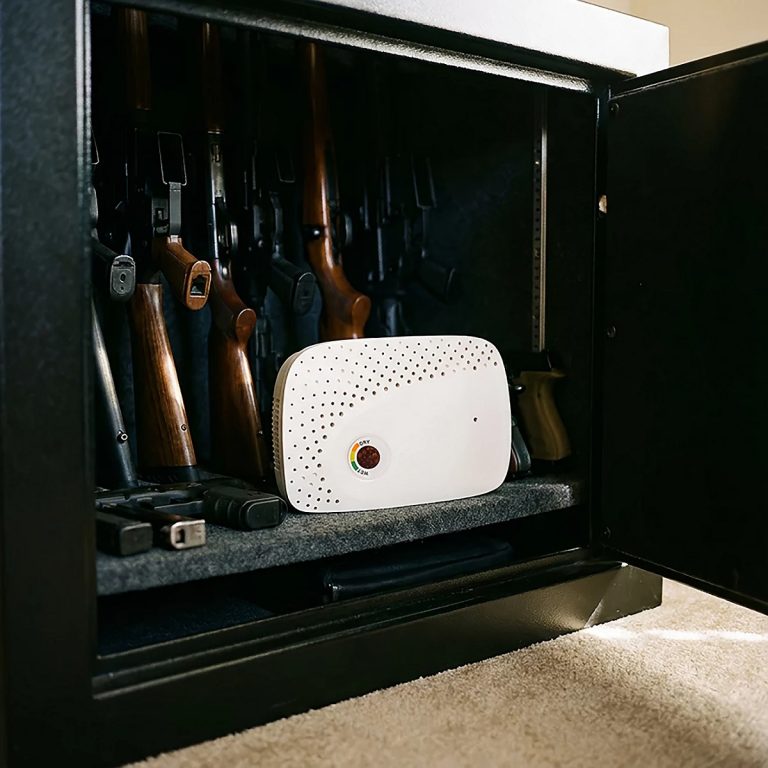
Keeping firearms in a dry, climate-controlled environment significantly reduces moisture-related damage. Proper ventilation and humidity management help preserve both the firearms and everything stored inside the safe.
Extreme Temperature Changes Affect Firearm Protection
Frequent changes in temperature can create problems even when firearms remain inside a locked safe. Warm air meeting cooler metal surfaces often produces condensation, allowing moisture to collect on firearm components. Repeated condensation cycles increase the likelihood of corrosion and require more frequent cleaning and maintenance.
Garages, sheds, attics, and exterior storage rooms commonly experience wide temperature swings between day and night. Summer heat can raise interior temperatures dramatically, while winter conditions may cool metal surfaces enough to encourage condensation whenever warmer air enters the safe.
Some firearm accessories also respond poorly to excessive temperatures. Lubricants may become thinner in high heat or thicken during colder conditions, potentially affecting firearm maintenance. Optics, electronic accessories, and batteries may also experience reduced performance when exposed to repeated temperature extremes.
Selecting an indoor location with relatively stable temperatures helps minimize these environmental stresses. Consistent conditions provide better long-term protection for firearms and their accessories.
Dust and Airborne Contaminants Cause Long-Term Wear
Dust may appear harmless, but continuous exposure can gradually affect firearm condition. Fine particles settle on metal surfaces, moving parts, and optics, increasing cleaning requirements and contributing to premature wear. Dust mixed with lubricants can form abrasive residue that affects smooth mechanical operation over time.
Garages, workshops, and utility rooms often contain airborne contaminants such as sawdust, construction debris, vehicle exhaust, or chemical residue. These particles easily enter a gun safe whenever the door is opened. Over months or years, contamination may build up inside the safe despite its secure construction.
Certain household chemicals stored nearby can also release vapors that contribute to corrosion. Cleaning products, paint supplies, fertilizers, and automotive chemicals create an environment that is less suitable for long-term firearm storage. Keeping these materials away from the safe reduces unnecessary exposure.
A clean indoor environment supports better firearm preservation. Regular maintenance combined with a low-dust storage location helps reduce wear while maintaining reliable performance.
Poor Air Circulation Traps Moisture Inside the Safe
Limited airflow around a gun safe can allow moisture to remain trapped for extended periods. Small enclosed spaces with little ventilation often maintain higher humidity, especially during seasonal weather changes. Even a well-built safe cannot completely prevent moisture problems when the surrounding environment remains damp.
Closets with restricted airflow, enclosed storage rooms, and cramped utility spaces may hold humid air for long periods. Each time the safe door opens, fresh air enters and can introduce additional moisture. Without proper circulation, that moisture has fewer opportunities to escape naturally.
Poor ventilation may also increase the chance of musty odors, mold growth on non-metal items, and gradual deterioration of stored accessories. Important documents, fabric cases, and leather products are particularly sensitive to these conditions. Maintaining healthy airflow benefits every item stored inside the safe.
Choosing a location with good ventilation and stable indoor conditions helps create a healthier storage environment. Combined with routine inspections and proper maintenance, adequate airflow supports long-term firearm protection while reducing the effects of moisture and environmental wear.
People Also Asked
Where Not To Put A Gun Safe?
You should avoid placing a gun safe in areas that increase theft risks, expose firearms to moisture, or cannot safely support the safe’s weight. Garages, damp basements, sheds, and locations near windows or exterior doors are generally poor choices because they may compromise security or create environmental problems. Rooms with frequent visitor access can also make your safe more noticeable.
A better approach is to choose a concealed, climate-controlled location with a strong, stable floor. Proper placement helps protect your firearms from corrosion, unauthorized access, and structural issues while extending the lifespan of both the safe and its contents.
Can You Put A Gun Safe In The Garage?
You can place a gun safe in a garage, but it is usually not the best location. Garages often experience large temperature swings, high humidity, and increased exposure to dust, chemicals, and vehicle exhaust. These conditions may encourage rust on firearms and require more frequent maintenance.
A garage is also one of the first places burglars check during a break-in. Even a heavy safe can become a target when it is visible or easily accessible. Choosing an indoor, climate-controlled area generally provides better protection for your firearms and improves long-term security.
Is A Basement A Bad Place For A Gun Safe?
A basement can work for firearm storage, but you should avoid damp or flood-prone areas. High humidity and water leaks can damage firearms, ammunition, important documents, and other valuables stored inside the safe. Moisture may also cause rust and corrosion over time, especially without proper humidity control.
You should inspect the basement for signs of water intrusion before installation. A dry, finished basement with good ventilation and moisture control is a better option than an unfinished or consistently damp space. Regular maintenance and humidity management also help protect your firearms.
Why Should You Avoid Putting A Gun Safe Near A Window?
You should avoid placing a gun safe near windows because it increases visibility from outside your home. A visible safe can attract unwanted attention and provide potential burglars with information about valuable firearms stored inside. Reducing visibility is an important part of home security.
Windows may also expose the safe to direct sunlight, causing higher temperatures around the safe throughout the day. Temperature changes can contribute to condensation inside the safe, increasing the risk of rust. Choosing a concealed interior location helps improve both firearm protection and overall home security.
Can An Upstairs Floor Hold A Heavy Gun Safe?
An upstairs floor may support a gun safe, but you should verify the structural capacity before installation. Large safes become extremely heavy once firearms, ammunition, and accessories are added. Concentrated weight can place stress on floor joists and may eventually contribute to sagging or structural damage.
You should also consider the difficulty of moving a heavy safe upstairs. Stairways and hallways may be damaged during installation, and transportation often requires professional equipment. A reinforced ground-floor location generally provides greater stability and reduces structural concerns.
What Is The Best Environment To Protect Firearms Inside A Gun Safe?
You should store your gun safe in a clean, dry, climate-controlled area with stable temperatures and low humidity. Excess moisture, poor ventilation, and frequent temperature changes can lead to rust, corrosion, mold, and damage to firearms, accessories, and important documents stored inside the safe.
Regularly checking humidity levels and maintaining proper airflow around the safe helps preserve firearm condition. A concealed indoor location away from moisture, direct sunlight, and heavy household traffic offers better long-term protection while reducing security risks and minimizing maintenance requirements.
Final Thoughts
Choosing the right location for your gun safe is just as important as selecting the safe itself. A poor placement decision can expose your firearms to theft, moisture, fire risks, or structural damage. Taking time to understand where not to put a gun safe helps protect your investment while keeping your firearms secure and in good condition for years.
Carefully evaluate every potential location before installation. Avoid areas with high humidity, extreme temperatures, heavy foot traffic, or weak flooring. By knowing where not to put a gun safe, you can reduce security risks and improve both accessibility and long-term performance without compromising safety.
A well-placed gun safe offers greater protection, reliability, and peace of mind. Use the recommendations in this guide to make an informed decision based on your home’s layout and your security needs. Understanding where not to put a gun safe is a practical step toward responsible firearm storage and protecting what matters most.